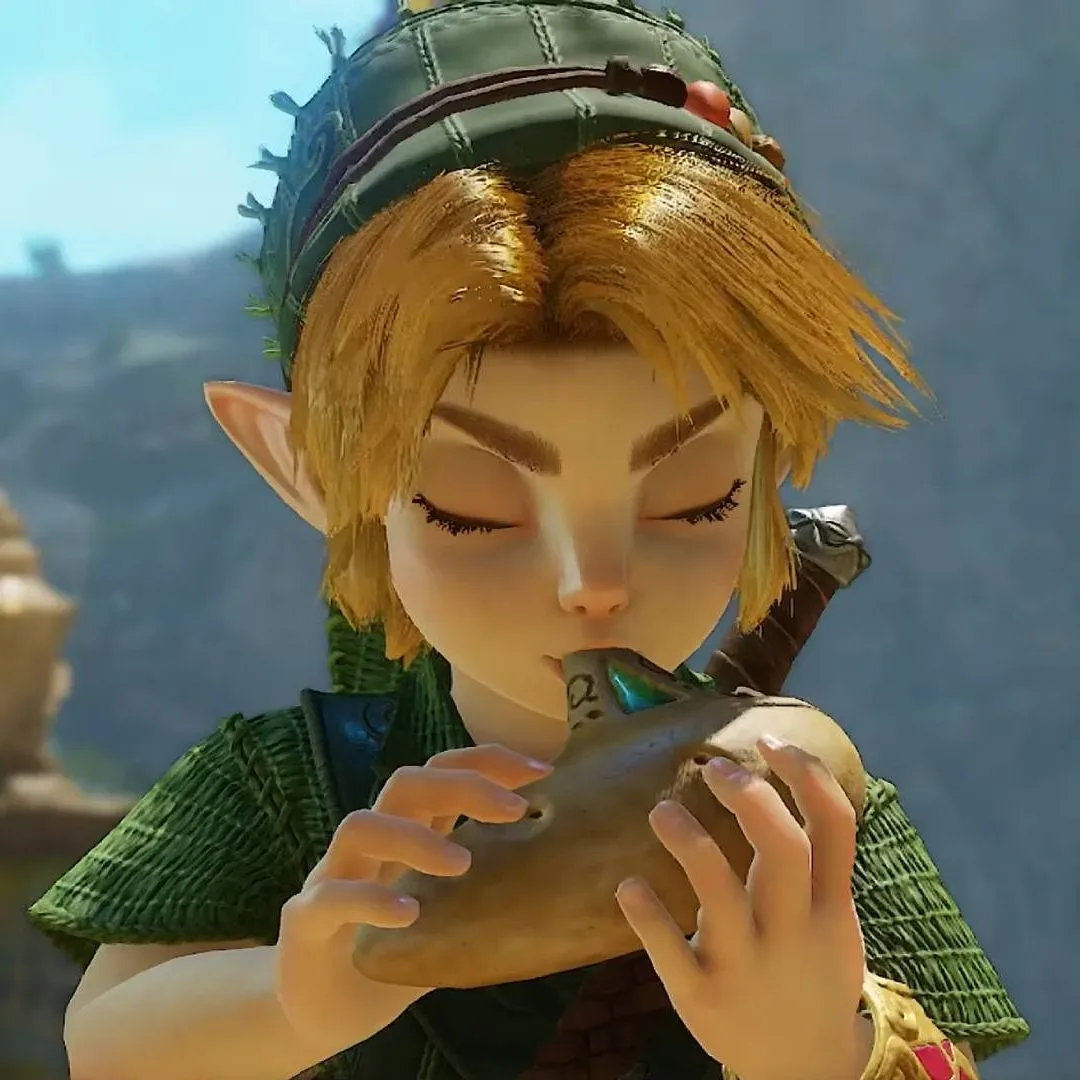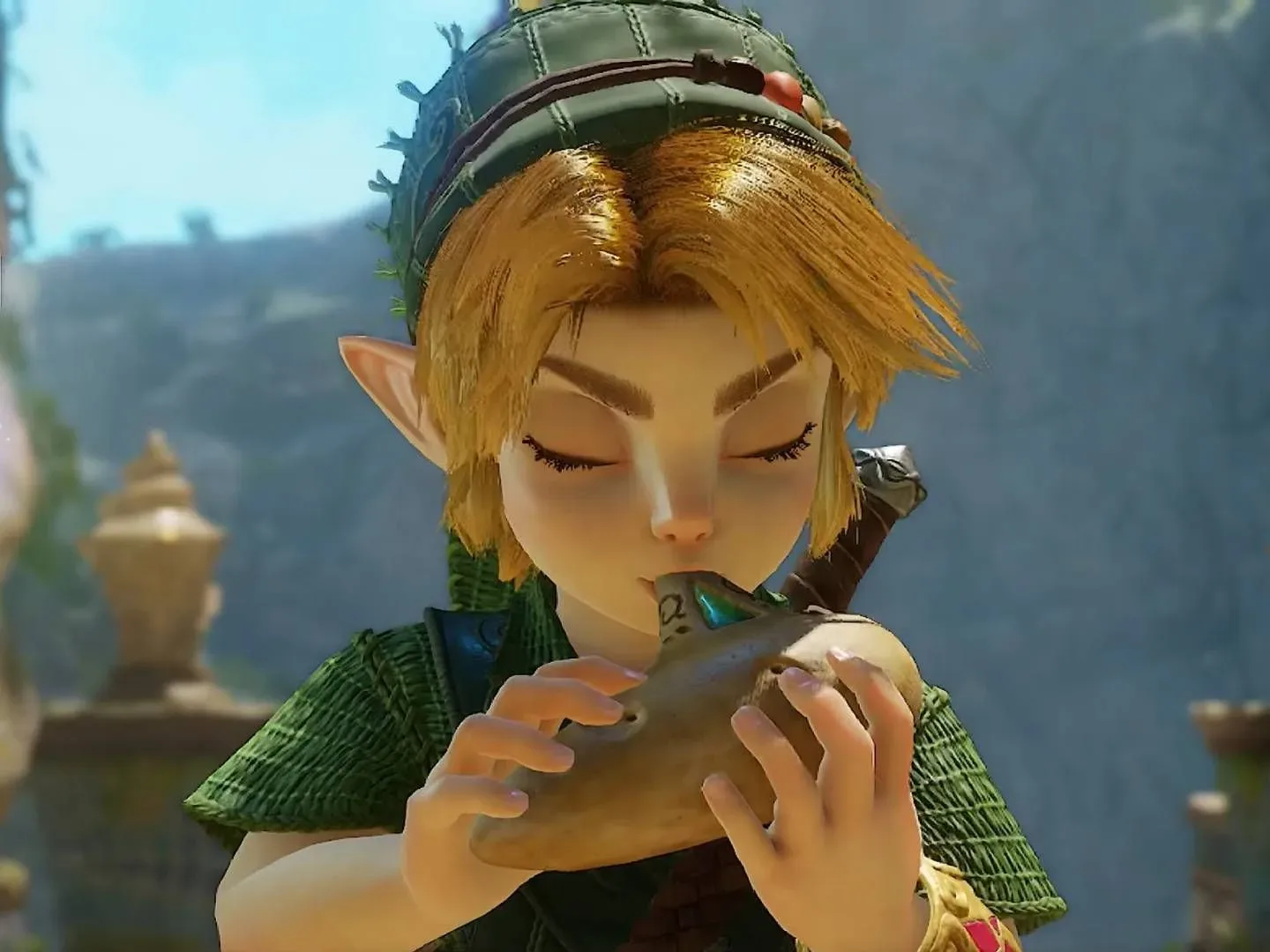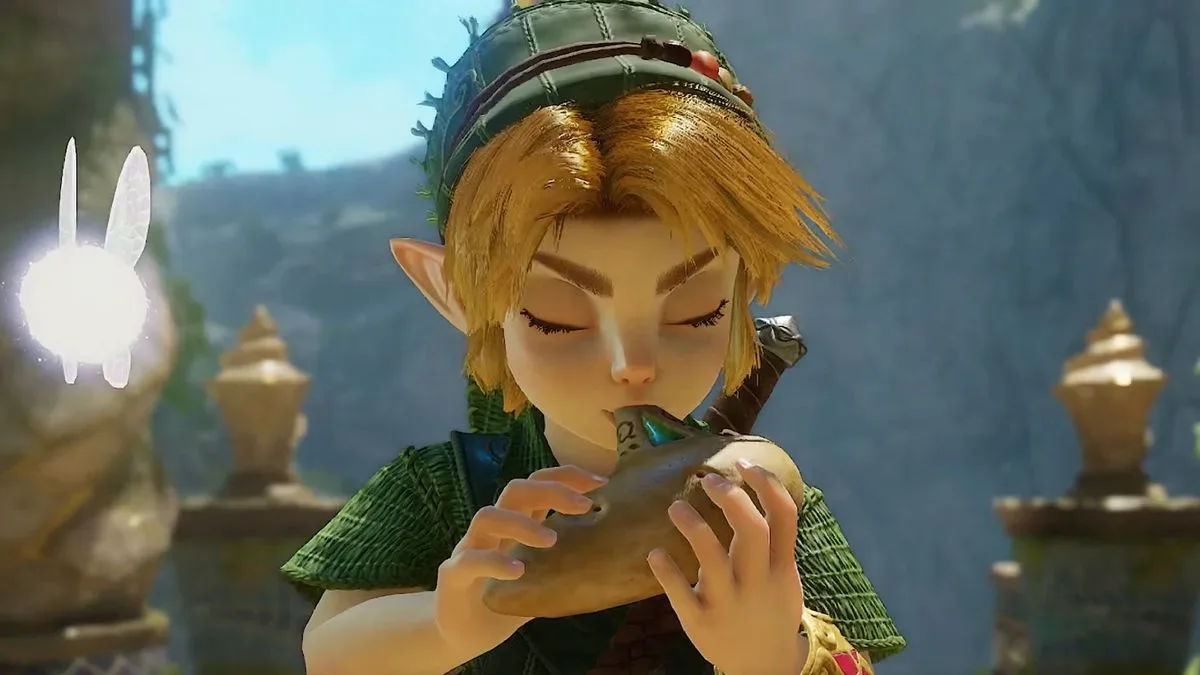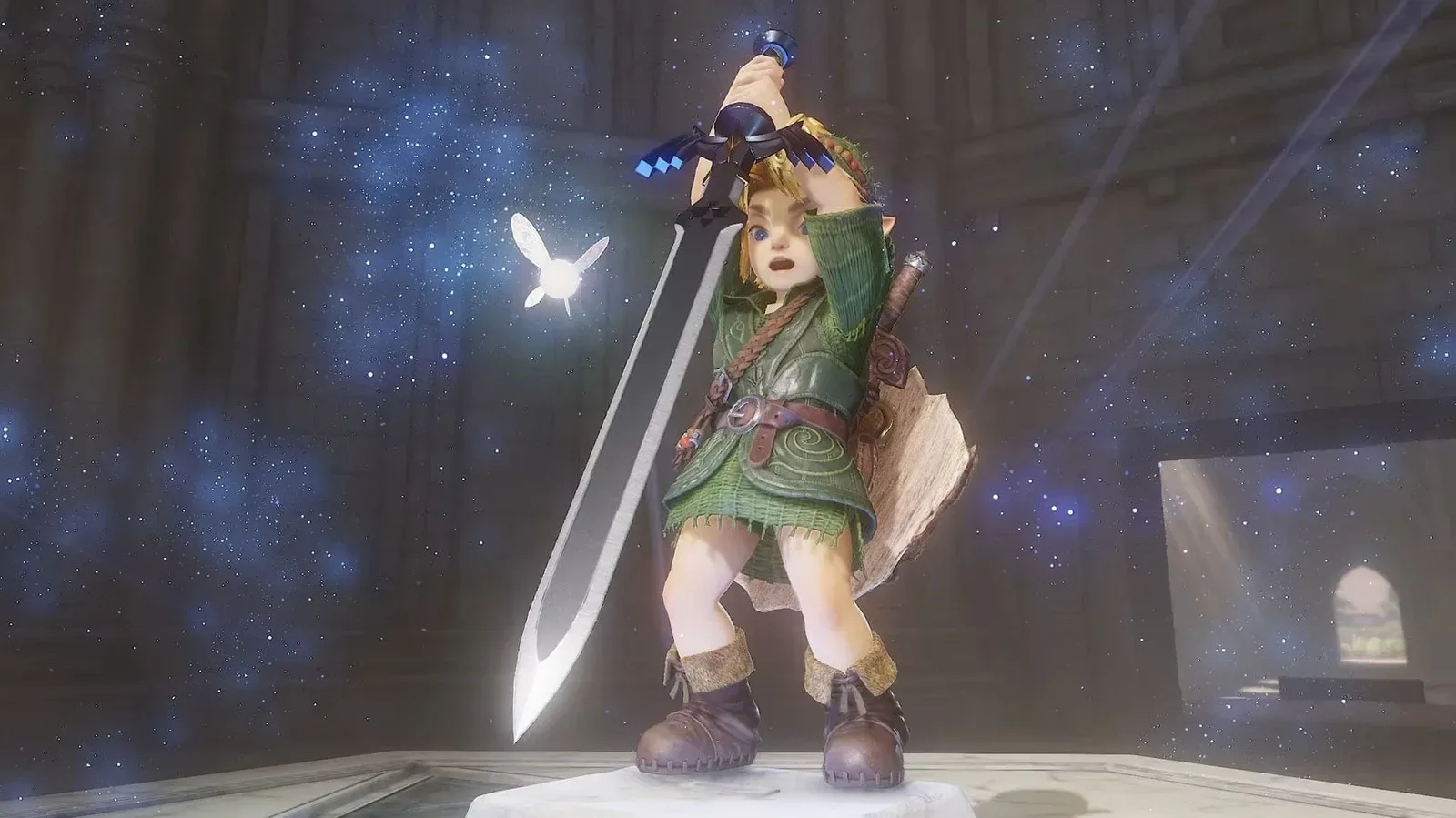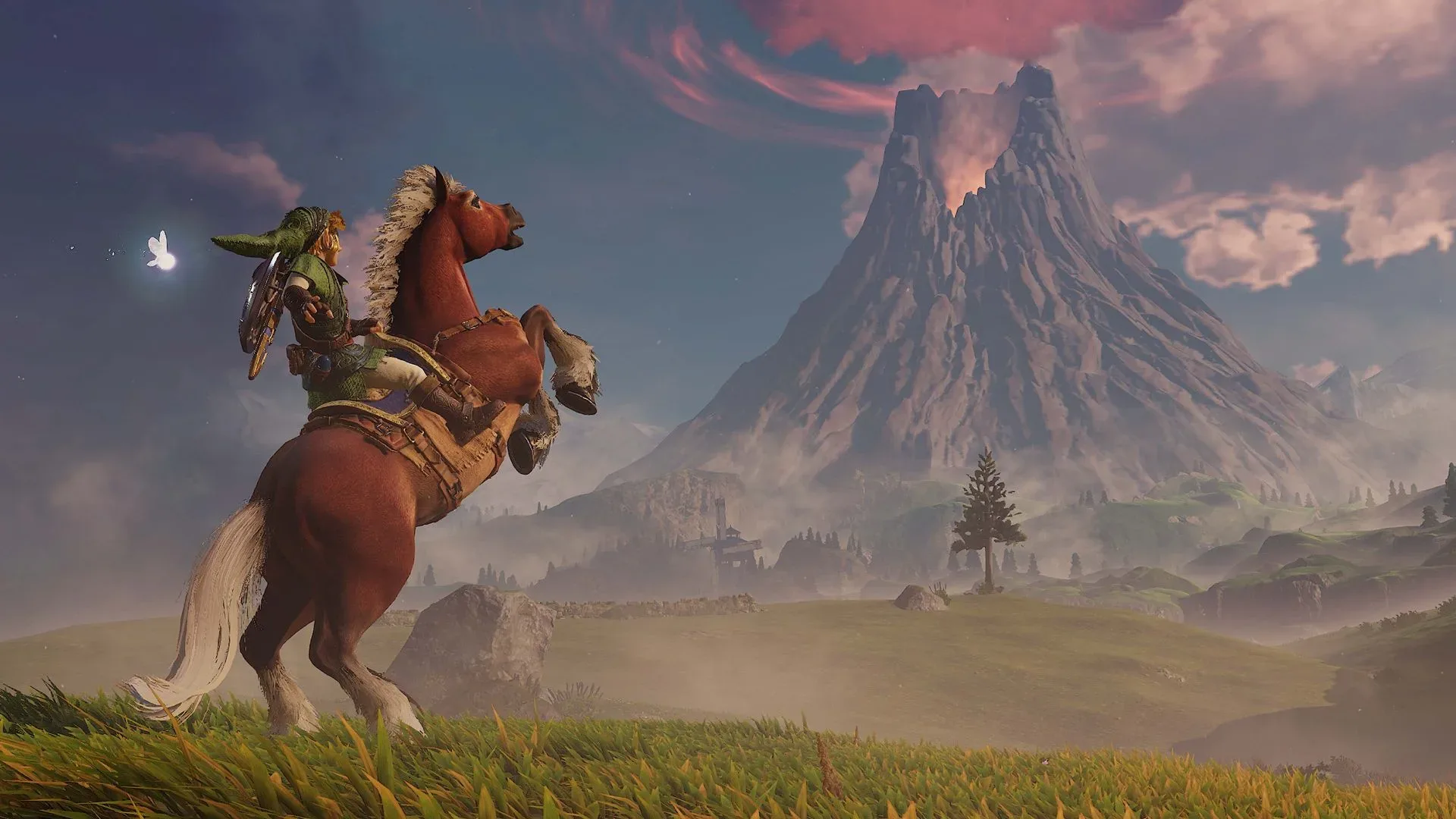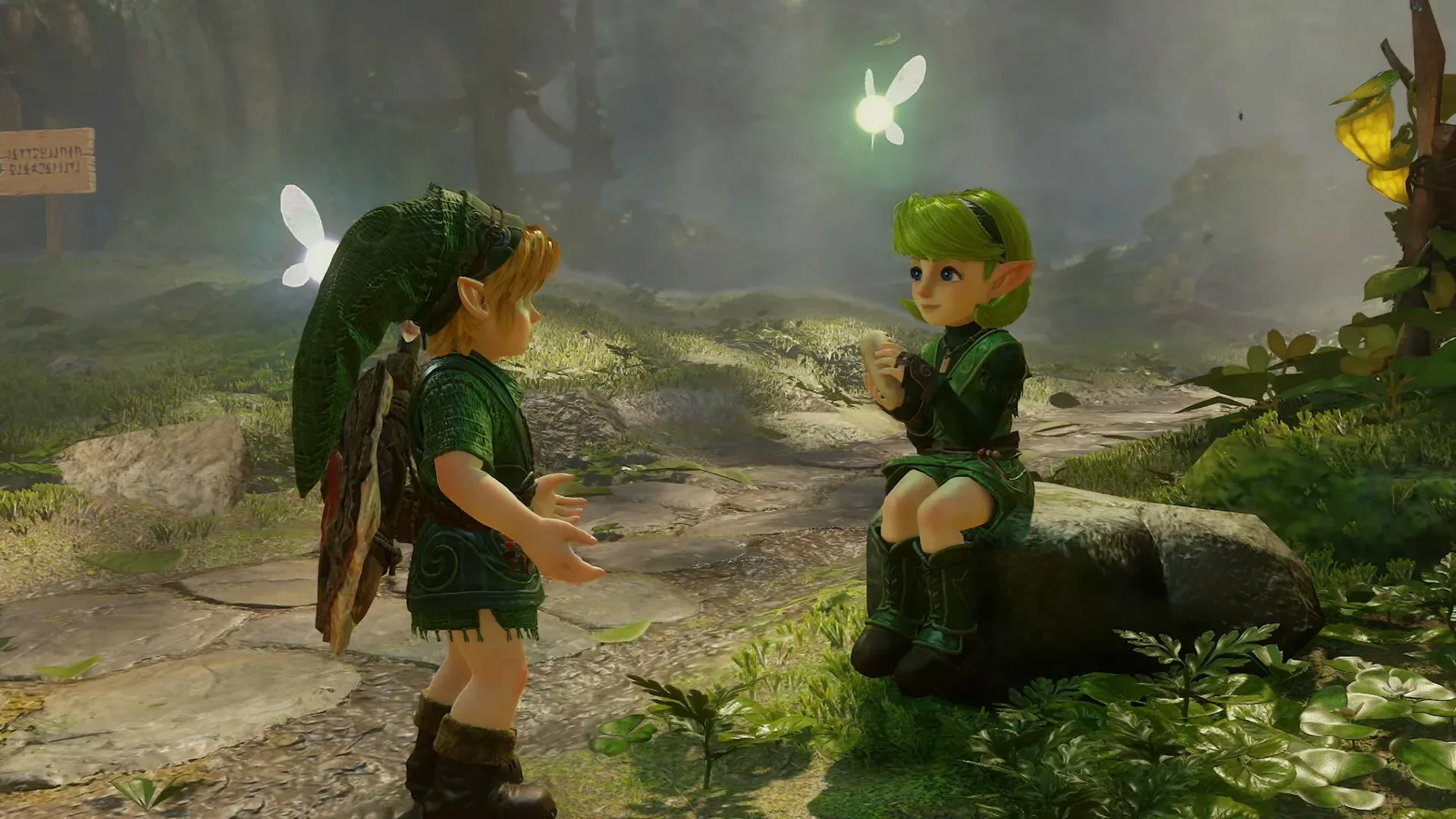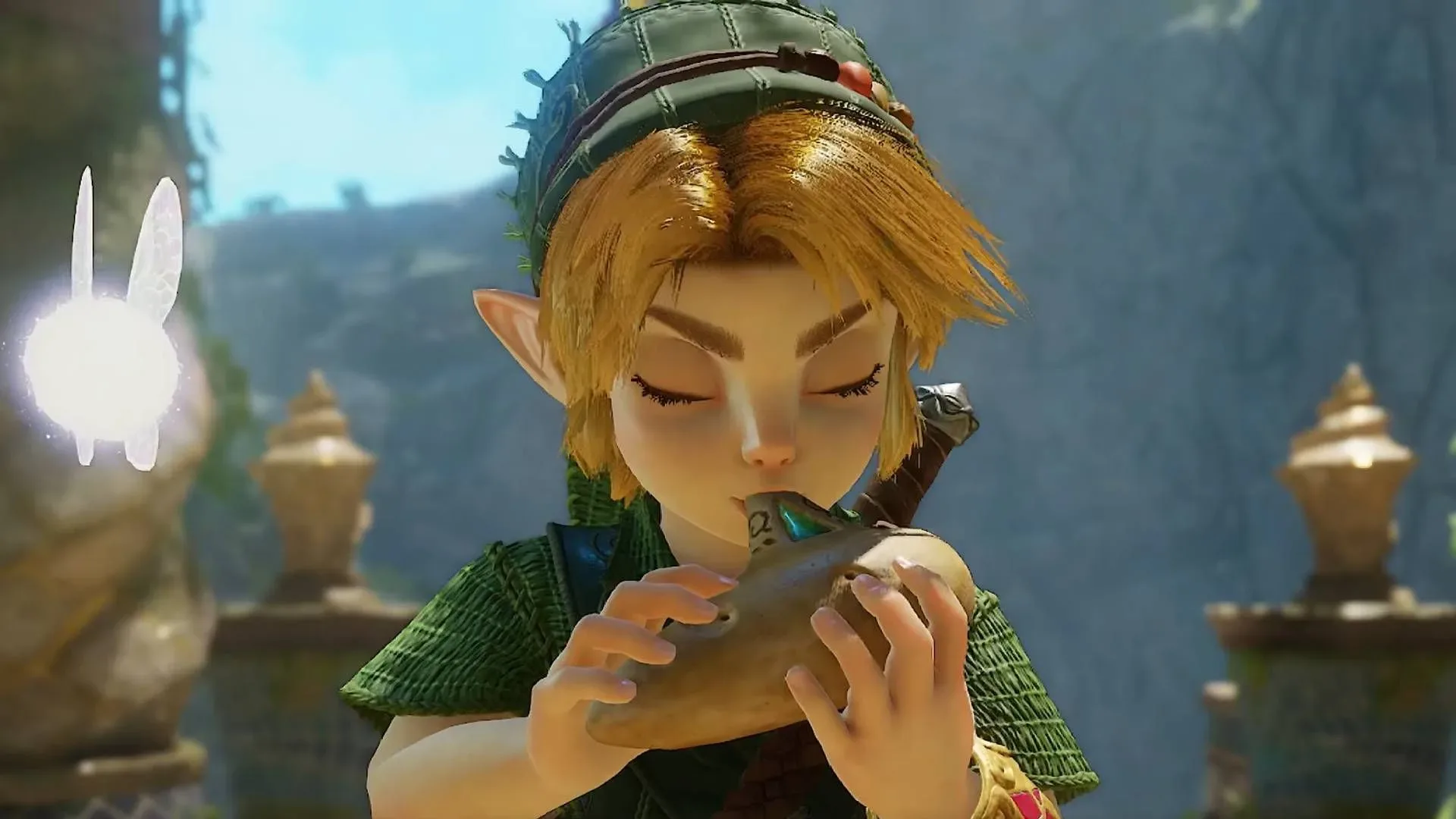
The planned Switch 2 remake of The Legend of Zelda: Ocarina of Time will not include a proposed network of new fast-travel points. Series producer Eiji Aonuma said the feature was built and tried during development, then removed after the team concluded that it skipped too many of the small discoveries that give the original adventure its shape.
It is an unusually revealing design decision because the removed feature was not a failed experiment imposed from outside the project. Aonuma himself asked for the shortcut system, drawing a comparison with The Legend of Zelda: Breath of the Wild, where numerous warp points help players move across a much larger world. The remake team tested the idea, found that its effect on Ocarina of Time felt wrong, and reversed course.
In its place, the remake will still make getting around faster in a more direct way: Link can run, and he can jump. That suggests an effort to reduce the familiar friction of crossing Hyrule Field without turning its routes into a menu selection.
A quality-of-life feature that changed the game’s rhythm
“Quality of life” is a broad games term for a change meant to make an experience smoother, faster, clearer or less repetitive without fundamentally changing its goals. Fast travel is one of the most common examples. Rather than physically retracing terrain, a player chooses a previously unlocked destination and arrives immediately or nearly immediately.
On paper, it was a sensible candidate for a remake of a 1998 Nintendo 64 game. Aonuma noted that the original had no comparable added warp-point system and that players wanting to hurry across Hyrule Field often repeatedly used Link’s forward roll. That image is both funny and important: repeated rolling was an improvised solution created by players working within the game’s movement rules, not a purpose-built travel tool.
The proposed remake feature was more substantial. Aonuma asked the team to add warp points absent from the original, giving players shortcuts around the world. But using the new system changed what happened between destinations. The team found that players missed the pauses that lead to a simple but central exploratory thought: What is that over there?
“We were missing out on the moments of discovery that came from stopping along the way and wondering, ‘Wait, what’s this?’” Aonuma said of testing the warp points.
The points were therefore taken out. Aonuma described the process as a reminder that those incidental discoveries are important to the structure of Ocarina of Time, not merely optional flavour around its major objectives.
Related coverage includes Ocarina of Time Remake Removed Fast Travel to Protect Hyrule's Discoveries.
Why travel matters in a smaller Hyrule
Fast travel usually solves a real problem. Once a game asks players to revisit distant places repeatedly, manually crossing the same ground can become a chore. It reduces downtime, supports focused sessions and respects players who already know where they need to go. In a vast open-world game, it can be a practical way to keep the scale from becoming exhausting.
But a system’s usefulness depends on the world around it. Ocarina of Time is not being treated here as a map of isolated tasks. Its travel spaces appear to be part of the pacing: a player leaves one goal, moves through Hyrule, notices a sight, interruption or route detail, and possibly changes course. Skipping directly from one selected point to another can make the critical path more efficient while removing the opportunities for that unplanned change of attention.
That does not mean every walk across a field is automatically meaningful. The lesson of the prototype is narrower and more useful: in this remake, the team found that universal added warp points removed too much of the connective tissue between designed locations. The issue was not simply nostalgia for inconvenience. The feature was tested in the remake and judged against how the remake played.
There is a distinction worth keeping in mind. A player can appreciate speedy travel and still value a world that makes travel consequential. The question is not whether fast travel is “good” or “bad.” It is whether the game has enough to offer during the journey that immediate teleportation changes the experience beyond saving time. Aonuma’s account says the answer for these newly proposed points was yes.
Running and jumping are a different kind of modernization
The confirmed movement additions are notable because they tackle the same broad complaint—getting around can feel slow—without entirely removing the space between locations. Running increases movement speed while retaining the player’s view of the surrounding world and their ability to react to it. Jumping adds a new physical action and can alter how a player reads terrain, even if no further details about its exact use have been provided.
In design terms, these are movement affordances: actions made available to the player that expand how they move through a space. Fast travel, by contrast, is a form of spatial compression. It reduces or eliminates the journey itself. Both can make an older game feel less restrictive, but they preserve different things.
- Running speeds up a route while keeping the route present.
- Jumping changes what Link can physically attempt while remaining in the world.
- Added warp points would replace portions of the route with a destination choice.
That difference explains how the remake can reject one convenience while adding others without contradiction. The goal appears to be not a strict reconstruction of every 1998 limitation, but a selective update that protects the original game’s exploratory cadence.
The rollback is the more interesting part of the story
Remakes often face a difficult balancing act. A modern audience may expect controls, movement and navigation to reflect newer design conventions. At the same time, an older game’s identity may be tied to systems that initially look like candidates for replacement. A feature that seems undeniably modern can have side effects when inserted into a game built around different assumptions.
Here, development did what a healthy prototype process is meant to do: it exposed an unintended consequence before the feature became permanent. The team did not merely debate fast travel in theory. It implemented the warp points, played with them, and found that the experience lost something essential. The producer who proposed the system then asked for it to be removed.
That is especially significant because discussions about remakes can easily become a false choice between preservation and modernization. The current details indicate a more particular approach. Link’s new running and jumping show that the remake is willing to make material changes. The removal of warp points shows that each change is being evaluated for its effect on moment-to-moment play rather than accepted solely because it is a standard contemporary feature.
The result may be reassuring to players who remember Hyrule Field as more than empty distance, and it may also matter to newcomers. New players will not have the original release as a reference point for what is being preserved. For them, the travel model will simply be part of how this Hyrule introduces itself: a place in which getting somewhere still leaves room for seeing something else.
What remains unknown
The information shared so far establishes the decision on newly added fast-travel points and identifies running and jumping as replacement-facing mobility changes. It does not establish the full travel system, the locations of any potential shortcuts, how running is activated, how jumping interacts with environments, or the wider list of remake improvements. It also does not mean that every form of quicker movement from the original game has been removed; the discussion specifically concerns the new warp points proposed for this version.
It is also important not to overread the comparison with Breath of the Wild. Aonuma used that game’s plentiful warp points as an example of a modern fast-travel approach, not as evidence that the remake is adopting its structure. The takeaway is more focused: an idea inspired by one Zelda game did not fit the travel-and-discovery balance of another.
For anyone looking for a separate nostalgia detour while waiting for more remake details, Google’s Ocarina of Time search Easter egg offers a 1998-styled nod to the original adventure.
For now, the clearest creative philosophy is straightforward. The remake team is prepared to make Link faster, but not to make Hyrule so skippable that its in-between moments disappear. In a series built on finding the unexpected, that is a meaningful line to draw.