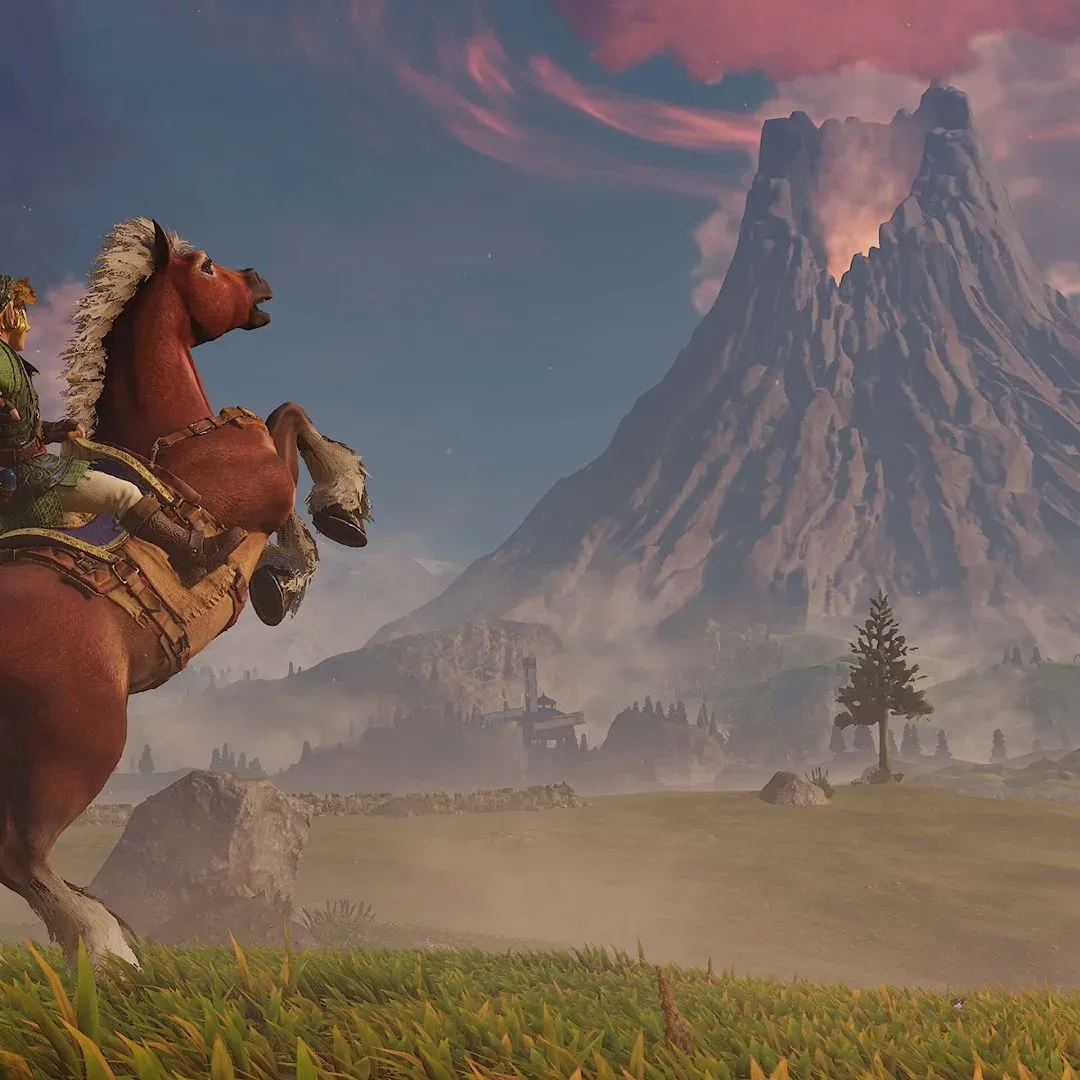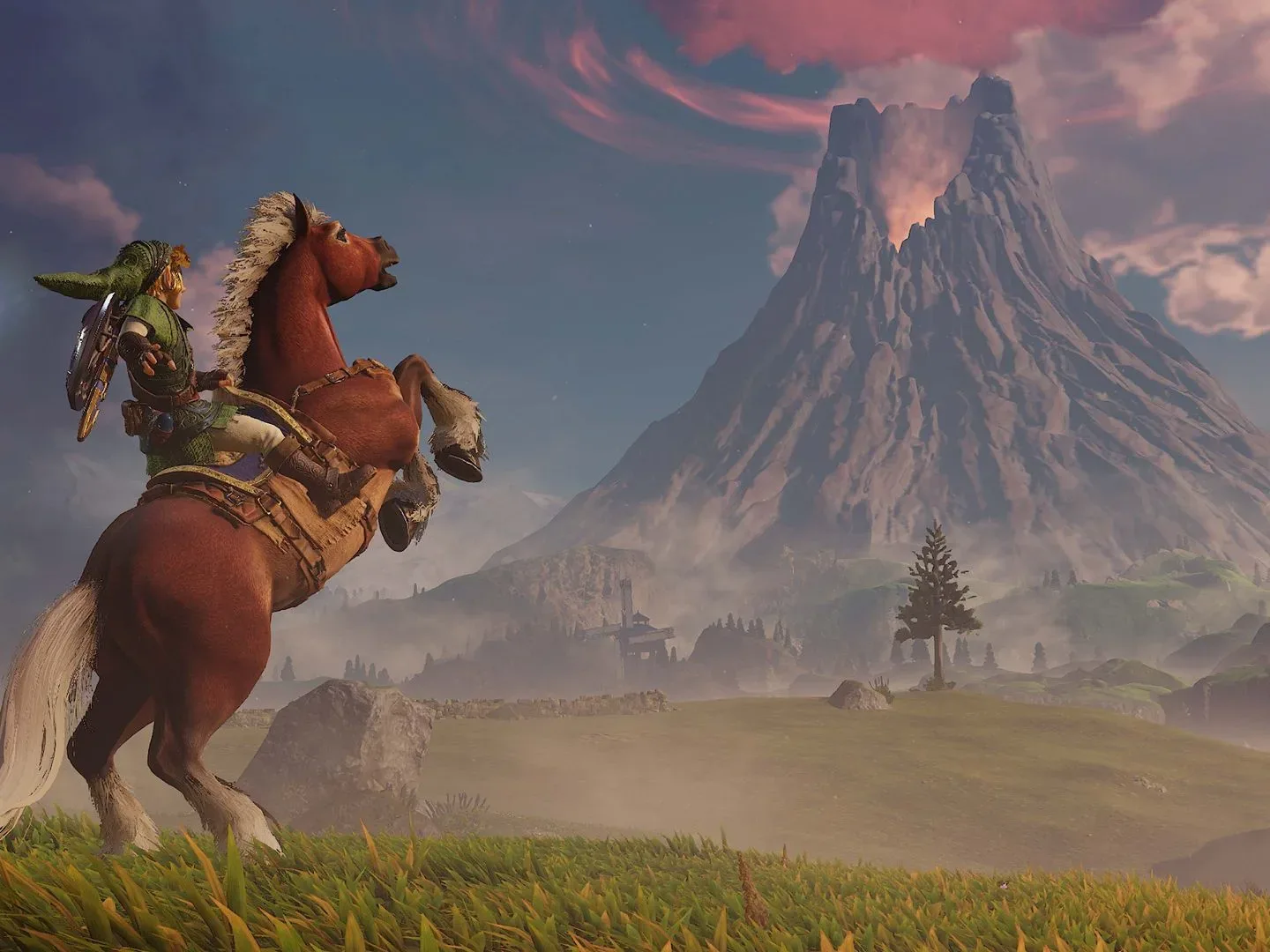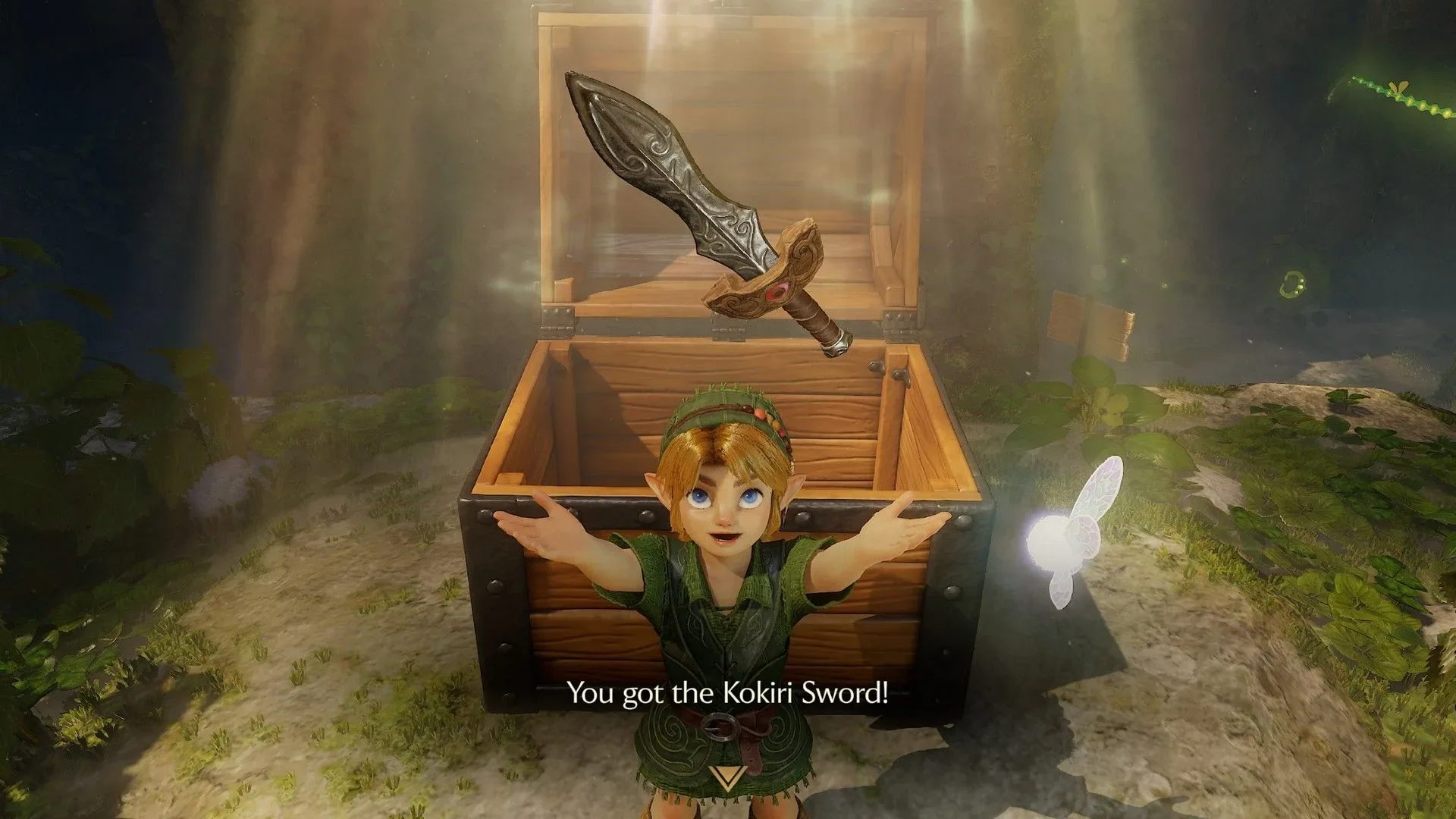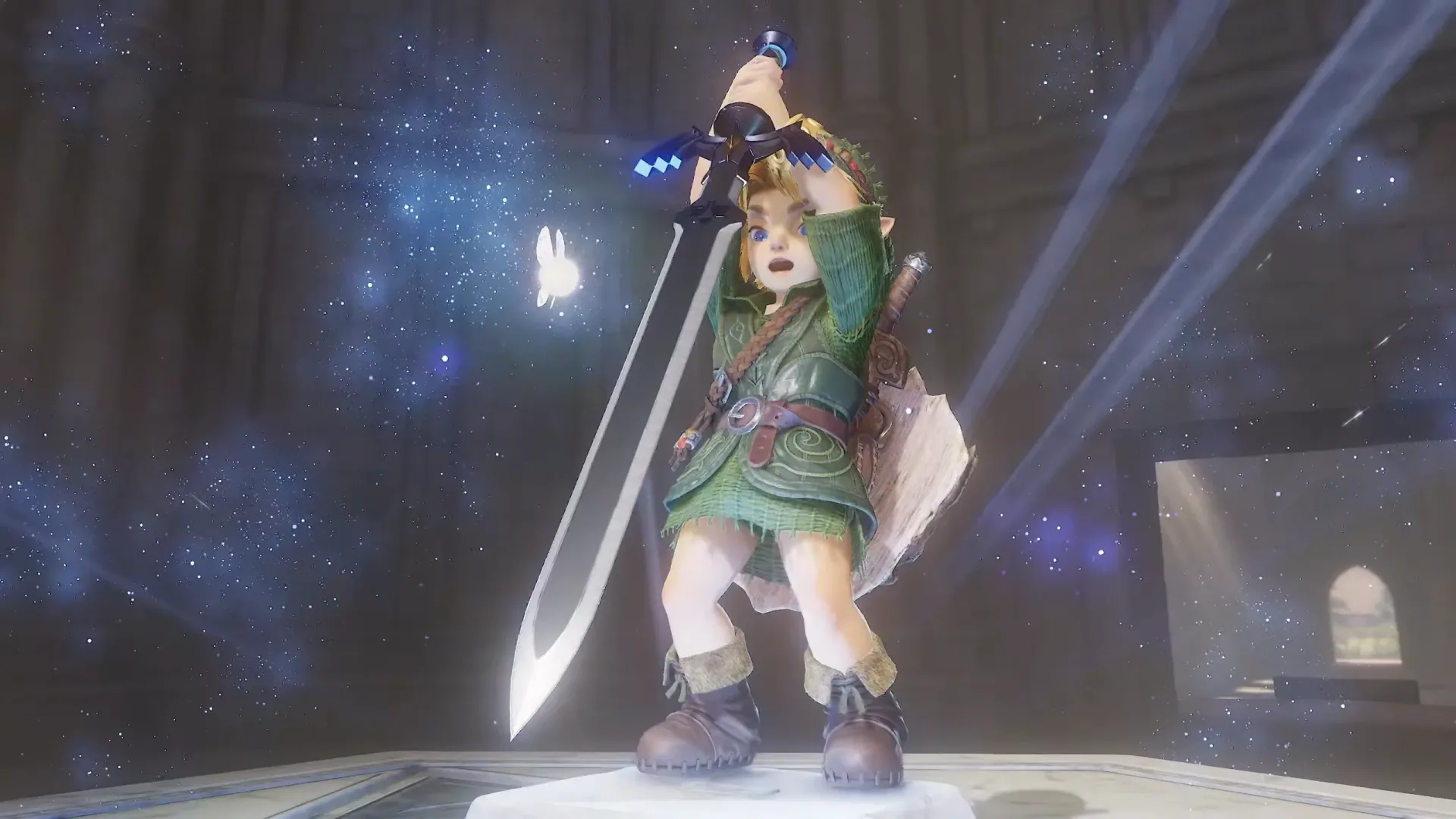
The Legend of Zelda: Ocarina of Time’s remake is set to arrive on November 5, and its early showing suggests a project with a delicate job: make one of gaming’s best-known worlds feel bigger, more coherent and easier to inhabit without pretending the 1998 adventure was merely unfinished. The answer, at least in the material shown so far, appears to be a careful blend of environmental expansion and modern Zelda presentation. Link may have strikingly larger blue eyes, but the more consequential changes are in the spaces around him, the way the camera follows him and the speed at which players can reach their tools.
This is not being framed as a simple texture upgrade. Kokiri Forest, Hyrule Field, Castle Town and the Forest Temple all reportedly retain their recognizable roles while receiving added visual texture, new environmental context or more explorable interiors. Those decisions matter because Ocarina of Time’s geography is inseparable from its emotional rhythm: the safety of Kokiri Forest, the first wide look at Hyrule Field, the bustle surrounding Castle Town and the uneasy shift into the Forest Temple.
There is a useful companion perspective in this look at how the remake is making Hyrule feel larger and more mysterious. The important caveat remains that these details come from a limited preview session rather than the complete game. Players should treat them as a picture of the remake’s direction, not a complete accounting of every change.
A familiar map, with more reason to look around
The strongest early signal is that the remake wants locations to feel less like discrete level spaces and more like places with a history. Kokiri Forest is still bounded, as it was in the original, but its limits are said to read as more natural parts of the landscape. That is a subtle distinction with a large effect. In an older 3D game, boundaries can be highly visible because they must clearly stop the player. A remake can preserve the same navigational structure while making cliffs, vegetation and architecture feel like believable protection around Link’s childhood home.
For more context, explore Tesla’s Next Roadster Is Due for an October 15 Reveal, With Thruster Teases and Big Questions Still Hanging Over It.
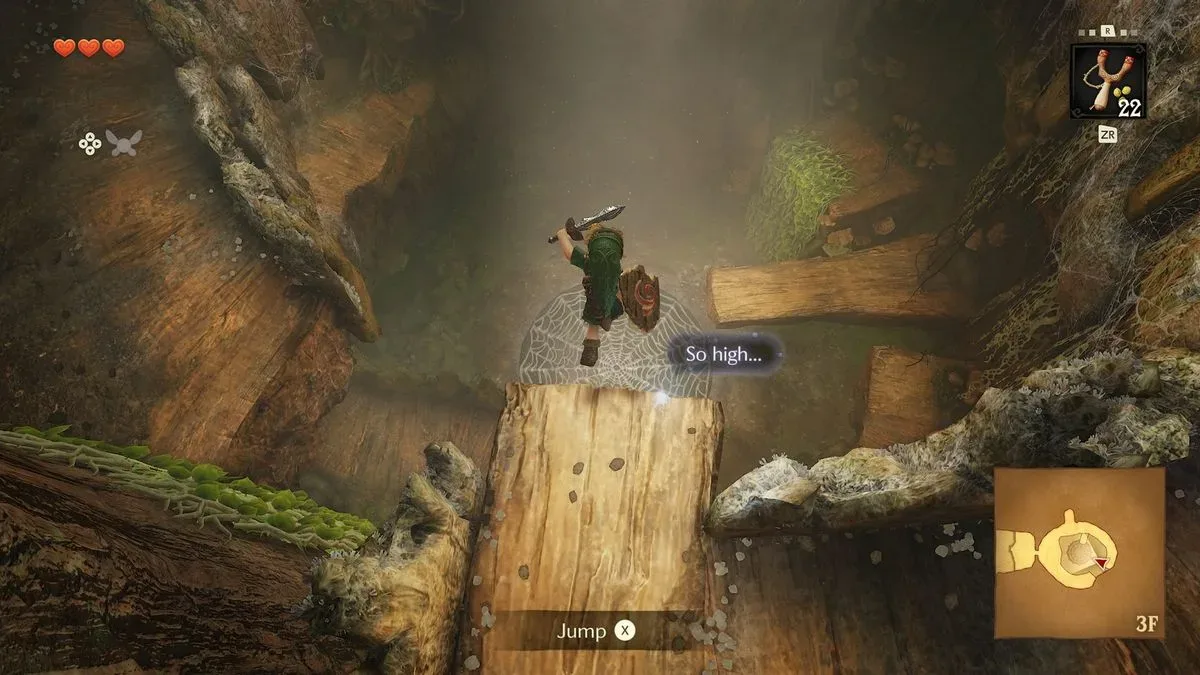
Link also now jumps across floating platforms on command. It is a small mechanical note, but a revealing one. A controlled jump changes how a player reads terrain: platforms are no longer solely objects to approach through an automatic context-sensitive action, but potential routes that can be evaluated more directly. Whether this meaningfully changes puzzle design is not established, yet it plainly gives movement a more contemporary feel.
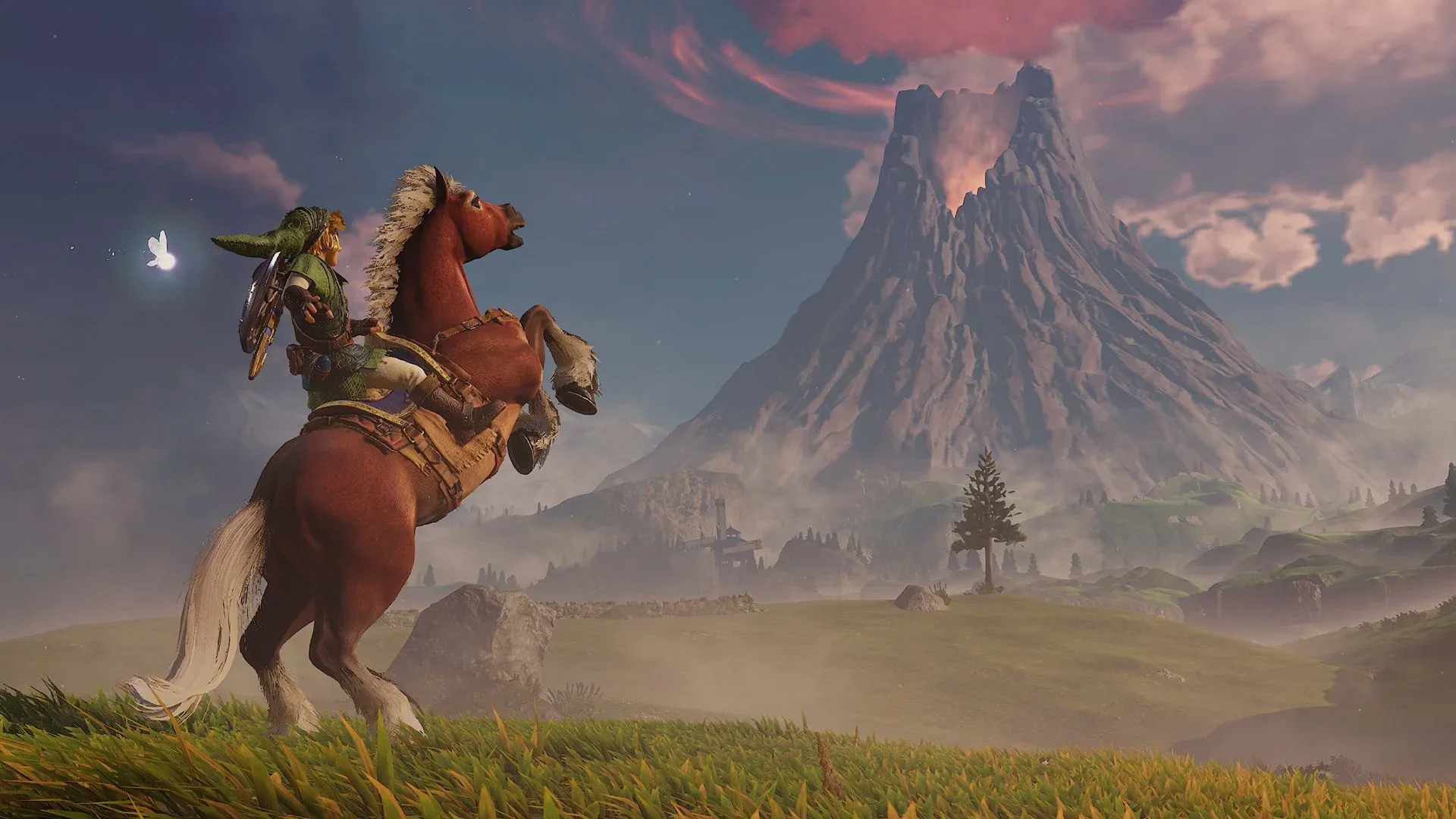
Hyrule Field seems to be receiving similar attention to spatial continuity. Lon Lon Ranch reportedly sits more naturally among rolling hills, which can make the trip between landmarks feel less like crossing a series of separated zones. On the approach to Hyrule Castle Town, a ruined-looking structure near the moat hints at a more populated past. Such environmental storytelling does not require new dialogue or a new quest to alter tone. A damaged building can imply history simply by asking the player to notice it.
Environmental storytelling means using places, objects and their arrangement to communicate context rather than spelling everything out in a cutscene or line of text. It is especially fitting for Ocarina of Time, whose story is built around transformation, loss and the stark contrast between childhood and adulthood. The previewed structure by the moat may be a modest addition, but it appears designed to make that contrast register before the plot explains why Hyrule has changed.
Castle Town’s expansion could make its future hit harder
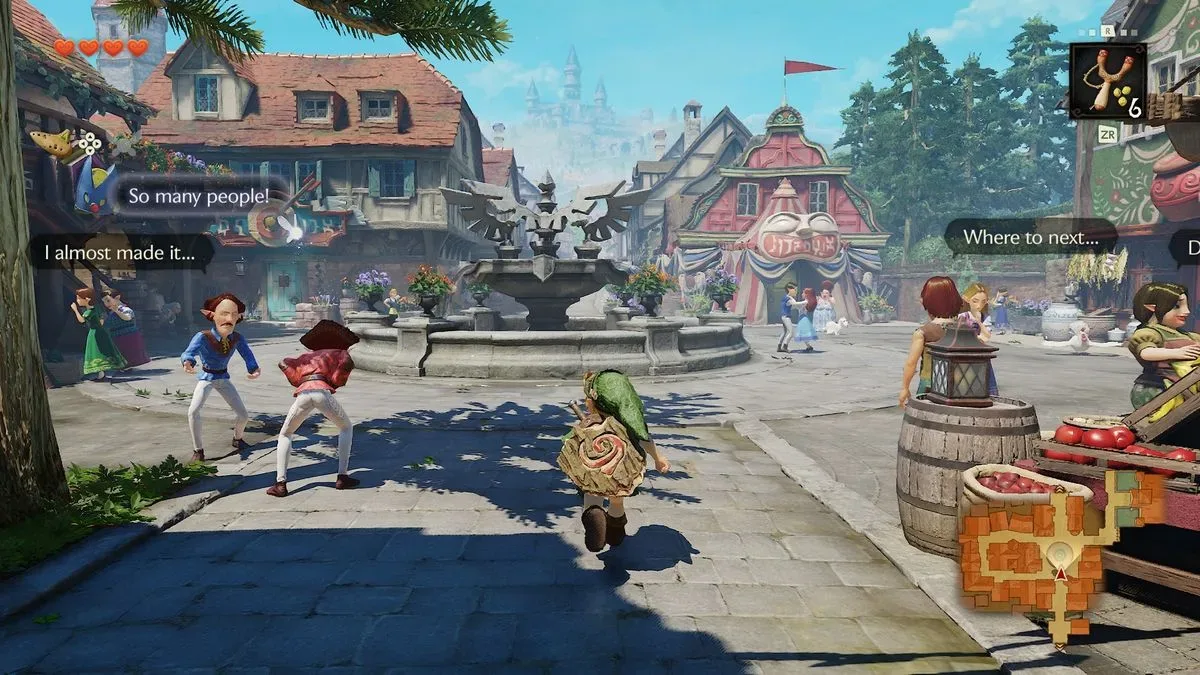
Castle Town is described as colorful and newly inviting, with recognizable residents refreshed visually and more buildings that Link can enter. Greater interior access is a straightforward quality-of-life and immersion improvement: it gives a town more density, and it rewards the player who treats it as a place to investigate rather than merely a corridor to the Temple of Time.
That extra life is also narratively valuable. Ocarina of Time’s early town is not just a shopping stop. It establishes ordinary Hyrule before the game asks players to confront what happens to it later. The preview notes an NPC slumped in a back alley, a piece of foreshadowing likely to stand out to veterans who know the story’s trajectory. Expanding town detail can therefore serve two audiences at once. Newcomers can enjoy more atmosphere and more doors to open; returning players can spot signs that gain meaning from their prior knowledge.
The Temple of Time remains central to that visual arrangement. Its place alongside the lively streets is more than a landmark choice: it anchors a town that is about to become one of the game’s clearest symbols of time passing. The remake’s opportunity is not simply to make the structure grander, but to make its stillness stand out against a busier, more personable Castle Town.
The Forest Temple keeps its unease, then sharpens it
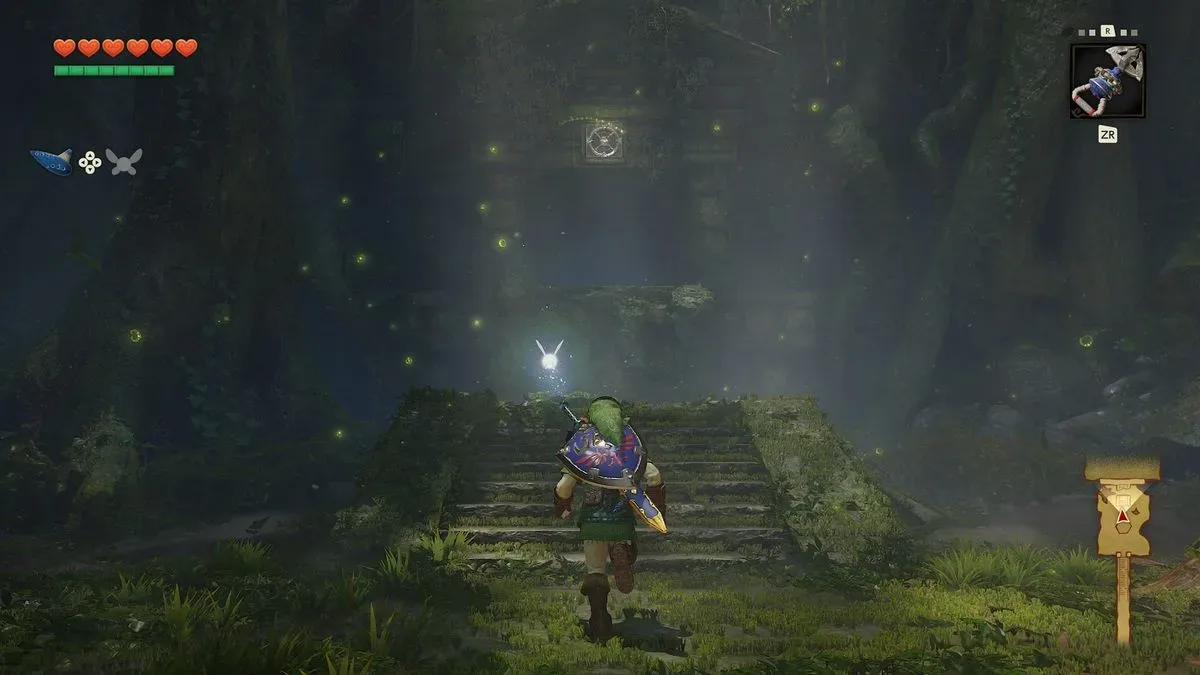
The preview moves forward to Adult Link’s first major mature-era dungeon, the Forest Temple, reached through the Sacred Forest Meadow. This location has always worked because it refuses to behave like a conventional heroic palace. It is a mansion-like space concealed in the forest, filled with stonework, enclosed rooms and a mood of abandonment.
The four Poes that scatter and hide the flames needed for progress now reportedly have distinct faces and body shapes as well as their established individual colors. That is a smart form of enemy differentiation. Color coding gives players an immediate practical identifier, while different silhouettes and features make enemies feel less like palette variations of a single model.
Silhouette is the readable outer shape of a character or object. In action games it is a valuable visual-design tool, because it helps the player recognize something quickly even before fine texture detail or color is fully apparent. In the Poes’ case, added visual individuality potentially supports both atmosphere and clarity: they are four separate presences in a haunted house, not just four matching checklist targets.
The underground stonework and tiled pools are also said to add to the temple’s sense of age. This is an area where graphical fidelity can genuinely reinforce the original design rather than simply decorate it. A sharper, richer version of a decayed structure can make players wonder who built it, what it was for and why it remains hidden. The original’s unsettling architecture is therefore not being replaced with a totally different idea; it seems to be getting more material detail with which to sell the same unease.
Breath of the Wild influence is about usability, not wholesale replacement
The most obvious modern influence comes from The Legend of Zelda: Breath of the Wild. Hyrule Field is introduced using a sweeping camera approach reminiscent of the 2017 game, while menus, loading screens and new-quest text follow a similar visual language. Holding R on the Switch 2 Pro Controller brings up an equipment display styled like Breath of the Wild’s, presenting a line of available items that can be rotated through.
For newcomers, this may simply be clean interface design. For long-time Zelda players, it sends a clearer message: this remake does not expect them to interact with Ocarina of Time exactly as they did on Nintendo 64 hardware.
User interface, often shortened to UI, is the collection of menus, prompts, icons and screens through which players receive information and issue commands. A familiar UI can reduce friction because players understand its visual vocabulary faster. Here, a quick-access equipment layout could make it less cumbersome to move from the Hookshot to Din’s Fire, especially in a hectic fight such as a confrontation with Stalfos.
The camera change may prove even more consequential. The remake uses a constant over-the-shoulder perspective in place of the original’s occasional fixed angles. A fixed camera is positioned by the game designer and looks at a scene from a prescribed viewpoint; an over-the-shoulder camera stays behind or near the player character and generally provides more immediate directional control. The preview suggests this will make some secrets easier to spot.
That potential trade-off is worth acknowledging. Fixed viewpoints can carefully control suspense, composition and what the player notices. A free or persistent player-following camera favors agency and visibility. Neither approach is inherently superior, but they produce different experiences. In a remake, changing from one to the other is not just a technical polish pass. It changes how players read rooms, navigate danger and discover concealed routes.
Why “more” is not necessarily a betrayal of the original
The concern around any beloved remake is that modernization will sand away the particular roughness that made the original memorable. Ocarina of Time’s legacy is secure enough that it does not need its newer version to replace it; the 1998 game remains playable in multiple forms. That availability gives this project room to be more adventurous. It can offer a distinct interpretation rather than claiming definitive ownership of the classic.
The early material points toward a remake that understands this distinction. Its upgrades are not solely about fidelity in the technical sense of sharper models and lighting. They are also about how Hyrule is presented and handled: natural-looking boundaries around Kokiri Forest, added texture around the field and castle, more places to enter, an over-the-shoulder view, and item management shaped by a later Zelda standard.
For players returning after years away, the practical implication is simple: expect recognition, but do not approach it as a museum-perfect replay. Familiar destinations, dungeon problems and signature tools remain important, yet the rhythm of finding secrets, changing equipment and moving through the world may feel noticeably smoother. For newcomers, the modernized edges could make an influential older adventure easier to meet on contemporary terms.
That is the balance the remake will ultimately be judged on. If its expanded environments deepen the emotional contrast already embedded in Ocarina of Time, and if its modern interface and camera improve access without flattening the game’s tension, this could be a reimagining that lets a classic Hyrule feel alive rather than merely preserved.