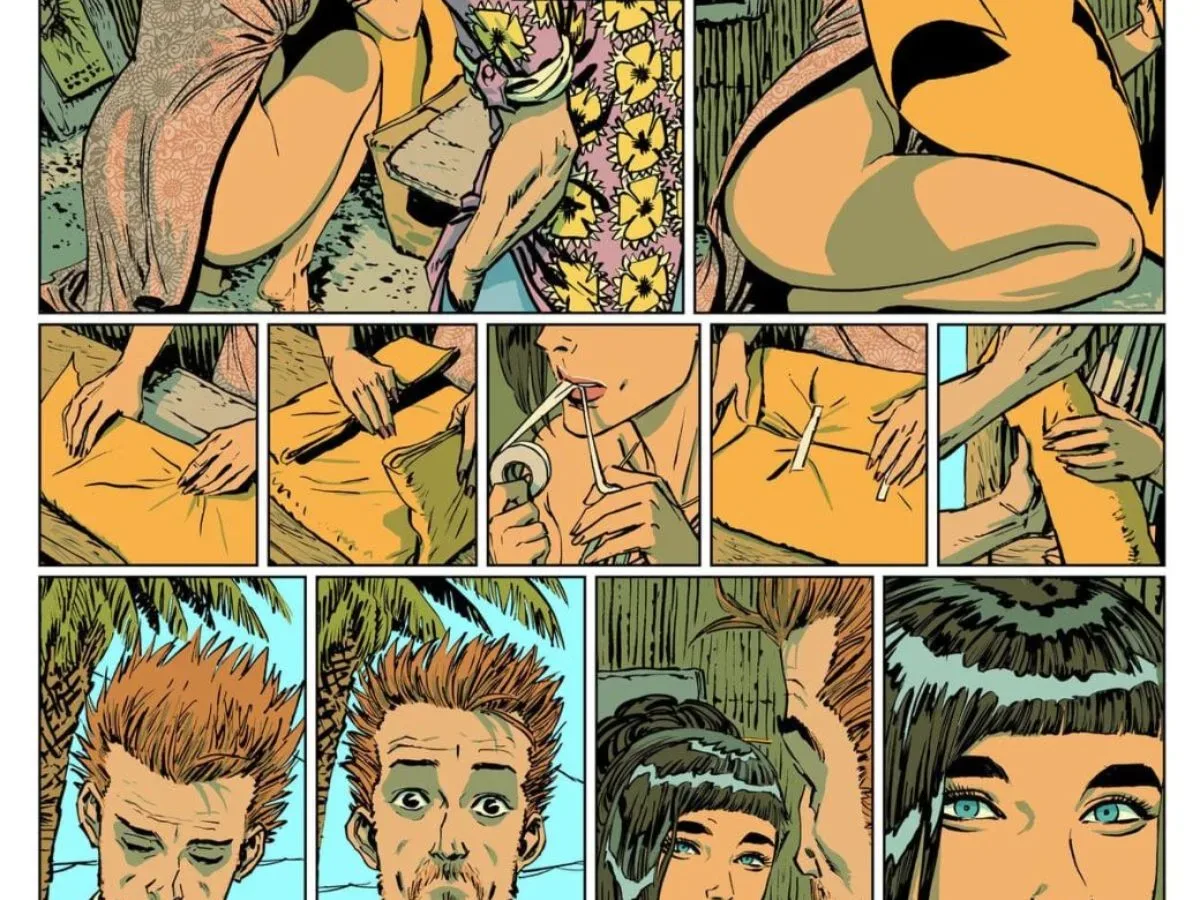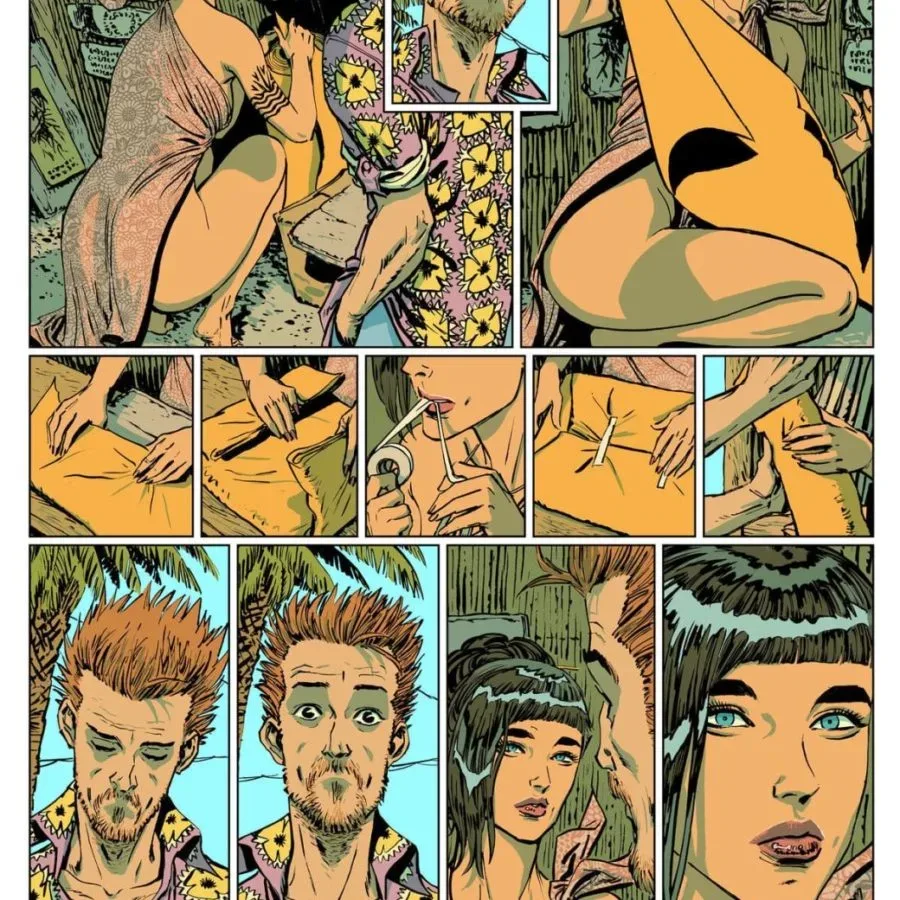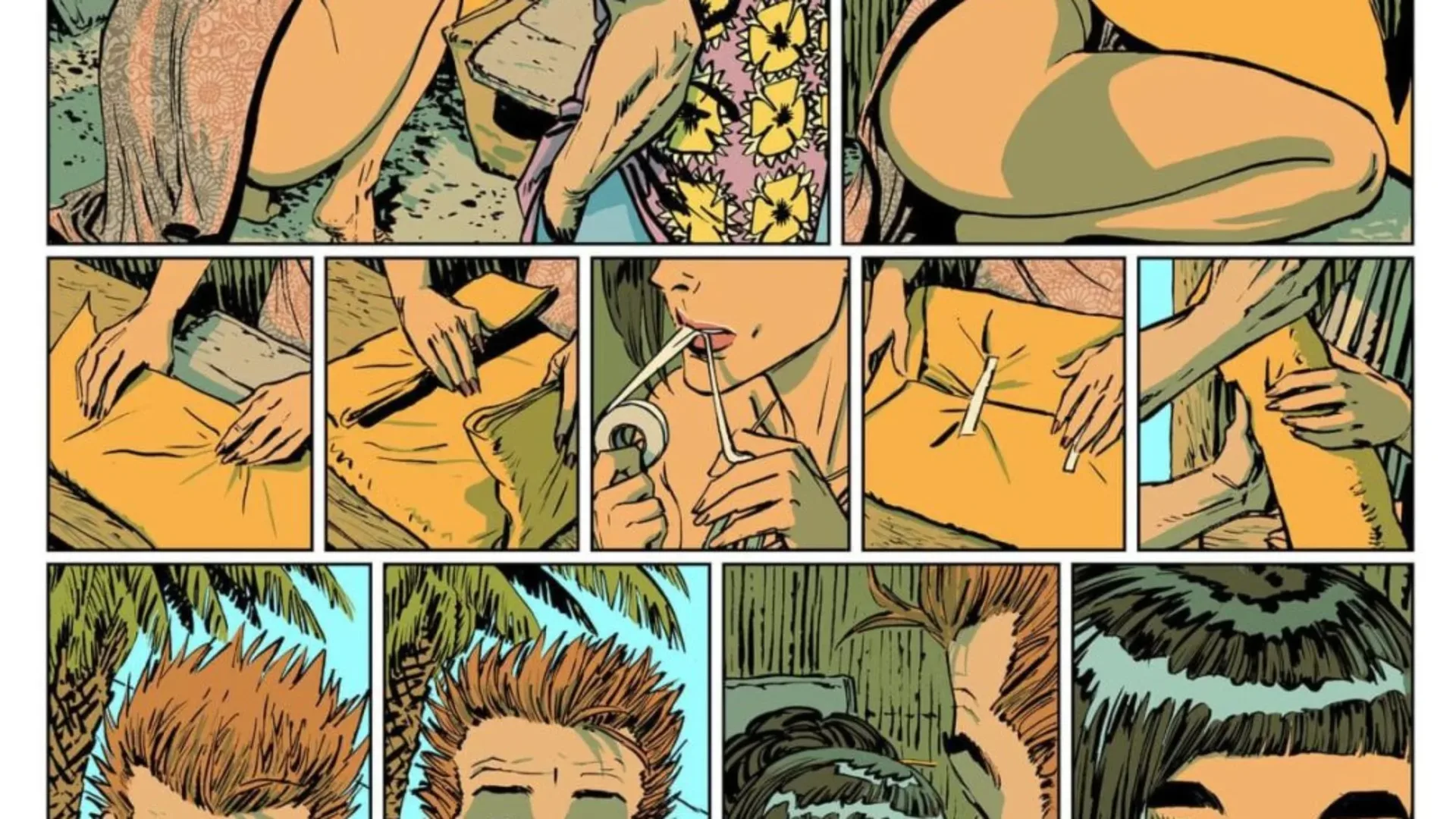
Ofiusa #1 arrives in comic shops on September 16, 2026, launching a six-issue miniseries from Image Comics by writer and artist Guillem March. The premise places romance, mystery and an island setting under considerable pressure: Joan’s relationship with Mar begins intensely, while another timeline finds Joan encountering the enigmatic Isla on a seemingly idyllic island. A buried secret and the suggestion that every central character is concealing something give the series a mystery engine beneath its seductive surface.
March is credited as both writer and artist, making Ofiusa a full solo-creator project following KARMEN. His prior work includes Batman, The Joker and Catwoman, but this new book is presented as an original, self-contained miniseries rather than a chapter in an ongoing superhero continuity. For readers who like a defined commitment, that six-issue format matters: the creative team and intended length are clear from the start, while the story has room to reveal its central mystery gradually instead of needing to immediately build an open-ended universe.
An island setting where paradise is not the whole story
The official setup calls attention to a romance between Mar and Joan, then complicates it with Joan’s meeting with Isla in a separate timeline. That establishes more than a conventional love triangle. The phrase two timelines means the narrative is expected to present events from at least two distinct points or versions of its story, rather than simply moving in a straight chronological line. Exactly how the timelines connect, whether they are parallel realities, different periods, or another kind of narrative construction, has not been detailed.
That uncertainty is a large part of the hook. Joan occupies the clearest bridge between the two stated story threads: Mar is tied to the fast-starting romance, and Isla is tied to the island encounter in the other timeline. Since the series’ description says all three have secrets, readers have reason to watch not just for the eventual revelation from the past, but for the smaller omissions and contradictions that may define each relationship along the way.
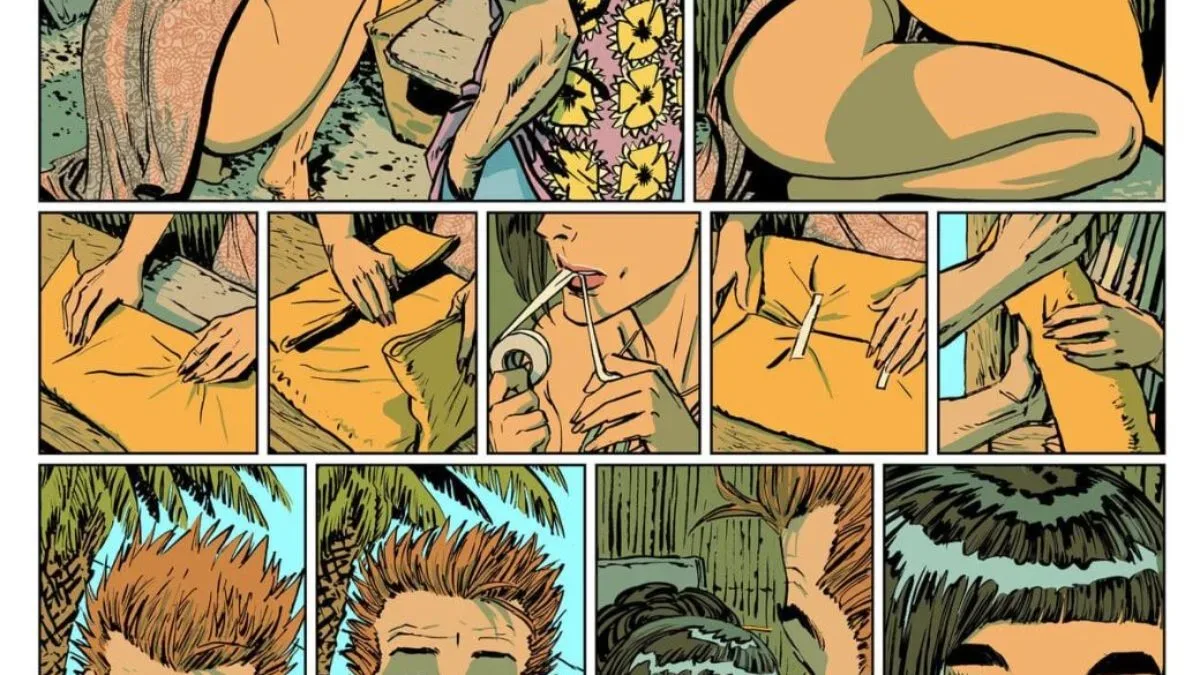
The island is described as paradise, but it is not positioned as a mere travel-poster backdrop. It is the location where the alternate strand involving Isla unfolds, and it is linked to a darkness waiting beneath the characters’ present circumstances. Preview imagery described for the issue includes a busy beach village, market activity, palm trees and a prominent serpentine mosaic in the central square. Those elements support the book’s stated interest in beauty and danger occupying the same space: social activity and bright scenery can make a mystery feel more unsettling when the story begins to expose what that setting has been concealing.
What “timeline-hopping romance” can mean here
Calling a comic a timeline-hopping romance does not automatically mean it will be science fiction in a technological sense. The available setup does not identify a machine, supernatural device or formal rule that moves characters through time. In this case, the phrase is best understood as a description of structure: the romantic plot involving Joan is framed across divergent timelines, with Mar and Isla each connected to a different strand.
That distinction is useful for setting expectations. The solicited material foregrounds character souls, seduction, fun and a search for truth, alongside the dark secret. It does not promise a dense puzzle-box full of world-building terminology. Readers should therefore expect the timelines to serve the emotional and suspenseful aspects of the story—how Joan’s connections with Mar and Isla illuminate or obscure the truth—rather than assume the series will prioritize an explanation of mechanics.
There is also an obvious thematic advantage to the setup. Romance already depends on what people reveal, what they withhold and what they believe about another person. A split timeline can intensify those questions. Information known in one strand may reshape a moment in the other; a character who initially appears open may later look evasive; and a past event can gain significance once its consequences surface. Those are possibilities suggested by the premise, not confirmed plot developments, but they explain why the format suits a story built around secrets.
Serpent imagery and the title
The book’s title is tied in the preview material to ophis, a Greek term for serpent. The serpentine visual motif in the village square makes that association feel deliberate rather than incidental. Serpents are a flexible symbol in fiction: they can suggest temptation, secrecy, transformation, threat or knowledge. Ofiusa has not yet specified which reading will dominate, but a secretive romance in a lush island locale gives all of those associations room to operate.
For a six-part story, symbolic imagery can help establish cohesion from issue to issue. A serpent can signal something hidden in plain sight: a pattern readers may notice before they know precisely what it means. It can equally reflect the emotional plot, where attraction and mistrust are intertwined. The series description’s emphasis on a truth that must be sought, rather than simply handed over, makes that possibility especially relevant.
Importantly, readers should not treat the title’s snake connection as proof of a particular genre twist. There is no supplied indication that the characters are literally dealing with monsters, mythology or supernatural creatures. At present, the serpent material works as atmosphere and visual foreshadowing, while the confirmed story ingredients remain a triangle of relationships, multiple timelines and a secret rooted in the past.
March’s role as writer and artist
A single creator handling both script and art can give a miniseries a particularly unified sense of pacing. The writer decides when the reader receives information; the artist decides what a reader sees, when a face is obscured, how a location is introduced and which details gain emphasis. In a mystery where people are hiding things, that shared control is potentially significant. A visual pause, a meaningful object in the background or the contrast between an inviting landscape and guarded expression can carry narrative weight without requiring an explanatory speech balloon.
That is not a guarantee of any one storytelling method, but it is a practical reason to look at the project as more than a romance premise. The solicitation explicitly highlights the artwork’s evocation of paradise while describing the story as one that gradually exposes the characters’ inner lives. In other words, the art is presented as part of the storytelling proposition: beauty is not separate from the narrative’s questions about identity and concealment.
March’s credits on Batman-related titles and Catwoman offer useful context for readers familiar with his comics work, while KARMEN is the more direct reference point in the announcement because it identifies his return as a solo creator. Still, Ofiusa should be approached on its own stated terms. Nothing in the available material indicates a link to those earlier characters or settings. It is an original series built around its own cast: Mar, Joan and Isla.
Issue #1 formats and purchasing details
The standard listed price for Ofiusa #1 is $4.99. The release listings also identify multiple covers at that price, a blank sketch cover for $5.99, and another cover listed at $9.99. The supplied information does not name the individual cover designs or explain the price difference for the higher-priced edition, so collectors should check a preferred comic shop’s ordering details before assuming which version is which.
- Publisher: Image Comics
- On sale: September 16, 2026
- Format: Six-issue miniseries
- Creator: Guillem March, writer and artist
- Standard listed price: $4.99
- Also listed: $5.99 blank sketch cover and a $9.99 cover edition
A blank sketch cover is a comic edition with a largely unprinted front cover area, typically designed to leave space for original art or signatures. The listing alone does not establish how shops will stock it or whether it will be available everywhere, so anyone seeking that edition may want to ask their local retailer directly. The same principle applies to any particular standard or premium cover: solicit listings confirm that versions exist, but do not by themselves guarantee a shop’s inventory.
Why the first issue is the decision point
As a miniseries premiere, Ofiusa #1 has the job of establishing an alluring location, defining the connections among its three central figures and making the dual-timeline premise legible without prematurely spending its mystery. The fundamental question is not only what the secret from the past is, but what each character stands to lose when it emerges. The official description gives the series a clear balance to pursue: sensuality and humor on one side, emotional disclosure and truth-seeking on the other.
For readers following new creator-owned debuts, it lands in the same broad conversation as the industry’s attention to issue-one discovery and cover choice; see our look at a week of comic heat, cover chases and new-issue interest. The important distinction with Ofiusa is that its appeal is not framed around a screen adaptation or shared-universe connection. Its available selling points are much more intimate: an island that may be concealing danger, a relationship structure divided across timelines, and a creator responsible for both the words and the images.
With the first chapter due September 16, readers will finally be able to see how much of Ofiusa is driven by romantic tension, how its timelines are arranged and how quickly its past secret begins to surface. Until then, the confirmed picture is intentionally tantalizing: a beautiful setting, three people with reasons not to be fully honest, and a serpent-shaped warning that paradise may be the least simple part of the story.