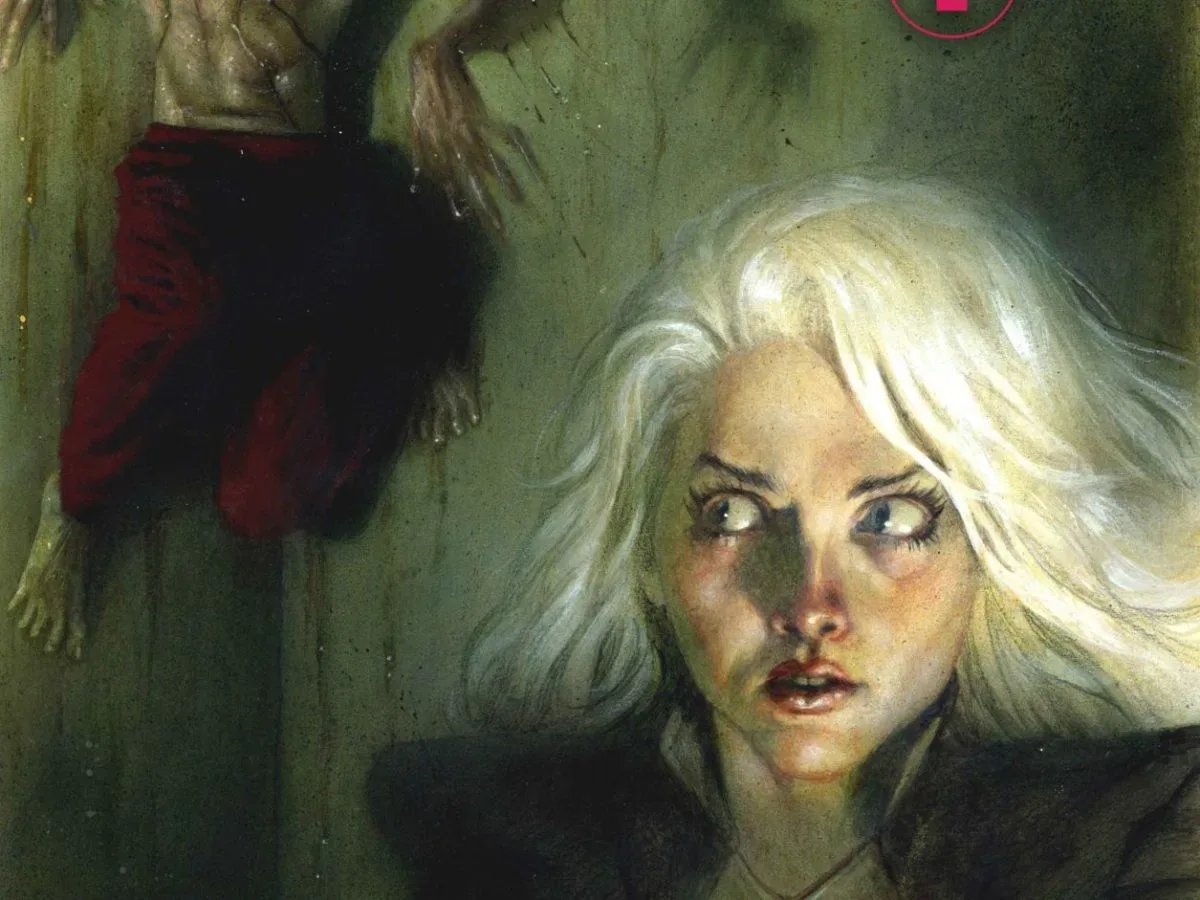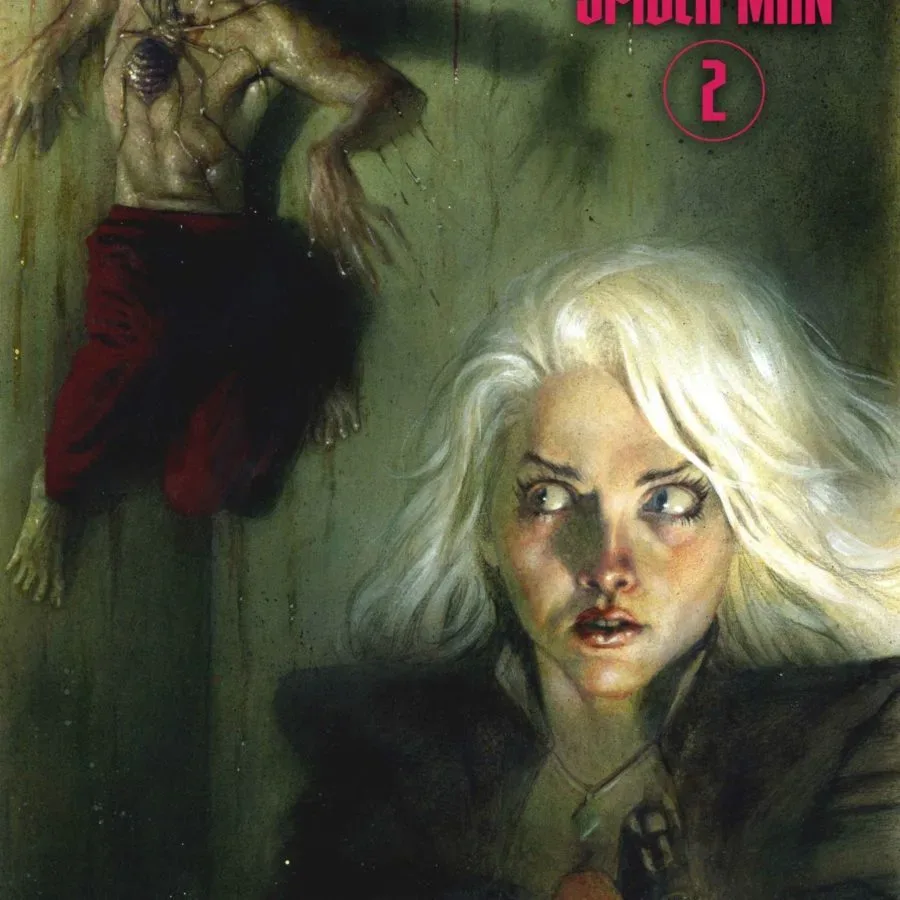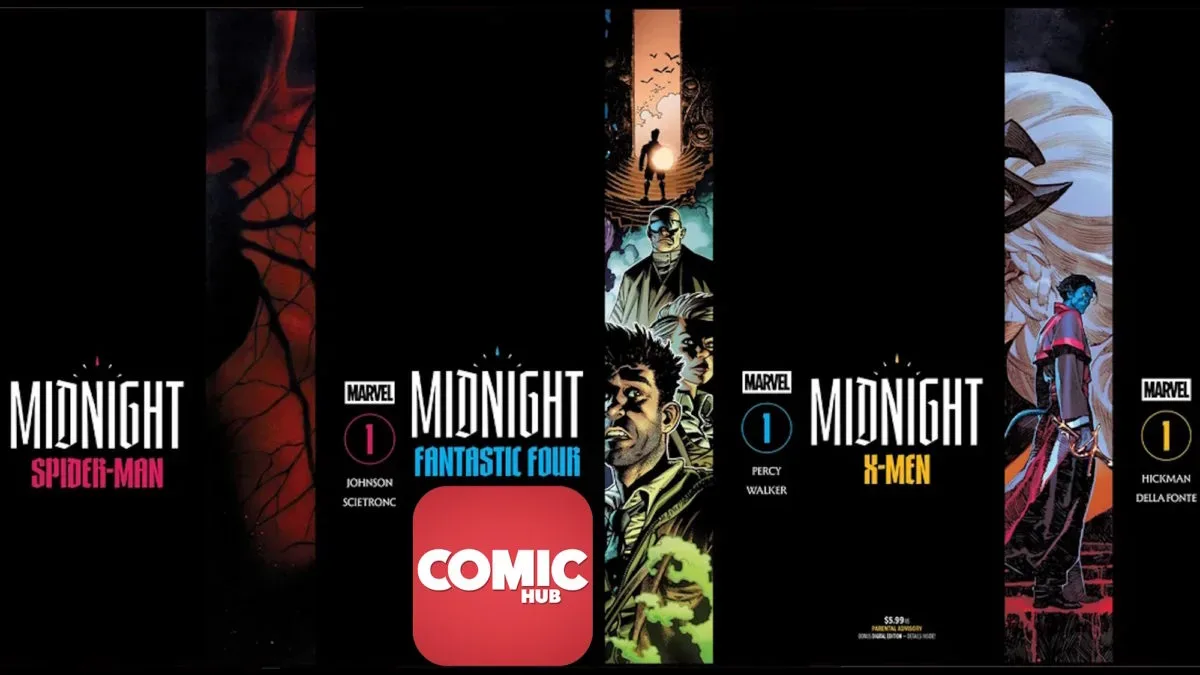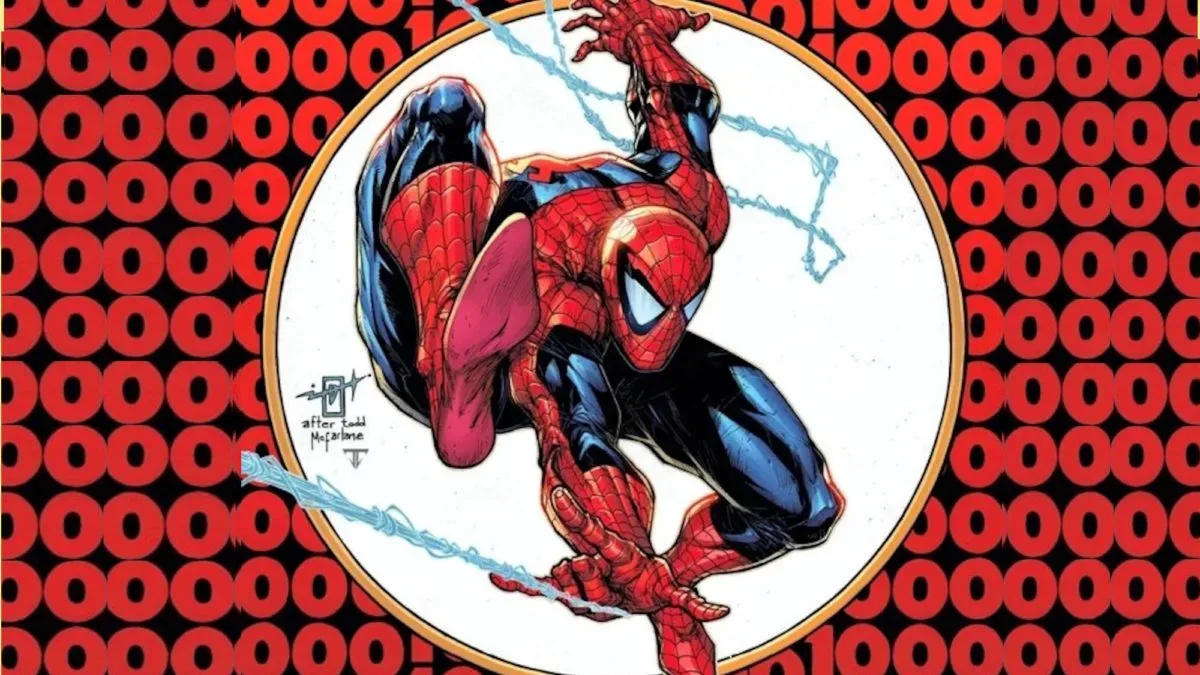
Midnight Spider-Man #2 finished at the top of a reported weekly direct-market comic sales chart, leading a top 10 in which Marvel held seven positions. The result places the publisher’s Midnight-branded books at the center of the week’s retail picture: Midnight X-Men #2 and Midnight Fantastic Four #2 were also among the chart’s leading issues.
The strongest non-Marvel result came from Image. Chainkata #1, by Daniel Warren Johnson, debuted at No. 4, ahead of Marvel’s new X-Orcists #1. DC claimed the remaining two slots cited from the top 10 with Absolute Flash #21 and Detective Comics #1115.
That makes the headline clear without making the numbers say more than they can. Marvel had the week’s broadest presence, the Midnight line produced its biggest individual placements, and Chainkata’s launch cut through a crowded superhero-led chart. But this is a snapshot of participating comic shops’ sales over a short window—not a complete census of every comic sale or a measure of long-term readership.
The reported top-10 picture
The available results identify the following key placements and participants:
For more context, explore Ari Fletcher Pushes Back as Lil Baby Rumors Resurface Online.
- No. 1: Midnight Spider-Man #2
- No. 4: Chainkata #1
- Marvel: seven of the top 10, including Midnight X-Men #2, Midnight Fantastic Four #2, X-Orcists #1, and the conclusion of DNX
- DC: two of the top 10, including Absolute Flash #21 and Detective Comics #1115
- Image: one of the top 10, Chainkata #1
The full order and sales index values for every position are not included in the material available here. That distinction matters. It is accurate to say that Midnight Spider-Man #2 led this particular list and that Chainkata #1 took fourth; it would not be sound to infer precise gaps between titles, print quantities, or nationwide totals that have not been supplied.
Why the Midnight books are the week’s major story
A single chart-topper can sometimes be a one-off: a first issue, a special edition, an event installment, or simply a title with an unusually strong local audience. Here, the more useful signal is the presence of three Midnight titles among the week’s notable bestsellers. Midnight Spider-Man #2 was first, while Midnight X-Men #2 and Midnight Fantastic Four #2 were also identified as major contributors to Marvel’s dominant showing.
That does not establish why shoppers chose the books. No story details, creative teams, cover programs, or promotional plans are provided, so claims about the precise driver would be speculation. What the chart does support is narrower and still meaningful: multiple entries carrying the Midnight banner drew enough point-of-sale demand at the reporting retailers to shape the week’s top 10.
For readers, that makes the Midnight line the most visible cluster of books from this sales period. For comic shops, it is evidence that the connected set of issues created sustained interest beyond one character. Spider-Man, X-Men, and Fantastic Four are distinct franchises, so appearances across all three point to a range of demand within the reported sample rather than a result tied solely to one title.
Chainkata #1 makes an important No. 4 debut
Image’s lone top-10 representative also provided the week’s clearest counterpoint to Marvel’s numerical advantage. Chainkata #1 opened in fourth place, finishing ahead of the debut issue of X-Orcists. A No. 4 launch is particularly notable in a chart where one publisher occupied seven of the 10 spaces.
The result should be read as a retail-sales performance, not as a verdict on every book below or above it. Still, a new issue entering that high in a short-week ranking shows that it was not lost in the release slate. Chainkata was also the sole Image title in the top 10, making its placement central to Image’s showing for the period.
There is a useful distinction between a debut placement and a long-running sales trend. A first issue can attract readers who are sampling a new series, while later issues reveal whether demand holds, rises, or fades. With only this first-week position, the responsible takeaway is that Chainkata started strongly among the stores reporting data. It is too early to convert that into a claim about its eventual run.
DC’s two entries span different issue numbers
DC’s contribution came from Absolute Flash #21 and Detective Comics #1115. The issue numbers alone underscore a simple point: neither cited DC entry was presented as a No. 1 launch. Both placed in the top 10 amid a week whose upper tier was dominated by Midnight books and other Marvel issues.
That is valuable context for interpreting weekly charts. New launches tend to attract attention because they give readers a clear starting point, but ongoing titles can still command meaningful shop-floor demand. Absolute Flash reaching issue 21 and Detective Comics reaching issue 1115 also means their places on this particular list should not be treated as interchangeable with Chainkata’s first-issue debut. Each title arrives with a different point of entry, publishing history, and likely buying pattern; the list itself measures sales during the stated window rather than those broader circumstances.
What a Wednesday-to-Friday direct-market chart measures
The chart is built from point-of-sale data supplied by a group of roughly 120 to 150 comic retailers, primarily in North America and the United Kingdom. The reporting group represents a subset of the approximately 1,800 to 2,000 direct-market comic shops using the relevant point-of-sale services worldwide. The results cover sales from Wednesday through Friday, the opening portion of a standard new-comics week.
Point-of-sale data means sales recorded when customers buy books in participating stores. That is different from publisher orders, which track the copies retailers ordered earlier through distribution. The distinction is crucial. Orders can show retailer expectations before release; point-of-sale data instead reflects sales that occurred in the sampled stores during the chart window.
The list expresses performance relative to the leading reported title, which is assigned an index of 100.0. In other words, an index is a comparison tool: it shows a book’s sales level as a percentage of the chart leader within the reporting sample. It is not a published count of copies sold, and it should not be mistaken for a publisher’s total circulation figure.
What the format can tell readers
- Which books generated strong early-week sales at the participating shops.
- How titles compared with the chart leader inside that retailer sample.
- Which publishers placed multiple books in the upper tier during the same release window.
- Whether a new launch, such as Chainkata #1 or X-Orcists #1, registered among the week’s strongest performers.
What the format cannot settle on its own
- Exact total sales across all comic shops, digital channels, bookstores, or international markets.
- Publisher revenue, print-run size, or how many copies were ordered before release.
- Whether sales will remain steady after the first few days.
- Why any one issue sold at its observed level.
Practical takeaways for readers and retailers
For readers deciding where to put attention after a crowded release week, the chart offers a useful discovery prompt rather than a reading order. Midnight Spider-Man #2 is the immediate headline title, while Midnight X-Men #2 and Midnight Fantastic Four #2 establish the wider Midnight group as a prominent current set. Chainkata #1 is the key alternative-book launch identified by the rankings. Readers who prefer established DC series can note that Absolute Flash #21 and Detective Comics #1115 remained present in the same competitive top 10.
For retailers, the result reinforces why sell-through information is more actionable than an order-only view. A store’s own customers may not mirror the full sample, and local demand always matters, but completed purchases offer a timely check on which books moved once new-comic day arrived. The three-day scope also encourages caution: weekend traffic, reorders, and subsequent issues can change the larger picture.
For observers of the market, the central lesson is not that one publisher permanently “won” comics. It is that Marvel delivered an unusually concentrated top-10 week in this reported sample, led by Midnight Spider-Man #2 and backed by related Midnight issues. Image’s Chainkata #1 earned a substantial opening position, and DC maintained two places through continuing series. That is a clear description of the data—and a better one than turning a short retail window into a sweeping prediction.