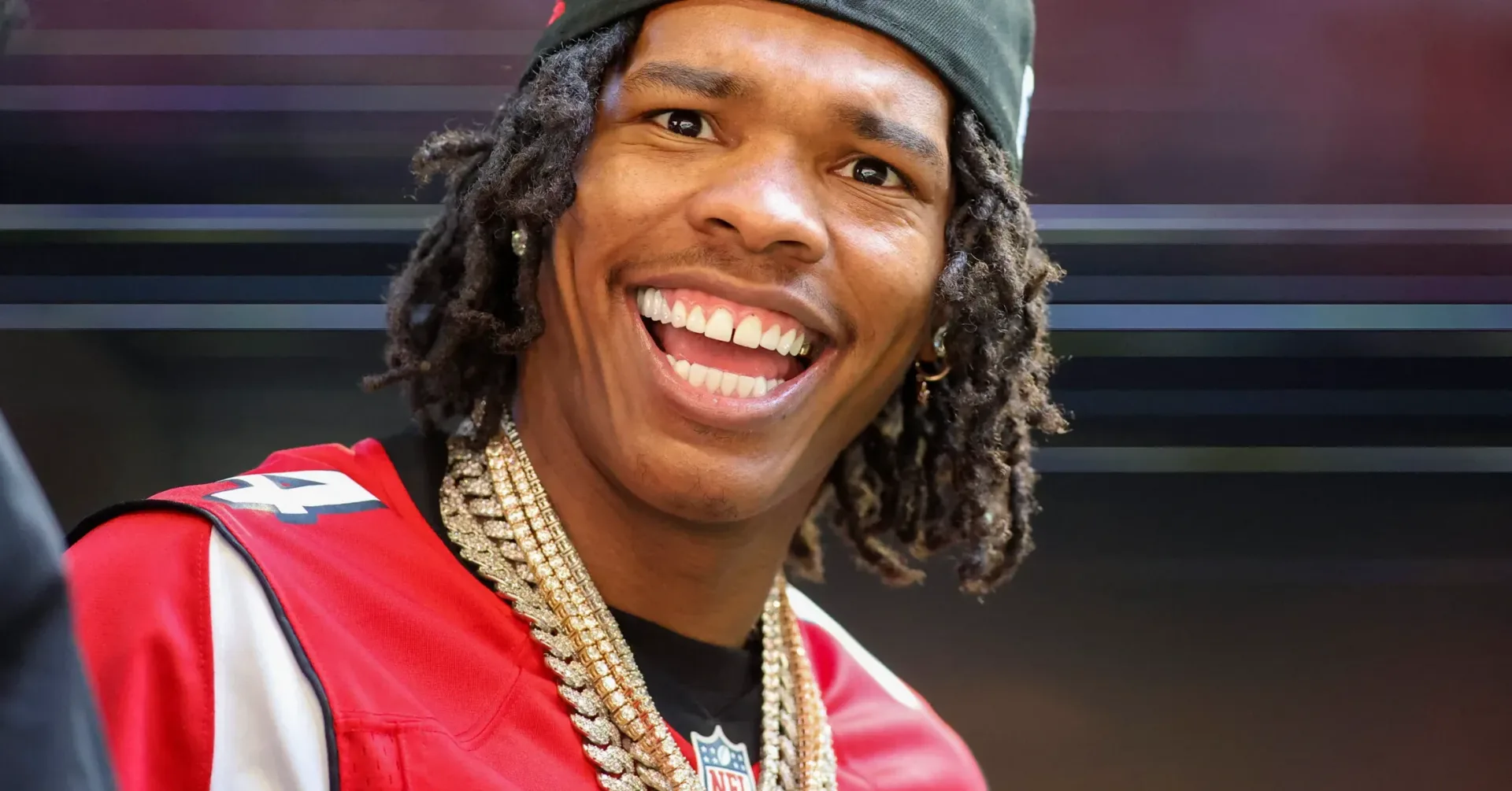
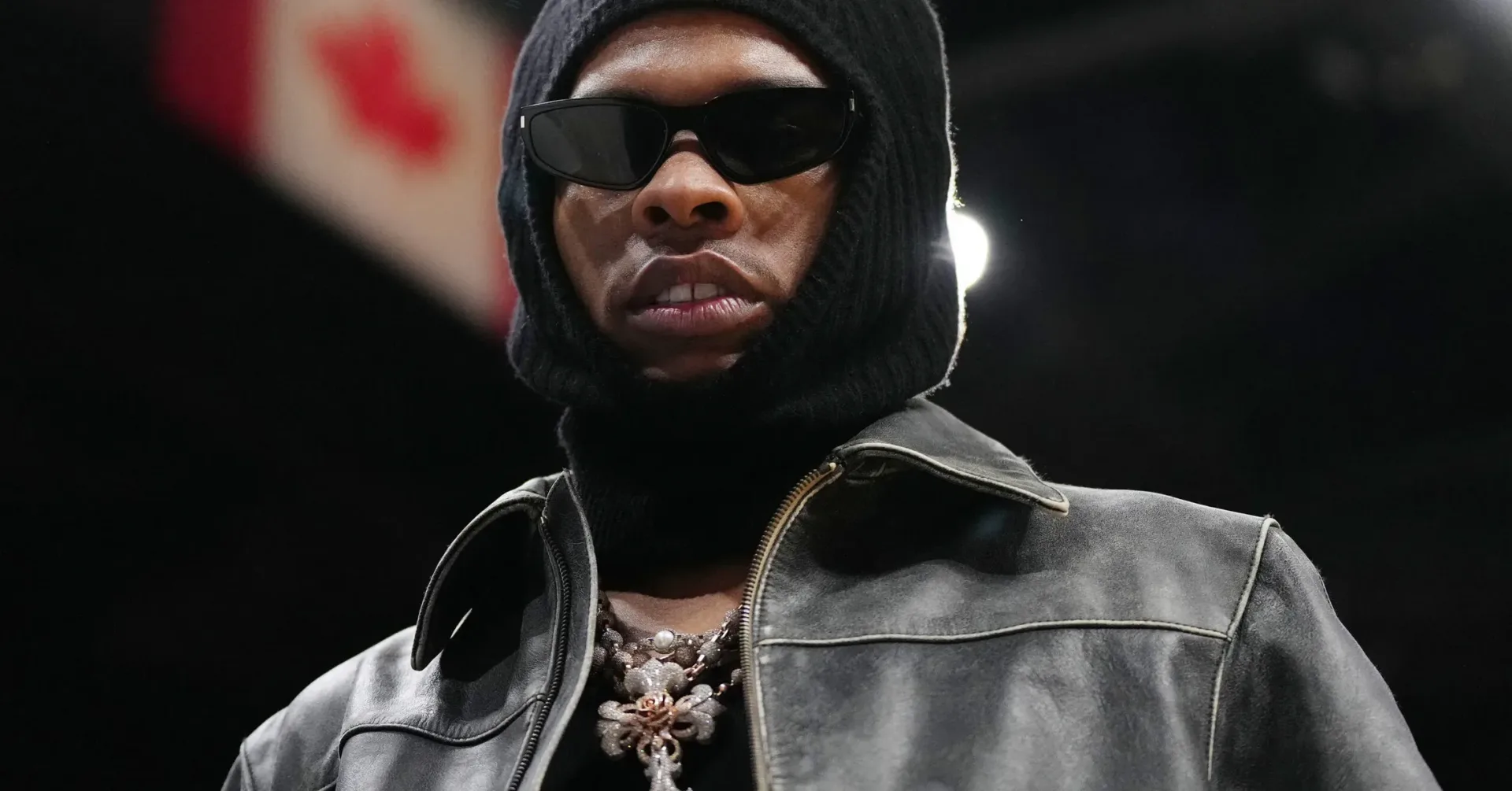
Ari Fletcher has publicly pushed back on renewed online conversation tying her to Lil Baby, after an exchange involving Woo Lady brought an old rumor cycle back into view. The dispute is rooted in speculation, not a confirmed relationship: Fletcher has denied the claims, and the available account offers no evidence that Fletcher and Lil Baby were ever a couple.
The immediate spark was an accusation that Fletcher had blocked Woo Lady on social media. Woo Lady responded by invoking Lil Baby, a pointed reference to the lingering claim that Fletcher and the rapper had some kind of involvement. That reference revived a subject Fletcher has made clear she no longer wants attached to her name.
On X, Fletcher rejected the idea that she had ever been involved in a dispute over Lil Baby. Her posts framed the continuing discussion as a manufactured narrative that had been allowed to run for too long. She also emphasized her own priorities, citing investment, the pursuit of generational wealth and wedding planning.
What is actually established here
The distinction between a rumor, an allegation and a verified fact matters. A rumor is an unconfirmed claim passed between people. An allegation is an assertion that someone says happened, but it does not become established merely because it is repeated online. Verification requires reliable supporting evidence, such as direct confirmation or documentation that substantively demonstrates the claim.
In this case, the claim connecting Fletcher and Lil Baby has circulated in online gossip spaces. Fletcher has denied it. The supplied information does not establish that they dated, nor does it establish a hookup. Treating the claim as settled fact would go beyond what is known.
That may sound like a basic standard, but it is especially important when social posts become the raw material for rapid-fire reaction accounts, reposts and comment threads. Each repetition can make a claim feel more definite, even when no new information has been added. Visibility is not proof.
Why the story keeps returning
Recurring celebrity narratives often survive because they are easy to compress into a familiar format: a perceived feud, a relationship triangle or a supposed hidden history. Once that frame takes hold, unrelated interactions can be interpreted as fresh evidence. A block, a reply, a vague caption or even silence can be made to fit the existing storyline.
The Woo Lady exchange appears to have worked in precisely that way. Rather than providing new confirmation about Fletcher and Lil Baby, it brought the earlier allegation back into the conversation. Fletcher’s response was not an expansion of the supposed relationship story; it was a rejection of it and a complaint about its persistence.
There is also a difference between a public figure choosing to respond and a public figure validating every premise behind the question. Fletcher’s frustration communicates that the subject has real reputational and personal consequences for her. It does not turn the underlying rumor into fact.
Fletcher’s message: focus on what she says she is building
Fletcher’s posts placed the rumored connection in contrast with the parts of her life she says deserve attention: business activity, investments, long-term wealth building and plans for her wedding. Her wording was blunt, but the larger message was direct. She does not want her public identity reduced to a narrative about someone else.
“I’m over here building,” Fletcher wrote, before pointing to investment and generational wealth. Generational wealth generally refers to assets, financial stability or opportunities that can be passed from one generation of a family to the next. In the context of Fletcher’s post, it is not a claim with detailed financial disclosures attached; it is a statement of personal ambition and where she believes her attention is better spent.
Her mention of wedding planning similarly signals a boundary. It places the online discourse against a major personal commitment and underscores why a recycled relationship allegation may feel particularly intrusive. The public can see the posts, react to them and debate them, but that does not erase the person at the center of the discussion from defining what is and is not true about her life.
Practical reading of social-media flare-ups
For readers following fast-moving celebrity conversation, a few simple checks can prevent a rumor from becoming an assumed fact:
- Separate the trigger from the evidence. A response, block or insult can explain why a topic is trending without proving the older claim being referenced.
- Look for direct denials and confirmations. Fletcher’s denial is relevant. It is not appropriate to omit it while presenting the allegation as certainty.
- Do not treat repost volume as corroboration. Multiple posts may all trace back to the same unsupported assertion.
- Keep uncertainty in the language. Terms such as “rumored,” “alleged” and “unconfirmed” are not loopholes; they accurately describe what the available information can support.
- Resist narrative completion. Social audiences often fill gaps with assumptions because an incomplete story is less satisfying than a clean, dramatic explanation.
Those habits apply beyond celebrity news. They are useful whenever a conversation is driven by clips, screenshots and secondhand summaries rather than complete context. The speed of a platform can reward a decisive take; it cannot supply missing proof.
A familiar collision of hip-hop conversation and online fandom
The broader setting is a social-media culture where music, celebrity identity and fan interpretation continuously overlap. Hip-hop’s relationship with games has long been another visible part of that wider cultural conversation, including the way radio, artists and references have helped shape the atmosphere around Grand Theft Auto. For more on that intersection, see 25 GTA 6 Controls and World Details Worth Trying in Leonida.
But cultural overlap should not turn every personal rumor into entertainment canon. The details in this situation remain narrow: a social-media disagreement called attention to a longstanding claim, Fletcher denied the premise and expressed frustration over its continued circulation. Anything beyond that requires evidence not present here.
For now, the substantive development is Fletcher’s own effort to draw a line. She is disputing the Lil Baby narrative rather than feeding it, and she is redirecting attention to the work and life plans she says are actually important to her.