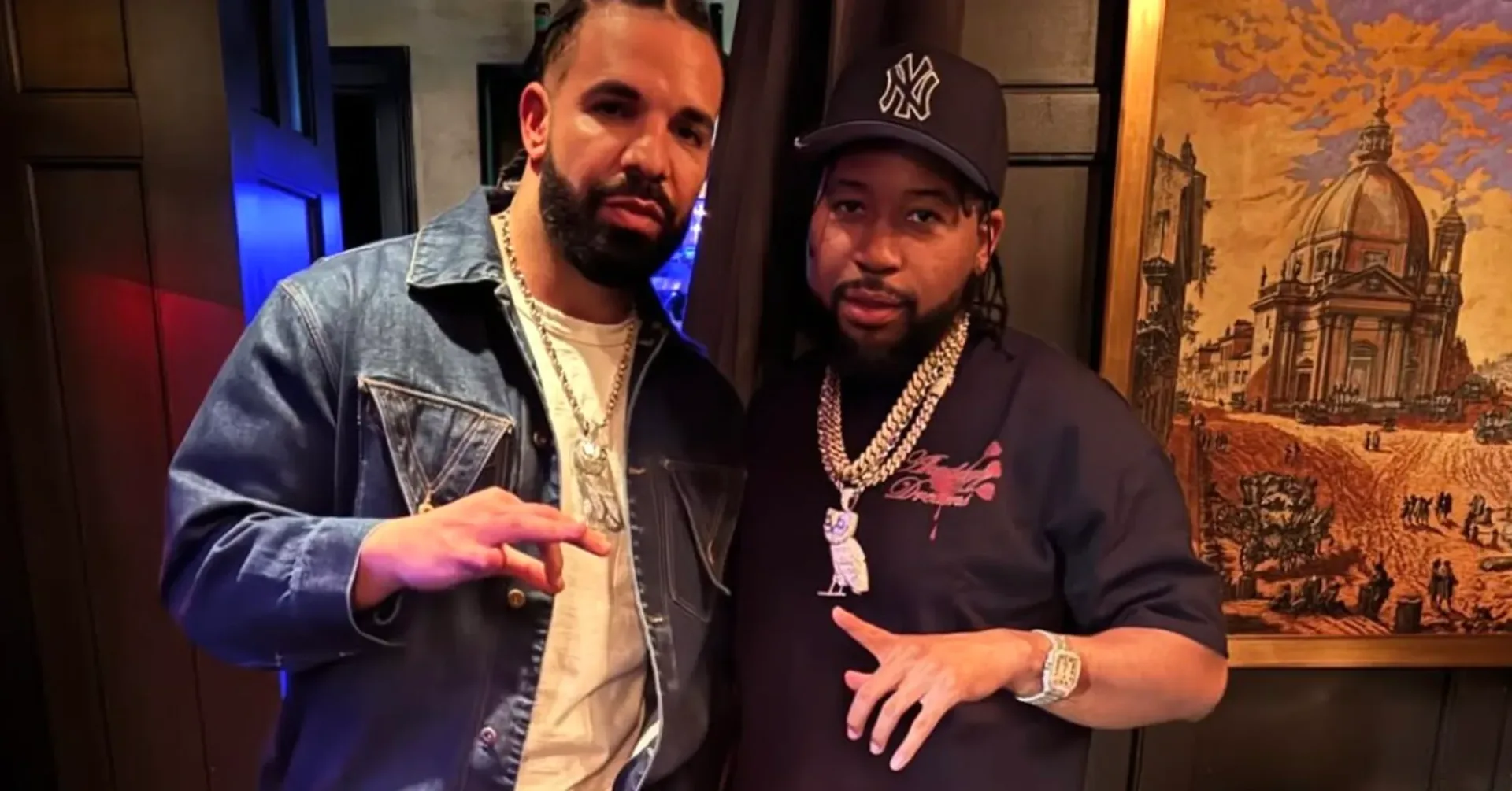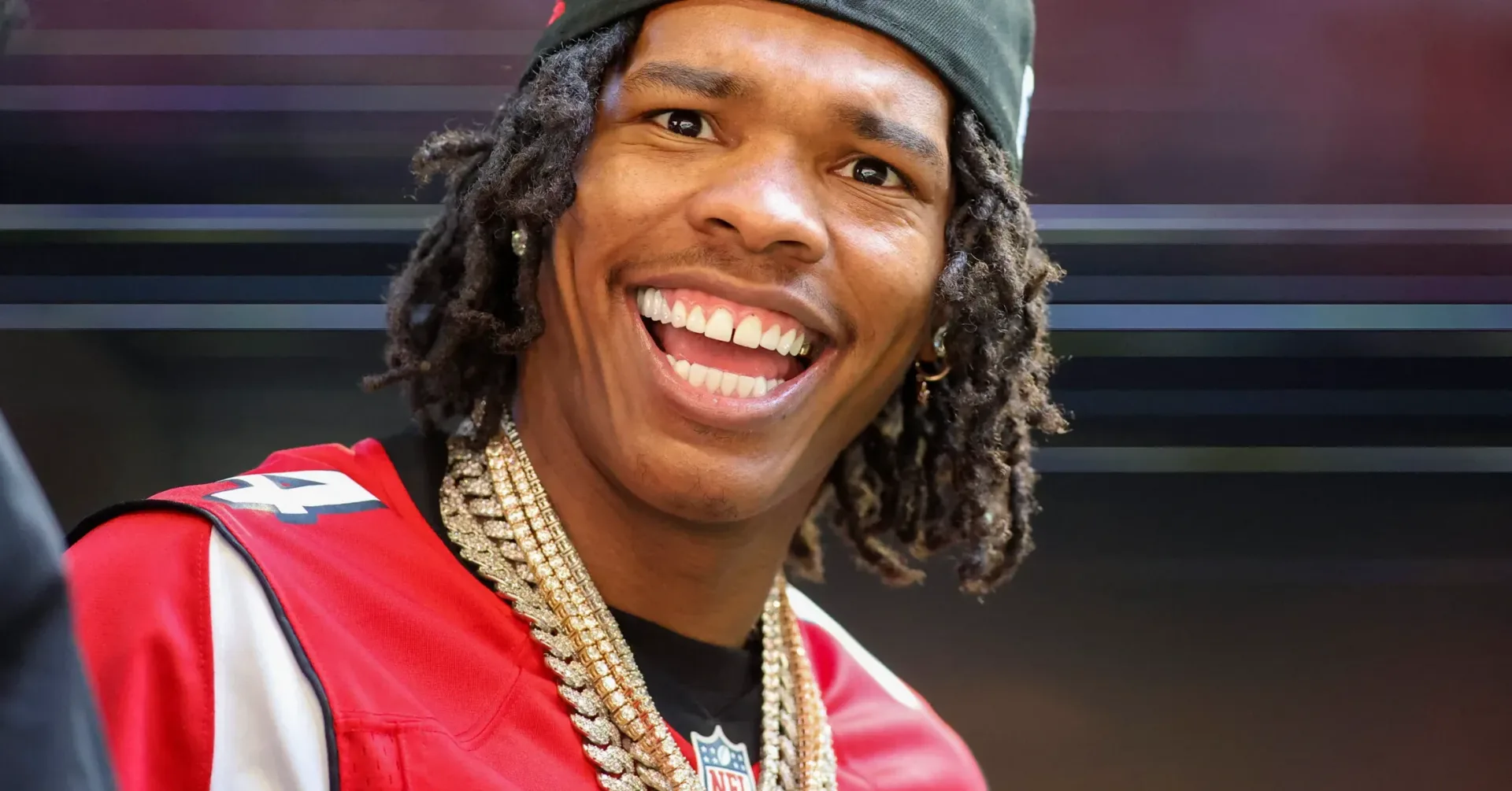
DJ Akademiks has offered a new account of the friction between himself and Lil Baby, describing an alleged private-message conversation that he says made the scale of their long-running dispute clear to him. Speaking during an appearance on One Night with Steiny, the streamer and commentator framed the exchange not simply as an argument over a particular remark, but as a clash over tone, standing and basic respect.
The account is one-sided: Lil Baby is not quoted directly beyond the words Akademiks attributed to him, and no response from the rapper is included here. Still, Akademiks’ retelling helps explain why the conflict has remained active even as public feuds in rap media often shift rapidly from one viral clip to the next.
What Akademiks says happened in the messages
Akademiks said Lil Baby entered his DMs to question why he had been saying certain things. Akademiks characterized his own initial response as evasive, saying he tried to clarify that remarks at issue were not about Lil Baby. In his view, however, the conversation’s tone deteriorated before that clarification could resolve anything.
“At a point, you kind of start realizing this is bigger than even the conversation,” Akademiks said, arguing that the exchange showed Lil Baby did not respect him.
The detail Akademiks returned to was an alleged repeated use of “little boy.” He said Lil Baby used that phrase while challenging the way Akademiks spoke about him. Akademiks emphasized that he is older than the rapper, but the complaint was clearly not just literal. In this context, the phrase is being presented as a diminutive: language meant to establish a hierarchy and dismiss the other person rather than merely disagree with their point.
That distinction matters when reading the episode. A DM, or direct message, is a private exchange on a social platform, but it can become part of a public conflict once one participant describes it on a show or stream. The audience does not have the full conversation here, so it cannot independently judge the sequence, wording, or surrounding context. What is available is Akademiks’ interpretation: he felt he was attempting a correction while Lil Baby was communicating contempt.
Why the dispute is not being described as a simple misunderstanding
Akademiks acknowledged that he had been trying to distance Lil Baby from comments the rapper apparently took personally. Yet he said the interaction still felt hostile because of how he was addressed. His account suggests that the problem was not solely whether the original comments named Lil Baby or were intended for him. It was also whether the two men accepted each other as peers in the exchange.
That is a useful way to separate two ideas that are often bundled together in celebrity disputes. The substance of a disagreement is the underlying claim—here, whether Akademiks was talking about Lil Baby. The social signal is the way a person delivers their position: the labels used, the framing, and whether they appear willing to let the other person explain. Akademiks says the latter overwhelmed the former.
His recollection also points to a practical limitation of attempts to defuse online conflict. Saying that a statement was not aimed at someone may settle the factual question for the speaker, but it does not necessarily settle why the other person felt targeted. If a relationship already includes public shots and suspicion, a clarification can be treated as evasive rather than reassuring. Akademiks explicitly said he could tell Lil Baby “feels a way,” even while he was trying to correct the perceived premise.
A feud that has moved between public commentary and private contact
The two have traded criticism over the years, and Akademiks’ latest remarks position the DM exchange as one of their direct points of contact. That makes the episode more consequential than a distant back-and-forth in which each side is speaking only to followers. Akademiks is describing a moment where there was at least an opening for direct clarification, but says it instead reinforced the antagonism.
There is a second recent allegation in the background. Akademiks has claimed that Lil Baby’s team contacted him with an offer of payment for promotion despite their feud. That allegation, too, should be treated as Akademiks’ claim rather than an established fact on the information available. If accurate, it would illustrate the sometimes contradictory relationship between music promotion and online commentary: commercial or promotional outreach can coexist with personal resentment. But it does not, by itself, establish agreement, reconciliation, or a change in how either party views the other.
Akademiks’ comments also avoid a completely one-note version of the situation. He has previously said Lil Baby, also referred to as Wham, was among the artists who offered to help Lil Durk amid Durk’s murder-for-hire trial. That claim does not erase the reported hostility between Akademiks and Lil Baby, but it does place the rapper within a broader set of relationships and actions than a single feud can capture.
How to read an account built around tone
This story is fundamentally about perception, which calls for care. Akademiks is recounting how an exchange made him feel and what he inferred from its language. Those are real parts of a conflict, but they are not identical to a complete record of events. A listener can understand why repeated diminutive phrasing would be received as disrespectful without assuming they have seen every message or heard Lil Baby’s rationale.
There is also an important difference between reporting an allegation and converting it into a definitive motive. Akademiks believes the messages demonstrated a lack of respect. That is his conclusion. The available material does not establish whether Lil Baby intended the words precisely that way, whether he believed he was responding to prior provocations, or whether the exchange has continued in private since.
For audiences, that uncertainty is not a reason to ignore the remarks; it is a reason to describe them accurately. The most supportable takeaway is that Akademiks says an attempted clarification turned into a more personal confrontation, with “little boy” becoming the phrase he sees as emblematic of the dispute.
The larger media dynamic at play
Conflicts involving artists and commentators frequently have two tracks. One is public: streams, interviews, lyrics, posts and clips where every phrase can be amplified. The other is private: messages and intermediary conversations that may be summarized later by only one participant. When the private track becomes public, it can intensify the first one because it adds a claim of personal disrespect to a disagreement that fans may have previously understood as commentary.
That does not mean a public retelling automatically settles the score. It often does the opposite, particularly when the details concern tone rather than a cleanly verifiable claim. The episode is likely to keep attention on the Akademiks–Lil Baby friction, but it offers no sign in the available account that either side has reached a resolution.
For a wider view of hip-hop activity beyond interpersonal disputes, Joking Joystick has also covered 2 Chainz and Statik Selektah’s planned Playaz Only Live Once release. In Akademiks’ case, though, the immediate issue remains much narrower: he says a private conversation meant to address a perceived slight instead convinced him the rift with Lil Baby remains as deep as ever.