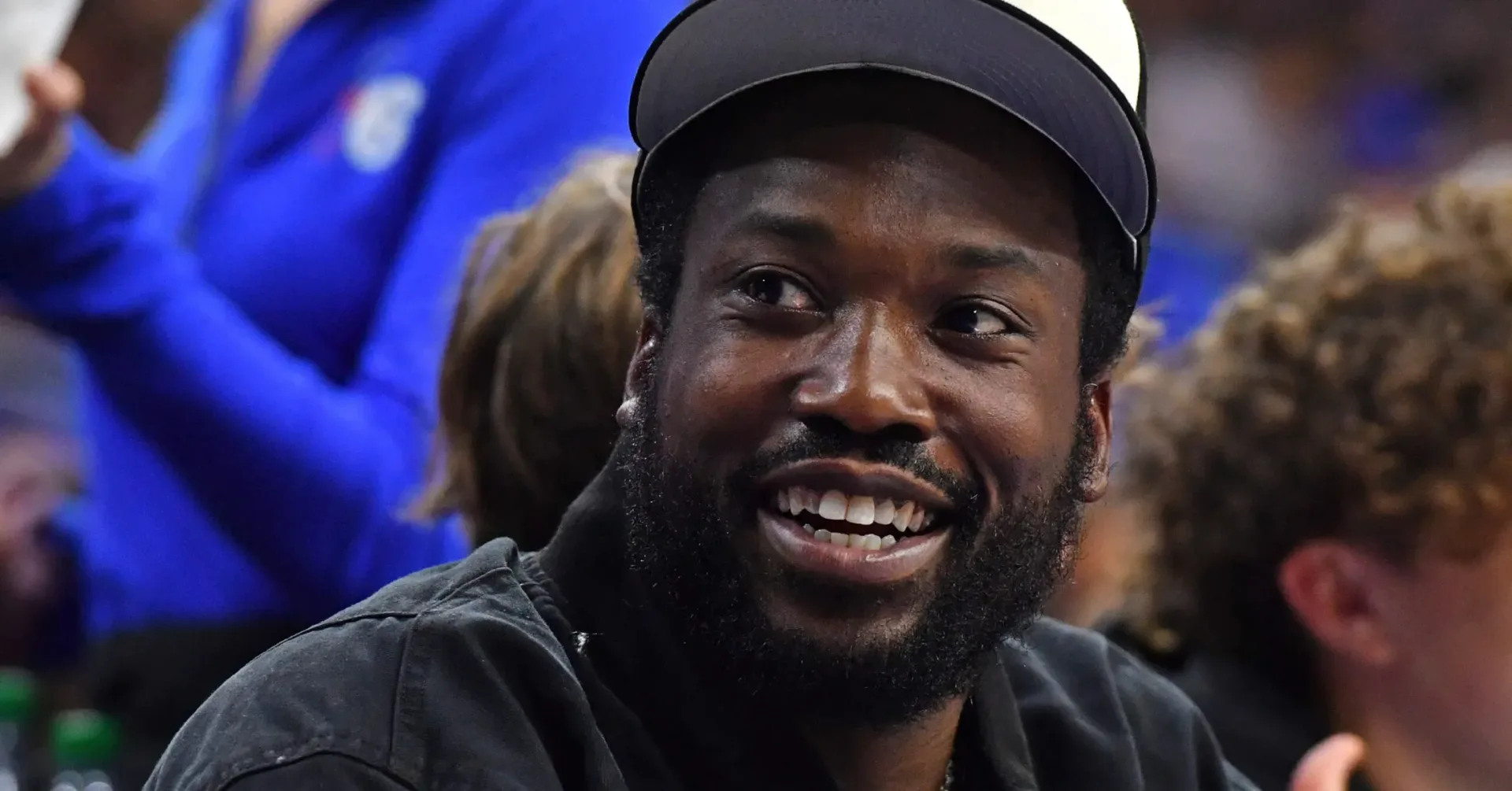
Meek Mill has offered his account of the latest escalation in his long-running public dispute with DJ Akademiks, alleging that the commentator has been messaging him repeatedly and using clipped video and social posts to shape the argument around him.
The exchange has intensified in the days following the Lil Durk verdict, with both figures making hostile claims online. Meek had previously described Akademiks as a negative force in hip-hop culture and said he was trying to find Akademiks’ home so they could talk. Akademiks subsequently shared images of firearms and continued posting about Meek, including private direct messages.
In his newer posts, Meek rejected the idea that he was sustaining the conflict. He said he had raised a concern several days earlier about what he viewed as Akademiks stoking smaller rap disputes, then alleged that Akademiks had spent the ensuing days messaging him, posting clips and keeping the confrontation active.
“This guy is messaging me all day clipping a 1000 videos a day,” Meek wrote, before characterizing Akademiks as someone who amplifies “petty rap beefs.” He also called him “mentally crazy.” Those are Meek’s personal allegations and assessments, not independently established facts.
The disagreement is now also about how online media works
Beyond the insults, Meek’s main argument is about clipping: the practice of cutting a small segment from a longer video, stream, interview, or social-media exchange and recirculating it as a standalone post. Clipping is a common part of online entertainment coverage and fan discussion because short excerpts travel quickly. But it can also remove setup, tone, replies, or subsequent clarification.
Meek argues that this format can be used to manipulate an audience’s view of a dispute. In another post, he said he was frustrated by the notion that Akademiks could “control” him through a computer and a major social-media platform. He connected that concern to the recent scrutiny around clipped material during the Kendrick Lamar and Drake feud, arguing that many people continue to treat short viral snippets as complete accounts of a larger story.
That position does not resolve the underlying dispute, but it identifies a real distinction worth keeping in mind as the posts circulate: a clip can show that someone said or did something, while still not necessarily conveying the full sequence of events. In fast-moving celebrity conflicts, screenshots and excerpts are frequently redistributed before viewers know when they were sent, what led to them, or whether either side has supplied relevant context.
What Meek is alleging
- He says Akademiks has been messaging him continuously.
- He says Akademiks is using clips and posts to prolong or steer the conflict.
- He believes this type of content can influence people into accepting a simplified version of a feud.
- He rejects the idea that social-media coverage gives Akademiks control over him.
Those points amount to an argument over narrative power as much as a personal feud. Meek is not merely objecting to criticism; he is objecting to the mechanisms by which criticism, reaction and conflict become highly visible online.
Akademiks answered with more posts and DMs
Akademiks did not de-escalate in response. He suggested that Meek was “off his meds,” and he posted additional direct messages that he said came from Meek. The messages included severe hostile language directed at Akademiks.
It is important to separate what has been publicly posted from what can be verified. The exchange demonstrates that the conflict is active and deeply personal, but the broader claims each man makes about the other’s conduct remain competing assertions made on social platforms. Neither side’s social post, standing alone, settles the full history or intent behind every message and clip.
There is also a practical issue with private-message disclosures in public disputes. DMs can provide a timestamped fragment of communication, yet they are not automatically a complete record. A screenshot may omit earlier messages, later replies, deleted material, a related call, or the circumstances that prompted a conversation. That does not mean every screenshot is false; it means audiences should resist treating a partial publication as a comprehensive case file.
Why the language matters
The latest round has moved beyond ordinary criticism. Meek’s earlier mention of seeking Akademiks’ home, Akademiks’ firearm images, and the reported hostile DMs all make this a situation where restraint is more valuable than audience participation. Even when the original speakers frame their comments as venting, reposting provocative fragments can intensify a conflict and invite viewers to take sides based on the most inflammatory material.
For readers following the story, the clearest verified takeaway is limited: Meek Mill and DJ Akademiks are engaged in an escalating public argument, and Meek says he believes persistent messaging and selective clips are being used against him. Akademiks has pushed back publicly, posted alleged DMs, and continued the confrontation. The parties plainly disagree over who is driving the exchange and what the posts mean.
That narrow reading may be less sensational than treating every screenshot as decisive evidence, but it is the most useful way to follow a story built from rapid-fire social posts. A long-running feud can generate an enormous volume of content without producing much reliable clarity. The important questions are often basic ones: What was said directly? What is claimed? What context is missing? And does a clipped moment prove as much as the person sharing it says it does?
A familiar cycle in music-centered social media
The dispute also reflects how commentary, fan accounts, artists and streaming audiences can feed the same loop. A provocative post draws reactions; reactions become clips; clips become new posts; and the dispute becomes its own ongoing content category. The result is a conflict that may outlast the specific event that sparked its latest chapter.
For an artist, that can turn a disagreement with a commentator into a broader fight over reputation and public interpretation. For a media personality, public responses and rebuttals can become part of the story being covered. The roles are different, but the incentives of an attention-driven platform can pull both sides toward immediate, visible replies rather than private resolution.
Meek’s criticism of “one source of marketing” speaks directly to that dynamic. His point appears to be that a large platform is influential but should not be mistaken for an all-knowing authority. That is a fair distinction for any reader to apply: reach is not the same as complete context, and virality is not the same as proof.
The music world has no shortage of news beyond online conflicts, including artists changing lanes and explaining their creative decisions, as in Chanel West Coast’s discussion of her country pivot. In this case, however, the available public material points to an argument still centered on accusation, reaction and competing narratives—not a resolution.
What happens next remains unclear
There is no indication in the material available here that Meek Mill and DJ Akademiks have reached any understanding or intend to end their feud. If anything, the latest posts reinforce how little trust remains between them. Meek says the commentator has pursued him with messages and clips; Akademiks has answered with his own personal criticisms and further alleged DMs.
Until either man offers a calmer, fuller account—or stops responding—the most responsible interpretation is that this remains an unresolved online conflict. The posts are newsworthy because of the people involved and the intensity of the claims, but they should be read as statements from participants in an ongoing feud, not as a complete and independently verified record of it.