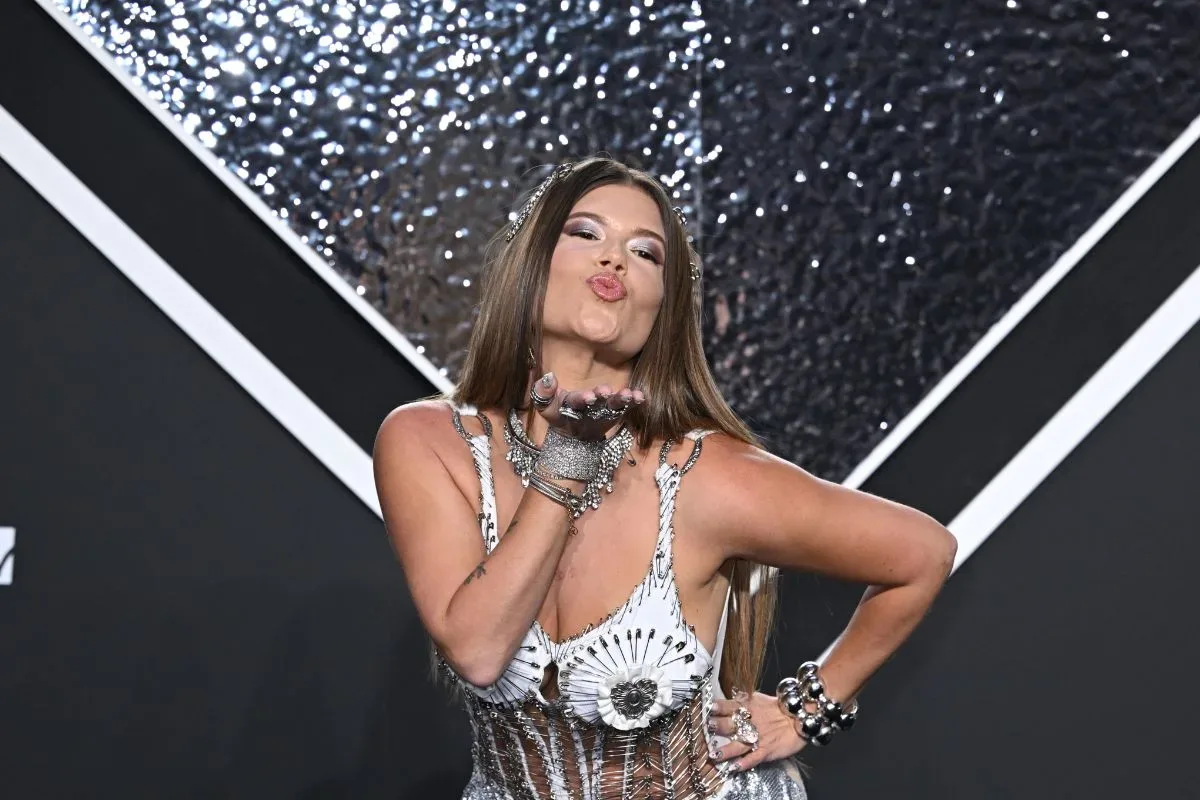
Chanel West Coast is standing by her move toward country music, arguing that criticism has followed her regardless of the genre she chooses. After working in hip-hop, the television personality and musician has shifted her focus to country material, including the single “Tennessee,” released in early September 2026.
Her response to the backlash is less a claim that every listener must embrace the switch than a rejection of the idea that an artist has to remain in one approved lane. “I got it when I was rapping and doing Hip-Hop, and now I’m still getting it doing country. Tell me what I am then,” she said.
That question gets at the central tension around a genre pivot: audiences often treat a familiar style as part of an artist’s identity, while the artist may see it as one phase of a wider musical interest. West Coast’s stated position is that she is not defined by a single category. “I think I’m just a person who loves music,” she said.
“Tennessee” marks the country-facing direction
West Coast’s new single is presented as an expression of the direction she wants to pursue rather than a one-off detour. “Tennessee” moves toward the storytelling emphasis associated with country music, away from the production-heavy beats that characterized her rap work.
In practical terms, a storytelling approach places particular weight on the subject, point of view and emotional progression of a song. Production remains important in country, as it does in every recorded genre, but the reported distinction here is where the song’s emphasis lies: narrative and relatability rather than beats serving as the most defining frame.
That does not mean hip-hop and country are sealed-off opposites. The useful point is narrower. West Coast is describing a change in creative priorities, and “Tennessee” is the current evidence of that intent. Listeners assessing the transition will likely focus on whether its writing and emotional perspective connect, not merely on the genre label attached to it.
Criticism is not new to her
West Coast has framed the latest response as a continuation rather than a new problem. She says she faced negativity while making hip-hop and continues to face it now that she is making country music. Her conclusion is straightforward: if changing lanes does not stop the criticism, then chasing critics’ approval is not a productive way to decide what music to make.
Her comments also suggest a distinction worth keeping clear. Critical reaction and listener connection are not necessarily the same thing. Some people may dislike a genre change, question its fit or prefer an artist’s earlier work. Those reactions are real, but they do not automatically settle whether songs matter to the people who hear something of themselves in them.
“I just love making music, so I don’t really care when people have negative things to say. You gotta just look past it and look at the positive comments, and look at all of the people whose lives you change through your music.”
West Coast said messages from listeners give her a more meaningful measure of what the work is doing. She described receiving comments from people who say a song resonates with them and that they have returned to it repeatedly. For her, that personal identification is the reason to keep making music.
This is also an important limit on the available evidence: her remarks describe listener feedback she has received, not a sales result, streaming total or broad critical consensus. The response to “Tennessee” should therefore not be reduced to a verdict about commercial performance. What is clear is that she sees a receptive audience in the direct messages and comments she encounters, and regards those responses as more valuable than the negative noise.
Positivity and artistic control
West Coast has previously said she felt hip-hop had moved into a darker space and that she wanted to make classier, more positive material. She cited Lauryn Hill as an inspiration in that earlier discussion. Those remarks add context to the country shift: the change is not described only as a stylistic move, but as an attempt to better align her music with the themes and tone she wants to pursue.
“Positive” can be an imprecise word in music discussion, so it is worth not overstating it. West Coast has not laid out a complete manifesto for every future release. But her comments establish a stated preference for material that feels more uplifting and relatable to her, rather than letting public expectations dictate the artistic direction.
Creative control is the practical principle underneath that position. It means treating outside feedback as information, not as an order. An artist can recognize that some listeners will not follow a genre change while still choosing to make the work they believe represents them. West Coast’s message is that she is willing to accept that trade-off.
A platform beyond a single musical lane
West Coast built a public profile through years of television work on MTV’s Ridiculousness and through her own reality series. That visibility gives her a foundation from which to take a creative risk without waiting for universal industry validation.
It also helps explain why the discussion is larger than a routine single release. An established public persona can make a shift more conspicuous: audiences think they know what an artist represents, then must decide whether they are willing to follow when that representation changes. Yet visibility does not guarantee agreement. It simply gives the artist a direct connection to people who are willing to listen.
Genre changes frequently invite gatekeeping, a term for policing who is considered legitimate within a musical community or style. In this case, West Coast is explicitly pushing back on that instinct. Her argument is not that genre has no meaning; “Tennessee” is clearly part of a country-facing chapter. Rather, she rejects the idea that a prior hip-hop identity should permanently disqualify her from exploring country.
That perspective is particularly relevant in a music culture where listeners often form strong attachments to eras, aesthetics and categories. Fans are allowed to have preferences. The more consequential question is whether artists retain room to evolve when those preferences do not line up with their next project.
What to watch from here
The immediate, source-supported takeaway is simple: West Coast is continuing with country music and is not apologizing for the decision. “Tennessee” is the early-September 2026 marker for that direction, while her comments make clear that she intends to prioritize the people who connect with the music over those objecting to the pivot.
The longer-term reception cannot be declared in advance. No broad listener figures or industry results are established here. But West Coast has made the standard by which she wants to judge the work clear: whether it reaches people, feels honest to her interests and supports the more positive creative outlook she says she wants to bring to her music.
Her move also sits within a broader conversation around identity in contemporary music. For another recent look at a hip-hop artist discussing the creative process behind a project, read AZ Chike’s account of Kendrick Lamar helping shape No Rest For The Wicked.