Genre labels are often treated like locked doors, but Hip Hop has spent decades proving they are closer to revolving ones. Rap can accommodate hard-rock guitars, country phrasing, pop choruses, soul-derived melodic ideas and punk aggression without ceasing to be Rap. That flexibility has created space for artists to experiment—and made Hip Hop a particularly visible stop for performers trying to find a sound, an audience or an identity that can carry them forward.
Still, an artist changing direction is not one simple story. Someone can begin as a rapper and discover that singing fits their voice better. Another artist may borrow Hip Hop’s production and visual language to separate themselves from an earlier public persona. Someone else might become successful through Rap-adjacent records while openly objecting to the rapper label. The music may overlap, yet the stakes around each move are different.
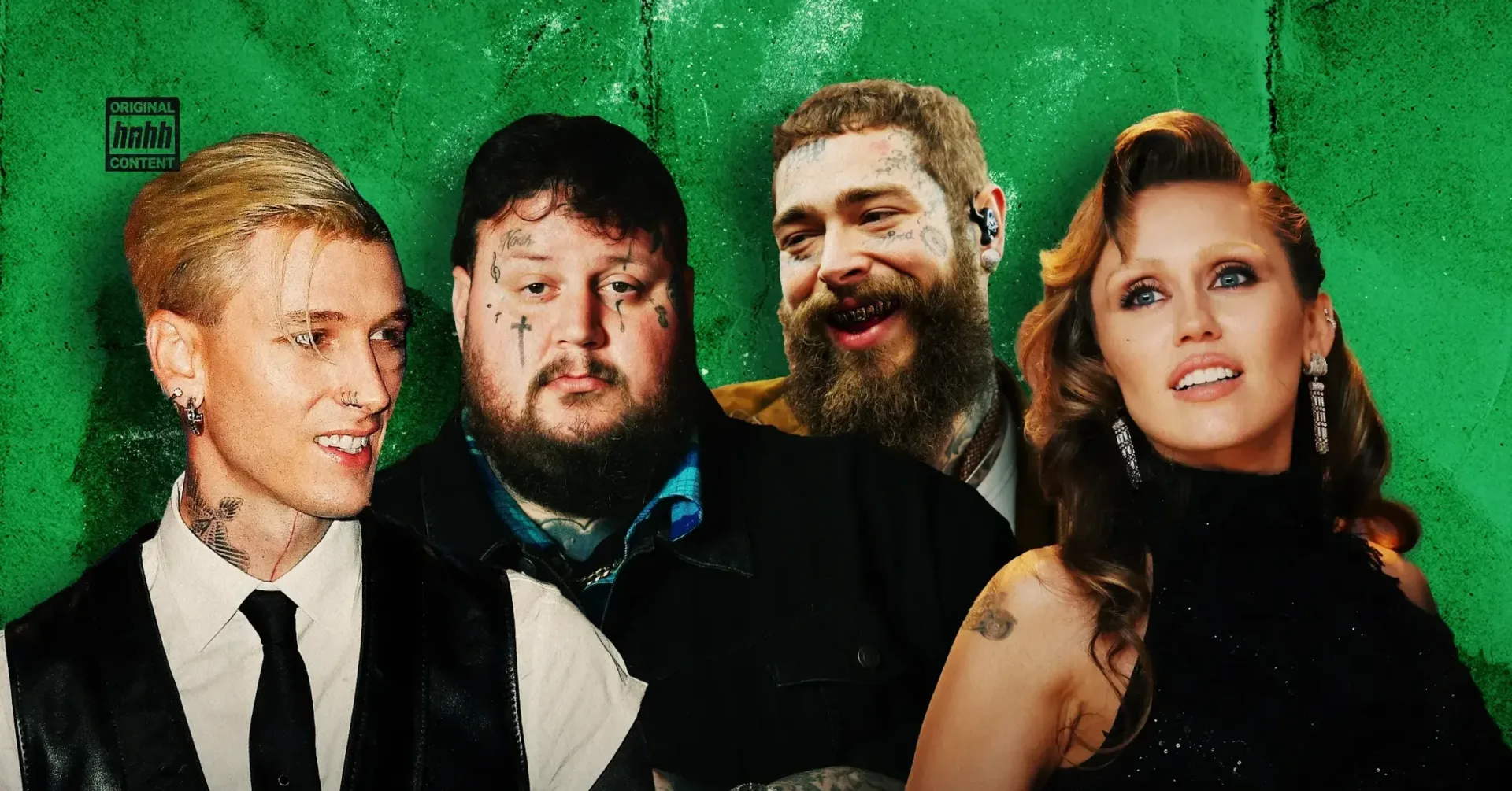
That distinction matters when discussing Miley Cyrus, Post Malone, Jelly Roll, Kid Rock, Machine Gun Kelly and Chanel West Coast. Their careers should not be reduced to a scoreboard of who “left” Hip Hop. A better question is what role the culture played at the moment each artist entered it, what they retained afterward, and how they described it once another genre offered a bigger or more comfortable platform.
Why a genre pivot is not automatically a rejection
First, a useful definition: a genre pivot is a sustained shift in an artist’s dominant musical format or public identity, rather than one experimental song or guest appearance. That does not mean all previous work suddenly vanishes. Artists can carry rap cadences into country, keep a Hip Hop sense of rhythm in pop, or use rock instrumentation while still rapping. The most revealing pivots are often hybrids, not clean breaks.
There is also no rule that a musician owes one scene a permanent allegiance. Tastes evolve, voices change and a career can take years to find its natural center. The issue is not simply whether an artist moves beyond Rap. It is whether they treat Hip Hop as a meaningful foundation, a continuing influence or a disposable aesthetic after it has done the work of providing attention, credibility or reinvention.
That is why these six examples land differently. Jelly Roll’s move to country has been framed around a long-running love of the genre and an unexpected realization that he could sing. Machine Gun Kelly has explicitly argued for versatility rather than a complete escape from Rap. Miley Cyrus later acknowledged the privilege involved in being able to enter and leave a cultural space. Those details make a blanket judgment unhelpful.
Miley Cyrus used Hip Hop to redraw a public image
Miley Cyrus was already famous before her Rap-influenced period. The shift during the Bangerz era was less about getting noticed than changing what she represented after Hannah Montana. She worked with Mike WiLL Made-It, used Trap-centered production and collaborated with Future and Big Sean. Her visual presentation also embraced twerking, grills and Black dancers as part of a deliberately adult, provocative reinvention.
Trap, in this context, refers to a Hip Hop style commonly associated with sharp programmed drums, forceful bass and spacious electronic production. Cyrus’s use of that sound helped mark a clear break from Disney-associated expectations. But the same strategy fueled criticism that elements of Black culture were being used as accessories in a makeover that she could leave behind once the former-child-star image had been successfully dismantled.
The tension became more pronounced in 2017, when Cyrus said material focused on sex and luxury lifestyles had pushed her away from the Hip Hop scene. Critics noted the contradiction: sexual provocation and conspicuous excess had been highly visible parts of her own Bangerz presentation. In 2019, after seeing Kenya Wilson’s criticism of the racial implications of those remarks, Cyrus apologized and recognized that the ability to move in and out of a scene was itself a privilege.
That later admission does not erase the earlier criticism, but it identifies the core issue with unusual clarity. Cyrus’s Hip Hop period was contentious not because she experimented outside pop, but because the sound and imagery were tied to a career reset she had the freedom to outgrow. Her story is therefore about reinvention, cultural power and the uneven consequences of treating a genre as a phase.
Post Malone found stardom in Rap’s orbit, then resisted the category
Post Malone’s trajectory poses a different question: what happens when an artist’s breakout is widely understood through Hip Hop, even while the artist objects to being called a rapper? “White Iverson” established him in 2015, and Stoney followed with melodic Rap and Trap production that made him one of the era’s largest new stars.
Melodic Rap generally describes music where sung or highly tuneful vocal lines share space with rap delivery. It can blur conventional genre boundaries, but it still emerged in a Hip Hop ecosystem and reached an audience that strongly connected Post Malone’s early success with Rap. His repeated resistance to the rapper designation therefore became part of the story, rather than a minor disagreement over filing labels.
His 2017 remarks about Hip Hop added further friction. He later said he loved Hip Hop and believed the comments had been misunderstood, yet his catalog was already expanding toward other forms. Hollywood’s Bleeding included “Take What You Want,” which united Ozzy Osbourne and Travis Scott on a track leaning toward heavy metal, while “Circles” became a major Pop-Rock record. Austin pushed farther into rock and pop, and F-1 Trillion represented a full move into country.
The practical takeaway is not that Post Malone’s earlier music must be retrospectively stripped of its Rap associations. Rather, his career shows that commercial entry point and preferred identity are not always identical. Rap helped make the platform possible; subsequent releases made clear he did not want the platform to define the limits of his work.
Jelly Roll’s country rise grew from, rather than erased, Rap experience
Jelly Roll’s route is less about repudiation than gradual discovery. Before country radio and major country stages, he spent years as a Southern rapper, building an audience outside the mainstream and selling mixtapes from his car. Country was not a sudden invention for him; he had long loved it. What changed was his confidence that he could sing.
A karaoke performance persuaded a producer to encourage vocals, opening a new possibility for an artist previously known primarily for Rap. “Save Me,” released in 2020, became a key bridge between those modes. The stripped-down song led into 2021’s Ballads of the Broken, which moved further toward country while preserving connections to his past. Whitsitt Chapel, released in 2023, was his first full-length country album.
“Son of a Sinner” accelerated that transition, but the distinction is in what Jelly Roll has continued to say and do. He has still performed older Rap material and credited Hip Hop with teaching him how to tell a story. His statement that he learned every trick he had from Hip Hop frames Rap as a craft foundation, not an embarrassing old costume.
This is a helpful reminder that a successful genre change need not be a cultural exit. Country offered Jelly Roll an expanded audience and a format suited to his singing voice. The storytelling instincts and experience accumulated in Southern Rap remained part of the path. That continuity makes his case substantially different from one where an artist embraces Hip Hop only until a different image becomes more valuable.
Kid Rock’s early Rap years were a long foundation, not a footnote
Kid Rock is an earlier example of how public memory can compress a complicated progression. The cowboy hats and country-rock image came after years spent immersed in Hip Hop. As a teenager in Michigan, he DJed parties, rapped with Detroit-area artists and opened for Boogie Down Productions. That background contributed to a Jive Records deal and the 1990 release of Grits Sandwiches for Breakfast, a Rap album rather than the hybrid style for which he later became known.
The transformation was gradual. Devil Without a Cause broke through in 1998 by combining Rap with hard rock. “Bawitdaba” and “Cowboy” retained rhymes even as the overall sound shifted. Cocky traveled further from Hip Hop, particularly after “Picture,” the Sheryl Crow duet that found success at country radio. By the 2003 self-titled album, country and Southern Rock figures had become more central reference points in his public identity.
That chronology undercuts the idea that Rap was merely a quick costume change. Kid Rock spent close to a decade trying to break through as a rapper before Rap-Rock achieved national success. His eventual identity became much more country and heartland-rock focused, but Hip Hop was an early career foundation, not a retroactive curiosity.
Machine Gun Kelly’s Pop-Punk phase was a commercial breakthrough
Machine Gun Kelly had released four Rap albums before the guitar-driven image became dominant. His shift is often reduced to a simplistic account involving his 2018 feud with Eminem, but the release timeline is more complicated. Hotel Diablo, released in 2019 after that feud, was still largely a Rap record. “I Think I’m Okay,” with Yungblud and Travis Barker, offered a strong clue about a looming change in direction.
Travis Barker produced 2020’s Tickets to My Downfall, a full Pop-Punk pivot that gave MGK his first No. 1 album on the Billboard 200. Pop-Punk is a rock style that combines punk-informed guitar energy with direct, hook-centered songwriting. For MGK, the move drew on the late-1990s and early-2000s sound he had followed before fame, while also creating the biggest commercial reinvention of his career.
Mainstream Sellout continued the guitar-heavy approach in 2022 and became another No. 1. Yet MGK has rejected the premise that he abandoned Rap altogether, arguing that genre versatility should not be mistaken for a total switch. That claim is important even if listeners now associate him much more readily with pink guitars than battle rap.
His career illustrates how audience perception can change faster than an artist’s stated self-conception. Rap established the first public version of Machine Gun Kelly; Pop-Punk made that version vastly more recognizable to a wider mainstream. A pivot can be commercially decisive without requiring an artist to deny their earlier catalog.
Chanel West Coast is pursuing country as a more personal voice
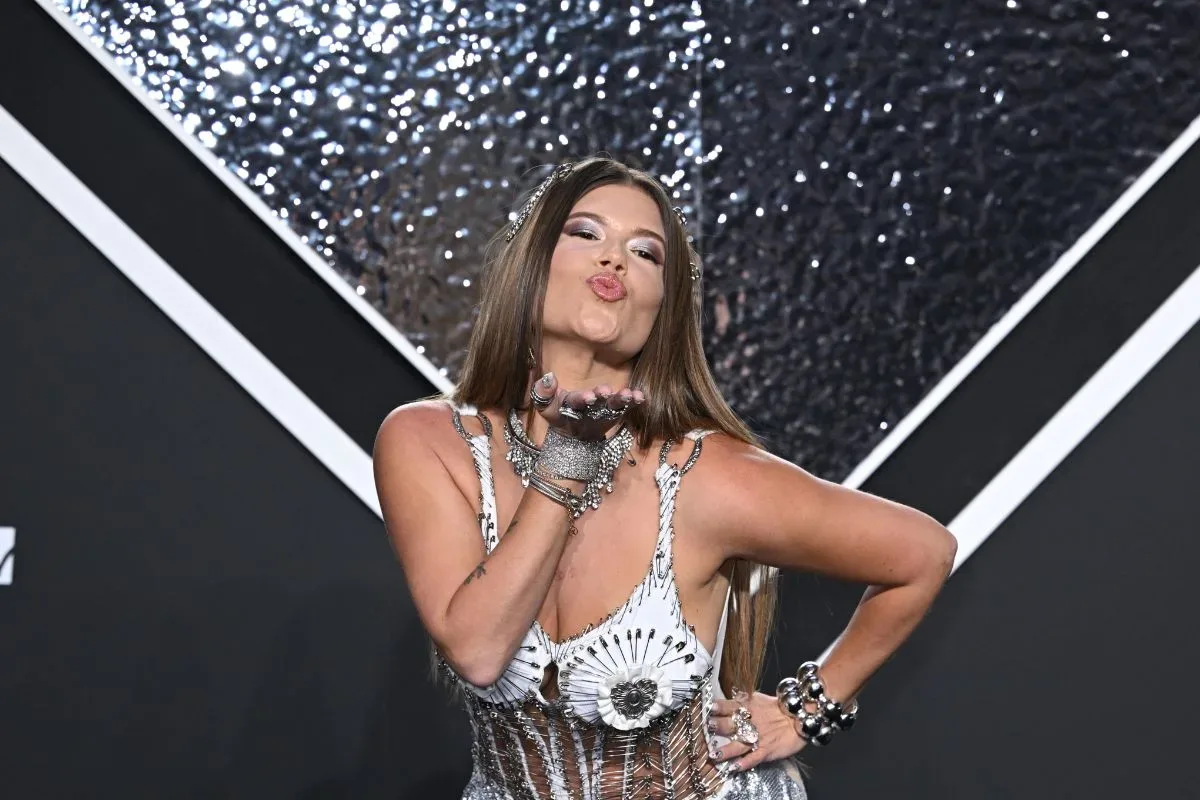
Chanel West Coast’s country move is ongoing, which makes it different from the established transformations above. She released her first mixtape in 2010 and signed with Lil Wayne’s Young Money in 2012. While she continued pursuing Rap, television work on Love & Hip Hop Hollywood and Ridiculousness made her significantly more recognizable than her recorded music.
She is now preparing a country album after deciding that the format better suited what she heard in her own voice. She has described the turn in strikingly direct terms: country felt like what she should have been doing all along. The change also separates the tougher Chanel West Coast alter ego from Chelsea Chanel Dudley, the more relaxed and personal identity she associates with “Chelsea.”
Country gives her room to address motherhood and other stories that she did not explore during her Rap years. Her first country single, “Down to the Filter,” does not attempt to wipe out the past; it retains some of the attitude associated with her previous work, and she has said she plans to keep some Hip Hop flavor in the music. That makes this less a declaration that Rap was a mistake than an attempt to find a narrative voice with more room for the life she wants to describe.
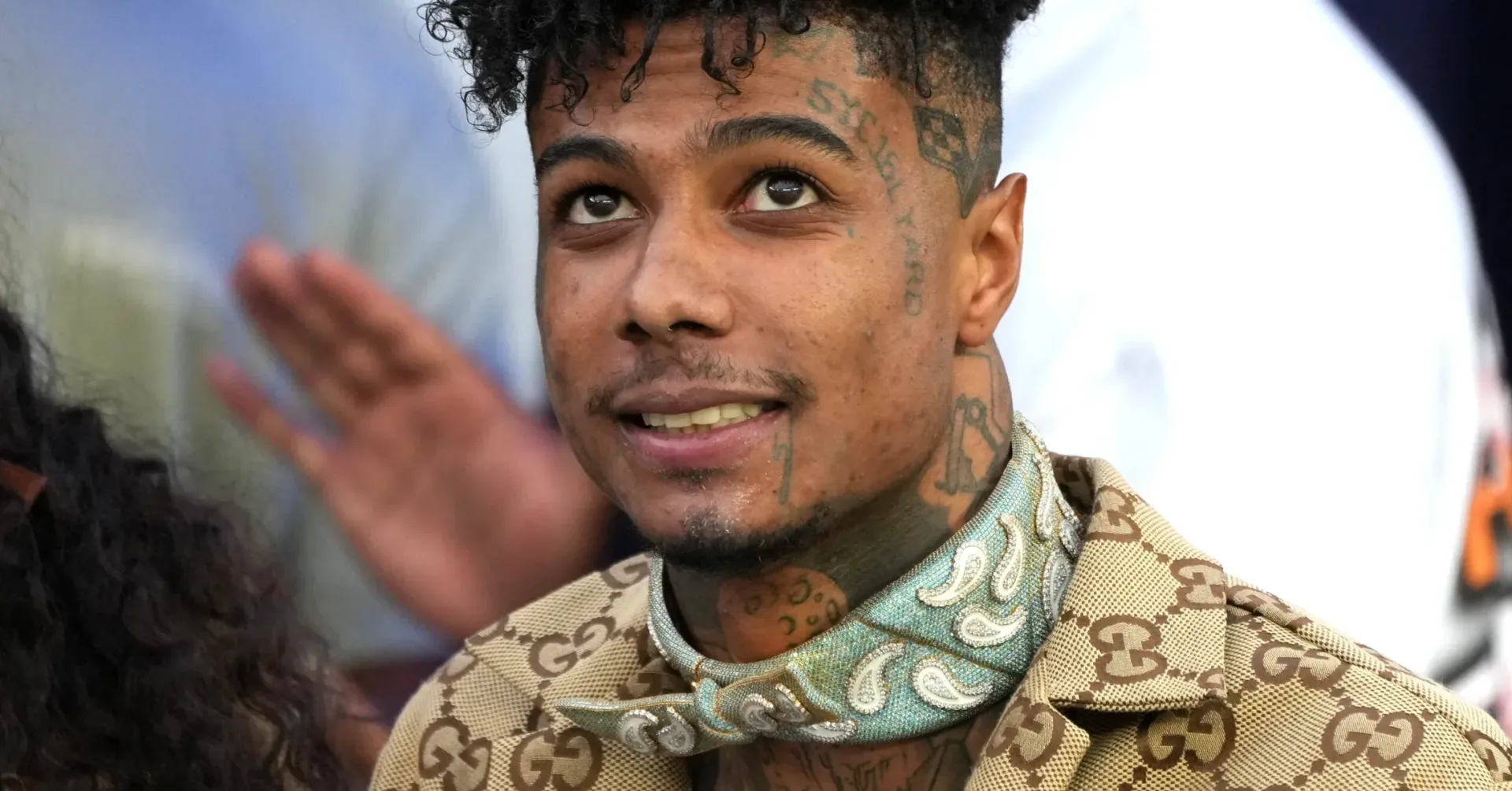
For a different look at how musicians now build public reach beyond traditional releases, see Blueface’s reported weekly Kick earnings.
What these career changes actually reveal
Hip Hop was not the same thing to any of these artists. For Cyrus, it was bound up with shedding a former persona, which made the later criticism especially charged. For Post Malone, it was a crucial launch environment that he often resisted as a permanent label. For Jelly Roll, it was the long apprenticeship that informed a country breakthrough. Kid Rock’s Rap years were a substantial early chapter before hybrid rock and country became dominant. MGK used Pop-Punk to reach a new commercial scale while maintaining that he was versatile rather than finished with Rap. Chanel West Coast is testing whether country can express a more personal side of her work.
None of that means every crossover should receive the same response. Genre experimentation is normal; music gains much of its energy from artists crossing boundaries. But context remains essential. It matters whether Hip Hop is treated as an ongoing influence, whether an artist speaks about it respectfully after moving on, and whether its aesthetics were used as a convenient instrument for a temporary image.
The most useful way to assess these pivots is not to demand permanent membership in one genre. It is to pay attention to the record: the music artists made, the audiences who helped sustain it and the language they use once the next opportunity arrives.