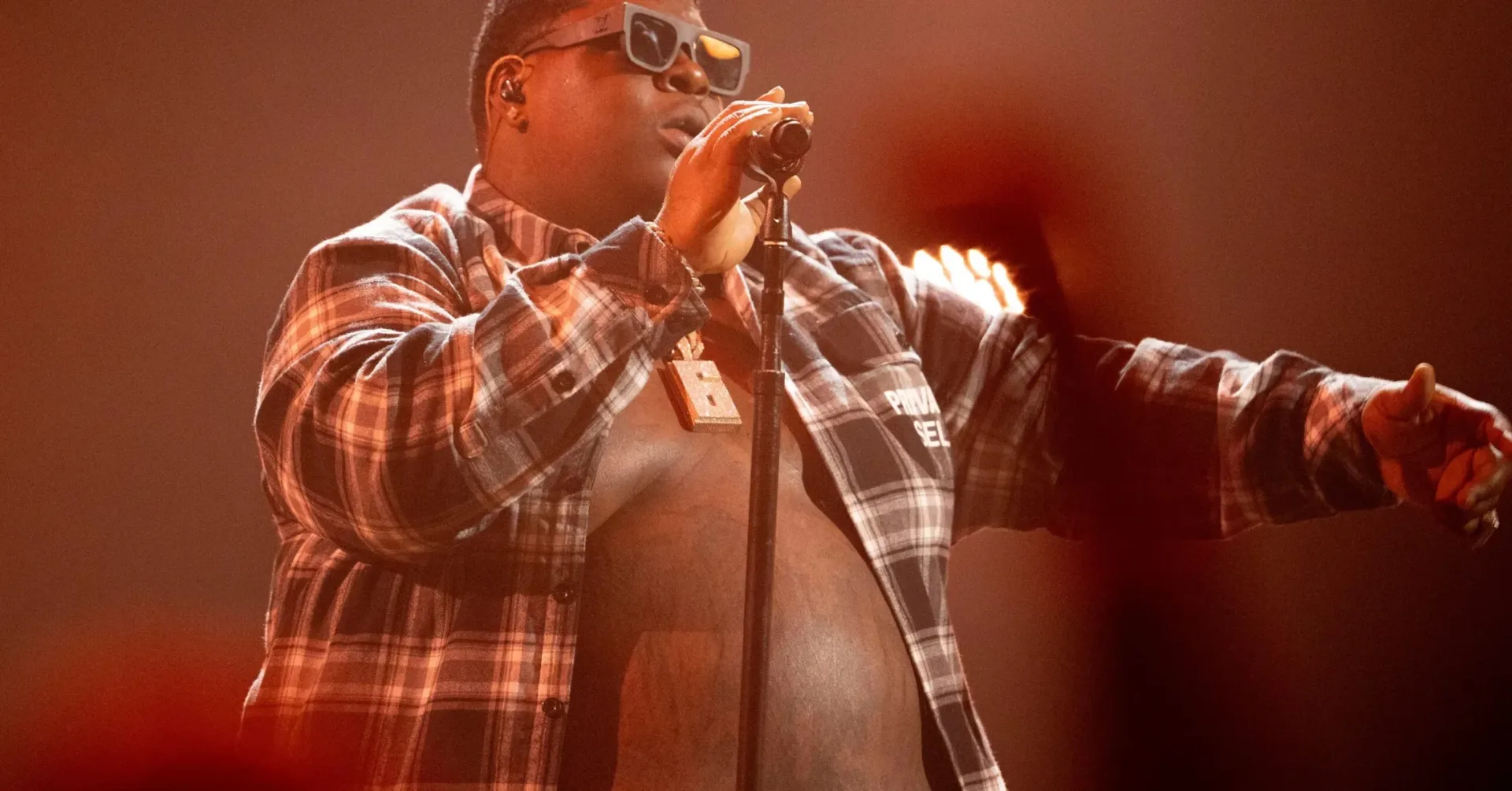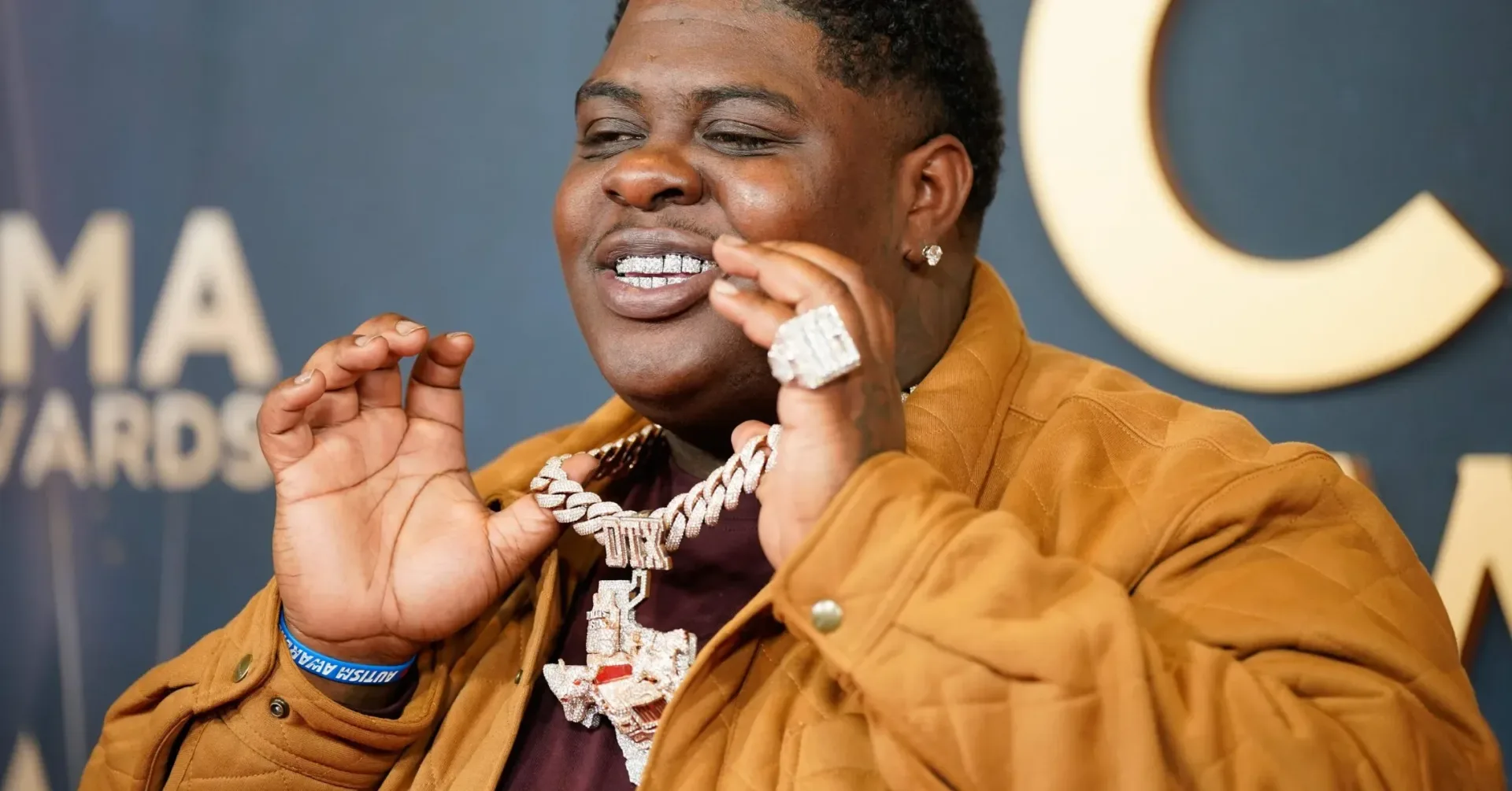
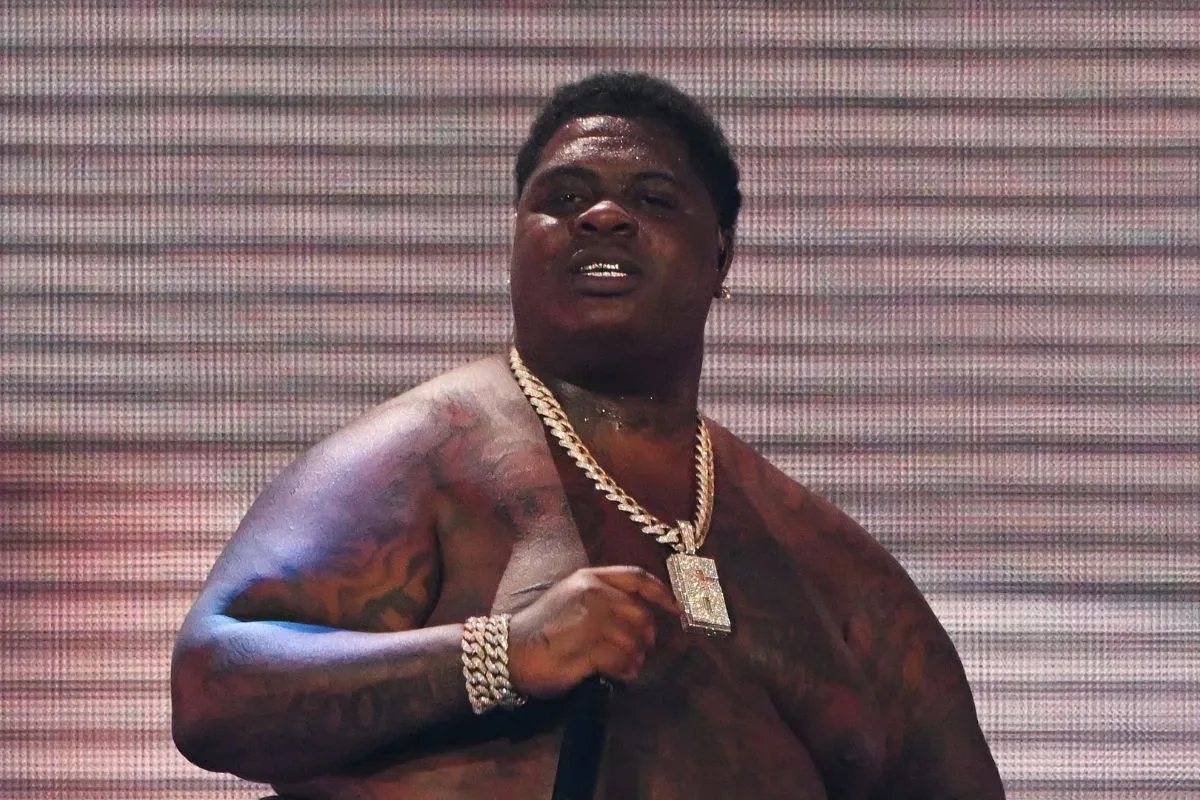
BigXthaPlug’s latest comments on the difference between country and hip-hop are not framed as a dismissal of rap, the field that established him. Instead, the Dallas artist is describing two professional cultures as he has experienced them: one he views as frequently divided into local circles, and another where artists appear more likely to form friendships outside a studio, festival set, or label-arranged event.
During an October 28 appearance on Club Shay Shay, BigXthaPlug was asked by Shannon Sharpe about unity in the two genres. He pointed to Atlanta, Miami, and New York as examples of rap scenes he sees as distinct from one another. His central comparison was not about sound, popularity, or commercial reach. It was about the informal time artists choose to spend together when there is no obvious work obligation.
“The difference with a country artist is that you can catch those two artists drinking beer at a bar on a random Wednesday, just cause,” BigXthaPlug said.
His distinction is about relationships beyond the rollout
For BigXthaPlug, the important dividing line appears to be whether connections continue away from the industry calendar. He contrasted the casual social contact he associates with country artists against rap gatherings he felt were more likely to be organized by labels. That does not mean he argued that rap artists never collaborate or socialize; his own recent release credits demonstrate the opposite. Rather, he described a feeling that rap’s relationships can be more geographically segmented and more connected to professional structures.
That distinction is worth keeping clear. A collaboration is a creative or commercial partnership on a song, album, performance, or campaign. Camaraderie, in the sense BigXthaPlug is using it, means a more personal familiarity that exists whether or not a release is being planned. His comments suggest he believes the latter creates more room for openness between country performers.
He also contrasted backstage environments at Stagecoach and Rolling Loud, characterizing the former as more relaxed. The observation is personal rather than a broad measurement of either festival or either genre. Still, it helps explain why his comments are about atmosphere as much as music: backstage spaces, casual hangouts, and repeat encounters can affect how an artist decides whom to trust creatively.
That support fed directly into I Hope You’re Happy
The discussion has a concrete creative backdrop. BigXthaPlug released his country project, I Hope You’re Happy, in August 2025. Luke Combs and Jelly Roll offered encouragement before he had fully committed to making the record, making the country turn less of an isolated experiment and more of a project developed with support from artists already working in that space.
Combs connected with BigXthaPlug after a sold-out show in Houston and expressed an interest in collaborating. Their relationship extended beyond the studio: BigXthaPlug said Combs’ watch collection affected his own watch purchases. It is a minor detail next to an album collaboration, but it illustrates the kind of ordinary, non-work interaction BigXthaPlug says he finds meaningful. In his account, this was not simply a feature request exchanged through a team; it was a relationship with room for shared interests.
Related coverage includes BigXthaPlug Sees Country’s Friendship Culture as a Key Difference From Rap.
As word spread that he was making a country record, BigXthaPlug received demos. He selected material that matched what he was going through emotionally. The finished project paired him with Bailey Zimmerman on “All the Way,” Combs on “Pray Hard,” and Shaboozey on “Home.” Those credits give the album a set of distinct country-facing collaborators while leaving room for BigXthaPlug’s own voice at the center.
His comments about the project also reject the idea that genre movement requires an artist to discard their established identity. He described the inspiration as changing, while maintaining that his voice and storytelling did not. That is a useful way to understand a cross-genre record: it can alter the musical setting around an artist without necessarily changing the perspective from which that artist writes or performs.
“Because I’m not changing what I do. The inspiration might be different, but my voice and my storytelling are still there,” BigXthaPlug said.
Heartbreak became a bridge into country material
BigXthaPlug has linked the emotional direction of I Hope You’re Happy to heartbreak he experienced while recording. He said that experience helped him understand the material and ultimately complete the project. In practical creative terms, that suggests the country songs were not chosen solely as a stylistic pivot or a calculation about reaching another audience. The subject matter connected to something he was actively processing.
Storytelling is often used loosely when artists cross genre boundaries, but here it has a specific function. BigXthaPlug is presenting it as the element that travels with him: his delivery and narrative perspective remain intact even as the musical inspiration shifts. The country project’s featured guests and emotionally focused material gave him a framework in which that continuity could be tested.
He also said his fans were “supporting it 100%.” That statement reflects his own view of the response rather than a quantified measure of audience reaction, but it matters because audience acceptance is often the pressure point in a genre crossover. BigXthaPlug’s framing is that his listeners recognized continuity, not abandonment, in the move.
The rap work continued alongside the country project
Nothing in BigXthaPlug’s account suggests he has walked away from rap or sees the genres as mutually exclusive camps. His more recent work underscores that point. He gave Dallas fans an early listen to Better Over Time on October 26, alongside a short-film screening. The 18-track album followed on October 30 with collaborators including Lil Yachty, GloRilla, Leon Thomas, and Babyface Ray.
Those names also complicate any overly simple reading of his comments about hip-hop fragmentation. Better Over Time brought together artists from across the rap landscape, offering BigXthaPlug another opportunity to work beyond a single local circle. Babyface Ray’s presence is especially part of that wider connective thread; he has recently reflected on fatherhood and the appeal of destructive habits in his own public comments.
BigXthaPlug’s position, then, is less “country works and rap does not” than an account of what he believes each environment rewards. In his telling, country gave him access to a warmer and more organic social network while rap remains a place where he continues to make substantial collaborative work. His latest two projects place those realities side by side: one built with Combs, Zimmerman, and Shaboozey around country material; the other featuring a broad group of rap-adjacent collaborators.
What the comparison does—and does not—say
It would be too broad to treat one artist’s experiences as a final judgment on two enormous genres. BigXthaPlug spoke from his own encounters, relationships, and working conditions. Cities such as Atlanta, Miami, and New York contain many artists, scenes, and relationships that cannot be reduced to a single social pattern. Likewise, a relaxed experience at one festival does not define every backstage situation in country music.
But personal experience is still central to an artist’s creative choices. BigXthaPlug is describing how encouragement from country peers, the chance to receive demos that spoke to his emotional state, and friendships that felt off-the-clock helped make a potentially risky shift feel viable. The value of that support was not just access to features. It was confidence that he could explore country material without being asked to erase the voice that brought him there.
That may be the most revealing piece of his comparison. When BigXthaPlug talks about artists having a beer on an ordinary weekday, he is not really making a point about the beer. He is identifying the unplanned time in which professional proximity can turn into trust. For his country project, that trust helped produce collaborations, song choices, and a clearer sense that his storytelling could move into a new setting without losing its identity.