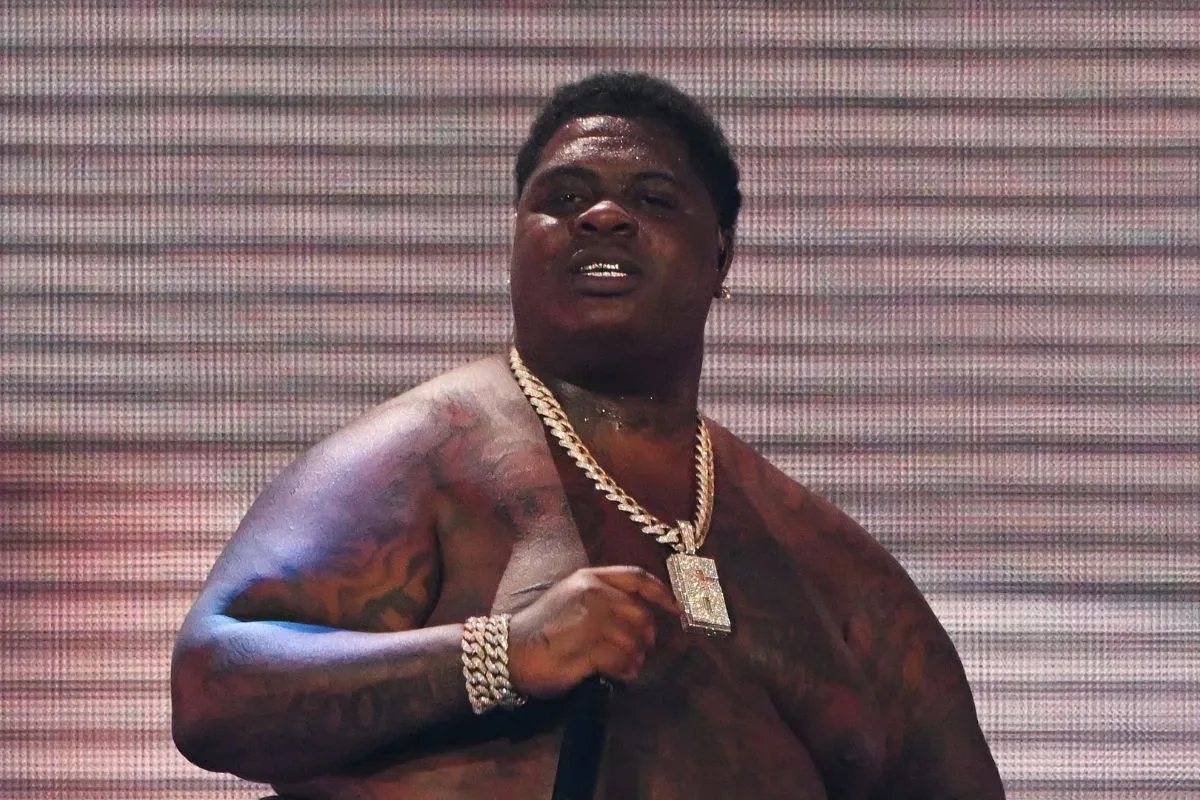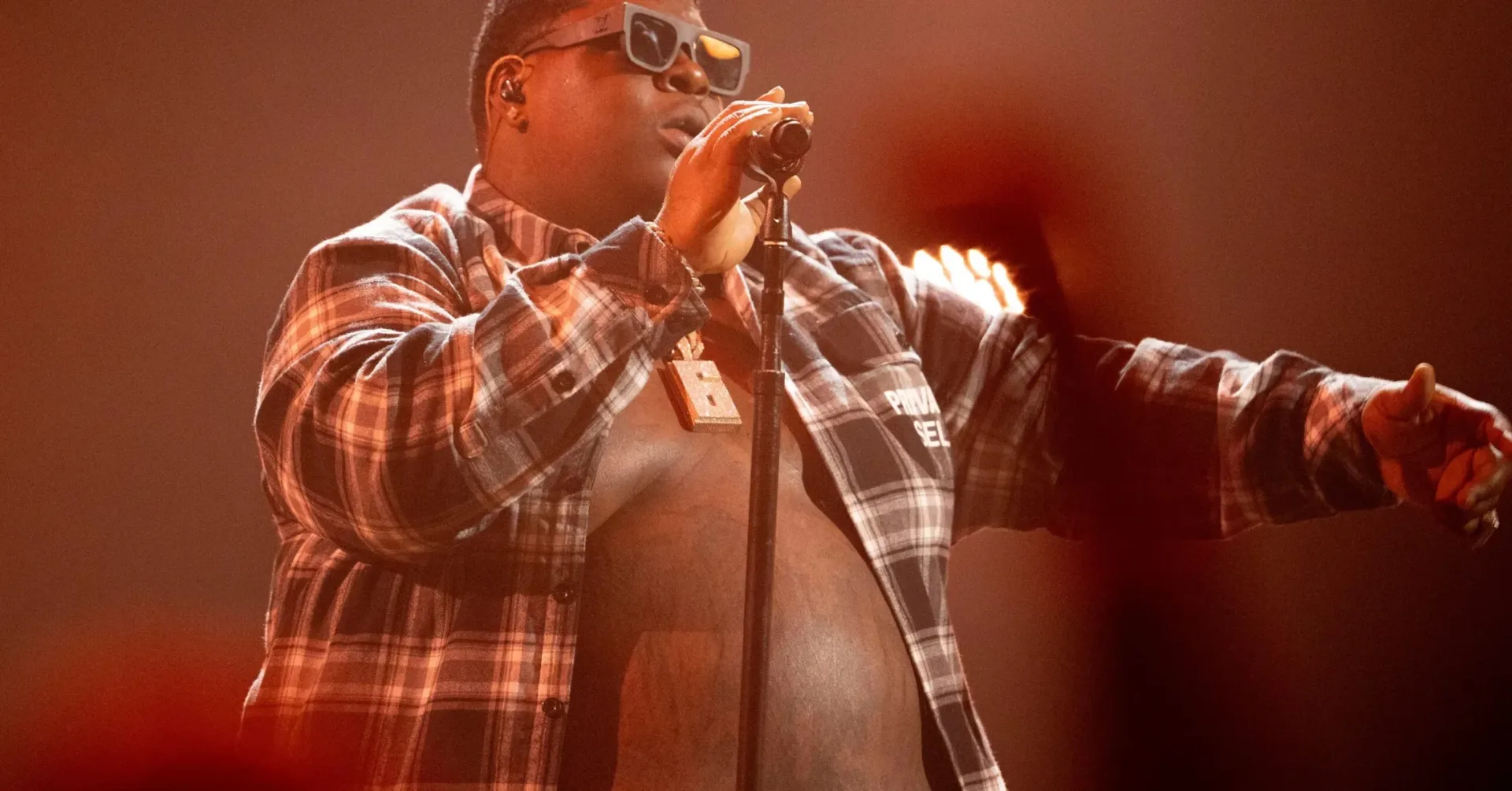
BigXthaPlug has offered a blunt diagnosis of rap’s current direction: he believes the genre is dying, and he puts much of the blame on an industry built to rapidly monetize attention rather than cultivate artists over time.
During an appearance on Club Shay Shay, the Dallas rapper was asked directly whether he thought rap was dying. His answer was an immediate yes. The force of that answer matters because BigXthaPlug did not present himself as an observer safely outside the system. He said he has been rapping for five years and questioned whether his own rise may have happened too quickly.
His complaint is not simply that new artists break through online. Rather, it is about the gap between a short-lived viral event and the long process of building a career being treated as if it has disappeared. In his view, an act with a TikTok hit can suddenly occupy the same commercial conversation as artists who have spent years establishing their catalogues, audiences and reputations. He invoked Drake and Future as examples of the established level that newcomers can be rushed to meet in perception, if not necessarily in longevity.
What BigXthaPlug means by rap “dying”
BigXthaPlug’s position should not be read as a measurable claim that rap has literally vanished, nor does he frame it as one. His argument is a criticism of incentives: who gets elevated, how quickly they are elevated, and what kinds of identity and music emerging performers may believe they need to present.
Viral success, in this context, means a song or clip gaining sudden, widespread attention through social platforms. That visibility can make an artist discoverable at extraordinary speed. BigXthaPlug’s concern is that visibility and durability are being collapsed into one thing. A viral track can be a real achievement, but it does not automatically demonstrate an artist’s ability to sustain a body of work or grow beyond the sound that first caught fire.
That distinction also explains why he focuses on money. His criticism is not aimed at people wanting to succeed. Instead, he argues that commercial urgency can encourage the industry to chase whatever is already moving, rather than give artists room to develop over a longer horizon. The result, as he sees it, is a marketplace where immediate metrics can outweigh the slower work of becoming distinctive and enduring.
There is a personal tension in that critique. BigXthaPlug has found major success himself, yet he questions whether speed can come at a cost. That makes his point less about drawing a simple boundary between veterans and newcomers, and more about a system in which nearly anyone can be pushed into a high-stakes spotlight before they have found a stable creative footing.
His criticism of drill centers on expectation, not just sound
BigXthaPlug also singled out drill as part of rap’s problem. He acknowledged that his view could upset drill rappers, but maintained that the genre’s influence has made aggression feel obligatory for younger performers.
Drill, as it is being discussed here, is a rap style associated in BigXthaPlug’s argument with a tougher, more confrontational image. His point is not laid out as a technical critique of a particular beat pattern or rhyme style. It is about culture and expectations: he believes the popularity of drill changed what audiences seek and what aspiring artists feel pressured to embody.
That is a narrower and more useful reading than treating his remarks as a claim that one branch of rap alone determines the health of the entire genre. BigXthaPlug is describing a perceived narrowing of acceptable public personas. If performers think they must appear gangster-like to be credible, then experimentation, humor and crossover instincts can look like risks instead of opportunities.
“It need to be fun again,” BigXthaPlug said.
That short prescription is the center of his comments. He wants more room for rap to be playful, flexible and surprising. As an example, he recalled the ease with which Snoop Dogg could collaborate with Katy Perry without the partnership being treated as a reason to question his hip-hop credentials.
The example is less about asking artists to repeat one kind of crossover than about resisting the idea that genre movement automatically signals inauthenticity. For BigXthaPlug, a healthier rap landscape would allow an artist to take a lighthearted detour, collaborate beyond their usual lane, or make music that does not conform to a single hardened image.
His own catalogue makes the case for flexibility
BigXthaPlug’s recent releases give practical context to his argument. In 2025, he released the country-influenced album I Hope You’re Happy, working with Luke Combs and Shaboozey. He later returned to rap with Better Over Time, released October 30 and featuring GloRilla and Lil Yachty.
Those projects do not prove that every rapper should move toward country music. They do show that BigXthaPlug’s position is connected to choices he has already made in his own work. He has moved between rap and country-influenced material rather than treating either direction as a permanent departure from who he is as an artist.
That is particularly significant alongside his concern that artists are boxed into roles. A performer can make a cross-genre album and later make a rap album without either project cancelling the other out. BigXthaPlug appears to be arguing for exactly that kind of creative latitude: an artist should not have to select one narrow identity and defend it forever.
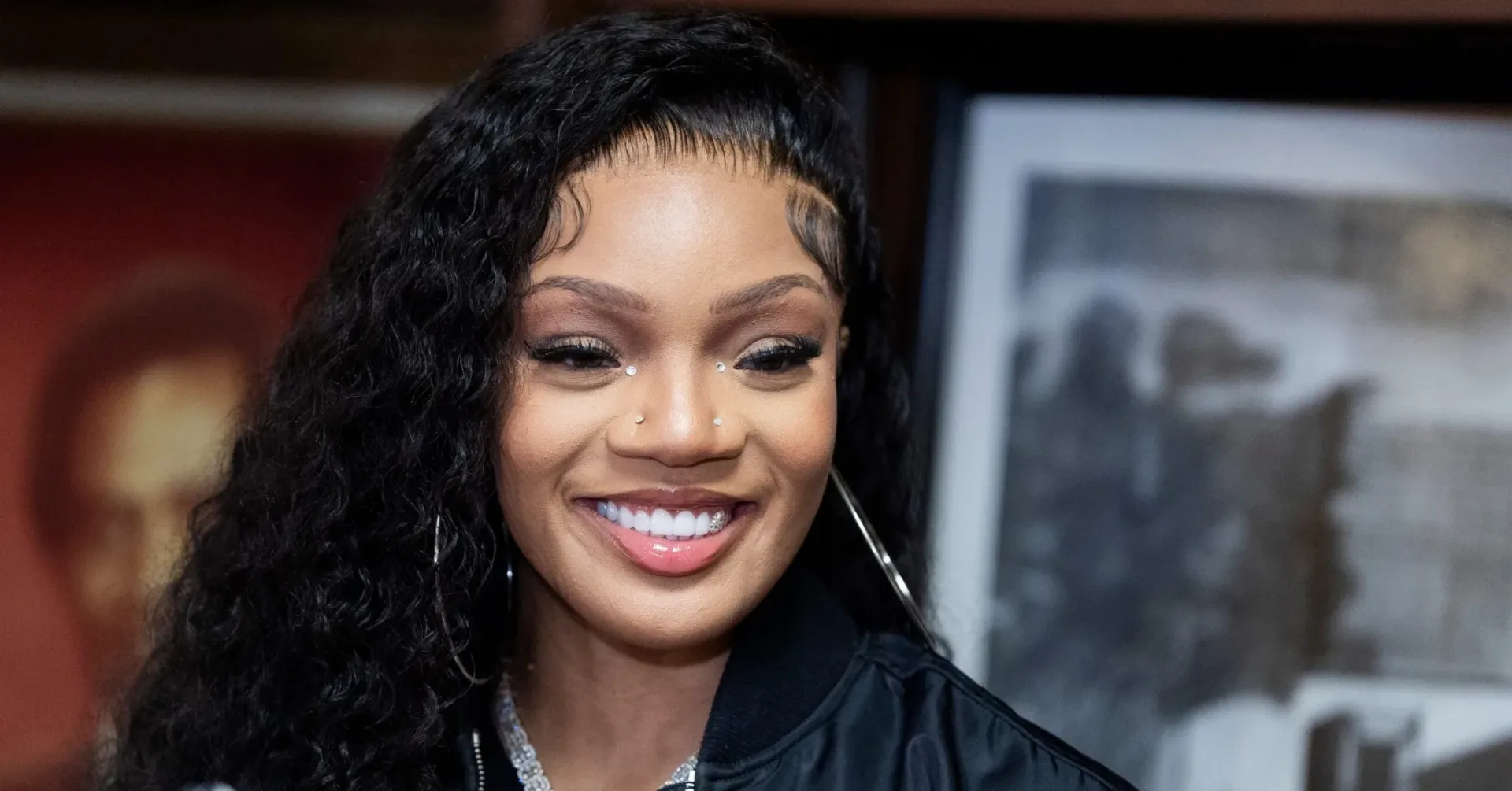
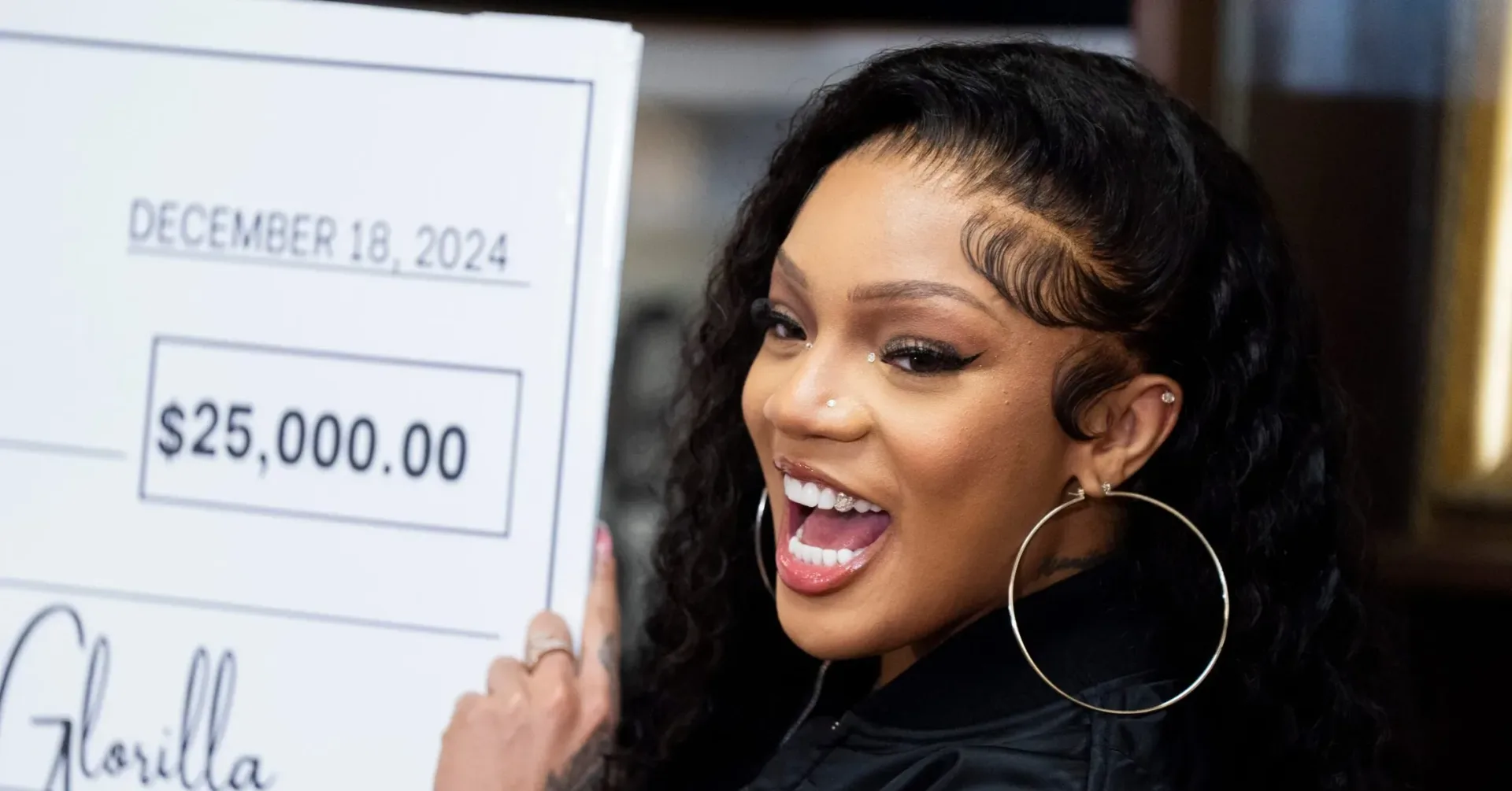
His collaboration with GloRilla also comes as the rapper remains the subject of public conversation beyond her recordings. GloRilla recently used a brief social post to address pregnancy speculation, a reminder of how much attention around musicians can be pulled away from the music itself. BigXthaPlug’s concern about attention-driven incentives sits near that broader reality, even though his interview focused on viral music and rap’s creative atmosphere.
The practical question behind the debate
BigXthaPlug is not offering an industry blueprint, and he does not argue that virality or drill should cease to exist. His comments raise a more fundamental question: what should distinguish a quick breakthrough from a lasting career?
His answer appears to be time, development and range. Time gives listeners a chance to see whether an artist can make more than one attention-grabbing song. Development gives the artist space to learn without every move needing to maximize an immediate moment. Range makes room for collaborations and records that would not fit a rigid idea of what a rapper must be.
That framework also complicates the common assumption that more routes to visibility are automatically better. A platform can lower barriers to discovery while still rewarding only a narrow kind of presentation. BigXthaPlug’s concern is that the latter is happening: an artist may reach the charts quickly, yet feel compelled to remain in the sonic or personal image that was most easily marketable.
Whether listeners agree with his diagnosis is another matter. His language is deliberately sweeping, and rap contains many artists and approaches. Still, his comments identify a recognizable friction between fast attention and artist longevity. A genre can produce major viral songs while artists, audiences and companies disagree about what a successful career ought to look like after that first wave passes.
Why the country comparison matters
BigXthaPlug also pointed to country’s recent commercial momentum, noting that the genre had its own difficult period before its renewed success. He uses that comparison to argue that a genre’s weaker moment does not have to be permanent.
The comparison is not evidence that rap can or should follow country’s exact route. Nothing in his remarks suggests a copy-and-paste solution. The relevant idea is renewal through broader possibilities rather than tighter rules. BigXthaPlug sees room for hip-hop to regain energy by making space for fun, cross-genre work and artistic individuality.
His own two-album sequence illustrates the point in miniature. I Hope You’re Happy brought country influence and collaborations with Luke Combs and Shaboozey. Better Over Time placed him back in rap alongside GloRilla and Lil Yachty. In BigXthaPlug’s view, that sort of mobility should be treated as part of an artist’s potential, not as a contradiction.
The debate he has started is ultimately about permission: permission for emerging artists to grow beyond a viral spark, permission to avoid a compulsory aggressive pose, and permission for rap to make room for enjoyment as well as intensity. For BigXthaPlug, those are not side issues. They are central to whether the genre can remain creatively alive while the business around it chases the next immediate hit.