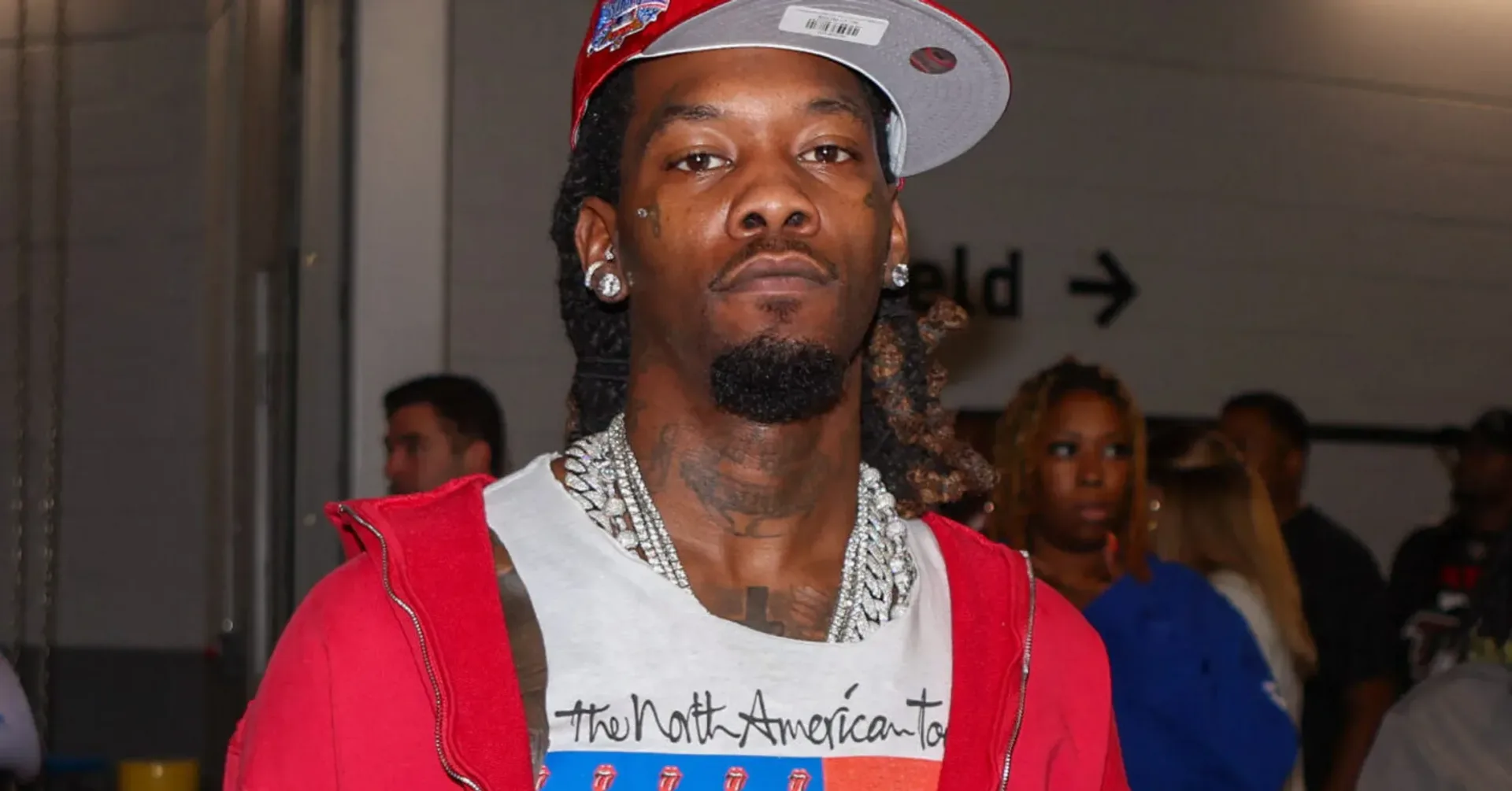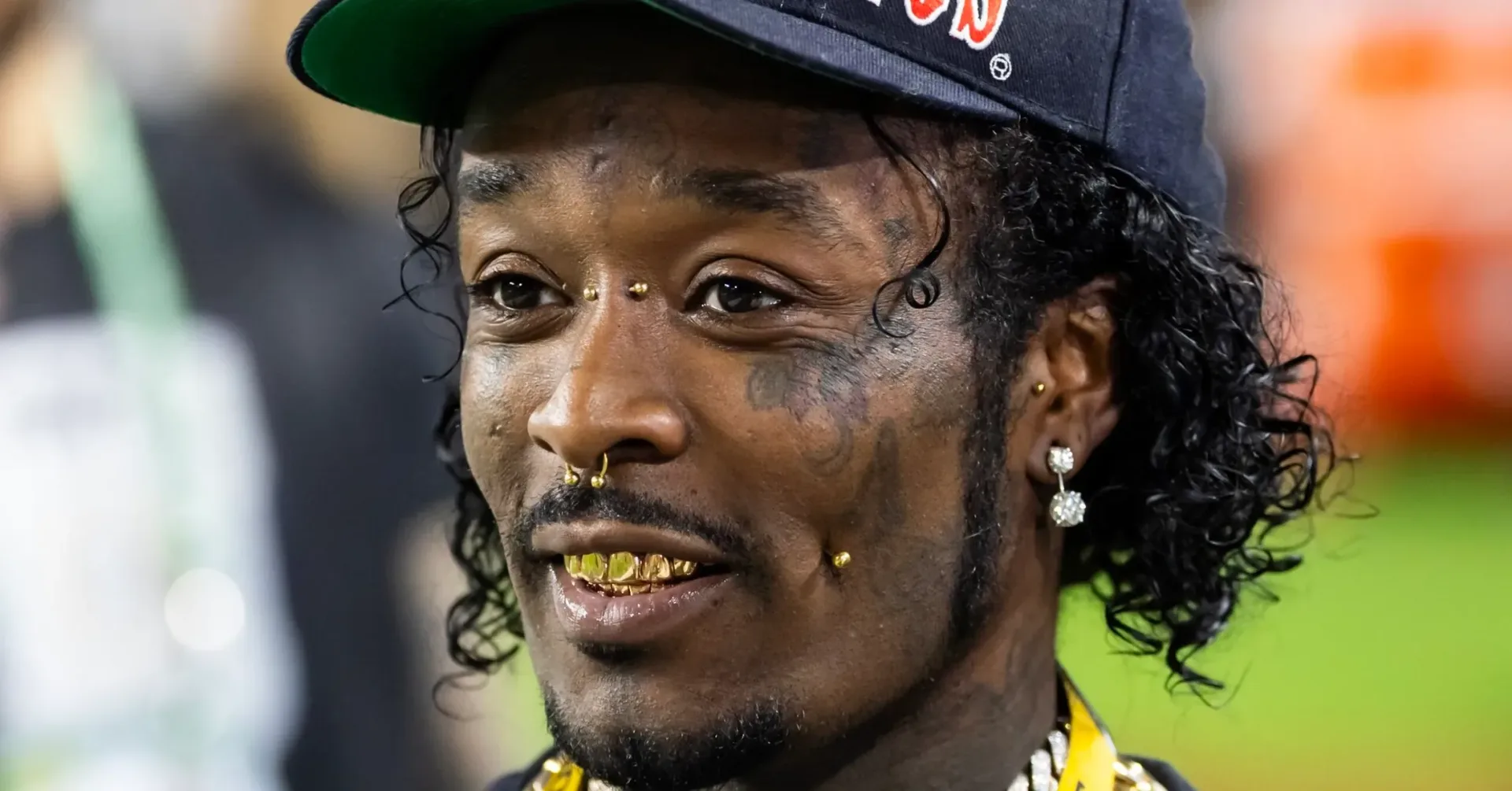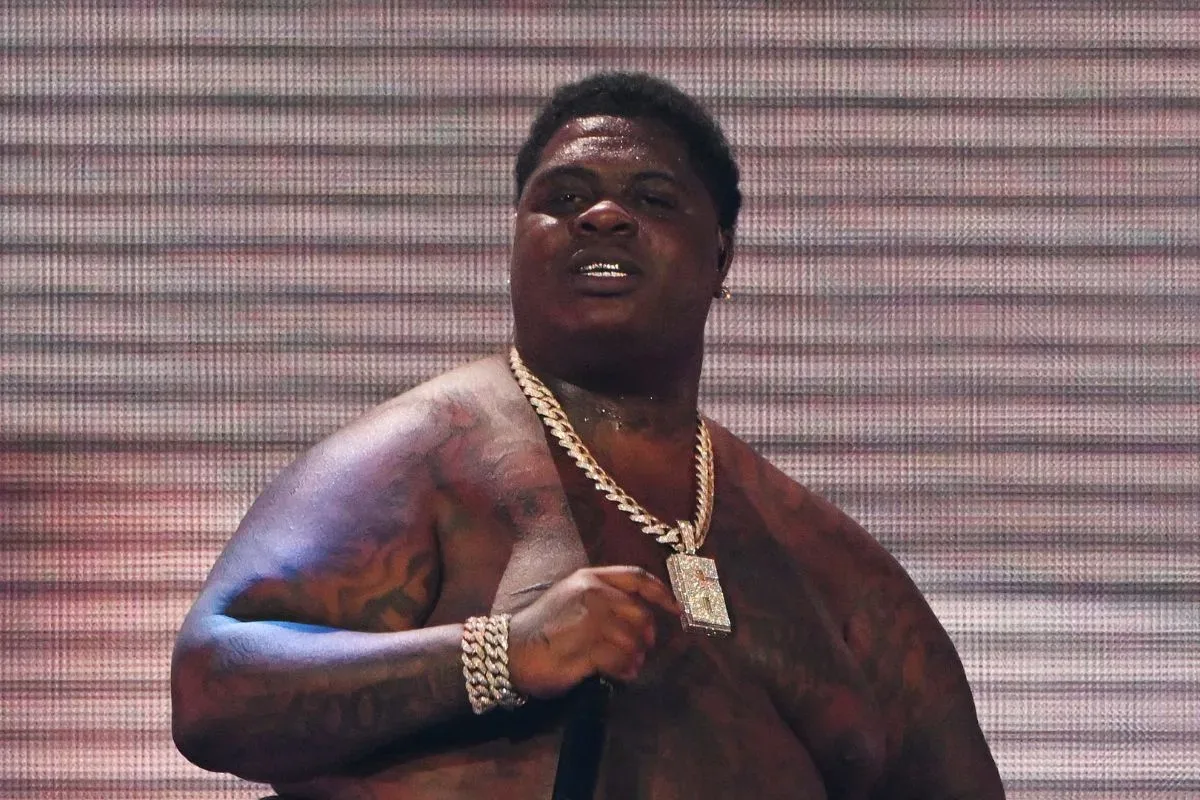
BigXthaPlug is taking the familiar guest-feature reveal and giving it the structure of a citywide puzzle. Ahead of the October 30 release of his fourth studio album, BETTER OVER TIME, billboards bearing the faces of featured artists appeared in seven major U.S. cities. The placements were not random: each image surfaced in the hometown associated with that artist.
The campaign began with uncertainty rather than a standard tracklist graphic. Atlanta residents saw Lil Yachty. Memphis got GloRilla. Los Angeles received two billboards, spotlighting Ava Max and Leon Thomas. Loe Shimmy appeared in Miami, Ro$ama in Dallas, Fridayy in Philadelphia, and BabyFace Ray in Detroit.
After the sightings fueled speculation, BigXthaPlug confirmed the complete group of featured artists on Instagram. That sequence is the central idea behind the rollout: the billboards did not initially explain themselves, so fans had an opening to identify the faces, connect them to their cities, and debate the larger project before its collaborators were formally named.
A feature reveal built around place
A billboard is traditionally a one-way message: an artist, product, date, or slogan presented at scale to people passing by. This campaign adds a layer of identification. The image itself is the clue, while its location supplies the context. A face in Memphis means something different when viewers recognize GloRilla’s connection to that city; the same principle applies across the other placements.
That makes the campaign a scavenger-hunt-style rollout in a loose but useful sense. There is no indicated prize, map, or requirement for fans to physically visit all seven cities. Instead, the “hunt” is informational. Individual sightings establish fragments of a bigger picture, and social sharing lets people elsewhere participate in solving it. The mystery is not where the billboard is located; it is why that particular artist is on it and how all the images fit together.
Los Angeles is the clearest example of the format’s flexibility. Rather than limiting the city to a single visual, the campaign used separate drops for Ava Max and Leon Thomas. That choice signals that the billboard plan is not simply a regional checklist. It is a way of displaying the album’s range artist by artist while keeping each reveal distinct.
Why the ambiguity matters
Album marketing often works through immediate clarity: reveal a cover, announce a title, post a release date, then publish a list of collaborators. There is nothing inherently wrong with that approach, but it gives audiences the complete answer at once. BigXthaPlug’s billboard sequence holds back the answer long enough for the audience to generate discussion.
In practical terms, ambiguity can create an invitation to participate. A person who spots an unexplained billboard may photograph it. Someone online may recognize the artist. Others may compare sightings from different cities. Once the lineup is confirmed, the earlier posts gain a second meaning: they were pieces of the album campaign rather than isolated advertisements.
That does not mean mystery alone guarantees attention. The billboards work because the images are tied to recognizable collaborators and because the hometown framing gives each placement a reason to exist. The reveal has a built-in logic. It is not merely withholding information; it is distributing information in a way that lets location become part of the message.
The format also gives every guest a dedicated visual moment. Rather than being one name among many on a single graphic, each artist’s appearance becomes its own local event. For fans, that can make a collaboration feel more intentional before a song title or musical role has been detailed.
The confirmed collaborators and their cities
- Atlanta: Lil Yachty
- Memphis: GloRilla
- Los Angeles: Ava Max and Leon Thomas
- Miami: Loe Shimmy
- Dallas: Ro$ama
- Philadelphia: Fridayy
- Detroit: BabyFace Ray
The city-by-city construction matters because it avoids presenting the guests as a generic collection of names. It places them in a visible local frame first, then rolls those individual frames into the album announcement. BigXthaPlug’s own Dallas connection also gives the Ro$ama placement a particularly direct regional dimension.
The campaign’s timing is equally important. The billboards appeared before the full Instagram confirmation, allowing public curiosity to do part of the work traditionally done by a formal announcement. Once BigXthaPlug confirmed the lineup, the discussion could move from identifying the campaign to considering what the collection of artists might mean for BETTER OVER TIME.
“LITE” is the project’s lead single
The album rollout is not solely visual. Belly Gang Kushington leads the project with the single “LITE.” BigXthaPlug co-directed its music video with Jerry Morka, a longtime collaborator. That credit places BigXthaPlug in the creative process behind the visual presentation as well as the music campaign surrounding the album.
Co-direction is worth separating from the billboard strategy. The billboards are a promotional device designed to create a question around the feature list. A music video is a creative work connected to a specific song. Both can be part of the same rollout, but they serve different jobs: one creates anticipation for the album’s broader world, while the other gives the lead single its own visual identity.
Keeping those functions distinct may help explain why the campaign feels coordinated rather than repetitive. The video for “LITE” centers the song, while the billboards keep attention on the project’s lineup and geographic footprint. Neither needs to carry all of the promotional weight alone.
What the previous album establishes
BETTER OVER TIME follows BigXthaPlug’s I Hope You’re Happy, which debuted at No. 7 on the Billboard 200. It also reached No. 2 on the country chart and No. 2 on the rap chart. Those chart results provide useful context for the new album’s visibly varied group of collaborators, though they do not reveal what any specific new track will sound like.
That distinction is important. A feature list can invite assumptions about genre, crossover potential, or song structure, but a billboard does not confirm any of those details. What the campaign clearly establishes is the breadth of the people involved and BigXthaPlug’s decision to make that breadth part of the album’s public identity.
His stated global stream total exceeds 10.7 billion, and the rollout suggests an artist operating at a scale where a conventional one-post feature announcement may not be the most memorable option. Outdoor advertising gives the album a physical presence in the cities linked to its guests; online conversation then extends the local sightings far beyond the streets where they appeared.
There is a broader entertainment-marketing lesson here without overstating it. A rollout does not need elaborate rules to borrow the energy of a game. It only needs a clear clue, an answer worth discovering, and a sequence that gives audiences time to compare notes. The billboards supplied the clues. The featured artists supplied the answer. The Instagram confirmation closed the loop.
It is also a reminder that stunts and campaigns are not interchangeable. A promotional concept works best when it tells audiences something meaningful about the release it promotes. In this case, the hometown billboards tell a simple story about collaboration, regional identity, and the scope of BETTER OVER TIME. For another recent example of an artist explicitly framing viral activity as part of an album rollout, see this report on Offset’s Paris blackjack argument skit.
What remains unknown
The billboard reveal answers one major question: who is featured on the album. It does not, on its own, disclose the complete tracklist, the song pairings, the order of appearances, or the musical approach of each collaboration. Those are meaningful gaps, especially given the range of artists displayed across the campaign.
For now, the firm details are the October 30 release date, the album title, the confirmed featured-artist roster, the hometown billboard placements, and “LITE” as the lead single from Belly Gang Kushington. The rest is still purposefully open space—exactly the kind of space the billboard concept was designed to make people talk about.