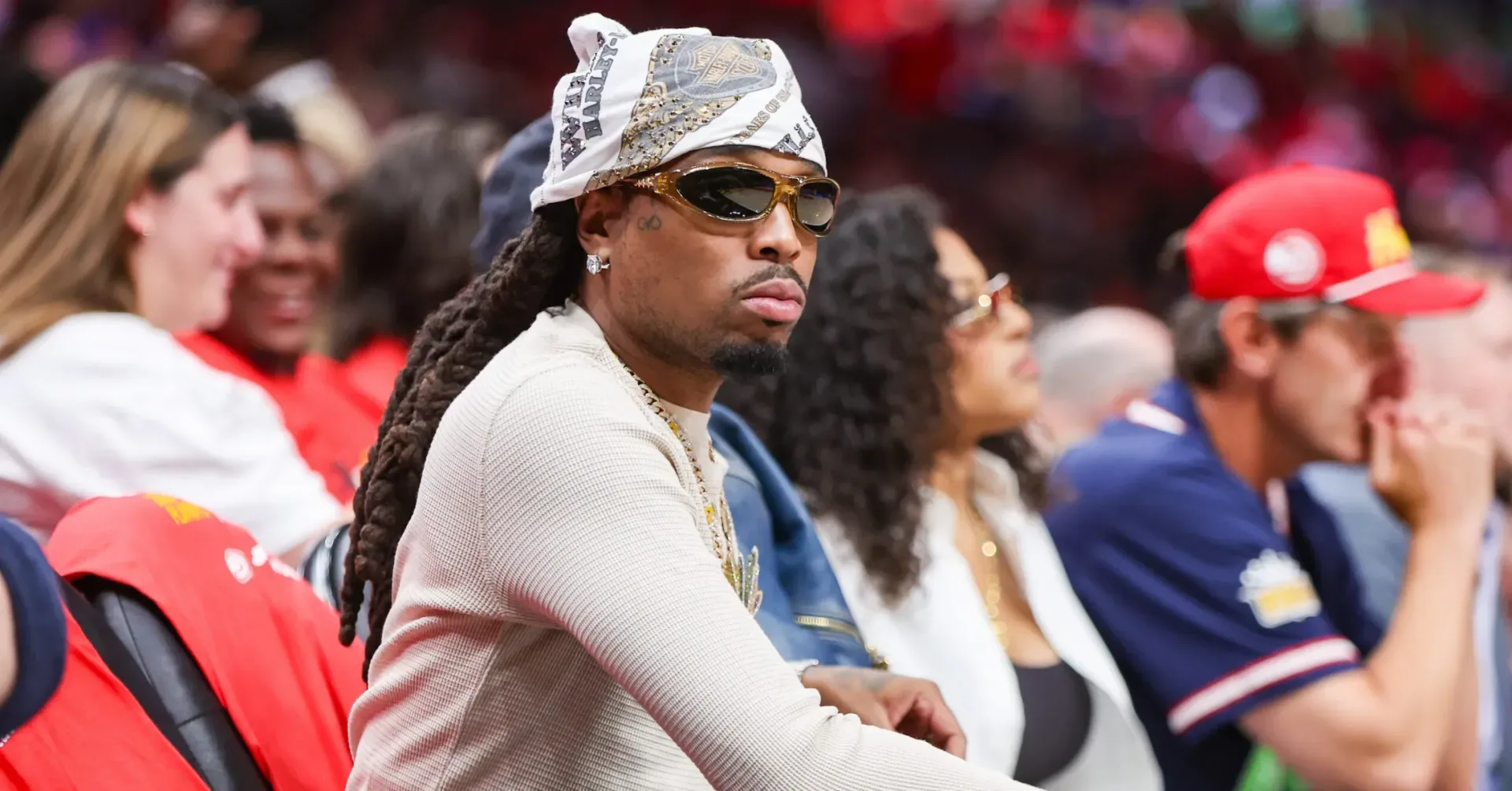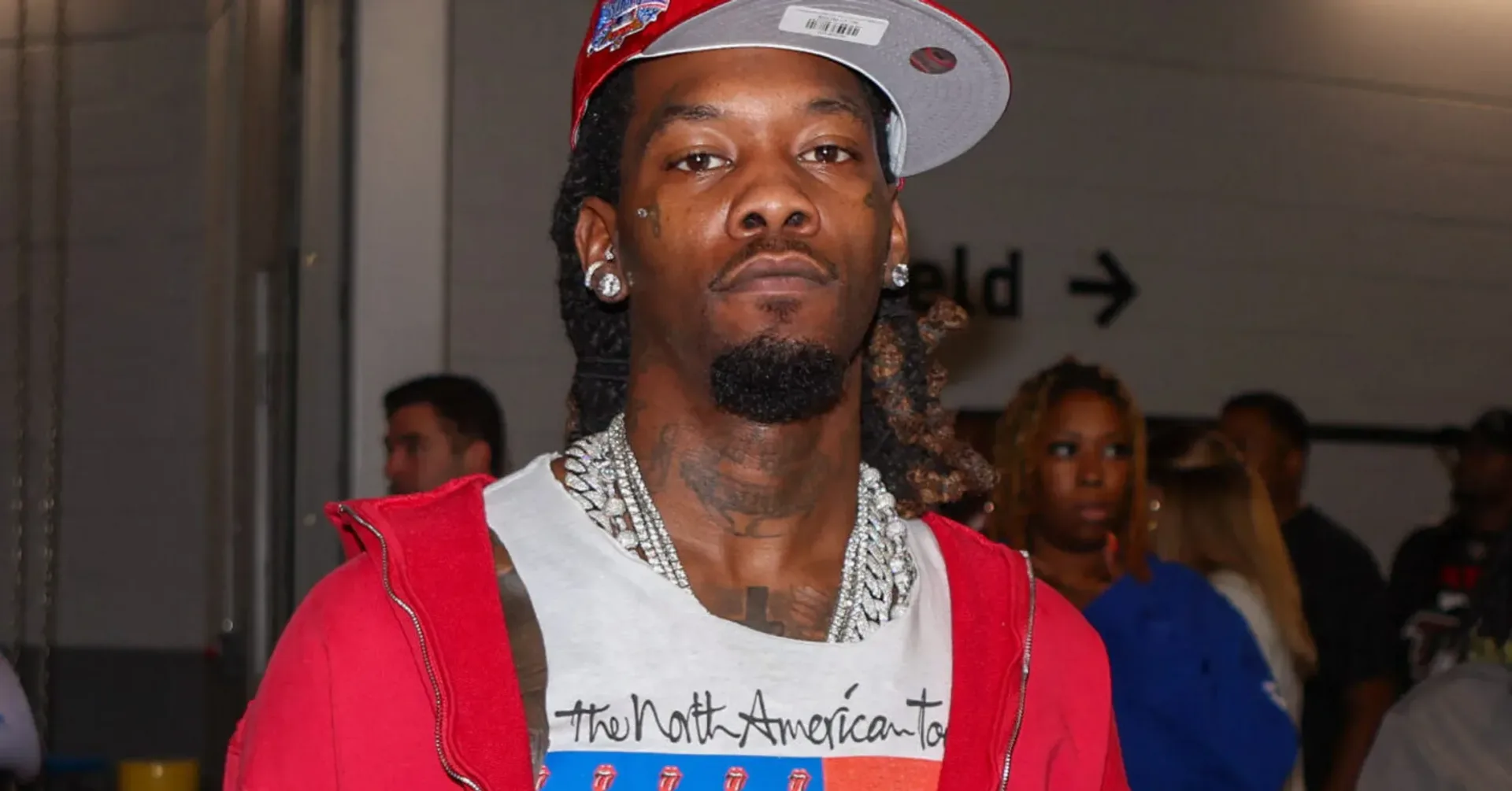
What initially played as an expensive, high-stakes casino confrontation is now being framed very differently. Offset says the viral footage of him appearing angry at a blackjack table in Paris was a skit created to promote his upcoming album, rather than a real dispute with casino employees or other gamblers.
The distinction matters because the clip was built to look like an unplanned public blow-up. In the footage, Offset appeared frustrated over people playing in what he considered his place at the table. He was heard objecting to anyone touching his belongings and asserting that he had won $200,000. Reports surrounding the video also described wagers of $10,000 and $20,000 at a time.
Those details supplied the exact kind of apparent stakes that make a short social-media clip easy to believe and easy to circulate: a famous artist, a casino floor, large sums of money, an argument about table space, and a visibly heated response. Offset has since said that premise was a performance connected to his album campaign.
A confrontation designed to travel
Offset’s explanation recasts every major element of the video. The blackjack setting was not merely a location for a disagreement; it was part of the staging. The complaints about other people entering his spot at the table, the concern over his property, and the claimed winnings all functioned as dramatic details in a scenario meant to feel immediate.
That does not establish the full creative plan behind the clip. Offset has not explained precisely how the Paris casino scene relates to the forthcoming project, nor has he said whether additional staged material is planned. The available account supports a narrow conclusion: he says the incident was not genuine and was intended as promotion.
In remarks following the video’s spread, Offset indicated that coverage treating the confrontation as real had disrupted the intended rollout. That response also reveals the balancing act behind a stunt built around ambiguity. A promotional skit needs viewers to find it compelling enough to share before its context is known. But the more convincingly it resembles a real altercation, the more likely it is that public discussion will focus on the supposed conflict rather than the music it was meant to advertise.
Why the blackjack setting works for the premise
Blackjack is a casino card game in which players compete against the dealer, aiming to finish nearer to 21 without going over. That basic setup gives a scene clear visual language even to people who do not follow table games: chips, a designated position at the table, dealers, other players, and visibly escalating wagers.
In this case, the reported $10,000 and $20,000 bets and the $200,000 winning claim were central to the apparent drama. They made the dispute seem consequential. A disagreement about who can occupy a space at a casino table has a different charge when viewers think a celebrity is placing substantial bets and protecting an active run of good fortune.
Once Offset identifies the sequence as a skit, however, those figures should be treated as elements of the performance rather than independent proof of gambling activity or winnings. The footage may have been persuasive as a piece of viral storytelling, but it is not a reliable record of the alleged dispute as it first appeared.
Viral clips can change meaning after the fact
The episode is a useful reminder that a viral video often reaches its largest audience before its full context does. Clips tend to be shared as compact stories: something happened, somebody reacted, and viewers are invited to decide who was at fault. A later clarification travels through a different, less immediate path. It has to catch up with the original impressions made by the footage.
That gap is particularly important when real-world institutions and people are part of a staged premise. Viewers who saw the first clip could reasonably interpret it as an authentic disagreement at a Paris casino. Offset’s later account changes the interpretation, but it does not automatically mean every person who encountered the initial version will also see the clarification.
For audiences, the practical takeaway is not that every viral confrontation is fabricated. It is that short, emotionally charged footage has limited explanatory power. A clip can show genuine emotion, rehearsed emotion, or a mixture of performance and reality; without context, confidence can race ahead of evidence.
What is known, and what remains unclear
Known: A video showing Offset in what looked like a tense blackjack-table argument circulated online on Monday, October 5. The scene was initially presented as a conflict involving people playing in his spot, large wagers, and a claim that he had won $200,000. Offset subsequently said it was a skit made to promote his forthcoming album.
Unclear: The project’s release timing, the exact narrative or creative connection between the casino scene and the album, and whether the clip is an isolated promotional piece or part of a larger sequence have not been detailed. There is also no basis in the available information to treat the footage as confirmation of an actual casino dispute.
That uncertainty is worth preserving. Album campaigns routinely invite interpretation, but there is no need to invent a broader storyline around this one. The clearest reading is also the simplest: a video designed to resemble a public casino blow-up became a viral topic, then the artist said the blow-up was staged.
The rollout becomes part of the entertainment
Promotional material no longer has to look like conventional advertising to get attention. A short, apparently candid clip can produce speculation before audiences realize it has a commercial purpose. In this case, the alleged conflict was the hook, while the upcoming album was the reveal.
There is a potential cost to that approach. If the stunt is disclosed too early, its mystery disappears. If it is disclosed too late, the false version of events may become the dominant one. Offset’s comment suggests the exposure arrived before the intended reveal, leaving the promotion to work in reverse: first the apparent casino drama, then the explanation that it was promotional.
That does not make the strategy ineffective. The video clearly generated conversation, and the clarification adds a second chapter to the story. Instead of asking what happened at the blackjack table, viewers are now asking what the table scene was supposed to signal. But only Offset and his team can fill in that missing connection.
For now, the Paris blackjack moment should be understood as a claimed promotional performance, not an unresolved casino feud. The clip’s power came from its realism; its aftermath comes from learning that the apparent reality was part of the pitch. For a different example of how music stories can turn on questions of context and provenance, see this report on a rare Eminem “Infinite” pressing with Detroit battle provenance.