Potential spoilers follow for Marvel’s Midnight Universe.
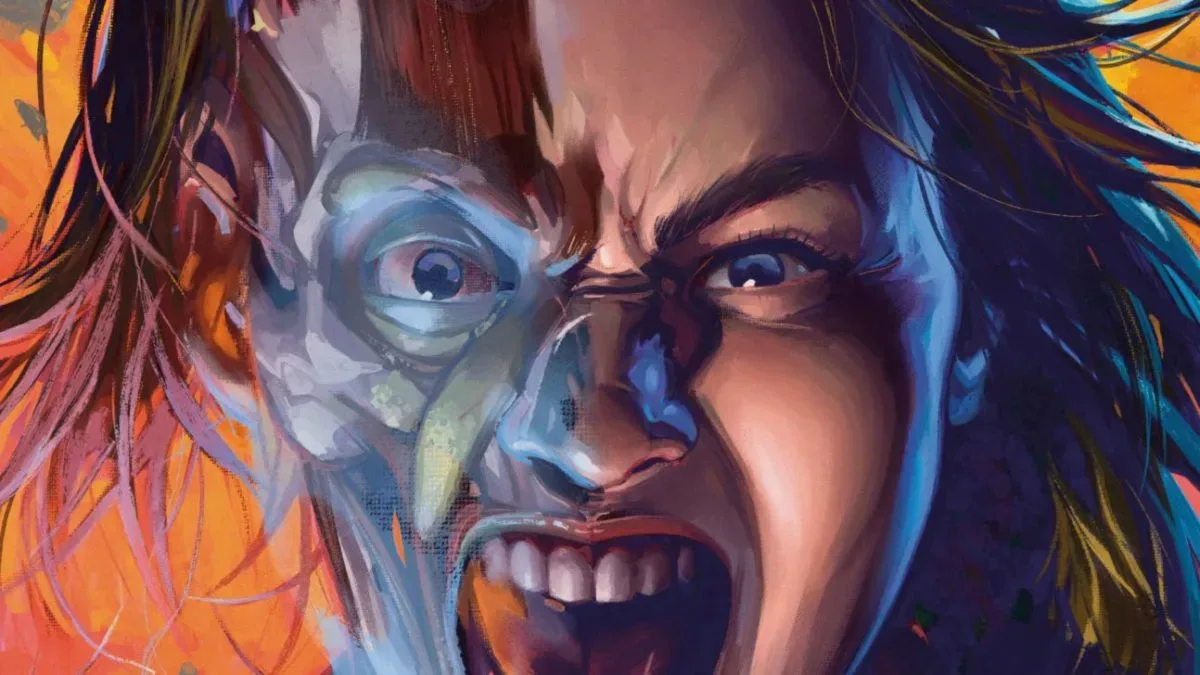
Marvel’s new Midnight setting is assembling a deliberately unsettling version of familiar superhero territory: New York has HAMMER patrols, Oscorp appears embedded in the lives of several major figures, vampires have advanced technology instead of merely old folklore, and Galactus is framed through cosmic horror imagery. The details outlined ahead of the line’s debut suggest that Midnight is not simply a world where superheroes encounter monsters. It is a setting where institutions, science and public life seem to have been remade around a monstrous reality.
Midnight Spider-Man #1 and Midnight X-Men #1 are dated October 7, 2026. Midnight Fantastic Four #1 is dated November 18, 2026, so the shared world appears to be rolling out in stages rather than launching all three cornerstones on the same day.
A vampire apocalypse with infrastructure
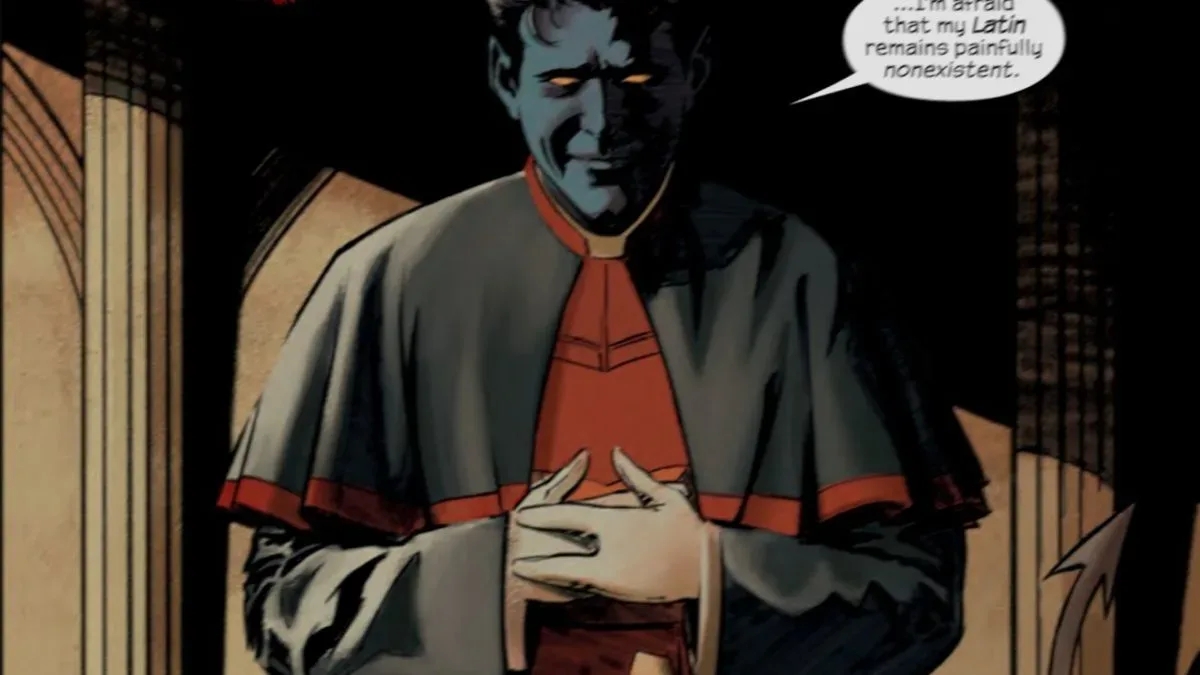
The most striking idea is how practical the Midnight universe’s vampires appear to be. They reportedly use high-tech coffins that cannot be opened while they sleep. That is a major shift from the traditional image of a vampire resting in an accessible wooden coffin, vulnerable to anyone with the nerve and the right weapon. Here, their daytime weakness is apparently treated as an engineering problem that has been solved.
That technology changes the stakes of any resistance. A hunter cannot rely on locating a resting vampire and ending the threat before nightfall if the coffin is effectively a secure containment system. The detail also reinforces a core Midnight theme: horror is not kept at the edge of civilization. It is supported by systems, research and tools.
Light is another repeated concern. The setting includes Lightkeepers whose job is to maintain lanterns, and who view those unable to perceive “the beam” with pity. The wording suggests something beyond ordinary street lighting. A lighthouse is described as simultaneously a monument, altar and vault, while the Lightkeepers protect what is called the greatest truth. Taken together, those clues make the lighthouse a likely focal point for the setting’s mythology rather than mere spooky scenery.
It is important to separate what is explicit from what remains speculative. The supplied material establishes the existence of Lightkeepers, their lanterns, their oath and the unusual importance of a lighthouse. It does not yet explain the beam’s origin, the truth being guarded or whether the lanterns repel vampires, reveal them, empower them or serve an entirely different function. Those unanswered questions are precisely what make the imagery useful as a connective thread across the line.
Sunlight is being treated as a scientific question
Forge has researched sunlight’s effects on vampires and, more specifically, what qualifies as sunlight. That phrasing matters. In vampire fiction, sunlight is often a fixed supernatural rule: day arrives, a vampire burns. Midnight appears interested in interrogating the mechanism behind the rule.
In practical terms, the question could make the difference between natural sunlight and an artificial substitute, or between visible light and whatever component of sunlight produces the lethal effect. The available information does not confirm an answer, so readers should not assume that a laboratory lamp, ultraviolet source or other device has been proven to work. What is supported is that Forge is investigating the boundary itself, turning a supernatural vulnerability into a subject for experimentation.
Adamantium is said to kill vampires and “empyres,” rather than garlic. Adamantium is Marvel’s fictional ultra-durable metal, closely associated with weapons and claws that can pierce threats ordinary materials cannot. The stated rule is blunt and useful: in this setting, adamantium is a weapon against these creatures. It also gives Midnight stories a recognizable Marvel tool while making clear that classic folklore remedies may not be the deciding factor.
The term “empyre” is not defined in the provided material. It is presented alongside “M-Pire,” a term apparently connected to a mutant-vampire transformation or group. Until the comics clarify whether these names are interchangeable, categories within the same condition, or separate ideas, the safest reading is that the line is establishing its own vocabulary for vampiric horror.
Oscorp looks like the line’s engine of body horror
Midnight Spider-Man #1, written by Phillip Kennedy Johnson with art by Scietronc, puts Oscorp at the center of its opening premise. A young man is transformed into a hideous spider hybrid as the corporation pursues eternal life. When Oscorp uses what it learns from that mutation to create more human-animal hybrids, he must accept his altered form and fight back.
That is a significant departure in emphasis from a standard superhero-origin framework. The solicitation describes mutation not as a sudden accident that creates one exceptional hero, but as research that a corporation can study, reproduce and weaponize. “Human-animal hybrid” places the story squarely in body horror: a horror mode centered on frightening, involuntary or grotesque changes to the body. The protagonist’s fight is therefore inseparable from the fact that his own body has become the evidence of Oscorp’s project.
Oscorp’s reach seems broader than this one experiment. Felicia Hardy is identified as working in Talent Relations, while Hank Pym and Otto Octavius also work for the company. The placement of recognizable characters within the same corporate structure is an efficient signal that Oscorp is not a one-issue antagonist. It may be a hub where scientific ambition, employment, recruitment and dangerous research converge.
The material also mentions C. Weber as a counselor at Brooklyn Visions Academy, drawing a possible association with a name used in the Spider-Verse films. That connection is presented as a question, not a confirmation. There is not enough here to establish a direct crossover or continuity link, but it does show the line playing with familiar corners of Spider-Man mythology.
Doctor Connor is another ominous case. He reportedly still has both arms in Midnight, making the loss associated with his more familiar Lizard transformation an event that may not have happened yet. The story implication is not that his fate has been avoided, but that the line can build dread by showing a character before a feared turning point.
New York’s threat is public as well as supernatural
HAMMER patrols in New York add a different kind of menace. Whether those patrols operate as protection, occupation or something in between is not stated. Still, their visible presence means the city’s disorder is not being handled quietly by costumed heroes in back alleys. A patrol is a public-facing assertion of authority.
This is where Midnight’s scattered details begin to form a coherent atmosphere. Vampires have secure technology. A secretive religious or civic-looking group tends lights and guards an oath. Oscorp employs important scientific and superhuman figures while chasing immortality. HAMMER patrols the city. These are all structures: corporate, governmental, technological and ceremonial. The horror appears institutionalized.
That framework could make ordinary city life as important as individual fights. If the setting’s dangers are woven into employers, security forces and public landmarks, defeating one monster would not necessarily address the machinery that enabled it. That is analysis based on the stated premise, not confirmation of any particular plot turn.
Midnight X-Men and the date at the center of the mystery
Midnight X-Men #1 is written by Benjamin Percy and drawn by Kev Walker. A key clue places the world-changing event tied to mutant vampires, M-Pires or empyres on Wednesday, October 25, 2017. The supplied information calls it an event that changed the world, but does not establish exactly what happened that day, who caused it or how the consequences unfolded.
The precise date is worth noting because it gives the line’s apocalypse a historical anchor. Rather than presenting its transformed world as timeless alternate-reality background, Midnight appears to offer a point in the past that can be investigated. It may ultimately function as a mystery for characters and readers alike: an identifiable day with consequences still shaping the present.
For readers looking for the immediate setup, our earlier coverage of Midnight X-Men #1’s nonlinear mutant-vampire conflict offers additional context on the book’s larger war and fragile peace. The important point for the new clues is that the X-Men title seems positioned to explain the transformation of the world, not merely to feature mutants inside an already-dark setting.
Fantastic Four horror looks toward family and the unknown
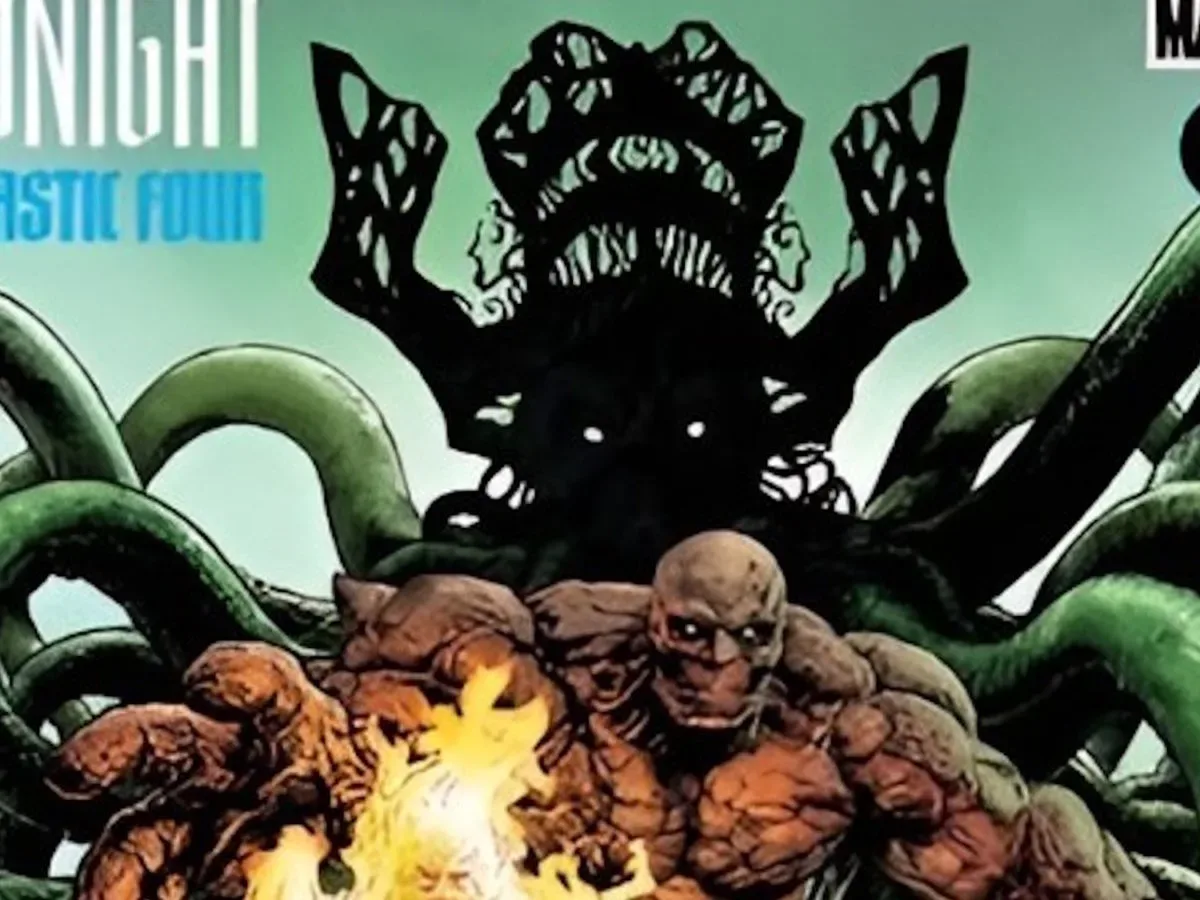
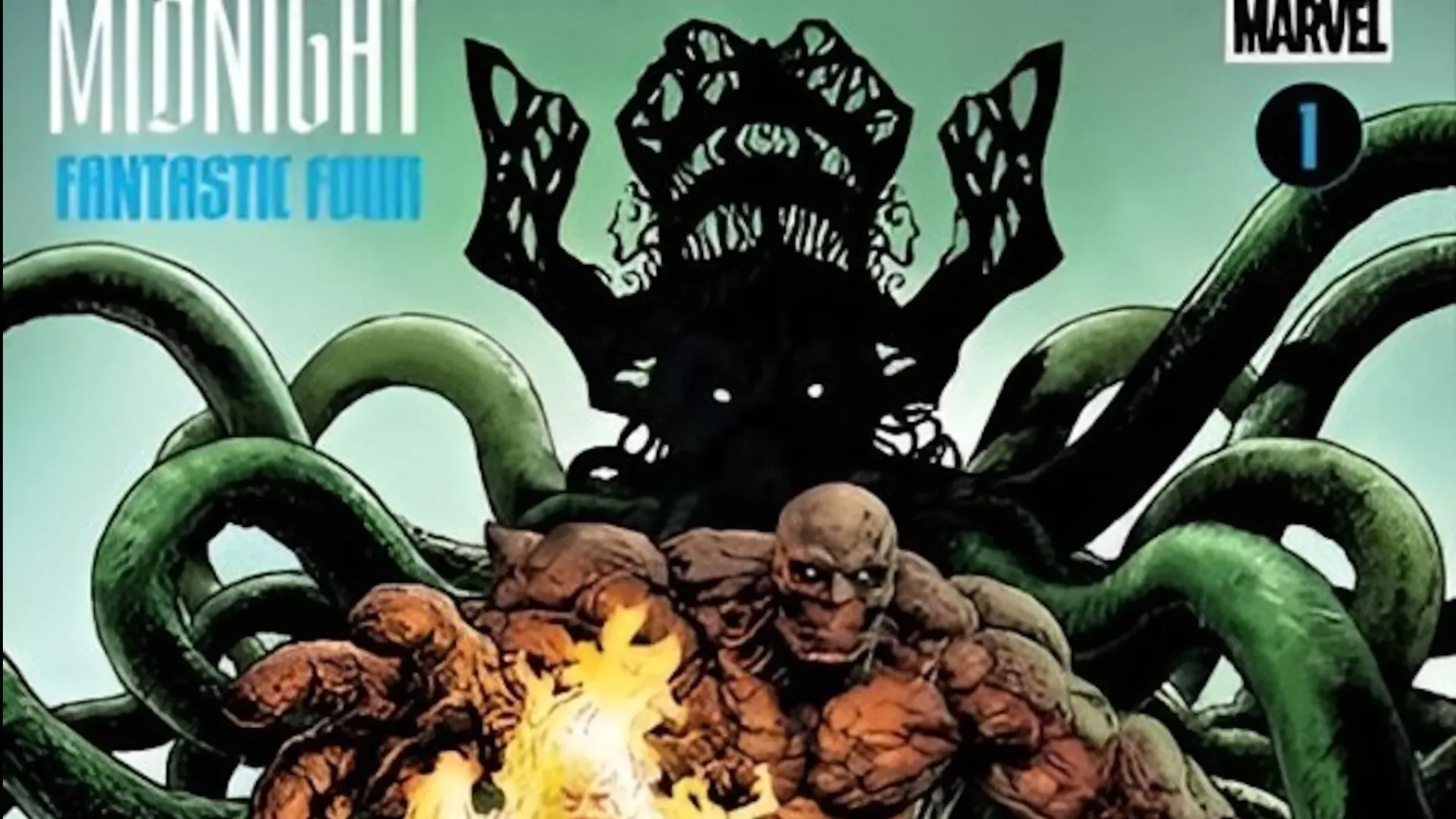
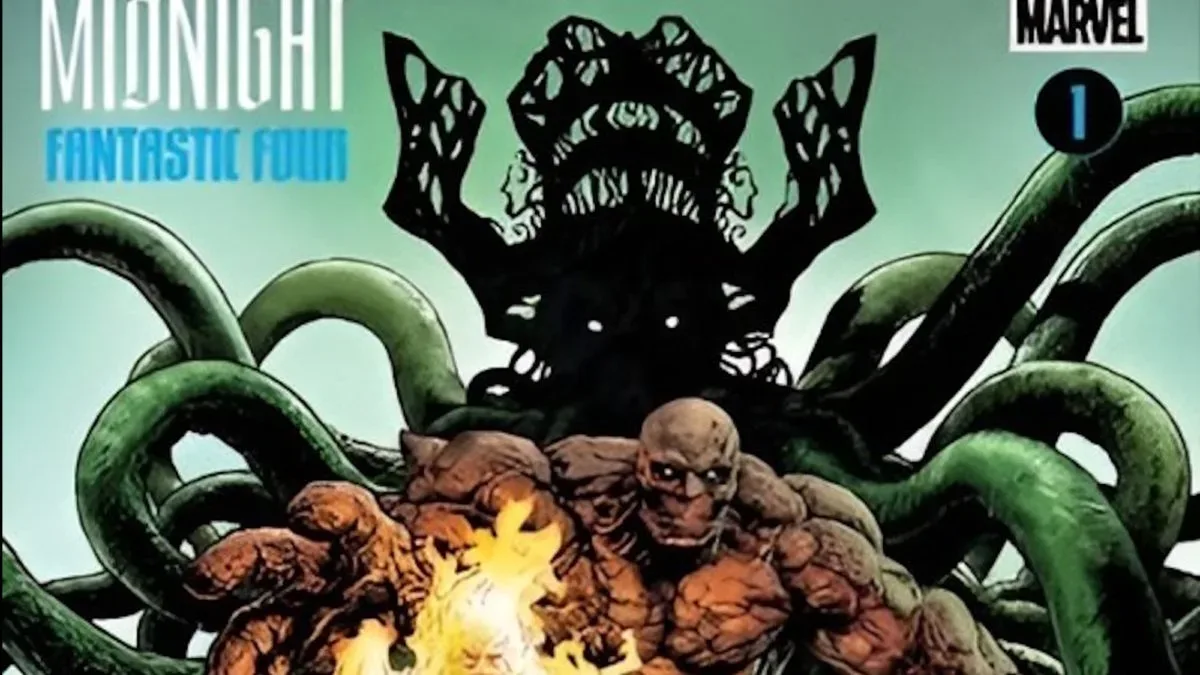
Midnight Fantastic Four #1, also by Percy and Walker, is dated November 18, 2026. Its solicitation follows an obsessive scientist who explores cosmic secrets that humanity may be better off not knowing, with that pursuit warping the scientist and three others in horrifying ways. The language echoes the broad outline readers associate with the Fantastic Four, but redirects it toward dread, transformation and dangerous dimensions.
There is also a pointed thematic clue: while Marvel characters often focus on fathers, this book is said to be more concerned with a mother, though not the expected one. It is a deliberately incomplete tease. It does not identify the mother, her role or whether the theme is literal, symbolic, cosmic or monstrous. What it does do is distinguish Midnight Fantastic Four from a straightforward retelling of a four-person origin.
H.E.R.B.I.E. is likewise recontextualized as a Storm Systems creation rather than Reed Richards’s invention. Small alterations like that matter in alternate-universe storytelling. They establish that familiar names and objects may exist, but their ownership, history and purpose have changed. Readers should approach each recognition point as an invitation to ask what has been rearranged, rather than as proof that standard continuity rules apply.
Galactus becomes cosmic horror
The most compact clue may be the wildest: Galactus is a Cthulhu. This should not be read as a detailed explanation of Galactus’s new status, because none is provided. But the comparison is clear in its intended effect. Cosmic horror is horror built around incomprehensible beings, frightening scale and the discovery that human understanding has hard limits. Casting Galactus in that register aligns the character with the Midnight universe’s larger interest in forbidden knowledge, strange dimensions and world-scale terror.
It also creates a useful contrast with the more grounded threats around Oscorp and HAMMER. A company can be infiltrated, a patrol can be evaded and a coffin can perhaps be overcome. A Galactus filtered through cosmic-horror imagery implies a problem at a vastly different scale, one that might not be solved by force alone.
What readers can safely take from the clues
- Midnight Spider-Man #1 is dated October 7, 2026, and centers on Oscorp’s quest for eternal life, spider-hybrid experimentation and a transformed protagonist fighting back.
- Midnight X-Men #1 is dated October 7, 2026, with a mysterious October 25, 2017 event linked to a world reshaped by mutant-vampire horror.
- Midnight Fantastic Four #1 is dated November 18, 2026, and follows an obsessive scientist and three others warped through contact with forbidden cosmic knowledge.
- Across the line, vampire technology, Lightkeepers, Oscorp, HAMMER, Forge’s sunlight research and an altered Galactus point toward a shared horror setting rather than isolated genre experiments.
Marvel’s Midnight Universe is making its premise clear without explaining every answer upfront. Its familiar heroes and concepts are not simply being given darker costumes; they are being placed inside a world with altered rules, altered institutions and an apparently long-running catastrophe at its center. The first two issues dated October 7 should begin testing how those pieces fit, while the Fantastic Four book arrives later to open the setting onto stranger cosmic ground.
Shop the products
Check current price, model and availability at the retailer.