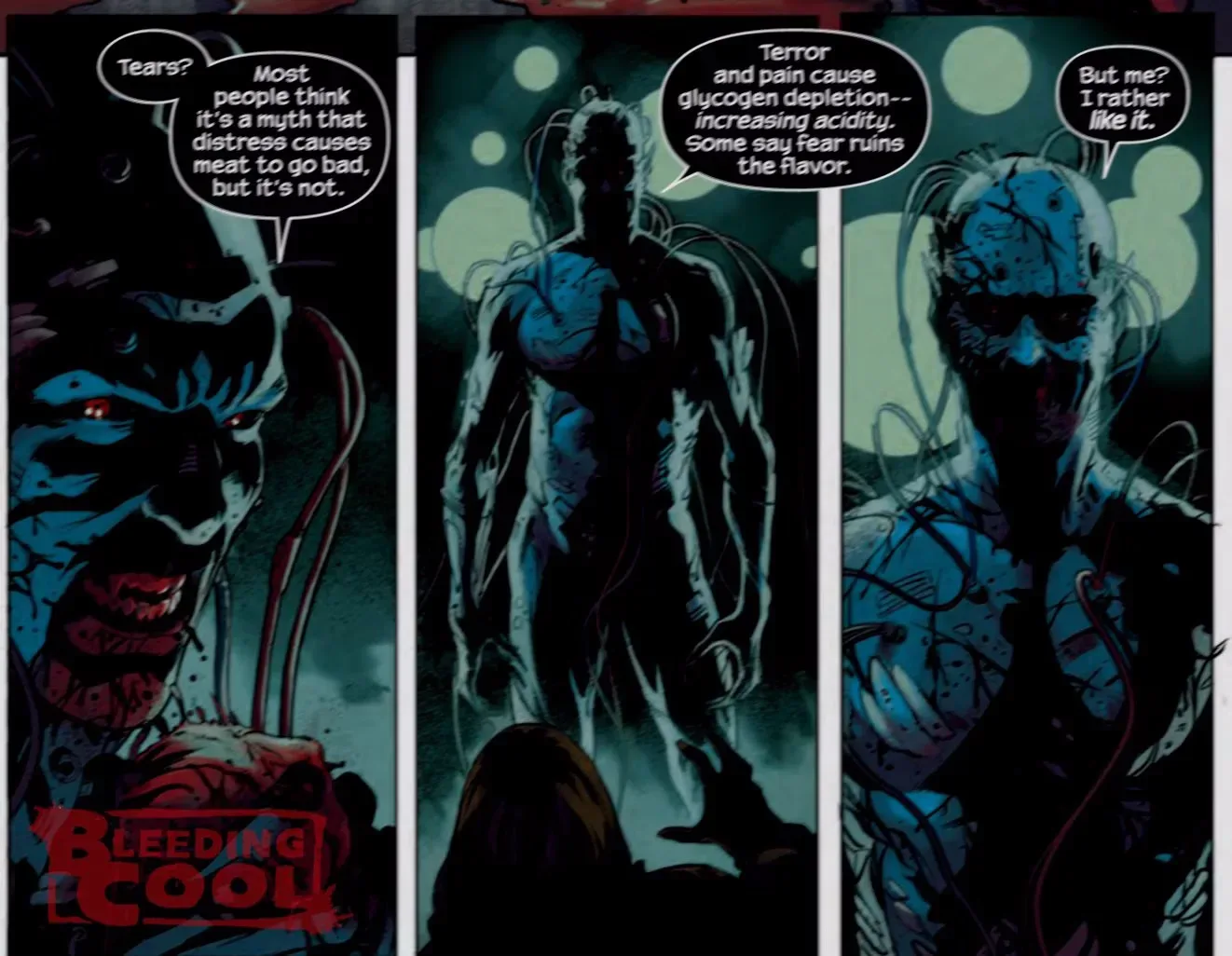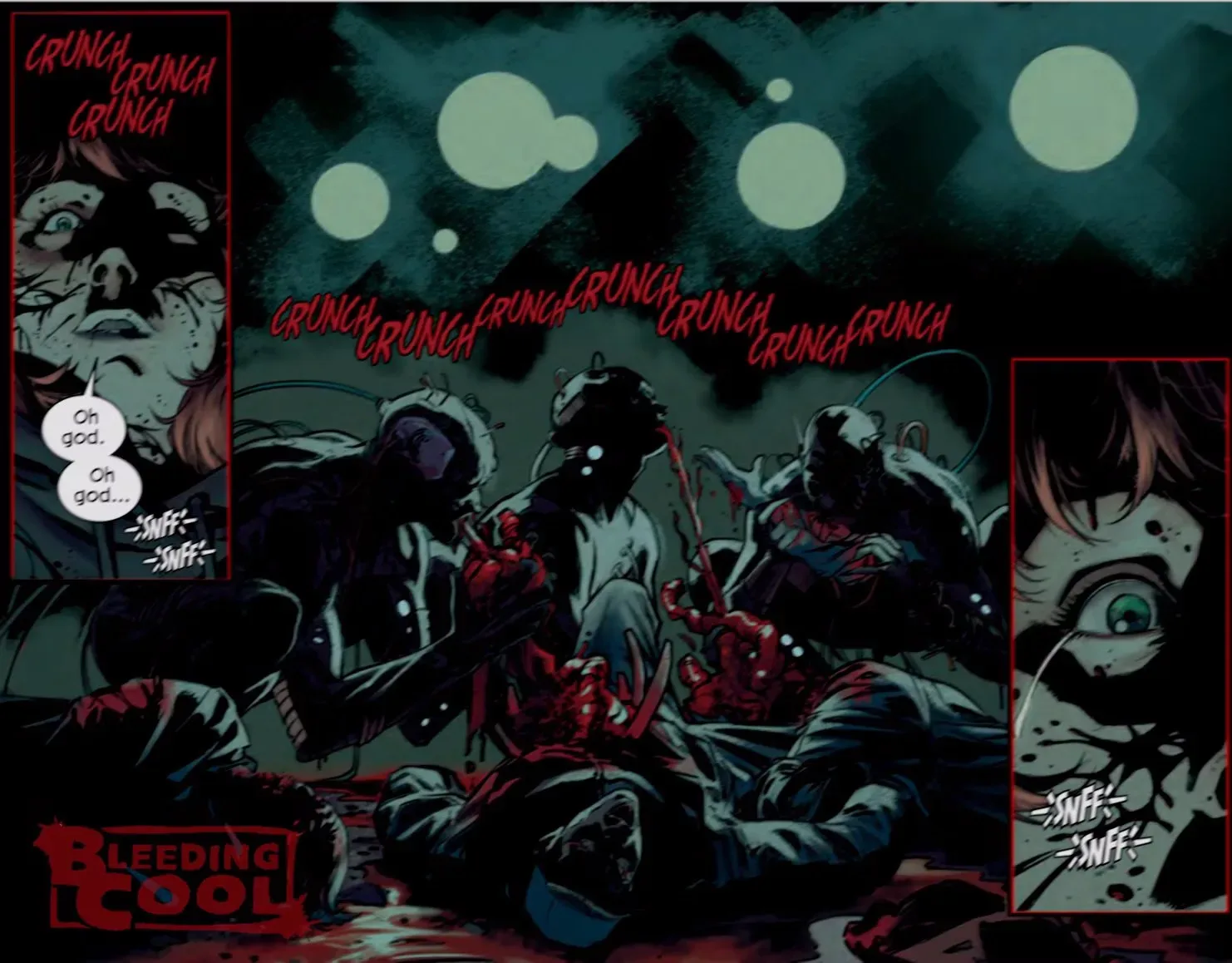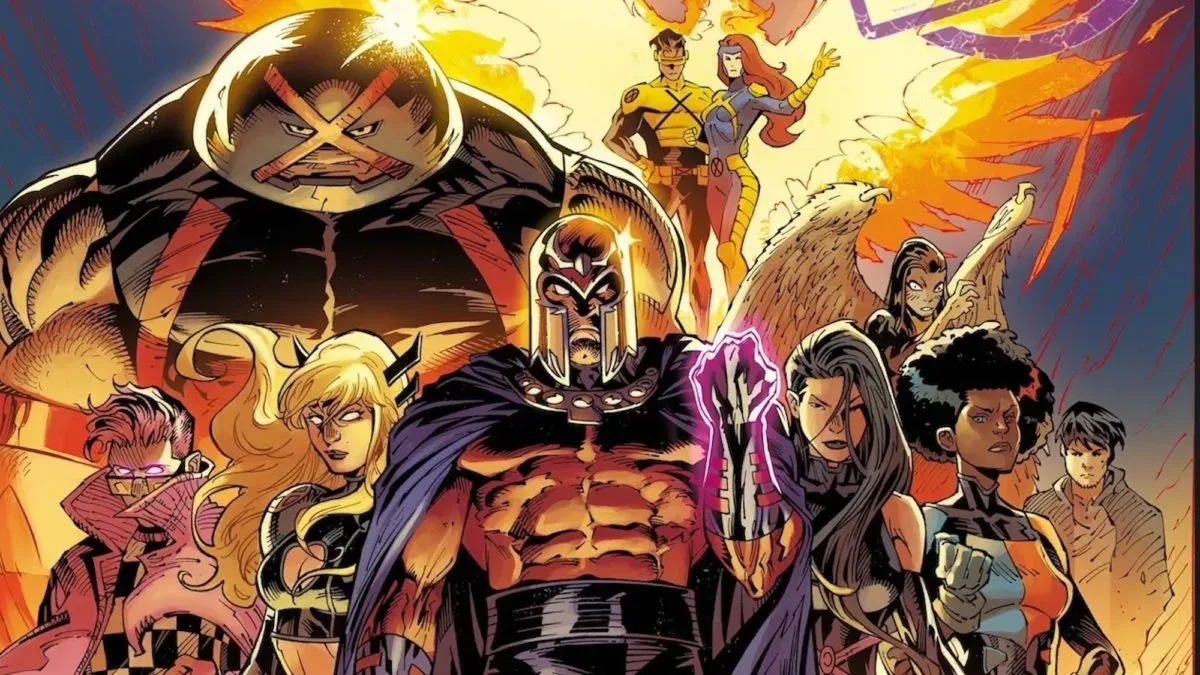
Midnight X-Men #1 arrives as the X-Men entry in Marvel’s new Midnight setting, but its premise is not a simple first-chapter origin story. Written by Jonathan Hickman with art by Matteo Della Fonte, the issue starts in a world already altered by a decade of vampire-related catastrophe, political bargains and mutant division. Its central question is less “how did vampires appear?” than what happens when an uneasy arrangement between dangerous powers can no longer stay intact.
The debut issue is dated October 7, 2026, with a $4.99 cover price. It shares its Midnight launch window with Midnight Spider-Man #1 and Midnight Fantastic Four #1. Readers checking the wider date’s launches can also find the site’s October 6, 2026 release roundup, though Midnight X-Men is specifically listed for the following day.
A world where the disaster is already history
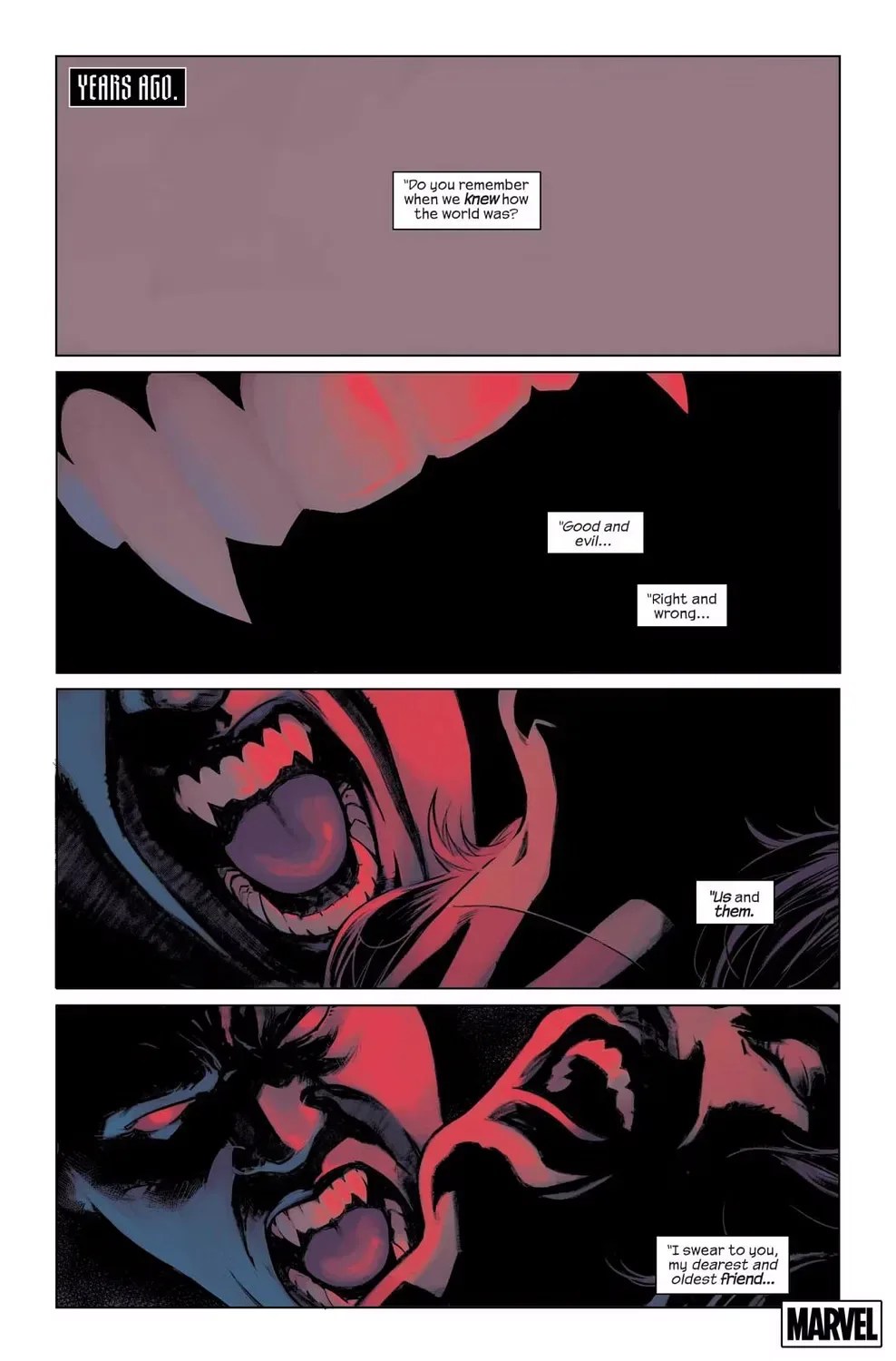
The issue’s structure moves between the present day of October 6, 2026, and events ten years earlier. That nonlinear approach matters because it makes the past an active mystery rather than merely background information. Readers are introduced to the aftermath first: characters and factions carry the consequences of an earlier X-Men failure, while the exact scale and sequence of that failure are filled in through flashbacks.
The past includes an X-Men lineup described as closer to familiar classic-era imagery, with the original five X-Men alongside Kitty Pryde, Colossus and others. Something goes badly wrong during that earlier period, and not everyone returns unchanged. The story is therefore positioned around the long shadow of that event rather than a clean slate. That setup gives the book room to contrast recognizable X-Men iconography with a much darker present in which survival, secrecy and factional identity have overtaken the usual superhero status quo.
“Nonlinear” in this case means the narrative does not proceed strictly from the first historical event to the last. A present-day scene may establish a result, while a flashback later supplies the cause. For readers, this can make small details—an altered character, an institution that did not previously exist, or a strained alliance—feel like clues. It also means apparent answers should be treated cautiously until the book has shown the relevant period of the timeline.
Empyres, vampires and the peril of public knowledge
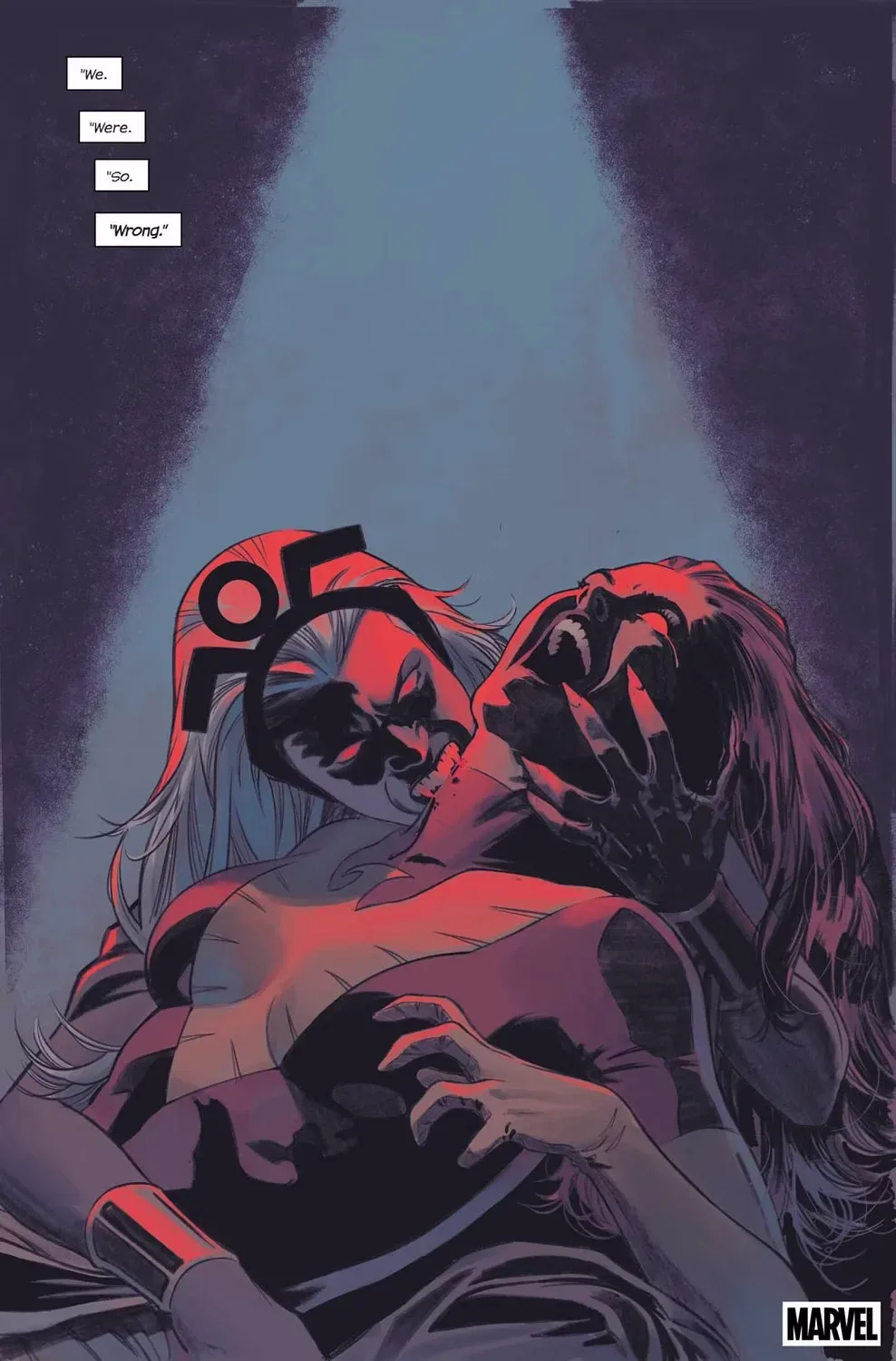
At the center of the setting are mutant vampires, called Empyres, M-pires or empowered vampires. They are distinct from the vampires with whom they are in conflict. The terminology is important: the book is not framing every vampire as the same political or biological group. Instead, it presents a layered conflict involving vampires, mutant vampires and other factions that are trying to survive or exploit the divide.
The conflict operates under cover of darkness, when the sun is absent and violence can spread without broad public recognition. That secrecy is not just atmosphere. It is a condition supporting an already fragile peace. If the conflict becomes impossible to hide, the response from human institutions and resistance groups could become as consequential as the supernatural war itself.
The issue also establishes a key combat rule: mutant vampires cannot simply be dispatched with the classic stake-through-the-heart solution associated with vampire fiction. They are, however, vulnerable to adamantium. Adamantium is the exceptionally durable metal long associated with Wolverine’s claws and skeleton in Marvel stories; here, its relevance is practical and strategic. The distinction changes the stakes of a confrontation. Characters cannot rely on an expected genre shortcut, and access to adamantium becomes meaningful in a setting full of otherwise formidable adversaries.
That rule does not clarify every aspect of Empyre physiology or power, and the available details should not be stretched beyond what is established. But it signals that the Midnight universe is building its own vampire framework rather than importing every conventional weakness unchanged.
Nightcrawler, Magma and a clerical mission
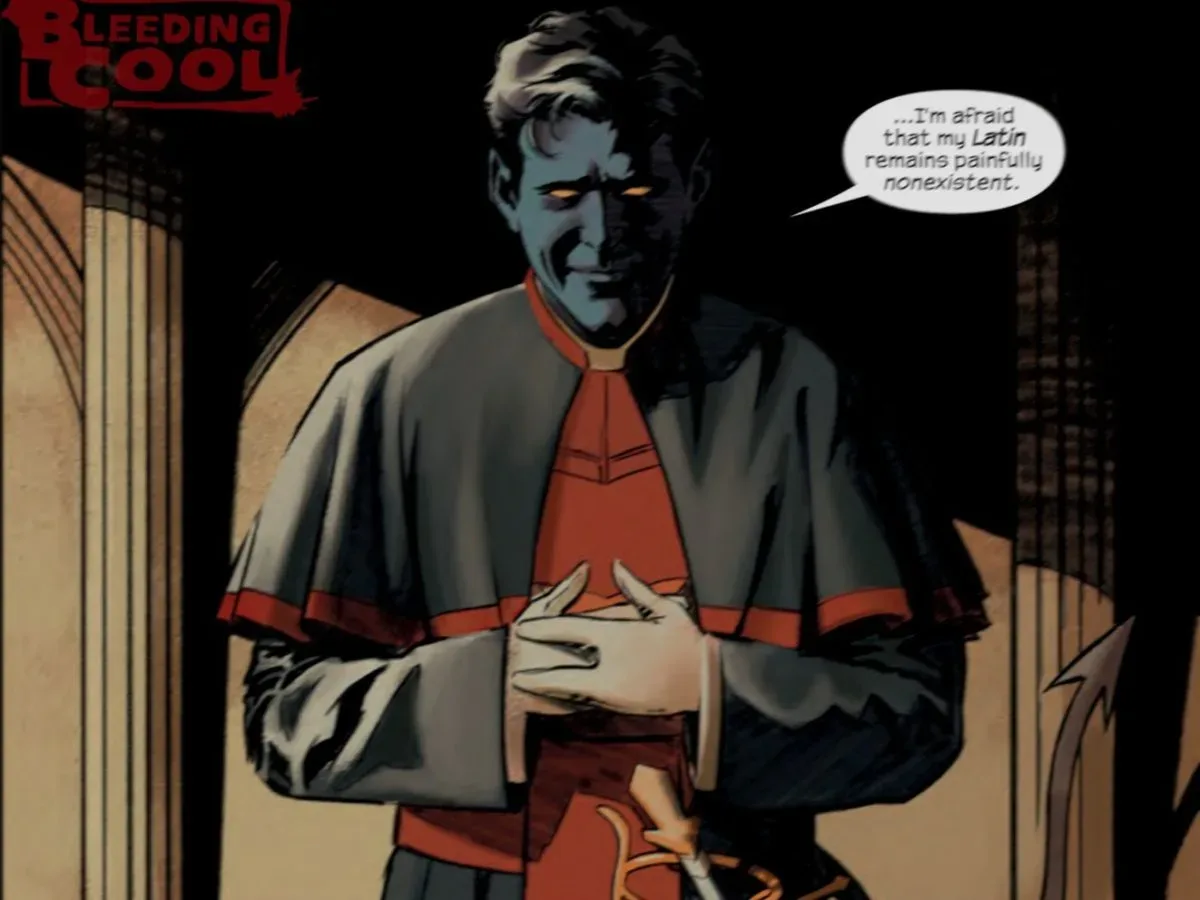
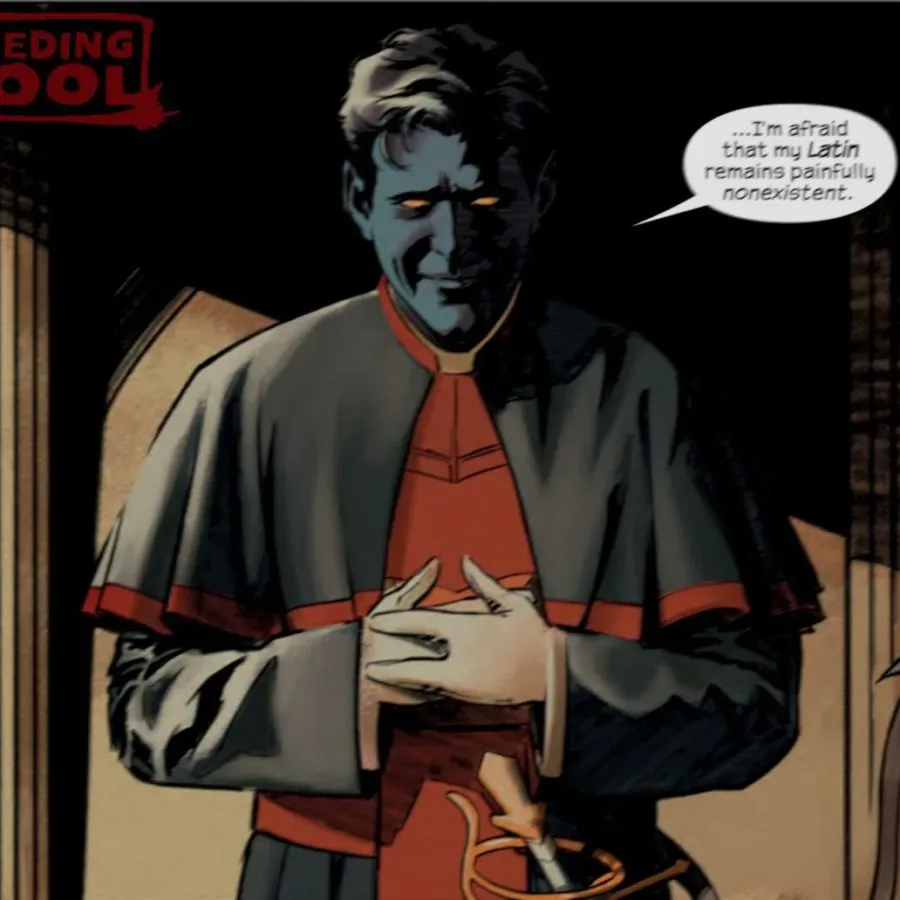
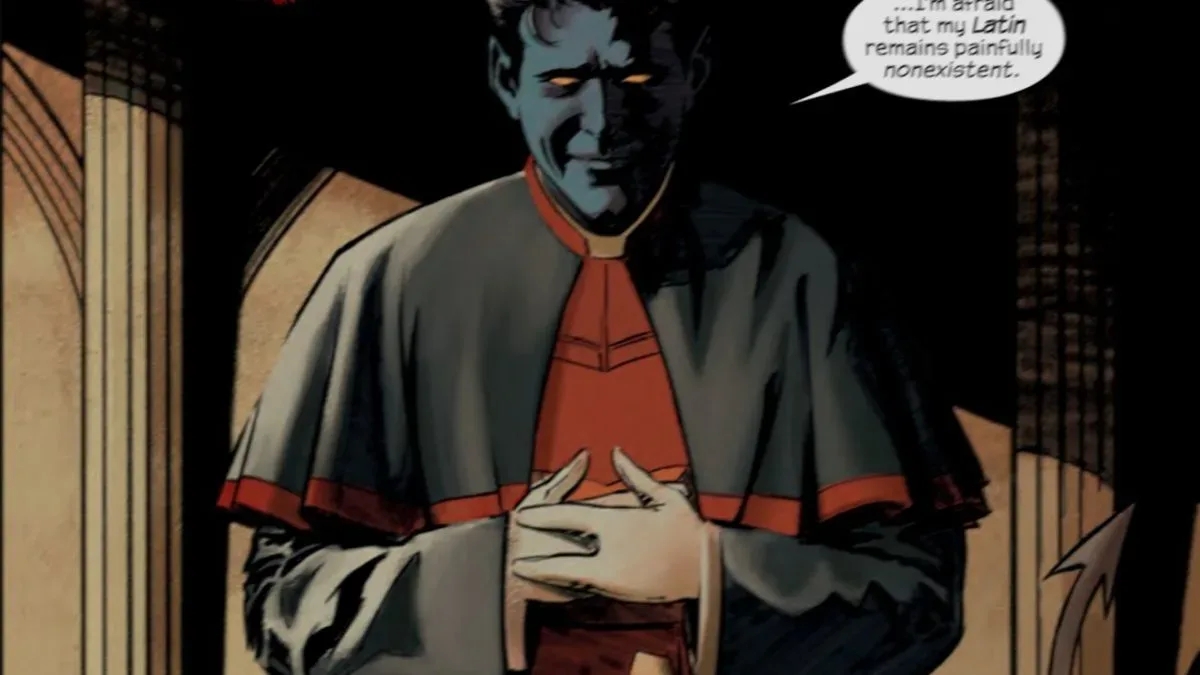
One thread brings together William Stryker, depicted here as a Cardinal in the Catholic Church, with Bishop Kurt Wagner—Nightcrawler—and Sister Amara Aquilla, better known as Magma. Stryker arrives with his Purifiers, tying church authority and militant purpose directly into the book’s supernatural crisis.
The use of religious titles does more than add gothic texture. The setting contains human clergy and mutant clergy alongside vampires, Empyres and ordinary human communities. In a story where competing groups claim moral urgency and face existential danger, religious institutions can become a source of shelter, organization, authority or escalation. The issue’s premise leaves all of those possibilities in play.
Magma’s connection to Nova Roma is another important pressure point. The story indicates that something devastating happened to her home. Nova Roma’s fate helps turn the larger vampire conflict into a personal one for Magma and provides a reason for direct action against the vampires. The available setup identifies tragedy and retaliation as crucial ingredients, while holding back the complete history of the disaster for the story itself.
Magneto’s House of X and the unturned mutant population
Elsewhere, Magneto is gathering non-vampire mutants at his House of X. The group includes Polaris, Havok, Quicksilver, Scarlet Witch, Toad and Unus the Untouchable, among others. The existence of this gathering immediately underlines one of the Midnight world’s sharpest fault lines: being a mutant does not automatically determine one’s place in the vampire conflict.
Some mutants have become Empyres, while others have not. That division makes broad labels inadequate. “Mutant” can no longer be assumed to describe a unified community with a shared condition, loyalty or interest. Magneto’s House of X appears to offer a focal point for those outside the mutant-vampire category, but the setup does not establish that every non-vampire mutant will agree with Magneto’s position or methods.
This is a useful distinction for new readers entering through the Midnight line. The book has several overlapping identities in motion: mutant, human, vampire, empowered vampire, clergy, resistance member and factional leader. A character can occupy more than one of those categories at once, and the series’ tension comes partly from how those affiliations collide.
Trish Tilby and the human resistance
Trish Tilby is pursuing evidence of mutant vampires and trying to bring that reality to public attention. Her work is complicated by the very thing that makes the Midnight conflict dangerous: the subjects she is tracing are identified by absence. That suggests an investigative thread built around missing information, missing people or gaps that point toward a hidden population rather than an open public threat.
Tilby’s efforts connect to a rising human resistance. The human side of the setting is not presented as a single response; it includes people attempting to expose the truth, religious actors, and vampire Reavers described as potentially even more dangerous. The word “Reavers” here signals a hostile vampire force, but the setup does not provide a complete organizational history or command structure. What is clear is that humans caught between the vampire factions cannot count on the conflict remaining remote.
This is where the title’s stated warning about the “unturned” becomes particularly relevant. In vampire fiction, the unturned are those who have not been transformed. In this story’s political context, that description encompasses people who may not have the power, immortality or specialized weaknesses of the factions fighting around them. They are also the people most likely to bear the cost if a secret conflict becomes an open war.
More players enter the massacre
Gambit, Glob, Psylocke and Empath are also brought into the conflict, with the issue invoking a Mutant Vampire Massacre. The name signals an event of severe violence, but its full scope and outcome are not established by the available material. It is best understood as a major escalation point in a story that has already made clear how unstable the peace is.
The cast list is expansive, yet the premise has a coherent through-line: every faction is navigating a world shaped by a ten-year-old collapse and an unstable present-day truce. That is a different engine from a conventional team book in which heroes gather, identify a villain and fight a contained threat. Here, past failures, hidden knowledge and competing survival strategies are part of the conflict before any single battle begins.
The Muir Island Institute reports add another storytelling tool
Midnight X-Men #1 also uses scientific-style reports from the Muir Island Institute to document vampires, Empyres and developments across the preceding ten years. These materials appear designed to give the fictional setting an archival layer: readers can encounter information through records and research as well as dialogue and action.
That approach can be especially useful in a story with a large time gap. A report can establish dates, observed traits, historical discoveries or competing terminology efficiently, while leaving the emotional reality of a past disaster for a flashback sequence. It also invites readers to consider who assembled the records, what evidence was available and whether official-seeming documents tell the entire story. The existence of a report is evidence that a character or institution tried to make sense of events; it is not automatically proof that every question is settled.
For a book introducing an alternate, vampire-centered status quo, this blend of dossier material and nonlinear scenes provides two routes into the setting. One explains the world’s rules and history in a formal register. The other places those rules under pressure through characters such as Nightcrawler, Magma, Magneto and Tilby.
Release details for the opening arc
- Midnight X-Men #1 — Written by Jonathan Hickman; art by Matteo Della Fonte; October 7, 2026; $4.99.
- Midnight X-Men #2 — Written by Jonathan Hickman; art by Matteo Della Fonte; November 18, 2026; $4.99. Its listed tagline is “Eat. Prey. Love.”
- Midnight X-Men #3 — Written by Jonathan Hickman; art by Matteo Della Fonte; December 16, 2026; $4.99. Its solicitation points toward earthly and heavenly weapons, as well as realms between earlier failures and new sins of expedience.
The first issue’s job is to make the Midnight version of the X-Men feel lived-in without making its history immediately transparent. Its vampire-versus-Empyre conflict, divided mutant population, religious factions and human resistance all feed the same instability. The truce may be the only thing preventing wider catastrophe, but nearly every thread introduced in the opening setup gives someone a reason to test it.
Shop the products
Check current price, model and availability at the retailer.