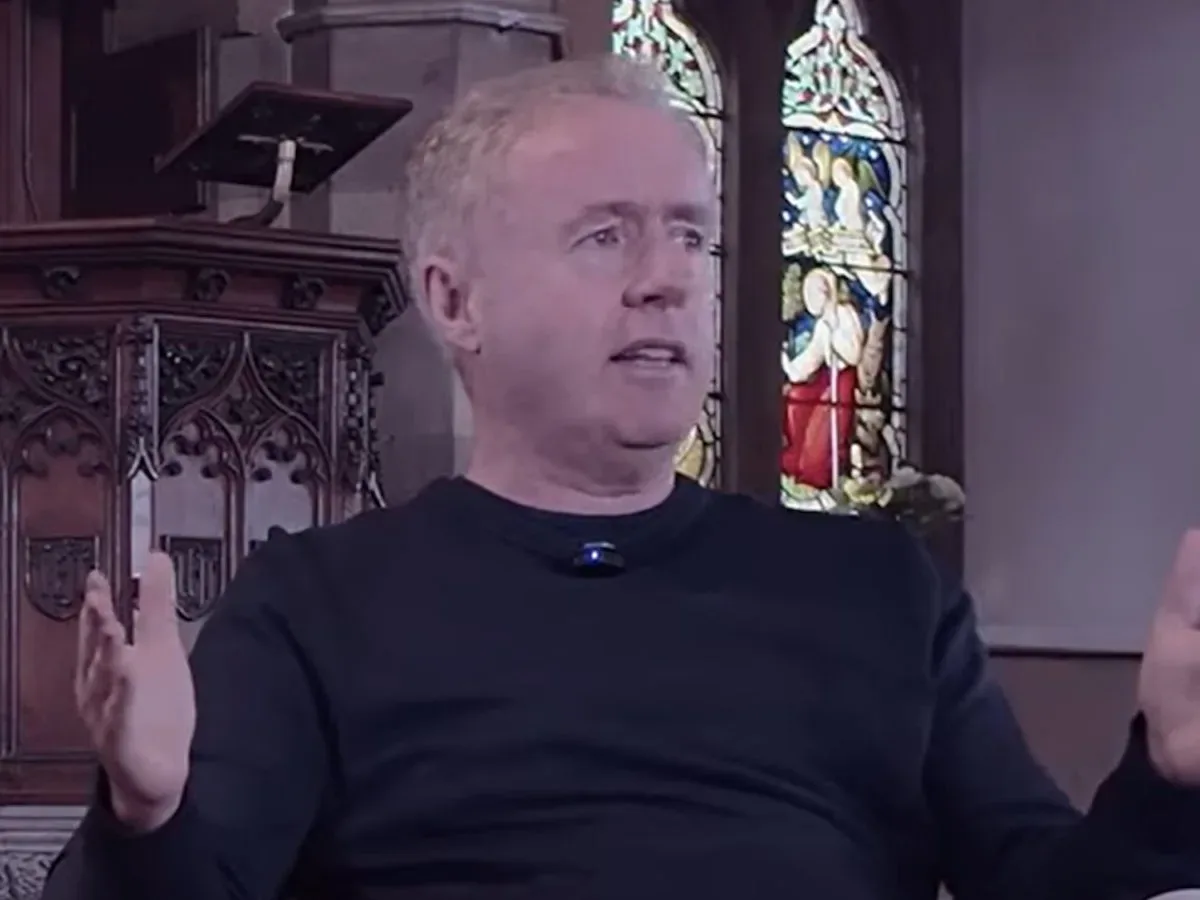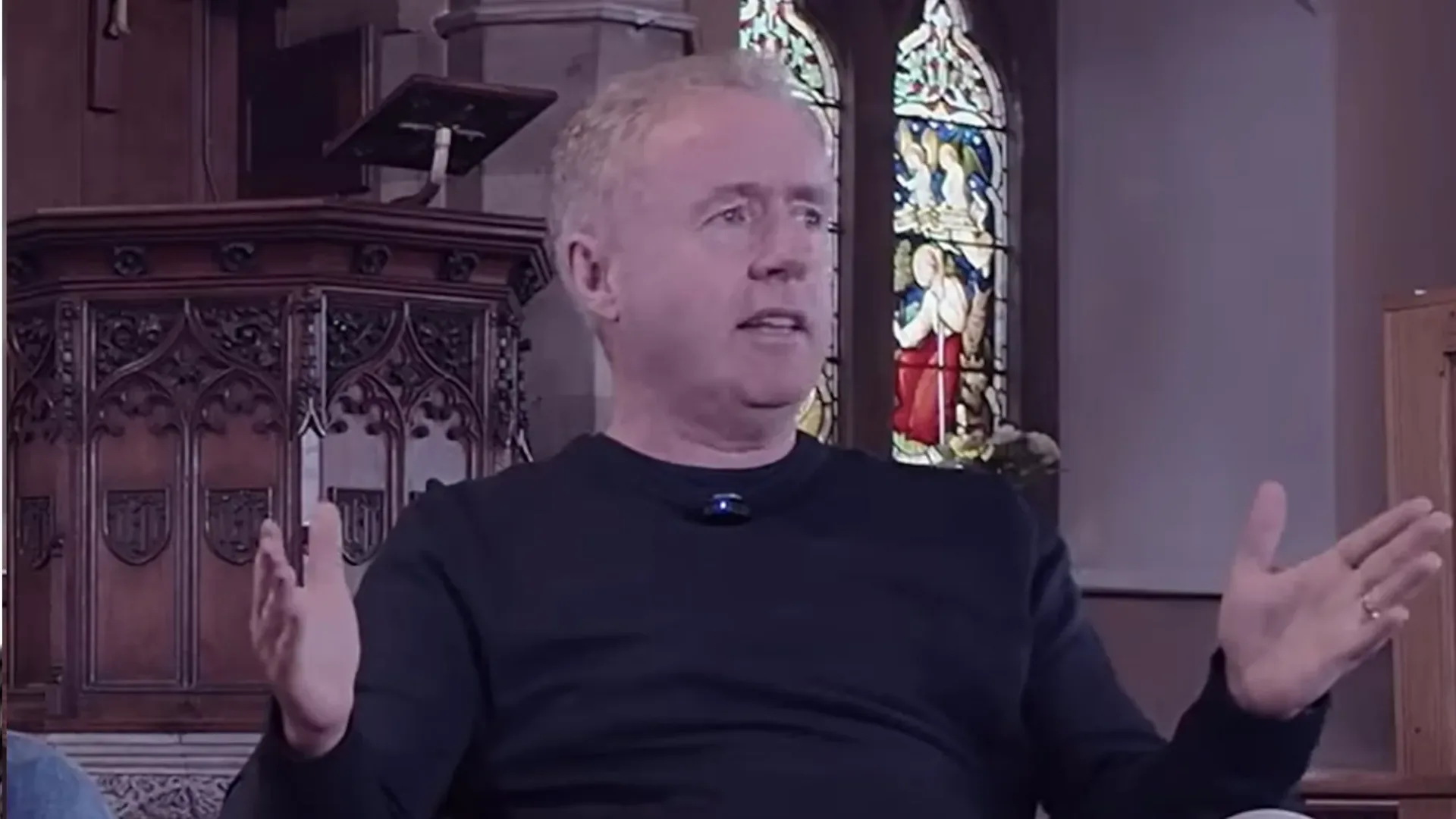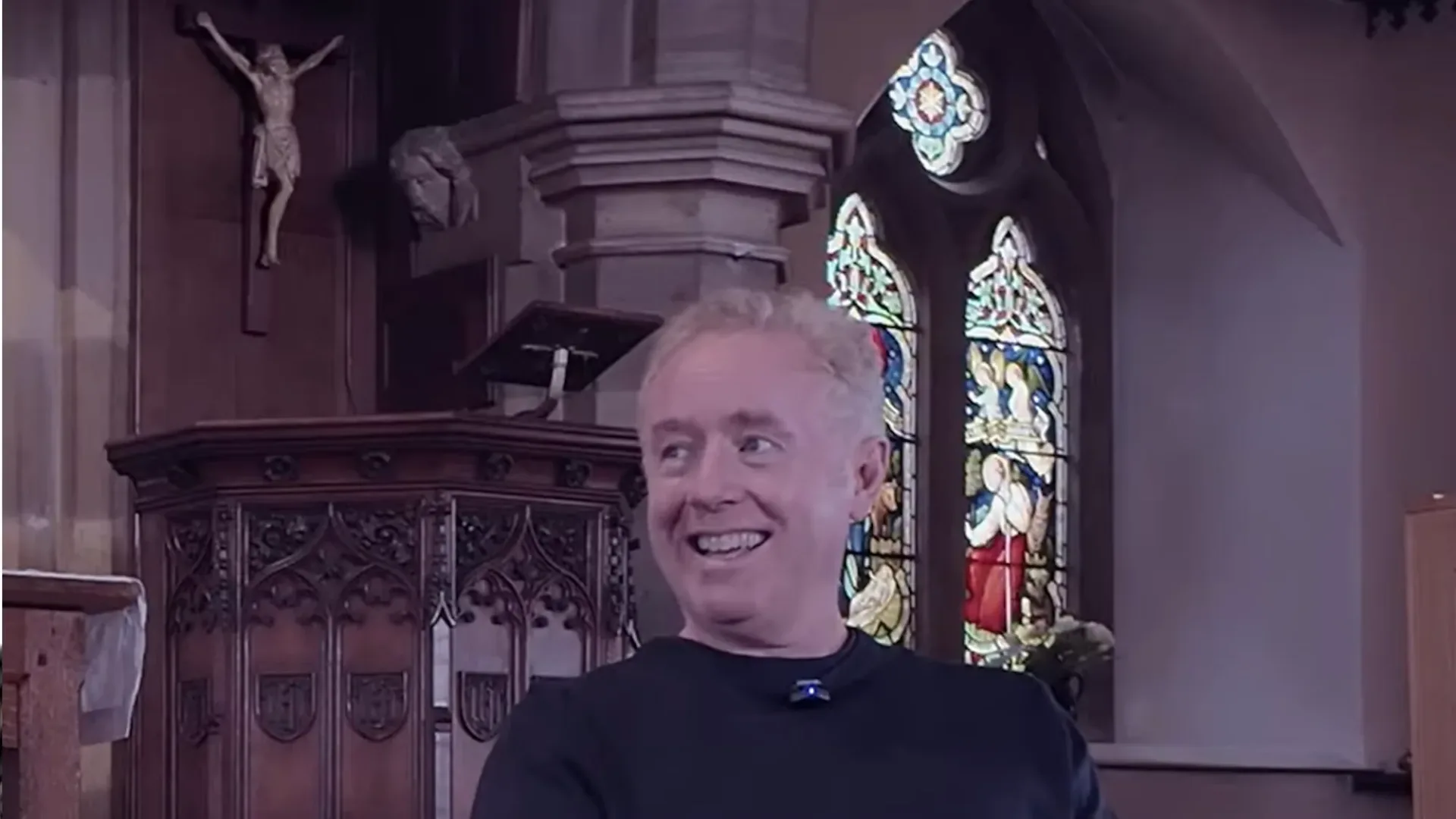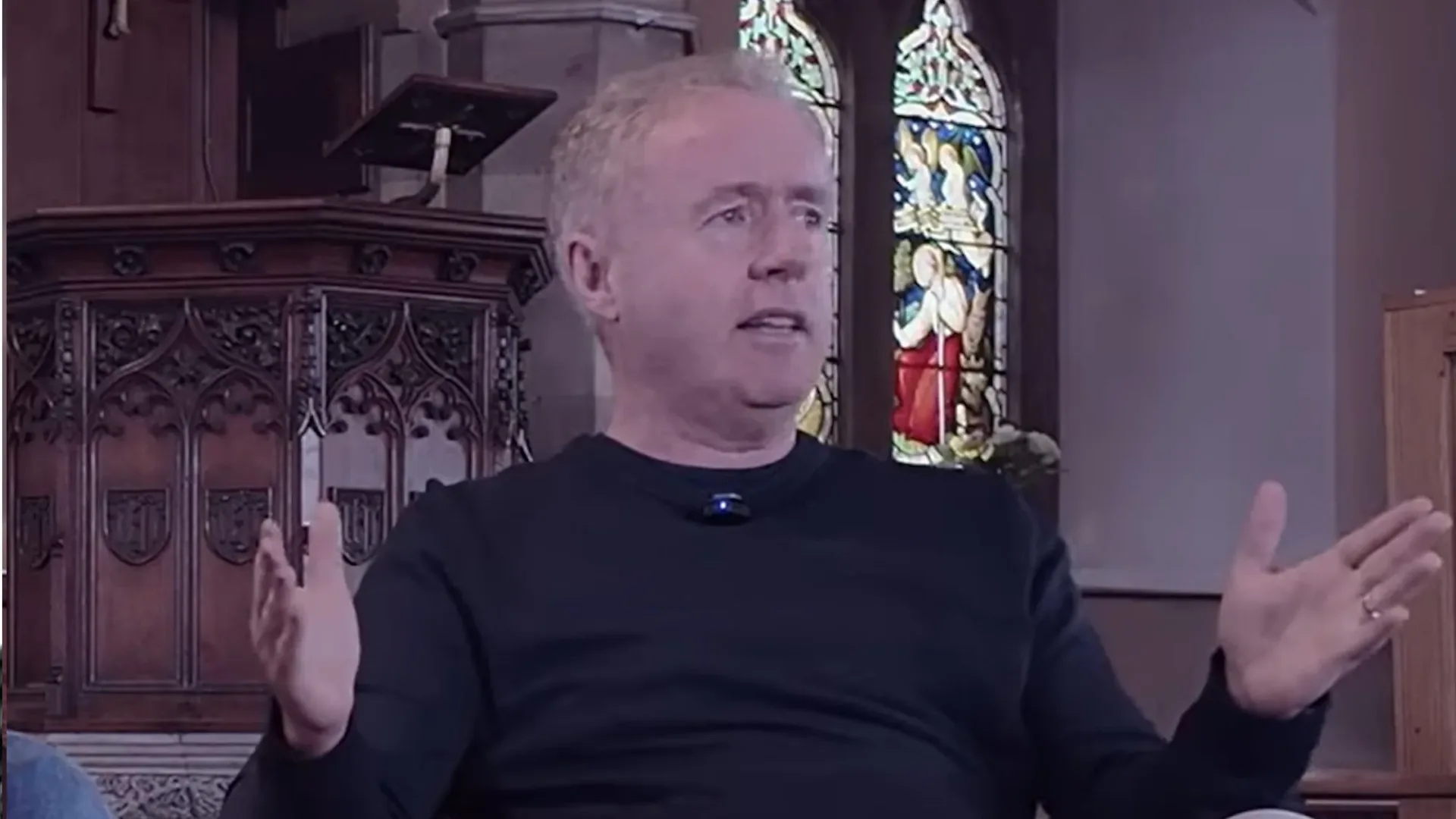
Mark Millar has recalled a conversation with Stan Lee that he says reshaped the direction of his career: stop building only with characters owned by somebody else, and make something that belongs to you.
The creator says Lee offered that guidance while Millar was known for work involving established Marvel properties. Lee’s point, as Millar recounts it, was not that working on famous characters lacked value. It was that a writer should also leave behind original creations. Lee framed his own legacy through the act of creating Spider-Man rather than through the characters he had enjoyed as a reader.
Millar says Lee paired that creative encouragement with a much more pragmatic warning. Marvel material Millar had written was being turned into films, Millar recalls being told, but that did not mean he would be paid for those adaptations. That account is Millar’s recollection of the exchange, rather than a broad statement about every contract or every creator’s compensation. Still, it gets directly at the question that has long mattered across comics: who owns an idea once it becomes valuable outside the original page?
A creative lesson with a business consequence
Millar says the advice helped propel him away from Marvel exclusivity and toward creator-owned projects. Creator-owned is the key term here. In its simplest sense, it means the people who create a comic retain ownership of the underlying property, instead of producing stories around a character controlled by the publisher. The exact contractual details can vary widely from project to project, but ownership can determine who has a say in future publishing, licensing and screen adaptation decisions.
That distinction is easy to miss when audiences encounter a story primarily as a movie or streaming title. A comic can be the initial form of a concept, yet its long-term commercial life may extend through screen rights, merchandise, games and other adaptations. The value of ownership is therefore not only a question of a creator receiving a credit. It concerns control and participation when the work takes on a life beyond its first format.
Millar’s recollection also highlights a split that creators often have to navigate: writing beloved pre-existing characters can bring visibility, experience and a major audience, while creating an original property can offer a different kind of long-term stake. Neither route is automatically superior. One provides an opportunity to work inside a vast shared universe; the other may require a creator to establish a world, readership and identity from scratch. Lee’s advice, as Millar tells it, was to make room for the second path.
Wanted as the first ownership test
Millar identifies Wanted as the first comic he both created and owned. Drawn by J.G. Jones, the series launched through Top Cow/Image Comics in 2003. Millar says its film rights were sold within weeks, a striking early outcome that, in his telling, validated the decision to develop original work. He also says he sent Lee a text after that deal.
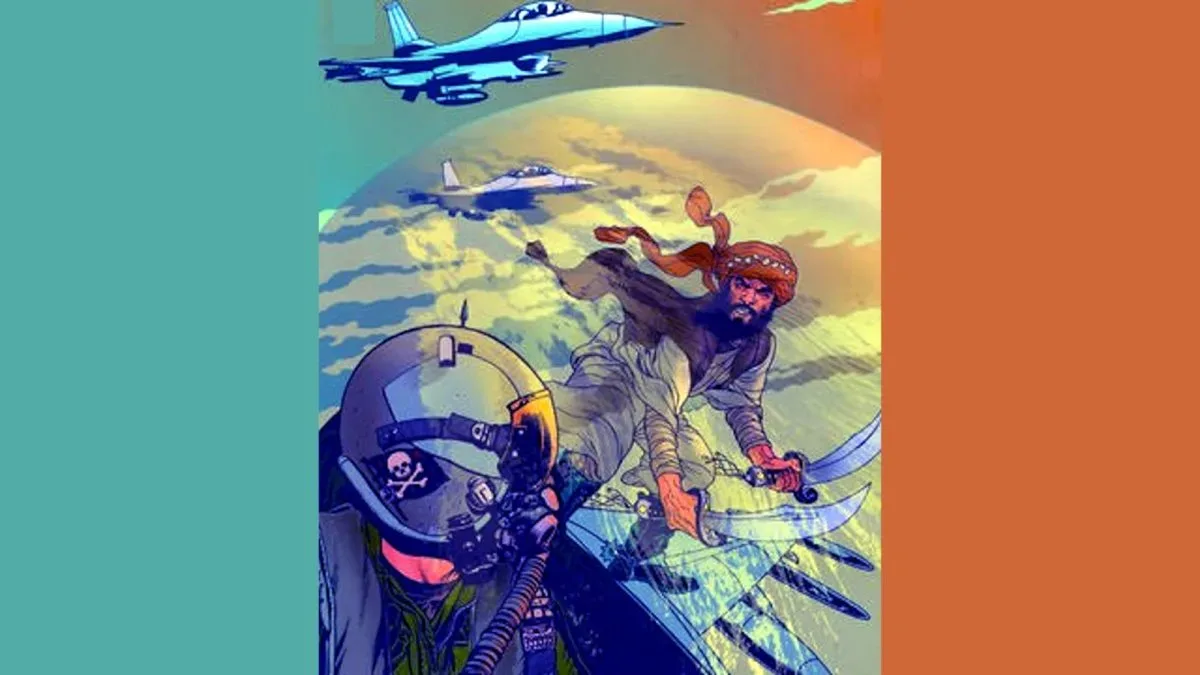
The importance of Wanted in this story is larger than its quick move toward a film deal. Millar describes it as the beginning of Millarworld, the banner that subsequently included Kick-Ass and Kingsman. Millarworld was later sold to Netflix. Millar has also said that King Of Spies is next in that broader chain of screen-facing projects.
Those facts make Lee’s reported advice feel unusually concrete. It was not merely a sentimental push to be more expressive. Millar presents it as a warning that explained the material difference between contributing to a corporate universe and developing a property that could become an adaptable franchise under the creator’s own banner.
What “screen potential” does—and does not—mean
Millar recalls Lee saying that his work felt cinematic: big in scale and suited to movies. That kind of description can be useful shorthand, but it should not be mistaken for a guarantee that a comic will be filmed or that an adaptation will arrive quickly. “Cinematic” is an aesthetic observation about scope, pacing, imagery or premise. A screen-rights sale is a business event. A completed, released adaptation is something else again.
Keeping those stages separate is important for readers following comics news. A story may be optioned or have its rights acquired without becoming a finished film. The material here establishes Millar’s account that Wanted sold for film adaptation shortly after its comics debut; it does not establish a timetable, terms or comparable outcomes for every later Millarworld property.
It is also why ownership is only one part of the equation. An original work still needs an appealing premise, collaborators, a publishing path and a market. Millar’s experience with Wanted points to a rapid opportunity, not a simple formula that every creator can reproduce. Yet it does illustrate why creators may treat an original comic as both art and intellectual property: the same work can be a finished narrative on the page and the foundation for future media possibilities.
Why the anecdote matters now
The conversation Millar describes lands at a moment when comic-book properties continue to move between media, and when the language around “IP” can sometimes reduce creative work to a collection of exploitable assets. Millar’s story restores a human perspective to that language. Before a property becomes an asset, it is an idea somebody chose to make, define and protect.
That does not diminish the artistic significance of work-for-hire comics or stories made with characters that belong to publishers. Those characters have provided the basis for generations of acclaimed work, and Millar himself speaks of loving the chance to write them. The point of Lee’s apparent counsel was additive: do that work if it matters to you, but do not let it be the only thing you make.
For aspiring creators, the practical takeaway is less “every comic must become a franchise” than “understand the terms of the work you are making.” Ownership, rights and adaptation language are not glamorous subjects compared with character design or panel composition, but they can shape the future of a project. A creator considering an original series should know what rights they are retaining, what a publisher is receiving, and how potential adaptations would be handled. The supplied account does not provide contract advice or a universal model, and creators seeking legal guidance should obtain it from qualified professionals. It does, however, underline why these questions are worth asking before success arrives.
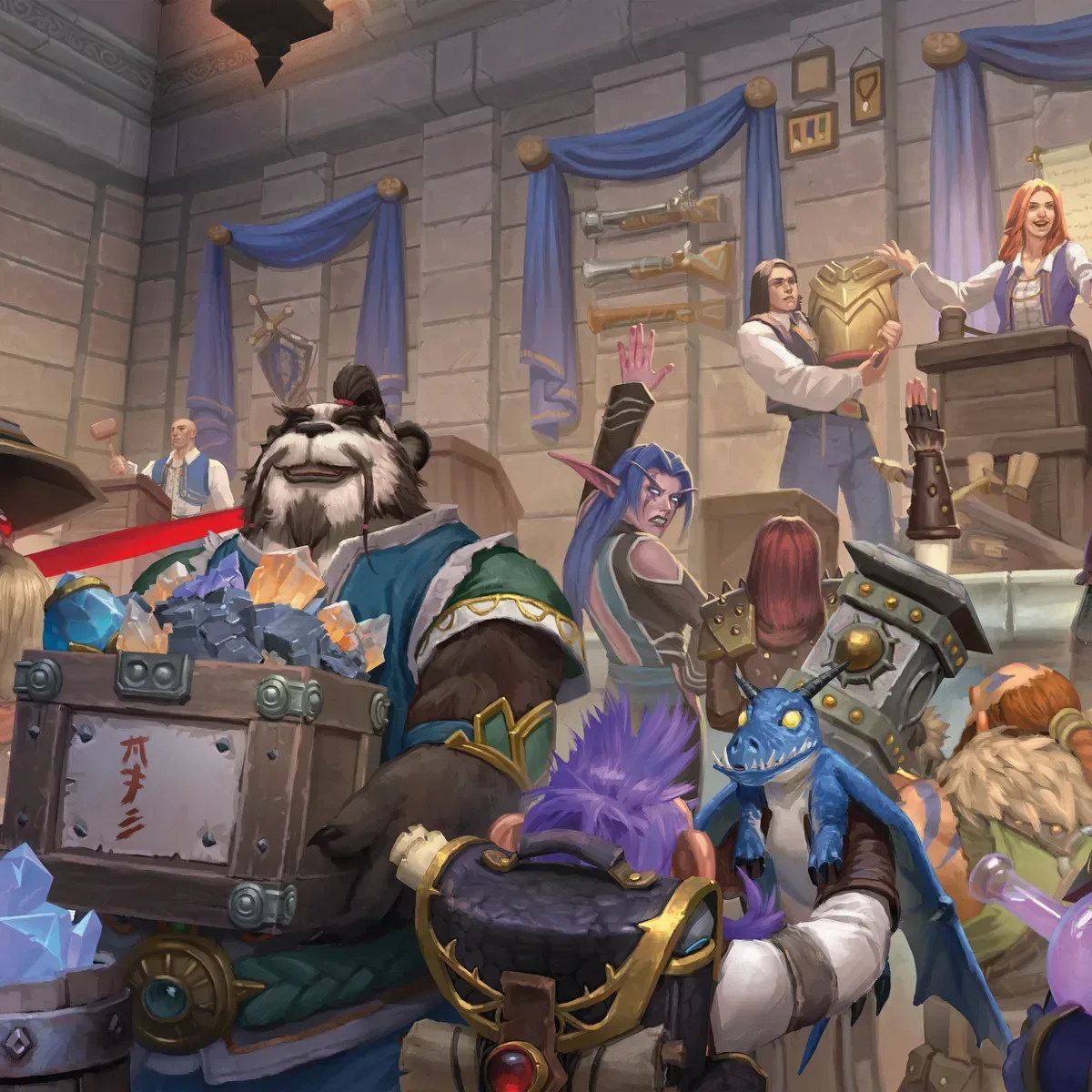
There is a broader pop-culture parallel in the way worlds move between formats. Tabletop projects can similarly aim to translate a recognizable setting without simply copying the mechanics of its original medium, as explored in the discussion around bringing Azeroth to the tabletop. The formats differ, but the core challenge is familiar: preserve what makes a property distinct while building something that works on its own terms.
Millar’s account of Lee’s advice does not rewrite the complexities of creator rights, nor does it claim that original ownership guarantees success. Its force is in its clarity. Millar was told to think beyond the next assignment, to make an original thing, and to recognize that success in another medium might not automatically reward the person who helped create the source material. Wanted, Millarworld, and the projects that followed are the career path he says grew from that realization.