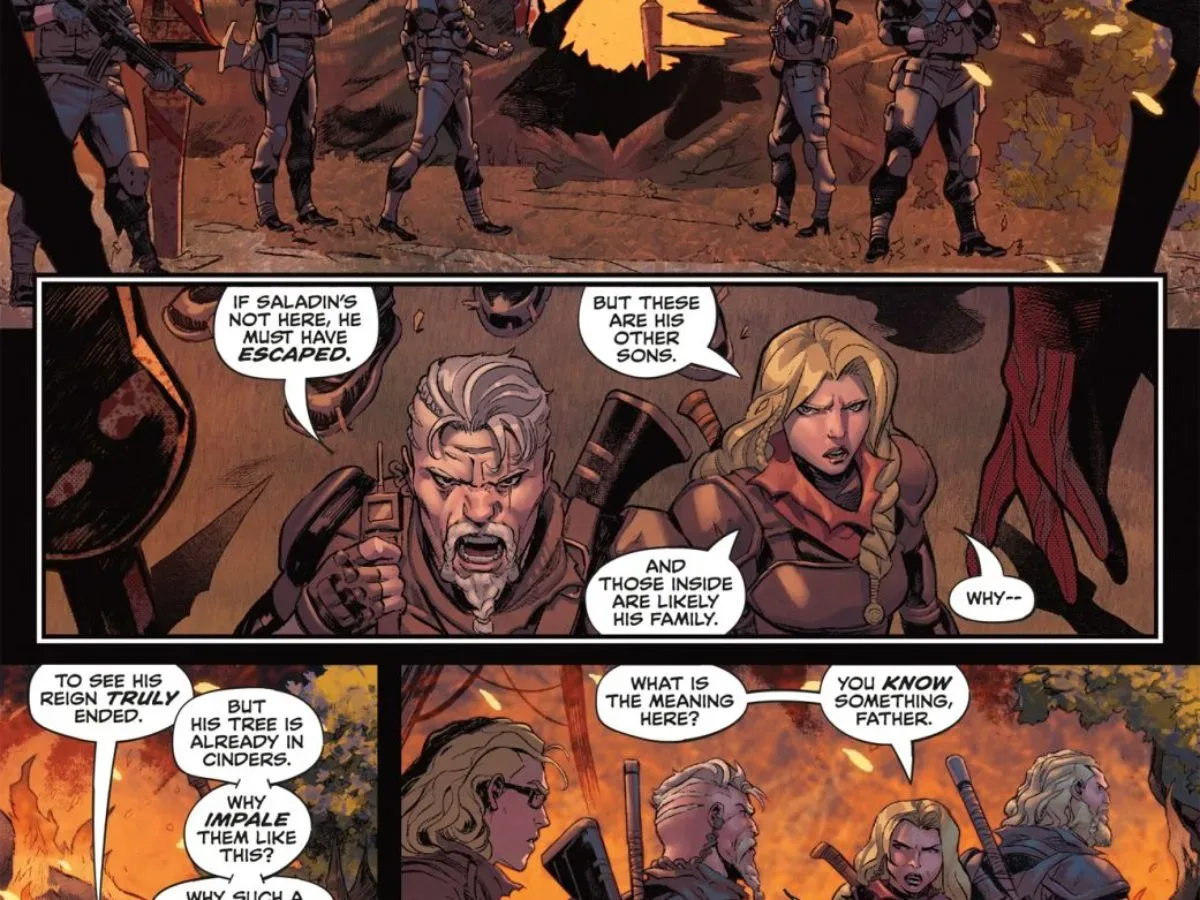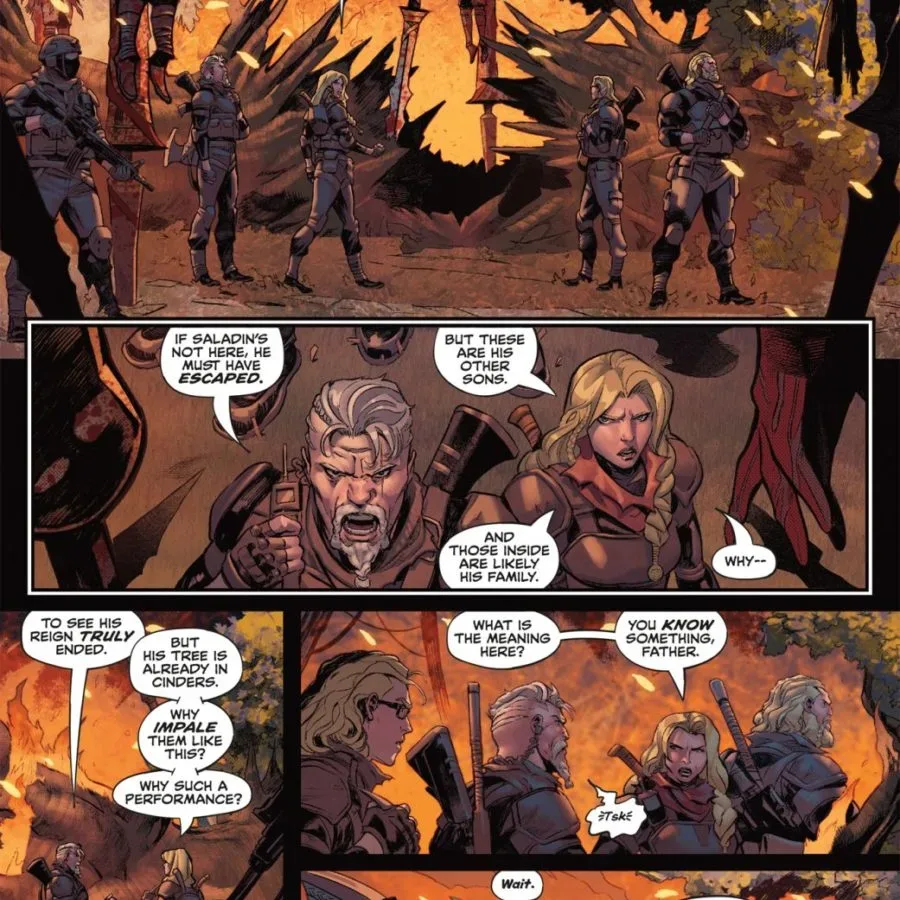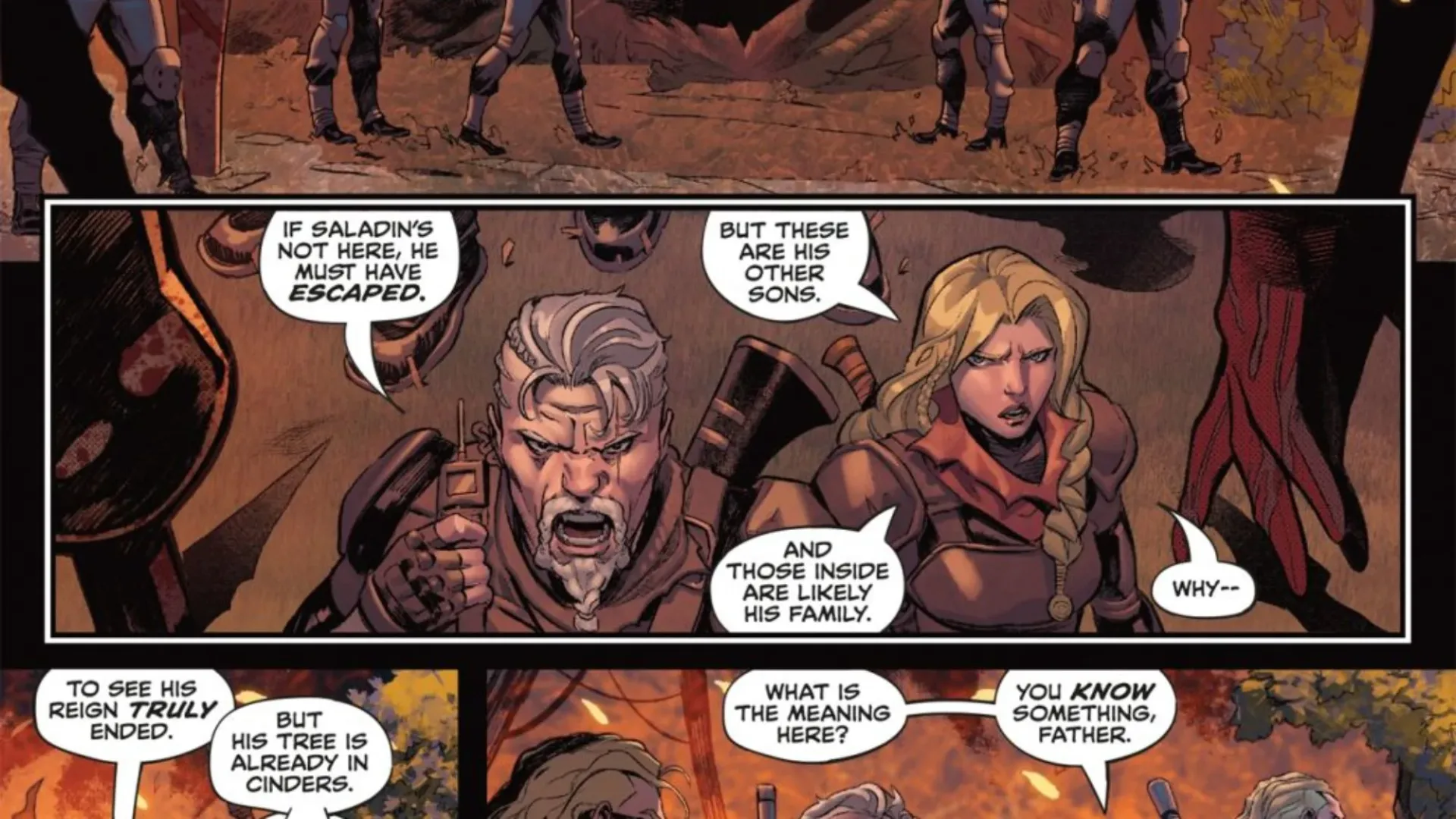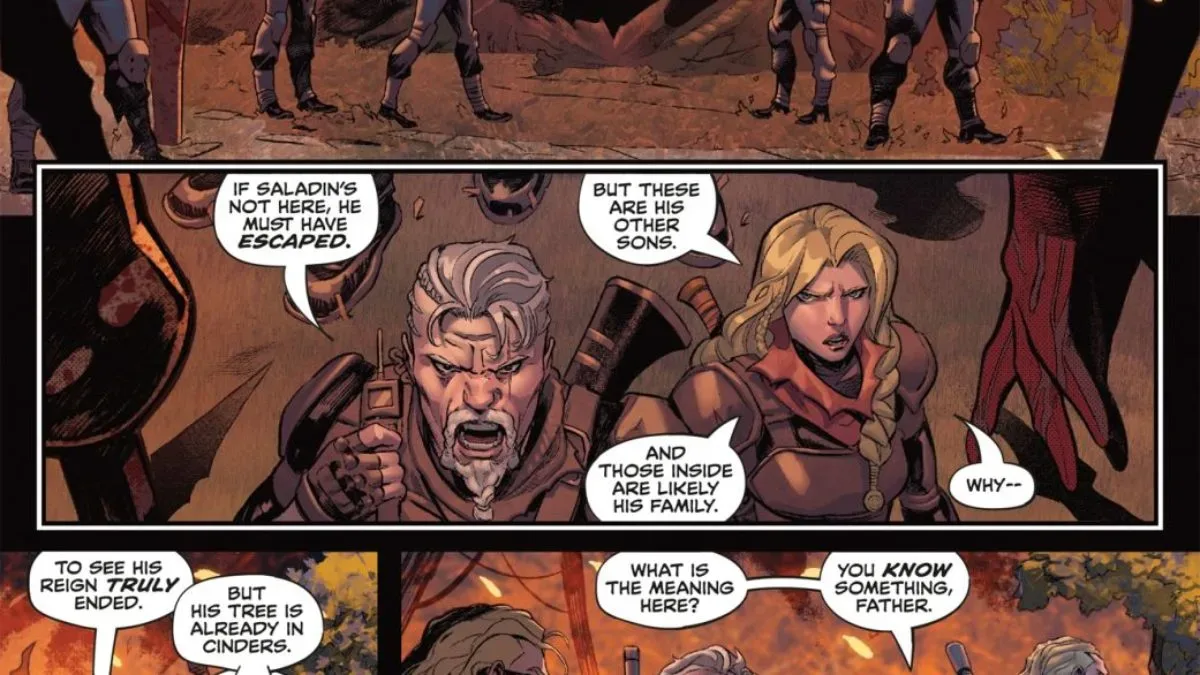
Kill All Immortals III #1 launches the final chapter of the immortal Asvald family’s story on October 7, 2026. Published by Dark Horse Comics, the 32-page, Rated T+ issue begins a five-part series focused on Frey Asvald, the only daughter of a billionaire Viking family whose long-held secret is immortality.
The central premise is built on a useful contradiction: immense wealth and endless life have not made the Asvalds stable, safe or united. Frey previously rebelled against her barbaric father, leaving the family splintered and injured. Now, rival immortals are pursuing the weakened dynasty, and Frey faces her most dangerous opponents yet.
That pressure leads to the key conflict for this new arc. Frey must decide whether she values freedom from perpetual conflict or Viking vengeance. The setup suggests a finale concerned less with merely surviving an action-heavy clash than with what a person does after a lifetime shaped by family violence, inherited power and revenge.
A finale built around a fractured immortal family
“Immortality” is the story’s essential speculative-fiction device: the Asvalds possess the means to live beyond an ordinary human lifespan. Yet the issue description does not frame that condition as a simple superpower. It is inseparable from the family’s status, their internal rebellion and the attention of other beings who share—or contest—the same extraordinary condition.
Frey’s situation has multiple fronts. Her own relatives are wounded and divided following her revolt against their father. Outside that domestic struggle are rival immortals who want the Asvalds dead. That combination gives the series a clear stakes structure: a family crisis operates inside a larger survival conflict.
The word “Viking” also appears to carry more weight than aesthetic shorthand. The Asvalds are identified as a Viking family, while Frey’s possible choice is specifically described as “Viking vengeance.” In other words, revenge seems tied to lineage and identity as much as immediate anger. The question is whether Frey can step outside a cycle that has helped define her family, even while enemies close in.
What readers can expect from issue #1
As the first installment in a five-issue finale, Kill All Immortals III #1 is positioned to establish the decisive conflict rather than resolve it. The solicited material identifies rival immortals as the immediate threat and Frey’s freedom-versus-vengeance decision as the emotional hinge. Readers should therefore expect the issue to put both pressures into motion: escalating danger from outside the Asvald family and unresolved consequences within it.
The title is also direct about the scale of the conflict. Killing an immortal is, by definition, harder than defeating an opponent whose life can end conventionally. The supplied description does not explain the specific rules, limits or origin of the Asvalds’ immortality, so it would be premature to assume how their powers work or what vulnerabilities they possess. What is confirmed is that rival immortals are able to threaten them, making the family’s apparent invulnerability far from absolute in practical terms.
That uncertainty is part of what makes the premise compelling. A character can have immense resources, extraordinary longevity and a famous family name, but none of those guarantee control. Frey’s decision is framed as personal, while the consequences are likely to be much wider.
The creative team and cover lineup
Kill All Immortals III #1 credits Zack Kaplan, Francesco Mortarino, Thiago Rocha and Hassan Otsmane-Elhaou. Oliver Barrett provides the main cover. The issue will also have variant covers by Eliza Ivanova, Elena Casagrande and Jenny Frison, with Frison also credited for a 1:20 virgin variant.
For comic buyers, “variant cover” means an alternate piece of cover art issued for the same comic-book issue. The story and standard interior content are not identified as different in the listing; the variation is in the cover presentation. A “virgin” cover generally means a version without the usual cover trade dress or logo treatment over the artwork, although collectors should check final retailer listings for how a specific edition is presented and ordered.
The 1:20 designation is a retailer-incentive ratio. In plain terms, it denotes a cover retailers can typically order based on qualifying orders of the standard issue, at a ratio of one incentive copy for every 20 qualifying copies. That structure can make an incentive edition less widely stocked than regular covers, but it does not by itself establish a comic’s long-term value or availability.
Edition details and buying information
- On sale: October 7, 2026
- Publisher: Dark Horse Comics
- Format: 32 pages
- Rating: T+
- U.S. price: $4.99
- Canadian price: $6.99 for the listed variants
- Finale length: Five issues
The principal issue is listed under item code 76156801632100111. The alternate-cover codes are 76156801632100121 for the Eliza Ivanova cover, 76156801632100131 for the Elena Casagrande cover, 76156801632100141 for the Jenny Frison cover and 76156801632100151 for the 1:20 Jenny Frison virgin variant.
Those codes can be useful when asking a local comic shop about a particular edition, especially when several covers share the same issue number. Availability may differ by retailer, particularly for the incentive variant, so readers who want a certain cover may wish to place an order before release rather than assume copies will be on the shelf.
Why Frey’s decision matters
The most interesting element in the solicitation is not simply that Frey has enemies, but that she is asked to choose between two fundamentally different responses to a life of war. Freedom implies breaking away from the conflict that has defined her family. Vengeance implies accepting the logic of that conflict and answering violence in kind.
Neither option is presented as easy. Frey’s father is described as barbaric, and her rebellion against him clearly had a cost. Meanwhile, the family is under active threat from rival immortals. A wish to end the war may be morally or emotionally appealing, but it is not automatically the safer path when adversaries are seeking your death. Conversely, pursuing revenge may offer clarity and momentum while binding Frey even more tightly to the legacy she challenged.
This is the sort of character crossroads that can give a final arc a purpose beyond sheer escalation. The question is not only whether Frey can defeat dangerous opponents. It is whether defeating them on their own violent terms would actually amount to winning.
Readers looking for another discussion of where to begin with a major comics line can also explore three standout entry points in DC’s Absolute Universe. Kill All Immortals III #1, however, has its own clearly defined entry point: the opening issue of its final five-part run, with Frey Asvald’s family feud and immortal war both reaching a crucial stage.