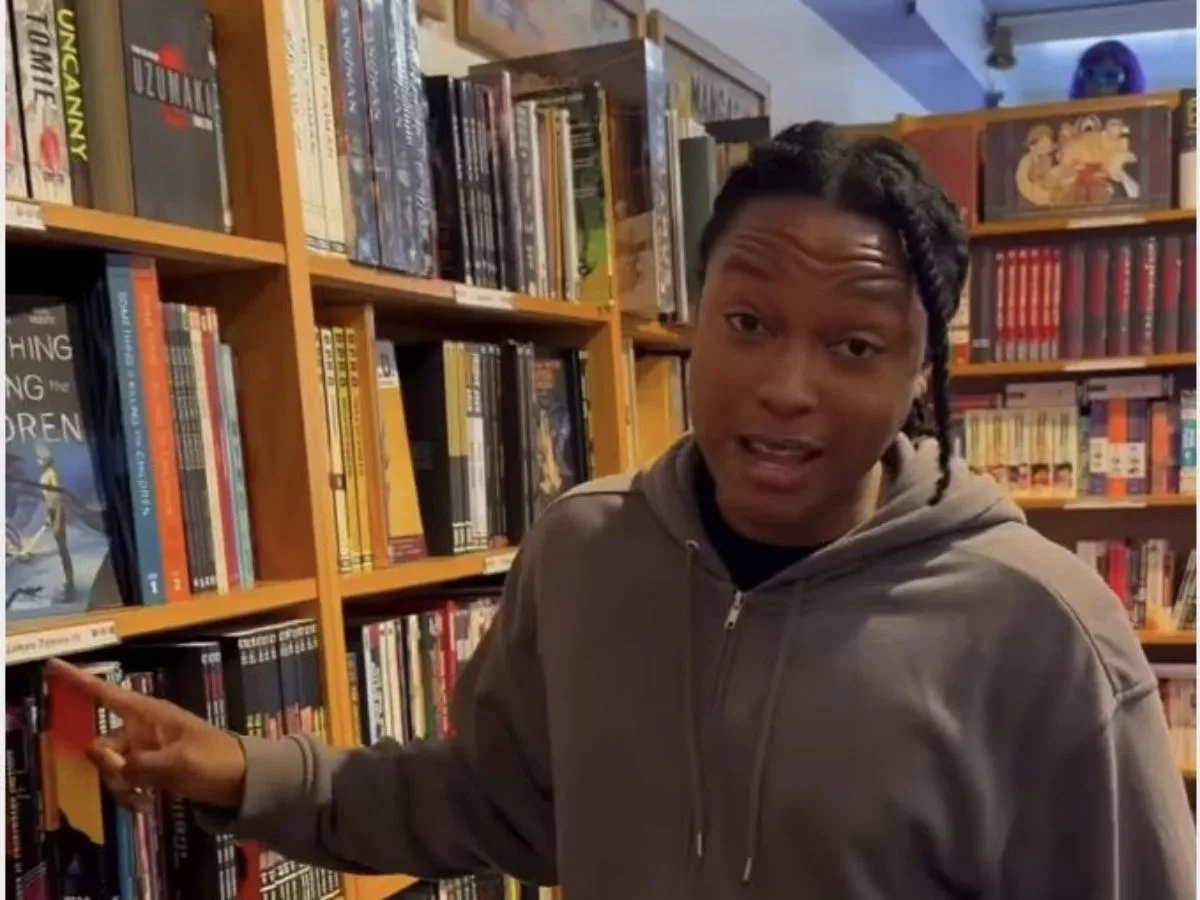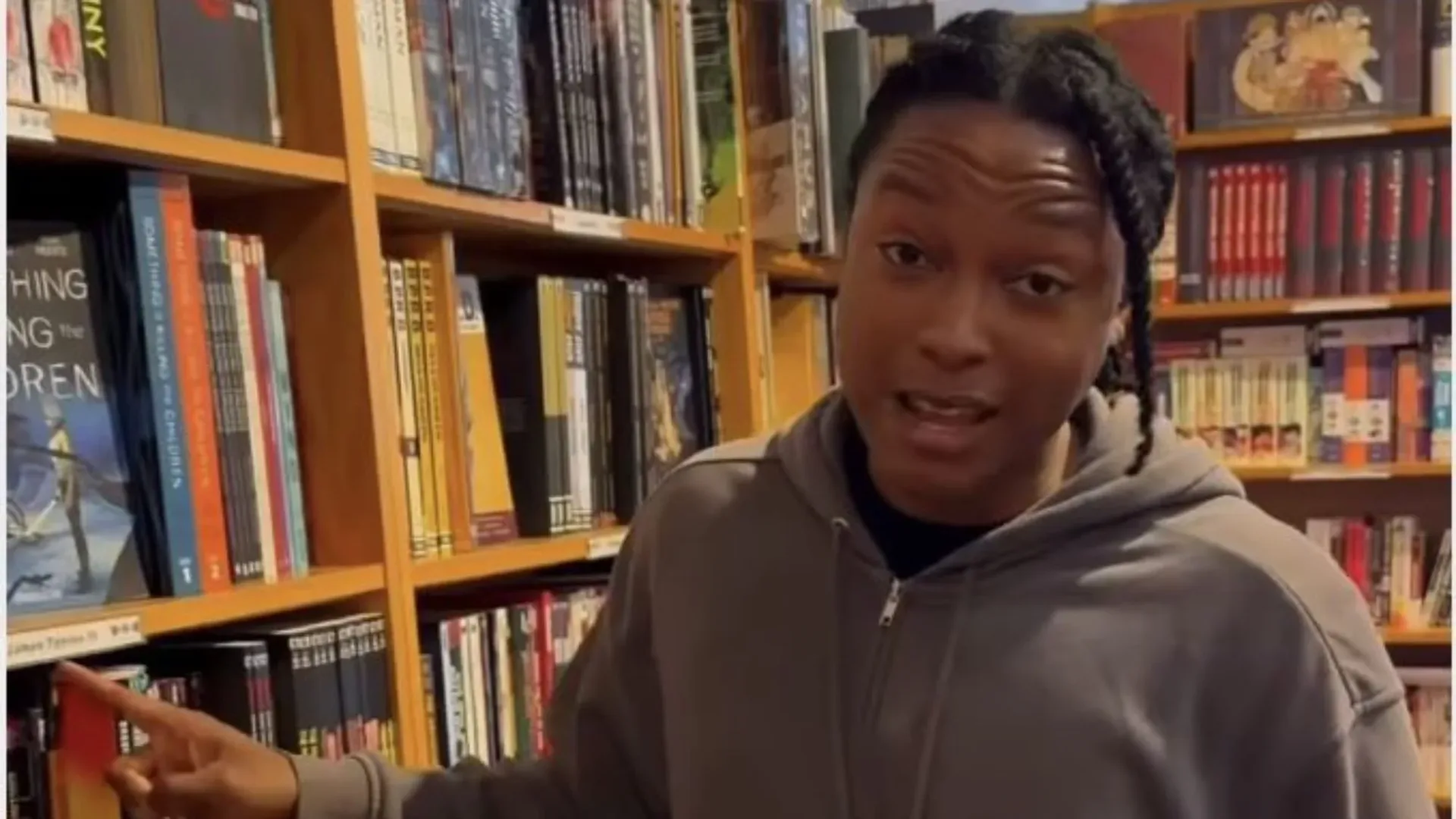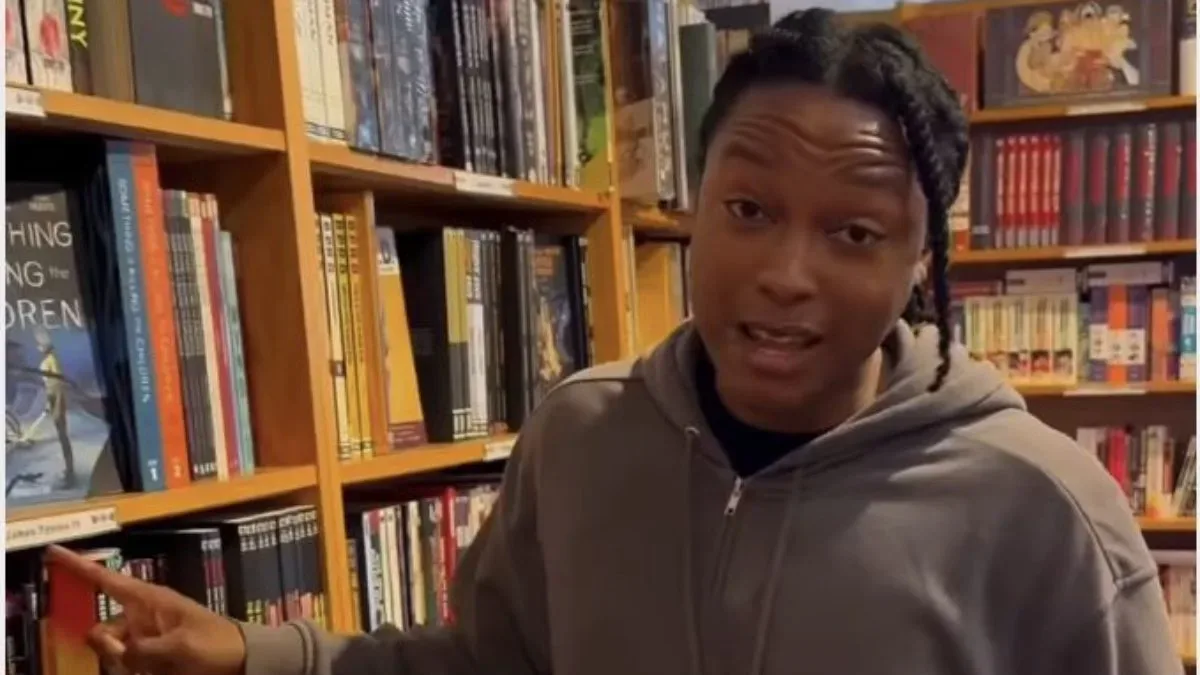
Josh Johnson’s comedy tour has developed an appealing side quest for comic readers: stopping by local comic shops, browsing their shelves and sharing short videos from the visit across social platforms. The visits are reportedly unplanned and unpaid, a detail that matters because it makes the clips feel less like conventional promotional campaigns and more like a touring reader’s genuine detour.
For independent retailers, that distinction can be valuable. A comic shop’s stock, staff knowledge and atmosphere are difficult to convey through a standard directory listing. A brief video of someone walking the aisles, noticing a wall display or reacting to an unexpected specialty item can show viewers what makes that individual store worth visiting. Johnson has said he tries to visit a comic shop in every city where he performs, and several recent stops demonstrate just how varied those stores can be.
The project also arrives at a moment when “comic shop” is an increasingly broad label. Some of the retailers Johnson has featured are longstanding specialty stores centered on new single issues and collected editions. Others build their identity around local art, independent work, gallery space, vintage objects or wider pop-culture inventory. The common denominator is not one format or one publisher; it is a physical place where readers can encounter work they may not have sought out on their own.
A road map through very different comic stores
In Minneapolis, Johnson visited Odd Mart at 2520 Lyndale Avenue South. Founded by illustrator, animator and clothing designer Brad McGinty, the store opened in October 2023 and grew from McGinty’s earlier GLORP Gum mail-order project. Odd Mart combines independent comics with local art, vintage goods and its owner’s own products. Its personality is intentionally strange, shaped by monster art, eyeballs, oddball characters and underground comics. Johnson did more than scan shelves during the stop: he also tried making buttons.
That is a useful example of why a shop visit can tell a richer story than a recommendation alone. In this case, the merchandise and the making process are part of the appeal. The store is not simply a place to obtain a weekly issue; it reflects an artist-run approach that links comics with apparel, stickers, self-made objects and visual culture.
Rick’s Comic City in Nashville represents another established retail model. Located at 2720 Old Lebanon Road, Suite 104, it opened in 2000, moved to a larger unit in the same plaza in 2008, and relocated to its current suite in 2018 when space was needed for the Donelson Library. Owner Rick Parman also expanded to Clarksville in 2015. The shop says it carries one of Middle Tennessee’s largest selections of new comics and trade paperbacks.
Trade paperback is a common comics-retail term for a bound collection, usually gathering issues of a serialized story in a book-like format. For a newcomer, those collections can offer a less intimidating entrance than hunting down individual chapters. For a dedicated reader, they create another way to maintain a library of favorite runs. A retailer that gives both formats serious space can serve readers who follow monthly releases as well as those who wait for a full storyline.
In Roseville, Minnesota, Johnson called Comic Book College one of the most impressive stores he had encountered on the road. The shop is located at 1430 County Road C West, Unit 800. Owner Tim Lohn has described it as Minnesota’s longest-running comic-book specialty store, with roots going back to 1974 through multiple owners and locations. Lohn took over in 2003, and the business moved from Minneapolis to Roseville in 2022.
Longevity alone does not guarantee a shop’s relevance, but it does underline how comic retail can evolve through changing locations, ownership and reader habits. Stores with decades behind them often carry institutional knowledge: a sense of which creators have a local following, what formats regulars seek out, and how to connect a new reader with material that suits their taste.
San Francisco’s two distinct stops
Johnson’s San Francisco visits make the diversity especially clear. Mission Comics, at 2250 Mission Street, is owned by Leef Smith and combines comic retail with an art-gallery dimension. Smith began the business after being made redundant in 2008, drawing inspiration from the Mission’s art scene, Buddhist practice and ideas about local, sustainable business. In 2026, Smith announced a second location at 5196 Mission Street in the Excelsior.
The gallery element is significant because comics have always overlapped with illustration, printmaking and design, even when retail spaces separate those worlds. A shop that presents comics beside art can make the relationship visible and invite readers to consider the page as both storytelling and visual craft.
Comix Experience, at 305 Divisadero Street, offers a different kind of continuity. Founded by Brian Hibbs in 1989, it is widely described as San Francisco’s oldest comic shop still operating in its original location. The shop initially balanced mainstream comics with independent material and zines, then increasingly emphasized graphic novels and collections. Its shelves are curated by creator and interest, supported by staff recommendations, signings and a monthly Graphic Novel Club.
Curated shelving means organization designed to help discovery rather than merely filing books by publisher or title. Grouping work by creator or subject can make a connection easier to spot: a reader who enjoyed one artist may find adjacent projects, while someone interested in a theme can see options across different publishers. It is a retail choice that treats browsing as part of the experience.
Hibbs later noted that Johnson’s drop-in was entirely his own idea and that he was not working that day. That detail reinforces the informal nature of the wider series of visits. It is not a pre-arranged celebrity appearance with the standard machinery of promotion; at least in this case, it happened without the owner even being present.
Back issues, full runs and community space
At Dr. Volt’s Comic Connection/The Nerd Store at The Gateway in Salt Lake City, Johnson browsed Ed Brubaker titles, graded comics and a complete run of Something Is Killing the Children before purchasing several books. Dr. Volt’s, described as Utah’s oldest comic shop, now shares a larger downtown storefront at 79 S Rio Grande with The Nerd Store, a pop-culture chain owned by the same family. Brothers Roger and Charles Prows bought Dr. Volt’s in 2021 and moved it to the Gateway location in 2024.
A full run is a complete sequence of issues from a series or a defined stretch of that series. For readers, a complete run makes it possible to experience a serialized story without gaps. For collectors, it can be desirable as a coherent set. Graded comics, meanwhile, are books assessed for condition and enclosed in protective holders by a grading service. Their presence beside regular reading copies illustrates how one shop can serve multiple kinds of customer: the person buying a story to read tonight and the person seeking an item whose condition is central to its value.
Fantom Comics in Washington, D.C., is another stop with a clear local identity. Located at 2010 P Street NW on the second floor, Fantom opened in 2005. Current manager and co-owner Jacob Shapiro joined around 2014. The store subsequently received a Best Comic Shop in D.C. recognition from a local publication, adding to its profile as a destination for readers in the city.
These examples are not interchangeable storefronts. Odd Mart’s artist-led eccentricity, Comic Book College’s long specialty-retail history, Mission Comics’ gallery perspective, Comix Experience’s creator-oriented curation, Dr. Volt’s mix of reading and collectible formats, and Fantom’s D.C. presence all point to different approaches. The surprise-visit format gives each retailer a chance to present that distinction to an audience well beyond its neighborhood.
Johnson’s reading interests make the stops more legible
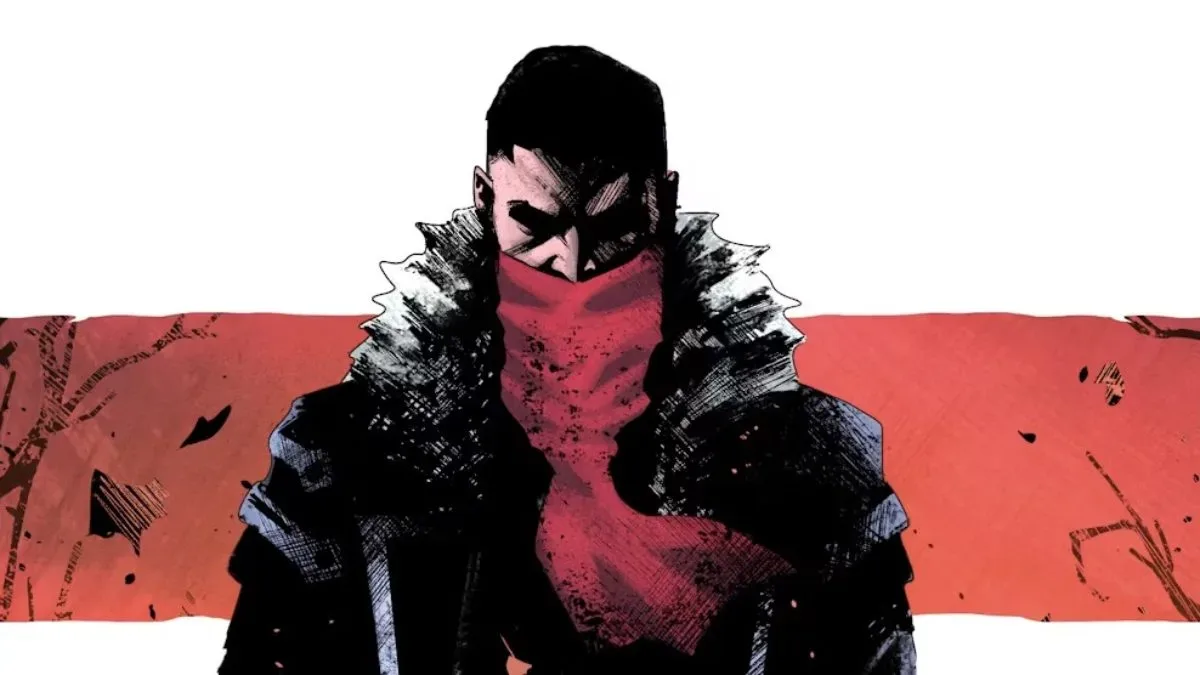
Johnson has discussed reading James Tynion IV and Darryl Cunningham, and has indicated a preference for Image’s creator-owned work while still enjoying characters from DC and Marvel. That mix is important context for the shop visits. It suggests an interest that extends beyond one superhero universe or one style of comic, and it helps explain why stores with strong independent, graphic-novel and back-issue offerings would be natural places to explore.
Creator-owned generally refers to work in which its creators retain ownership rather than producing stories around a publisher-owned character. It is a meaningful category for readers because it often encompasses a wide range of genres and personal approaches, though it should not be treated as a quality label by itself. Mainstream superhero publishing, independent books, nonfiction comics, zines and creator-owned series can all offer worthwhile work; the point is that shops can help readers navigate the range.
Readers curious about how comics can extend stories beyond games may also want to see the announced canonical Darkest Dungeon II graphic novel planned for 2027. It is a separate project, but it illustrates why knowledgeable local retailers and book clubs can be useful: comics frequently intersect with games, television, film and creator-driven worlds while remaining their own medium.
What the tour could mean for stores in upcoming cities
Johnson’s Comedy Band Camp itinerary continues through 2026 and 2027. Dates listed for 2026 include Madison, Milwaukee, Vancouver, St. Louis, Philadelphia, Seattle, Honolulu, Detroit, St. Petersburg and Orlando. The 2027 schedule then spans cities including Miami, New Orleans, San Diego, New York City, Austin, Atlanta, Denver, Dallas, Boston, Portland, Baltimore, London, Chicago and Los Angeles, among many others.
That schedule should not be read as a promise that a comic-shop visit will happen in every city. Johnson has expressed the goal of visiting a store wherever he plays, but tour plans and individual drop-ins can change. Still, the pattern gives retailers and fans a practical reason to pay attention. Johnson regularly asks for recommendations in Instagram comments, so local readers who know a special shop have a direct way to put it on his radar.
For shop owners, the sensible takeaway is not to build a marketing strategy around an unexpected celebrity appearance. Instead, these videos spotlight the basics that already make an independent store memorable: a distinctive point of view, a welcoming space for browsing, staff recommendations, clear shelves and an identity that cannot be replicated by a generic product page. If Johnson walks through the door, that may create a burst of attention. If he does not, those same qualities are still what give customers a reason to return.
There is also a modest cultural benefit in the visits themselves. Comics coverage can easily narrow its focus to blockbuster adaptations, major publisher announcements or record-setting sales. A touring comedian browsing a neighborhood shop redirects attention to the everyday infrastructure of reading: people who maintain shelves, recommend stories, host events and keep a place available for curiosity. The clips are short, but the stores behind them carry much longer histories.