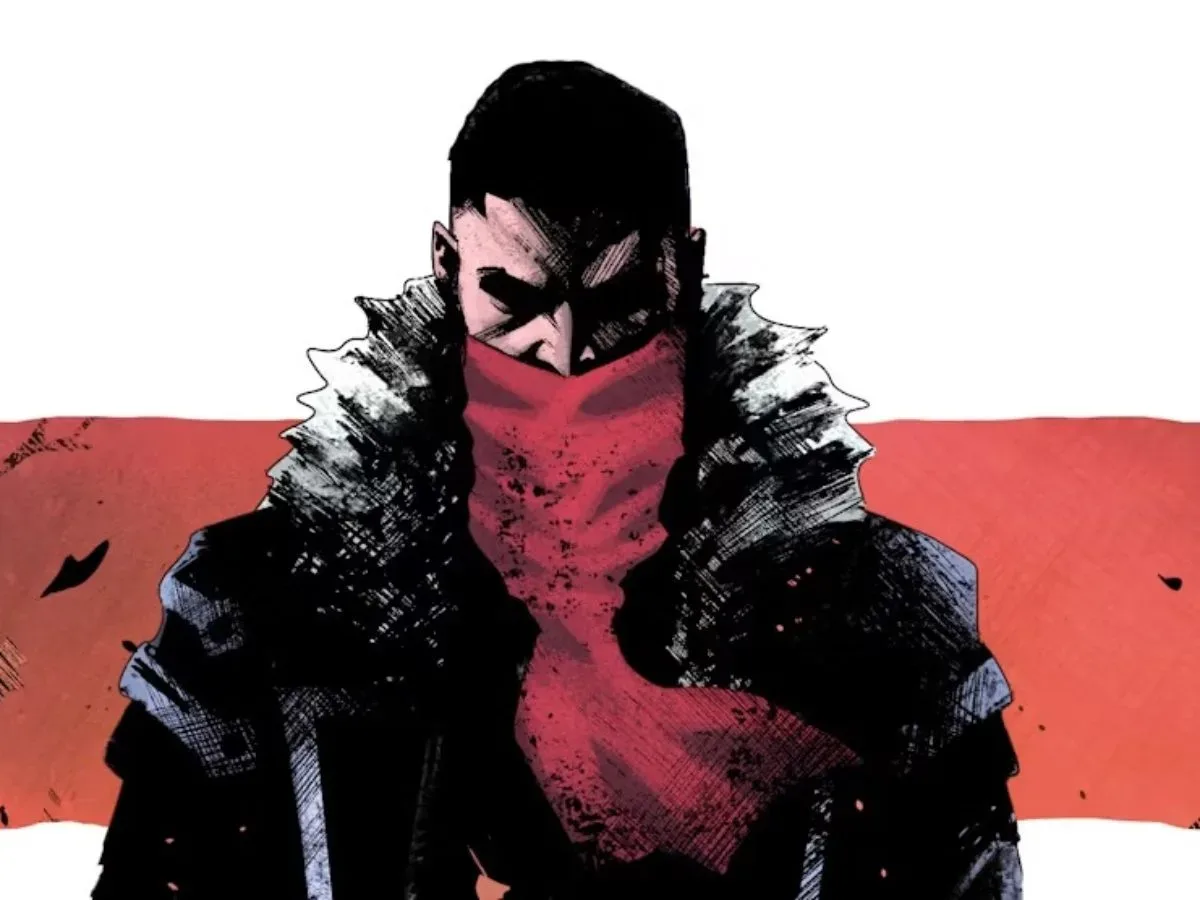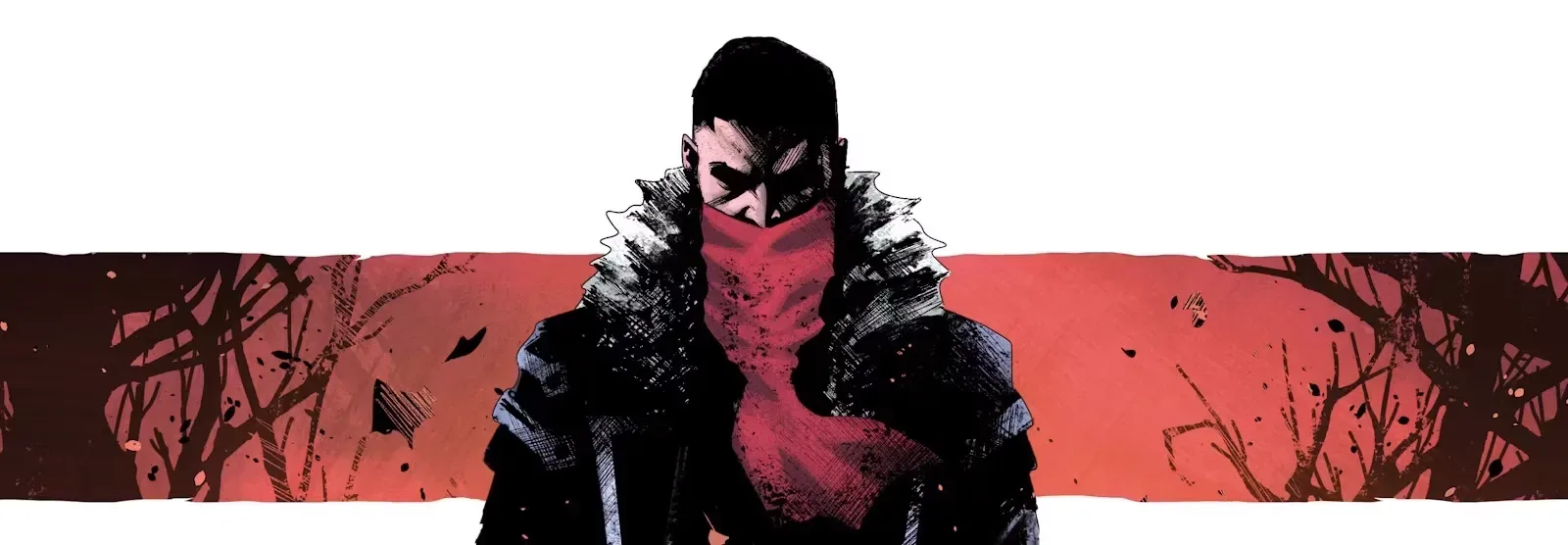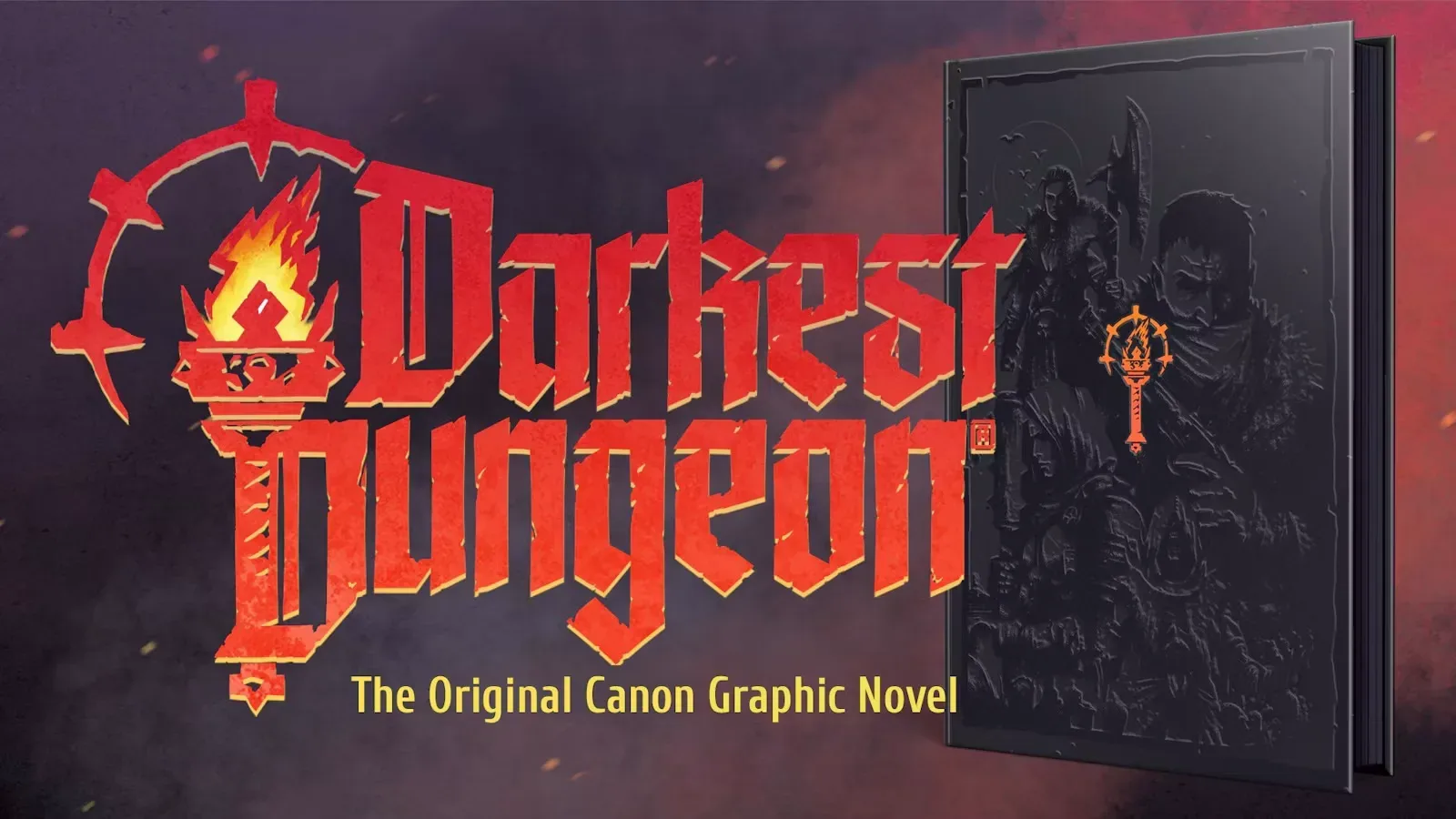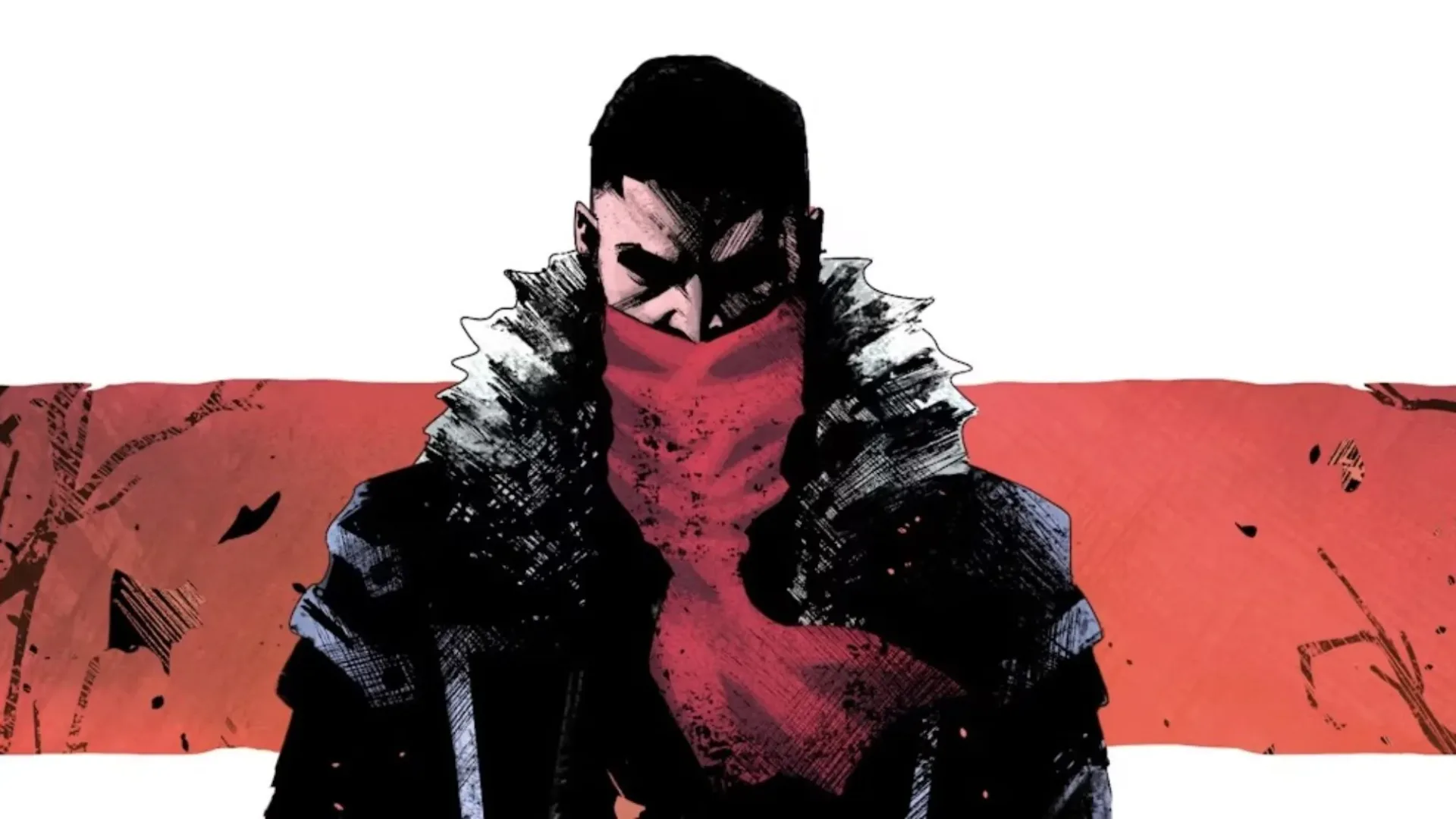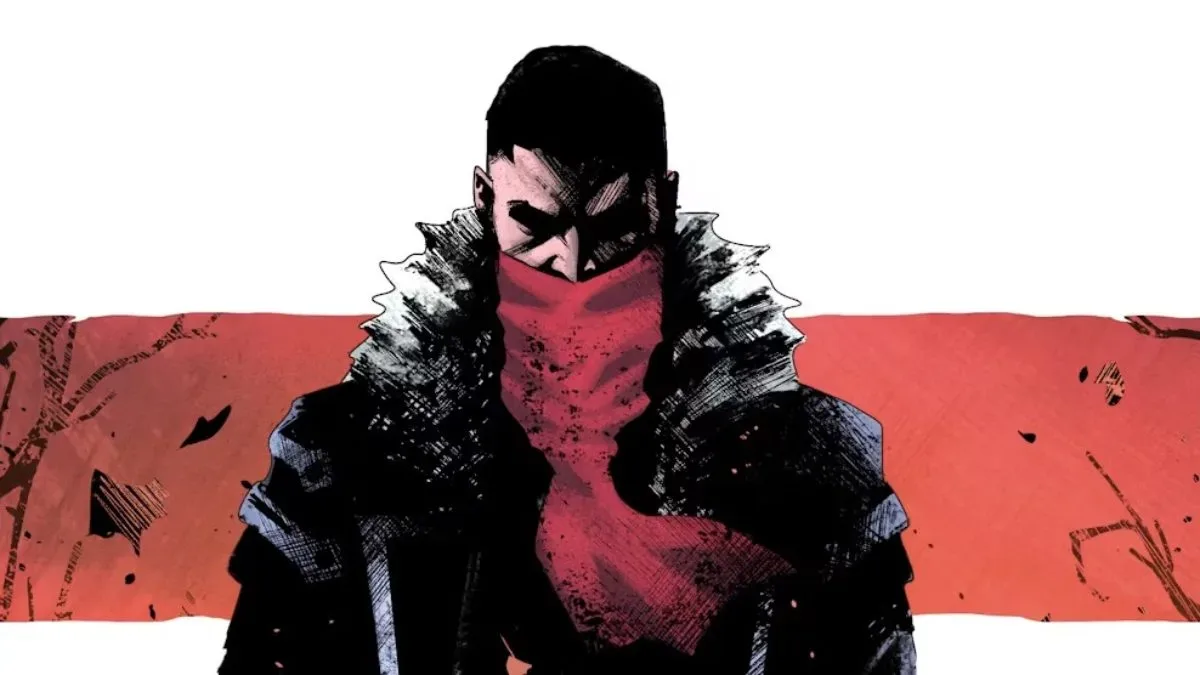
Darkest Dungeon is heading from the stagecoach to the comic page. A 200-page graphic novel set after the events of Darkest Dungeon II is planned for 2027. The project is described as a canonical continuation of the dark-fantasy game universe rather than a side story merely borrowing its imagery, which makes it a potentially meaningful next chapter for players invested in the setting’s lore and its battered cast of heroes.
The book will follow an ensemble confronting previously unseen evils in unfamiliar territory after the events of the second game. John Lees is writing in collaboration with Darkest Dungeon co-founder and creative director Chris Bourassa. Maan House is drawing the volume, with colours by Steve Canon and lettering by Andworld Studio.
That creative arrangement matters. A game tie-in can be many things: a standalone tale, an alternate interpretation, a prequel designed to fill a small blank in continuity, or a true narrative extension. Here, the stated goal is the latter. Bourassa has characterized the book as a significant canonical addition that will offer new lore insights to established fans while also introducing the setting, tone, and characters to comic readers who have not played the games.
“This book will be a meaningful, canonical entry in the ongoing lore of Darkest Dungeon, offering long-time fans new and important insights while introducing new readers to the characters, tone, and world that made our games so successful.” — Chris Bourassa
For more context, explore Fitbit Edge Leak Points to a Screened, GPS-Ready Middle Ground Between Air and Pixel Watch 5.
A sequel after the road to the mountain
The placement after Darkest Dungeon II distinguishes the graphic novel from an adaptation of the games’ existing story. The original Darkest Dungeon, released in 2016, begins with a player inheriting an estate whose prior owner dug into catacombs and ruins in pursuit of black magic. That excavation unleashes horrors, cultists, and cosmic corruption across the surrounding land. Players recruit expeditions to venture below the estate, reclaim what has been lost, and eventually confront the origin of the disaster.
Darkest Dungeon II shifts the structure substantially. Rather than managing repeated descents from an inherited manor, players lead a party of four aboard a stagecoach across branching roads in an apocalyptic world, moving toward a distant mountain. The new graphic novel picks up after that journey, giving its creators room to explore consequences rather than simply repeat the premise of either game.
“Canonical” is the important term here. In franchise storytelling, it means the events are intended to belong to the official continuity. For readers, that creates a different expectation than a loose licensed comic: character developments, revelations, and threats introduced in the volume may be relevant to the wider world of Darkest Dungeon. It does not, by itself, tell readers exactly which heroes appear or what future games might do with the material. But it does mean the book is being positioned as part of the ongoing narrative rather than decorative supplementary fiction.
Why comics suit this particular kind of horror
The games have built their identity around oppressive mood, psychological strain, perilous expeditions, and dark fantasy imagery. Turning that experience into a comic will require a different way of creating tension. A game can make danger felt through player decisions, party management, branching routes, and the risk carried by each encounter. A comic has no player-controlled expedition. Instead, its pressure must come from pacing, page composition, what is withheld from view, the physical state of the characters, and the cumulative effect of the art and lettering.
The announced team suggests a deliberate attempt to preserve that atmosphere. Lees has said the story is interested in seemingly impossible obstacles, conflicts that continue to spiral, and people pursued by their own pasts. Its themes include what comes after failure and trauma. Those ideas sit naturally beside a series where survival has never been presented as clean, triumphant, or free of consequence.
House’s heavily inked, gritty approach is also being presented as a close match for the franchise’s horror aesthetic. That is a useful fit for a setting defined by decay, threat, and the sense that the world itself has been contaminated by forces beyond ordinary human control. Canon’s colour work and Andworld Studio’s lettering are likewise part of the visual storytelling toolkit. In horror comics, colour can establish dread, distance, contamination, and sudden contrast, while lettering helps determine whether a moment feels hushed, frantic, abrasive, or ceremonially ominous.
The result will not be a playable version of Darkest Dungeon II, nor does it appear intended to be. The opportunity is to translate the series’ emotional core into a medium where readers must live with each image for as long as the page remains open. A 200-page format gives the team enough space to develop an ensemble and sustain an expedition-sized threat without reducing the project to a brief promotional one-shot.
The creative team and the promise of a new entry point
Lees comes to the project after work on The Nasty and Sink. House’s previous credits include Dark Souls: Mother of Mourning and The Cemeterians. The latter connection is especially notable at the level of tone, not because the two properties are being treated as the same world, but because the assignment calls for artists comfortable with bleak fantasy and horror-inflected environments.
Bourassa’s involvement gives the project a direct creative bridge to the games. For longtime players, that offers a reason to regard the graphic novel as more than a branding exercise. For newcomers, it may be an accessible doorway into a world that otherwise asks them to absorb a substantial amount of game-specific structure and terminology.
That double function is difficult but sensible. The comic needs to reward readers who understand the devastation surrounding the estate and the long road toward the mountain, while remaining readable for someone encountering the franchise through sequential art for the first time. The stated focus on character, fear, trauma, and unfamiliar threats may help it accomplish both. Those are legible stakes even without a player’s knowledge of every prior encounter, route, or game system.
BackerKit campaign plans include an Expedition-style unlock system
The project is being prepared for a BackerKit campaign. Its pre-launch page has already passed 12,000 followers. A $1 reservation is intended to secure pre-launch bonuses that can be added to a physical pledge once the campaign is live. The listed bonuses are a digital download, bookmark, and sticker.
Several pledge formats are expected, including digital, standard, deluxe, sampler, and completionist options. Limited commission opportunities from House are also planned. Exact contents, final pricing, production details, and campaign timing beyond the planned 2027 release have not been specified in the information available so far, so prospective backers should treat those tier names as expected formats rather than a complete final catalogue.
The campaign’s more unusual component is an interactive “Expedition” unlock system inspired by the games. As funding goals are reached, backers will vote on routes and rewards. In broad terms, an unlock system adds extras as a campaign meets predetermined milestones; the Expedition variation turns some of those additions into a participatory path choice. It is an apt thematic use of crowdfunding because it echoes the branching-road concept of Darkest Dungeon II, while still keeping the decision in the hands of supporters rather than a party of in-game adventurers.
There is a practical distinction worth keeping in mind: the campaign’s interactive features and reservation rewards concern the crowdfunding edition and its extras, whereas the comic’s canonical status concerns the story itself. Readers interested primarily in official lore may focus on the core book. Collectors who value formats, campaign bonuses, or creator commissions will likely want to examine the final pledge tiers carefully once they are published.
What is confirmed, and what remains open
- Confirmed: The graphic novel is planned for 2027 and is set after Darkest Dungeon II.
- Confirmed: It is being positioned as a canonical story in the franchise’s continuity.
- Confirmed: The volume is planned to run 200 pages.
- Confirmed: Lees is writing with Bourassa, while House, Canon, and Andworld Studio are handling art, colours, and lettering.
- Confirmed: A BackerKit campaign will include a pre-launch reservation offer and an Expedition-style interactive unlock concept.
- Still unspecified: The final release schedule, complete tier contents, pricing, and the detailed identities of the ensemble and new antagonistic forces.
For a series so concerned with dread, attrition, and the scars carried out of catastrophe, a post-Darkest Dungeon II story has a strong thematic premise before a single interior page has been shown. The central question is not simply what new evil awaits beyond the road, but what remains of people who have already faced disaster—and whether confronting it was ever the same thing as escaping it.