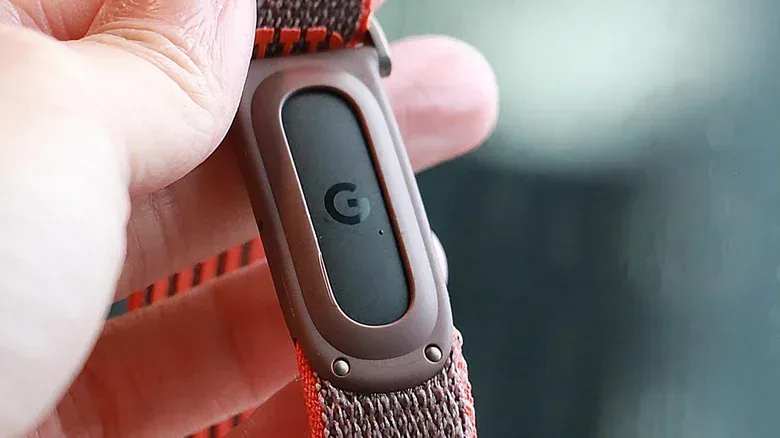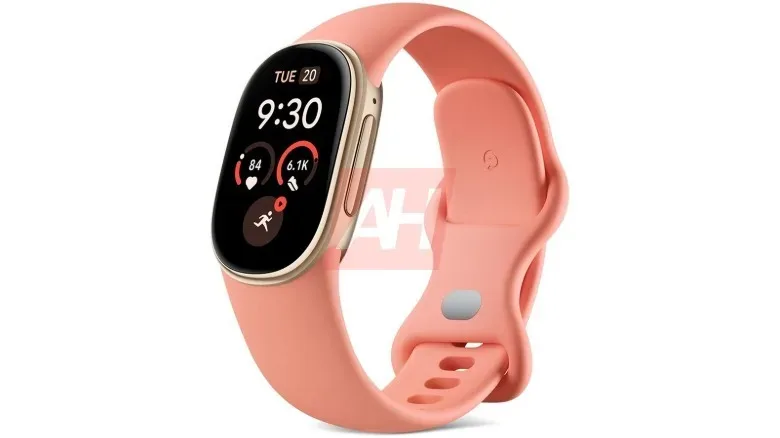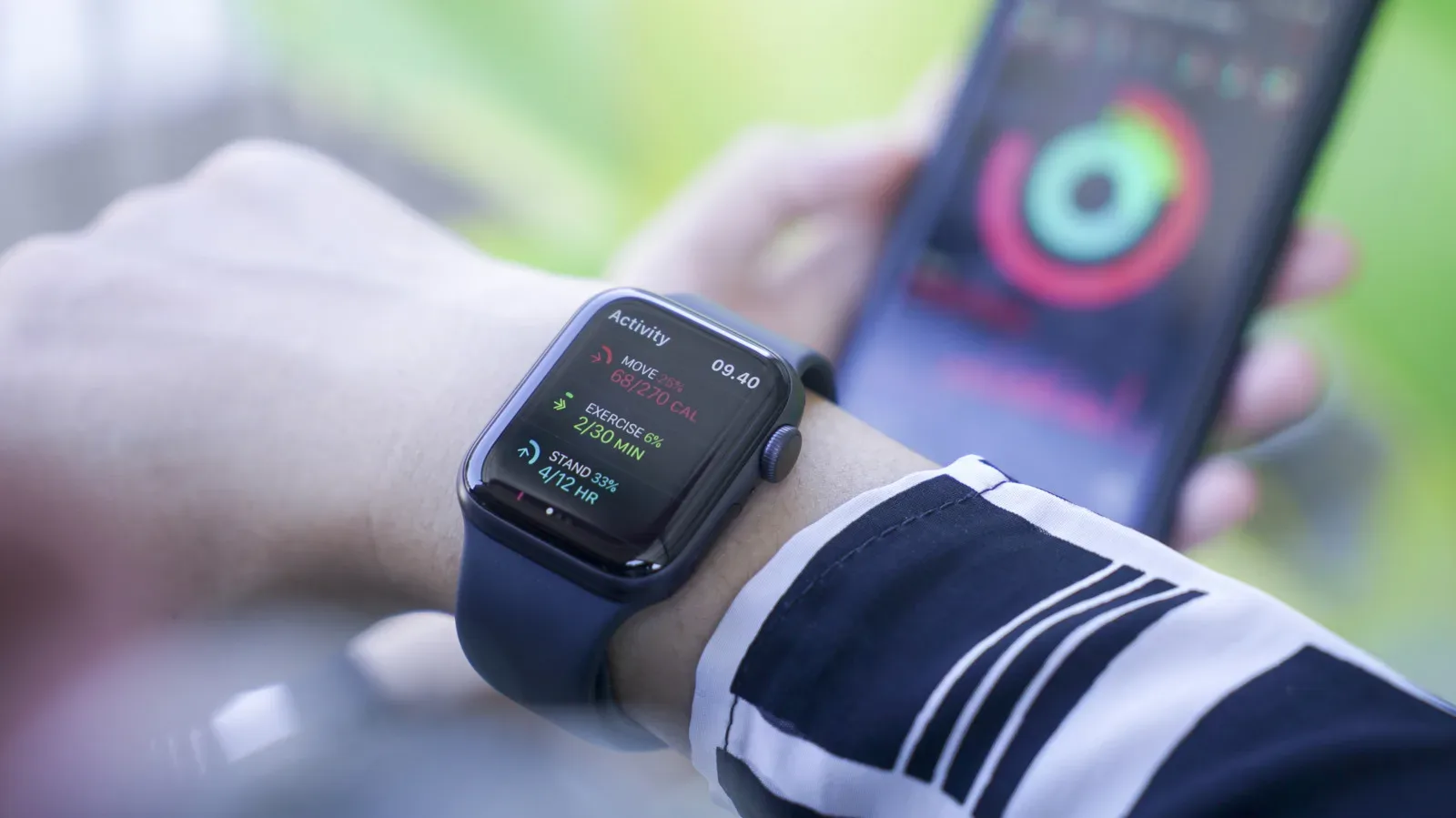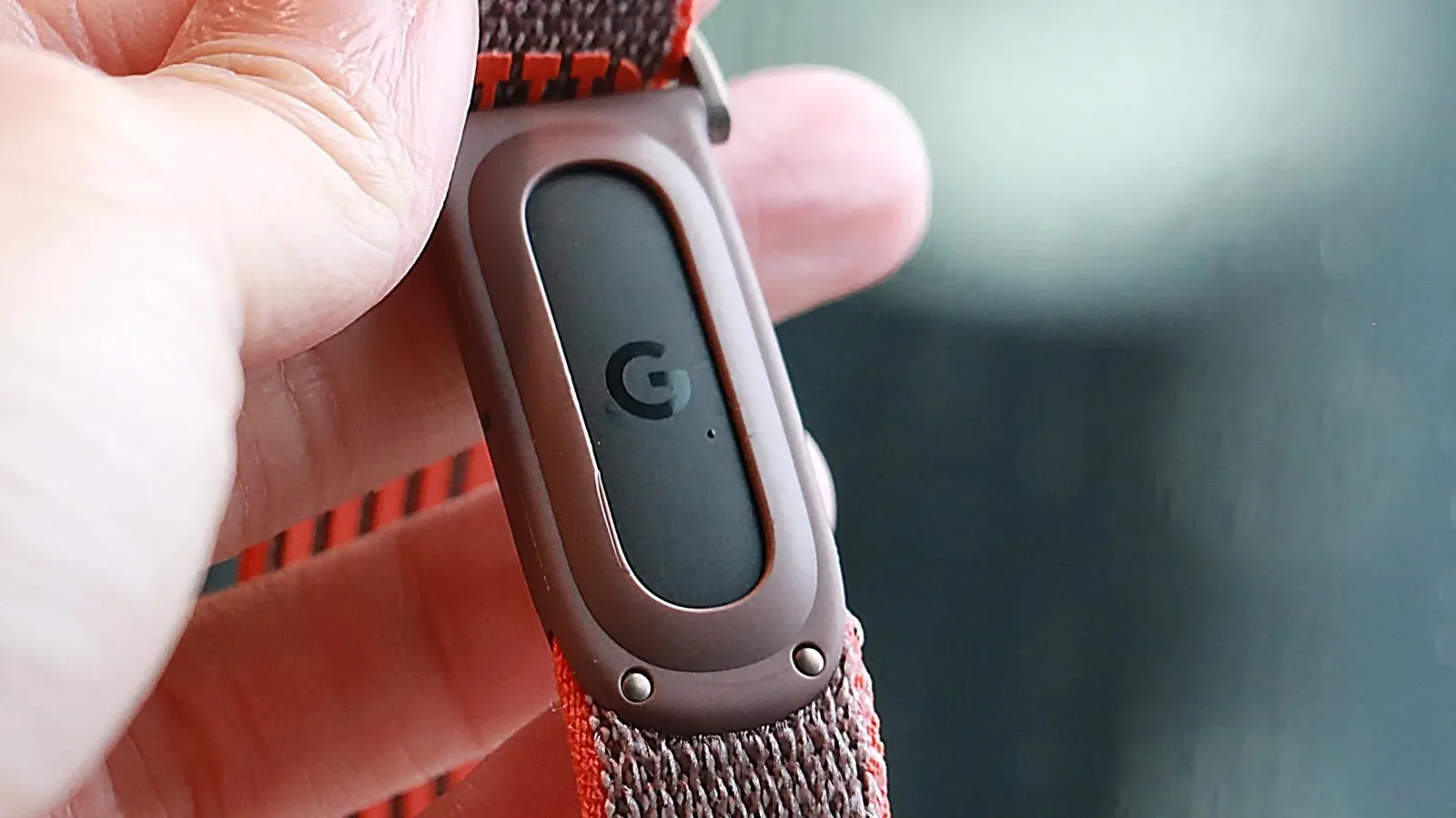
Google may be preparing a new Fitbit that tries to occupy the increasingly important space between a basic tracker and a full smartwatch. Leaked details point to a device called the Fitbit Edge, a compact wearable reportedly equipped with a screen, GPS, notifications, an altimeter and limited access to apps including Google Maps and YouTube Music.
The proposed device would sit above the Fitbit Air but below the Pixel Watch 5 in capability and, potentially, cost. That makes the Edge interesting less as a dramatic reinvention of fitness tracking and more as an attempt to restore a practical middle tier: a band-style tracker with enough navigation, activity and phone-connected functionality to feel modern, without becoming a large, expensive watch that needs frequent charging.
Nothing in the leak amounts to a formal product confirmation, and specifications, names, colours, pricing and timing can all change before a device reaches stores. Still, the reported outline is specific enough to show what role the Fitbit Edge could play if it arrives.
A possible successor to the Fitbit Charge
The Edge is being discussed as a potential replacement for the Fitbit Charge line, last seen in 2023. The comparison is useful because it explains the reported design direction: a smaller display than a conventional smartwatch, paired with fitness-centric essentials such as GPS and notification support.
A compact display matters because it changes what a tracker can do without changing the category entirely. It can present workout figures, alerts and directions at a glance while keeping the device closer to a band than a watch. For people who primarily want activity and health-adjacent tracking, that can be a meaningful trade-off. The appeal is not necessarily having every app and interaction available on the wrist; it is having the few useful functions available with less bulk and less charging anxiety.
The distinction also gives the Edge a clearer identity next to the Fitbit Air and Pixel Watch 5. The Fitbit Air is positioned as the lower-cost option, while the Pixel Watch 5 is the substantially more expensive, Android-only smartwatch. A tracker that lands between them has room to prioritize endurance and core fitness features rather than trying to replicate the full smartwatch experience.
Seven-day battery life is the headline claim
The most consequential reported specification is up to seven days of battery life. Battery estimates depend heavily on settings and usage, particularly on a wearable expected to include GPS, notifications and some app functions. The important qualifier is that seven days is a claimed figure, not yet an independently verified result.
Even so, a week-long target is central to the value proposition. A tracker is most useful when it can remain on the wrist consistently through ordinary routines, workouts and sleep. Regular removal for charging creates gaps in whatever record a person is trying to build. A device intended for daily tracking therefore benefits more from dependable endurance than from a long list of rarely used watch-style features.
GPS is likely to be one of the biggest practical variables. GPS, short for Global Positioning System, lets a wearable determine location and record routes for activities such as walking, running or cycling. It can make an activity record more informative by adding distance and route data, but location tracking is generally more demanding than simply showing the time or collecting basic sensor information. The leaked seven-day figure should consequently be read as a broad target rather than a guarantee for every pattern of use.
That is not a criticism unique to this product. It is simply the key question prospective buyers should reserve until official specifications provide a clearer picture of battery testing conditions, supported settings and GPS behavior.
GPS and an altimeter broaden the fitness pitch
The reported GPS capability suggests the Edge could be aimed at people who want more than basic step totals. Route information is useful for outdoor exercise because it adds spatial context to the activity: where it happened and how far it covered.
The other notable sensor is an altimeter. In simple terms, an altimeter measures altitude or elevation. In the context of a fitness wearable, that could help represent changes in height during an activity. Its presence would distinguish the Edge from the simplest tracker concept, where movement totals are the main focus, and better supports the idea that Google is targeting an active mid-range audience.
Neither GPS nor an altimeter by itself tells the whole story of a workout, and the leak does not provide detailed information about activity modes, data presentation or measurement methods. It would be premature to assume capabilities beyond what has been reported. But together, the two features indicate an effort to retain meaningful outdoor-exercise utility in a more compact form factor.
Limited apps could be the deliberate compromise
The Edge is rumored to support a limited selection of apps, with Google Maps and YouTube Music named as examples. “Limited” is the important word. It implies the Edge may not seek to offer the broad app experience associated with a full smartwatch.
That limitation could be a feature of the product strategy rather than a shortcoming. Full app ecosystems can add complexity, more demanding hardware requirements and additional reasons to interact with the display. A fitness tracker can instead focus on the moments when wrist access makes immediate sense: checking an alert, seeing a direction prompt or controlling music.
Google Maps support would be particularly relevant if the implementation provides useful navigation information in a glanceable format. YouTube Music support, meanwhile, points toward basic media convenience during commutes or exercise. The leak does not spell out exactly how either service would work on the tracker, so it is best not to infer offline playback, standalone connectivity, payment features or other smartwatch functions that have not been described.
This narrower software approach is what makes the reported device sound like a “lite” alternative to the Pixel Watch 5 rather than a budget duplicate. It could preserve a few high-value Google services while avoiding the expectation that every phone task should also live on the wrist.
iOS support could be a major differentiator
One of the most important reported details is platform compatibility. The Fitbit Edge is expected to work with iOS as well as Android, unlike the Android-only Pixel Watch 5.
For potential buyers, compatibility is not a minor specification. It determines whether a wearable is even an option, and it shapes the tracker’s usefulness for notifications and connected features. An iPhone owner looking for a compact fitness band would have a fundamentally different reason to consider the Edge than the Pixel Watch 5, regardless of the latter’s broader smartwatch ambitions.
Supporting both major phone platforms would also fit the Edge’s rumored role as a simpler, cross-platform fitness product. It lets Google aim at people who prefer a tracker-style device without requiring them to switch phone ecosystems. Exact feature parity between iOS and Android has not been detailed, however, so prospective customers should wait for confirmed compatibility requirements and feature lists before treating the support claim as identical functionality on both platforms.
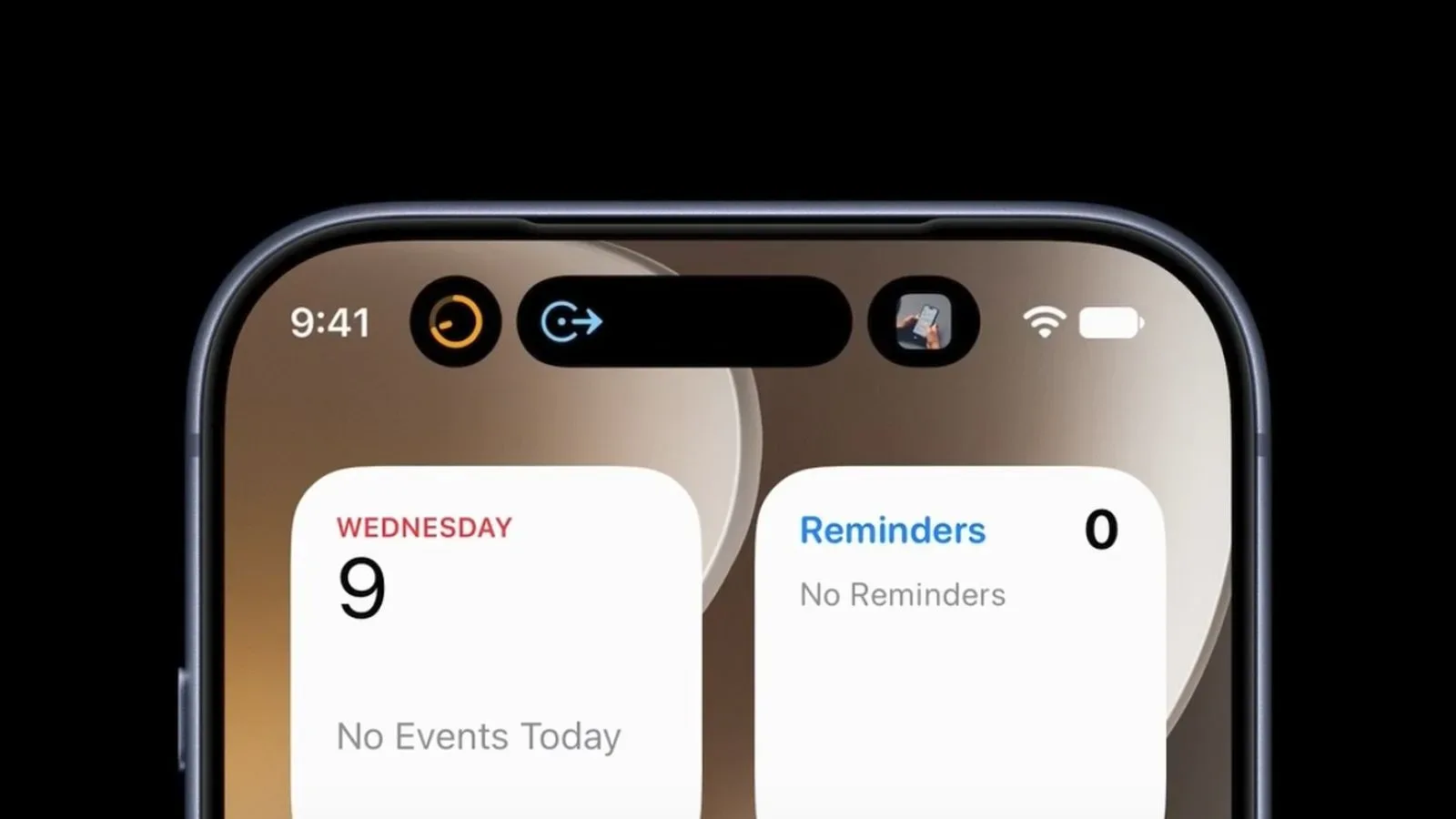
The broader device market continues to make small convenience features matter. For example, phone interfaces are increasingly built around glanceable status information, as seen in this look at how multiple Live Activities could appear on an iPhone display. The Edge’s reported screen, alerts and limited app functions fit that same general preference for quick information rather than prolonged interaction.
Pixel-style colours, but no confirmed final design
The leaked Edge may arrive in colours associated with the Pixel 11 family, including Rose Peach and Olive. This is a small detail compared with battery life and compatibility, but colour coordination can help a wearable feel like part of a larger hardware lineup rather than an isolated fitness accessory.
It is also one of the areas most likely to change before launch. Colour names and finishes are often among the easier elements to revise, and the available information does not establish a complete range or final regional availability. The useful takeaway is simply that Google may be giving the Edge a more contemporary, phone-adjacent aesthetic rather than treating it as a purely utilitarian tracker.
Price and release timing remain estimates
The current expectation is a release in time for the 2026 holiday season. That is still a projected window, not a confirmed launch date.
Pricing is even less certain. The reported estimate places the Edge in roughly the $150 to $200 range. That would put it above the $100 Fitbit Air and well below the $400 Pixel Watch 5, while modestly exceeding the historical $129-to-$179 range cited for the older Fitbit Charge.
Those figures make strategic sense on paper. At around that level, the Edge would need to justify its place with a real step up from the entry-level Fitbit Air—most notably the reported screen, GPS, altimeter and richer connected features—while remaining affordable enough that shoppers do not simply move to the Pixel Watch 5. But it remains an estimate, not a listed price, and a final retail configuration could alter the calculation.
What to watch before treating the Edge as a buying decision
The leak describes a coherent product, but several unanswered questions will determine whether the Fitbit Edge is genuinely compelling:
- Battery conditions: Whether the seven-day estimate includes regular GPS use, notifications and app access is crucial.
- GPS implementation: Confirmation of how route tracking works and how it affects endurance will matter to outdoor exercisers.
- App limits: “Limited” support needs a final definition, especially for Google Maps and YouTube Music.
- Cross-platform details: iOS compatibility is promising, but buyers will need to know whether all key features work on both operating systems.
- Final price: The difference between the low and high end of the estimated range could materially affect its value against the Air and Pixel Watch 5.
For now, the reported Fitbit Edge looks like a potentially sensible answer to a familiar wearable problem: wanting better fitness and location features than a basic band offers, but not wanting the size, price or charging expectations of a conventional smartwatch. If the display, seven-day endurance, GPS, altimeter and iOS support all survive into the final product, Google could have a distinctly useful middle option rather than merely another version of an existing watch.