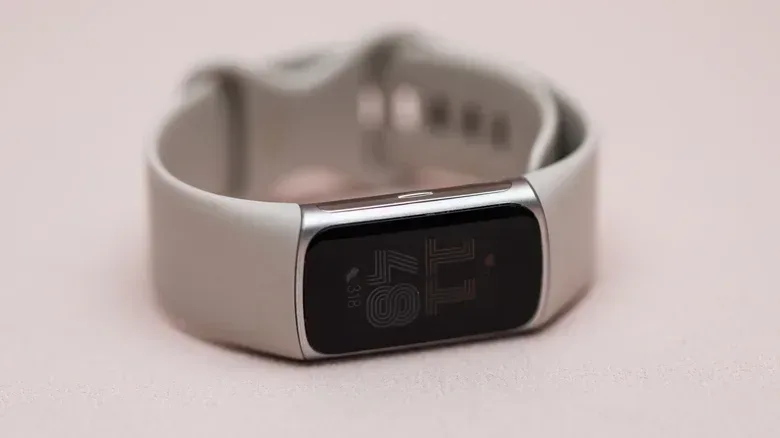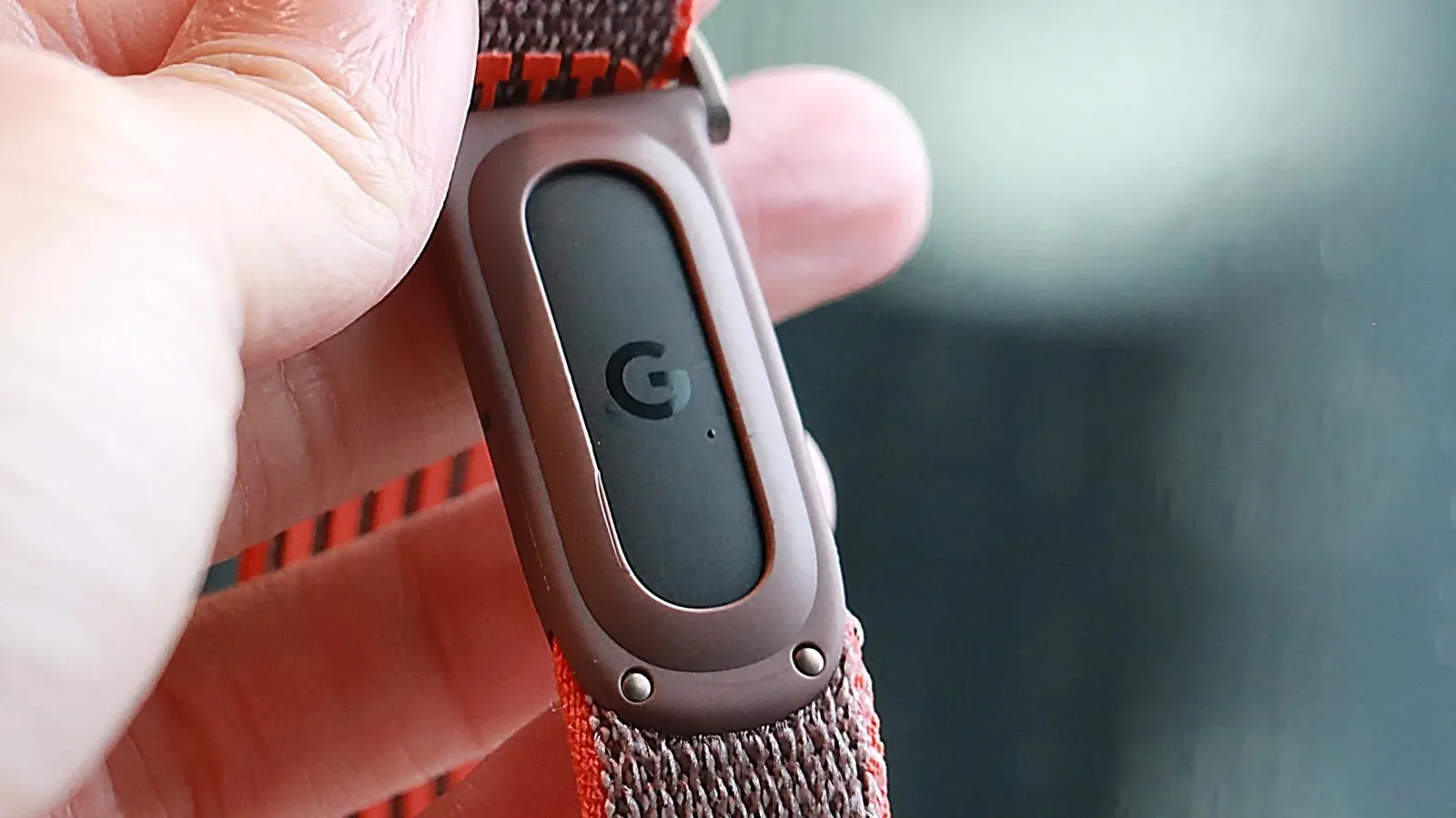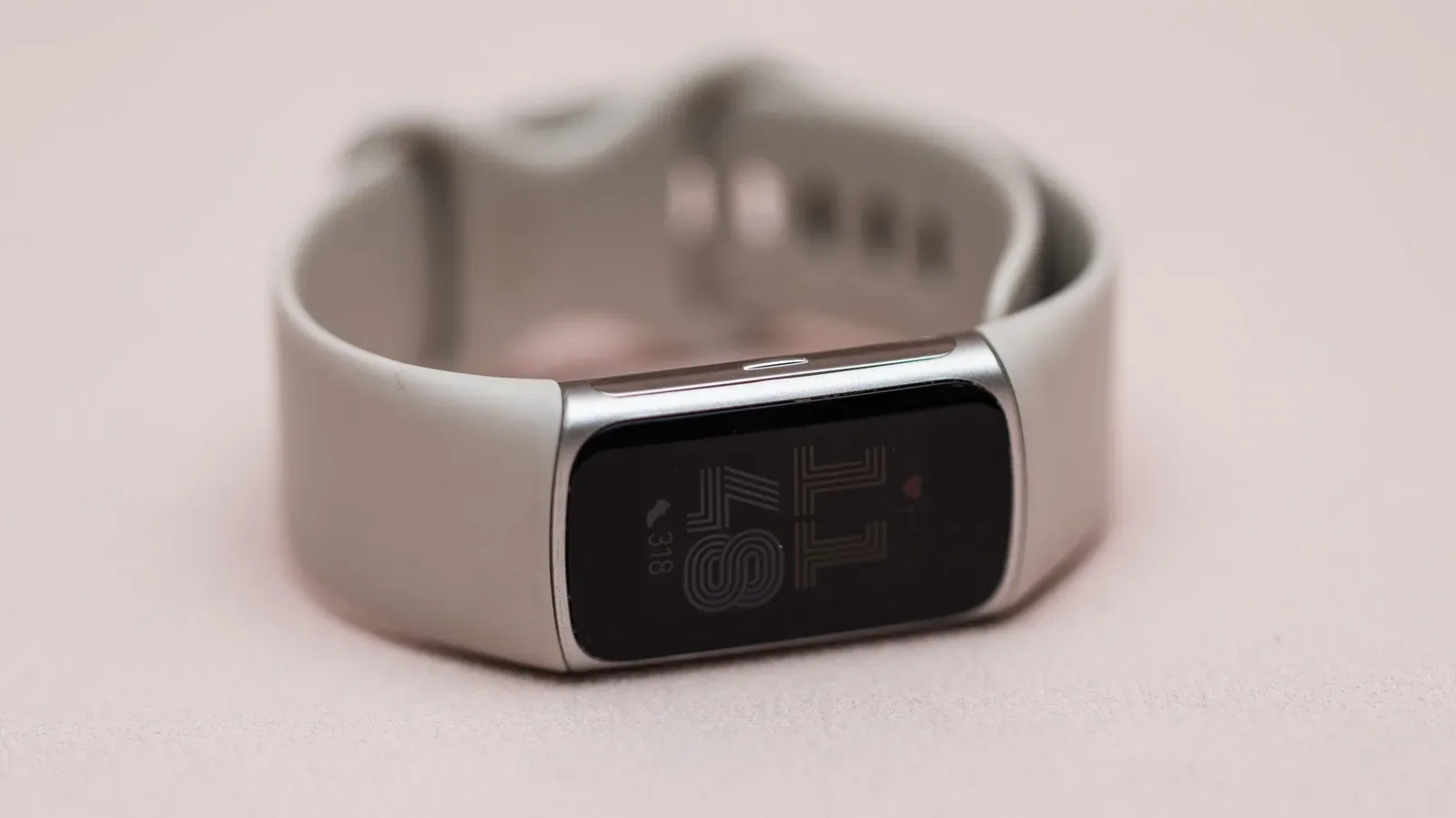
Google appears ready to put another Fitbit-branded tracker on the board. A short teaser shared through its social channels shows what looks like a side button and carries the line, “Get an Edge on your health. 10.12.26.” The unusual capitalization makes the intended name difficult to miss: Fitbit Edge. October 12, 2026 is the apparent reveal date.
The teaser is not a full product announcement. It does not establish a specifications sheet, price, release date, regional availability or the precise health features that will ship on the device. Still, it is a meaningful shift from the previous state of play, where images and product details circulating online had not been accompanied by an equally direct signal from Google itself.
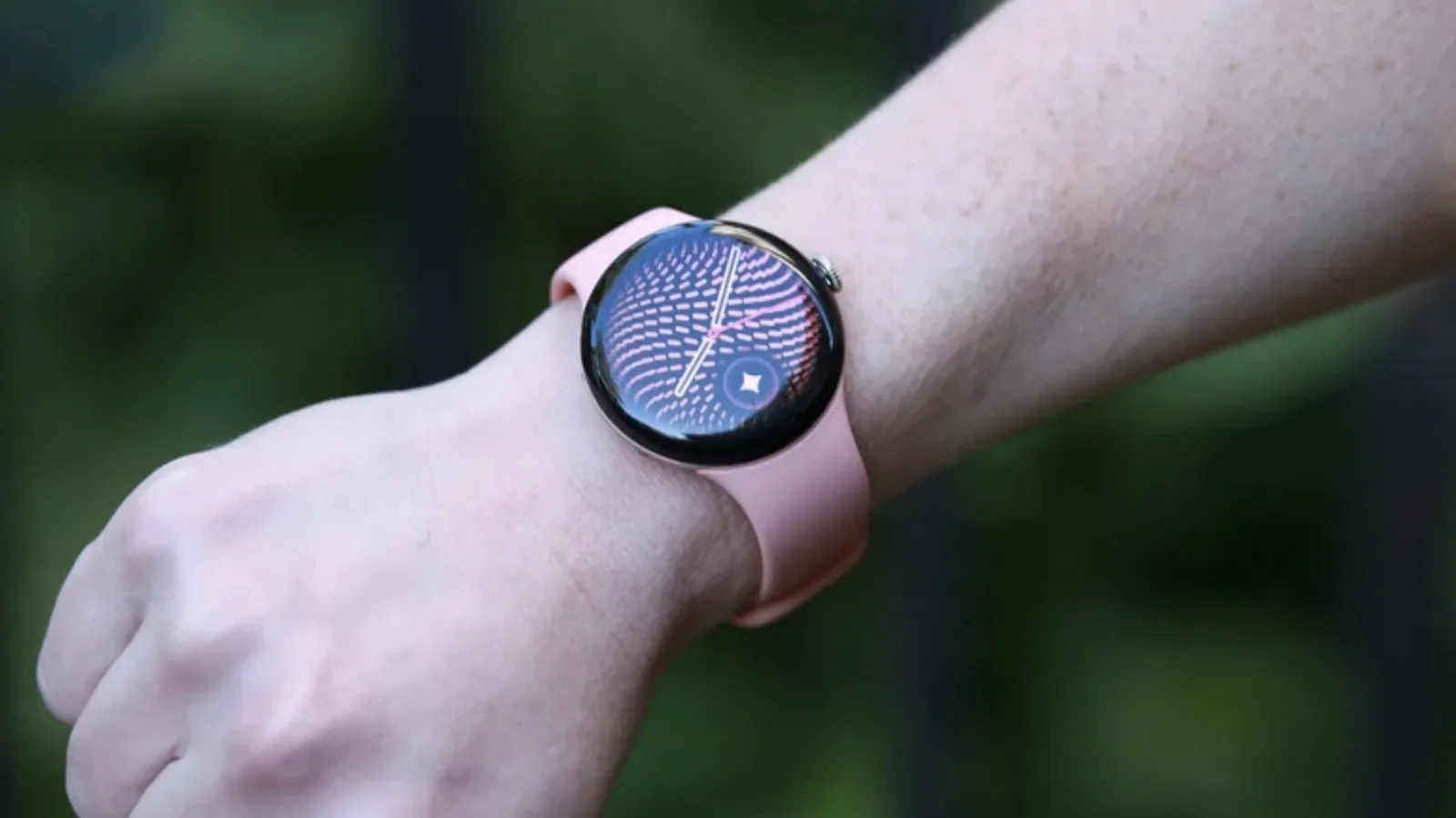
What is emerging is a plausible three-tier Fitbit and Pixel wearable lineup: the screenless Fitbit Air at the lower end, the Pixel Watch 5 at the premium smartwatch end, and a display-equipped Fitbit Edge in the middle. If that positioning holds, the Edge could appeal to people who want more on-device information than a screenless band provides but do not necessarily want a full smartwatch on their wrist.
What Google has actually indicated
Google’s public material is deliberately spare. The image appears to highlight a physical control on the side of the wearable, while the wording joins “Edge” to a health-oriented message. That is enough to make an October 12 unveiling likely and to strongly suggest that Fitbit Edge is the product name. It is not enough to treat every previously reported detail as official.
That distinction matters with consumer technology teasers. A company can indicate that a product exists and still reserve the right to change or withhold information about configurations, software, battery performance, feature availability and pricing until the formal reveal. For prospective buyers, the practical read is simple: an announcement seems close, but the purchasing facts are not yet settled.
Earlier imagery had shown an unnamed tracker in Pixel 11 marketing as far back as August. Subsequent reporting attached the Fitbit Edge name to the design and described built-in apps and health-tracking capabilities. Additional reporting has supported the name and overall appearance while adding potential battery and European pricing details. Those reports give the teaser context, but they remain reports until Google provides confirmation.
Where the Fitbit Edge may sit in Google’s wearable range
The current clues point to a product intended to bridge two clearly different devices. Fitbit Air, launched earlier in 2026, is a screenless tracker starting at $99 in the United States and €99 in Europe. At the other end is the Pixel Watch 5, Google’s more premium smartwatch option. The reported Edge design appears to be a more traditional fitness tracker rather than a watch-sized, all-purpose smartwatch.
That middle ground has a straightforward appeal. A fitness tracker can concentrate on health and activity data while potentially avoiding some of the bulk, interface complexity and charging expectations associated with a higher-end smartwatch. A screen is important in this category because it lets a wearer check information directly rather than relying entirely on a companion phone. It may also enable app interactions, depending on what Google confirms.
The trade-off is that a display consumes power. Reports claim the Fitbit Edge could last up to seven days per charge with its always-on display turned off, or two days with always-on display enabled. An always-on display is a screen mode that keeps limited information visible even when the wearer is not actively interacting with the tracker. It is convenient for quick checks, but it typically increases power use because the display continues drawing energy.
The gap between those two reported battery figures is therefore one of the most consequential details surrounding the Edge. People who prioritize fewer charging sessions may prefer to disable the always-on setting; people who value immediate visibility may accept more frequent charging. But the exact measurement conditions, display behavior and final battery estimates have not been publicly detailed by Google, so neither figure should yet be read as a guaranteed real-world outcome.
The price question is still open
A reported European price of €179 places the Edge well above the €99 Fitbit Air and below the broad expectation for a premium smartwatch. A direct dollar conversion lands around $200, but currency conversion is not the same as U.S. pricing. Taxes, market strategy and product positioning can all lead to different regional figures.
One reported estimate suggests the U.S. device could arrive closer to $180, based in part on the differing U.S. and European starting prices of Fitbit Air. That is useful as a rough indication of the intended segment, not as a confirmed retail price. Google has not publicly attached a price to the Fitbit Edge in the teaser.
For buyers, this is the key comparison to make once official details arrive: what does the Edge add over a $99 screenless tracker, and what does it leave out relative to the Pixel Watch 5? The answer will likely depend on the display, app selection, health features, software support and whether a subscription is needed to access the most useful insights.
Health tracking and the subscription angle
Reports describe the Fitbit Edge as including built-in apps and health-tracking functions, though Google has not yet laid out a full feature list. “Health tracking” is a broad label. It can cover activity measurement and wellness-oriented data collection, but the teaser alone does not identify which metrics the Edge will track or how its software will present them. It would be premature to assume any particular capability before the reveal.
The device may also reinforce Google’s push toward Google Health Premium. That possibility is strategically important because it changes the ownership calculation. Hardware cost is a one-time purchase; a premium service can be an ongoing expense. The essential questions will be whether the core tracker experience remains useful without the subscription, which analysis or guidance is gated behind it, and whether those premium features justify continuing payments for a given wearer.
That does not mean a subscription automatically makes the tracker poor value. Some users may find deeper trend analysis or structured health tools worthwhile. Others may prefer a device whose main functions are fully available after purchase. The October 12 presentation will need to clarify that boundary if Google wants the Edge’s place in the lineup to be easy to understand.
Why the timing makes sense
The last similarly sized Fitbit tracker Google introduced was the Fitbit Charge 6 in 2023. A new model in this form factor would therefore be a notable update to a product category that has not received a similarly sized successor in several years. The Edge name also suggests Google is treating the product as more than a minor refresh, although a name change alone says nothing definitive about the scale of the upgrade.
Google’s October activity is already drawing attention across its wider hardware plans, as seen in this look at another major tech company’s October hardware calendar. For the Fitbit Edge, however, the immediate focus is narrower: confirm the hardware, state the battery expectations, explain the software and reveal the cost.
What to watch for on October 12
- Official name and design: The teaser strongly implies Fitbit Edge, but the reveal should settle the branding and physical details.
- Complete feature list: Google needs to define the tracker’s on-device apps and health functions rather than leave them to reports.
- Battery methodology: Any seven-day or two-day estimates need context about display settings and usage conditions.
- Price and regions: The reported €179 figure and possible U.S. estimate are not official retail pricing.
- Subscription requirements: Prospective owners will want to know what Google Health Premium adds and what remains available without it.
- Availability: A reveal date is not automatically a release date, so ordering and shipping information remains to be confirmed.
For now, Google’s message is concise but pointed: a new Fitbit tracker appears imminent. The more consequential question is whether Fitbit Edge can make a persuasive case as the sensible middle option—more capable than a screenless band, simpler than a premium smartwatch, and priced so that the compromise feels like an advantage rather than a limitation.