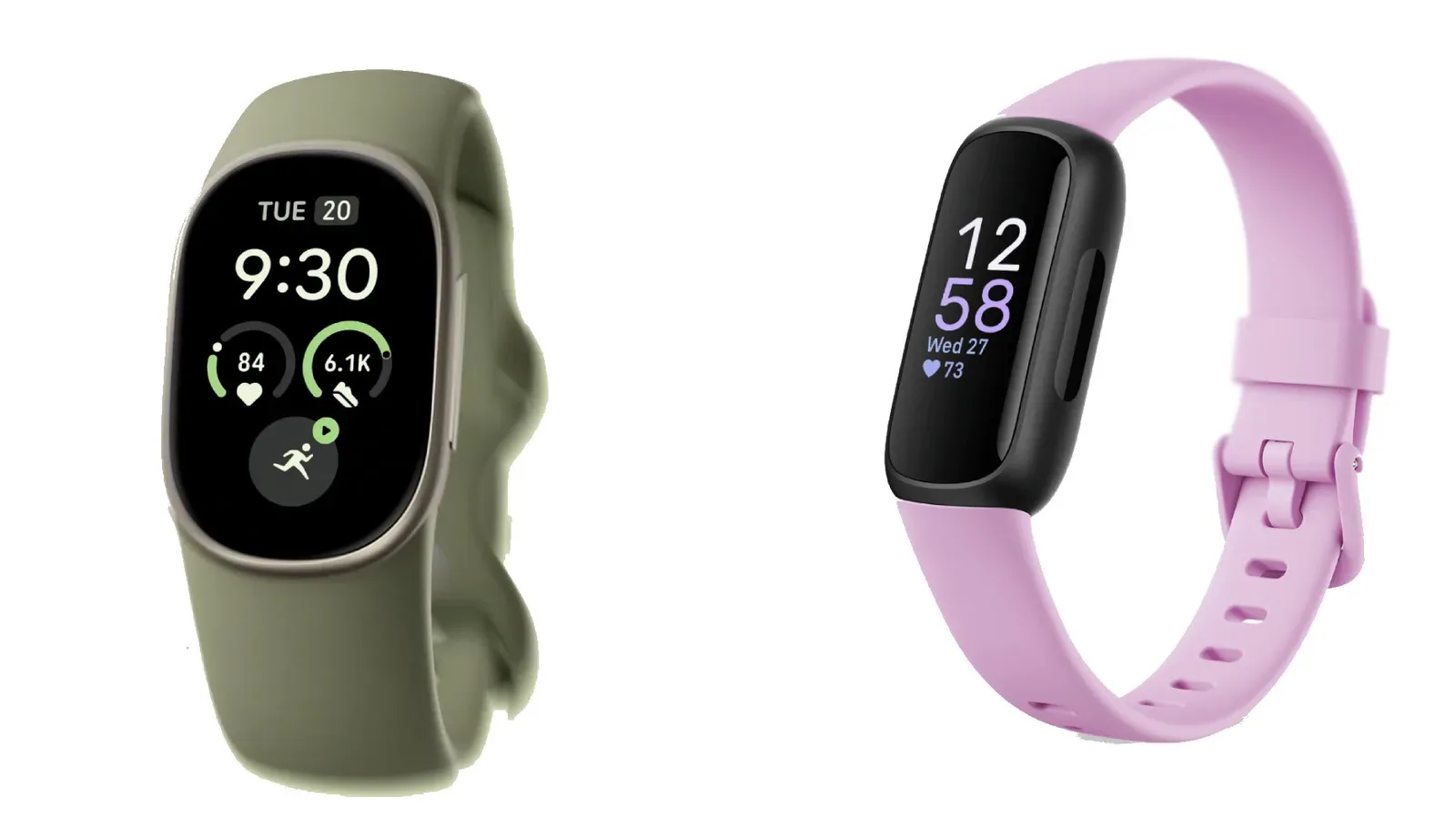
The Fitbit Edge is positioned as a slim fitness band with a more traditional tracker focus than a full smartwatch, but it leaves out one convenience feature that previous Fitbit models offered: NFC-based contactless payments.
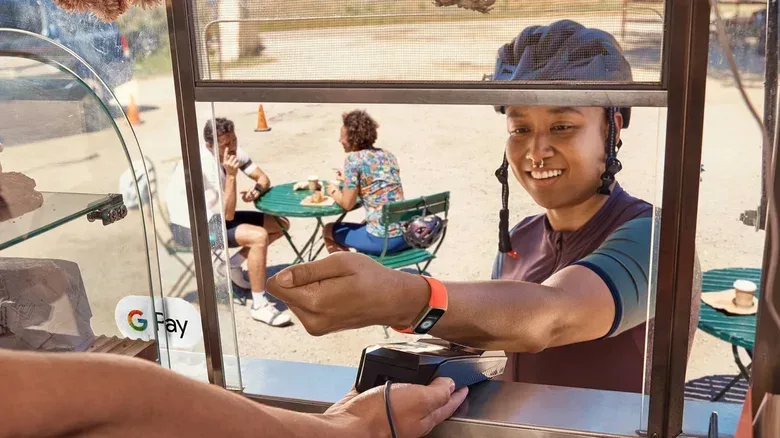
NFC, short for Near-Field Communication, is the short-range wireless technology behind the familiar tap-to-pay experience. A compatible wearable can present a payment credential stored in a digital wallet when it is held near a contactless terminal. On a watch or tracker, that means a user can potentially pay without taking out a phone or physical card.
The Edge does not include the NFC hardware required for that feature. It is a meaningful specification difference for anyone who regularly pays from their wrist, yet the omission also reveals what Google believes a dedicated fitness tracker should prioritize. The company says that fewer than 1% of Fitbit Charge 6 owners reported using NFC, so its development attention for the Edge went to other requested capabilities instead.
What Fitbit Edge does include
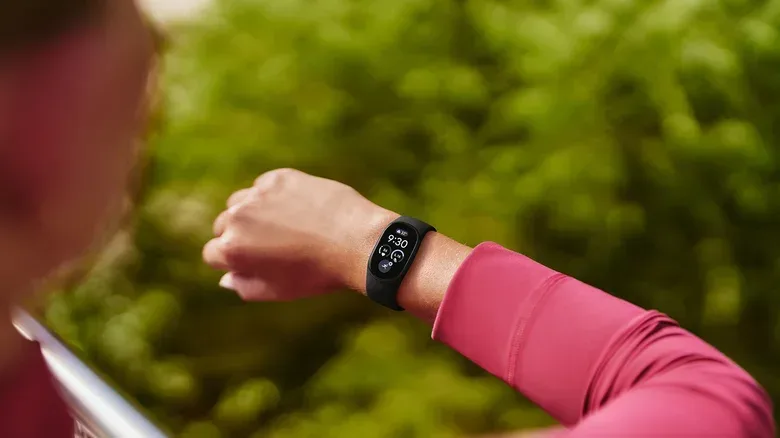
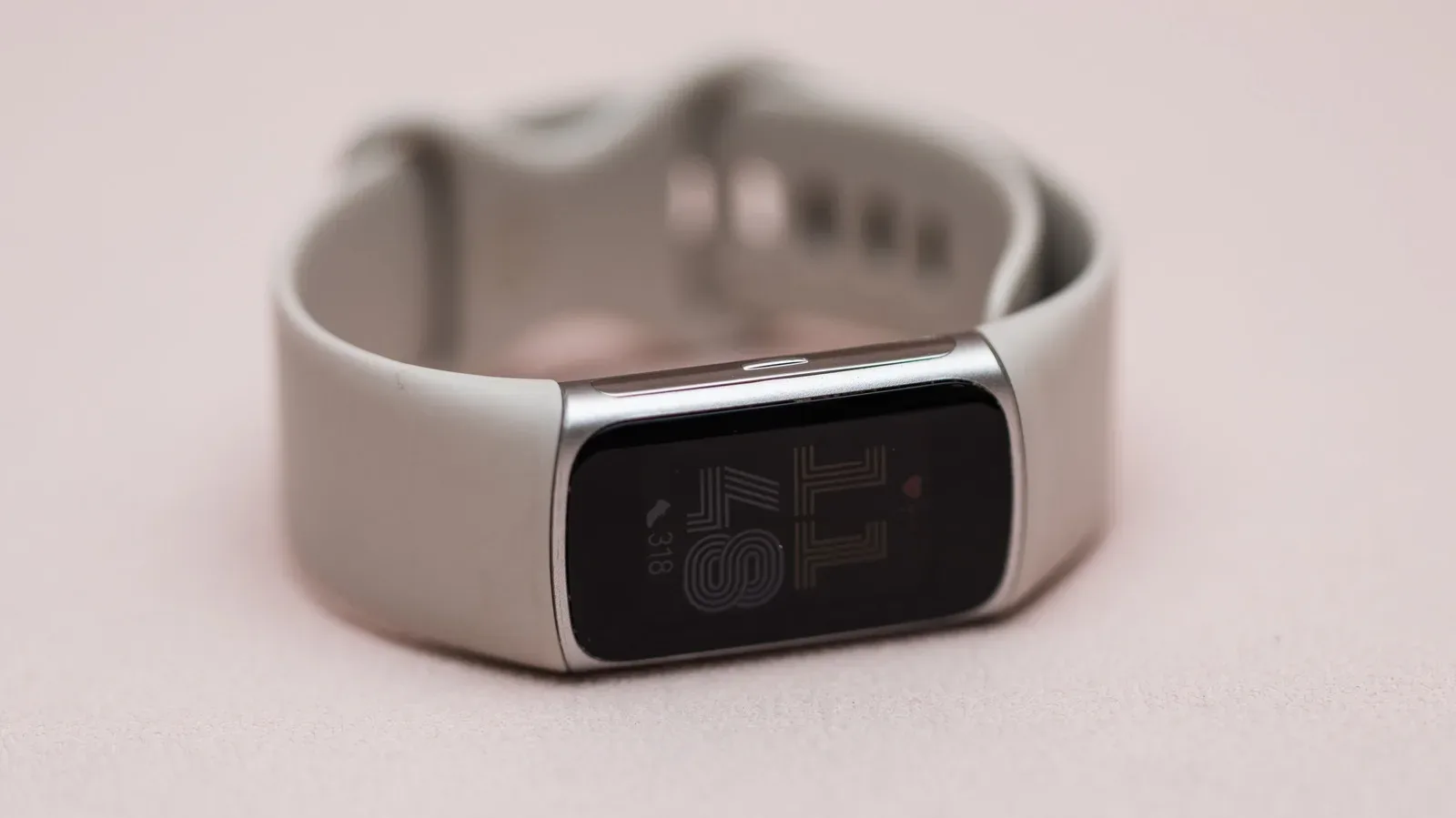
The Edge is effectively an update to the Fitbit Charge 6 design direction. It uses a compact band form factor rather than the fuller smartwatch presentation of the Google Pixel Watch 5, and it has a 1.34-inch AMOLED display. AMOLED is a display technology in which pixels produce their own light, allowing the screen to show information such as workout data, vital statistics and notifications directly on the tracker.
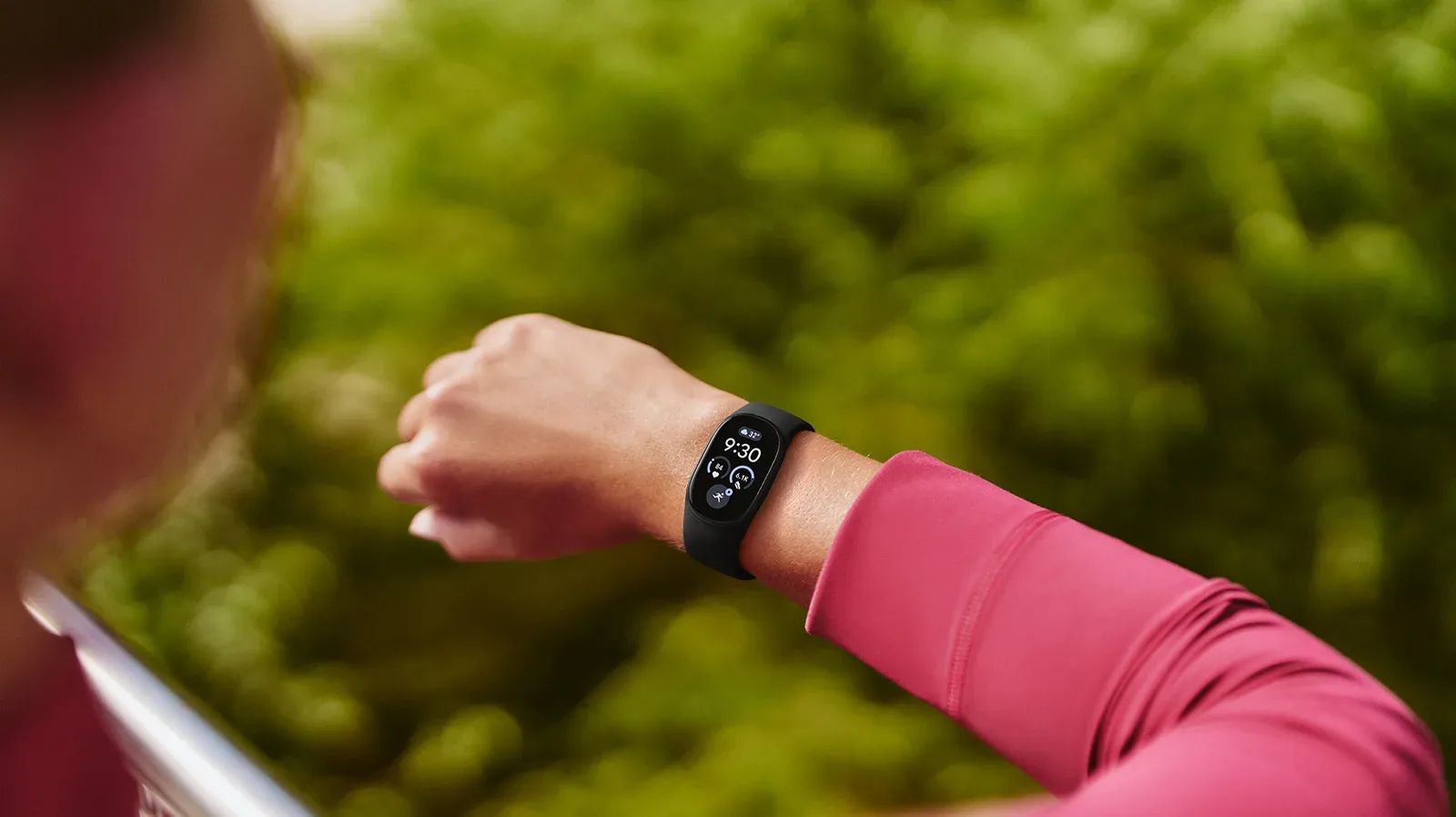
That screen also gives the Edge a clear functional distinction from the screenless Fitbit Air. Users can start and stop workouts, inspect stats and vitals, view message notifications, manage media controls and access supported Google services including Google Maps. Google’s ecosystem reaches well beyond fitness hardware, as demonstrated by this Google Ocarina of Time search Easter egg, but on the Edge the more immediately practical use is viewing relevant information during a walk, run or cycle.
The health and activity additions named for the Edge include Health Guardian in the updated Google Health app, blood-pressure and insulin-resistance trends, intelligent automatic activity tracking, improved GPS tracking for outdoor activities, and a replaceable battery. These are features aimed at the tracker’s central purpose: observing health information and recording exercise with less manual work from the wearer.
Automatic activity tracking means the device can identify certain activity patterns without the user first beginning a workout from the screen. GPS tracking refers to location-based tracking that can help document outdoor routes and activity data for walks, runs and cycling. Those capabilities are more fundamental to a fitness-oriented band than payments, although their usefulness will depend on the individual’s habits and the kinds of data they want from a tracker.
Why the missing NFC matters—and why it may not
NFC is a small component with a highly visible benefit. At a coffee shop, transit gate or other compatible payment terminal, a user with an NFC-equipped wearable can open their wallet and tap the device to complete a transaction. The appeal is greatest when carrying a phone is awkward: during a gym visit, for example, a phone could be inside a locker while the tracker remains on the wrist.
But contactless payment on a wearable is a convenience layer, not an essential requirement for tracking a workout, seeing a notification or navigating a route. Most people already have a phone that can make contactless payments, and the reported Charge 6 usage figure suggests that its NFC option was rarely used by its owners. Google’s decision is therefore an explicit product trade-off: omit a feature that appears valuable in a specification list, and direct effort toward functions that more owners asked for or use.
That does not mean NFC is irrelevant. For a buyer who deliberately wants phone-free payment capability, the Edge is simply the wrong Fitbit choice. The feature cannot be enabled later through software because the device lacks the necessary chip. Prospective buyers should treat payment support as a purchase-time requirement rather than assuming every tracker with a screen can act as a wallet.
The Edge is not trying to be a Pixel Watch
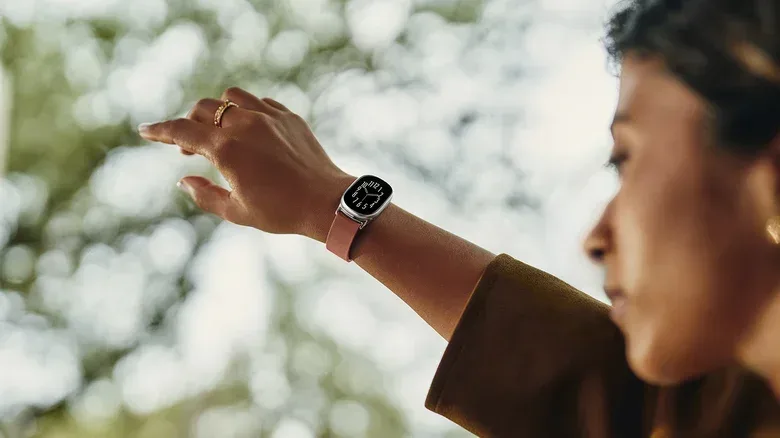
The Pixel Watch 5 sits in a different class of wearable. It offers NFC and also includes safety features absent from the Edge, including fall detection and crash detection. Those functions are designed to identify a potential incident and add a safety dimension beyond routine activity logging.
The Edge has a narrower brief. Its small display, health functions, activity tools, notifications and Google Maps access give it more flexibility than a screenless band, while its overall emphasis remains fitness and wellness rather than extensive apps and smartwatch extras. Looking at it through that lens helps explain both the absence of NFC and the company’s decision to focus on health-related additions.
The Fitbit Air likewise does not include NFC. In its case, the lack of a screen also makes the usual on-device wallet interaction impractical. The Edge has a screen, so it can support notifications, controls and Maps, but Google still decided that payment was not worth carrying forward from the Charge line.
Fitbit models that retain NFC
Buyers who consider wrist payments essential are not limited to Pixel Watches. Several older Fitbit models include NFC hardware:
- Fitbit Charge 6, introduced in 2023
- Fitbit Charge 5
- Fitbit Charge 4, which is no longer in circulation
- Special editions of Fitbit Charge 3, introduced in 2018 and phased out in 2020
- Fitbit Sense and Fitbit Sense 2
- Fitbit Versa 2 and Fitbit Versa 4
- Later editions of the original Fitbit Versa
- All Google Pixel Watch models
Hardware support alone is not the entire payment story. Earlier Fitbit devices used Fitbit Pay, but that service was discontinued in 2024 and replaced with Google Wallet. Google Wallet is the sole tap-to-pay service available through Fitbit. A Fitbit can connect with the Google Health app on an Apple iPhone, with Pixel Watches excluded from that compatibility statement, but that connection does not make Apple Wallet available on the Fitbit.
In practical terms, someone comparing devices should separate three questions that can easily blur together: does the tracker have an NFC chip, does it support the wallet service they intend to use, and does it pair with their phone? The Edge fails the first test for payments because it has no NFC, regardless of its display or Google app integration. A compatible older Fitbit or a Pixel Watch can meet that hardware requirement, but the relevant payment service remains Google Wallet rather than Apple Wallet.
Who should consider the Edge?
The Edge makes the most sense for someone whose priorities are exercise logging, on-wrist workout controls, health trends, navigation access, notifications and a replaceable battery. For that audience, the loss of NFC may be easy to absorb, particularly if their phone already handles contactless purchases.
It is less suitable for a person who intentionally leaves a phone behind during workouts and expects a wearable to cover small purchases or transit taps. That user should look closely at a model with NFC, rather than treating the Edge’s screen as evidence of full smartwatch-style payment support.
Google’s own reported Charge 6 data is the strongest case for the decision: fewer than one in 100 owners said they used NFC. Still, a low-use feature can matter intensely to a smaller group, especially because it is most valuable in a specific moment when a phone or wallet is inaccessible. The Edge trades away that moment of convenience in favor of a streamlined tracker centered on activity and health features. Whether that is a sensible exchange depends less on the NFC percentage and more on how often a buyer expects their wrist to function as their wallet.