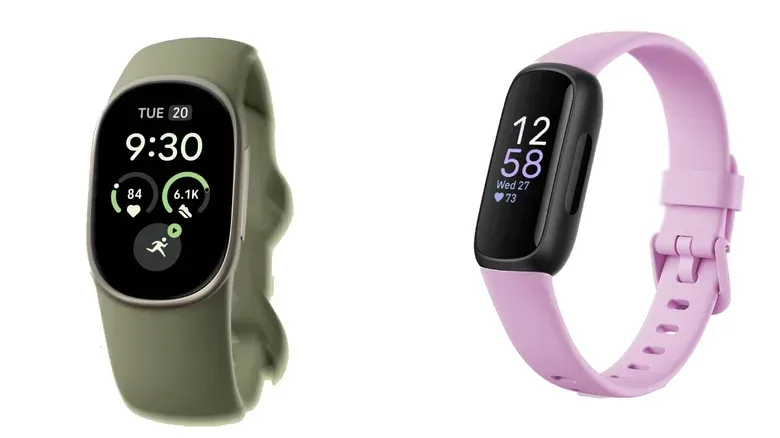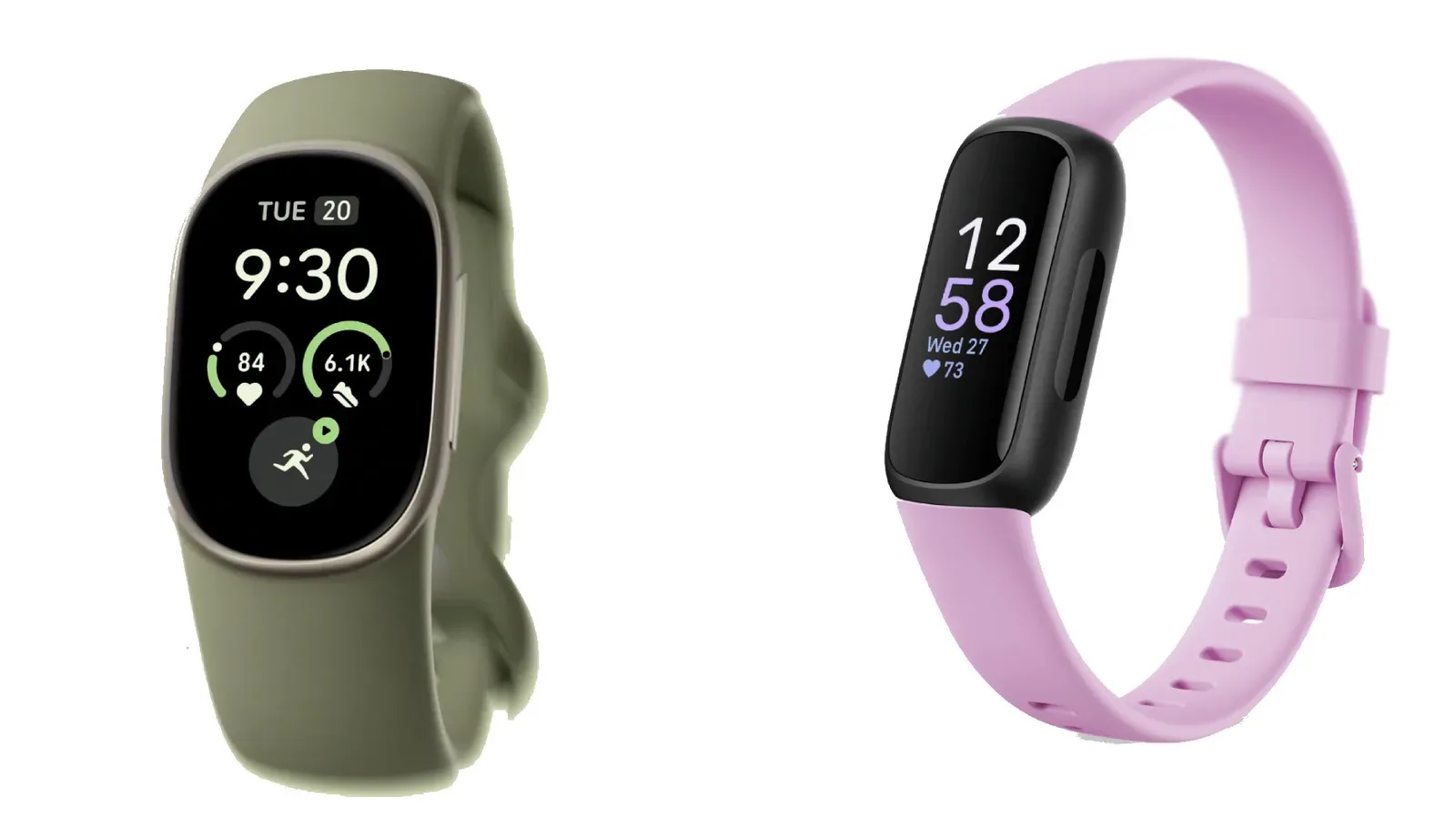
Google’s Fitbit Edge is positioned in the increasingly busy space between a basic activity band and a full smartwatch. At $180, it costs substantially more than the $99.95 Fitbit Inspire 3, but its argument is not merely a bigger display or a different casing. The Edge adds built-in GPS, direct Bluetooth headphone connectivity, substantially broader exercise support and a longer list of health-related sensors and metrics.
That makes the decision fairly clear in principle: the Inspire 3 remains the less expensive option for people who want continuous activity tracking in a smaller, simpler package, while the Edge is the more capable choice for somebody who wants to leave a phone behind on a run and see more information from the wrist. The practical question is whether those additions matter enough to justify the $80.05 gap.
The at-a-glance differences
- Price: Fitbit Edge is $180; Fitbit Inspire 3 is $99.95. An orange Steph Curry Edition Edge costs $220.
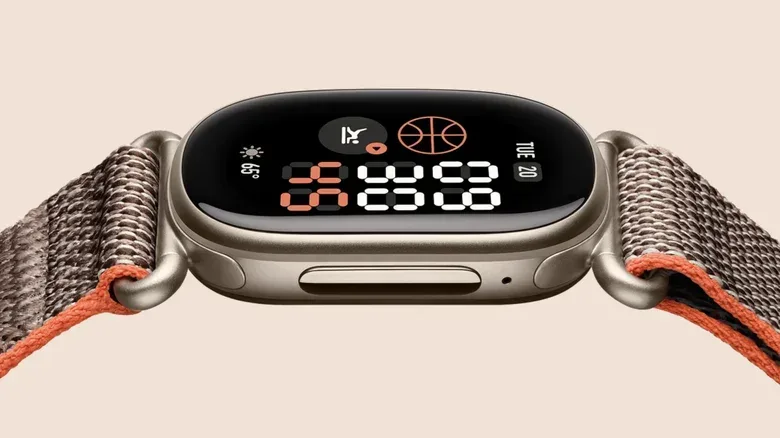
- Construction: Edge uses a 100% recycled aluminum case and tactile side button; Inspire 3 uses a plastic, more rectangular case.
- Screen: Both use AMOLED displays, but the Edge screen is 6.9mm wider.
- Location tracking: Edge has built-in GPS; that lets it record movement and location without a nearby smartphone.
- Audio connection: Edge’s Bluetooth 5.4 support allows a direct connection to wireless headphones.
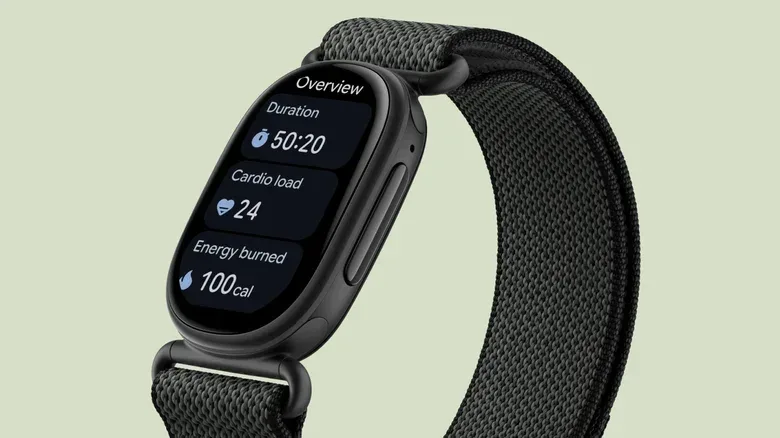
- Exercise: Edge tracks more than 50 exercise modes and can automatically detect 100 activities. Inspire 3 tracks 20 exercise modes.
- Battery claim: Edge is rated for up to one week; Inspire 3 is rated for up to 10 days.
- Protection: Both are rated 5 ATM for water resistance. Edge also carries an IP68 dust-resistance rating.
Design: a wider display, but not a radically bigger wearable
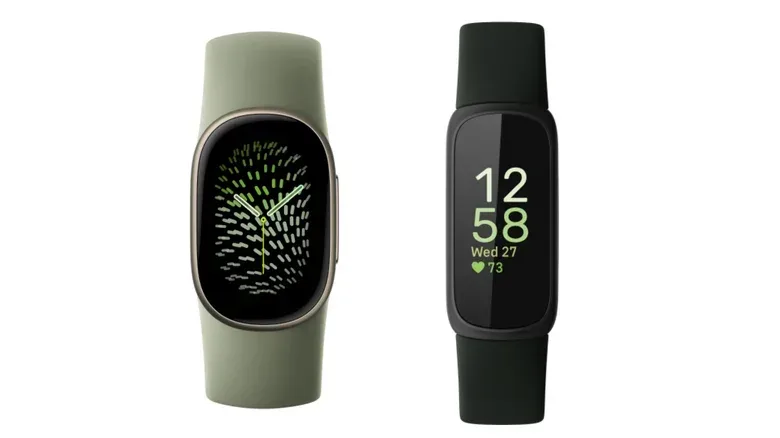
The Edge and Inspire 3 are close in overall dimensions. Edge measures 39.2 by 25.5 by 11.5mm, while Inspire 3 measures 39.32 by 18.6 by 11.75mm. The major physical difference is width: the Edge is broader, with a display that is 6.9mm wider than the Inspire 3’s. Both panels are AMOLED, a display type associated here with the same underlying screen technology rather than a difference in display class.
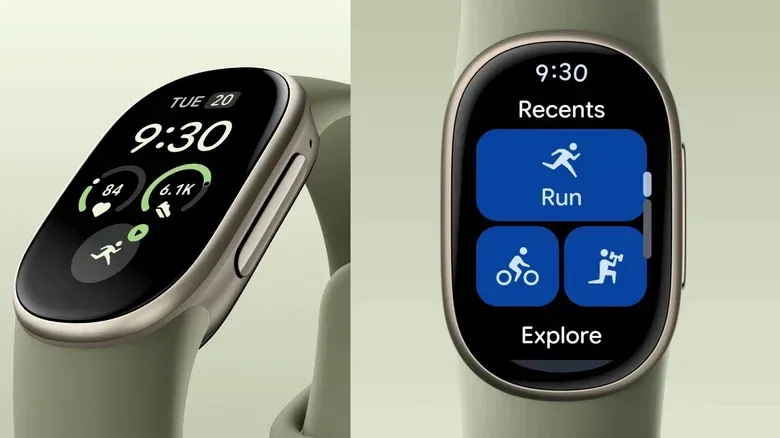
That wider screen is likely to matter most when reading notifications, checking weather information or moving through controls. It also complements the Edge’s expanded on-watch functions: Quick Replies, music controls and weather forecasts. Google Maps support is expected later, rather than being presented as a currently available Edge capability.
Materials create a more visible separation. The Edge’s recycled aluminum case and pronounced side button give it a more watch-like presentation than Inspire 3’s plastic, rectangular body. Neither approach is inherently better for every buyer. Plastic keeps the Inspire 3 in the straightforward fitness-band lane; aluminum is a meaningful benefit for someone who wants a wearable that can blend more easily into an office or daily outfit.
Color choice differs too. The standard Edge is available in olive green, black, white and coral peach. The Inspire 3 comes in pink, orange and black. There is also the orange Steph Curry Edition, which is $40 above the standard Edge price. That edition changes the purchase calculation without changing the core comparison: buyers drawn to that colorway are paying $220, more than double the listed price of Inspire 3.
Built-in GPS is the Edge’s most important upgrade
For many active users, the most consequential Edge feature is its integrated GPS. GPS, or Global Positioning System, is used by a wearable to establish location and map movement. Because the Edge has its own built-in GPS, it can track a run or other outing without requiring the smartphone to remain nearby. Google says this improves movement-tracking accuracy by 40%.
The freedom to go out without a phone is more than a specification-sheet win. It changes what the product can be used for: a runner can record route and location while carrying only the tracker, rather than treating the band as a companion display for the phone. The Inspire 3 does not offer that same phone-independent location-tracking setup in the supplied comparison.
Edge also includes Bluetooth 5.4, enabling a direct connection to wireless headphones. Paired with its music controls, that helps form a more self-contained workout setup. There is an important boundary, however: the available information says the Edge provides music controls, not that it stores or streams music on its own. The supported takeaway is direct headphone pairing and wrist-based control, not a claim that the device replaces a phone for every audio task.
Both trackers can receive app notifications when a paired smartphone is nearby, and both support Find My Device. Edge goes beyond Inspire 3 with Quick Replies and weather forecasts. Inspire 3 does retain calendar notifications on its screen. Those details make Edge a more connected device, though it is still described as a step below a fully connected smartwatch that can make calls independently.
For perspective on the broader wearable trend toward training metrics, smart rings are also adding cardio-effort and automatic VO2 Max estimates. Edge’s approach is distinct in the supplied details: it combines those fitness-focused ambitions with a display, GPS and notifications.
More workout modes and more context around exertion
Both Fitbit devices continuously track activity, but Edge expands the amount of exercise detail it is designed to capture. Google says Edge can track more than 50 exercise modes and automatically detect 100 different movement activities. Inspire 3 supports 20 exercise modes.
The distinction between those two numbers is useful. An exercise mode is a selected tracking profile for a workout type. Automatic detection refers to the tracker recognizing activity without the wearer necessarily starting a mode manually. The figures indicate Edge has broader workout coverage both when a person actively chooses an exercise and when the device detects movement on its own.
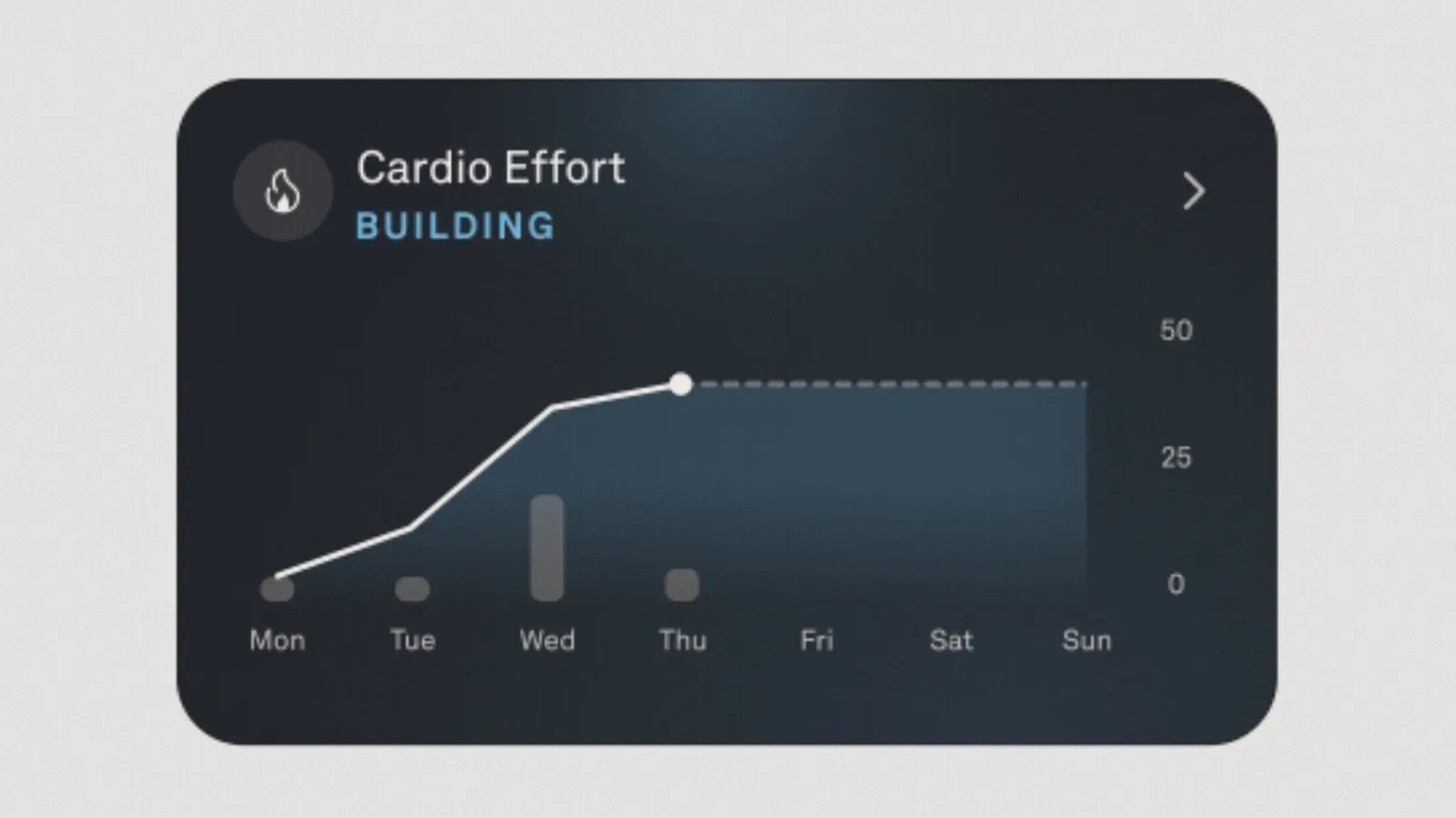
Edge also adds cardio load and target cardio load. The comparison does not define the underlying calculations, so these should be treated as Fitbit’s added workout metrics rather than as interchangeable measures with similarly named scores from other devices. At a practical level, their inclusion signals that Edge is intended to offer more guidance around exercise effort and targets than Inspire 3.
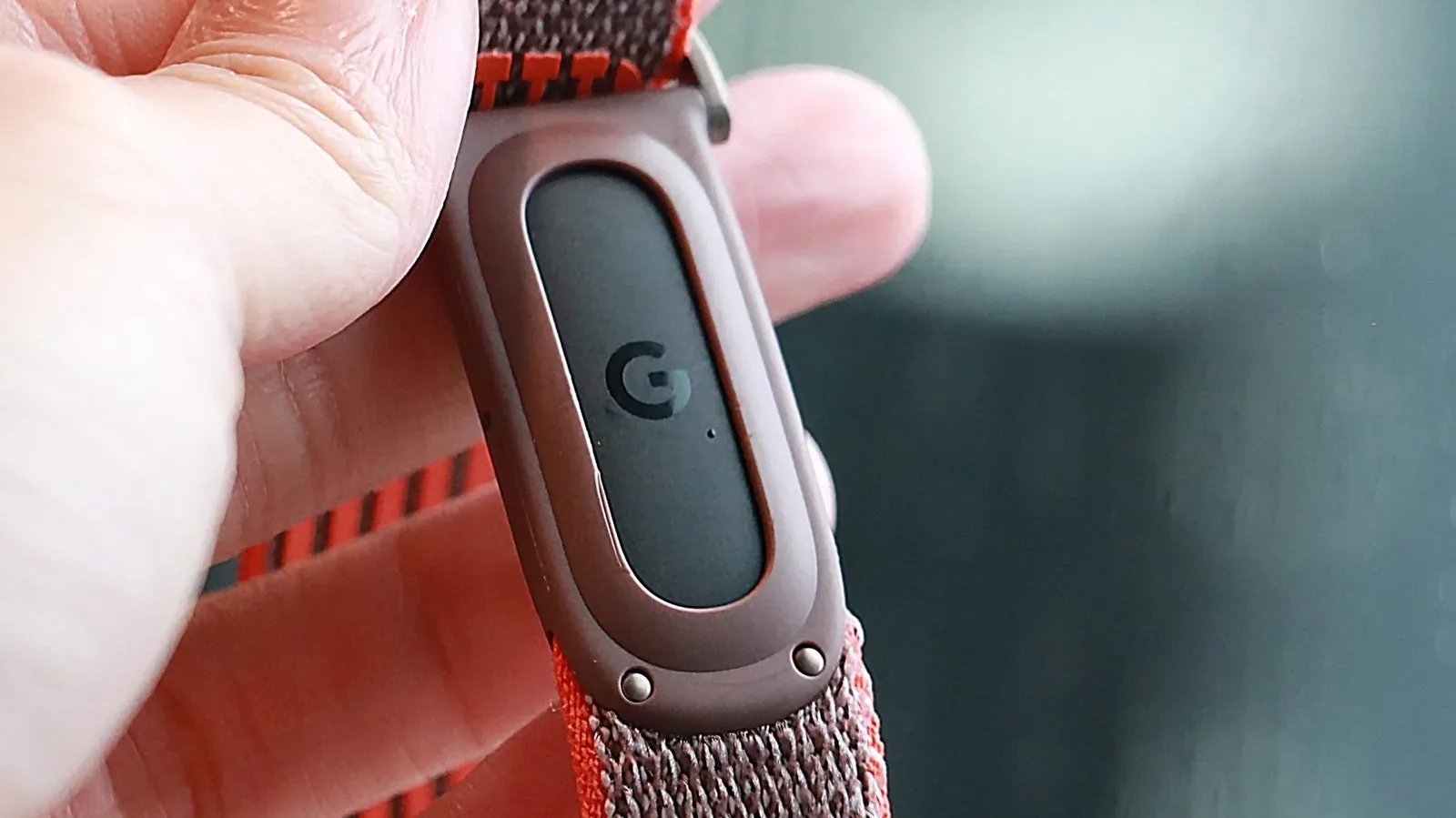
Other Edge-only tracking includes floors climbed and heart-rate measurement while using workout machines. An altimeter is among the additional Edge sensors; it measures altitude-related changes and supports the expanded movement and GPS-tracking setup described for the device. The gyroscope is another added sensor, helping the tracker understand orientation and motion. Inspire 3 includes an accelerometer, which measures acceleration and is used here for velocity-related tracking.
Health tracking: Edge has the wider sensor package
Inspire 3 already includes an optical heart-rate monitor, blood-oxygen tracker and accelerometer. Optical heart-rate monitoring uses light-based sensing at the wrist to follow heart rate. Its presence means Inspire 3 is not a bare-bones step counter; it has core ongoing activity and body-signal tracking.
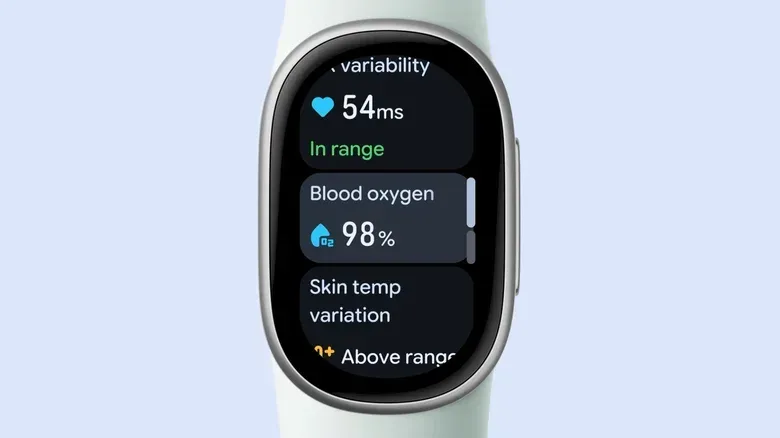
Edge includes those capabilities and adds sensors supporting its ECG app, a skin-temperature sensor, gyroscope and altimeter. ECG stands for electrocardiogram. On Edge, the ECG app includes irregular heartbeat tracking, including AFib detection. AFib is the short name used for atrial fibrillation in the feature description.
The Edge’s heart-health feature list also includes 24/7 heart-rate tracking, monthly blood-pressure and insulin-resistance insights, and analysis tools for blood-sugar data that a wearer monitors separately. The last qualifier matters: the supplied details describe Edge as helping a user analyze blood-sugar data, not as independently measuring blood sugar.
Likewise, the monthly insights are presented as device-generated insights, and the available information does not explain the methodology behind them. Buyers interested in these functions should distinguish between the existence of a metric and what that metric practically means to them. Edge’s advantage is a larger health-data toolkit; the comparison does not establish that every person will find every added metric equally useful.
Battery and durability: a modest endurance trade-off
More capability brings a battery compromise, though it is not a severe one on the stated figures. Fitbit rates the Edge for up to seven days per charge, while Inspire 3 is rated for up to 10 days. A three-day difference favors Inspire 3, particularly for someone who prioritizes the longest possible period between charges. But Edge’s quoted week of battery life remains notably longer than a device that needs daily charging.
Both devices have a 5 ATM water-resistance rating under ISO standard 22810:2010. In practical terms described for these wearables, that covers rain, showers and shallow-water swimming such as pool laps. It should not be read as clearance for diving. Water resistance is not the same as being fully waterproof, and neither device is characterized as fully waterproof.
Edge has one additional durability credential: IP68 dust resistance. The rating means it is sealed against dust intrusion and can handle brief water immersion. Inspire 3 does not have this dust-resistance rating in the provided comparison. For somebody exercising outdoors or regularly encountering dusty conditions, that may be a quiet but relevant Edge advantage.
Which Fitbit makes sense?
Choose Fitbit Inspire 3 if cost and simplicity are the priorities
At $99.95, Inspire 3 is 44% cheaper than the base Edge. It supplies AMOLED display technology, activity tracking, an optical heart-rate monitor, blood-oxygen tracking, an accelerometer, app and calendar notifications, Find My Device and up to 10 days of claimed battery life. For a wearer who plans to keep a phone nearby and does not need the Edge’s expanded exercise and health features, that is a substantial set of fundamentals for less money.
Inspire 3’s 5 ATM rating also means choosing the lower-priced band does not mean giving up shower, rain and shallow-swimming resistance. The key sacrifices are not basic wearability; they are phone-free GPS, direct headphone connectivity, premium case materials, expanded controls and the larger sensor and metric set.
Choose Fitbit Edge if workouts should be less phone-dependent
Edge makes its strongest case for people who want GPS tracked from the wrist rather than through a nearby phone. Bluetooth headphone support, music controls and the more expansive display and notification tools reinforce that role. The aluminum case, IP68 dust rating, ECG app, skin-temperature sensor, additional motion and elevation sensors, and broader exercise catalog round out a device intended to do more across daily use and training.
It is not being framed as a replacement for every full smartwatch function. Instead, its appeal is restraint: a tracker with more independence and more data, while avoiding the feature load of a smartwatch designed for standalone calling. For buyers deciding solely on value, the Inspire 3 has the obvious price advantage. For buyers who will use built-in GPS, direct headphone pairing and the added health and exercise metrics, Edge’s extra $80.05 is tied to concrete functional upgrades rather than cosmetic changes alone.