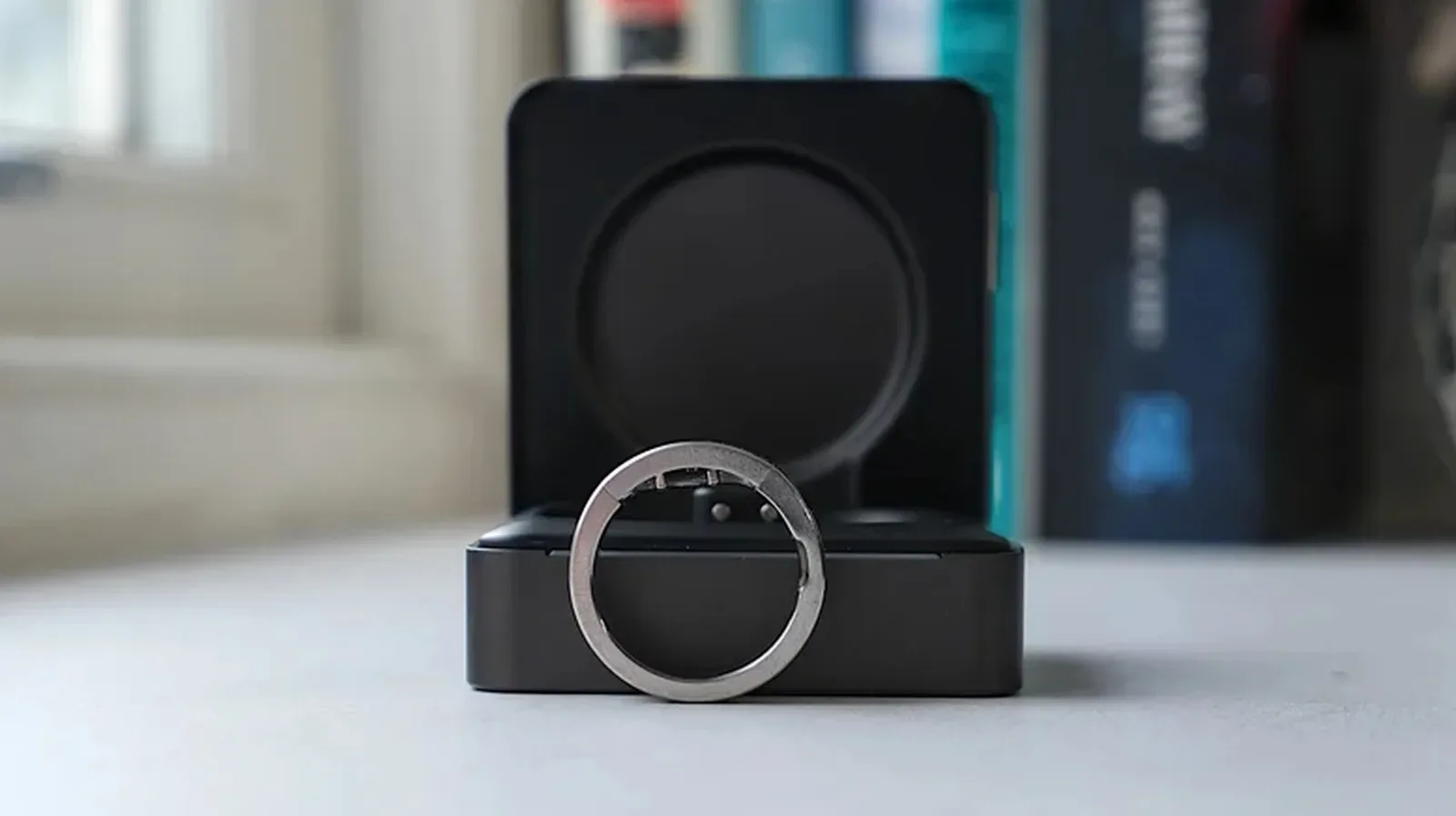
Oura is adding two cardio-focused measurements to its smart-ring platform: Cardio Effort, a personalized view of activity strain over time, and automatic VO2 Max estimates. The update pushes the ring further into territory long occupied by watches and wristbands, while keeping the focus on a form factor for people who do not want fitness data living on their wrist.
The two additions address different questions. Cardio Effort is intended to show how demanding a person’s activity has been relative to their own recent baseline. VO2 Max, meanwhile, is a cardio-fitness estimate that will now be generated passively from ordinary GPS-enabled workouts rather than requiring a separate assessment first.
Neither metric should be confused with a score to chase in isolation. Their more useful role is as a way to spot trends: whether a week was unusually light or heavy, and whether the long-term fitness estimate is changing over time. That distinction matters because Oura’s stated design is centered on personalized comparison rather than a single universal target.
Cardio Effort turns weekly activity into a personal load gauge
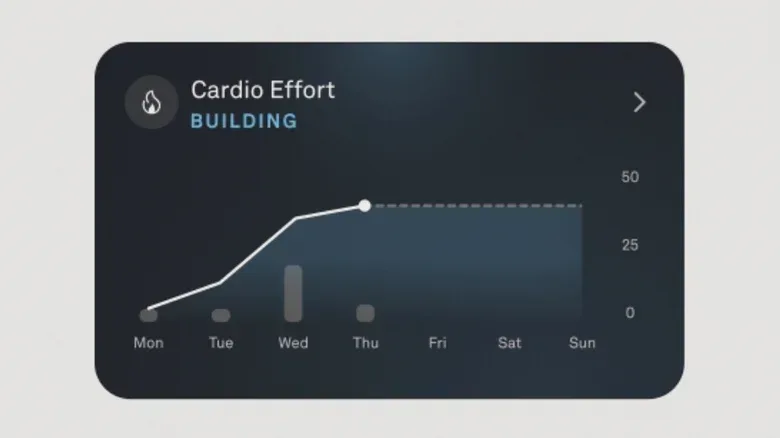
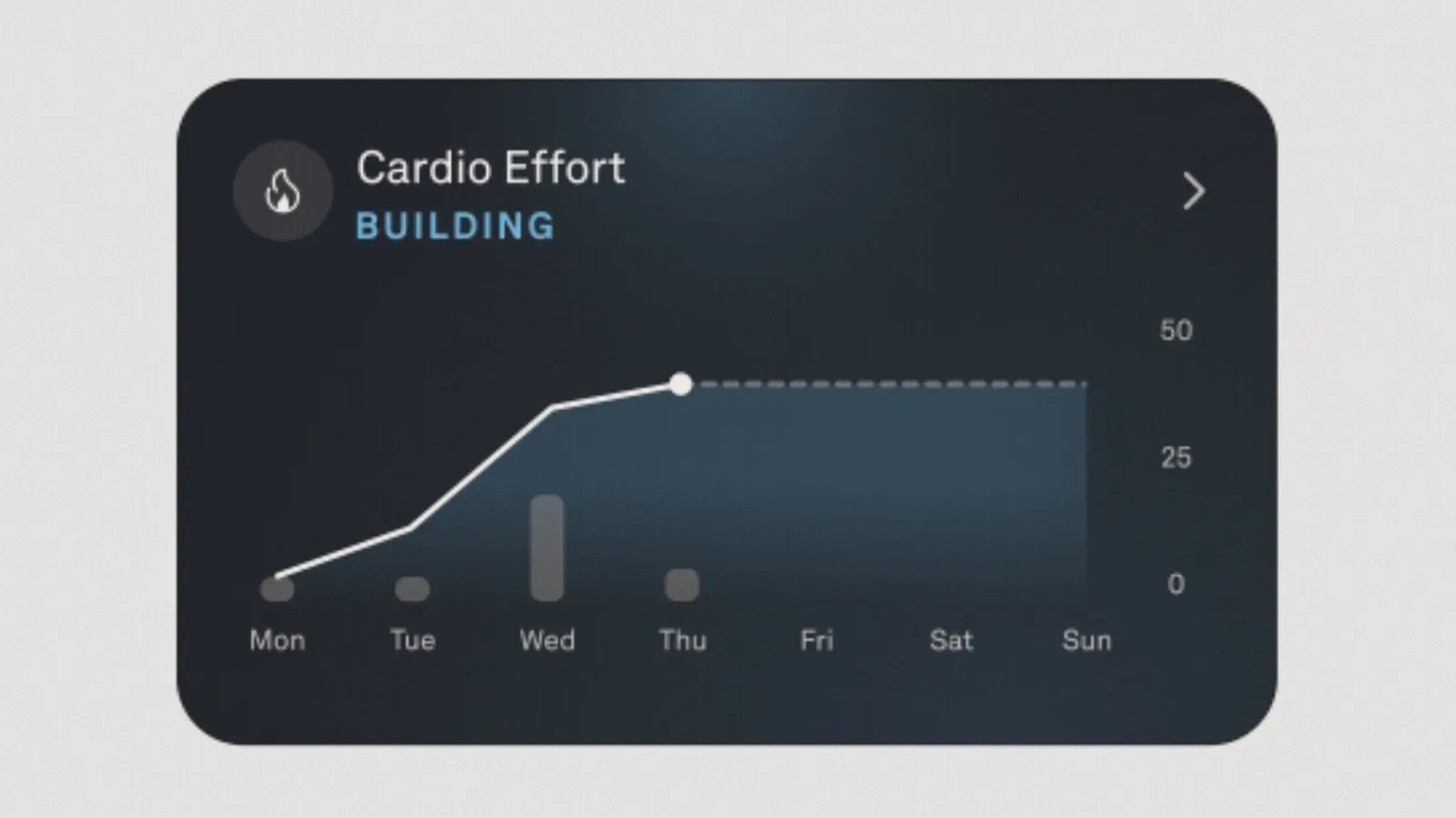
Cardio Effort assesses the strain placed on the body through activity and places that result into one of five ranges: light, fair, maintaining, building and reaching. Those labels are meant to frame the week’s activity against an individual wearer’s baseline.
In practical terms, this is an attempt to make activity data more legible. A raw workout list can tell someone that they did several sessions, but it does not automatically explain whether that amount represents a normal pattern, a meaningful increase or a notably quiet stretch. A personalized weekly range is designed to provide that context.
Oura says the feature is based on the Training Impulse method, often shortened to TRIMP. At a high level, a training-impulse approach is concerned with the accumulated load of activity, not merely whether exercise happened. That makes it a fitting basis for a feature intended to monitor long-term cardiovascular activity trends rather than serve as a simple step count or workout tally.
The labels also suggest a deliberate move away from presenting every higher number as automatically better. “Maintaining” has a different meaning from “building,” and “reaching” implies a more ambitious level of effort. Whether a particular range is appropriate depends on the wearer’s own baseline, which is exactly why the personalization element is central to the feature.
What the five ranges are designed to communicate
- Light: Activity is on the lower end relative to the wearer’s usual baseline.
- Fair: A modest level of effort relative to that personal reference point.
- Maintaining: A range intended to indicate activity that supports an established pattern.
- Building: A range that signals a more substantial activity load.
- Reaching: The highest of the five levels, reflecting the most demanding range in this framework.
These definitions describe the feature’s intended role, not a medical assessment. The important part is the comparison to the individual’s own history. Two people could complete the same kind of workout and have it land differently within their respective Cardio Effort picture because their baselines differ.
Related coverage includes Oura Adds Cardio Effort and Automatic VO2 Max Estimates.
VO2 Max moves from a walking test to passive workout estimates
The second addition changes how Oura handles VO2 Max. The company previously offered the measure under the name Cardio Capacity within Oura Labs. That earlier version was not automatic: users had to complete a six-minute walking test before the feature could be enabled.
The updated VO2 Max feature removes that dedicated test requirement. Instead, it will make passive estimates during regular workouts that use GPS. For eligible users, the shift means a familiar outdoor activity can supply the information needed for the estimate, rather than requiring a special six-minute session solely to activate it.
VO2 Max is widely used as a shorthand cardio-fitness measurement. Here, the key wording is estimate. Oura is not presenting a direct laboratory measurement; it is deriving a value from workout information. That is not unusual for consumer wearables, but it is useful context when interpreting any number the app presents. The trend over repeated estimates may be more informative than treating one reading as a definitive statement about fitness.
Availability is specifically described for the third-generation Oura Ring and later models, with the VO2 Max statistics located in Oura Labs. The supplied details do not establish equivalent model or rollout conditions for Cardio Effort, so users should not assume identical access rules for both features.
Why GPS-enabled workouts matter
The new VO2 Max process depends on regular GPS-enabled workouts. GPS, or Global Positioning System, is the location data technology commonly used to map outdoor movement and record a route. In this case, its relevance is straightforward: the automatic estimation process is tied to workouts that include that location-based information.
That creates a clear practical difference between this feature and the old walking-test setup. The old approach asked users to perform a specific six-minute test. The new one is designed to work in the background of compatible, GPS-enabled training activity. It is a lower-friction model, but it also means users seeking an estimate will need qualifying workout data rather than expecting it to appear from all daily movement.
The update does not state that every workout type, indoor activity or exercise session will produce an estimate. The supported claim is narrower: passive VO2 Max estimates are based on regular GPS-enabled workouts. That is the useful expectation to set before looking for the new metric.
A smart-ring answer to watch-style fitness tracking
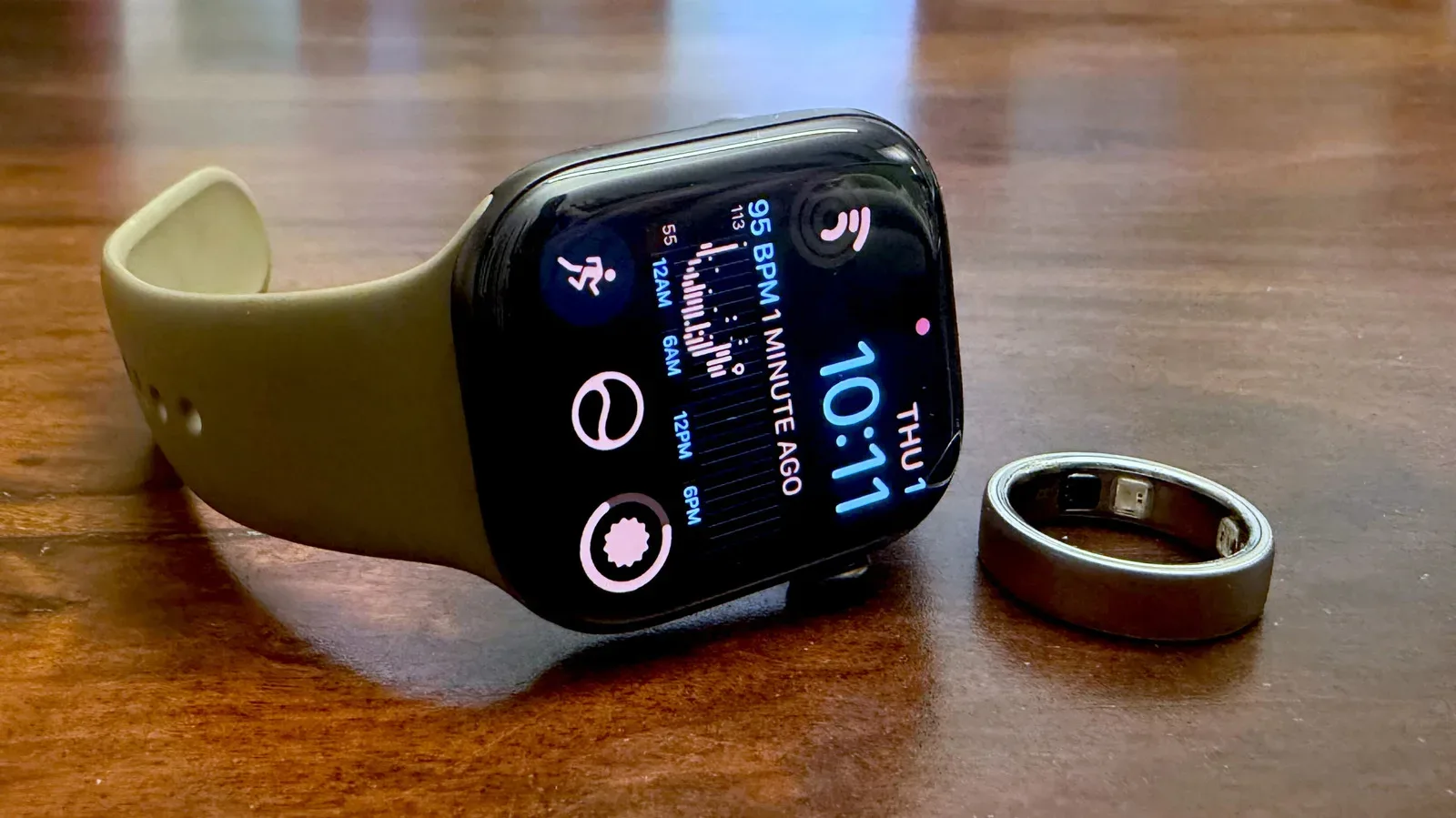
Apple Watch and Fitbit devices have tracked comparable cardio measures for some time. Oura’s additions therefore are less about introducing an entirely new category of fitness information than about narrowing a feature gap for people who prefer a ring over a watch or bracelet.
That preference can be more consequential than it sounds. A wearable only produces a useful long-term picture when someone is willing to keep wearing it. Oura’s ring form factor may appeal to users who want a less conspicuous device than a traditional watch, while still wanting a weekly activity-load view and a cardio-fitness estimate.
The change also broadens the platform’s existing holistic-health positioning. Rather than treating cardio tracking as a separate athletic dashboard, Cardio Effort and VO2 Max add two fitness-oriented signals to a wider personal-data approach. Cardio Effort is about accumulated weekly strain relative to baseline; VO2 Max is an automatically generated fitness estimate from GPS-enabled activity. Together, they give users both a near-term workload lens and a longer-term cardiovascular one.
For readers who think about games and exercise in the same routine, fitness systems often work best when their feedback is easy to understand rather than overly demanding. That is one reason activity-focused games can be approachable too, as explored in this look at Nintendo Switch Sports Resort. Oura’s update follows a similar usability idea: reduce the friction of a dedicated test, then translate activity into a personalized signal.
What this update changes for current Oura users
For owners of a third-generation Oura Ring or a later model, the immediate change is the revised VO2 Max workflow in Oura Labs. Instead of completing the previous six-minute walk to enable the feature, users can receive passive estimates through regular GPS-enabled workouts.
Cardio Effort offers a separate weekly reference point. Its five named ranges could be especially useful for wearers who find individual workout entries hard to compare from one week to the next. Rather than asking only, “Did I exercise today?”, the feature is built to ask, “How does this week’s activity load compare with what is normal for me?”
That does not turn a smart ring into a replacement for professional medical testing, nor does the supplied information claim that it does. It does make Oura’s fitness tracking more competitive for users who value passive data collection, personal baselines and the convenience of the ring format.