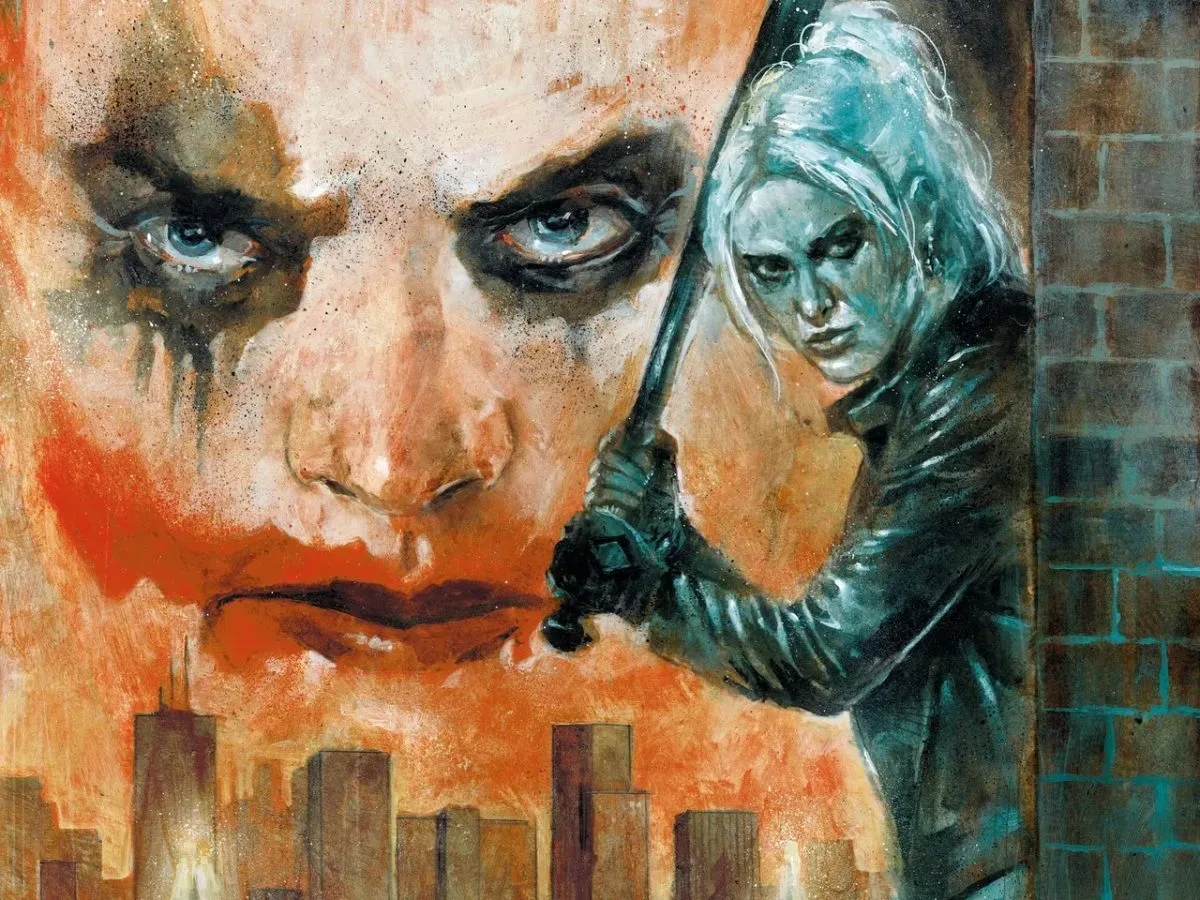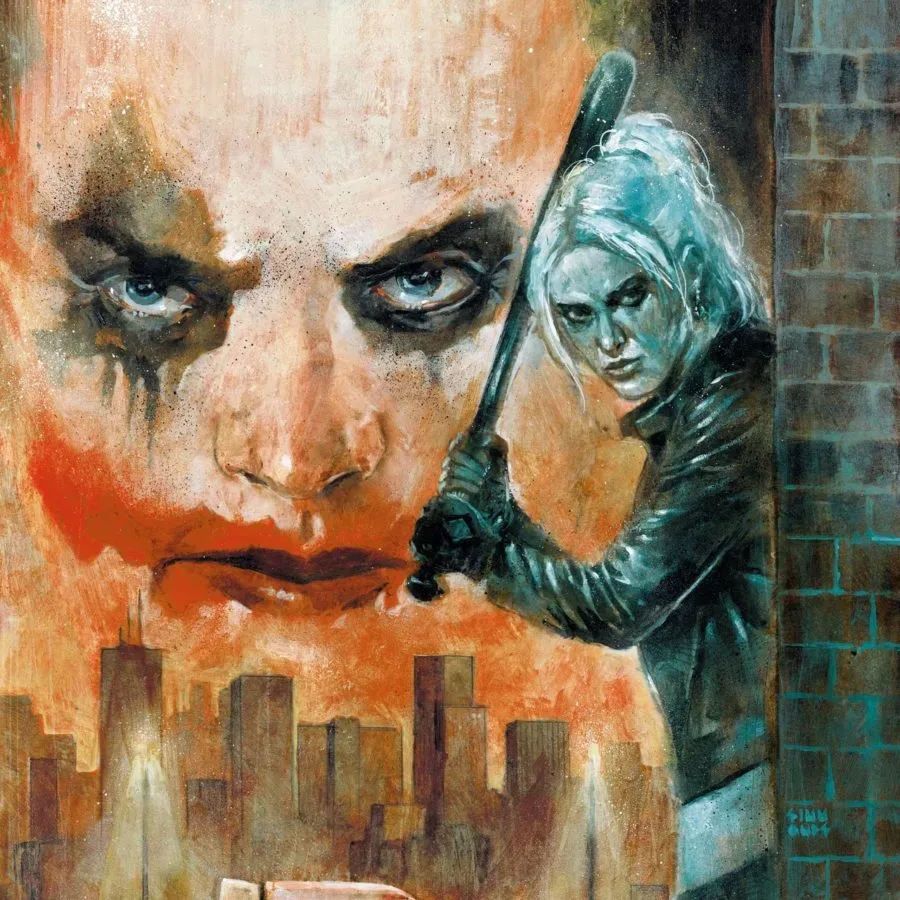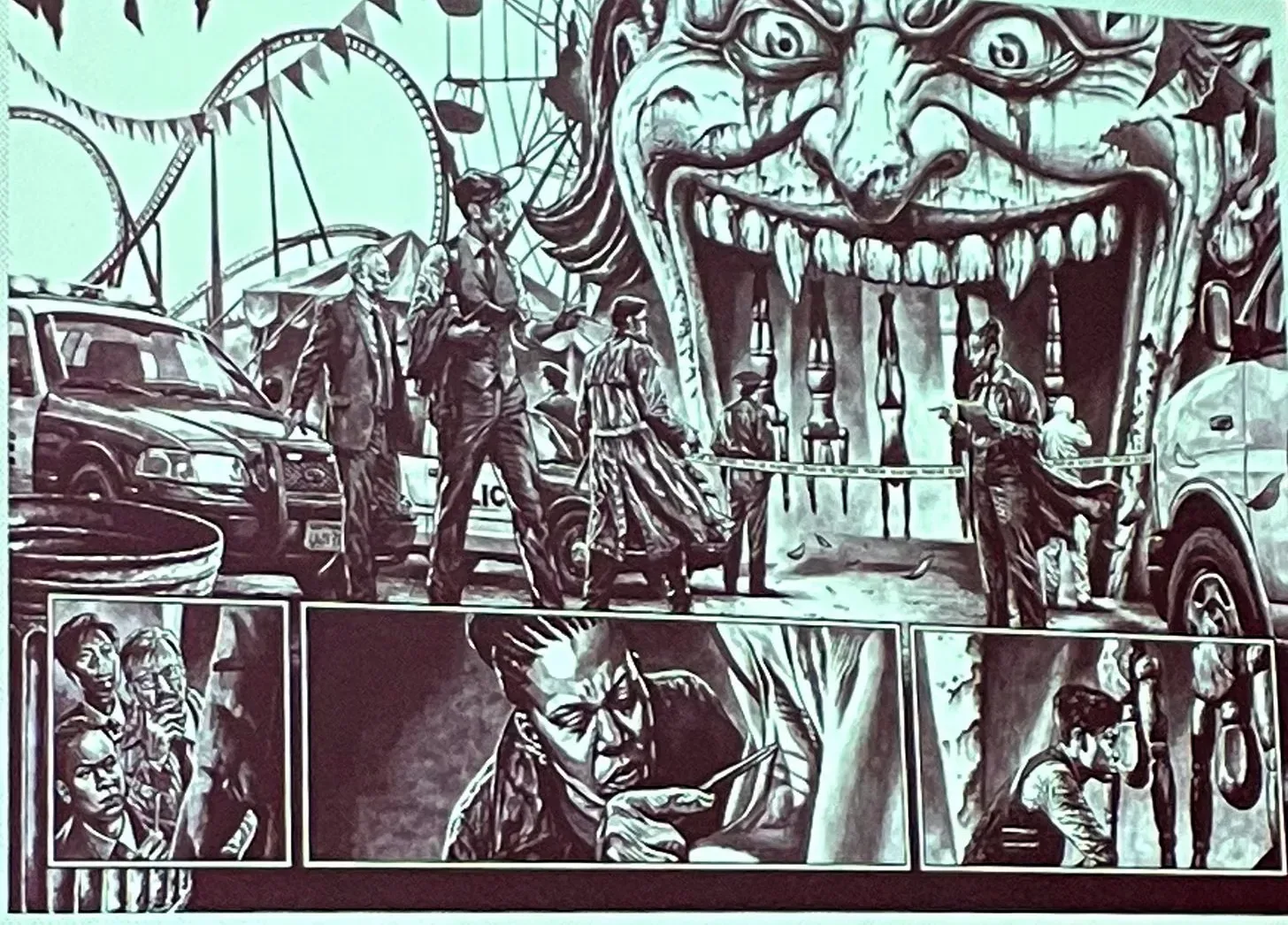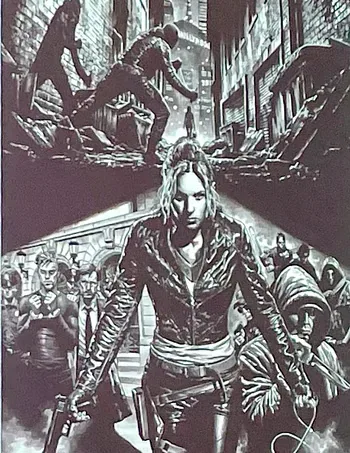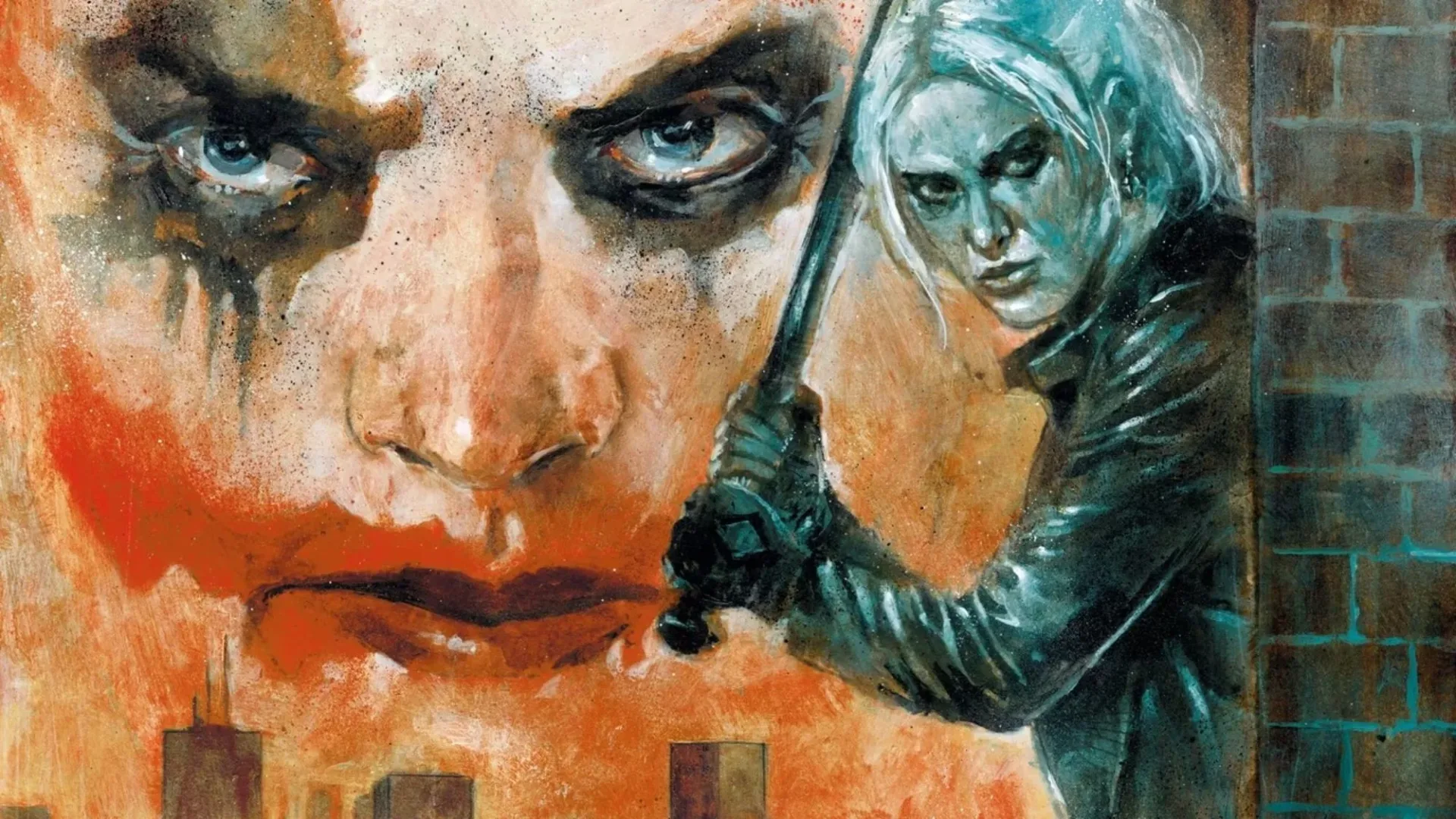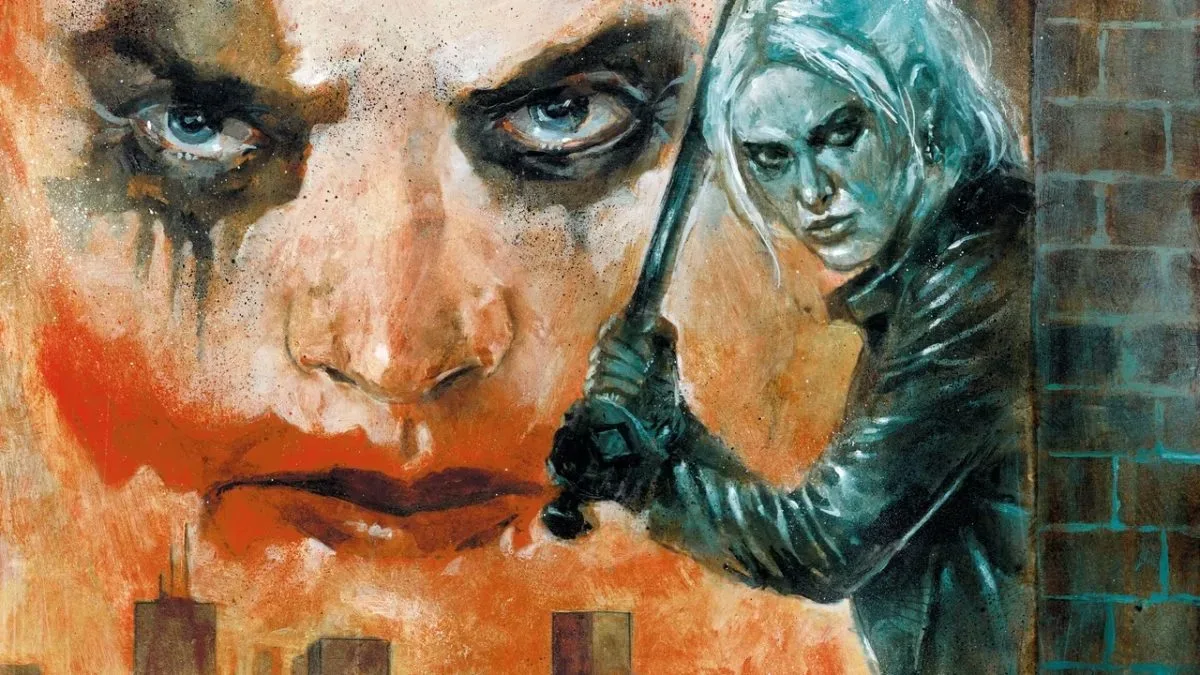
Joker/Harley: Malicious Intent, the delayed sequel to Joker/Harley: Criminal Sanity, is back on DC Black Label’s schedule with a 2027 target. Writer Kami Garcia and artists Mico Suayan and Jason Badower are returning, while Cat Staggs has been added to the creative team.
The project had previously been set up as a four-issue mature-readers limited series. Retailer orders for its first two issues were cancelled in 2025, with an indication that the series would be offered again later. That later window is now 2027, though specific issue release dates and updated ordering details have not been provided here.
Its return matters because Malicious Intent is not simply another Joker-and-Harley story built around their familiar comic-book dynamic. The premise places Harley in a grounded, serial-killer investigation and follows the distinctly grim interpretation of Gotham established by the earlier Criminal Sanity miniseries. DC has described the book as a very realistic serial-killer thriller, which is a useful signal for readers deciding whether its version of Harley Quinn is for them.
A sequel built around Harley’s investigation
The story is set one year after Harley defeated the Joker. Rather than settling into a restored relationship with Gotham’s official institutions, Harley has severed ties with the GCPD and Lieutenant Jim Gordon. She is pursuing serial killers alongside vigilantes and operating according to a more personal definition of justice.
Gotham pulls her back when a series of grisly crime scenes raises the possibility that the Joker has continued killing despite being incarcerated at Arkham. Jonathan Crane, identified as Harley’s former classmate and Arkham Asylum’s current head, insists that the Joker remains locked in his cell. The central uncertainty is therefore not just whether Joker is physically free, but whether he could be orchestrating terror from confinement through another person.
The killer’s victims are women, and the murders involve arranging corpses as art. Harley’s refusal to return to police procedure pushes her toward an alliance outside the precinct. The supplied setup calls those partners unlikely conspirators; details from the second issue’s earlier solicitation point to a rock star and a cat burglar among the women investigating the case.
That approach gives the series an investigative engine beyond the standard question of how Batman will stop the Joker. Harley is the lead, Gotham’s police are not her safety net, and the possible antagonist may be either the Joker himself or someone acting in his image. It also puts the story’s stated concern with the border between heroism and villainy directly into the plot: Harley is attempting to protect people while working outside the systems that traditionally determine what justice looks like.
What “Black Label” means for this book
DC Black Label is the publisher’s mature-readers line for prestige-format stories starring DC characters. Crucially, these projects are not required to fit into mainline continuity. That freedom allows creators to make a self-contained interpretation of an established character without needing to align every plot development with the ongoing DC Universe.
In practical terms, readers should treat Joker/Harley: Malicious Intent as a continuation of Criminal Sanity, not as a chapter in every current Harley Quinn, Batman, Joker or Gotham storyline. The characters can be reimagined to suit the book’s crime-thriller framework. The earlier description specifically highlighted reworked versions of familiar DC figures, while the new material makes Crane’s institutional role and Harley’s break with the GCPD especially important.
Prestige format refers to a larger-than-standard comic presentation, generally designed to emphasize art, production and a complete limited-series reading experience. The original listing for the first two issues described 44-page installments in an 8½-by-10⅞-inch format and carried a 17+ designation. Those details are useful as a picture of the project’s initial planned format, but they should not be read as confirmation of the eventual 2027 specifications until new solicitations arrive.
The mature designation is equally meaningful. The premise involves serial murder, crime scenes and psychologically heavy material. Readers expecting the more comedic, chaotic Harley associated with some other adaptations should recognize that this title is positioned closer to crime fiction and horror-inflected suspense.
The returning team and Cat Staggs’ addition
Garcia, Suayan and Badower were the core team on Joker/Harley: Criminal Sanity, the 2019 predecessor. Their reunion provides continuity in both the writing and visual direction of this version of Gotham. Garcia previously characterized the follow-up as a true-crime-influenced thriller concerned with how narrow the divide can be between heroes and villains, while identifying the prior series’ dark, gritty visual identity as a foundation for the sequel.
Cat Staggs joining the creative team is the notable new personnel detail in the relaunch. Her exact assignment has not been specified, so it would be premature to assume whether she will provide interior art, covers, or another contribution. What can be said is that the returning Criminal Sanity collaborators will not be the only artists shaping the revived project.
The original first-issue information credited Martin Simmonds for the main cover, with Jay Anacleto, Phan Tuan Dat and Riley Rossmo listed for variants. The second had Simmonds on the main cover but left its variant creators as placeholders. As with format and pricing, those were plans from the previous solicitation cycle rather than a newly confirmed 2027 cover program.
Why the return is worth watching
A cancellation followed by a later resolicitation can create confusion for readers who had the series on a pull list, as well as for shops planning their orders. The key point is that the project was not abandoned permanently: it has been revived, but its final publication particulars remain to be clarified.
For readers, the best preparation is straightforward: Joker/Harley: Criminal Sanity is the relevant prior story, and Malicious Intent continues its particular continuity. There is no indication in the available material that someone must follow a broader run of current DC comics to understand it. The first book establishes the dark, realistic Gotham approach; the sequel begins with Harley’s victory over Joker already one year behind her and a fresh murder investigation in front of her.
The story’s intrigue rests on a productive contradiction. Joker is supposedly secure in Arkham, yet Gotham is facing crimes that point back toward him. Harley has left official law enforcement, yet she is compelled to return to Gotham and protect its women. Her investigation must move through the city’s shadows, where being right about the killer may not be enough to obtain justice by conventional means.
That premise differentiates the series from a simple escape-from-Arkham plot. The question is not only whether an imprisoned Joker can be responsible. It is also whether his influence can turn someone else into an extension of his violence, and whether Harley’s methods will make her the most effective person to stop it—or place her on the same ethically unstable edge the series is designed to examine.
Black Label remains an appropriate home for that kind of alternate-character study: a limited, adult-oriented DC tale with room for a harsher tone and an independent continuity. For another example of how Batman-related comics can move in separate publishing directions beyond central continuity, see this report on plans for a future public-domain Batman comic.
Previously announced issue setup
The original plan called for four issues. Its first issue positioned Harley’s return to Gotham around the possibility of Joker’s involvement in the murders and introduced the conflict between Arkham’s assurances and the mounting evidence outside its walls. The second issue’s setup intensified the question: is Joker personally committing the crimes, or directing a disciple from Arkham?
That distinction is central to a thriller. A killer at large is a direct physical threat; a prisoner using influence and manipulation is a different kind of threat, one that potentially destabilizes every witness, suspect and institutional safeguard around him. With Harley denied Gordon’s support and operating outside police channels, the book’s mystery is poised to test both her deductions and her alliances.
At present, 2027 is the firmest available timing for Joker/Harley: Malicious Intent. Readers interested in the series should watch for revised solicitations to establish the actual issue dates, final covers, creative-role breakdown, price and any changes to the originally announced four-issue format.
Shop the products
Check current price, model and availability at the retailer.