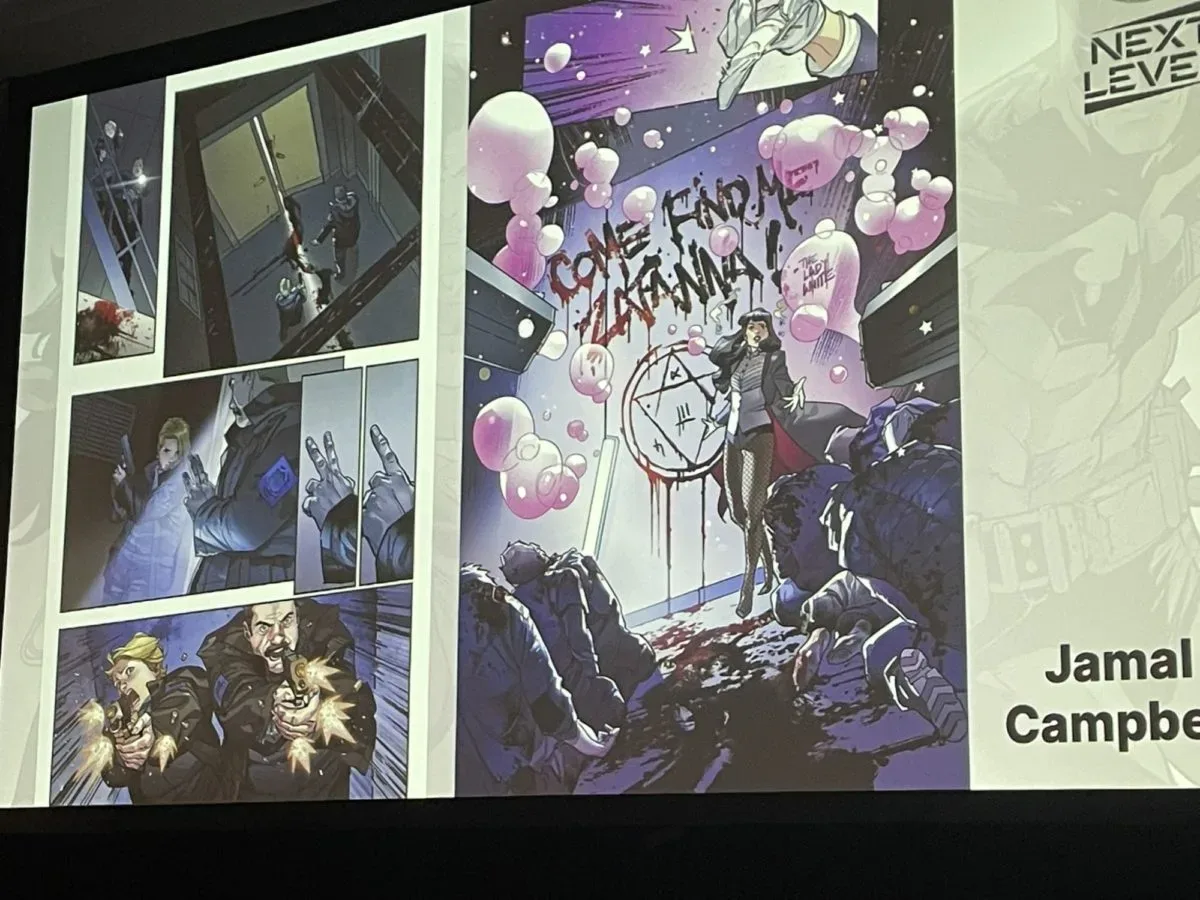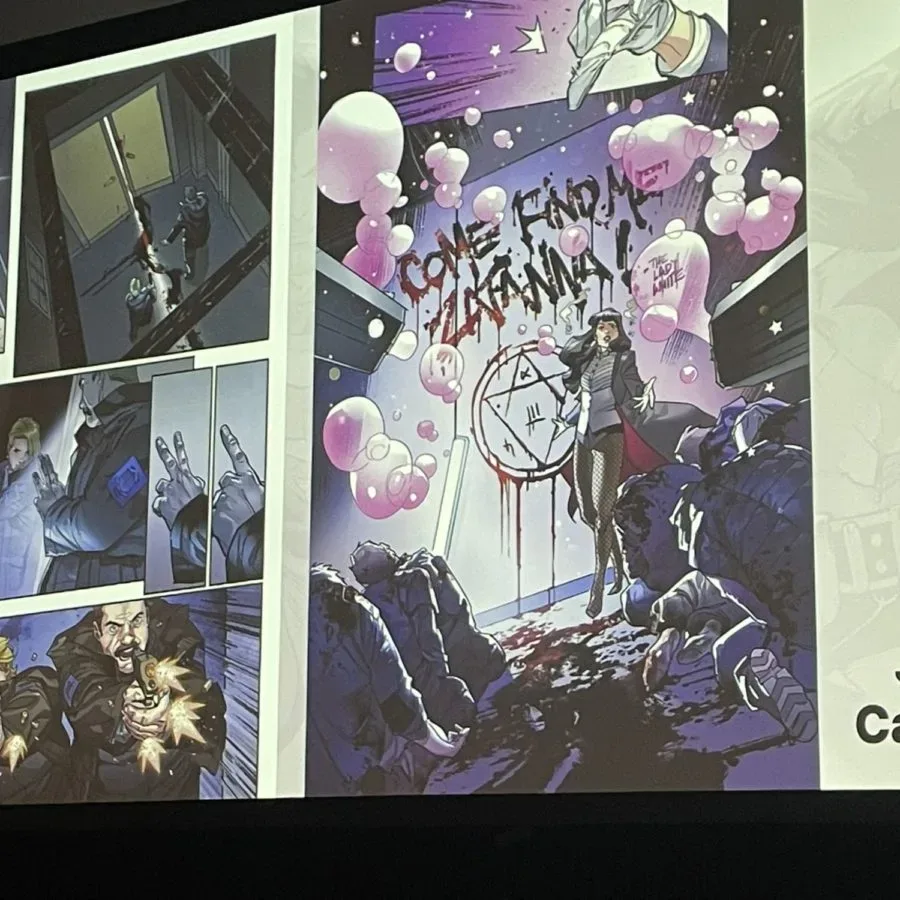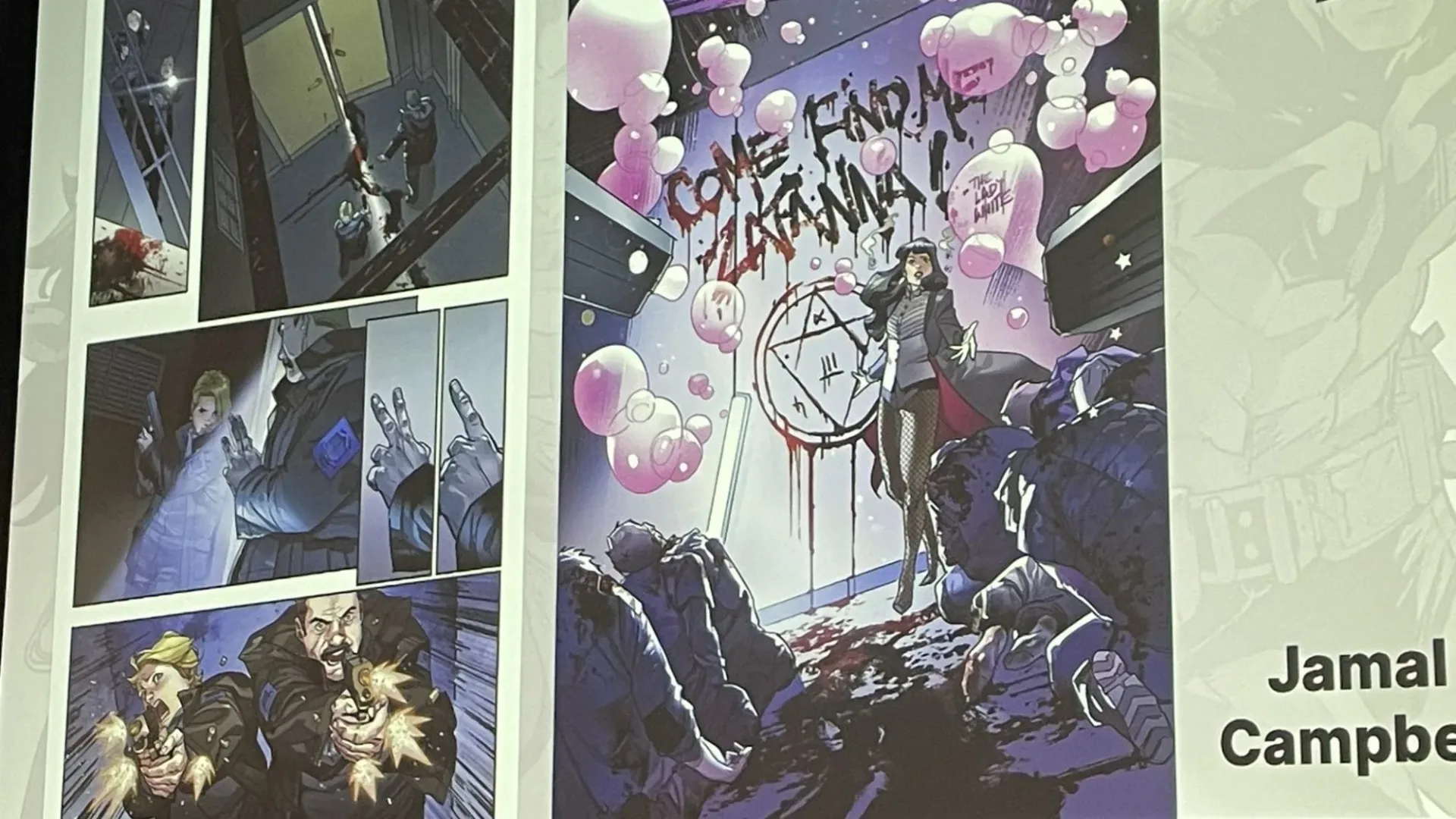
Zatanna’s current comic-book run is being positioned as a much larger magical showcase than its original limited-series format suggested. At New York Comic Con, writer and artist Jamal Campbell discussed how reader demand helped turn Zatanna into an ongoing title—and outlined an ambition to make its leading magician feel like the center of a durable DC supernatural franchise rather than a visitor to other heroes’ stories.
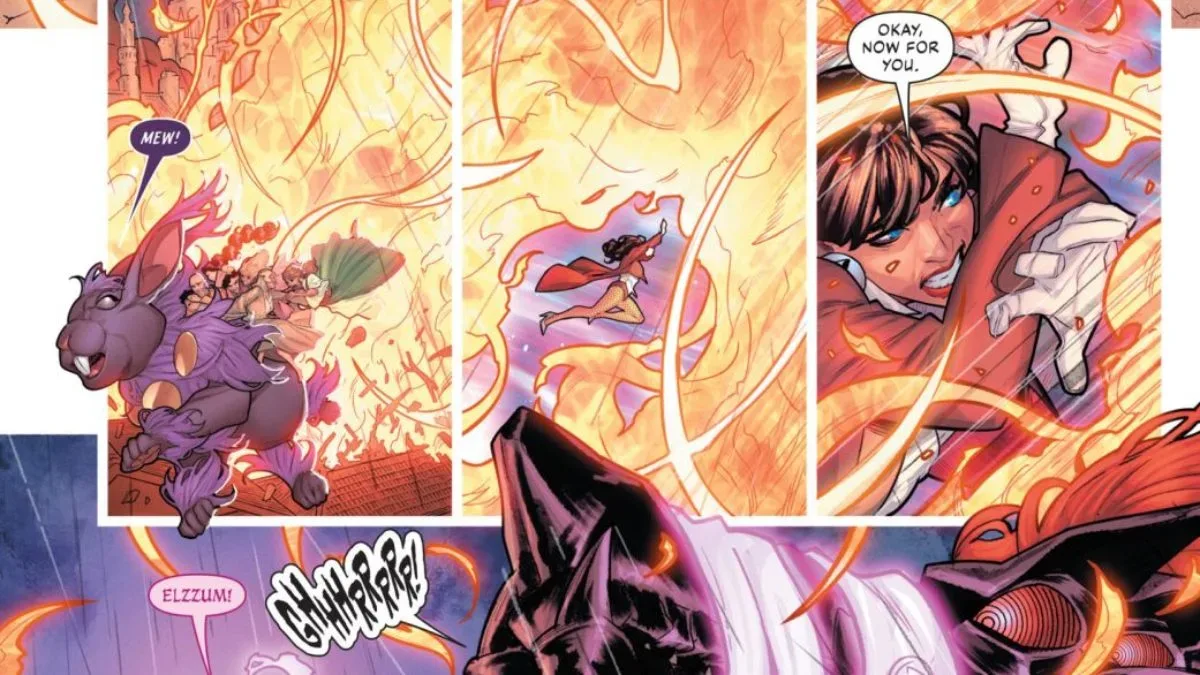
That goal gives the book a clear remit: take Zatanna across the many corners of DC magic, widen the scope of her responsibilities as Prime Magus, and let the setting move between high fantasy, folklore, old horrors and institutional attempts to regulate the supernatural. Campbell has described the approach as “The Greatest Tour,” a journey through the Realms of Magic with Zatanna serving as the Prime Magus, also called “The Greatest.”
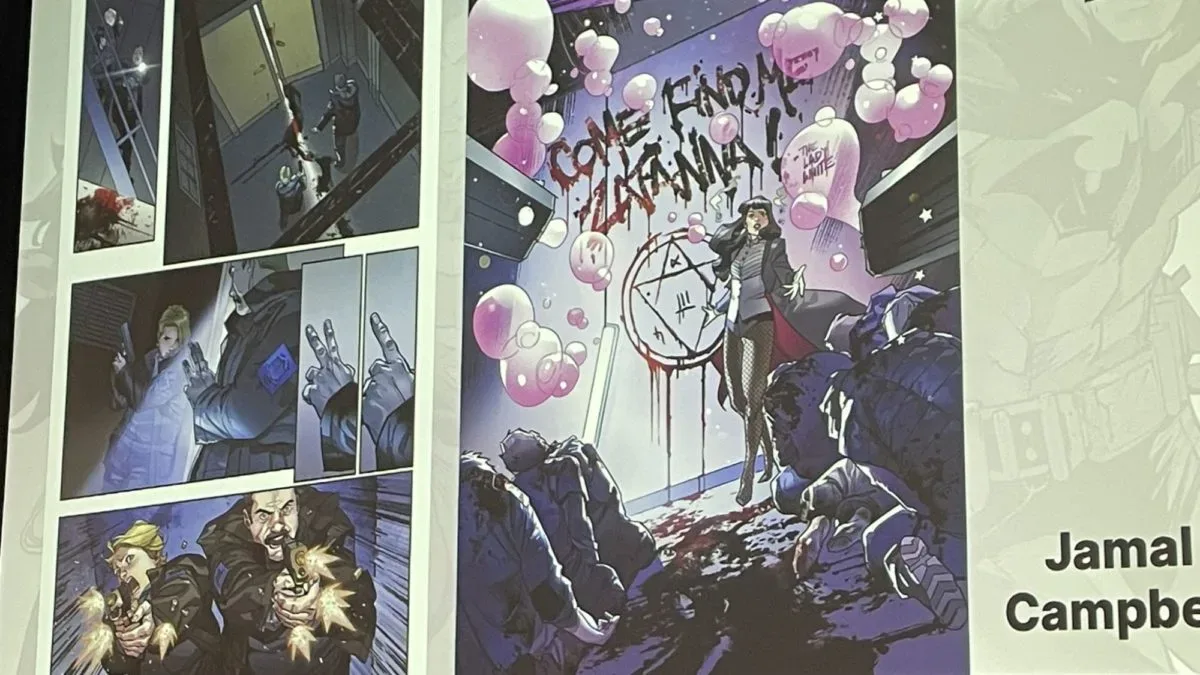
The series’ next announced arc begins with issue #7 on October 28, 2026. It returns the ghostly vampire Lady White and introduces a conflict that will run through issue #8, before issue #9 shifts Zatanna into an undercover operation within the DEO’s Occult Affairs division. Campbell writes all three issues and provides their covers; Yasmine Putri is listed as interior artist on issues #7 and #8, while Campbell is credited for writing and art on #9.
From limited series to ongoing magical franchise
The change from a limited miniseries to an ongoing comic is meaningful in practical storytelling terms. A limited series normally has a defined endpoint and can concentrate on one self-contained arc. An ongoing series has room to establish recurring threats, supporting players and locations while still allowing each arc to explore a distinct genre or part of the fictional world.
For Campbell, that extra runway appears to be central to the project. His stated intention is to build Zatanna as a character and as a franchise in her own right, pushing her beyond the roles she has occupied in earlier stories. The comparison to a new Books of Magic is less a claim that the comic is simply repeating an earlier idea than a useful signal of scale: the series is meant to open up DC’s magical side through one continuing protagonist.
That approach makes Zatanna’s office important. As Prime Magus, she is not merely a stage magician who encounters occult problems; she carries a formal responsibility within the magic-focused corner of the universe. The supplied details frame that role as both a passport and a burden. It sends her into the Realms of Magic, but also puts her in line for dangers rooted in forgotten histories and battles over who gets to wield or control magic.
“Realms of Magic” is the broad setting label for the supernatural spaces and traditions the series plans to visit. The term matters because it gives the comic flexibility. A folklore-driven episode can feel very different from a high-fantasy confrontation, and a story about government surveillance of magic can bring a more procedural or espionage-oriented tension. All three modes are part of Campbell’s stated tour, rather than separate concepts competing for space.
That range may be particularly useful for an ongoing schedule. Instead of treating magic as one uniform genre, the series can make each destination or threat a new lens on Zatanna. The connective tissue is her role as Prime Magus and the ongoing effort to define what that position means when supernatural power is contested.
Lady White and the White Coven take center stage
The immediate story is built around Lady White, described in the forthcoming material as a ghostly vampire pursuing revenge. In Zatanna #7, her plans draw Zatanna into a fight with a ruthless new adversary, a clash presented as one capable of pushing the Prime Magus to her limits. The issue’s setup also promises revelations about blood ties, making family or inherited connections a likely source of drama alongside its vampire imagery.
Zatanna #8, scheduled for November 25, 2026, continues that thread. Zatanna is caught in Lady White’s schemes and forced into battle with the long-lost Patriarch of the White Coven. The issue also pairs her with a new Van Helsing ally, while its description points to a buried tragedy in the coven’s past.
The phrase “White Coven” identifies an organized magical group, while “Patriarch” establishes a senior, likely foundational figure within it. Those terms suggest that the conflict is not only personal revenge from Lady White, but a story connected to a larger magical lineage and authority structure. That is an interpretation of the setup rather than a confirmation of the arc’s full plot, but the announced material plainly places the coven at the heart of issues #7 and #8.
Putri’s participation is also a notable production change within the arc. Campbell remains the writer and cover artist, but bringing in another interior artist means the ongoing title is not relying on him to provide every page alone. That can be especially important for a book whose premise calls for varied environments, character designs and supernatural imagery. The announced credits only confirm Putri for #7 and #8, so readers should not assume a longer assignment beyond those issues.
Issue #9 turns supernatural conflict into an infiltration story
After the White Coven assault, Zatanna #9 is scheduled to move the narrative into a different mode on December 23, 2026. Zatanna goes undercover to infiltrate the DEO and identify the coven’s agent within Occult Affairs. Agent Di Manes is aware of her actions and is poised to deploy a new weapon in a conflict framed around the future of magic.
“Undercover” is doing considerable work in that premise. Zatanna’s usual power is visibility: a public-facing performer and a major magical figure using formidable abilities. Infiltration requires information, secrecy and trust to become as important as raw power. If the White Coven has a person inside Occult Affairs, the danger is not confined to an outside attack; it has entered the bureaucracy handling supernatural matters.
The DEO is identified here through its Occult Affairs branch, which places a government element directly alongside the mystical material. That follows Campbell’s wider outline for the series, which includes government attempts to control magic. The issue description does not establish the DEO’s overall motives or the nature of Agent Di Manes’s weapon, so those details remain unknown. What is clear is that the arc is using an institutional setting to escalate the question of who will shape magic’s future.
Campbell is credited as writer, artist and cover artist on #9. That makes the issue a creative handoff point as well as a plot transition: Putri handles the interior art in the two White Coven chapters currently listed, then Campbell returns to the full interior-art credit for the DEO chapter.
What readers can expect from the announced issues
- Zatanna #7 — Written by Jamal Campbell, with interior art by Yasmine Putri and a cover by Campbell. Lady White’s revenge plan begins, pulling Zatanna toward a dangerous new enemy. Scheduled for October 28, 2026; listed at $3.99.
- Zatanna #8 — Written by Campbell, with interior art by Putri and a Campbell cover. Zatanna confronts the Patriarch of the White Coven alongside a new Van Helsing ally. Scheduled for November 25, 2026; listed at $3.99.
- Zatanna #9 — Written, drawn and covered by Campbell. Zatanna infiltrates the DEO’s Occult Affairs operation after surviving the coven’s attack. Scheduled for December 23, 2026; listed at $3.99.
The issue descriptions sketch a three-part progression: a revenge-driven supernatural attack, a reckoning with the White Coven’s lost history, and a covert investigation into an official agency. It is a useful demonstration of the title’s broader design. The same ongoing conflict can move through horror, family secrets, monster-hunting and espionage without abandoning Zatanna’s central role.
For readers tracking broader fantasy storytelling across pop culture, this emphasis on a magic-centered lead and an expanding fantastical setting arrives alongside other adaptations in the space, including the recently greenlit Artemis Fowl animated series. Zatanna’s comic, however, is specifically charting its own route through DC’s supernatural landscape rather than adapting a separate fantasy property.
Why the ongoing format fits the premise
A “tour” structure can sometimes risk feeling episodic, with each stop existing only to introduce the next novelty. The announced White Coven storyline suggests a counterweight: continuing threats, buried history and an infiltrator connect the separate genre textures. Lady White’s return carries into the Patriarch conflict, and the aftermath leads directly into the DEO investigation. The book can travel while still accumulating consequences.
There is also a character benefit to treating Zatanna as the authority at the center of these events. A broad magical world becomes easier to follow when readers have one stable point of view—someone with responsibility for its dangers, even when she cannot immediately control them. The Prime Magus role establishes why she would be drawn into both old coven vendettas and modern agencies attempting to manage the occult.
Campbell’s plan does not promise easy answers about magical power. Instead, its ingredients point to competing claims: folklore and ancient horror, covens with their own legacy, and government structures seeking influence over the supernatural. Zatanna’s position places her between them. With the former miniseries now continuing, that conflict has room to become a sustained examination of the magical world rather than a brief detour through it.