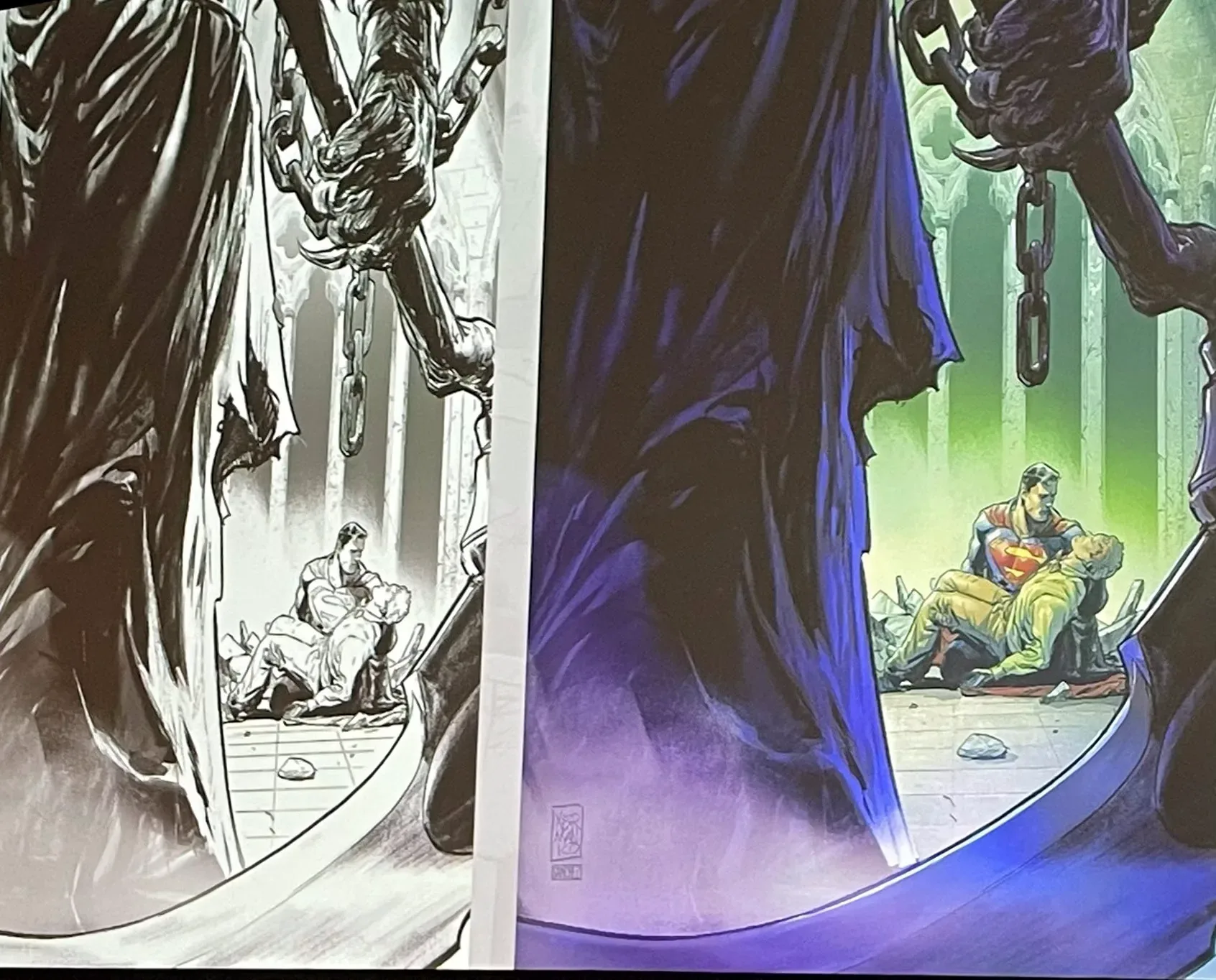
Superman is heading into the dark—literally in the case of an announced glow-in-the-dark variant cover, but more importantly through the streets of Metropolis itself. Superman #43 begins “Night Shift,” a new story arc from writer Joshua Williamson and artist Xermánico that brings Marilyn Moonlight back into Clark Kent’s orbit and sends the reporter investigating a death cult hiding in his home city.
The setup puts an intriguing emphasis on the Clark side of Superman. Following a stretch in which Superman was caught up in DC K.O.’s tournament, displaced in time and at war with General Zod, Lois Lane gives Clark a fresh assignment: work as a reporter. That assignment soon becomes a case involving a mysterious cult, unexplained danger, and a side of Metropolis that Clark apparently never knew existed.
It is a useful premise for a Superman story because Metropolis is often treated as the character’s reassuring daytime headquarters: a city of skyscrapers, the Daily Planet, scientific marvels and threats large enough to be punched through the nearest convenient asteroid. “Night Shift” shifts the lens toward secrecy, investigation and an unseen civic underworld. The arc’s solicitations promise a collision of noir and horror, genres built around hidden information and the terrible cost of uncovering it.
A new ongoing art run starts with Superman #43
Xermánico joins Superman as the title’s new ongoing artist with issue #43. The artist is credited for both interiors and cover art on the three announced issues. Williamson indicated during a New York Comic Con panel that Xermánico is intended to remain on the book for the long haul, a meaningful point of continuity for readers investing in the arc.
That stability matters especially for a storyline designed around atmosphere. A noir-leaning investigation depends on a consistent visual language: shadows can obscure a clue, architecture can make a city feel hostile, and a familiar hero can look newly vulnerable when the setting changes around him. The published details do not establish exactly how Xermánico will approach those pages, but the run’s horror and detective framing gives the new artist a clear tonal mission.
Issue #43 is scheduled for October 28, 2026, at $4.99. Williamson writes, while Xermánico handles art and the cover.
Marilyn Moonlight returns to a city she represents
The story also restores Marilyn Moonlight to a prominent role. Described as the supernatural Spirit of Metropolis, Marilyn was introduced earlier in Williamson’s run and now teams up with Superman as both are drawn toward the city’s concealed dangers. Her return is not merely a guest appearance bolted onto a standard Superman adventure: the announced plot specifically says that “Night Shift” will explore her role in Metropolis.
That makes Marilyn particularly suitable for this mystery. Superman knows Metropolis as a resident, protector and public figure, yet the premise insists there are places and people in the city that have escaped even his awareness. Marilyn’s supernatural connection to Metropolis positions her as a guide to that blind spot. The team-up can therefore ask a useful question without changing Superman’s essential competence: what does it mean for a hero to protect a city that always contains lives, histories and dangers beyond his line of sight?
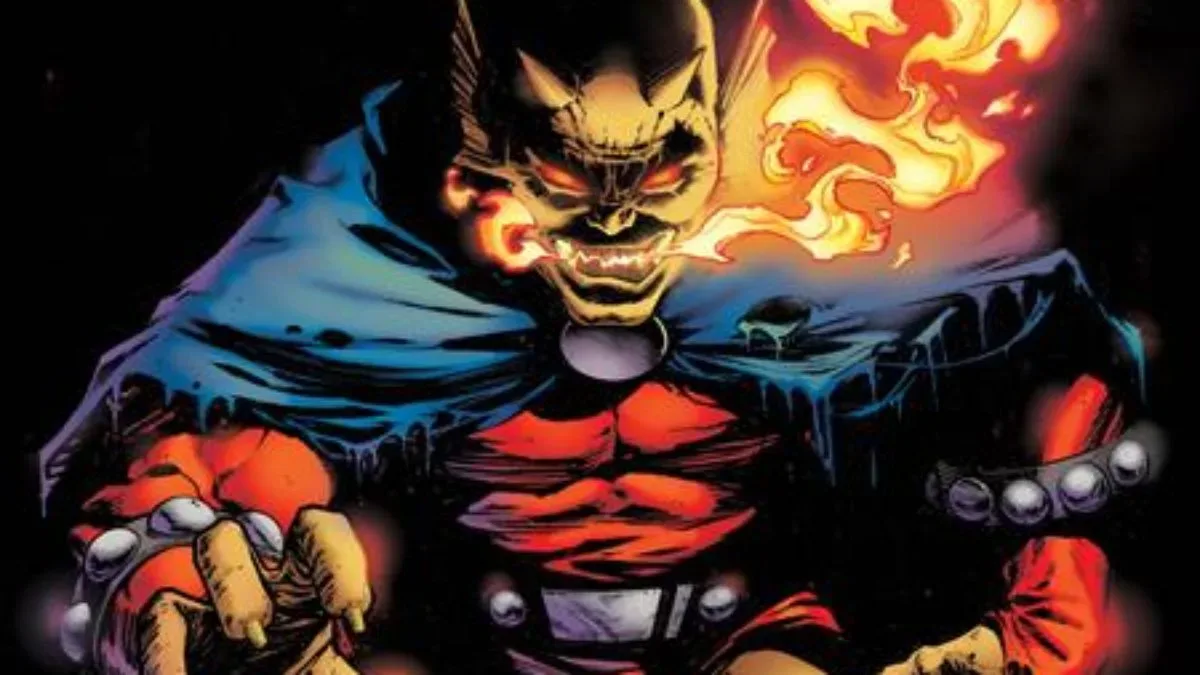
For readers keen on DC’s horror corner, there is another recent supernatural DC direction to consider in this look at a new Demon story centered on Jason Blood’s curse. “Night Shift,” however, is explicitly situated inside the ongoing Superman title, with Metropolis and Clark’s investigative work at its center.
What “noir” and “horror” mean for this Superman arc
The word noir here signals a mystery driven by secrets, moral danger and a city that can feel as threatening as any costumed villain. In practical story terms, the announced ingredients fit: an investigation, an old friend who goes missing, a secret cult and a supposedly unknown portion of Metropolis. Clark will not just be called upon to overpower an immediate threat; he will have to connect evidence and determine what is happening before the danger escalates.
The horror component arrives through Nekron, the Deadlands and the corrupted Black Lantern ring. A Black Lantern ring, as presented in the solicited plot, is an object of corruption that the cult worships and that attempts to make Superman its master. The stakes are direct: if Superman succumbs, Nekron rises again. This is not a vague supernatural mood piece. It is a mystery with an identifiable hostile force and a specific risk to Superman himself.
Nekron’s Deadlands are named as a corrupting presence that has possessed a deadly part of the city. Issue #45 frames them as a curse Superman must escape while pursuing a new enemy. With the information available, it is safest to treat the Deadlands as the arc’s supernatural source of danger rather than presume how far they extend, how they operate, or who the new enemy will prove to be. Those are questions the comics are positioned to answer.
The three announced chapters
The arc will unfold across three issues through the end of 2026. Each chapter expands the case rather than simply repeating the death-cult premise.
- Superman #43 — October 28, 2026, $4.99: Clark takes on a reporting assignment from Lois and begins examining the Metropolis death cult. Marilyn Moonlight returns as the pair are pulled toward an unknown, hazardous side of the city.
- Superman #44 — November 25, 2026, $4.99: An old friend of Superman disappears, with others missing as well. Clark’s search leads to the cult’s corrupted Black Lantern ring, which tries to claim him as its master. The solicitation identifies Nekron’s return as the consequence if Superman falls.
- Superman #45 — December 23, 2026, $4.99: Superman and Marilyn work together in a portion of Metropolis possessed by Nekron’s Deadlands. The issue promises further details on Marilyn’s place in the city as Superman attempts to evade the curse and catch a deadly new foe.
Jimmy Olsen also has a major part in the overall story. That detail is especially welcome in an arc built around journalism and a hidden Metropolis: Jimmy is a natural fit for an investigation that requires persistence, local knowledge and a willingness to wander into the oddest corners of a city. The supplied information does not define his exact assignment or level of peril, so readers should not assume he is the missing friend referenced for issue #44. But his stated involvement makes the case feel like a Daily Planet-era Superman story, even as the threat leans into occult horror.
Why Clark Kent’s reporting assignment is more than a change of pace
Sending Clark back to reporting gives the series a way to use one of Superman’s defining identities as an active story engine. Journalism is not a disguise in this setup; it is the route into the mystery. Superman can see through walls and cross Metropolis in moments, but those powers do not automatically reveal why people join a cult, which victims are linked, or what a community has learned to keep quiet about. Reporting emphasizes questions, sources, patterns and trust.
That distinction can make the tension feel different from a straightforward fight. A physical attack has a visible enemy. A secret cult, by design, has concealed membership, a belief system and a structure that must be uncovered. The combination lets the arc challenge Clark without requiring the story to pretend that Superman’s power set has stopped working. The problem is not simply reaching the scene; it is understanding the scene before the ring’s corruption and Nekron’s influence produce an irreversible result.
The fact that Clark is surprised by this part of Metropolis also reframes the city from a practical perspective. It does not mean he has failed to care about Metropolis. Instead, the announced premise recognizes that no single hero, no matter how powerful, can know every private grief or secret institution in a major city. Marilyn Moonlight’s role and Jimmy Olsen’s involvement make this a story about widening Superman’s view, not narrowing his abilities.
The glow-in-the-dark cover is a variant, not the story’s main event
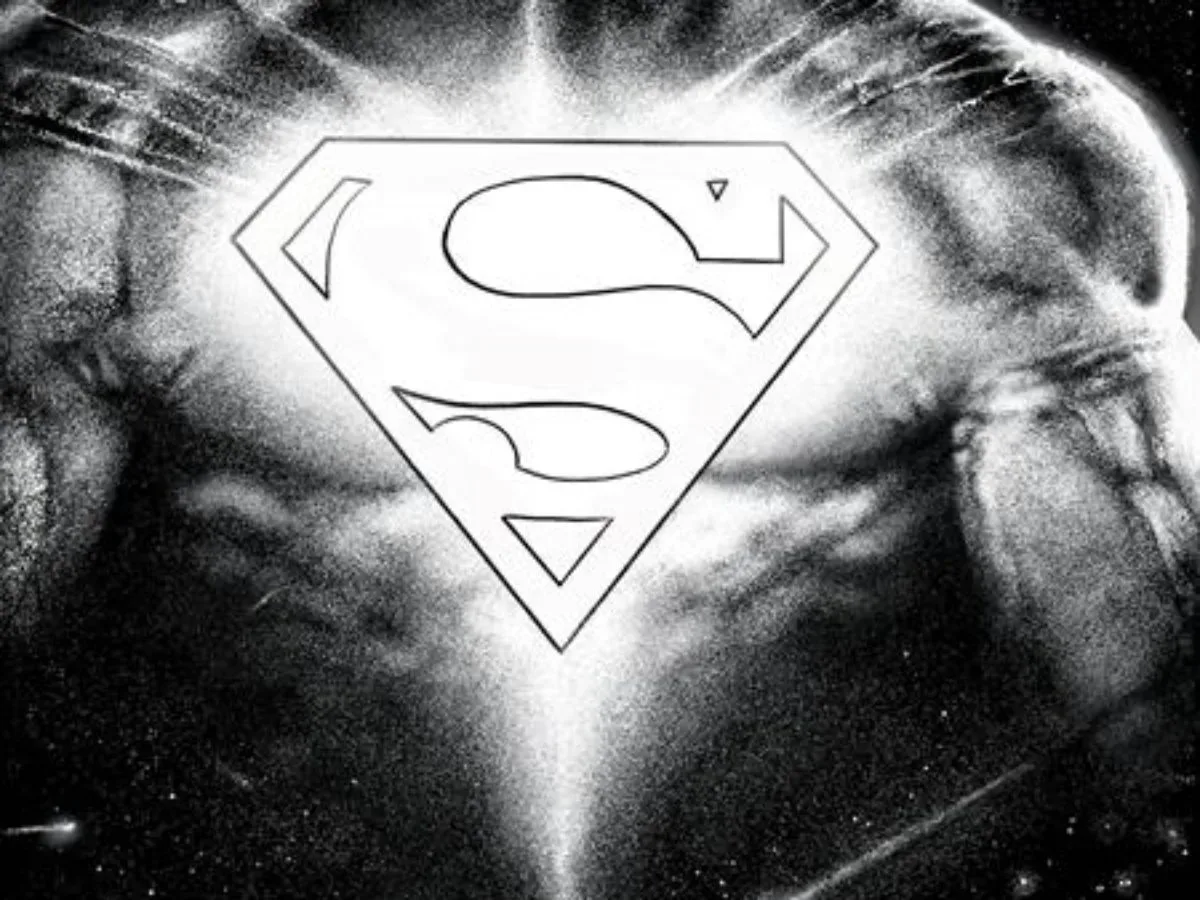
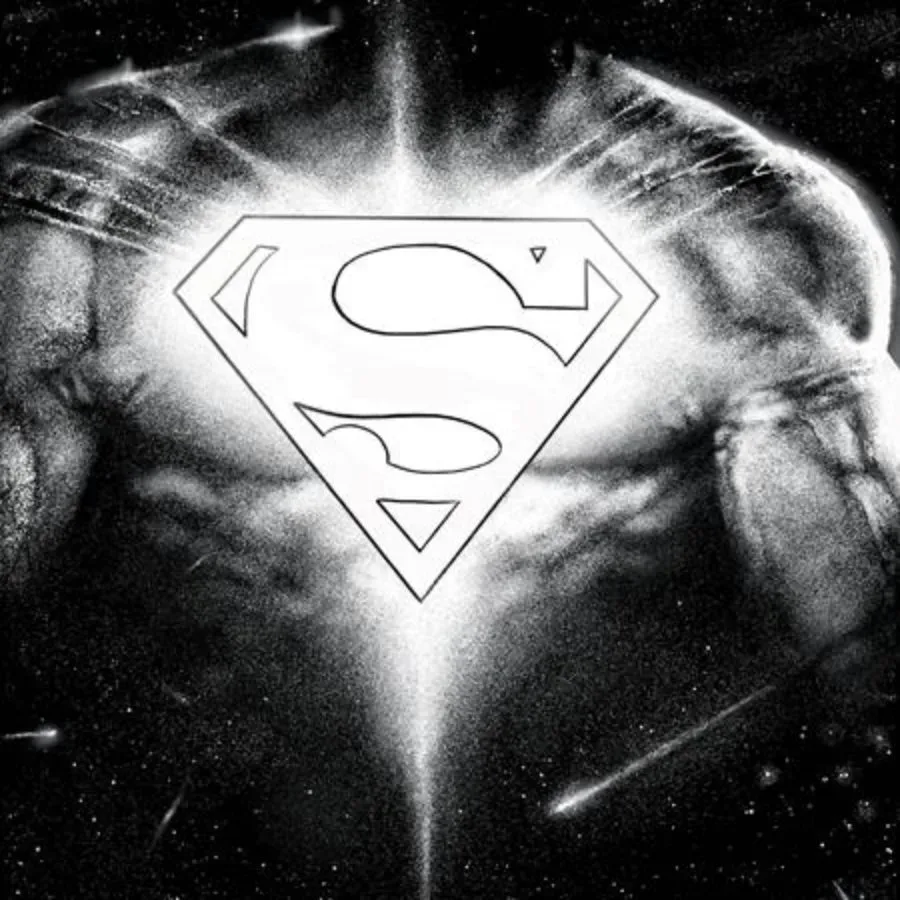
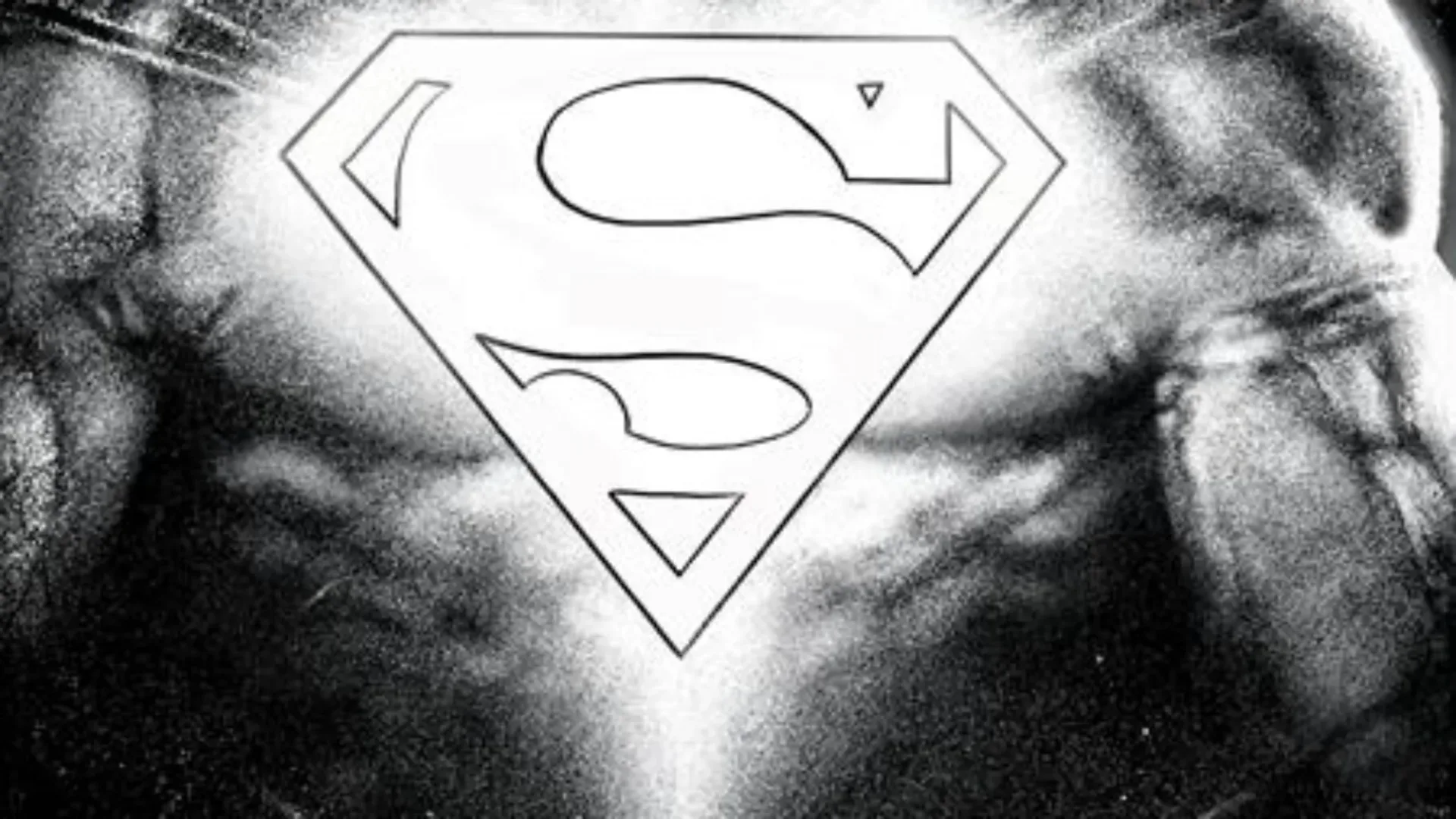
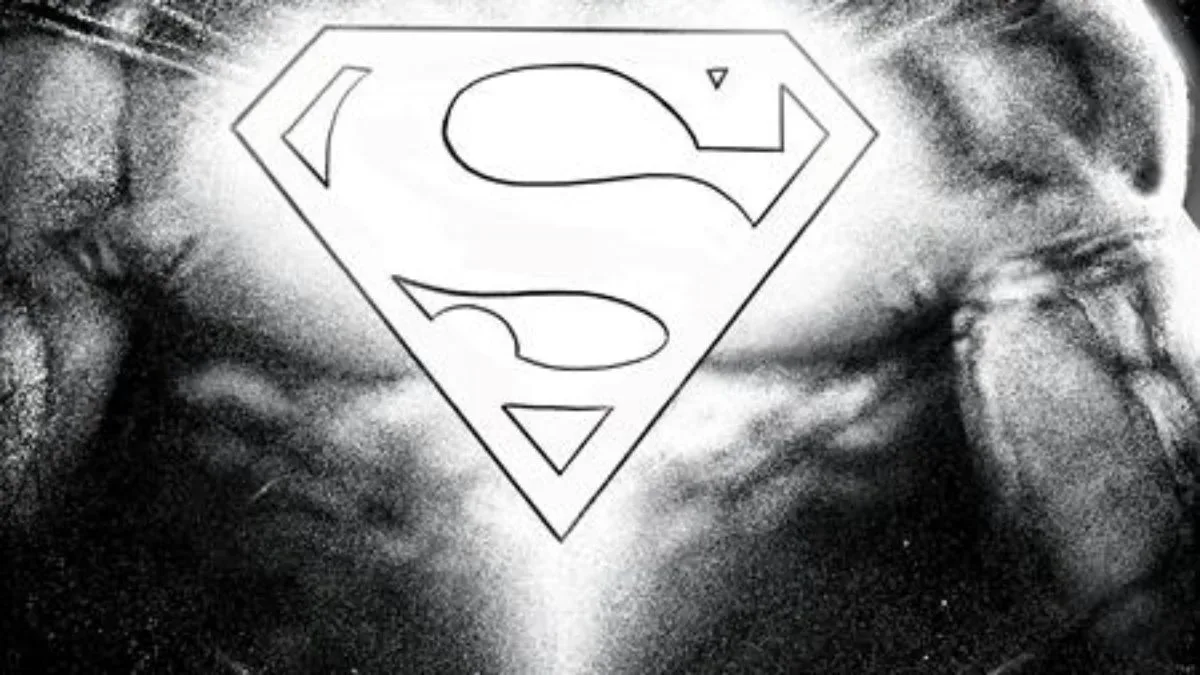
A glow-in-the-dark variant cover was announced alongside the “Night Shift” news. It is a fitting physical flourish for an arc about nighttime Metropolis, hidden cult activity and the spectral threat of Nekron. As a variant cover, it is an alternate cover treatment for an issue rather than a separate chapter of the narrative. Readers following the plot should look to the numbered issues—#43, #44 and #45—while anyone interested in the specific cover should confirm ordering details with their preferred comic retailer.
The main draw remains the creative and narrative pivot: Xermánico’s ongoing art run begins, Marilyn Moonlight returns, and Superman’s next challenge starts with Clark Kent on the reporting beat. By the time the arc reaches its final announced chapter, it aims to have exposed a new nocturnal face of Metropolis while placing Superman against a threat that could turn him into Nekron’s weapon.
For a character associated with hope, that is a sharp premise. “Night Shift” is not asking whether Metropolis deserves saving. It is asking what Superman finds when he looks into the places its daylight stories have not yet illuminated.