IDW is planning an unusually broad horror push for 2027. Under the banner IDW Goes Dark, the publisher intends to take the sensibility of its horror imprint beyond a separate label and across its wider comic-book line for the year.
The striking part is not simply that more horror comics are coming. It is the range of worlds named for the initiative: Hello Kitty, Sonic the Hedgehog, Godzilla, Star Trek, and Teenage Mutant Ninja Turtles are all set to be part of the slate, alongside horror properties and original series. That mix puts family-friendly mascots, science-fiction institutions and monster-heavy action franchises in the same larger publishing event.
There are no story details, creative teams, release dates, covers or official images for the horror takes on those licensed properties in the information currently available. That distinction matters. “Horror” can mean many things in comics: a sustained scary storyline, an alternate-universe special, creature-feature action, psychological dread, or simply a darker visual and tonal approach. Readers should not assume a particular format or level of intensity until individual books are detailed.
A line-wide horror initiative, not only an imprint schedule
An imprint is a publishing label operating under a larger company, usually used to signal a particular genre, audience or editorial identity. IDW Dark is the company’s horror-focused imprint. IDW Goes Dark is being positioned more expansively: a 2027 initiative that carries horror throughout the publisher’s output rather than restricting it to books formally branded as Dark titles.
That broad framing is what makes the announcement noteworthy. A horror line featuring material such as A Quiet Place, Event Horizon and The Twilight Zone has an immediately obvious genre fit. Applying the same umbrella to Hello Kitty and Sonic creates a very different expectation: the initiative is designed around contrast as well as conventional scares.
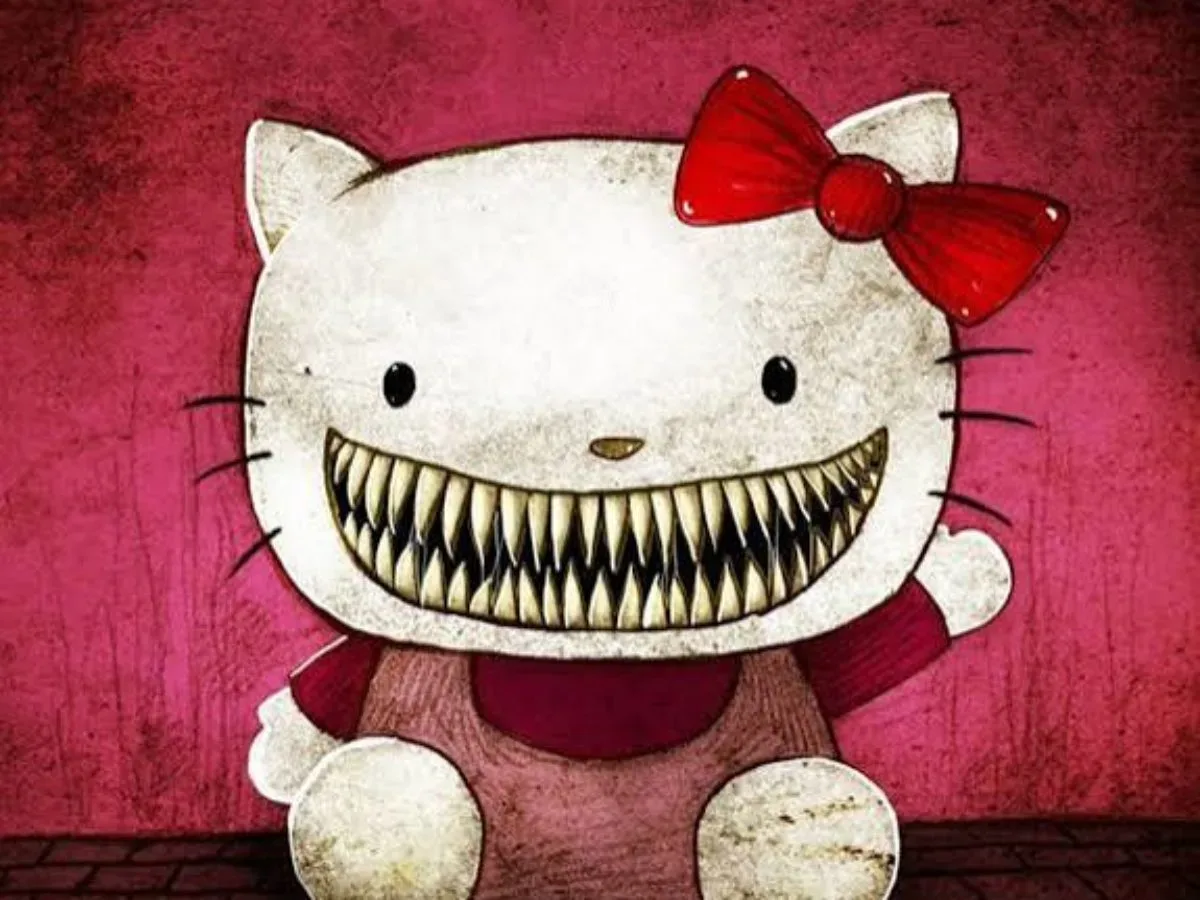
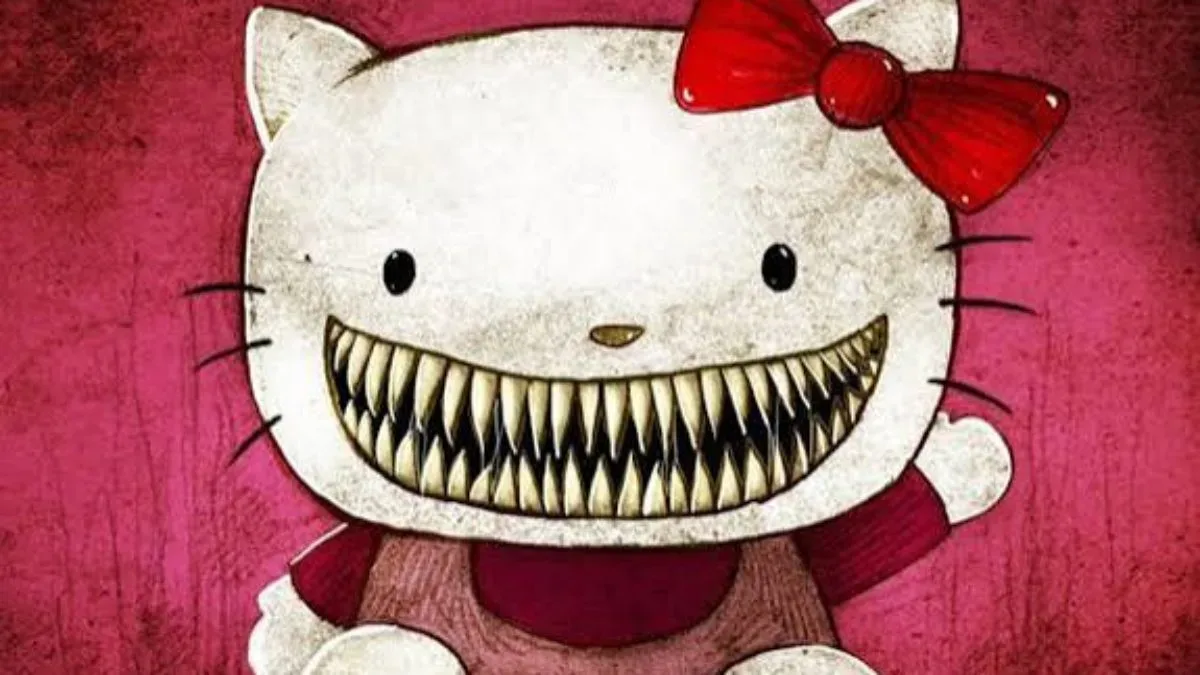
Hello Kitty is likely to draw the fastest reaction because of the character’s famously cute, clean visual identity. The announcement does not specify what form the comic will take, so it would be premature to describe it as gore, slasher fiction, a mature-reader book or any other specific horror subgenre. Still, the simple collision of an ultra-cute icon with horror language is an attention-grabbing premise in itself.
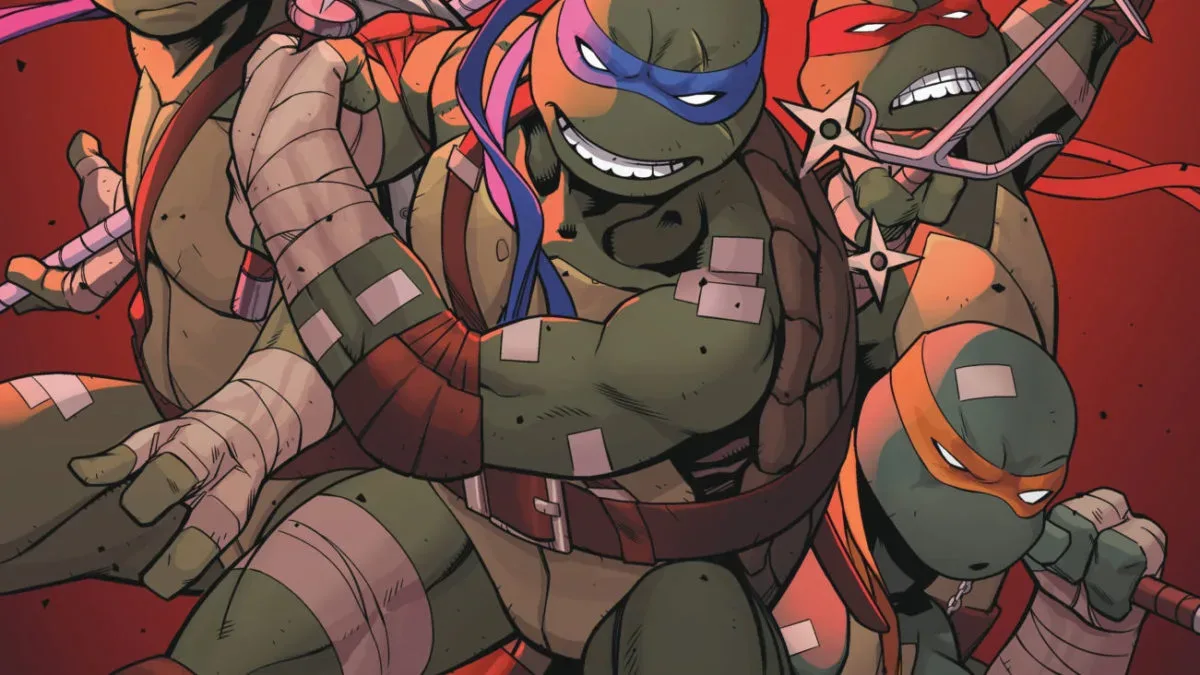
Sonic, TMNT, Godzilla and Star Trek each offer different paths into darker material without requiring the same approach. Godzilla is already associated with giant-monster destruction; the potential horror angle could be quite different from what a Hello Kitty story would mean. TMNT has a long tradition of combat and strange creatures. Star Trek can support suspense and unsettling science-fiction concepts. Sonic’s inclusion, meanwhile, is a clear signal that the initiative is not limiting itself to properties normally marketed as horror-adjacent.
None of that is a plot prediction. It is the practical implication of a line-wide theme: each participating property will need to interpret “dark” in a way that fits its own world and audience.
The books named so far
Along with the major licensed franchises, the 2027 initiative includes a group of announced horror projects with more direct genre connections:
- A Quiet Place: Rising Tides
- The Twilight Zone
- Any Given Smile
- Event Horizon: Pandemonium
- Fatal Fest, by Hannah Rose May
- Beneath the Trees Where Nobody Sees: The Summer and the Fall, described as the conclusion to the cozy-horror series
- You’ll Never Leave This Place Alive
This is a more varied list than a single-theme event. A Quiet Place, Event Horizon and The Twilight Zone bring recognizable horror and speculative-fiction names into the program. Meanwhile, Fatal Fest, Any Given Smile and You’ll Never Leave This Place Alive represent titles whose announced names alone leave much of their premise undisclosed here.
Beneath the Trees Where Nobody Sees: The Summer and the Fall is especially clearly defined in relation to prior material, as it is intended to close the cozy-horror series. Cozy horror generally describes fiction that pairs eerie, frightening or macabre ideas with an accessible, often stylized or comforting surface. The phrase does not tell readers exactly what happens in a comic; it helps establish the intended blend of atmosphere and horror.
The named lineup also shows that IDW Goes Dark is not solely a crossover between existing brands. The initiative is being used to group licensed material, continuing series and new original nightmares under one editorial direction. That can make a publishing event easier for readers to follow, while leaving room for books that have very different settings and tones.
What has been announced at New York Comic Con
New York Comic Con attendees can find exclusive ashcans for Fatal Fest #1 and You’ll Never Leave This Place Alive #1 at IDW booth #4551, while supplies last.
An ashcan is typically a limited, early or promotional comic edition. Its exact contents, print run and differences from the eventual standard issue can vary by publisher and event. In this case, the key point is that these are convention exclusives connected to two horror titles in the wider 2027 program, rather than a stated indication that either series has received a full release schedule in the announcement.
The convention week is also expected to bring at least one significant reveal each weekday. IDW has flagged additional Star Trek and TMNT news, further horror material, and a still-classified reveal for its Friday panel. That means the first announcement should be read as an opening slate rather than a complete catalogue of every book and creative detail planned for the initiative.
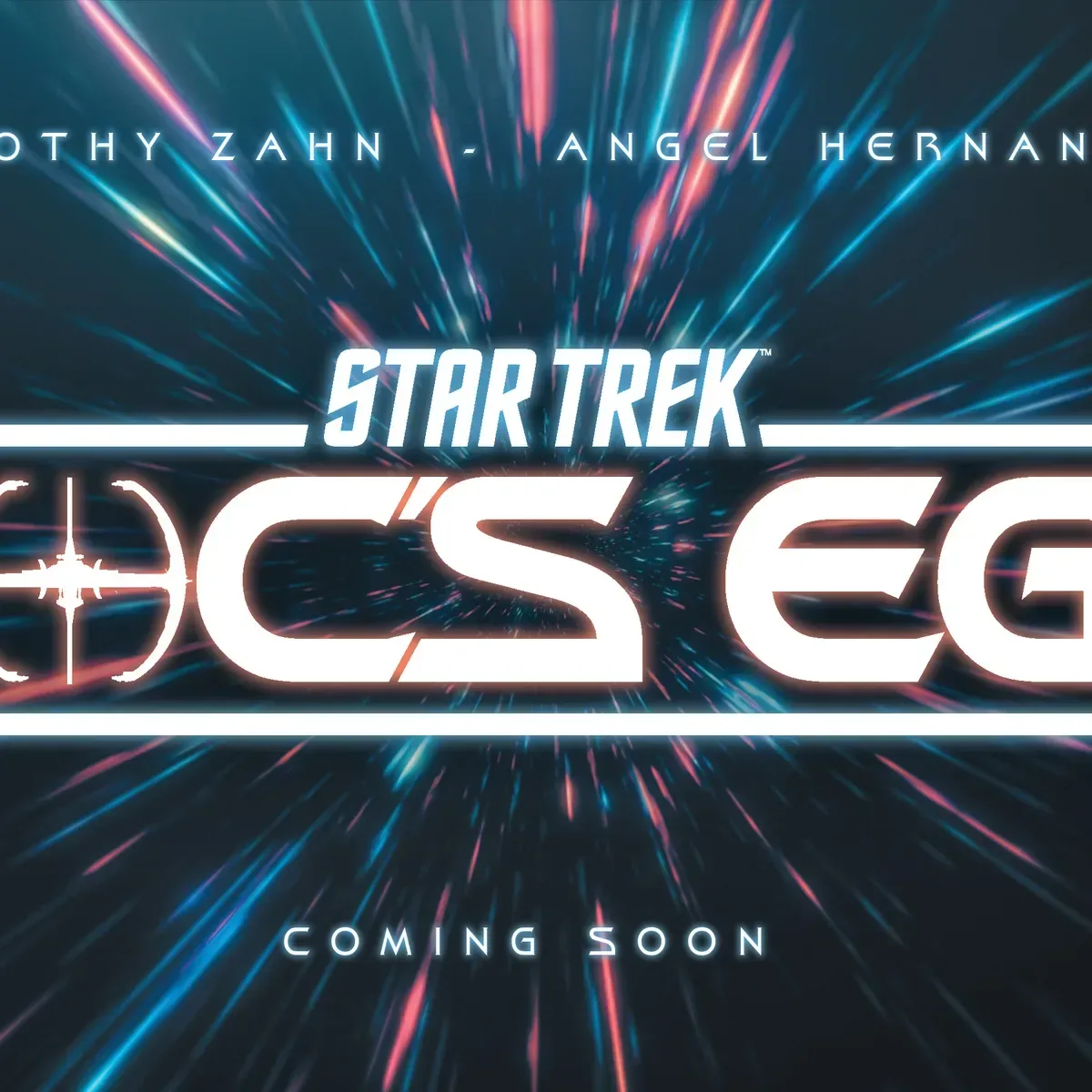
Star Trek readers already know that the franchise’s 2027 comic future has more than one direction in motion: Timothy Zahn’s Star Trek: Roc’s Egg is also set to bring an artifact mystery to Deep Space 9 in 2027. The IDW Goes Dark announcement does not explain how its Star Trek horror plans might relate to other forthcoming books, if at all. For now, they should be treated as separate announced projects unless future details establish a connection.
Why the familiar names matter
Publishing horror through recognizable franchises presents both an opportunity and a balancing act. Familiar characters can help readers enter a genre they might otherwise overlook. Horror readers may try a book because a beloved license has an unexpected hook; fans of the license may sample horror because the characters give them a comfortable entry point.
The challenge is that the word “horror” creates expectations of its own. Some readers will picture supernatural threats, others body horror, survival stories, ominous mysteries or psychological tension. A character’s established identity also shapes what kind of reinvention feels plausible. The absence of concrete story details makes it impossible to judge which route any of the licensed books will take. It does, however, give IDW room to tailor the approach title by title instead of presenting one uniform template.
For collectors and convention visitors, the most immediate practical detail remains the booth #4551 ashcans. For readers waiting on the Hello Kitty, Sonic, Godzilla, Star Trek and TMNT material, the announcement is better understood as confirmation of participation in the 2027 initiative—not as confirmation of issue counts, creators, release windows, age ratings or narrative premises.
“We’ve been blown away by how fans have embraced IDW’s horror books, and this is our opportunity to give them even more of what they love while pushing these characters and worlds into places they’ve never been before,” said Heather Antos, senior group editor and lead on the IDW Dark imprint.
That stated aim captures the central appeal of IDW Goes Dark. The project is built around taking known worlds somewhere unfamiliar, while supporting them with series that already sit squarely in horror. Whether that produces eerie standalones, extended arcs, alternate versions or other formats remains to be seen. The next New York Comic Con announcements should establish how much of the initiative’s promise is a unifying mood and how much becomes specific, book-by-book reinvention.