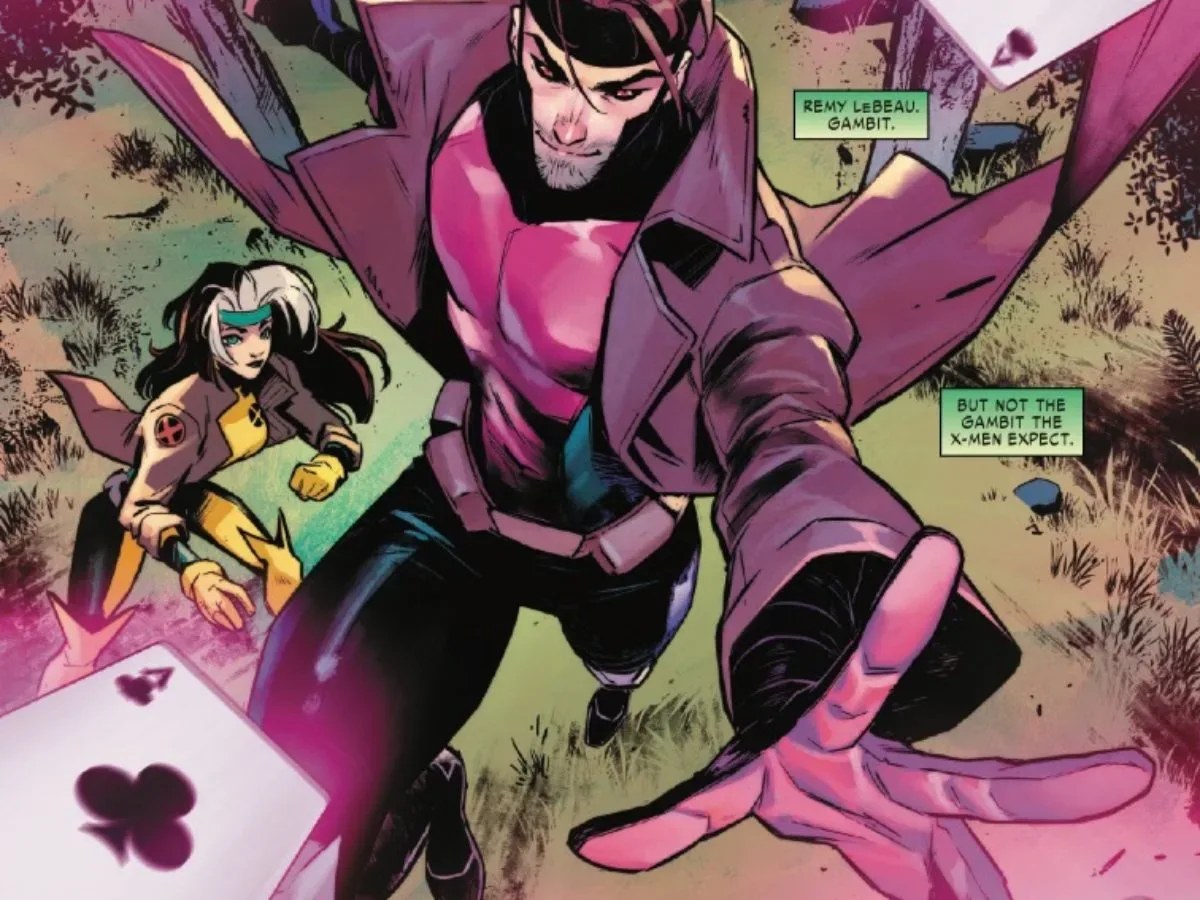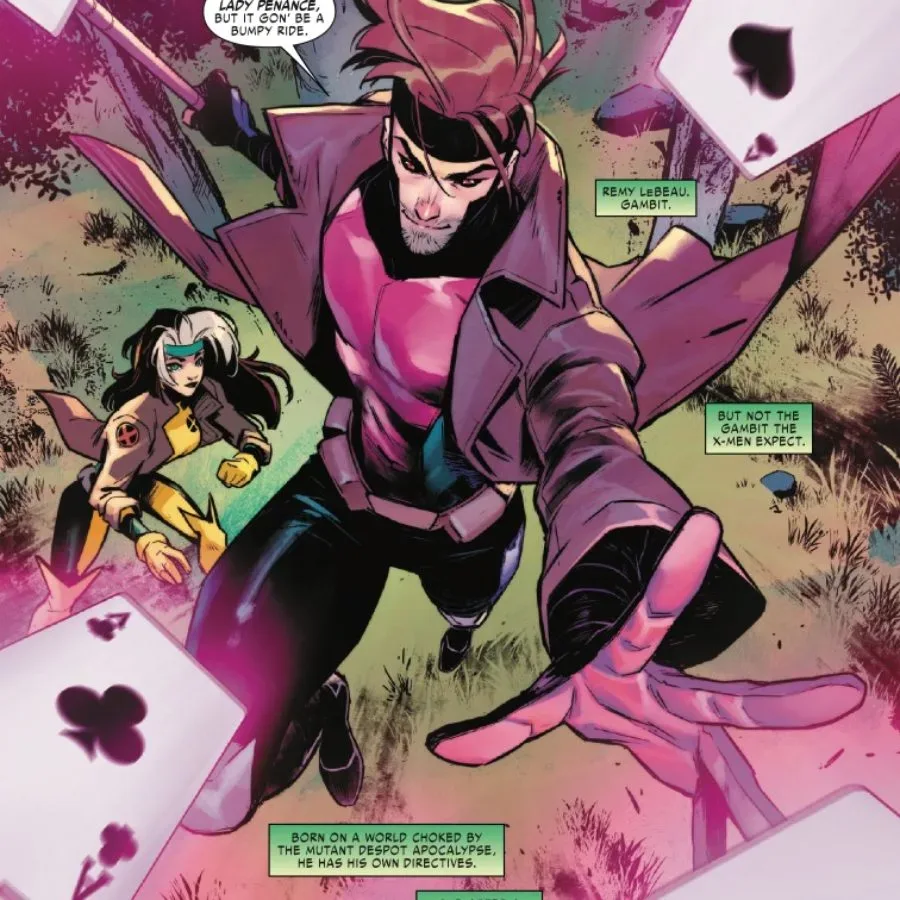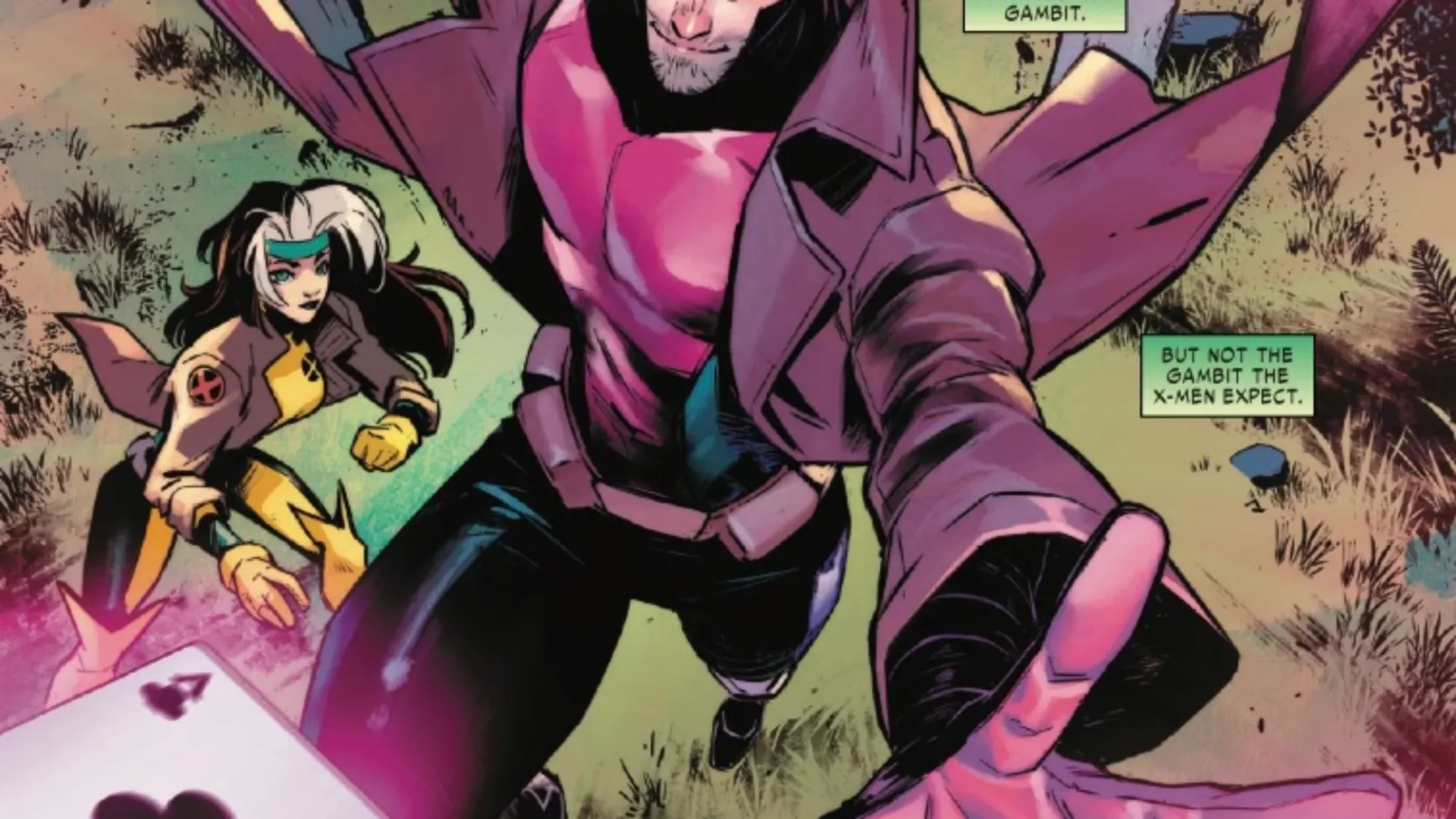
Gambit is about to get caught between more than one bad hand. Gambit Gone #1, a new Marvel one-shot spinning out of X-Men of Apocalypse: Omega, is scheduled to go on sale September 23, 2026. The 32-page issue centers on Remy LeBeau as he confronts both personal baggage and the broader devastation facing mutantkind.
The premise is deliberately focused on pressure rather than a simple mission. Marvel frames the comic around two intertwined tales, with Remy pushed to examine what sort of man, husband and hero he can be when the stakes are no longer safely separated. That setup puts a familiar part of Gambit’s character at the center: his past is not merely backstory, but something that can actively complicate every decision he makes in the present.
The issue is credited to Steve Orlando, Eduardo Aoudino and Gerardo Sandoval, with a cover by Simone Di Meo. It carries a T+ rating and a $4.99 US cover price.
Two Gambits, two kinds of pressure
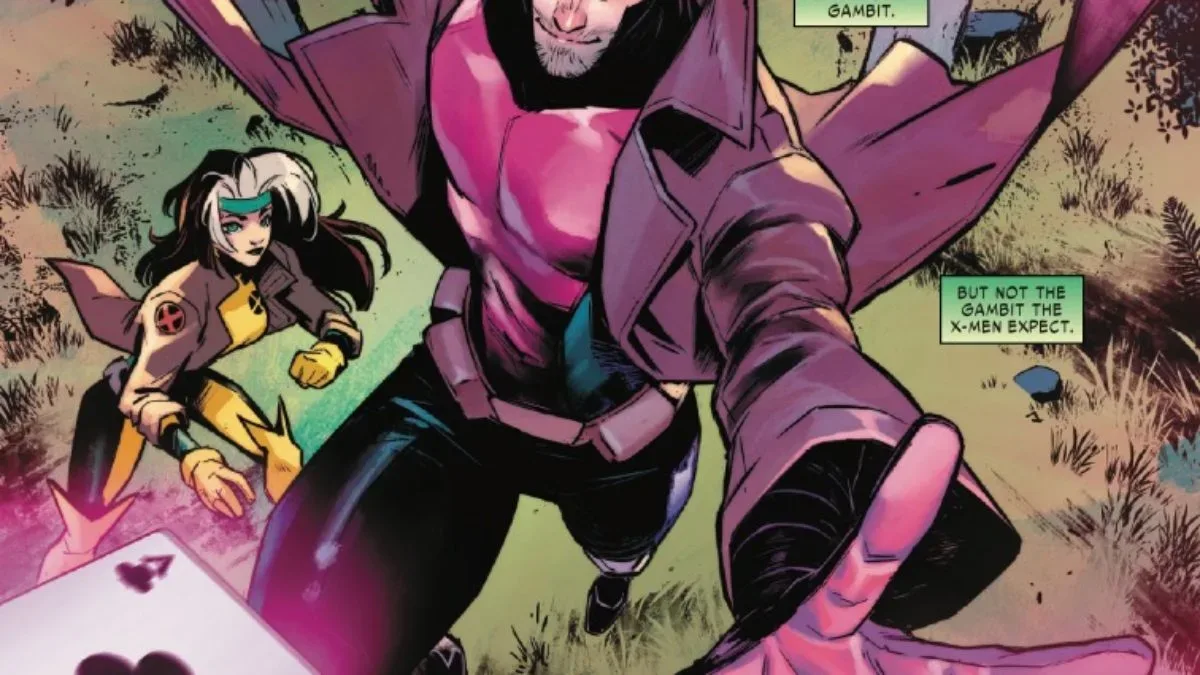
The key structural detail is the use of two connected narratives across broken mutant timelines. Preview material points to one thread involving the main-universe Gambit in an Apocalypse-ravaged setting, where he encounters wary Morlocks. Another follows an alternate version of Remy alongside Rogue-295, with their relationship becoming part of the conflict rather than an escape from it.
That distinction matters because alternate realities are doing more here than providing different costumes or a convenient crossover spectacle. In superhero comics, an alternate timeline is a version of events that diverges from a familiar continuity. It can let a story place recognizable characters under changed circumstances and expose which traits endure. The premise of Gambit Gone appears to use that device to test Remy’s identity from two directions at once: how he handles a devastated world, and how he handles intimacy and accountability when a different version of his life is looking back at him.
One preview sequence reportedly has Rogue-295 challenge Remy over boundaries. In the other, the main Gambit must win over people who have reason to question him. Neither conflict is simply about whether he can win a fight. They instead place trust at the center of the issue: trust between spouses, trust within a vulnerable community and trust in the reformed thief who calls himself a hero.
That is an especially suitable conflict for Gambit. “Reformed” carries real dramatic weight for a character whose history is explicitly part of the story’s promise. A redemption arc only remains compelling when reform is treated as an ongoing responsibility rather than a completed achievement. The issue’s stated questions about husband, man and hero suggest that the comic will measure Remy by his choices under strain, not only by the enemies he can defeat.
The aftermath of Apocalypse is central, not decorative
Gambit Gone #1 follows the conclusion of X-Men of Apocalypse: Omega, and that connection is likely important for readers deciding whether this is a standalone impulse buy or a continuation. The new comic is clearly positioned as a direct aftermath story. Readers who have followed the preceding event should have additional context for the shattered setting and its altered versions of the X-Men cast.
At the same time, the solicitation gives a legible entry point for Gambit readers: a pair of stories about Remy facing his demons and the damage around him. The stated conflict is character-led, even if its backdrop is large-scale mutant catastrophe. That is often the practical value of a tie-in or aftermath issue. Rather than attempting to retell every development from the larger storyline, it can narrow the lens to show how one person lives with its consequences.
The Apocalypse-scorched environment also changes the meaning of heroism. In a healthy status quo, a hero may be judged largely by their ability to stop an immediate threat. In a ruined setting, heroism can require building credibility among frightened survivors, recognizing the limits of one person’s control and accepting help without turning every exchange into a performance. Gambit’s charm is part of his appeal, but the premise leaves room to question whether charm is enough when the people around him need reliability.
Preview material also includes a violent confrontation involving Rogue-295 and a Sentinel. A Sentinel is a giant anti-mutant machine in Marvel’s X-Men mythology, a recurring symbol of organized persecution against mutants. The image of Rogue tearing into one of those machines establishes an immediate physical threat, but it also reinforces the issue’s broader subject: mutant survival in worlds shaped by catastrophic hostility.
Marriage questions raise the stakes without replacing the larger story
The solicitation does not promise easy answers for Remy and Rogue. It promises a test. That is an important difference. Asking what kind of husband Gambit will become is not necessarily the same as treating the book as a romance comic; it means the relationship is one of the standards against which his conduct will be judged.
In the alternate timeline thread, Rogue-295’s criticism reportedly centers on boundaries. That term has a specific interpersonal meaning: boundaries are the limits people establish around their needs, autonomy and acceptable treatment. A relationship conflict framed this way moves beyond the familiar superhero-comic problem of a dangerous job making domestic life difficult. It suggests that the alternate Remy may be challenged for how he behaves toward the person closest to him.
There is a potential thematic contrast in placing that argument beside the main Gambit’s encounter with distrustful Morlocks. In both cases, Remy may want others to accept his intentions. But intention and trust are not the same thing. Trust must be earned, especially in a world where prior harm, uncertainty and survival have made everyone cautious. The preview setup therefore gives the two plots a shared emotional logic even before readers know exactly how they intersect.
This is the kind of character-forward framing that can make a timeline-spanning story accessible. Readers do not need to treat every continuity detail as a puzzle to recognize the stakes of a spouse calling for accountability or a survivor group refusing to take a stranger at his word. The unfamiliar setting can heighten the drama, while the emotional questions remain direct.
What readers can expect from the format
As a 32-page, $4.99 issue, Gambit Gone #1 is a compact chapter in the larger post-Omega landscape. The wording around “two intertwined tales” is worth noting. It indicates connected plots, but it does not specify whether the narratives will alternate page by page, converge at the end or remain parallel reflections on the same character. Readers should avoid assuming a particular structure until the full issue is available.
Likewise, the preview establishes an alternate Rogue and an Apocalypse-damaged setting, but it does not fully lay out the scope of the series beyond this issue. The reliable takeaway is that Remy’s personal reckoning is tied to the consequences of the recent X-Men storyline, not that every mystery has already been answered.
Collectors who prefer alternate cover art will have four listed options in addition to the standard edition: a Russell Dauterman virgin variant, a Meghan Hetrick variant, a Russell Dauterman variant and an ACO variant. Each is listed at $4.99 US and $6.25 Canadian. A “virgin variant” generally refers to a cover printed without the usual logo and cover text, allowing the artwork to appear without those design elements.
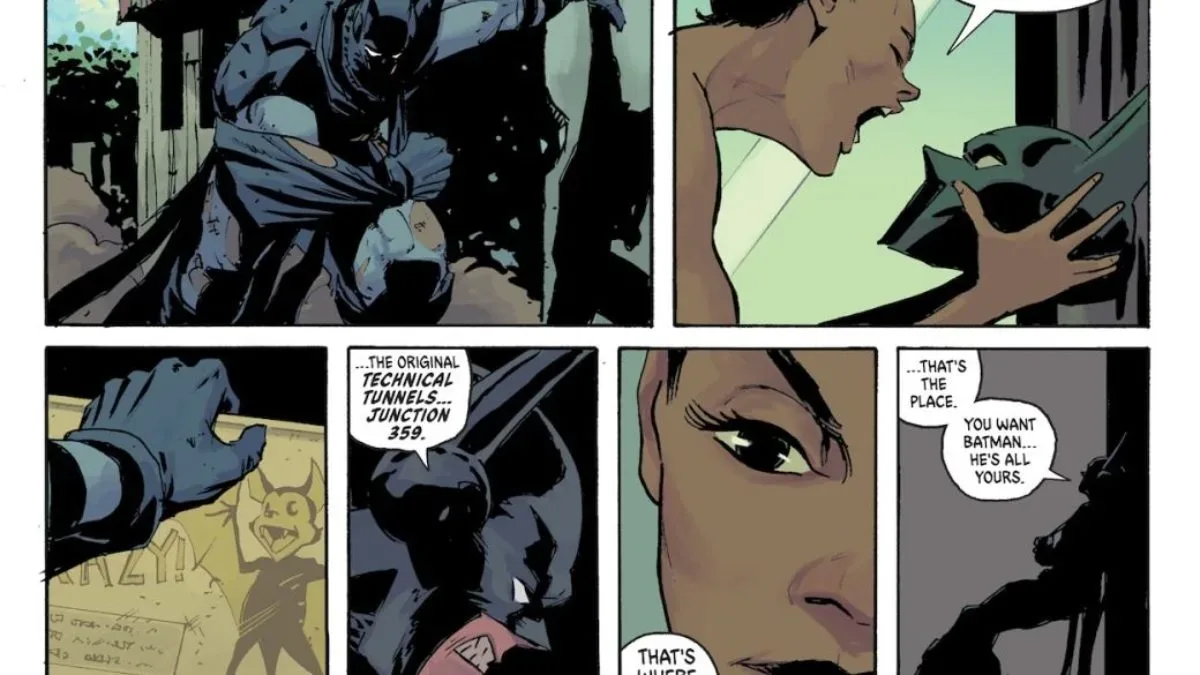
For readers who follow comic-book stories built around character reckoning in high-concept settings, the premise also sits comfortably alongside other recent superhero preview coverage, including a Gotham-set confrontation that puts Bruce Wayne’s identity under strain. The shared appeal is not continuity; it is the way an outsized genre premise can be used to ask a personal question about the person beneath the mask, coat or kinetic playing card.
Release details
- Title: Gambit Gone #1
- Publisher: Marvel
- On sale: September 23, 2026
- Creative team: Steve Orlando, Eduardo Aoudino and Gerardo Sandoval
- Cover artist: Simone Di Meo
- Format: 32 pages
- Rating: T+
- Price: $4.99 US
The immediate promise of Gambit Gone #1 is not that Remy LeBeau will suddenly become a different person. It is that two damaged worlds will force him to demonstrate whether the person he says he has become can hold up under scrutiny. For a character known for confidence, style and escape artistry, that may be the one hand he cannot bluff his way through.