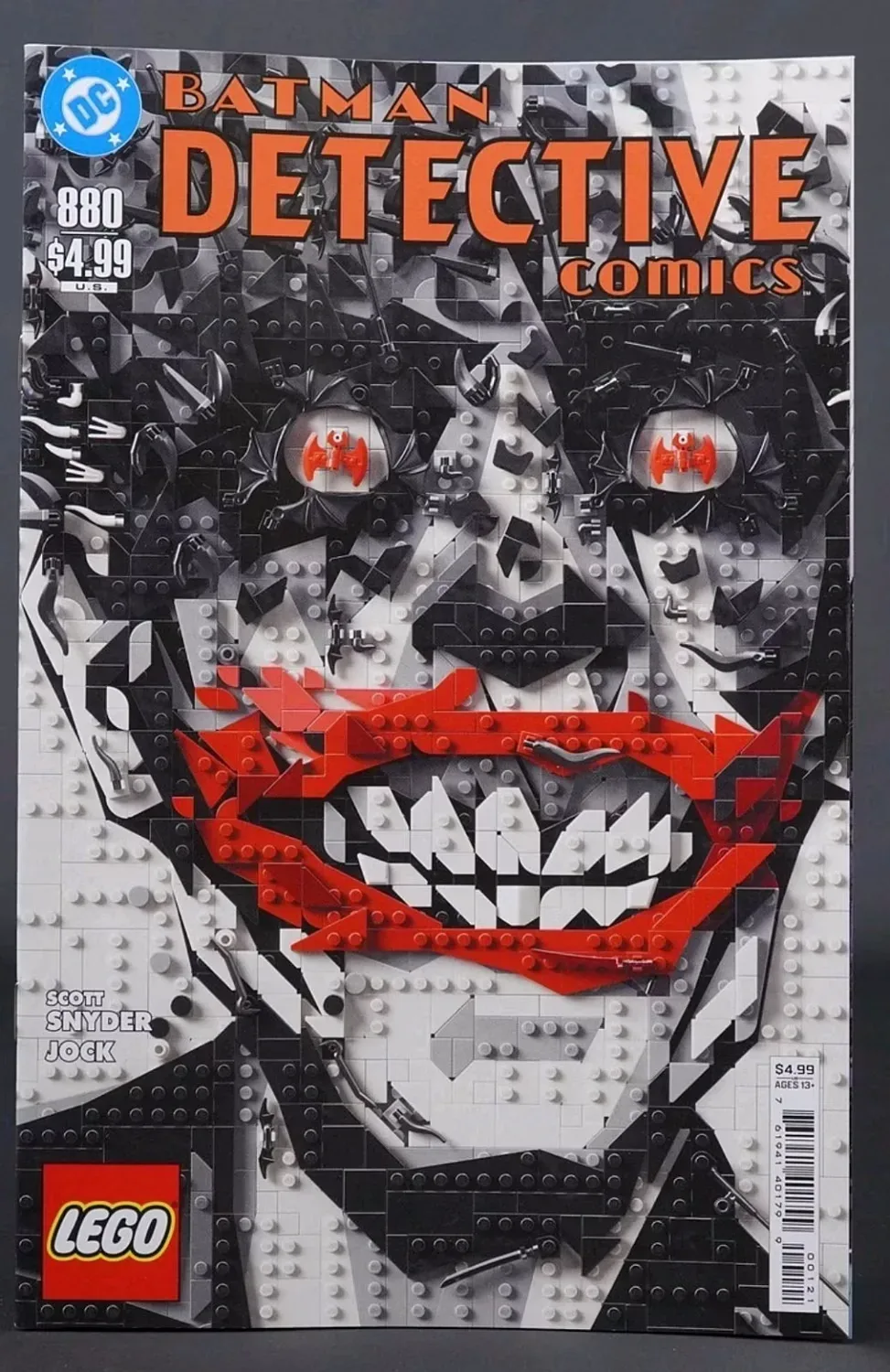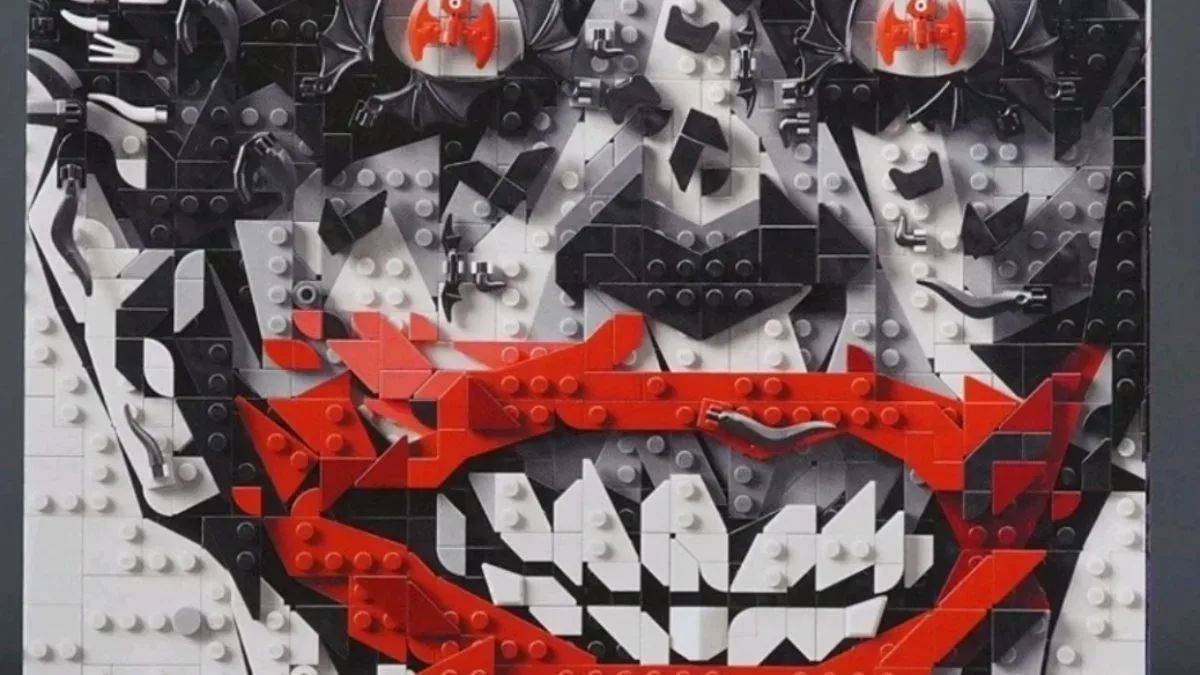
The LEGO-themed cardstock variant of Detective Comics #880 Facsimile Edition is attracting unusually quick collector interest ahead of its October 14, 2026 release. The comic carries a $4.99 cover price and is described as an open-order edition, yet copies have already been reported at $40 to $60 on eBay.
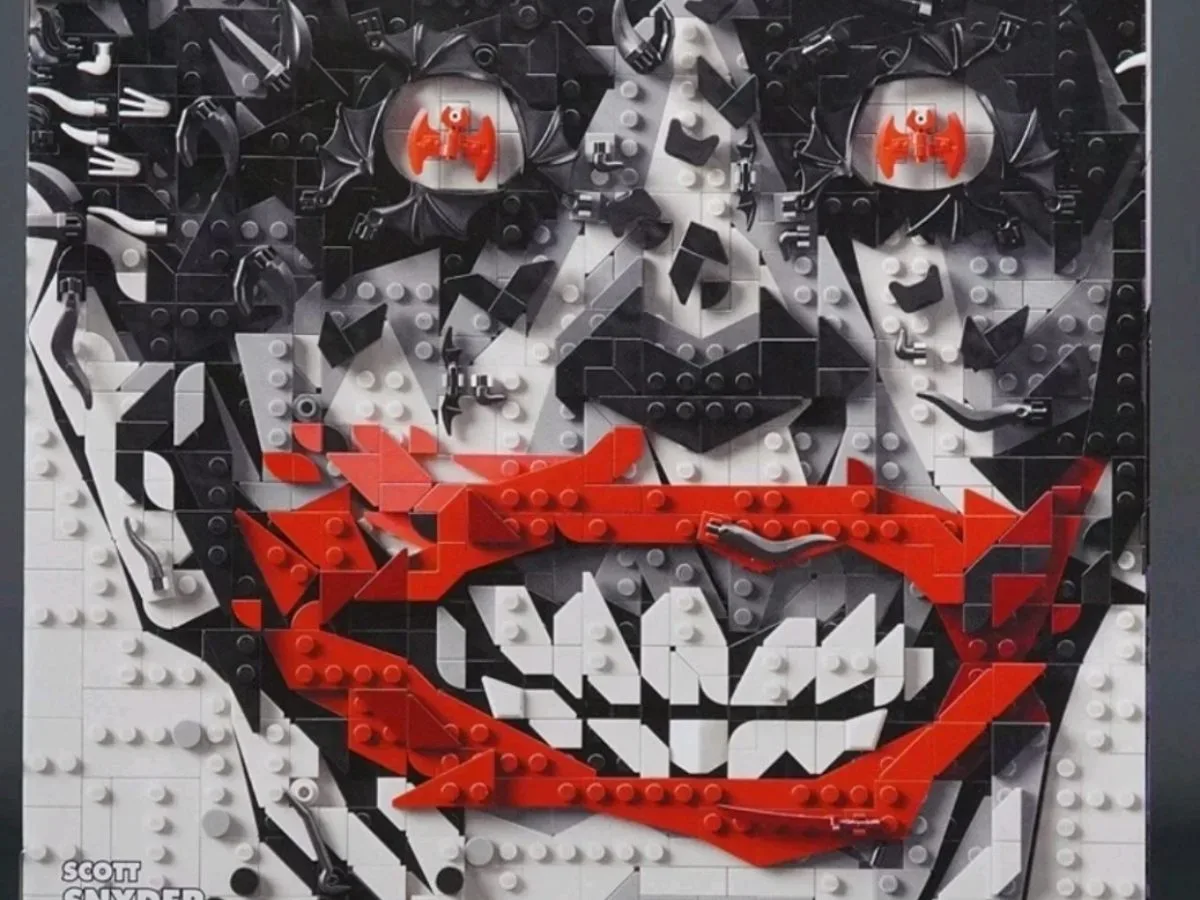
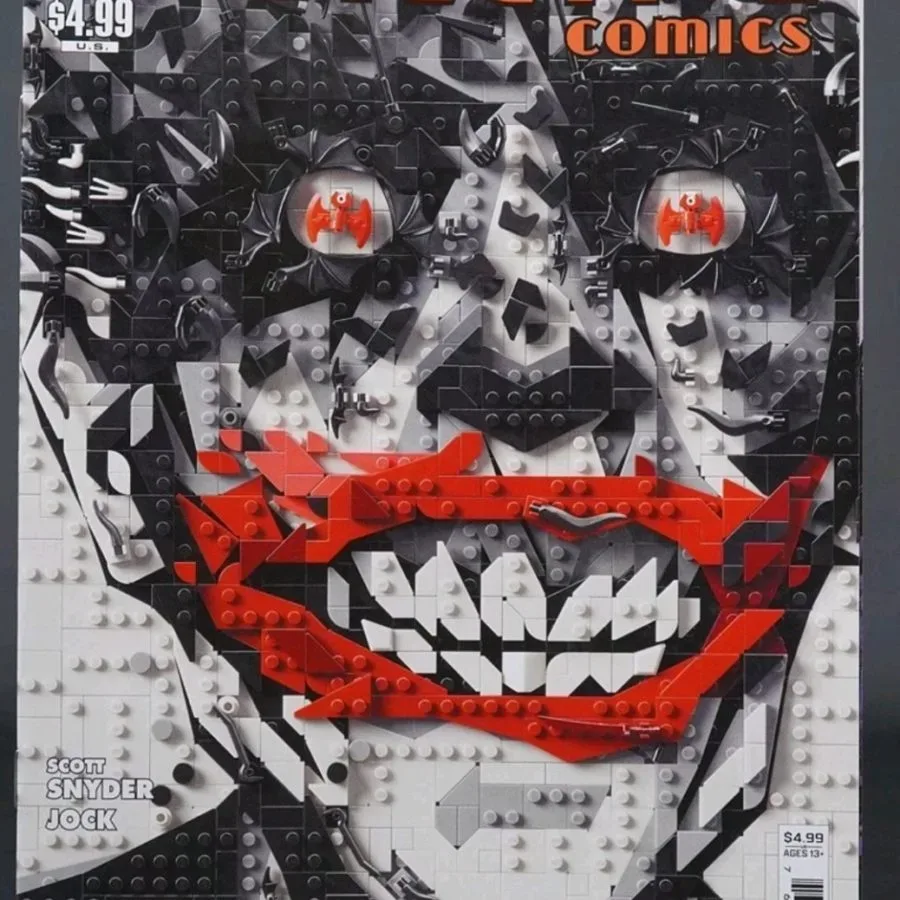
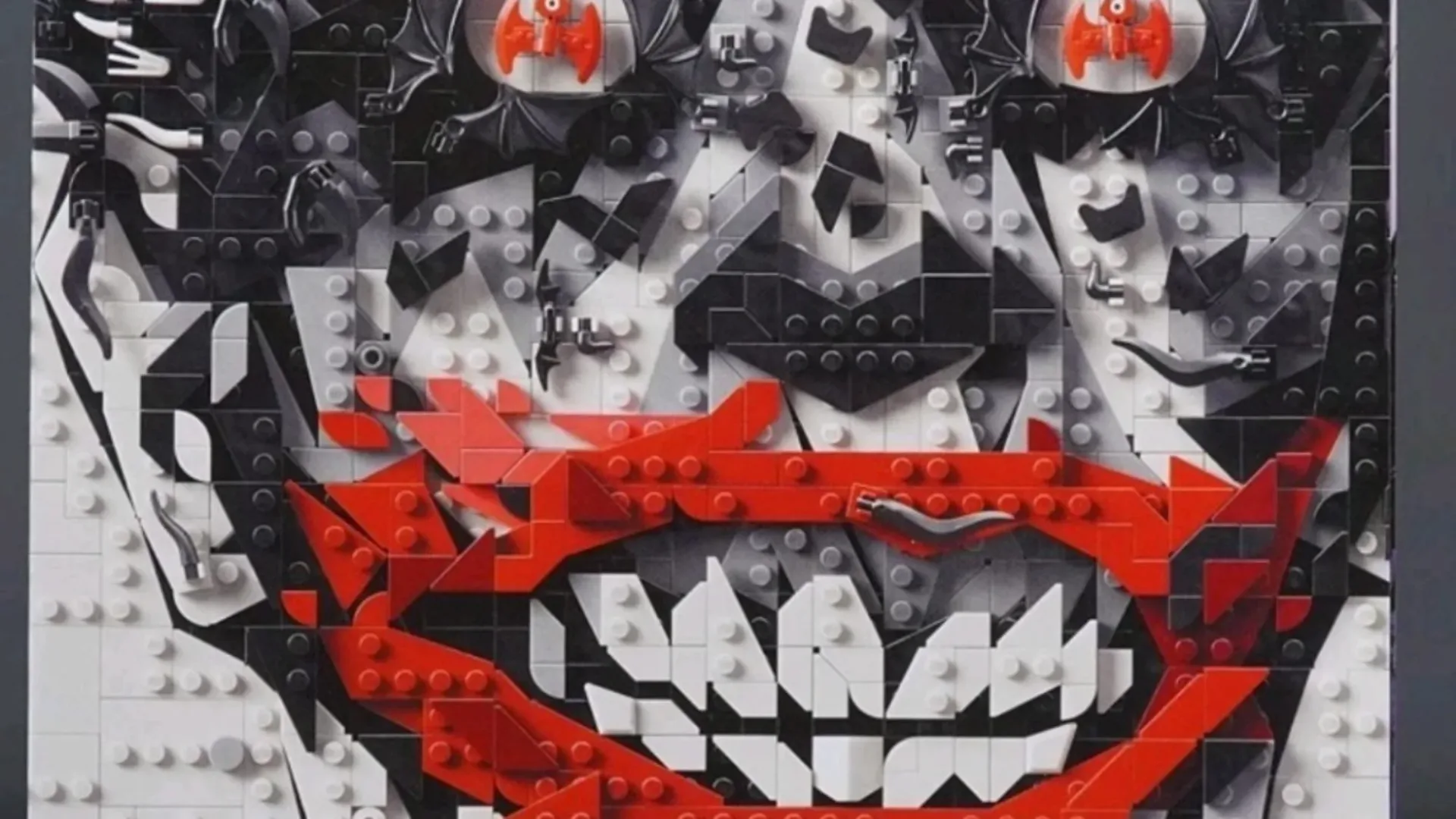
The point of attention is not a new chapter in Batman continuity. This is a facsimile edition: a reprint intended to recreate a previously published comic rather than continue the story with newly created interior pages. What has caught on is Cover B, a LEGO recreation of Jock’s memorable Joker image from the original issue. It turns a highly recognizable Batman cover into a brick-built visual, linking a comic-book collectible to an upcoming LEGO display set based on the same artwork.
That connection is substantial. LEGO has announced an adult-focused, 1,849-piece wall-art set that recreates the cover in three dimensions. The set is priced at $170 and scheduled for early 2027. The facsimile variant, however, arrives first, giving collectors a lower-cost physical tie-in to the brick-built project months before the larger item is due.
Why this particular Batman cover has lasting appeal
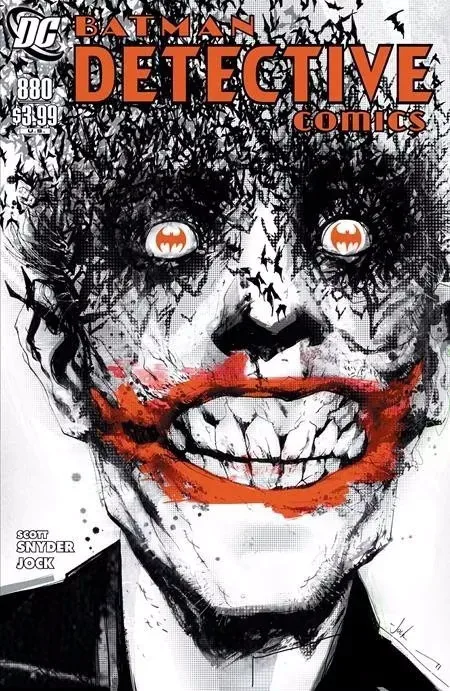
Detective Comics #880 is associated with writer Scott Snyder and artist Jock, and its Joker cover has remained especially visible through repeated reuse and homage. The composition presents the Joker formed through a mass of bats, producing an image that reads as both a character portrait and a Gotham-flavored horror design.
For more context, explore GTA 6 Leak Claims Fuel Crypto Push, but Fans Question Whether Footage Reflects the Final Game.
Jock has said he initially considered cropping the work, but a friend and an editor at DC encouraged him to retain the composition. The image subsequently spread online and became one of the artist’s defining Batman pieces. Its original cover artwork sold at Heritage Auctions last year for $288,000, a record for Jock’s work.
That original-art result should not be confused with the value of a modern reprint. Original comic art is a one-of-one object tied directly to the artist’s hand, while a facsimile is a published reproduction. Still, the sale helps explain why this image is more than a random archival choice. It has a clear visual identity, established collector recognition and an unusually strong record as a piece of Batman artwork.
What the LEGO cover changes
Licensed LEGO interpretations often work by translating a familiar design into visible studs, blocks and simplified color areas. In this case, the source image is already unusually suited to that process. Jock’s artwork relies on a bold central face, strong contrast and a field of individual bat shapes. Those qualities can be broken into modular elements without losing the basic idea of the cover.
The cardstock variant therefore has appeal beyond readers looking for a clean way to revisit the issue. It is also a crossover collectible for people drawn to Batman imagery, LEGO display art or cover-design curiosities. The same visual is doing work in several formats: the original comic cover, a facsimile reprint, a LEGO-styled comic cover and a future 1,849-piece wall-art set.
That does not establish a guarantee of lasting aftermarket value. It does show why early demand can form quickly around a cover even where the comic itself is not positioned as a scarce original. Collectors sometimes respond to the collision of a famous image and a new format more strongly than to the underlying print designation.
Open order does not mean scarce
The reported $40-to-$60 asking and sale range is notable beside a $4.99 cover price, but it is important to separate early market activity from confirmed long-term scarcity. “Open order” generally means retailers are not restricted to a pre-set allocation in the way they might be with a tightly limited incentive cover. It does not automatically mean every shop will order heavily, nor does it mean that the final number of copies will be small.
For buyers, that distinction matters. A low initial supply on resale platforms can reflect timing, retailer ordering choices or a rush from collectors who want the LEGO image immediately. It does not, on its own, reveal how many copies will ultimately circulate after release. Pre-release listings can also be more volatile than prices after readers and shops have received the issue.
The most practical reading of the early figures is straightforward: interest is real, but the available information does not establish a final market value. Anyone considering the comic primarily as a collectible should recognize that a facsimile’s desirability may rest heavily on cover appeal and condition, rather than on the original issue’s historical standing alone.
Useful checks for collectors
- Confirm the edition: Look for the 2026 facsimile edition and the LEGO cardstock variant designation, rather than assuming every Detective Comics #880 listing is the same comic.
- Check the release date: The listed on-sale date is October 14, 2026. A listing before then may involve preorder expectations rather than a copy already in hand.
- Assess the asking price, not just the headline: An advertised price is not necessarily the amount a buyer paid. Reported sales are more useful than a single optimistic listing, though neither predicts future demand.
- Prioritize condition if collecting physically: Cardstock covers can still show corner wear, spine stress or surface marks. A premium cover is most compelling when its presentation is clean.
- Buy for the specific appeal: The strongest case for this edition is the LEGO treatment of a famed Jock design, not the assumption that every early premium will endure.
The story inside the facsimile
The reprinted issue places Batman against a Joker who is loose in Gotham’s underground catacombs. As Batman closes in, the conflict expands into concern over a more serious danger to Gotham itself. The edition credits Scott Snyder as writer and Jock as artist, with the LEGO image serving as the cover artist credit for the cardstock variant.
That story context is useful because it keeps the release grounded as a comic, rather than treating it solely as packaging. The Joker cover is a major part of the appeal, but the facsimile also returns readers to a Batman issue associated with one of the character’s most recognizable modern visual statements.
For LEGO followers, the comic offers an earlier chance to own the licensed cover concept before the 2027 wall-art set arrives. For comic collectors, it is a modern presentation of a celebrated piece of Batman art. For fans who overlap between both hobbies, that combination is plainly the reason the variant has moved beyond its modest cover price so quickly.
What to watch after October 14
The next meaningful signal will come once the facsimile is broadly available. If demand remains concentrated on the LEGO cardstock cover, collector discussion may continue to center on its visual novelty and relationship to the forthcoming wall-art set. If more copies enter circulation than early listings suggest, prices may look very different from the $40-to-$60 range seen before release.
Either way, the release demonstrates the pull of a well-chosen visual crossover. The original Jock cover has already proven its stature through repeated recognition and the record-setting sale of its original art. Recasting that image in LEGO form gives the 2026 facsimile a distinct identity of its own—and, at least in the early resale market, enough attention to make a $4.99 comic a much more expensive proposition.
Shop the products
Check current price, model and availability at the retailer.