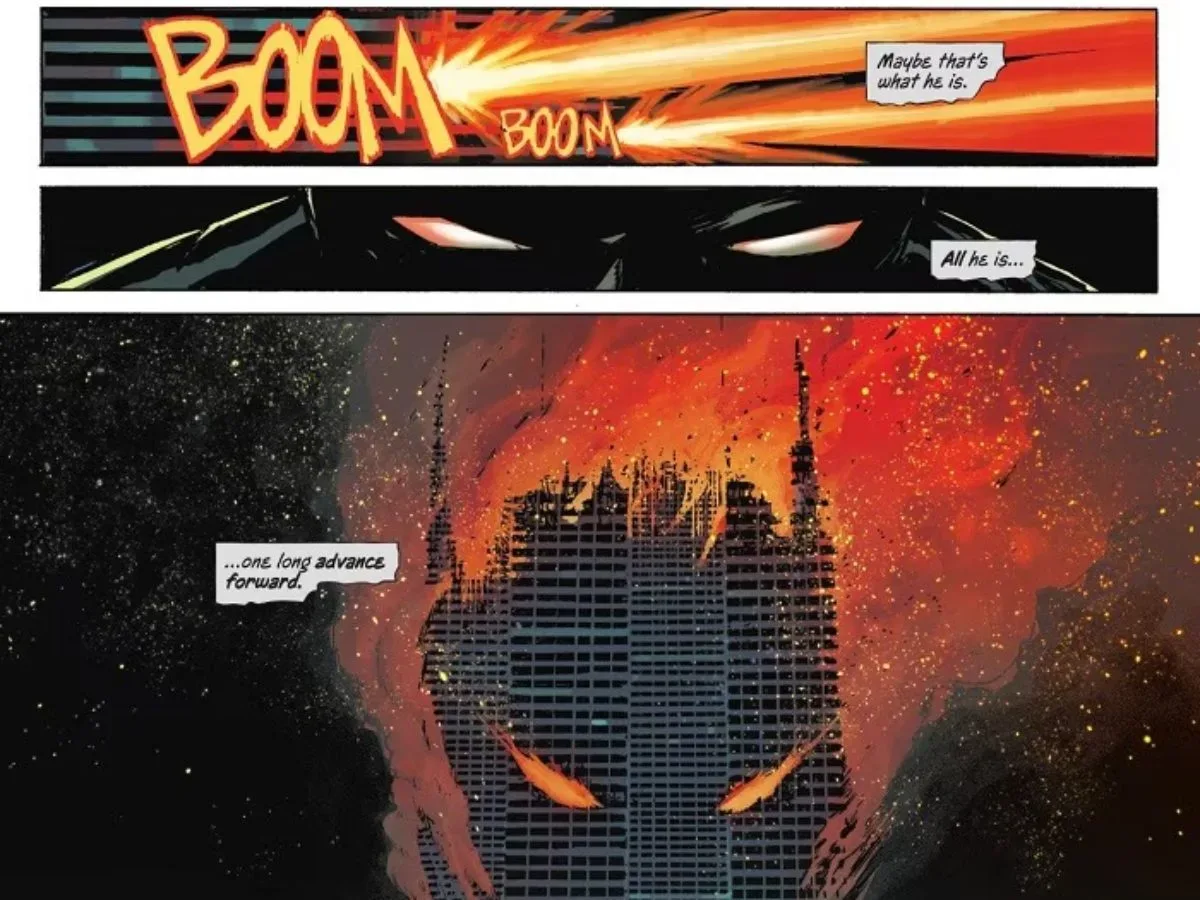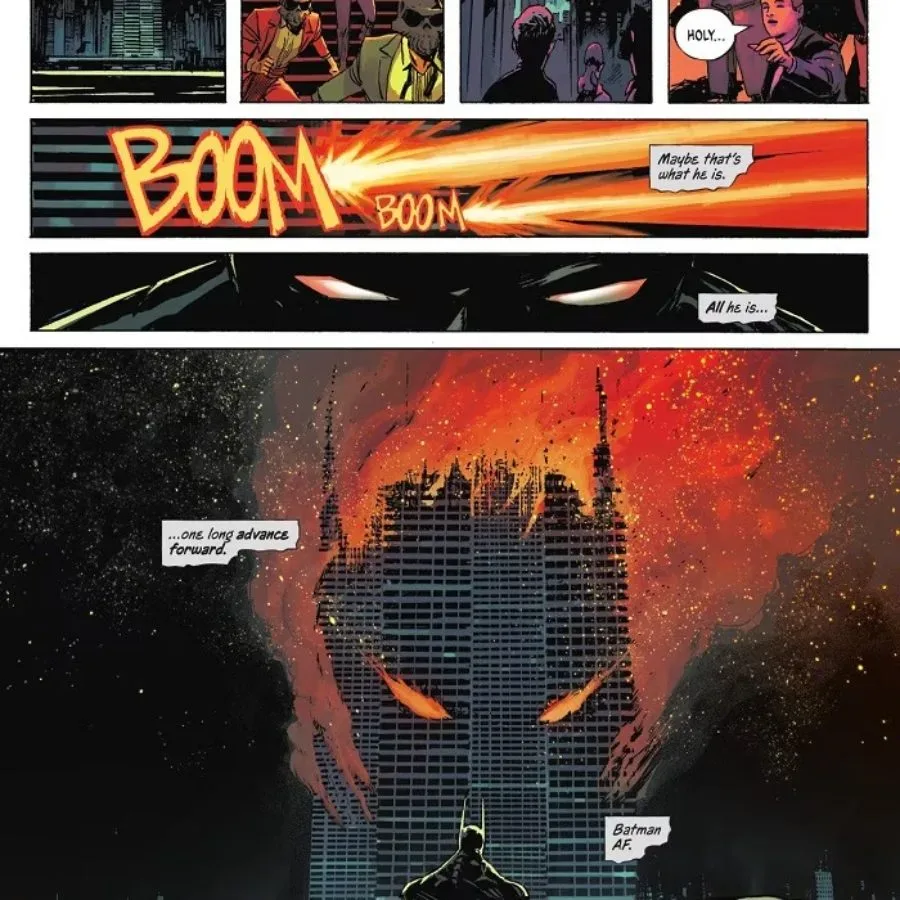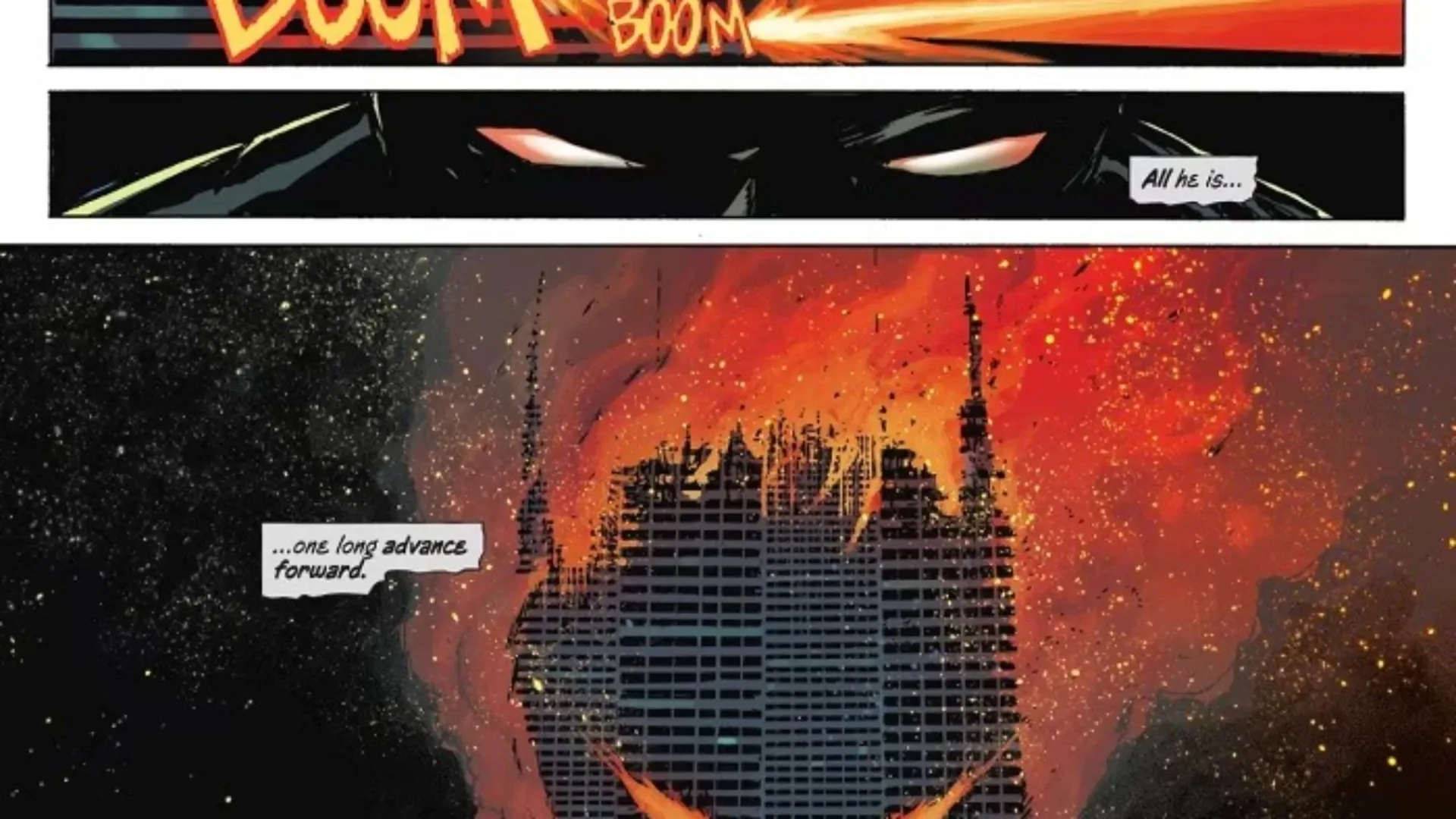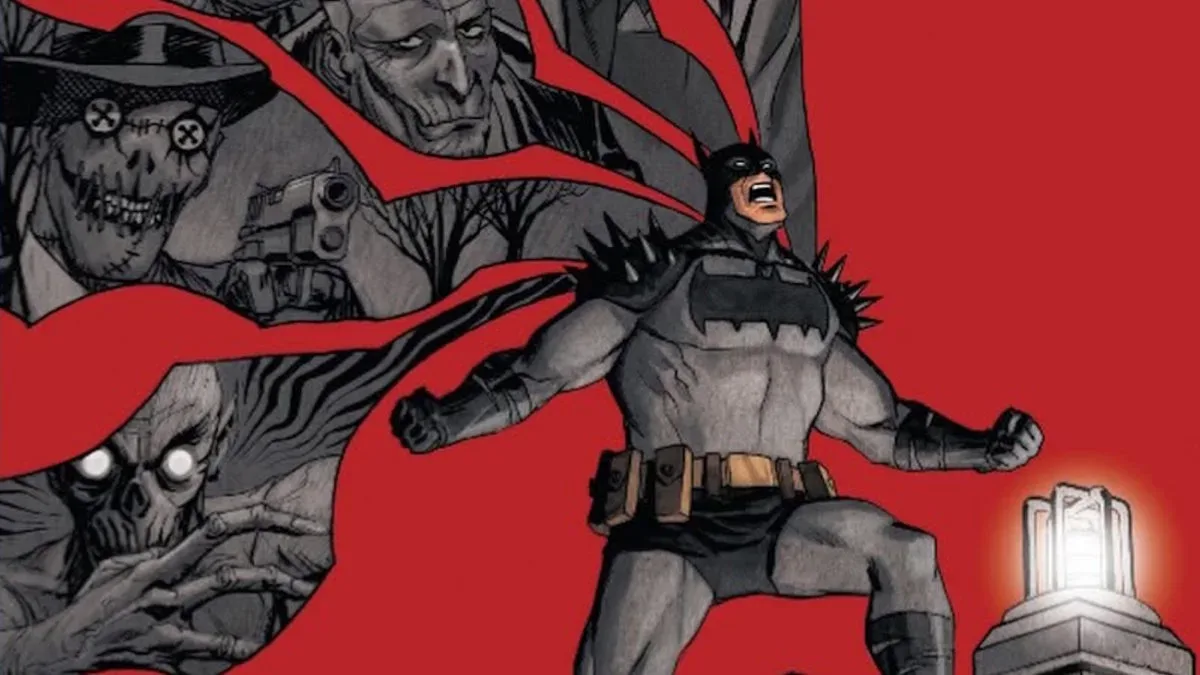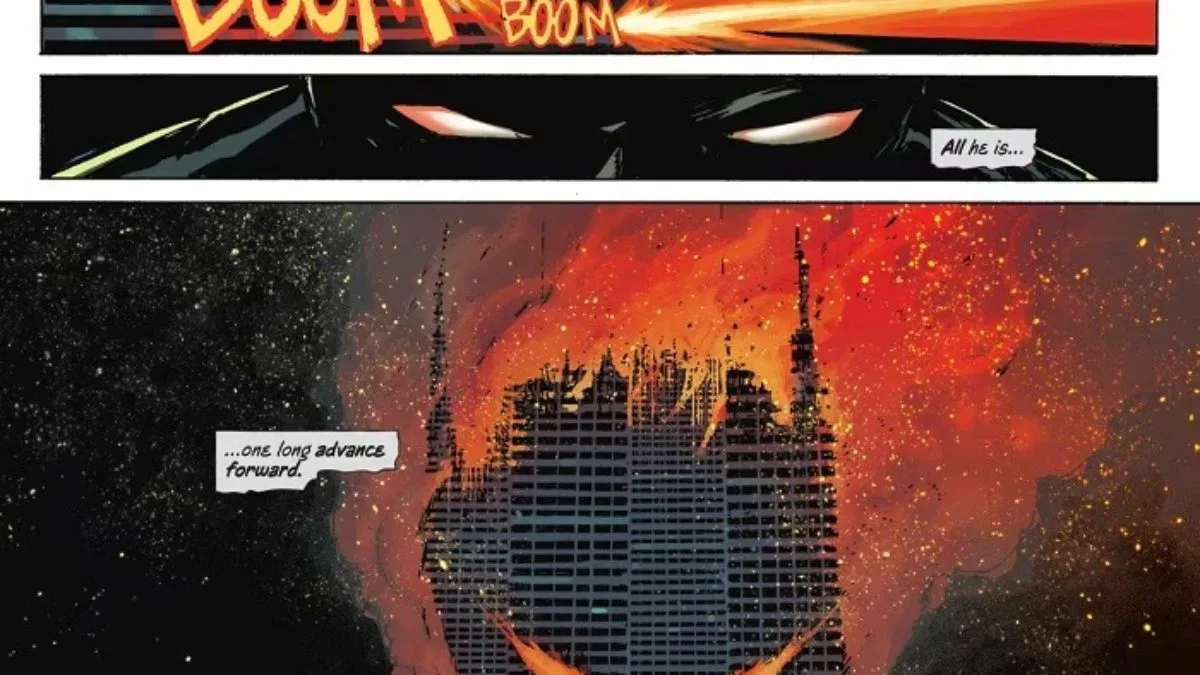
Batman has endured for generations partly because his premise is so clean: a wounded man turns grief into discipline, technology and an unbreakable mission. He operates in a city that institutions have failed, and he seems uniquely equipped to do what nobody else can. Scott Snyder’s stated goal for Absolute Batman is to pull hard on the weakness inside that appeal.
Snyder has described the book as an argument against Batman’s familiar lone-wolf fantasy. In this version, the important question is not whether Bruce Wayne can become sufficiently exceptional to defeat Gotham’s threats. It is whether he can stop treating isolation as the answer. The series’ Bruce is positioned as an outsider rather than a billionaire with a manor, a cave and the financial means to build an entire crime-fighting infrastructure.
That change is more than a swapped-out origin detail. It establishes the story’s central tension: if a hero is defined by standing apart from everyone, what happens when the city’s problems are too large for one person to solve?
A Batman story about letting people in
Snyder’s reading of the conventional Batman myth is rooted in singularity. The classic version of Bruce Wayne has resources, access and a traumatic experience that make him seem almost irreplaceable. Even when allies are present, the character can read as emotionally separate from them: the strategist in the cave, burdened by knowledge and responsibility that no one else is allowed to share.
Absolute Batman deliberately reverses that premise. Snyder has said this Bruce is shaped by his mother, his friends and the streets around him after his father’s death. The character may still believe that Batman has to remain alone, but Snyder identifies that belief as a falsehood the series intends to dismantle piece by piece.
That gives the title an unusually direct emotional objective. It is not merely a story about recruiting a team, adding sidekicks or making Gotham’s supporting cast busier. The intended shift is philosophical. Bruce must recognize that trying to carry a broken world alone is neither sustainable nor heroic.
For Snyder, Batman’s victory is tied to inspiring people to act together rather than becoming the one indispensable figure in the room.
“Collective action” is the key phrase behind that idea. In practical terms, it means people making change in concert rather than waiting for a wealthy, brilliant savior to arrive. It is an especially pointed framework for Batman, a character long built around extraordinary individual preparation. Snyder’s version does not suggest Bruce should do nothing; it suggests his greatest impact comes when he becomes part of Gotham instead of a remote guardian hovering above it.
Why the setting matters as much as the suit
A superhero reboot or alternate-universe take can often look radical because of a redesigned costume, a shifted timeline or different villains. Snyder’s explanation points to a deeper kind of revision. The distinction is in the social position Batman occupies.
Traditional Bruce Wayne’s wealth is not simply background decoration. It explains why he can maintain secret facilities, acquire advanced equipment and dedicate his life to the mission without the ordinary constraints that shape most Gotham residents. It also reinforces the fairy-tale quality of the character: only one person could plausibly be this Batman.
By contrast, Snyder presents Absolute Bruce as someone without access to the old elite framework. He cannot seize control of Gotham through a boardroom, and the people around him become central to how he survives and how he understands the city. The story’s Batman is therefore “of the people” in Snyder’s formulation, not a figure who descends from private wealth to protect them.
That distinction also puts more pressure on the book’s plot and character choices. If its thesis is that no individual heals Gotham alone, then the series has to allow relationships to matter materially. Friends, family and the city cannot be decorative emotional support while Bruce continues resolving every meaningful conflict in private. They need agency, and Bruce needs to learn from them.
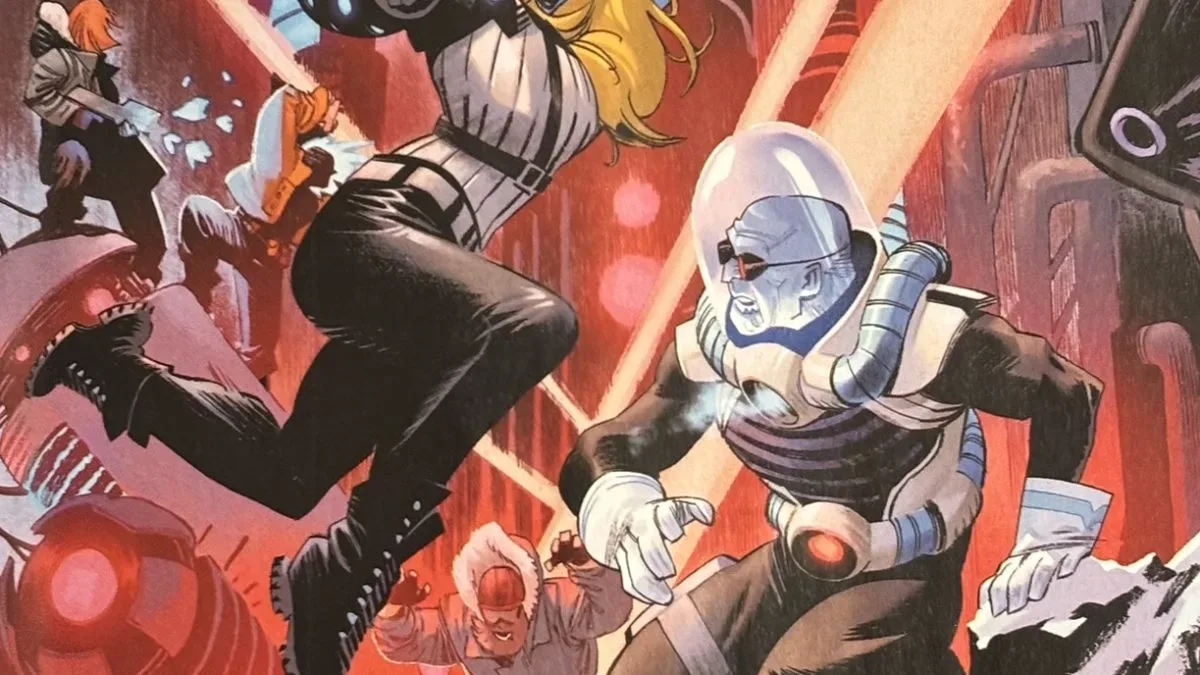
It is a useful lens for readers following other Gotham stories, including developments around the wider cast such as Batgirl #24’s apparent introduction of Gotham General. Batman’s world has long had a large supporting ecosystem; Snyder’s stated aim is to make the necessity of that ecosystem part of the premise rather than a contradiction to the hero’s image.
The lone-wolf fantasy, explained
The “lone wolf” label does not mean Batman literally has no allies. Across many versions, he has worked with partners, protégés and an extended Bat-family. Instead, it describes a narrative posture: the idea that the central hero must remain fundamentally unreachable, self-reliant and personally responsible for the final answer.
That posture can be dramatically compelling. It creates mystery, makes competence feel impressive and turns preparation into spectacle. Batman’s isolation is also closely tied to his grief; withdrawing can seem like the natural result of someone trying to make sure no one else suffers because of him.
Snyder’s argument is that this same fantasy becomes a trap. The isolated hero may look strong, but the model leaves little room for vulnerability, mutual care or shared responsibility. In an Absolute Batman story, the emotional stakes are not limited to whether Bruce can beat a major adversary. They include whether he can accept help without seeing it as failure.
That framework does not automatically erase the pleasures associated with Batman. There can still be action, investigation, strange villains and overwhelming odds. Snyder has explicitly contrasted the desired emotional arc with a simpler escalation in which the hero merely punches a larger threat. The suggestion is that physical victories matter less if Bruce remains locked in the same destructive idea of himself.
An animated extension of the same idea
Snyder has also said he is showrunning an animated Absolute Batman series with Nick Dragotta and Peter Gerardy. No release timing or further production specifics were provided, but Snyder’s comments indicate that the animation project is being built around the same core contrast as the comic.
That matters because adaptations can easily flatten a character back into their most recognizable image. Batman’s silhouette, gadgets and detective skills are immediately legible. His difficulty accepting community is quieter work, and it requires room for scenes in which other people can challenge him, help him and make choices that alter the outcome.
If the animated project follows the thematic direction Snyder described, its central arc will be Bruce learning that an entrenched world is not transformed by one final, special person. It is transformed by people joining together. That is a sizable departure in emphasis from a Batman tale that treats everyone else as a temporary extension of the lead character’s plan.
Sales, physical comics and the appeal of an artefact
Snyder also connected the book’s reception to a broader interest in physical comics and in-person fan communities. He said internal figures indicate that new younger readers and lapsed readers are coming to the line, and he described Absolute Batman as moving 500,000 copies per month. Those numbers are Snyder’s account, rather than independently detailed sales data, but they form part of his explanation for why the project appears to be connecting.
His observation at conventions is particularly revealing: some readers ask for personalized signatures and then have the comic slabbed. Slabbing is the practice of placing a comic in a sealed, protective hard case, typically associated with preservation, authentication and the collector market. A personalized copy is less useful as a generic resale object, yet Snyder sees fans preserving them anyway.
His interpretation is that readers want a durable artefact from something they care about, not only an asset to flip. In that sense, the signed and slabbed book becomes a record of a moment, an encounter or a connection to a story. It is an object with personal meaning precisely because it is not interchangeable with a clean, unsigned copy.
Snyder extends that point beyond the comic itself. He describes comic shops and conventions as places where readers can find a room, meet people and form friendships. His own memory of spending time at Fourth World in Smithtown, Long Island, informs that view. The outcome he values is not simply a reader praising an issue’s cliffhanger, but someone saying the comic helped them find a local shop or a group of friends.
What comes next for the Absolute line
The wider Absolute line is also heading toward an event in which heroes may discover they are living in what Snyder jokingly described as “Darkseid’s fanfiction.” That wording signals a reality shaped by a major force of domination, but the supplied details do not establish the event’s title, schedule or exact story mechanics.
Still, the prospect fits Snyder’s stated Batman thesis. A universe designed to make heroes isolated, powerless or distorted would invite the usual response: identify the mastermind, devise the perfect plan and let one exceptional protagonist end the problem. Snyder’s comments suggest Absolute Batman is interested in refusing that familiar ending.
The series will ultimately be judged by the page-to-page execution of that promise. It is easy to say Batman needs people; it is harder to build stories where those people are essential without turning the hero into a bystander. But Snyder has articulated a clear standard for this Bruce Wayne. If he continues believing he must be the last solitary genius standing, then he has not escaped the myth the series was made to challenge.
For Absolute Batman, accepting friends, family and Gotham itself is not a softer detour from the mission. It is the mission.