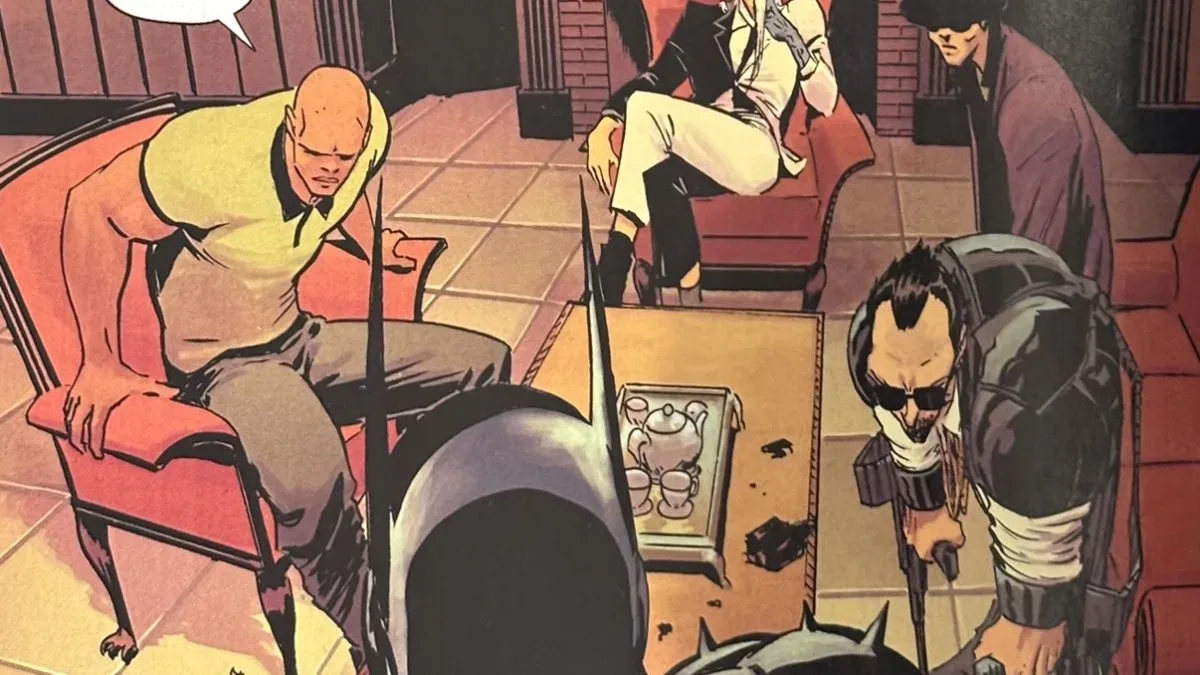
Warning: major story spoilers for Absolute Batman #25 follow.
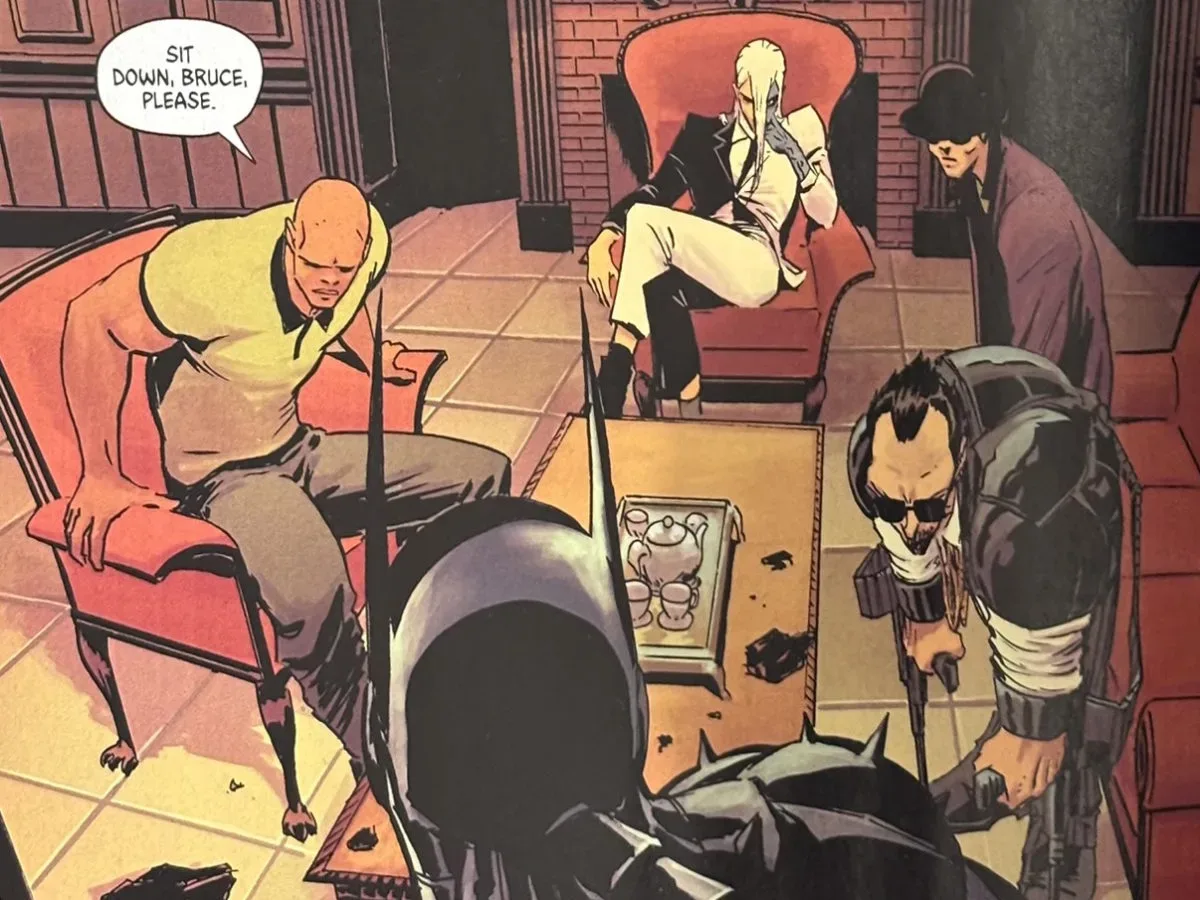
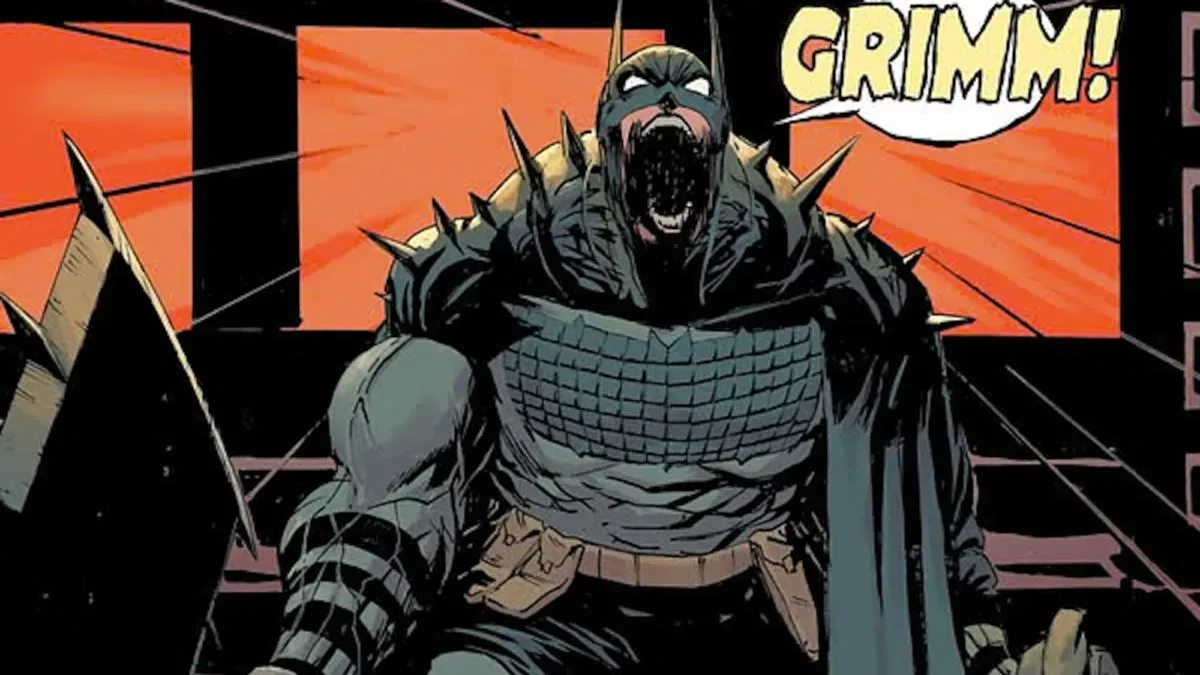
Batman stories often make a simple promise: the villain will try to break Bruce Wayne. In Absolute Batman #25, that familiar pressure point is reportedly being approached from a more calculating direction. Jack Grimm’s Joker is not primarily trying to push Bruce into madness. He is working to make the people around Bruce believe that he is already mad—and to turn that perception into an organized threat.
It is a sharp alteration to the usual Joker-versus-Batman setup. A direct attempt to psychologically destroy Batman gives Bruce something concrete to resist. A campaign that reframes his actions for his friends, allies and enemies is harder to fight. Bruce can know he is being manipulated and still lose if the people whose trust matters are persuaded otherwise.
Scott Snyder writes Absolute Batman #25, with Nick Dragotta credited for art and cover. The issue is positioned as the series’ 25th-issue milestone, with its solicitation promising an all-in collision of heroes, villains and stakes. The plot material described here suggests that the real escalation is not merely physical: it is social, legal and emotional. Batman’s problem is no longer just surviving a villain’s violence. It is retaining the ability to be believed.
From breaking a man to discrediting him
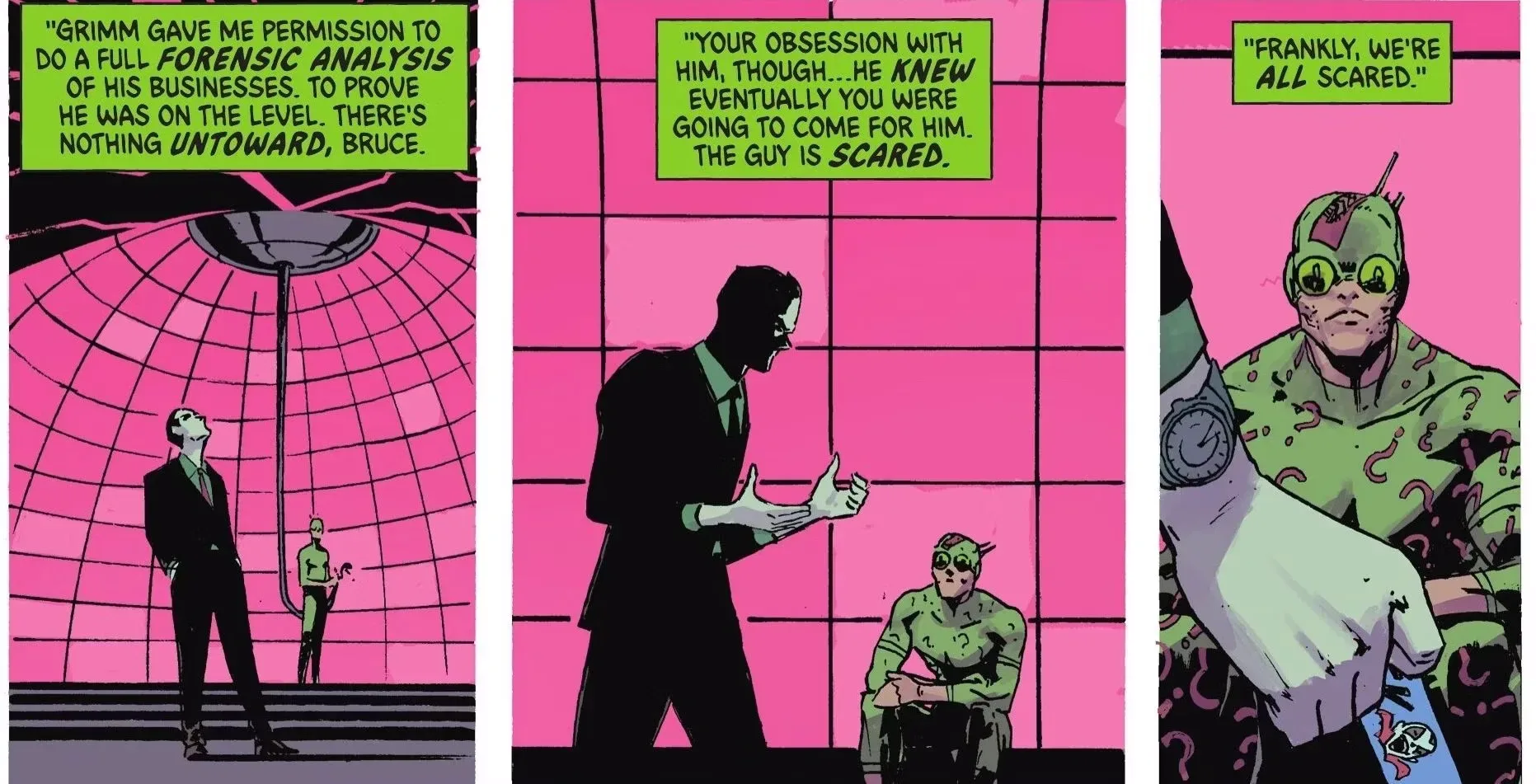
The key premise is straightforward but nasty. The Absolute Joker has already been tied to events that leave Jim Gordon dead and put Batman and Tim Drake under suspicion through framing. Against that backdrop, an intervention aimed at Bruce becomes plausible to those who care about him. The idea is not that Bruce’s allies suddenly stop knowing his character. It is that grief, fear and a chain of increasingly alarming circumstances can make them reinterpret what they thought they knew.
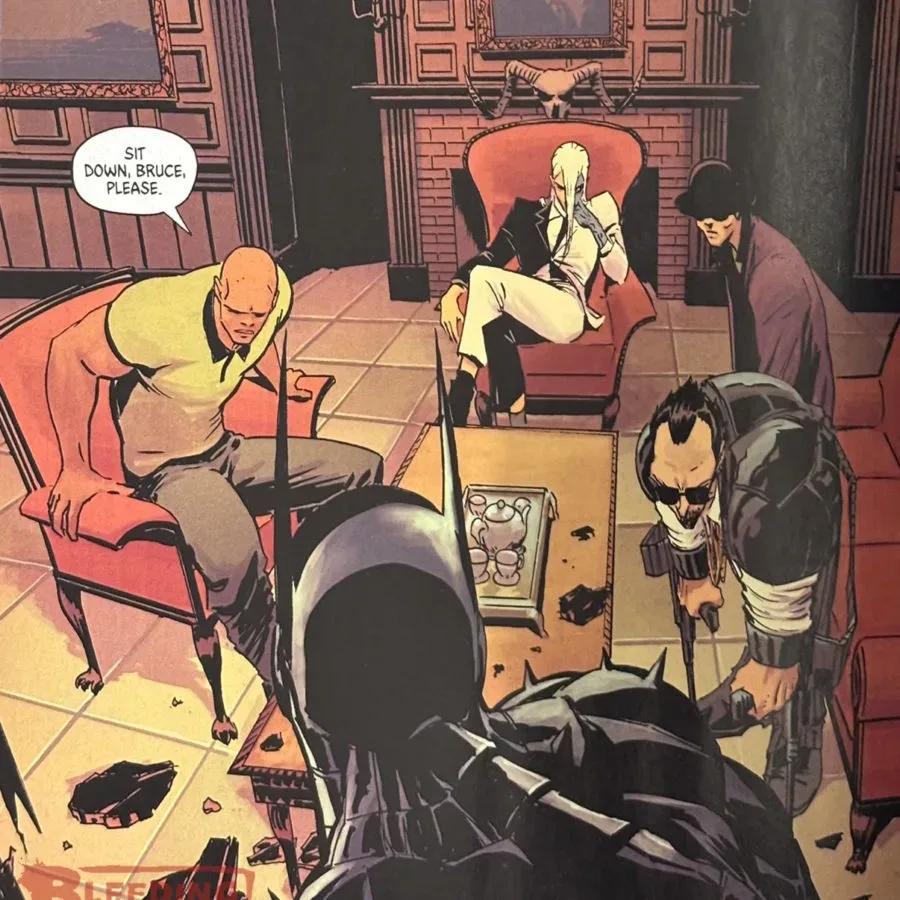
An intervention, in this context, means a confrontation by people who believe someone is a danger to themselves or others and needs help, restraint or oversight. It normally relies on care and concern. That is precisely why it can be weaponized so effectively in this story: Joker’s scheme appears to use the language of support as the mechanism for isolating Bruce. A villain does not need to convince everyone that Batman is evil. Convincing them he is unstable may be enough to neutralize him.
The distinction matters. Bruce being “mad” is not presented as an objective diagnosis or a truth established by the issue’s setup. It is the accusation Joker wants others to accept. The strategy turns Batman’s traumatic circumstances into evidence against him. To observers, the question becomes less “Could this really be a coordinated attack?” and more “After everything Bruce has suffered, how could he possibly be thinking clearly?”
That is a much more difficult narrative trap than a conventional ambush. A punch can be blocked. A false story about a person’s mental state can spread through every relationship at once, especially when the false story borrows from real pain and recent tragedy.
Joker’s tailored recruitment drive
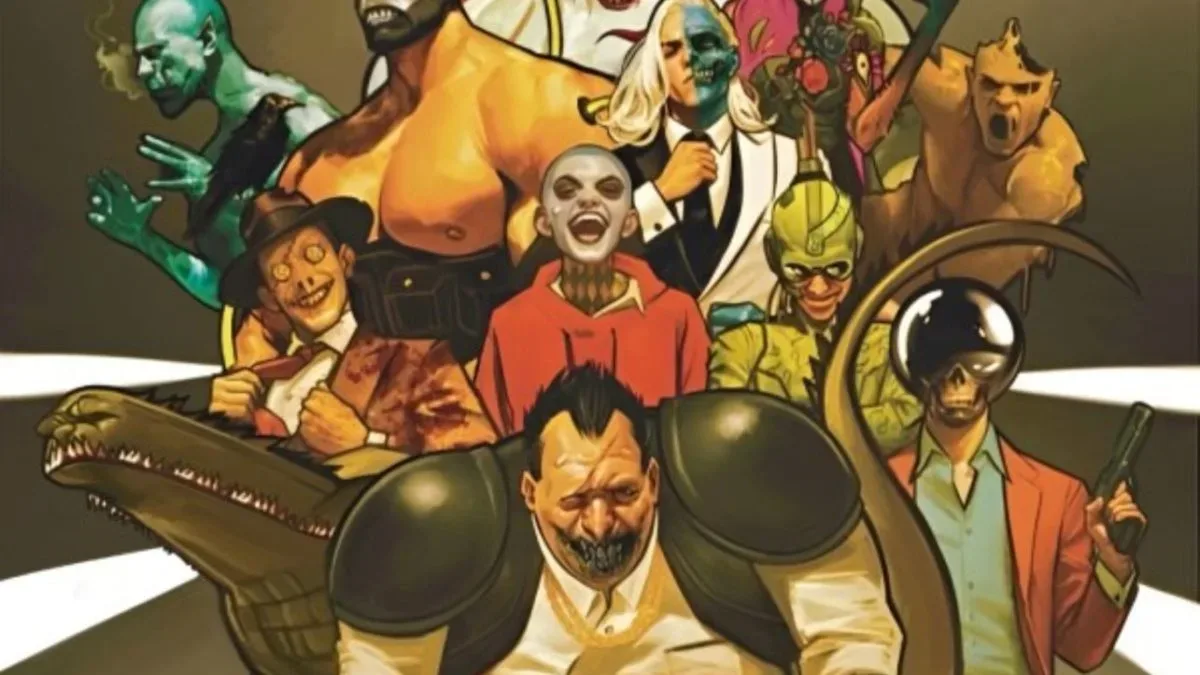
The issue’s apparent structure gives the plan another wrinkle: Jack Grimm does not offer the same bait to every target. He works through individual vulnerabilities, rewards and resentments. That makes this less like a random villain team-up and more like a deliberately assembled coalition.
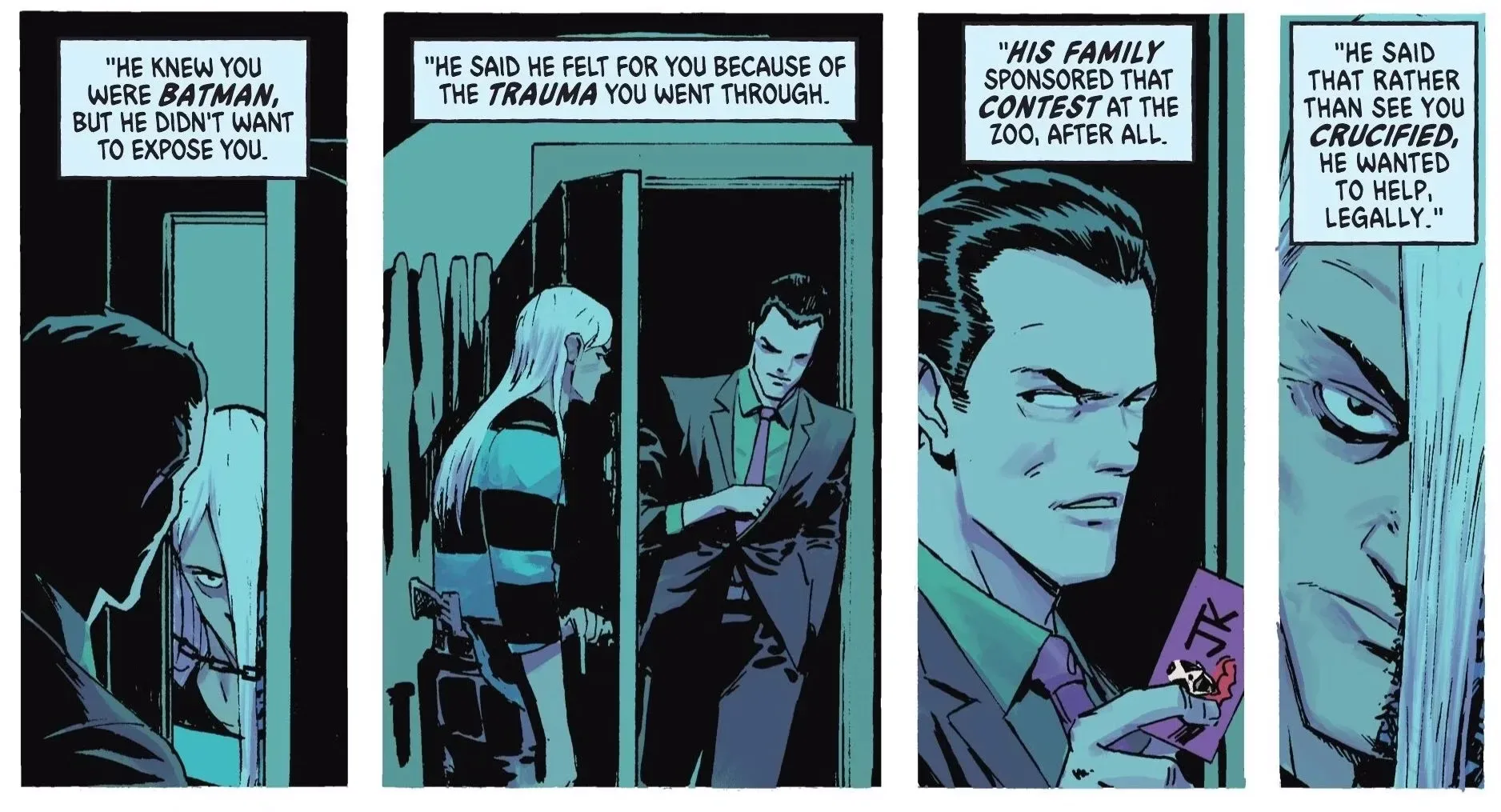
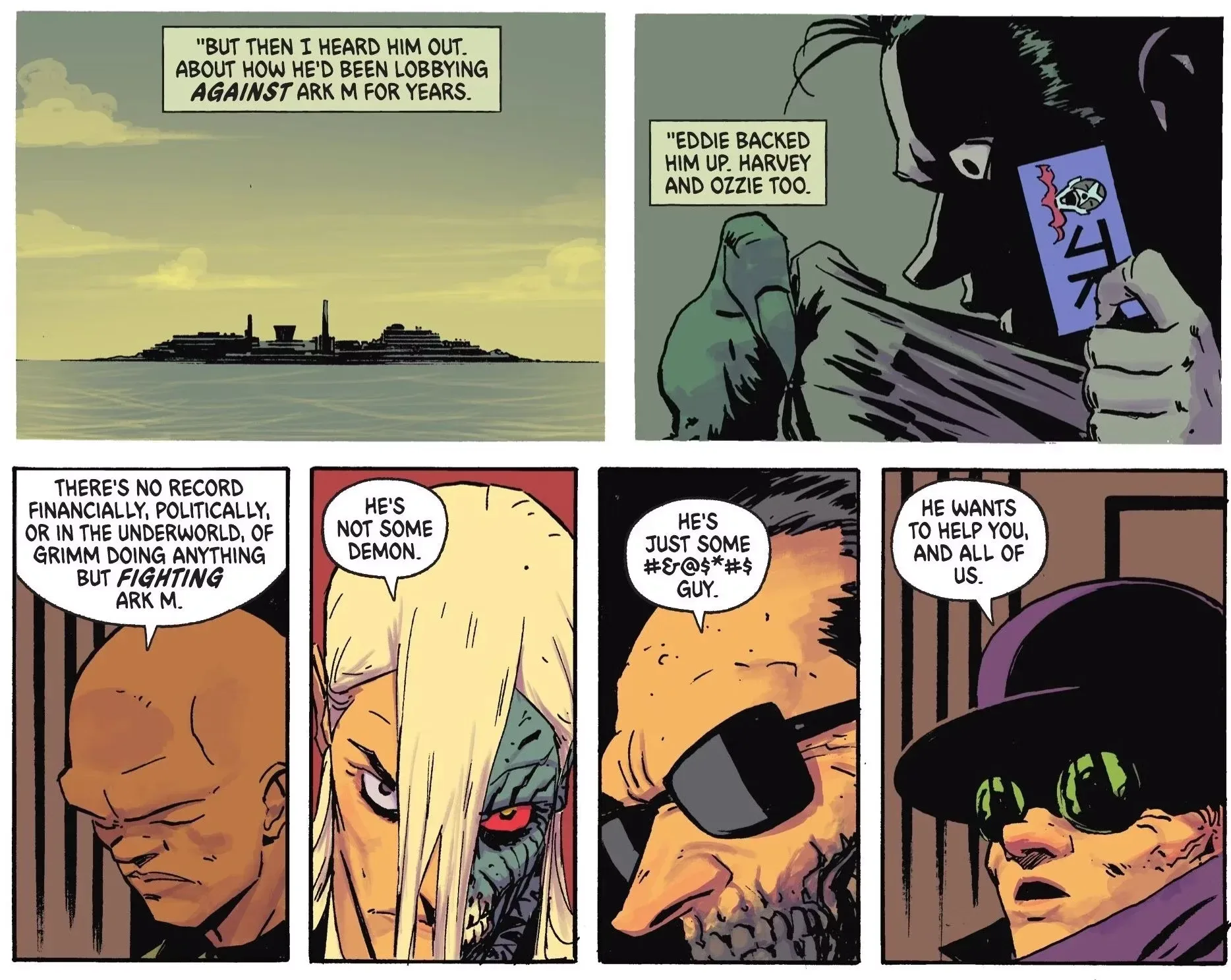
- Harvey Dent: Grimm’s approach reportedly leans on Harvey’s trauma in relation to Bruce. Harvey has been turned into Two-Face by Grimm, although the account stresses that Grimm is not directly pinned to it with evidence. The manipulation therefore has two edges: Harvey is given emotional reason to distrust Bruce while the person exploiting that distrust remains insulated from proof. The possible suggestion that Grimm may require legal help adds another layer of leverage.
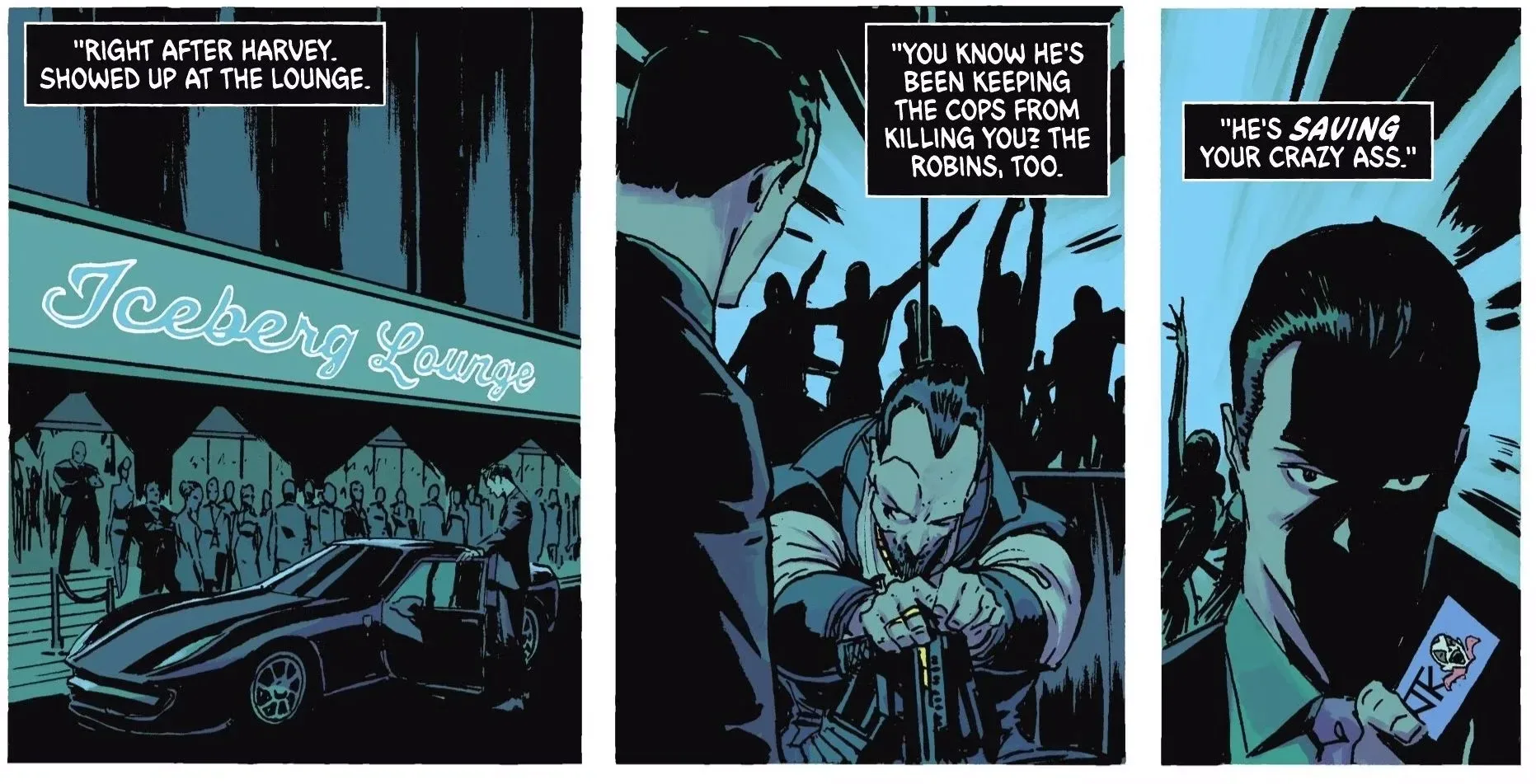
- Oswald Cobblepot: For Oswald, the appeal is practical. The plan involves keeping police attention away from Bruce, with a possible benefit to Penguin’s nightclub operations as well. That ambiguity is appropriate to a bargain built on self-interest: Joker does not need ideological loyalty if a participant sees operational advantage.
- Edward Nigma: Edward is offered access to the hidden dealings of the world’s trillionaires—knowledge described as genuine Riddler-grade insight. For a character defined by puzzles and the compulsion to know what others do not, privileged information is an especially pointed reward. It is not simple money or brute-force coercion; it is an invitation into an exclusive puzzle.
- Waylon Jones/Killer Croc: Waylon is offered revenge connected to his recent physical trauma, even though Grimm is reportedly responsible for that trauma in the first place. This is manipulation in its cruelest circular form: inflict harm, redirect anger, then offer the victim a target and call it justice.
Each arrangement reportedly comes with a business card rather than the more expected playing-card imagery. That detail gives the operation a distinctly transactional identity. A playing card would underline chaotic theatricality. A business card implies a proposition, an investment and an ongoing relationship. Joker is not simply scattering mayhem; he is apparently building a network that sees a return in helping label Bruce Wayne dangerous.
The story also indicates that there is more investment in these figures beyond the initial propositions. That is significant because a short-term alliance is fragile. A villain who makes himself useful to multiple parties can create dependencies, turning a one-off favor into a structure that is difficult to abandon. Whether each character fully accepts the offer is a question for the comic itself, but the pressure points are clear: trauma, law, protection, information and revenge.
Why the framing is so dangerous for Batman
Batman is often imagined as an isolated operator, but the premise of Absolute Batman #25 argues the opposite. He depends on people recognizing patterns, sharing information, offering help and judging him as a reliable ally even when his methods are extreme. If those people conclude that he has become irrational, every attempt he makes to expose the plot risks being read as further proof of the accusation.
That is the logic of a self-sealing accusation: a claim designed so that resistance appears to confirm it. If Bruce warns people about Joker’s influence, he may look paranoid. If he becomes angry about being falsely accused, that anger can be reframed as instability. If he refuses help, he may seem dangerous; if he accepts it, he may appear to concede that something is wrong. The issue’s premise puts him in a rhetorical trap rather than merely a physical one.
For readers, that setup changes how the supporting cast matters. Harvey, Oswald, Edward and Waylon are not just familiar Gotham names summoned for a large anniversary issue. They are potential witnesses, facilitators, beneficiaries or opponents in a conflict over who gets to define Batman. Their involvement makes the stakes personal because the attack travels through relationships, not just rooftops and crime scenes.
There is also an important asymmetry in Joker’s approach. Bruce needs evidence to clear his name and identify the machinery behind the setup. Joker only needs doubt. A prosecutor, detective or friend may reasonably hesitate before accepting Bruce’s explanation after Gordon’s murder and Tim Drake’s framing. That hesitation alone can buy Joker time and isolate Batman from the people who might otherwise help him investigate.
An inversion of a familiar Joker idea
The issue’s strategy knowingly recalls an influential Batman story in which Joker attempted to drive Jim Gordon insane through horrific abuse directed at Barbara Gordon. That earlier premise hinged on proving that one terrible day could reduce an essentially decent person to madness. The effort did not achieve its intended result.
Absolute Batman #25 appears to invert that model. Instead of demonstrating that Bruce has truly broken, Grimm’s Joker wants the world around Bruce to accept the possibility. It is a shift from changing a victim’s mind to controlling an audience’s interpretation of that victim. In practical story terms, it gives Joker an avenue to inflict comparable damage without needing Bruce to internally surrender.
The title’s idea—destruction beginning with madness—therefore lands less as a declaration about Bruce’s actual condition than as a description of the weapon being used against him. The crueler version is not “make Batman mad.” It is “make everyone decide he is mad, then let their response do the destroying.”
What readers should watch for in the issue
The immediate suspense is not only whether Bruce can defeat Joker’s latest plot. It is which people accept the premise, what each wants in return, and whether Joker’s bargains create conflicts among the recruits themselves. The individual deals are based on different motives, which can make a coalition powerful but unstable. Revenge does not necessarily align with a desire for legal cover; a hunger for secret financial knowledge is not the same as an interest in police priorities.
Readers may also want to keep an eye on the role of evidence. The setup reportedly emphasizes a lack of proof directly tying Grimm to Harvey Dent’s transformation, while simultaneously giving Grimm ample opportunity to shape the circumstances around Batman. That contrast is central to the theme. The people being used against Bruce may have emotionally persuasive reasons to listen to Joker without possessing the full picture.
The business-card motif is worth watching as well. It suggests that the issue’s Joker operates with the confidence of someone offering services, partnerships and benefits—not merely issuing threats. In a Batman story, that corporate-looking symbol can make the villainy feel especially invasive: the chaos has paperwork, contacts and a recruitment pitch.
For more comics-related creator context elsewhere on the site, see this look at Dennis Ledyard’s appearance in Ali G: Who Iz I?.
Absolute Batman #25 is credited to Snyder and Dragotta, carries a $5.99 price, and is dated October 28, 2026. Its major hook is not simply that Batman faces a lot of enemies at once. It is that Joker is trying to make those enemies—and potentially Bruce’s friends—believe their actions are compassionate, sensible and necessary. That is a more unsettling kind of attack: one in which Batman may be telling the truth all along, while the people closest to the crisis decide he is the least trustworthy person in the room.