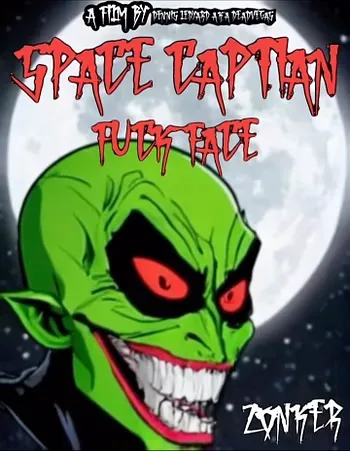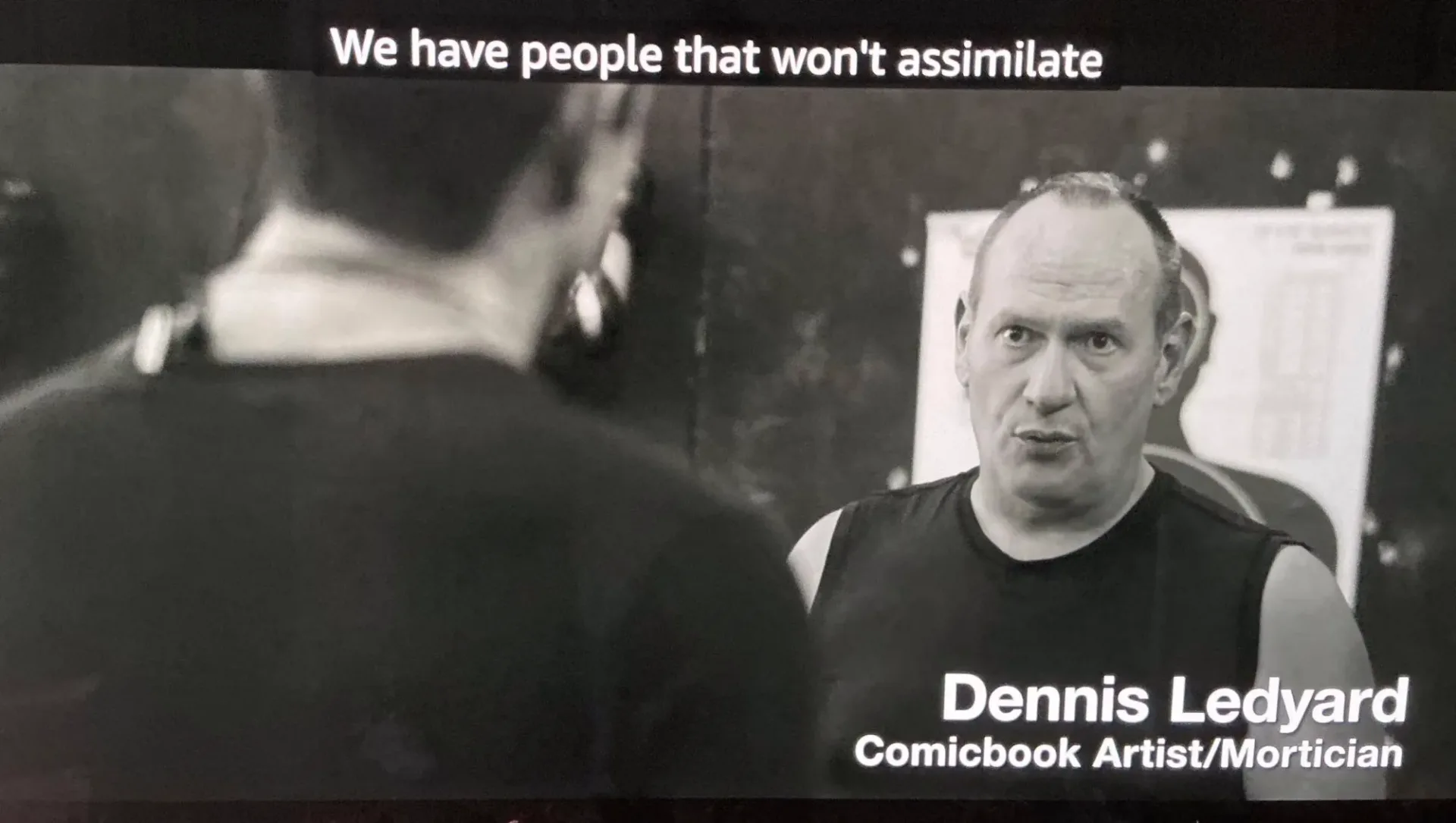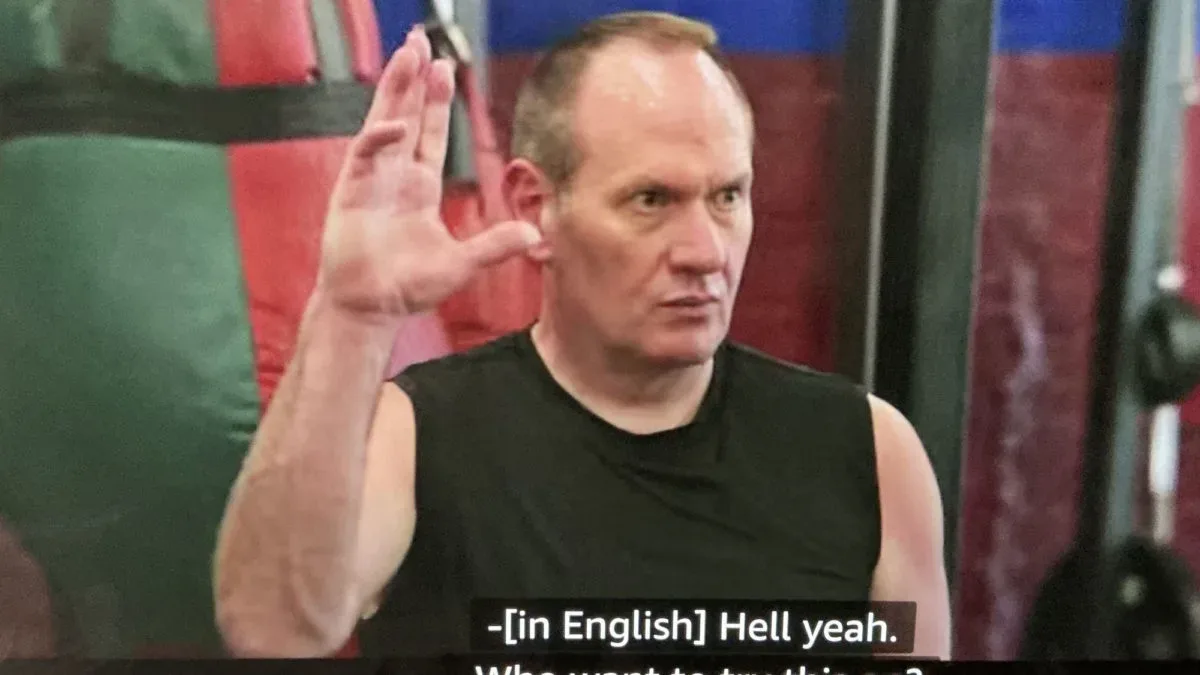
Dennis Ledyard, the Las Vegas comic creator who works as DeadVegas on the horror project Kill Coven 13, appears in Ali G: Who Iz I?, the Sacha Baron Cohen film now streaming on Prime Video. Ledyard is presented as himself during a segment involving Cohen’s Erran Morad character, a fictional Israeli Mossad security consultant used for the film’s prank-style encounters.
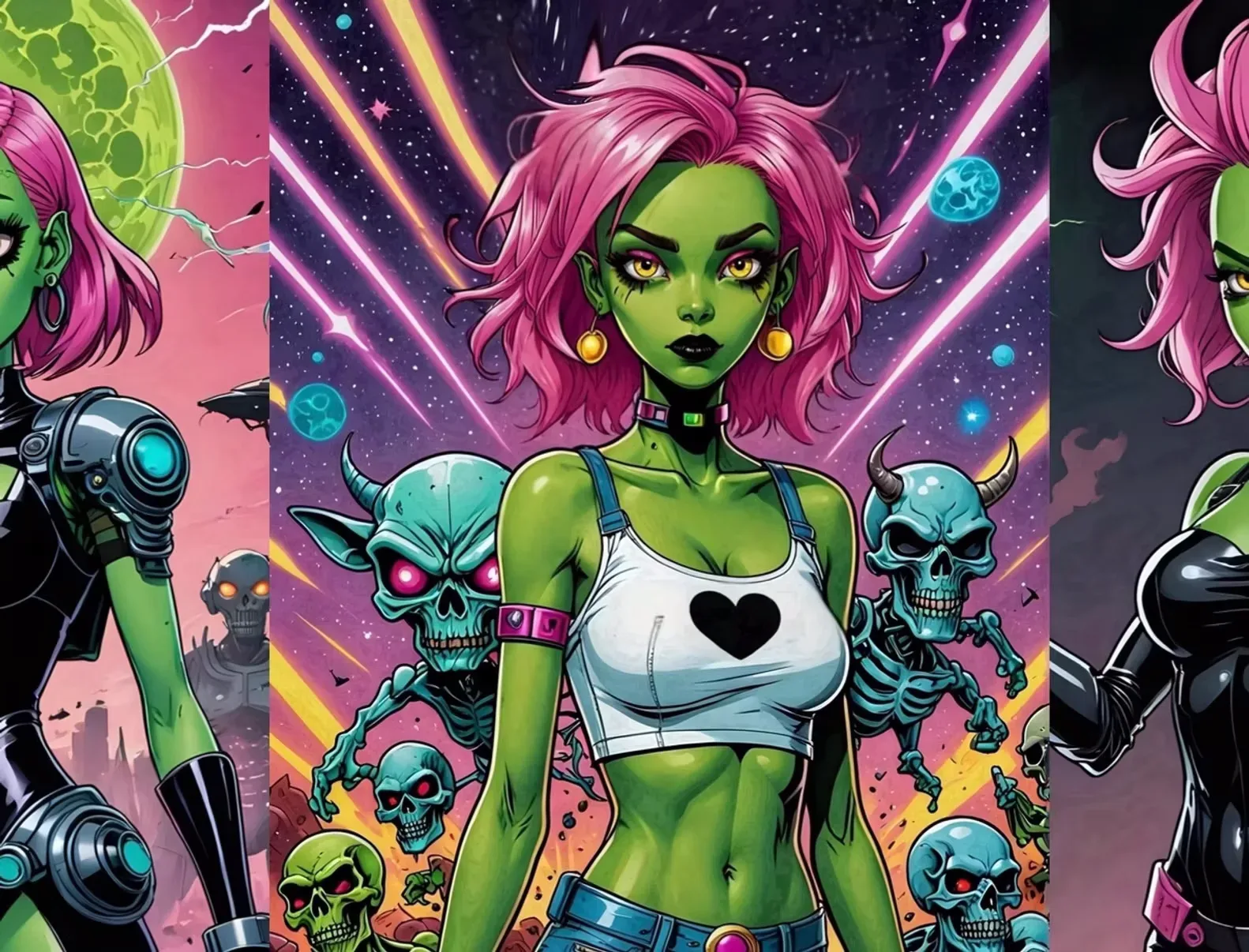
The appearance places a niche comics creator in a very different kind of pop-culture spotlight. Kill Coven 13 is described as a self-contained horror-comic universe centered on 13 witches in Las Vegas, with the Hell Goddess Lunar Suicide and Alien Girl Space Zombie Death Princess among its outlandishly named figures. The project’s mythology also involves 13 secret “Vegas Hell Doors.”
That maximalist premise is a sharp contrast with the filmed segment, which does not treat Ledyard as a performer promoting his work. Instead, he is one of the real people drawn into a scenario staged by Cohen in character.
A real creator inside a fictional setup
Ali G: Who Iz I? gives Cohen multiple alter egos: Ali G, described as a wannabe rapper; Dr. Nira Cain-N’Degeocello, an ultra-leftist academic; and Erran Morad. The film’s approach places those invented personas in interactions with people who are not playing scripted fictional roles, then lets the discomfort and absurdity of the premise drive the comedy.
That distinction matters when discussing Ledyard’s cameo. It is not framed as an acting credit or a conventional Hollywood debut in which a comic artist has been cast for a part. He is shown as himself, encountering Morad and responding to the circumstances being presented to him.
In the sequence, Morad recruits white American men by presenting an anti-immigrant narrative: immigrants are characterized as a violent threat, and Morad claims the recruits must prepare to fight them. Ledyard is among the men who responds positively to Morad’s pitch and thanks him for his claimed efforts.
The scene then escalates into deliberately outrageous fake self-defense theater. Morad introduces a bogus device involving padded clothing and a firing mechanism, presented as protection against a supposed sexual attack. Ledyard volunteers to demonstrate it, becoming the first participant shown trying the prop.
The central joke is not that the device is plausible. Quite the opposite: its design and explanation are intentionally ridiculous. The comedy turns on how far the fake authority of Morad’s security-consultant persona can carry an absurd claim, and on the willingness of people in the room to engage with it.
What the scene does—and does not—show
There is a temptation to flatten this kind of footage into a simple “surprise cameo” story, especially given Ledyard’s connection to comics. But the relevant context is more uncomfortable than a standard celebrity sighting. The sequence uses an invented security expert and a fabricated threat to expose reactions to an anti-immigrant premise.
A sting, in this context, is a setup designed to elicit an unguarded response. The person being filmed is provided a false situation, while the production’s actual comic purpose is withheld. Cohen’s work has frequently relied on this tension between a character’s bogus claims and the responses of people who treat those claims as genuine.
In Ledyard’s segment, the scenario continues beyond the fake-defense demonstration. Two other men are selected for a later plan involving the fictional kidnapping of Julie, Ali G’s girlfriend, played by Morgana Robinson. That portion of the plan proceeds without Ledyard, so his appearance is limited to the recruitment and demonstration material.
The scene is therefore memorable for its escalation, but it is also structurally contained. Ledyard does not appear to take part in the later kidnapping setup shown in the film.
Kill Coven 13’s unusual format
Ledyard’s creative work is as unconventional in format as its horror-fantasy names suggest. Rather than primarily releasing standard comic-book issues, he sells 13-by-19 poster prints connected to Kill Coven 13 through his website. The project is also promoted through social platforms including Facebook, Instagram, TikTok and YouTube.
That distinction is useful for readers who hear “comic creator” and assume a familiar single-issue or collected-edition release model. A comic poster print places the art object at the center: it can communicate a character, a moment or the broad visual identity of a fictional universe without functioning like a sequential comic issue. It is adjacent to comics as a storytelling and illustration practice, but it offers a different way for an independent creator to circulate work.
Kill Coven 13 has also included work that appears to have been hand-drawn alongside more recent imagery that appears to use AI-generated material. “AI-generated” here refers to images produced with generative artificial-intelligence systems from written prompts, rather than solely through traditional drawing or digital illustration workflows. The available material points to a mix across the project’s history, rather than establishing a single method for every image.
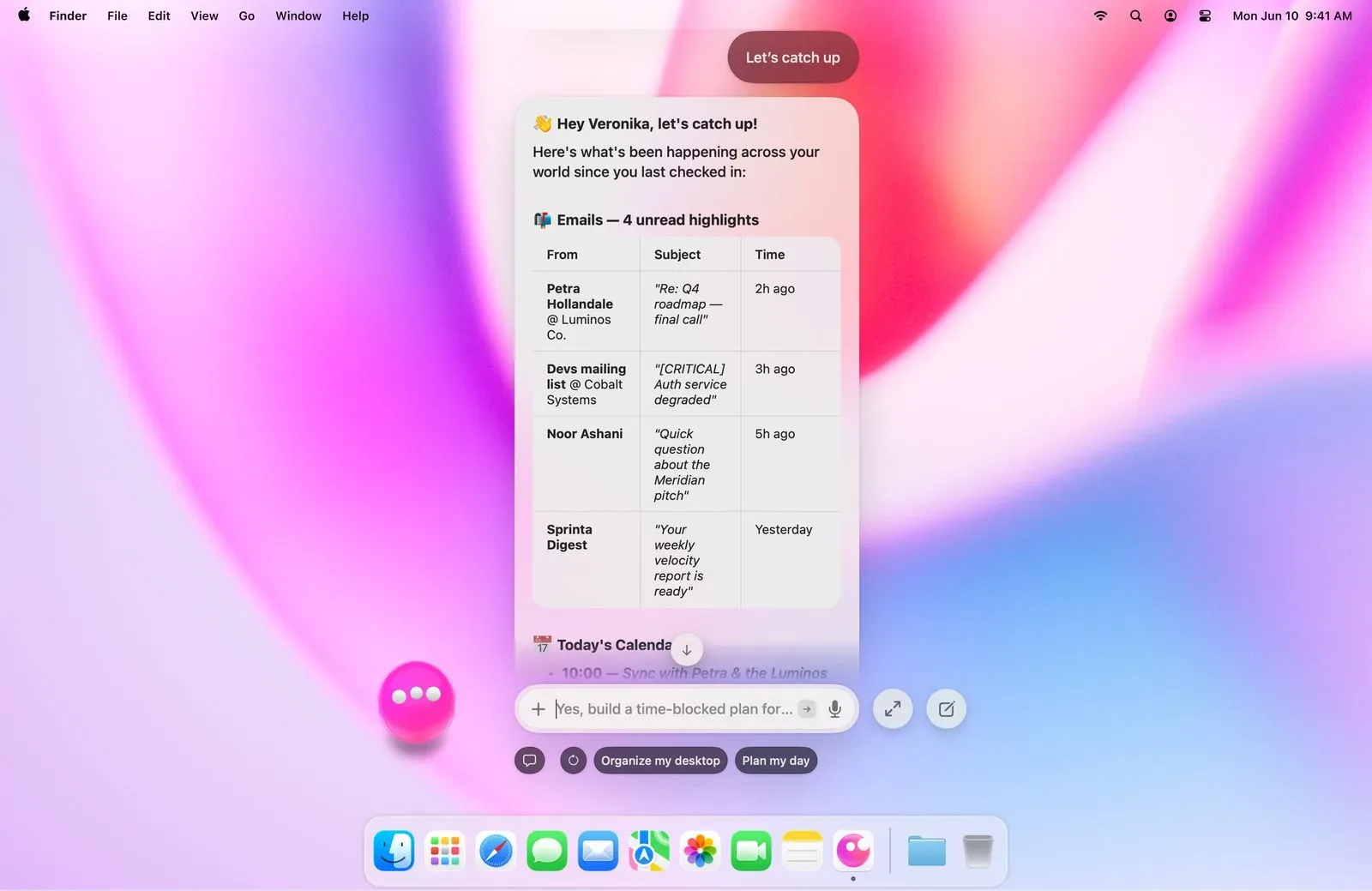
The changing role of these tools is part of a broader creative-technology conversation, including products designed to put AI assistance into everyday computing workflows. For a separate example of that wider trend, see coverage of an AI assistant designed for Mac use. That larger debate does not answer questions about any individual artwork’s authorship or process, but it does explain why audiences increasingly scrutinize whether visual work is hand-drawn, AI-generated, or made through a combination of techniques.
Why the comics connection is notable
Independent comics are full of creators building worlds outside the usual direct-market, bookstore or digital-comic channels. Some publish conventional issues; others build a following through prints, social posts, short-form video and character art. Ledyard’s Kill Coven 13 fits the latter route, using horror imagery and elaborate fictional names to establish a recognizable personal project.
His appearance in Ali G: Who Iz I? is notable precisely because it is not tied to an announced adaptation, a promotional partnership, or a comic-book cameo written into the film. The connection is accidental from a fan’s perspective: a creator with an online horror-comics presence turns up in an unrelated Cohen sequence, where his own work is not the subject of the encounter.
For viewers who recognize him, it creates an unusual collision between two very different internet-era forms of visibility. One is a self-built independent art project promoted online. The other is a large-scale comedy production that places ordinary people into hidden-purpose situations. Neither requires the other to function, but the overlap makes the moment especially conspicuous.
Availability
Ali G: Who Iz I? is available to stream on Prime Video. Viewers should expect the Erran Morad material to contain provocative setups and adult-oriented humor, including the intentionally crude fake self-defense demonstration involving Ledyard.
For readers interested in Ledyard’s comics work rather than the film segment, the key point is that Kill Coven 13 is an ongoing online horror universe associated with DeadVegas and currently centered on poster-print releases. The film appearance does not change that format, but it may introduce the creator and his unusual Las Vegas witch mythology to viewers who would otherwise never have encountered it.