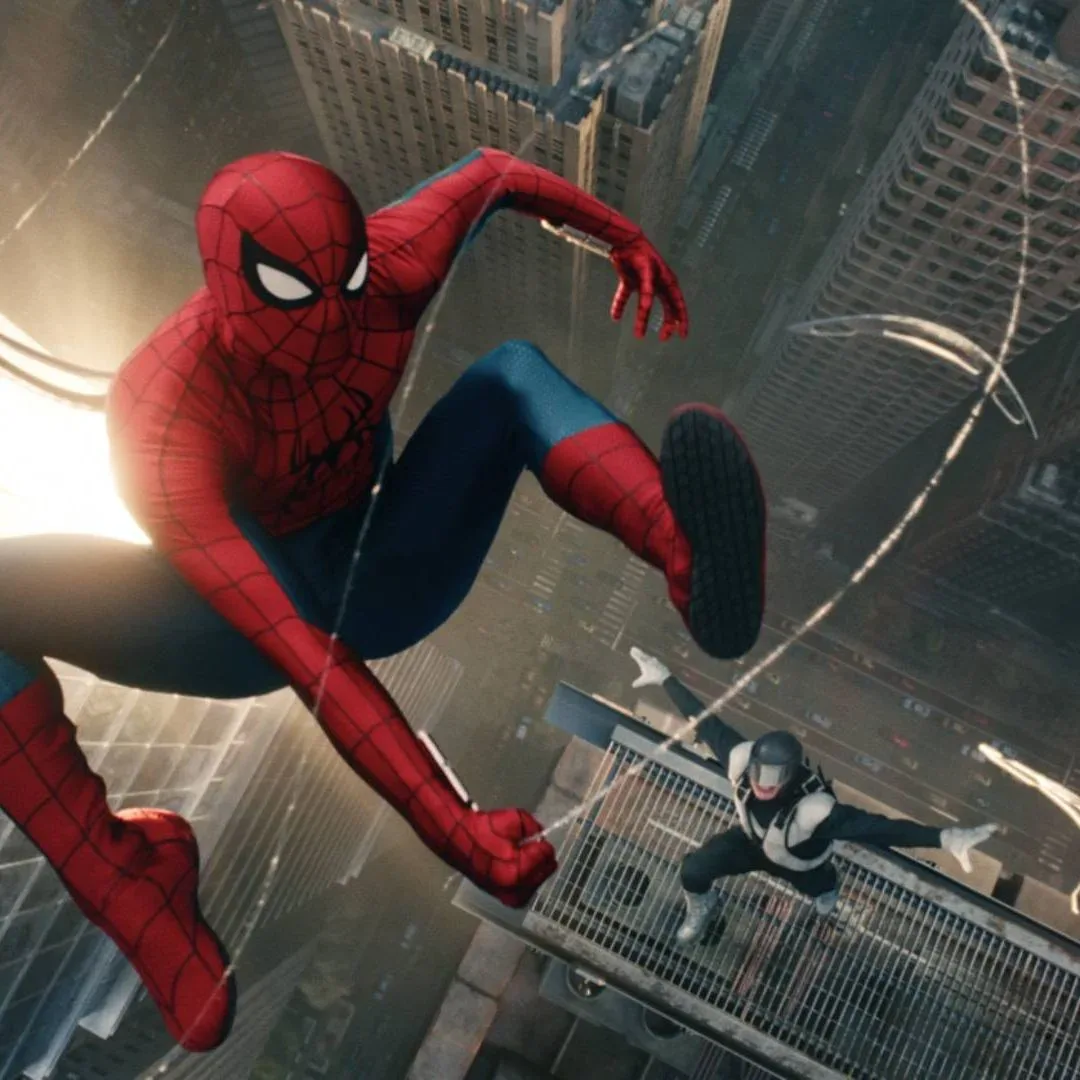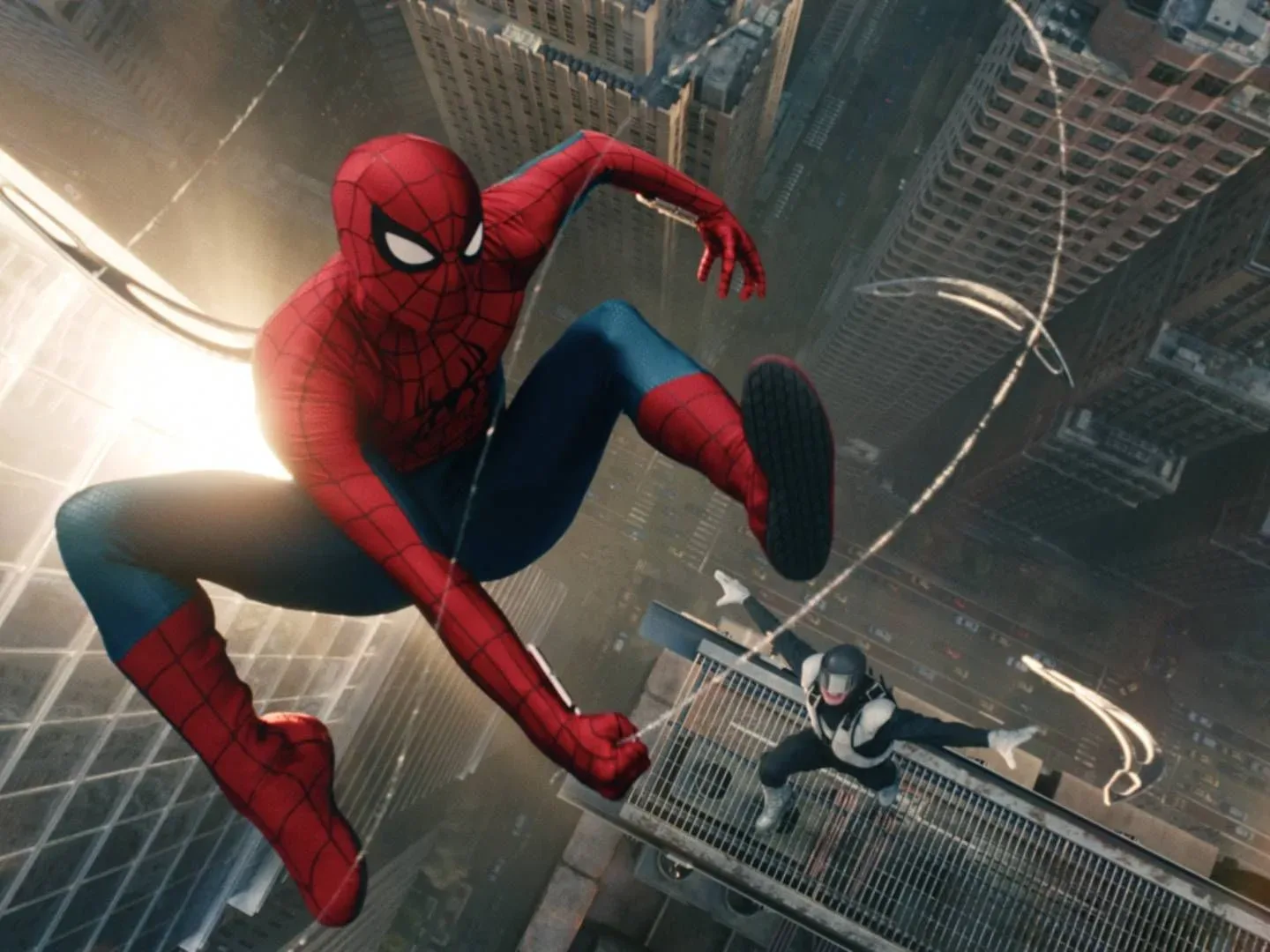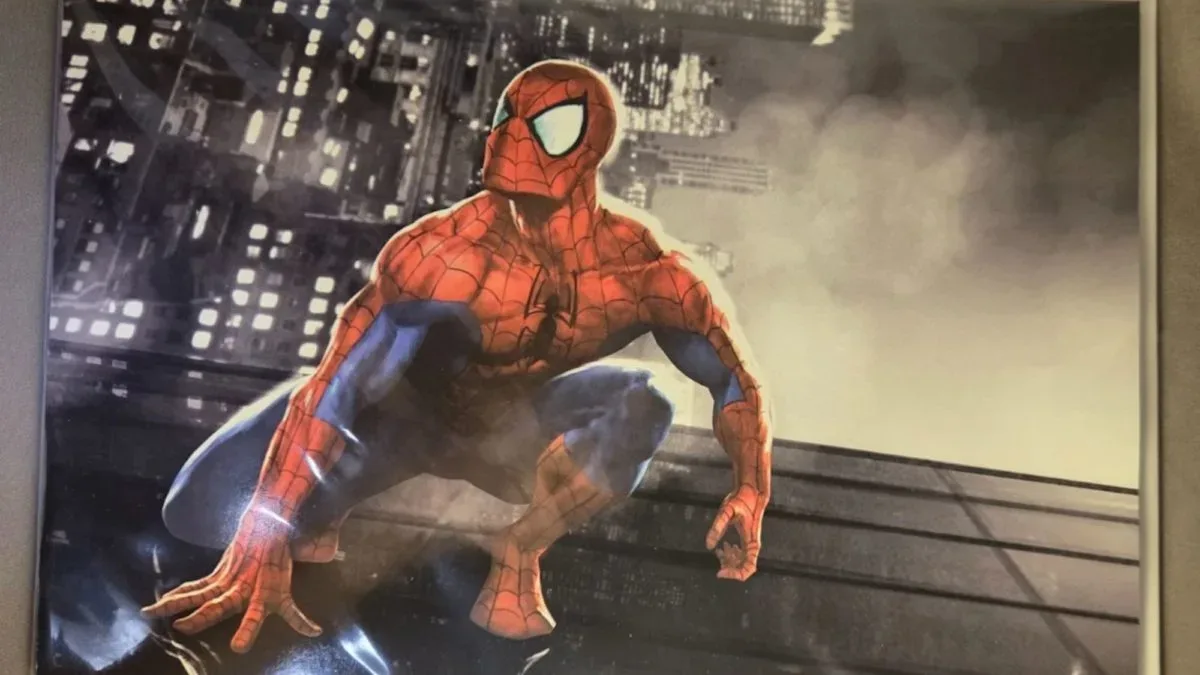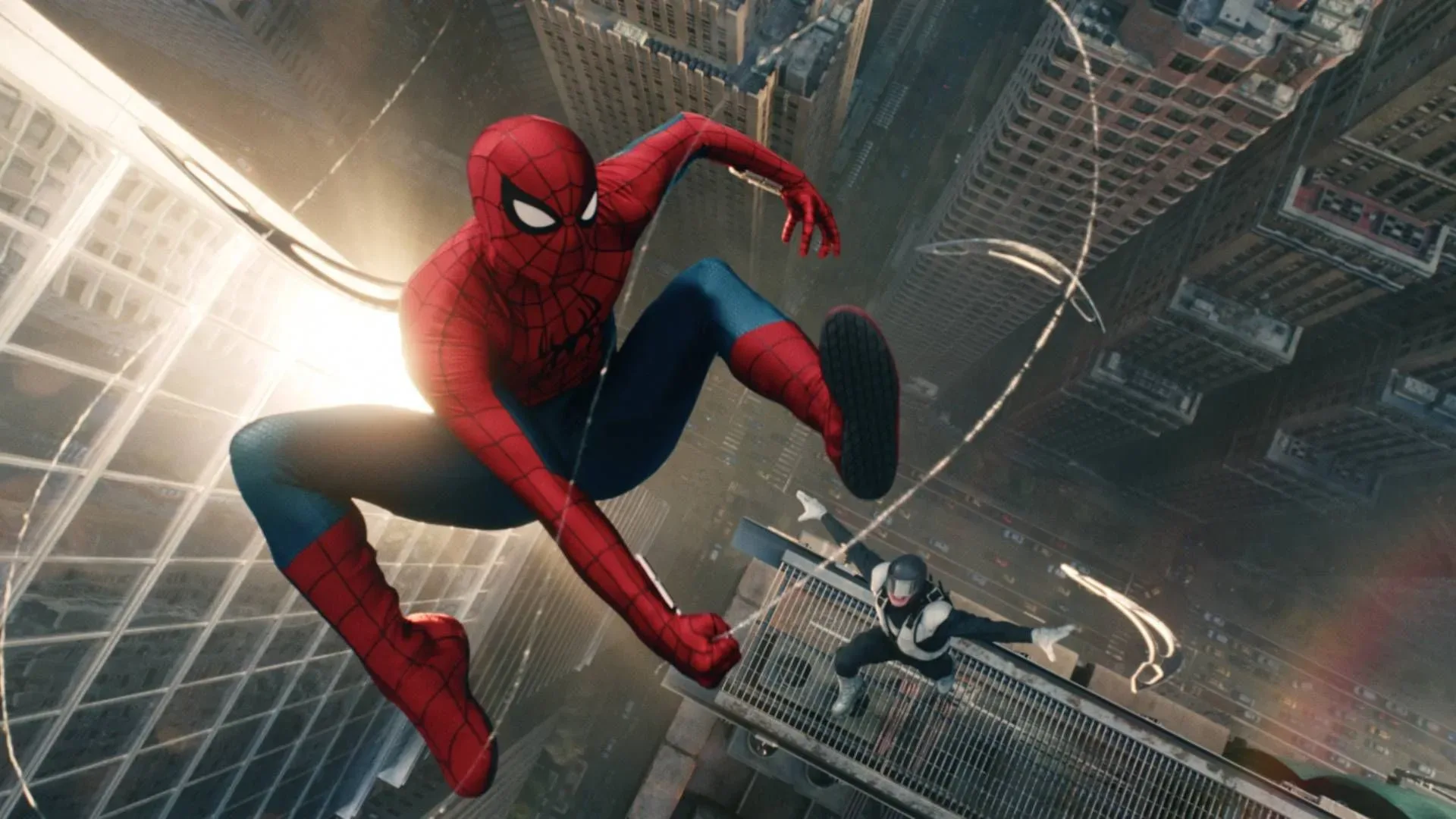
Spider-Man may be heading back to streaming through a particularly risky doorway. A reported series based on The Clone Saga is being considered for Prime Video, with Ben Reilly and Kaine Parker positioned as its central characters. That immediately gives the project a built-in hook: two figures whose connection to Peter Parker is inseparable from questions of identity, legitimacy, failure, and what it means to be Spider-Man.
It also gives the series an enormous storytelling problem to solve. The Clone Saga is not remembered simply as a comic arc about a Peter Parker duplicate. It is remembered as a long, tangled storyline that expanded across multiple Spider-Man titles in the mid-1990s, added further clones and reversals, and kept the status of its central characters unsettled for an extended period. For some readers, that messiness has a certain cult appeal. For many others, it is the sort of continuity-heavy saga that makes an adaptation sound less like an easy franchise win and more like a controlled demolition challenge.
The reported show is not confirmed as a straightforward panel-for-panel translation, and that distinction matters. The project could include “significant changes,” while Tom Holland is not expected to be involved. Those two details indicate that viewers should not assume it will function as a continuation of any existing live-action Spider-Man screen story. At this stage, the clearest reported premise is its focus on Reilly and Kaine rather than Peter Parker.
Why the Clone Saga has such a difficult reputation
In basic terms, a clone story explores whether a person is defined by their body, memories, choices, or social role. Spider-Man is an unusually fertile character for that theme because Peter Parker’s ordinary life has always been as important as his superhuman one. A duplicate with Peter’s memories and abilities does not just pose a physical threat; he challenges Peter’s relationships and his claim to the life he has built.
Ben Reilly is at the core of that tension. The comics brought him back as a clone of Peter Parker, then used uncertainty around who was “real” to shake the foundation of the character’s world. The storyline ultimately did not stop at one rival or one clean reveal. It broadened, bringing more clones into the mix and repeatedly complicating its own central question.
Kaine Parker adds another dimension. He is described as a failed clone of Peter, which makes him more than a second version of the same character. Where Ben’s existence asks whether someone made as a copy can become his own person, Kaine’s premise carries the idea of a damaged or rejected creation. Those are strong dramatic foundations for television, especially if the series treats the clones as people with competing needs rather than as a parade of continuity surprises.
The trouble is that the original saga’s reputation comes from its excess. The story ran through several Spider-Man books over years, sidestepped Peter for substantial stretches, and introduced plot twists that many readers found increasingly difficult to accept. “Convoluted” is often used casually in superhero discussion, but it has a specific practical meaning here: an audience may need to track too many hidden histories, contested identities, secret plans, and revised assumptions before the emotional stakes can land.
That is a poor fit for a new show if it expects casual viewers to arrive with decades of comics knowledge. It is also why an adaptation has a legitimate chance to improve on the material. Television does not need to inherit every detour from a sprawling crossover-era comic run. It can identify the strongest conflict, decide which characters carry it, and make each reversal serve that conflict rather than merely prolong it.
“Significant changes” may be the essential part of the pitch
Major adaptation changes are often treated as a warning sign by fans who want fidelity. In the case of The Clone Saga, they may be the project’s best argument for existing. A direct recreation would risk importing the very qualities that made the original controversial: proliferation, uncertainty stretched beyond its breaking point, and twists that feel more like obstacles than revelations.
A revised version could instead begin with a more disciplined question: what does each clone want, and why can none of them simply walk away? Ben Reilly and Kaine are not interchangeable pieces of Spider-Man iconography. A series centered on them has room to define separate perspectives and separate emotional stakes. It could present identity as a personal problem before presenting it as a franchise puzzle.
That does not require discarding the underlying comic-book premise. The appeal of a clone saga lies in the uncanny collision between resemblance and difference. If two people share Peter Parker’s face, abilities, and pieces of his past, every decision can become an argument about what actually makes someone Peter. But that hook works only if the audience has stable ground beneath it. A show needs a clear point of view, comprehensible rules, and characters whose pain remains understandable even when the science-fiction setup becomes strange.
There is another advantage to putting Reilly and Kaine in the foreground: it potentially avoids using Peter simply as a question mark to be solved. The original arc’s identity games were built around the possibility that the audience’s assumed protagonist was not who he seemed. A new production could use that inheritance without making its entire season depend on withholding basic information. Mystery can create momentum, but character choices create attachment.
Fans are wary, but not unanimously opposed
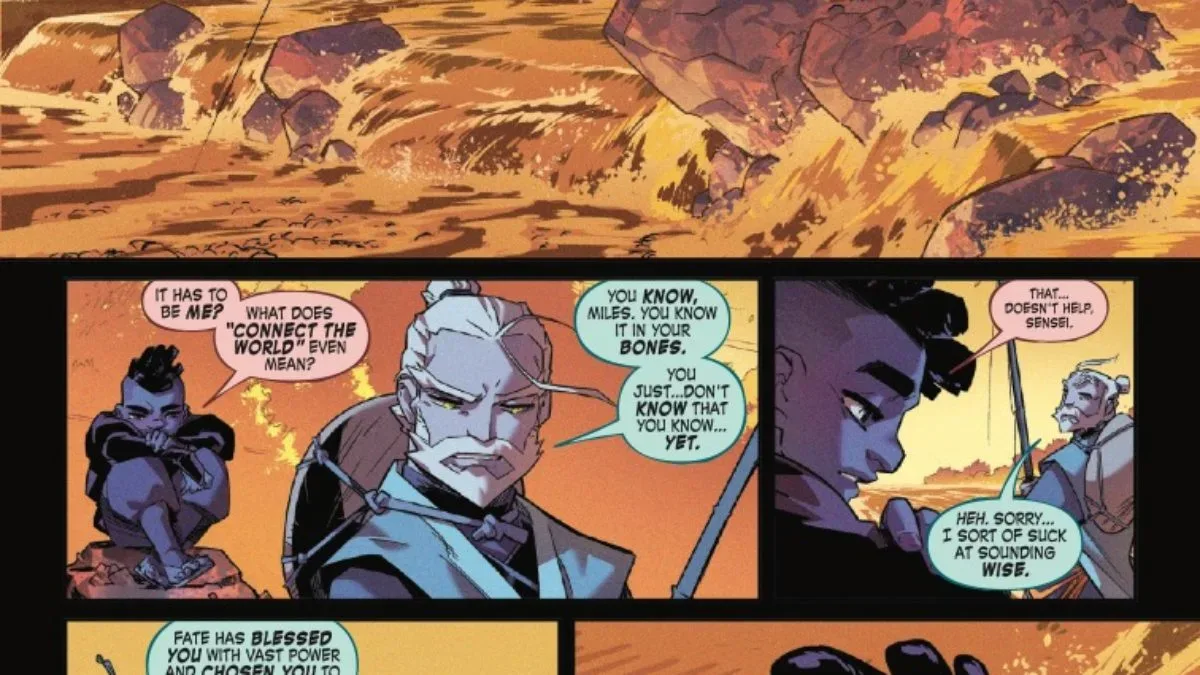
The early reaction has been sharply skeptical. One fan called the prospect a “Terrible idea,” while another suggested the material would make more sense as animation than live action. A separate response argued for a revised version of the story rather than its original form, while also hoping a new show would not force in additional Spider-characters such as Gwen or Miles simply to widen its brand footprint.
Those responses do not amount to a universal verdict, but they identify the central creative concern. Viewers are not merely objecting to cloning as a concept. Spider-Man stories have used science fiction, alternate identities, and heightened comic-book premises for generations. The concern is that the television version could repeat a famously unwieldy narrative without an evident reason to do so.
The animation discussion is notable because it is really a discussion about tone and visual language. Animation can embrace comic-book stylization and allow visually identical characters to coexist without the practical distraction of live-action casting tricks. That does not mean a live-action version cannot work. It means a live-action production would need to make choices about performance, visual identity, and realism especially carefully. If Ben, Kaine, and Peter share an origin, the series still has to ensure they register as different people.
One obvious unresolved question is whether Ben Reilly and Kaine Parker would be portrayed by the same actor. There is no reported answer. Casting them separately could make their individual identities instantly legible; casting one actor in both parts could foreground their shared DNA and make the story’s resemblance more unsettling. Either route would shape the drama. The important point is that the reported premise creates the question, not that it has supplied a solution.
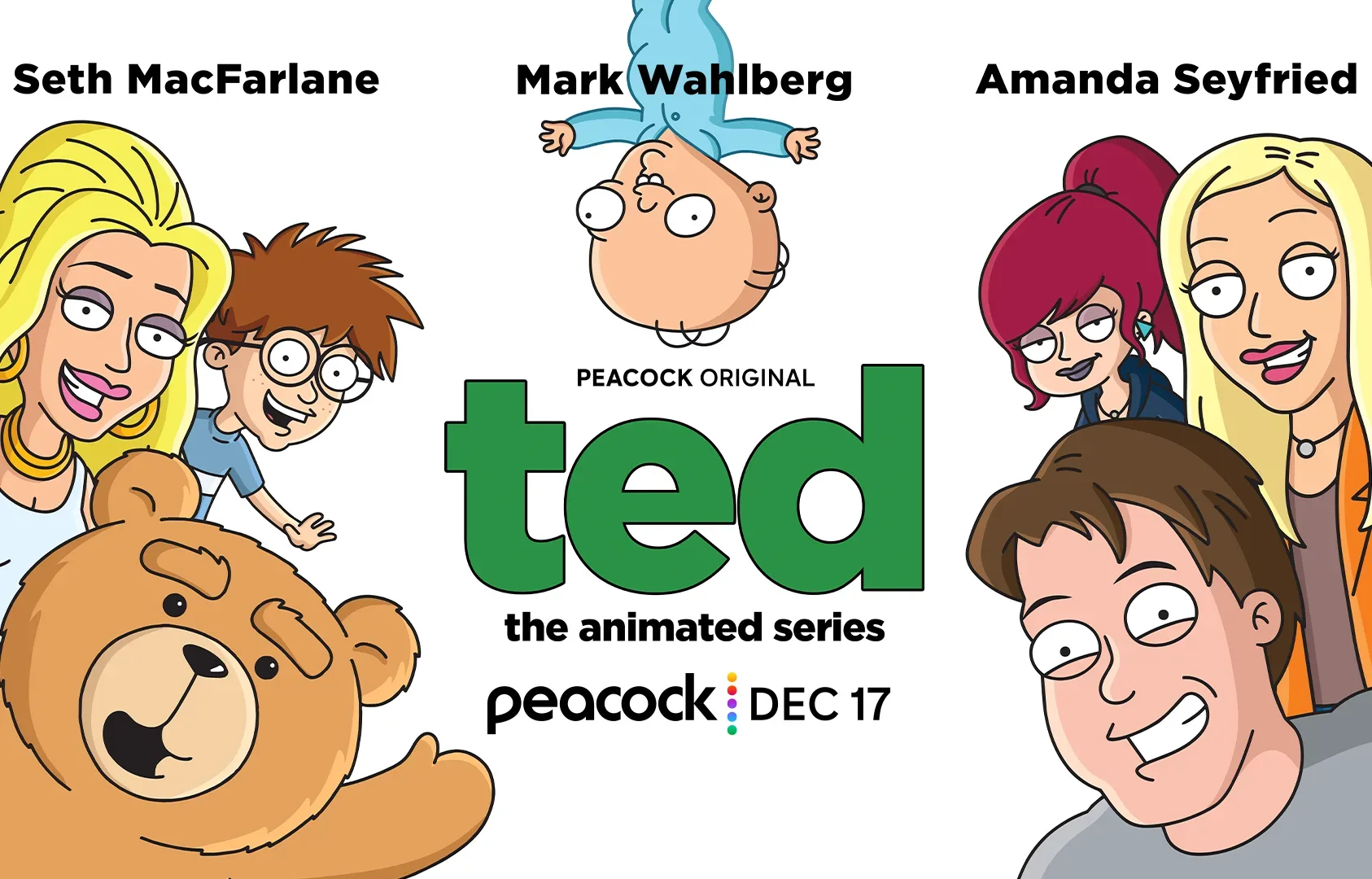
For viewers interested in how animation can change the framing of established screen characters, the broader television conversation is already active, including another upcoming animated-series adaptation built around a familiar film property. The Clone Saga’s situation is different, but the underlying decision is similar: format is not just a production detail; it affects how audiences accept an expanded version of a known world.
What a successful adaptation would need to avoid
The safest route would not be to treat “Clone Saga” as a checklist of every character and twist associated with the comics. The reported focus already offers a narrower lane. Ben and Kaine can support a story about inheritance, abandonment, rivalry, and self-definition without requiring a viewer to memorize a dense web of prior continuity.
That means resisting a few predictable temptations. First, a series should not confuse more duplicates with deeper drama. Clones are meaningful because they force a comparison between characters, not because a large headcount automatically raises stakes. Second, it should not make its mysteries so opaque that viewers cannot tell what anyone knows or wants. Finally, it should be cautious about introducing other Spider-people solely as cameos or setup. The fan concern about shoehorning in popular figures is a reminder that the reported show’s distinctiveness is its focus on Reilly and Kaine.
The commercial appeal of Spider-Man remains clear. The supplied reporting points to major domestic box-office records in the United States for Brand New Day, demonstrating continued demand for the larger brand. But popularity does not erase the need for a precise creative identity. In fact, a recognizable name can make audiences more alert to weak storytelling, because they arrive with established expectations.
A Clone Saga adaptation has a potentially compelling angle precisely because it is not the most obvious Spider-Man story to adapt. Ben Reilly and Kaine offer a way into the mythology from its unstable edges rather than through another familiar origin retelling. The risk is equally clear: this is a storyline whose legacy is inseparable from reader frustration. If the reported series moves forward, its success may rest less on whether it reproduces the comic arc and more on whether it understands why so many people wanted that arc rebuilt in the first place.
For now, the project remains a reported possibility with major details unanswered, including its final form, casting, scope, and how far any changes would go. The response so far is guarded for understandable reasons. Yet the same history that makes The Clone Saga daunting also provides a useful blueprint: retain the human conflict, simplify the machinery around it, and let Ben Reilly and Kaine Parker become characters rather than continuity devices.