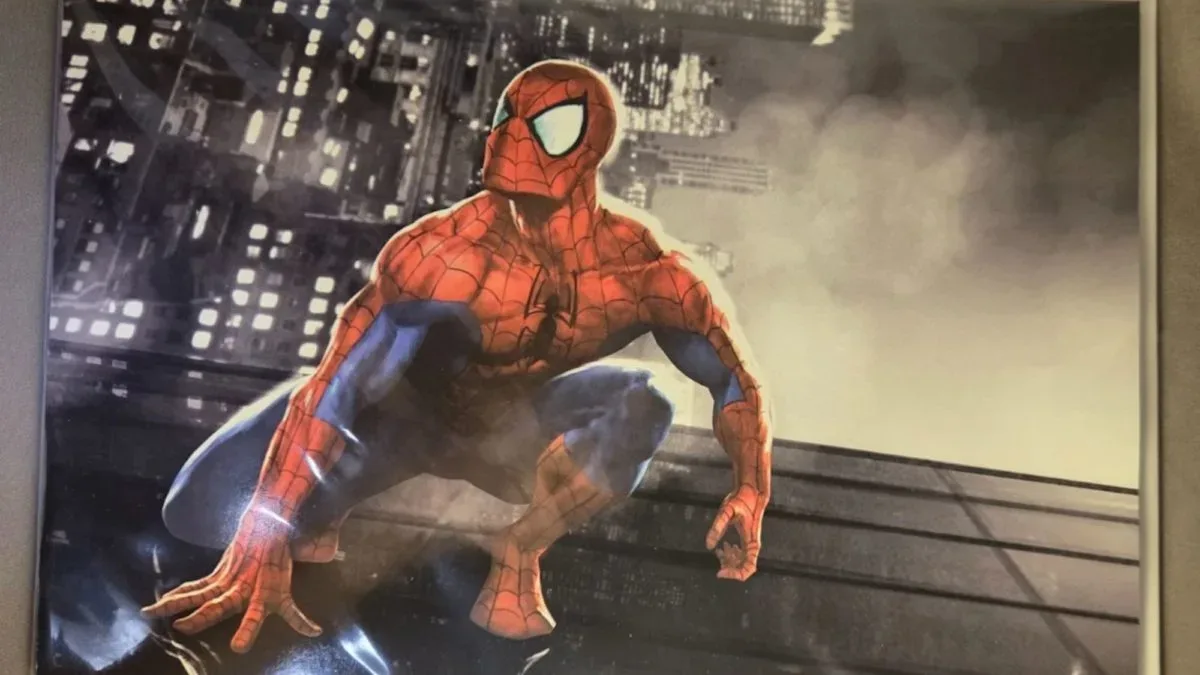
Amazing Spider-Man #1000 is reaching its official September 30, 2026 release with an unusually lively secondary-market subplot already attached. A limited Local Comic Shop Day release over the preceding weekend put select editions into collectors’ hands early, while reported printing delays and allocation constraints may have left some participating stores with fewer copies than they ordered.
That combination—an enormous milestone issue, event-specific variants and uncertainty over short-term supply—has made for headline-grabbing eBay activity. But collectors should keep the important distinction in view: a high early transaction or an energetic auction is a snapshot of demand at one moment, not a settled value for every copy of the comic.
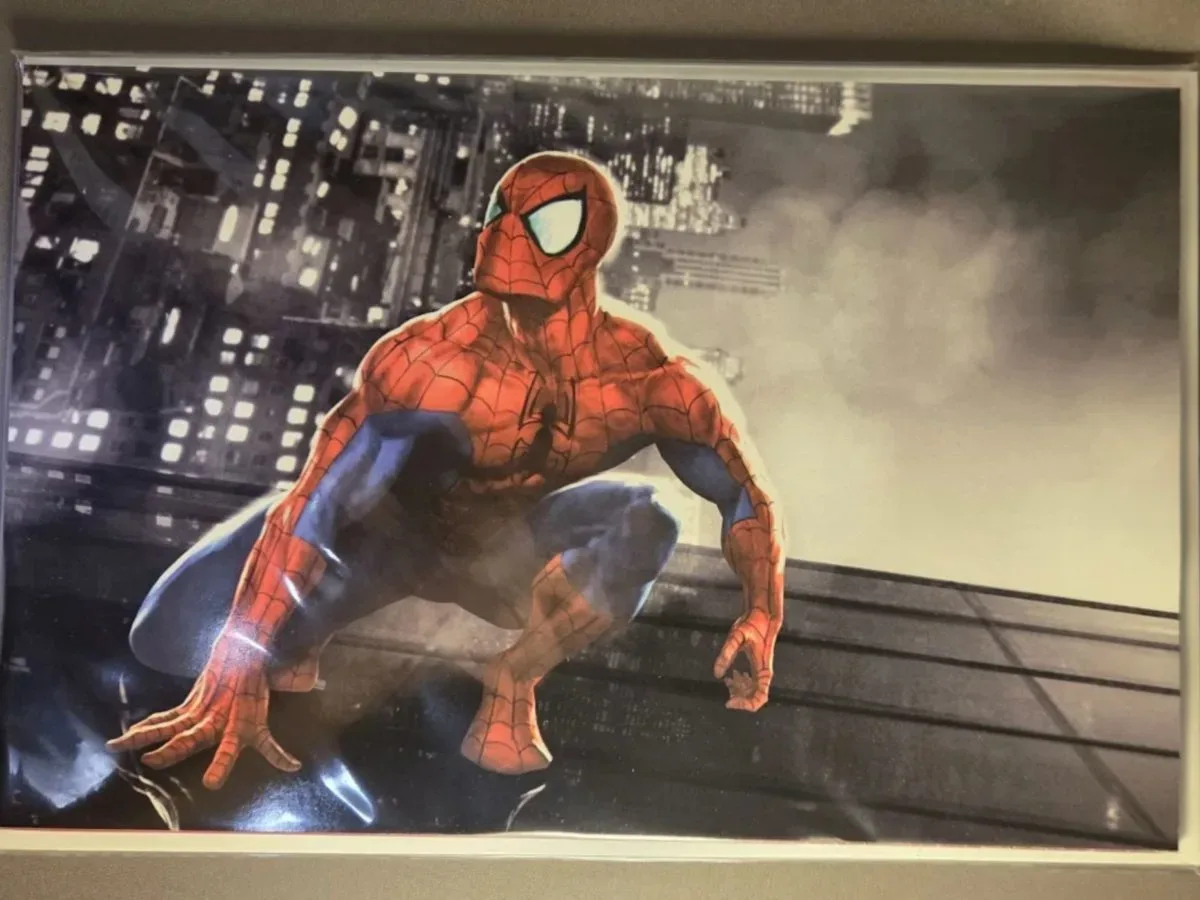
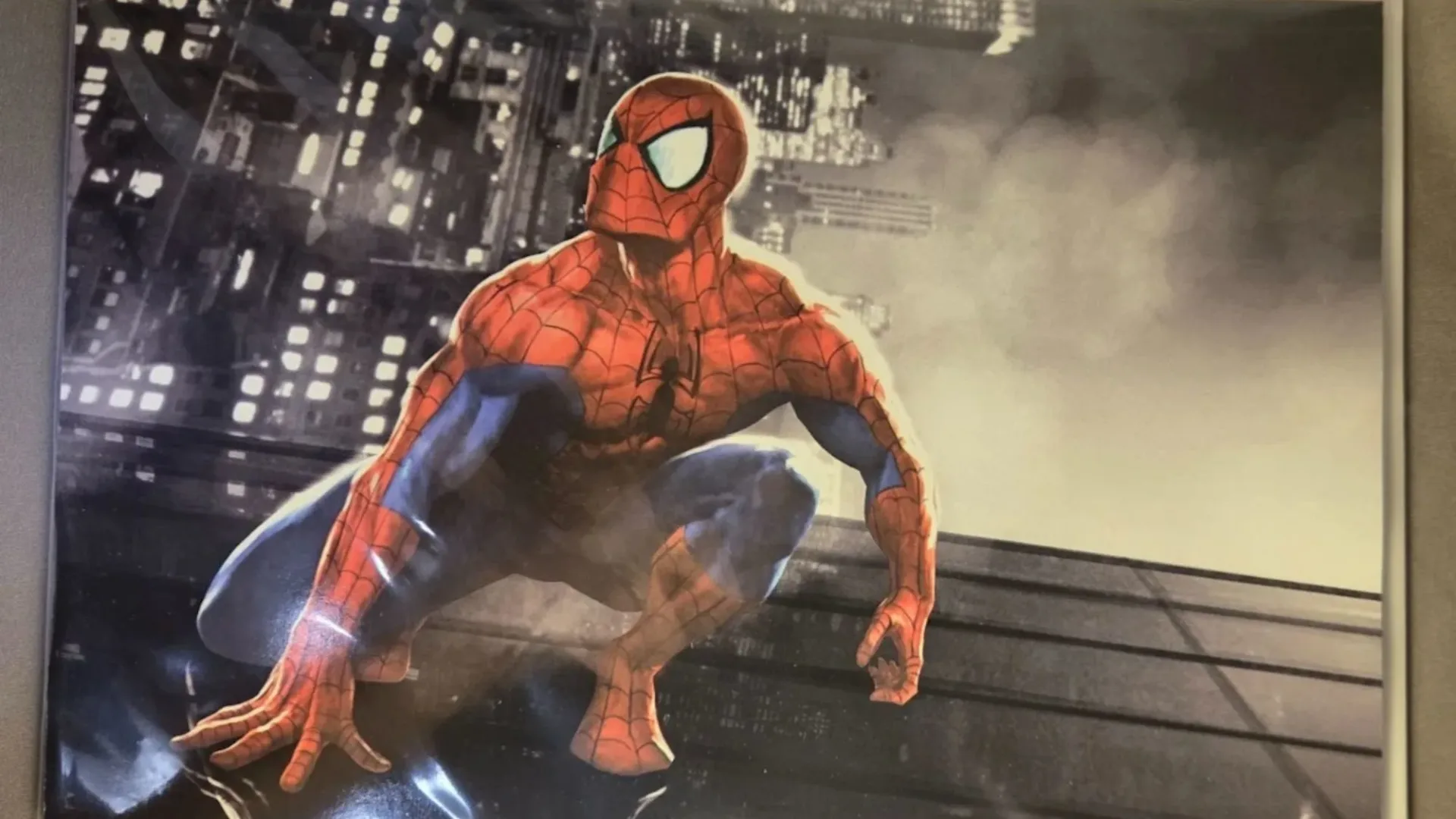
The standard wide-release issue is listed at $9.99. It is a giant-size anniversary package led by Joe Kelly and Pepe Larraz, alongside a large roster of creators contributing additional Spider-Man stories. The early-market heat is focused not on the ordinary edition’s cover price, but on variants connected to Local Comic Shop Day and ComicsPRO distribution.
The early numbers: big spike, quick retreat
The Skab Local Comic Shop Day variant reportedly sold for as much as $150 on its release day after debuting at $9.99. Subsequent sales had already moderated, with a reported figure of $66. One active listing sat at $33 with 13 bids and three days remaining when observed.
For more context, explore Apple Watch Ultra 4 Gets an Early $19.01 Price Cut at Amazon, With Three Band Options in the Party.
Those figures tell a more useful story when separated into categories. A completed purchase establishes that one buyer paid that amount at that time. An active auction does not establish a final price; it simply records the current level of bidding, with the most consequential bids often arriving near the close. Asking prices are less useful still, because they reflect what a seller hopes to receive rather than what a buyer has actually paid.
In other words, “up to $150” is a real attention-grabber, but it does not mean the Skab variant had become a $150 book across the board. The later reported $66 sale and lower live-auction price demonstrate how rapidly a fresh-release market can move once more copies surface and more sellers list theirs.
The more tightly described ComicsPRO Local Comic Shop Day virgin variant has also drawn interest. It was identified as a 300-copy edition, with one copy allocated per store, and a sale above $100 was reported before the wider release. A stated edition size gives collectors a clearer starting point than general talk of scarcity, though it still cannot predict future demand.
What “allocated” means for comic buyers
Allocation is an order-fulfillment limitation. In this case, stores may not receive every copy they requested. It is not automatically the same as an announced final print run, and it should not be treated as proof that every version of the book is rare. It does, however, matter in the first days of release: fewer copies in some shops can leave buyers who missed the local window competing online.
Printing delays can create a similar short-term effect. When a highly anticipated comic arrives unevenly, the market sees demand before supply has fully settled. Sellers with early stock may test ambitious prices; buyers who want a particular cover immediately may be willing to pay them. The key question is how many additional copies arrive through the regular release and how many owners decide to list theirs afterward.
That makes September 30 a meaningful checkpoint. The wide release may expand visibility for the milestone issue and introduce more readers to its variants. It could also cool the rush if more copies enter the market than impatient early buyers expected. Both outcomes are plausible, and neither is guaranteed merely because the standard issue reaches shelves.
Why issue #1000 has an audience beyond the cover
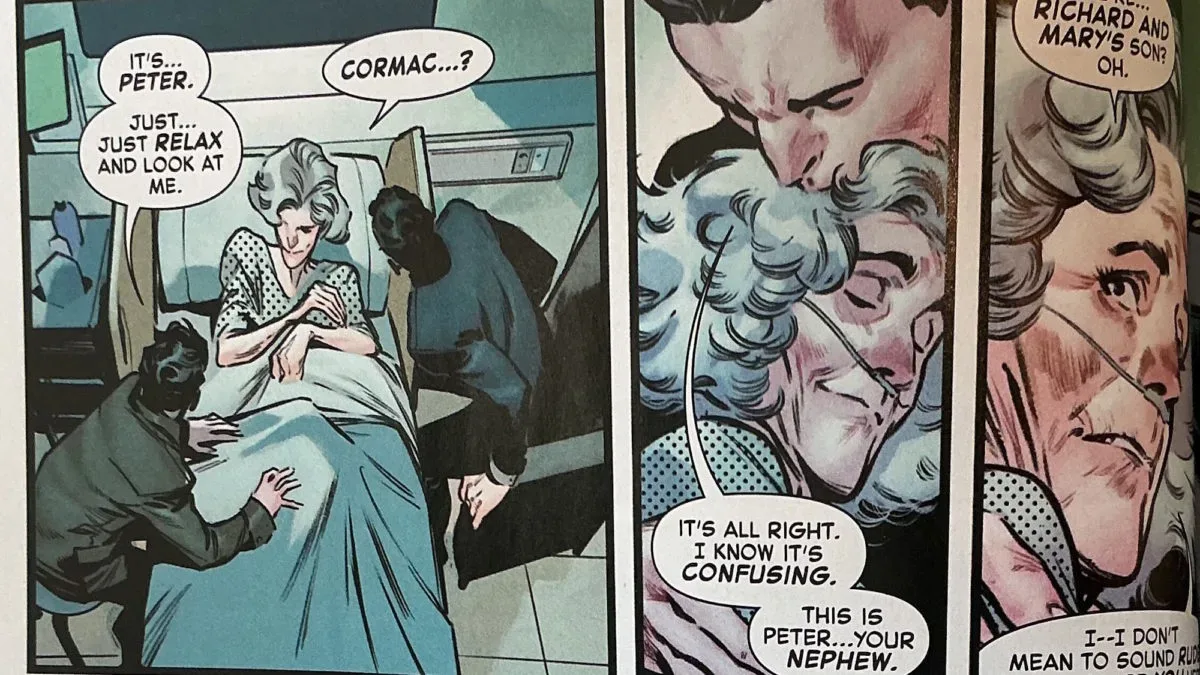
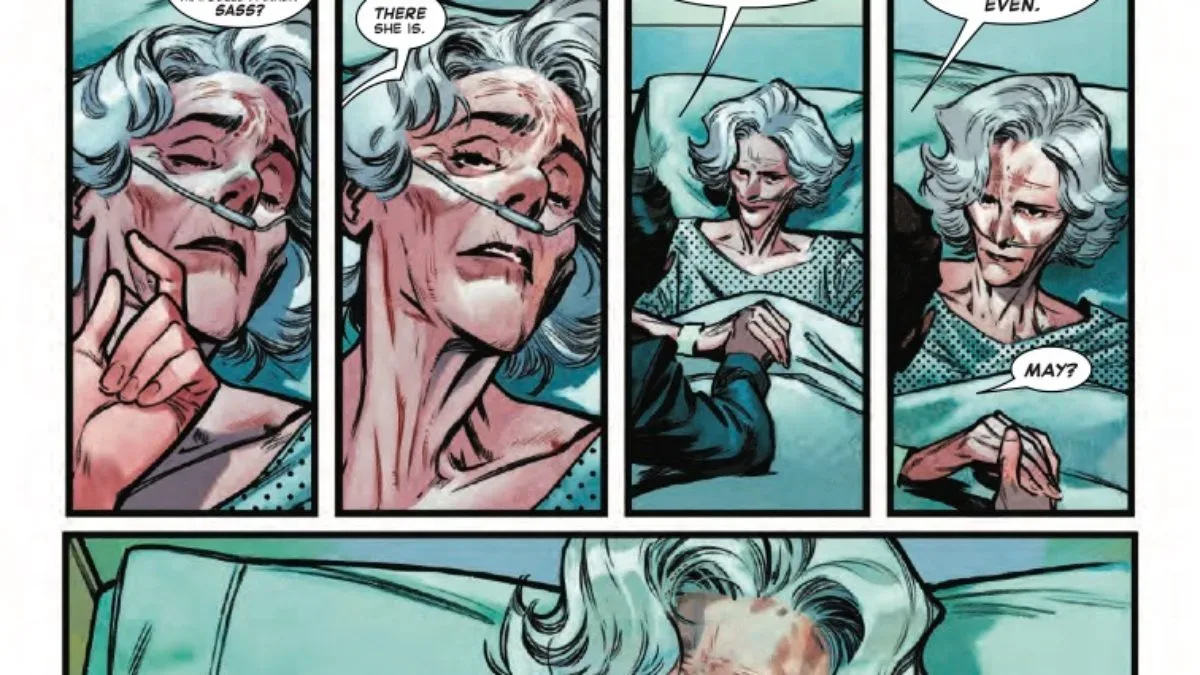
Milestone numbering gives Amazing Spider-Man #1000 an obvious collector hook, but the book is also built as a substantive anthology-style event. Kelly and Larraz handle the lead story, described as both a culmination of their work on the title and a launch point for its next phase. The plot places Peter Parker against Ravage, a new villain tied to questions about Spider-Man’s legacy.
The supporting lineup spans longtime Spider-Man names and high-profile guest creators. That is a significant part of the appeal for readers who want the comic as a reading experience rather than simply a sealed collectible. The issue’s announced material includes:
- “Still Standing”, by Noah Hawley and Patrick Gleason, featuring an older Peter Parker suiting up for one more adventure.
- “Requiem for a Goblin”, by J.M. DeMatteis and Humberto Ramos, revisiting the aftermath of Harry Osborn’s death.
- “Tears of the Spider-Queen”, by Frank Miller and Peach Momoko, with Spider-Man confronting the Hand.
- “The Big Night”, credited to Paul “Triple H” Levesque and Ed McGuinness.
- “The Gesture”, by Brian Michael Bendis and Stuart Immonen, pairing Spider-Man with the Avengers against familiar foes.
- “Of Webs and Six-Guns”, by Larry Lieber and Giuseppe Camuncoli, a Western-flavored Spider-Man story.
- “I Can Never Rest”, by Dan Slott and Marcos Martin, returning to the night of Uncle Ben’s death.
The issue also includes an interview with Tom Holland and Spider-Man: Brand New Day director Destin Daniel Cretton. For a book priced at $9.99 in its standard form, that is a broad collection of material. It also means interest in #1000 need not depend exclusively on a momentary scramble for a particular cover.
Variant vocabulary, without the mystique
Comic collecting is full of shorthand that can make a listing sound more elusive than it is. Here are the terms that matter for Amazing Spider-Man #1000’s early market.
- Variant cover: An alternate cover edition of the same issue. Content can be the same inside, but the cover and distribution route can differ.
- Local Comic Shop Day variant: A variant connected to the Local Comic Shop Day release event, which gave some editions an earlier, limited retail window.
- Virgin variant: In comic-cover terminology, “virgin” generally means the art appears without the usual visible logo, trade dress or cover text over it. The label describes presentation, not condition or grade.
- Edition size: The stated number of copies for a particular edition. The ComicsPRO virgin variant’s 300-copy figure is important because it gives a defined cap for that specific version.
- Secondary market: Sales between collectors after the initial retail transaction, including online marketplaces and auctions.
None of these labels is a magic stat boost. A low edition size can matter, but only if collectors continue to want that precise version. Artist interest, character significance, ease of purchase, condition, buyer sentiment and the number of copies actually offered for sale all affect what happens next.
How to read the market without getting webbed up in hype
For buyers who mainly want to read Amazing Spider-Man #1000, the clearest route is the standard September 30 release at its listed $9.99 price. That approach avoids treating an early shortage in specialty variants as a barrier to enjoying the issue itself.
For collectors who specifically want the Skab or ComicsPRO editions, patience and precision are more valuable than panic. Compare completed transactions to active bids and unsold listings. Confirm the exact cover, since a search for “Amazing Spider-Man #1000” can mix standard copies with several different variants. Check whether a listing identifies the edition accurately, and review photographs for the condition of the actual copy rather than relying on a stock image.
It is also sensible to distinguish personal collecting from speculation. Buying a cover because its art, event connection or stated 300-copy run appeals to you is a straightforward collecting decision. Buying because a single early sale created fear of missing out is a different proposition. The drop from a reported $150 Skab sale to a reported $66 sale is already a practical reminder that launch-week prices can be exceptionally volatile.
Condition remains relevant even for a brand-new book. Corners, spine stress, cover scuffs, dents and shipping damage may affect collector appeal. A seller’s description of “mint” is not a universal grading result, and photos are especially useful for expensive raw, or ungraded, copies. Buyers should also factor shipping and any marketplace charges into the total rather than comparing only the displayed bid.
What to watch after the wide release
The next meaningful data will be completed sales after September 30, particularly once the initial surge of listings has passed. If prices stabilize across several comparable transactions, collectors will have a clearer picture than they do from the first few days of excitement. If availability improves and prices soften, that would indicate that the early premium was mostly about timing and limited access. If the defined-run ComicsPRO edition continues to attract buyers even as other copies become easier to find, that would suggest demand for that specific edition is holding up.
For now, Amazing Spider-Man #1000 is a notable example of how an event release, distribution constraints and a major anniversary can collide before a comic reaches its broader audience. The book has the creative scale to be read as an anniversary celebration, while its Local Comic Shop Day variants have become a fast-moving collectible story of their own. Those are related facts, but they are not the same thing—and buyers will be best served by deciding which one they actually want.
Shop the products
Check current price, model and availability at the retailer.