Spoilers for Batman #14 and Batgirl #24 follow.
DC’s Batman: Bad Seeds storyline is spreading its danger across Gotham rather than keeping it contained to one caped crusader and one particularly unfortunate rooftop. Batman #14 and Batgirl #24, both dated October 7, 2026, put different corners of the city under pressure from Poison Ivy’s expanding “superbloom,” while also introducing a potentially consequential wrinkle in the event’s reading order: Batgirl #24 appears to show the new Gotham General and members of its staff before the dedicated Gotham General tie-in arrives.
That tie-in has been delayed until the end of the event, despite originally being expected earlier. The result is an unusual case where a chapter marketed as part of the broader Bad Seeds story seems to establish part of a forthcoming spin-off’s setting first. For readers following Gotham’s medical emergency—and for people who enjoy knowing why a hospital has suddenly become one of the city’s most narratively valuable locations—Batgirl #24 may be more central than its issue number initially suggests.
Batgirl races through a Gotham transformed by the superbloom
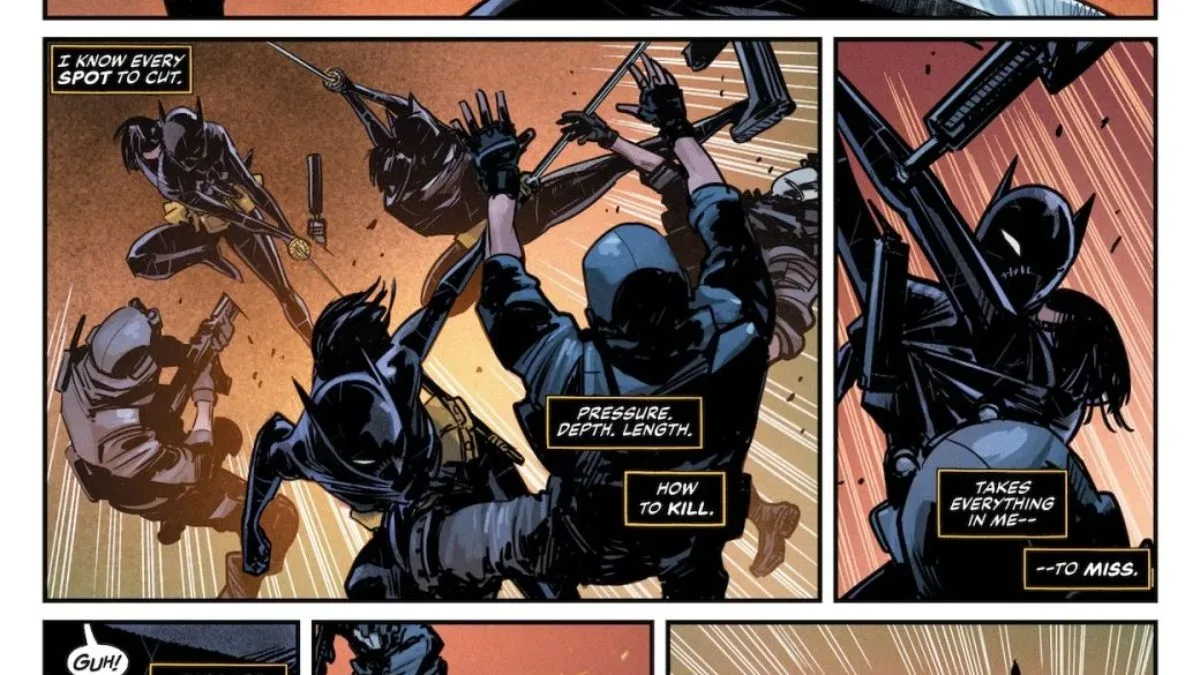
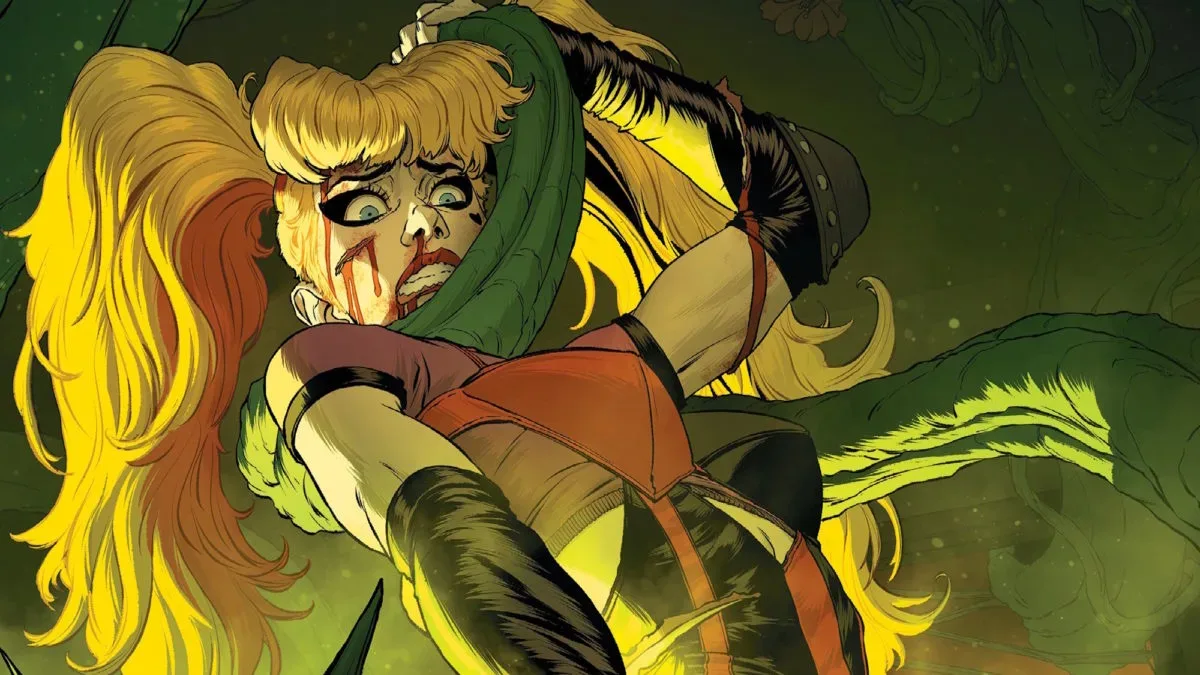
Batgirl #24 is written by Tate Brombal with art by Takeshi Miyazawa. Its premise gives the citywide crisis a direct human scale. Cassandra Cain’s Batgirl must cross a Gotham reshaped by the superbloom in order to bring a sick infant to Gotham General. The issue’s stakes are therefore not simply about stopping a supervillain or surviving plant creatures; they are about reaching care in a city whose streets and civic systems have become hostile.
For more context, explore TIME TAKERS Sets Second Steam Playtest for November 12–15 With Combat and Matchmaking Changes.
The term superbloom is the event’s name for the proliferating plant-driven threat engulfing Gotham. In practical story terms, it changes the ordinary geography of the city. A trip to a hospital is no longer routine, and streets occupied by plant creatures become a barrier between a vulnerable person and medical help. That makes Gotham General more than a background building. It becomes an essential destination within the immediate plot.
Meanwhile, Tenji and Jaya remain at Bà Bao’s Noodle Shop to defend it from the plant creatures stalking the streets. Their assignment underlines how broadly the crisis has spread: while Batgirl’s journey focuses on one urgent rescue, other Gotham residents are also left to protect the places and people immediately around them.
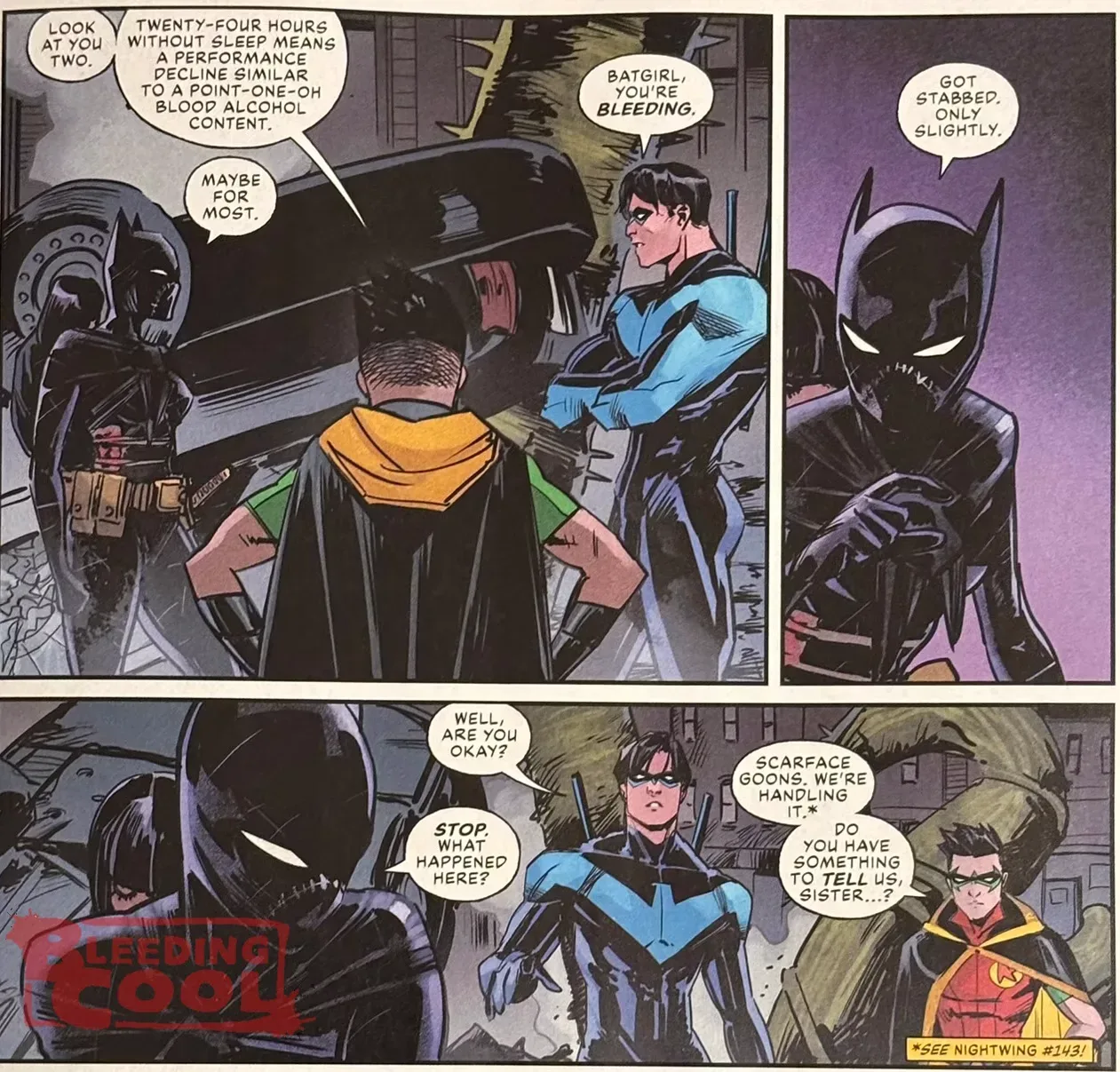
The issue also brings Cassandra into contact with Nightwing and Robin, Damian Wayne. Their encounter arrives before Nightwing #143, which means Batgirl #24 may reveal a development ahead of another chapter in the interconnected line. That is a familiar risk and reward of a crossover: issues can offer a wider view of the event, but a scene in one title may answer a question another series has not yet reached.
Why the Gotham General appearance matters
In comic-book terminology, a tie-in is an issue or limited series that connects to a larger event while following its own characters, setting, or immediate problem. A tie-in can be optional for the core plot, essential for a specific subplot, or something in between. Here, the delayed Gotham General series makes Batgirl #24’s use of the hospital especially notable because it apparently delivers the first on-page look at the new incarnation of Gotham General—and its staff—in the context of Bad Seeds.
That does not necessarily establish every future detail of the tie-in. It does, however, give readers an early entry point into the hospital’s role in a citywide emergency. Gotham General’s presence makes logical sense amid Poison Ivy’s takeover: a threat affecting the streets, public spaces, and population of Gotham would inevitably put pressure on the institutions designed to treat the injured and sick.
There is also a reading-order implication. Readers waiting for the Gotham General tie-in will have encountered its setting through Batgirl #24 first, simply because the hospital-centered series is arriving later than planned. That does not mean anyone has read Bad Seeds “wrong.” It means the event’s publication sequence has shifted, and Batgirl becomes a useful bridge between Cassandra Cain’s story and the hospital-based strand of the crossover.
Batman turns to Mister Freeze for answers
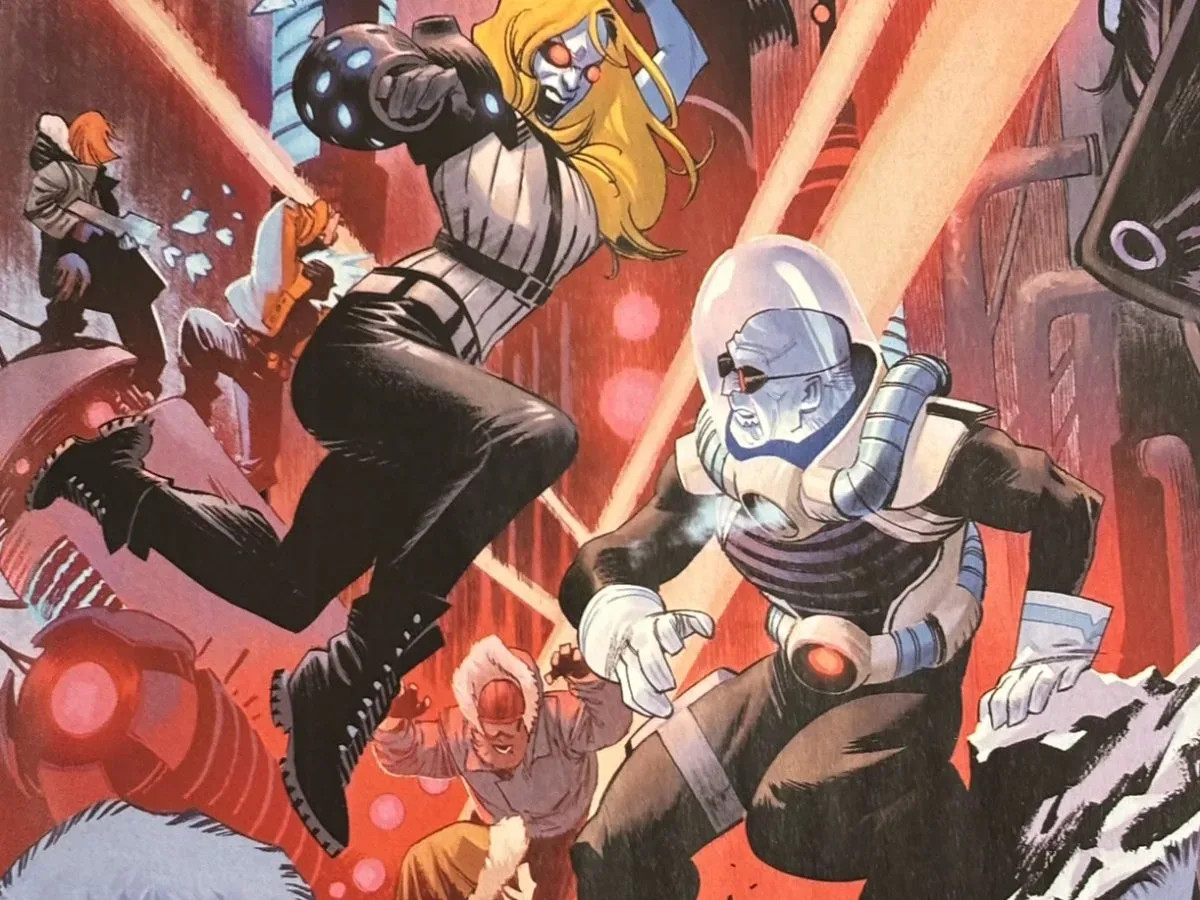
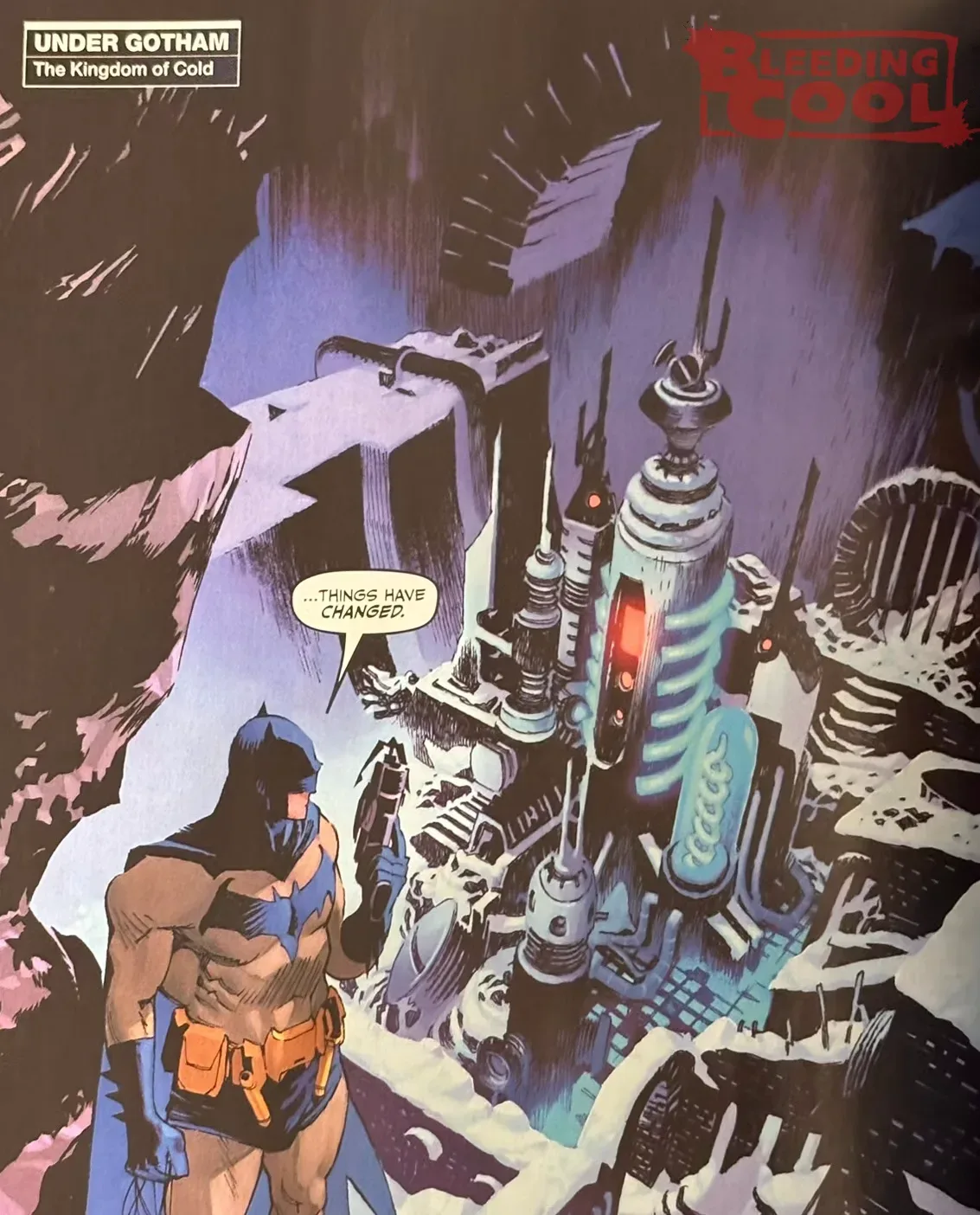
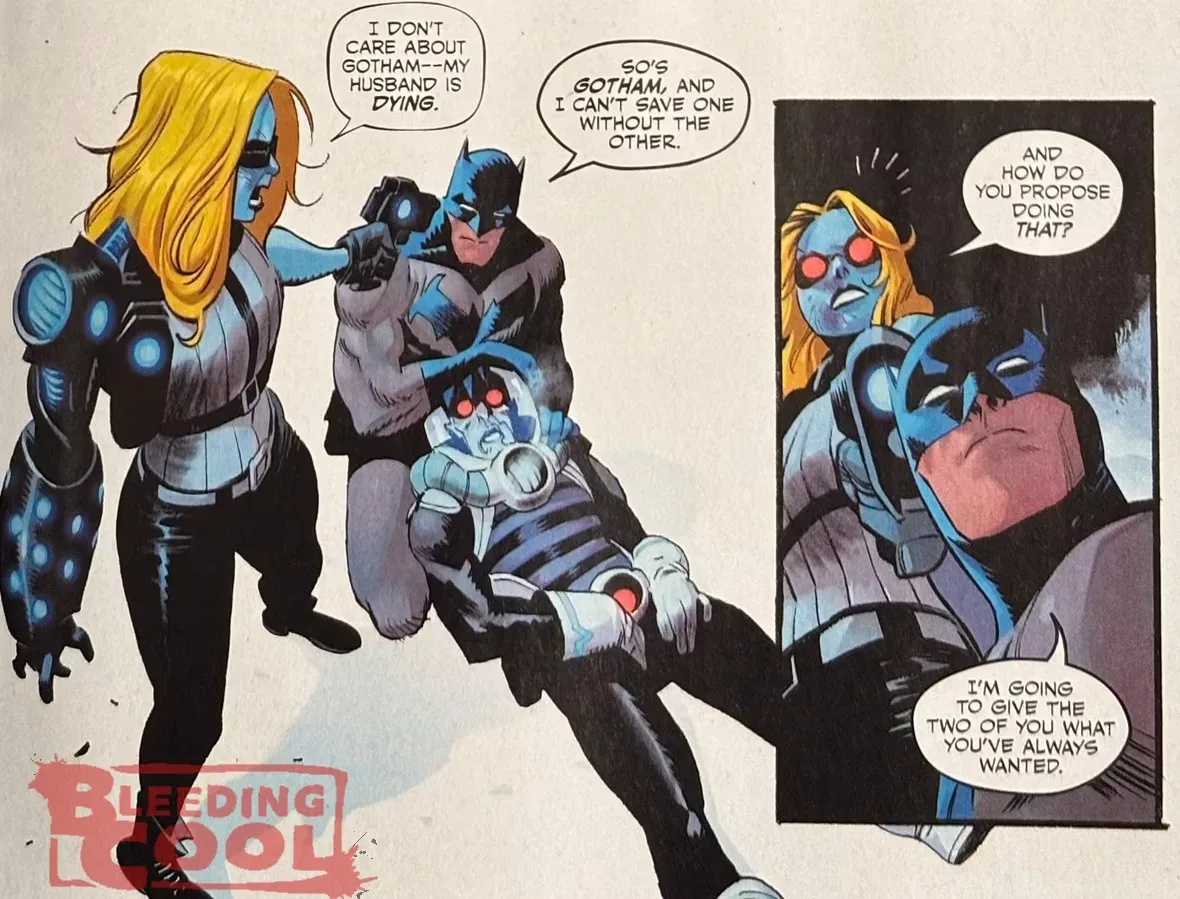
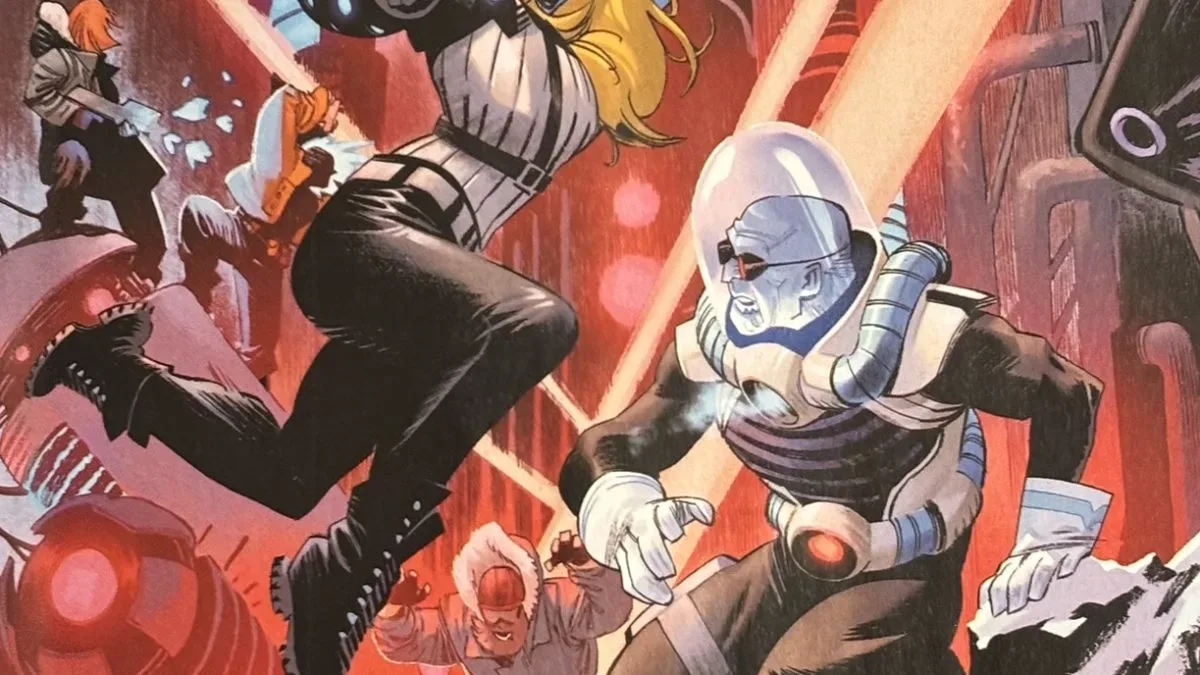
While Cassandra navigates the transformed city, Batman #14 moves toward another possible route through the crisis. The previous chapter of Detective Comics left Batman intending to seek out Mister Freeze, believing Freeze could help counter Poison Ivy and the bloom. Batman #14 follows through on that direction, though the situation around Freeze is not straightforward.
The issue is written by Matt Fraction and Dan Watters, with art by Matteo Scalera and Scott Hepburn. Its solicitation frames the central urgency cleanly: as the night continues and dawn approaches, Batman seeks answers from the person who may be able to stop Ivy and the bloom.
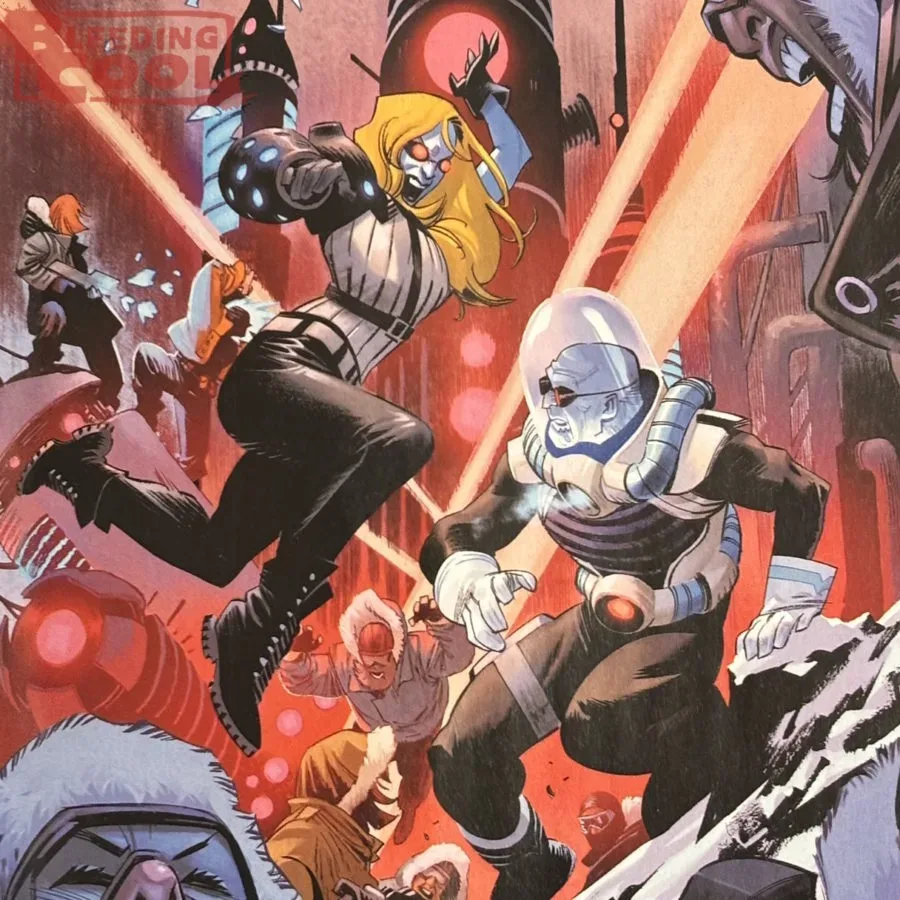
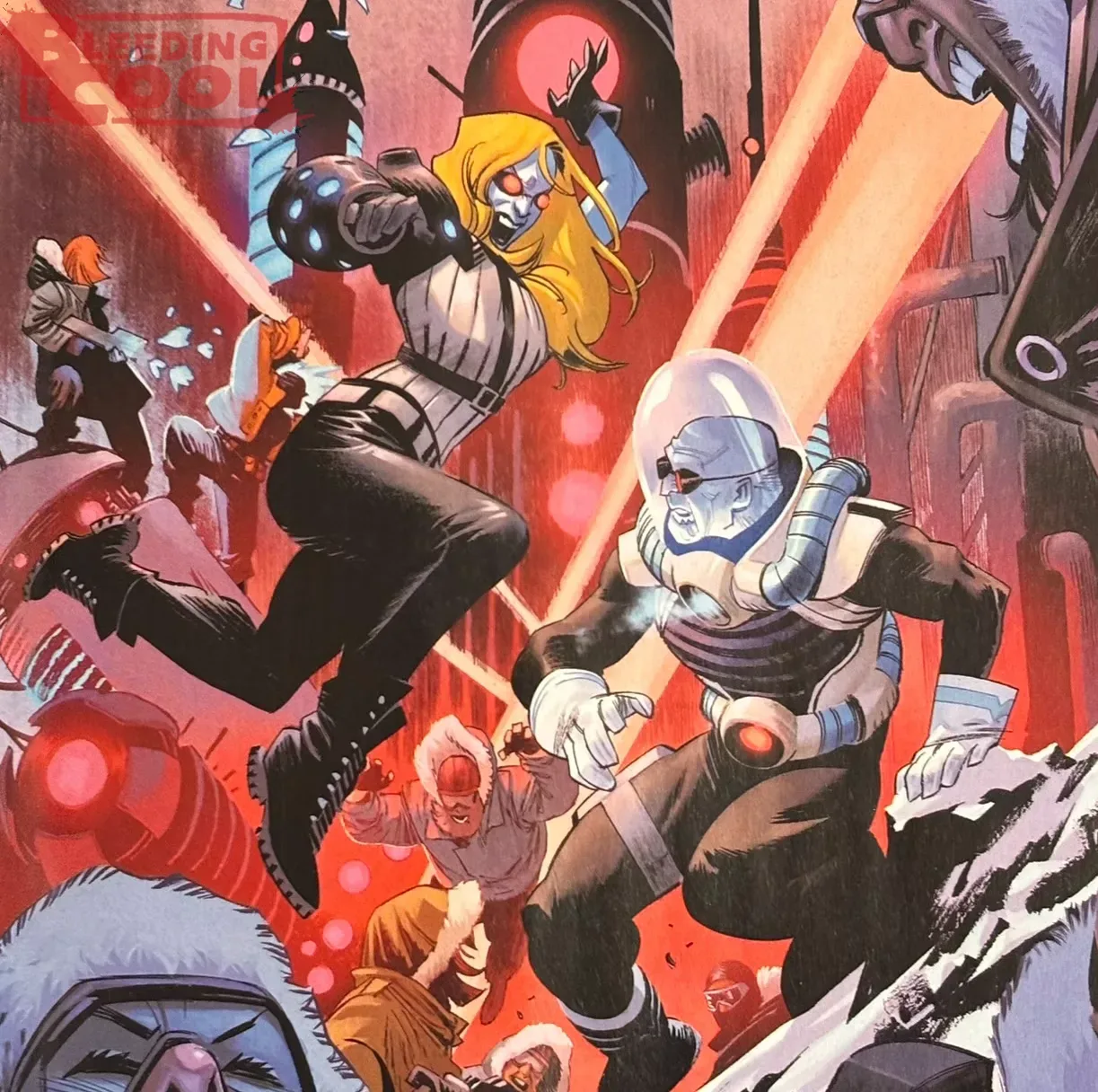
That framing is important because it positions Mister Freeze as a potential source of expertise, not merely another obstacle for Batman to punch through a skylight. Batman is looking for a way to address the underlying emergency. Yet the issue suggests that the meeting may involve someone other than Freeze himself, including a negotiation with Mrs. Freeze. The apparent domestic complication around Freeze makes Batman’s search for assistance more unpredictable than a simple “enemy of my enemy” arrangement.
The source material does not establish what technical solution Freeze might offer, whether it will work, or whether he will cooperate. The key point is narrower: Batman regards him as a potentially valuable person to consult as Poison Ivy’s superbloom continues to threaten the city. In an event built around an environmental and biological danger, the search for specialized knowledge is as significant as the physical fights happening elsewhere in Gotham.
Verity Pennyworth’s defense of Wayne Manor raises the temperature
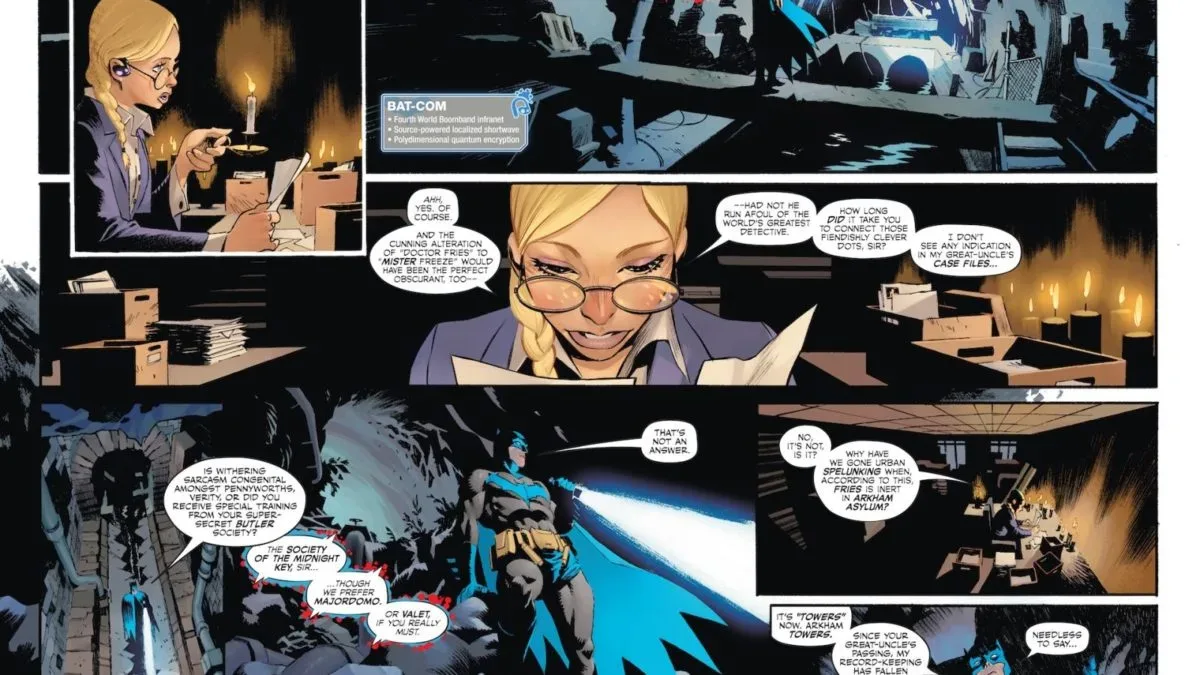
Batman #14 also places Verity Pennyworth in a defining defensive role. Verity, identified as Alfred Pennyworth’s niece, is employed by Bruce Wayne and is tasked with protecting Wayne Manor as threats close in. The issue’s solicitation says the attackers are about to learn they chose the wrong house to target, and the story emphasizes Verity’s combat methods.
Before the current confrontation, Verity had already caused two assassins pursuing Bruce Wayne to kill each other. Batman #14 adds to the uncertainty around her boundaries: she is clearly capable of a ruthless response, but the issue stops short of confirming that she personally kills an attacker. Her decision not to go further is tied to what her uncle would think.
That distinction matters. The issue is not presenting a settled answer to whether Verity is a killer; it is deliberately leaving the question open while demonstrating that she can direct lethal danger toward those who come after Bruce. In a Batman story, where the difference between restraint and escalation is often a core moral fault line, Verity’s choice gives Wayne Manor’s defense more weight than a routine home-invasion sequence.
It also gives Bad Seeds a second kind of siege story. Batgirl faces the outward consequences of Ivy’s crisis while attempting to reach Gotham General. Batman pursues answers from a possible specialist. Verity, by contrast, is protecting a fixed point: the Manor and its owner. The crossover’s threat is broad enough to alter public spaces and force improvised medical rescues, but it is also personal enough to bring assassins to Bruce Wayne’s door.
What readers should take from these chapters
The immediate Bad Seeds picture is one of Gotham under layered strain. Poison Ivy’s superbloom has made movement perilous, sent Batgirl on an urgent hospital run, and given plant creatures control of parts of the streets. Batman’s response is investigative as well as combative, taking him toward Mister Freeze in search of a possible answer. At Wayne Manor, Verity Pennyworth shows that defending Bruce may require tactics that make even the Batman family uneasy.
Batgirl #24 is especially notable for readers interested in the event’s expanding cast and locations. With the Gotham General tie-in delayed, the issue apparently functions as the first glimpse of the new hospital and its staff. That makes Cassandra’s mission doubly important: it delivers a high-stakes rescue story while opening the door to a location that is set to matter more as Bad Seeds continues.
Batgirl #24 is priced at $3.99, while Batman #14 is priced at $4.99. Both are dated October 7, 2026.
Shop the products
Check current price, model and availability at the retailer.