Absolute Batman is preparing to change gears after its 25th issue. The immediate plan is not simply to launch the next chapter at full speed: the series will take a December break, use November and January for material that expands the world around the main narrative, and return to its next major Scott Snyder and Nick Dragotta arc with Absolute Batman #27 in February 2027.
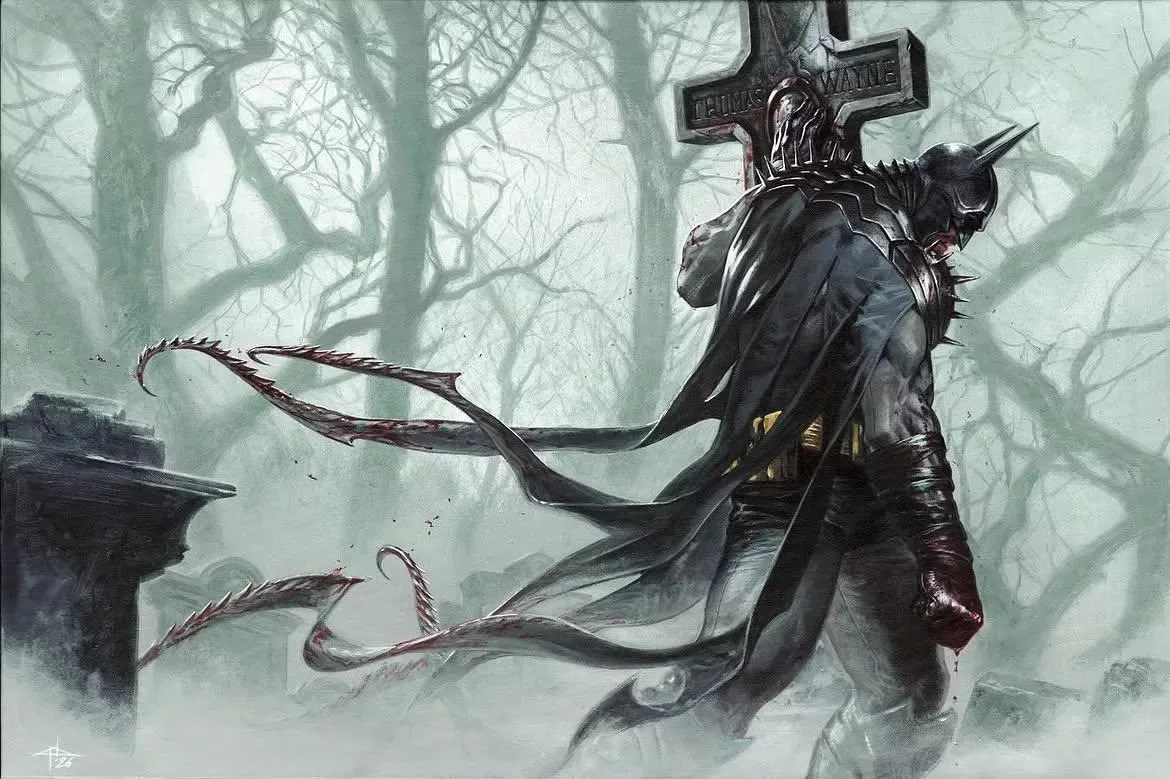
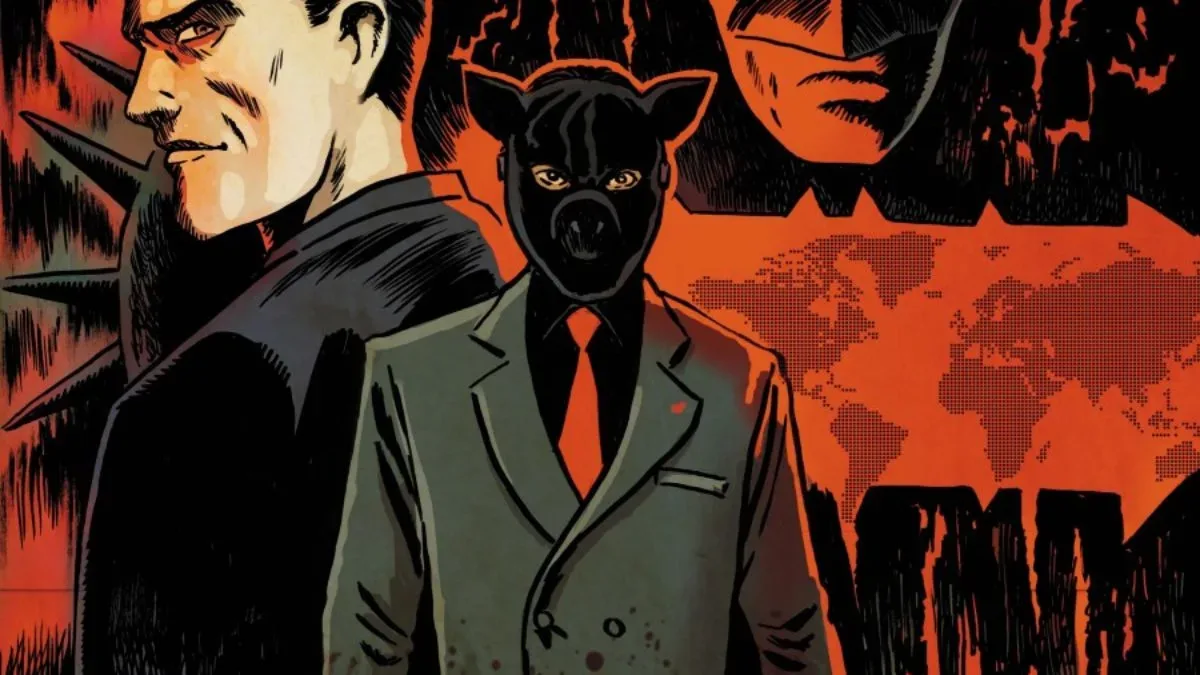
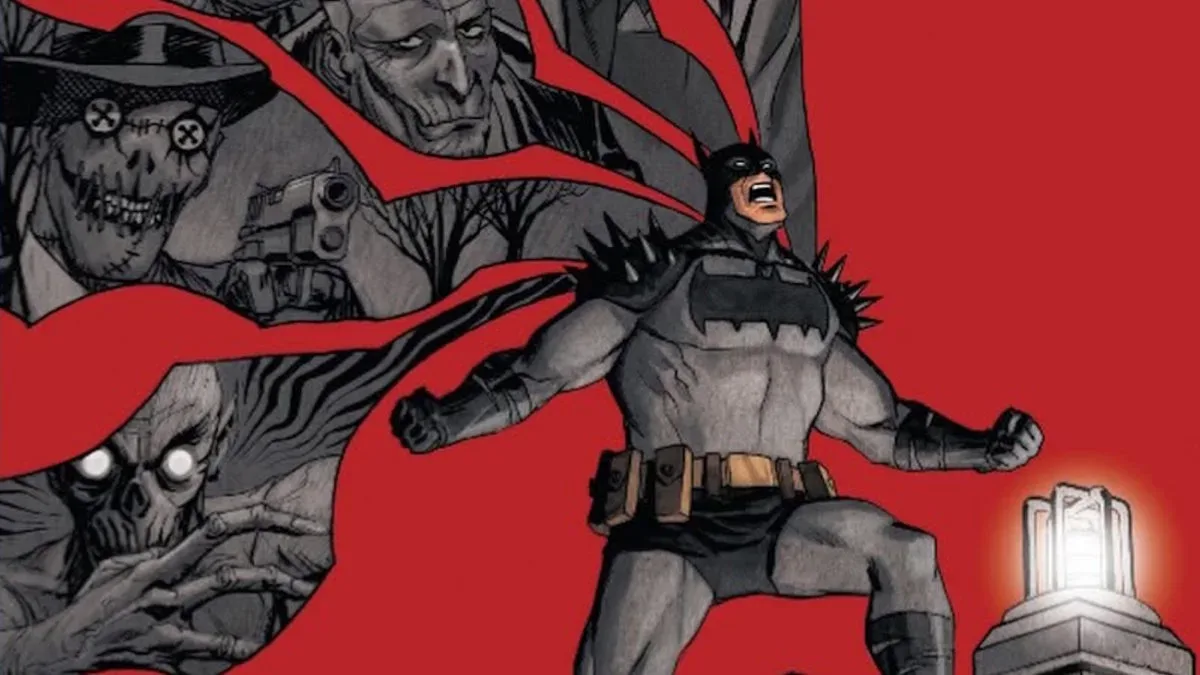
That makes Absolute Batman #25, scheduled for October 28, 2026 at $5.99, a particularly consequential stopping point. It is an oversized 25-issue celebration credited to writer Scott Snyder and artist/cover artist Nick Dragotta, and its solicitation asks what remains of Absolute Batman after every hero, villain and stake is brought into the conflict. The issue follows #24’s Scarecrow climax and is positioned as the finale of the current arc, one expected to substantially alter the book’s status quo.
What the schedule looks like after Absolute Batman #25
The post-#25 sequence is more structured than a simple publishing gap. Readers can expect one additional release in November, no standard monthly issue in December, a character-focused installment in January, and then the next main storyline in February.
- October 28, 2026: Absolute Batman #25, the oversized finale to the current arc.
- November: another Ark-M Special.
- December: no regular Absolute Batman issue is planned.
- January: Absolute Batman #26, a Barbara Gordon-focused special issue.
- February 2027: Absolute Batman #27, starting the next large Snyder and Dragotta arc.
The December pause was planned with DC rather than framed as an unexpected interruption. Snyder explained that the team had considered adding another issue, but elected not to force it. His reasoning also points to the practical rhythms of single-issue comics: December can be a difficult month for regular releases as readers travel, buy gifts and spend less time making routine trips to comic shops.
For readers, that distinction matters. A skipped month can sometimes suggest a production delay or a suddenly altered plan. Here, the available details instead describe a deliberate space between a large arc finale and the next major phase. The schedule still provides an Ark-M release in November, then a spotlight issue in January, rather than leaving the line completely dormant until February.
#26 puts Barbara Gordon in the foreground
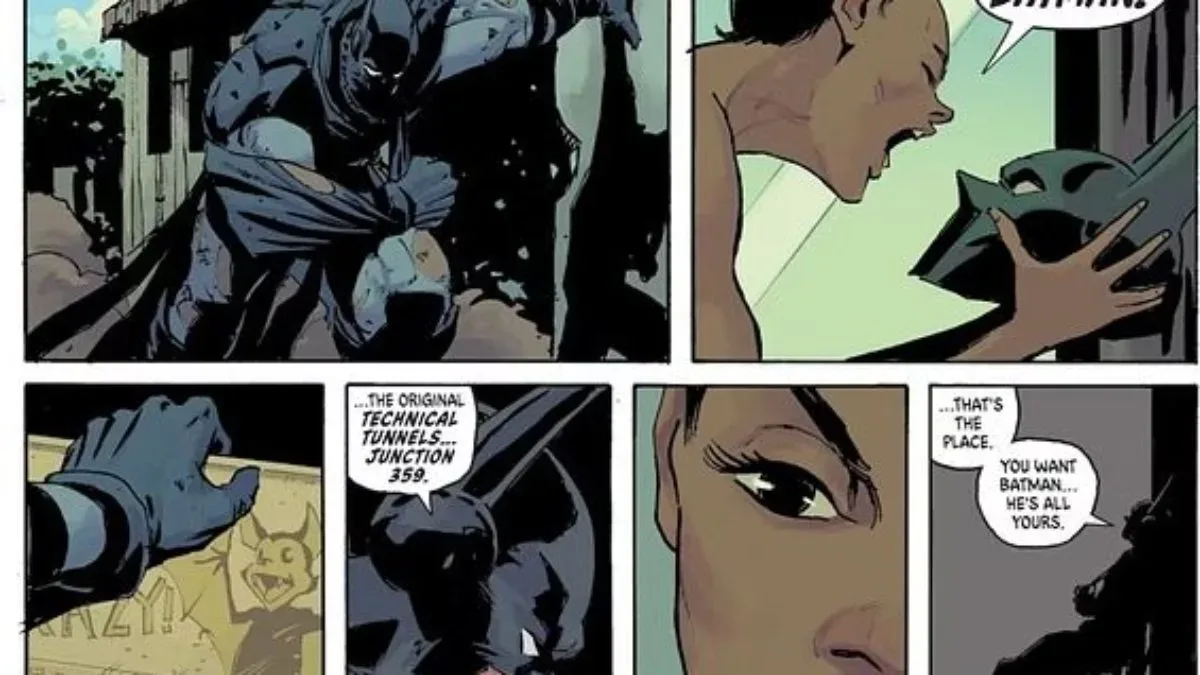
Absolute Batman #26 is set to focus on Barbara Gordon. Snyder has described it as a special issue that reveals much about the character and contains surprises, including the identity of its artist. That artist had not been identified in the available information, so readers should treat any assumptions about the creative team beyond Snyder’s comments as unconfirmed.
A spotlight issue is a useful term to unpack here. It generally means an installment built around a particular character’s perspective, history or role in the larger plot, rather than simply continuing every thread at equal weight. It does not mean the book is abandoning the larger storyline. In this case, the Barbara Gordon issue arrives directly between the current arc’s finale and the relaunch of the main Snyder-Dragotta arc, making it part of the transition even if its format differs from the expected monthly momentum.
That placement may give Barbara a chance to become more clearly defined before the new arc begins. The exact story, the nature of the promised surprises and the issue’s artist remain undisclosed. What is known is narrower but still notable: #26 is intended to say a great deal about Barbara Gordon, and it is not being presented as an ordinary bridge issue.
November’s Ark-M Special also keeps attention on a location and concept that remains central to this version of the Batman world. Readers looking for adjacent context can also see the previously outlined setup for Absolute Batman: Beyond Ark-M, which is positioned around Joker’s wider Ark network and future-facing teases.
A deliberately less propulsive next arc
The biggest creative signal is Snyder’s description of the storyline beginning in Absolute Batman #27. He has called the new arc “more meditative” and said it will feel very different from the current one. That does not mean the series is becoming small-scale or devoid of surprises. Snyder has still indicated that unexpected characters and major turns are ahead. The difference is in the pace and emphasis.
“Propulsive” in this context means a story designed to keep moving rapidly from event to event, revelation to revelation, and crisis to crisis. The current stretch has accumulated a crowded set of developments: Scarecrow, Deathstroke, Jim Gordon’s death, the Robins, Clayface, Tim being framed for death and a major Joker confrontation. Snyder’s description suggests that #27 will spend more time with the consequences of those developments rather than immediately stacking another barrage of plot machinery on top of them.
Bruce and the people close to him are said to be uncertain about what to do next. That uncertainty is the basis for the slower approach. A meditative arc, as Snyder uses the phrase, appears to mean one interested in reflection, instability and choice after an intense escalation. It is not a promise that the comic will be quiet; it is a promise that the characters will have room to process a changed situation.
The distinction is important because “slower” can be misread as “less important.” In a serialized superhero comic, a change in rhythm can instead be the mechanism that makes prior events matter. If a story has put its cast through large conflicts and brought in many opposing forces, the aftermath determines which relationships, allegiances and vulnerabilities actually endure. The announced February arc is being framed as that aftermath.
Clayface and the theme of malleability
Clayface will remain part of the series, and Snyder has connected the new arc to the image of clay that can harden into more than one possible form. The key idea is malleability: the capacity to be shaped or changed. In the literal sense, clay can be pressed and formed before it sets. In storytelling terms, the metaphor applies to people and circumstances that have not yet settled into a final state.
That is a fitting thematic lens for a story about Bruce and those around him not knowing what comes next. The question is not just whether the characters can survive what has happened. It is what shape they will take afterward, and whether that shape will be chosen freely, imposed by enemies or dictated by the systems around them.
The metaphor also carries a natural tension. Clay’s flexibility is possibility, but hardening makes a form permanent. Snyder’s stated concept leaves room for several readings without confirming any specific plot outcome: characters may be able to change, but decisions can eventually become difficult to reverse. Since the series has repeatedly dealt with powerful figures and systems trying to define Bruce’s place, that focus on who gets to determine the final shape of a life is a logical continuation of the existing stakes.
Why #25 is a useful dividing line
Absolute Batman’s Bruce Wayne has been defined as a blue-collar construction worker rather than a figure operating from a manor or personal fortune. The villains, meanwhile, have been portrayed as people who possess the system’s power. Across the first 25 issues, the central pressure has been the effort to break Bruce or persuade him to accept wealth, authority or an offered arrangement—despite the implication that powerful forces may have arranged the circumstances around him in the first place.
That framework explains why the current finale is being treated as more than another issue number. The story has been building through successive conflicts while asking whether Bruce can be bought, redirected or defeated. #24 and #25 are described as the largest developments in the series to date. If #25 resolves the current arc’s Scarecrow-centered momentum and shifts the status quo, the pause before #27 gives the creative team room to reorient the book around the consequences.
It also clarifies why the January Barbara Gordon special could matter beyond its immediate spotlight. In a series entering an uncertain new phase, one character’s viewpoint can show readers what the changed world looks like away from Bruce’s direct perspective. The available details do not disclose exactly what Barbara will learn or reveal, but the timing gives the issue a meaningful role in the broader handoff.
What readers can safely expect—and what remains unknown
The announced roadmap is clear on sequence, but intentionally limited on story specifics. #25 is an oversized arc finale; November has an Ark-M Special; December is a planned pause; #26 centers Barbara Gordon; and #27 begins a slower, more contemplative Snyder-Dragotta arc in February 2027. Clayface remains involved, while surprise characters are expected later.
There are still meaningful unknowns. The artist for #26 has not been publicly identified in the details provided. The exact content of Barbara’s issue, the specific status-quo shift following #25 and the reasons Bruce’s circle is so uncertain after the finale have not been spelled out. Likewise, “more meditative” describes tone and pacing, not a fixed promise about the number of action scenes or the exact structure of the new storyline.
For now, the key takeaway is that Absolute Batman is not ending after #25; it is using a carefully arranged breather to transition into its next shape. The first 25 issues have pushed their central conflict with considerable force. February 2027’s #27 is poised to ask what happens when the dust settles, the characters are left with the choices they made, and the clay has not quite hardened yet.
Shop the products
Check current price, model and availability at the retailer.