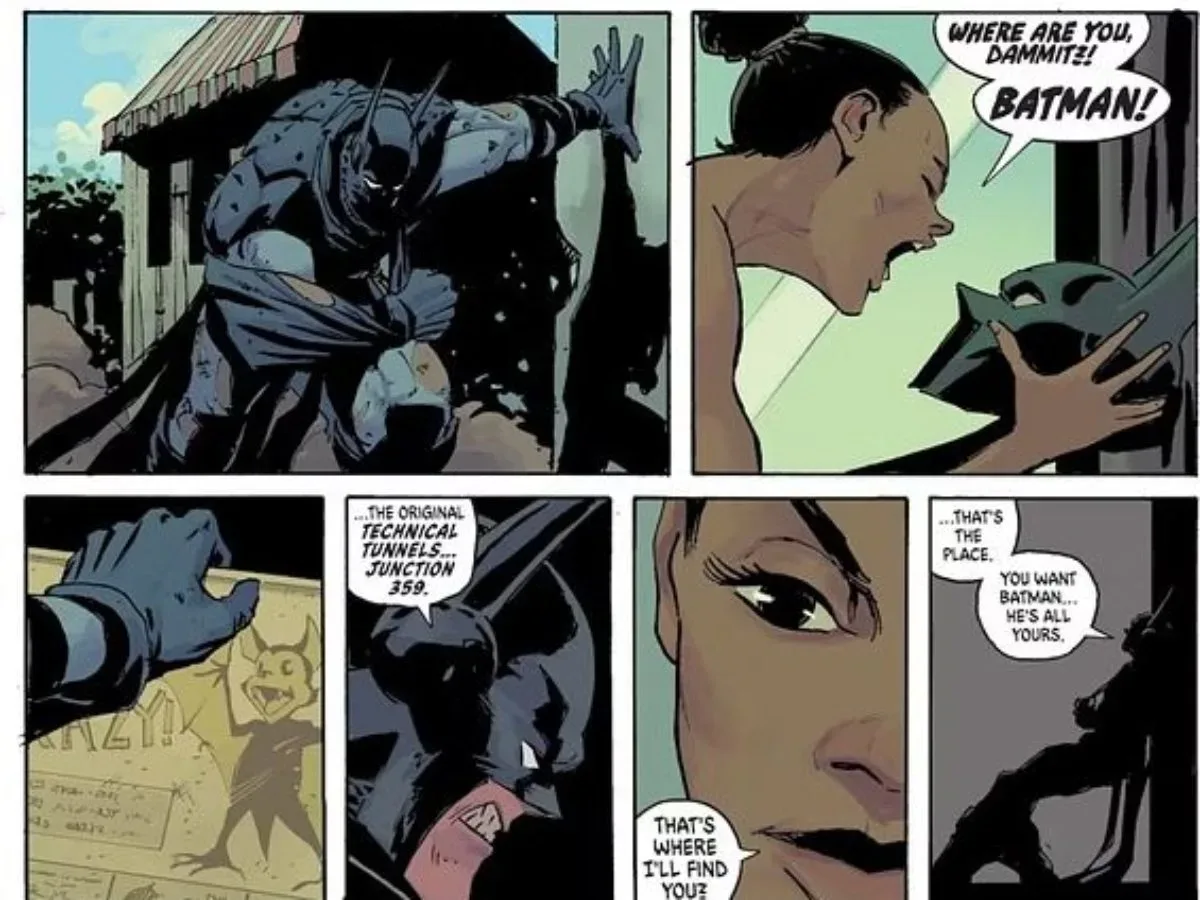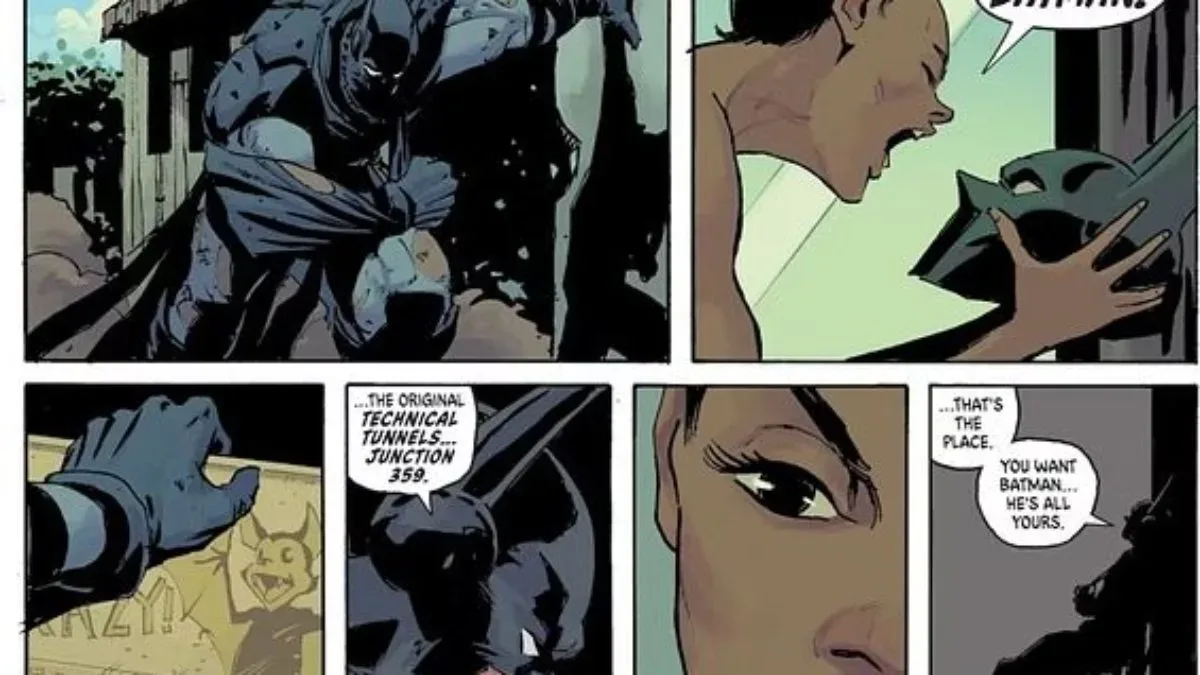
Absolute Batman #24 is poised to make Barbara Gordon’s next step a defining one for this alternate Gotham. The issue, credited to writer Scott Snyder and artist Nick Dragotta and scheduled for September 23, 2026, introduces the setting’s Barbara as The Bat—a new identity shaped by both personal loss and the remnants of Bruce Wayne’s mission.
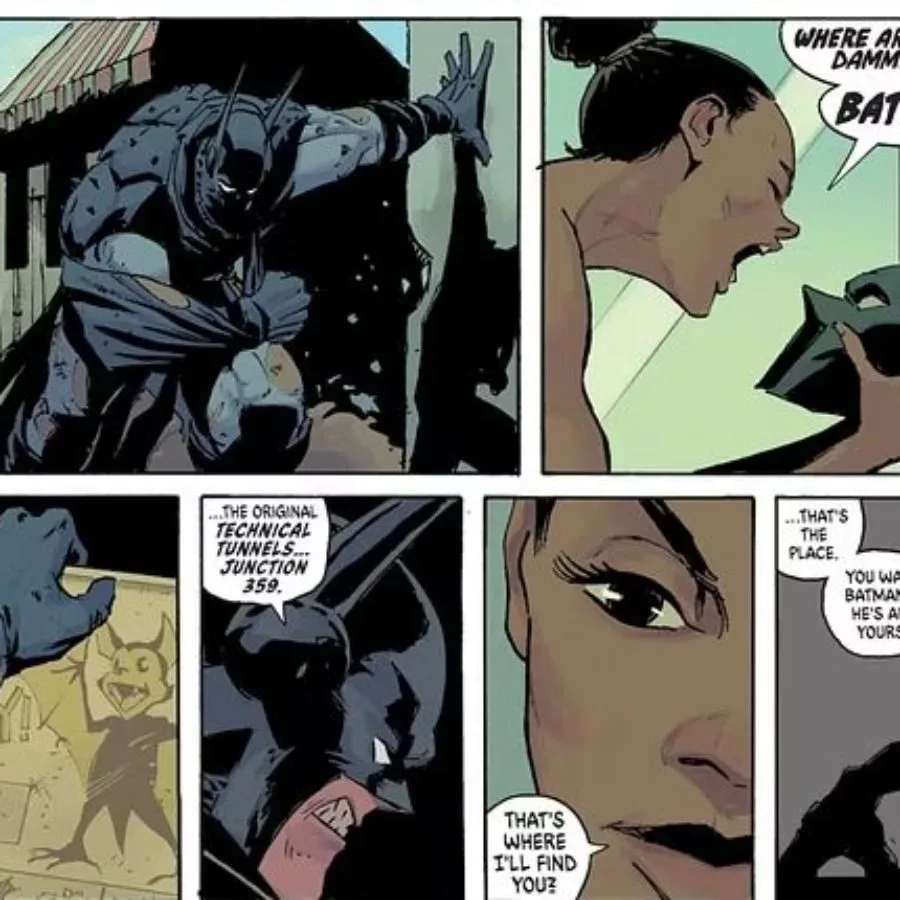
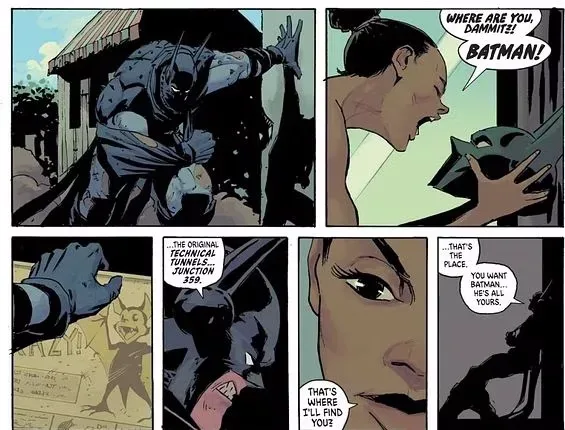
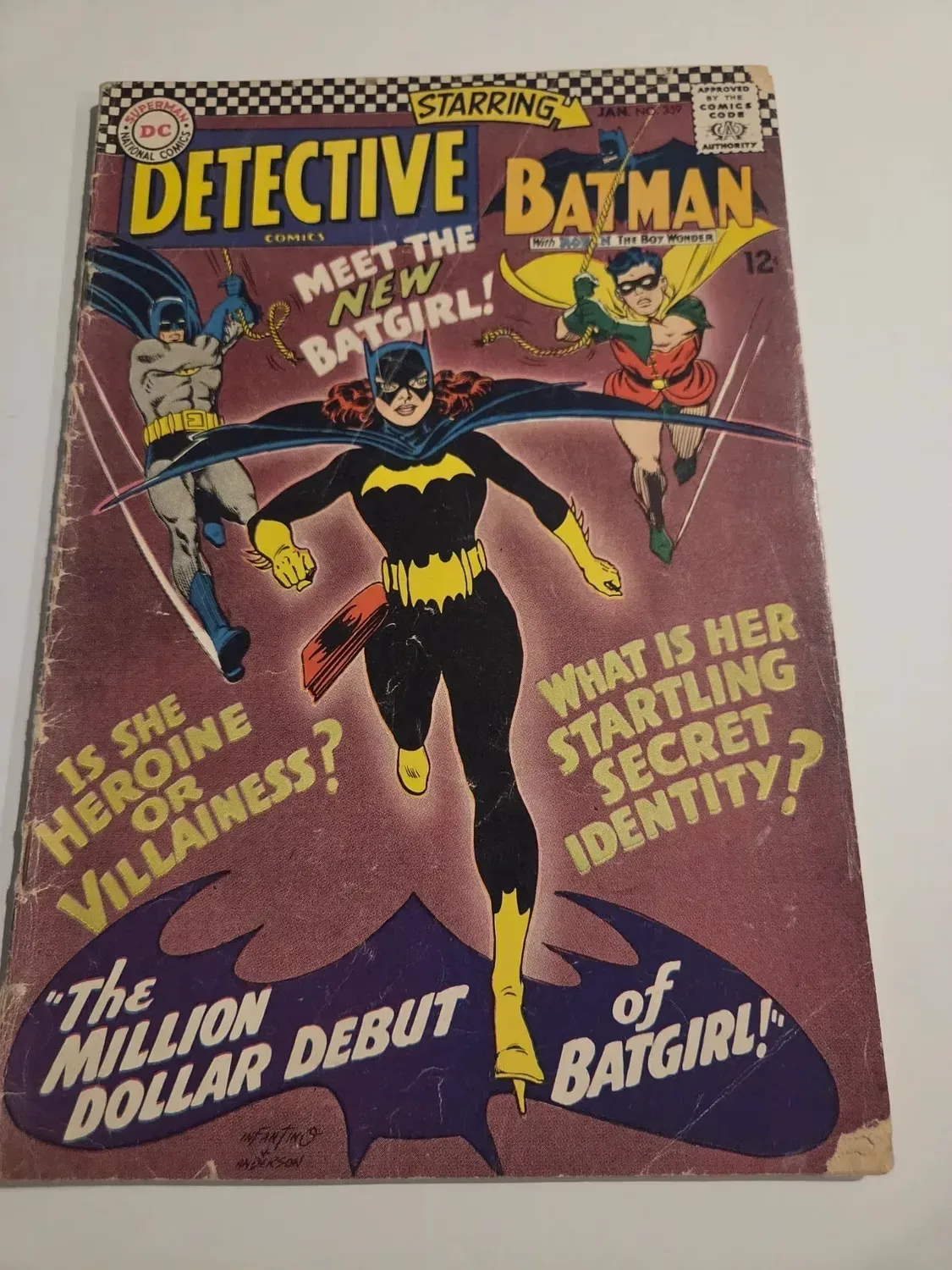
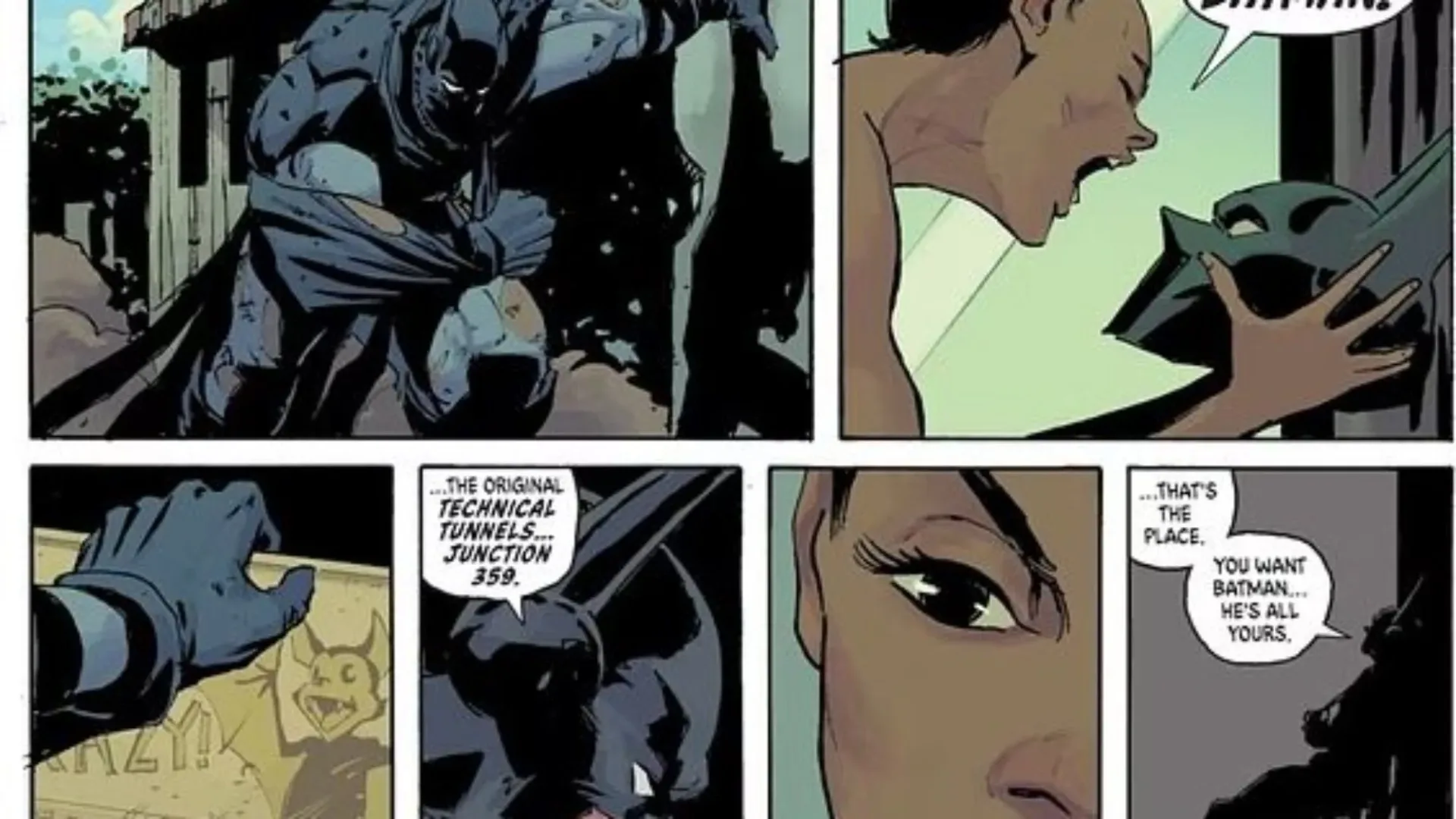
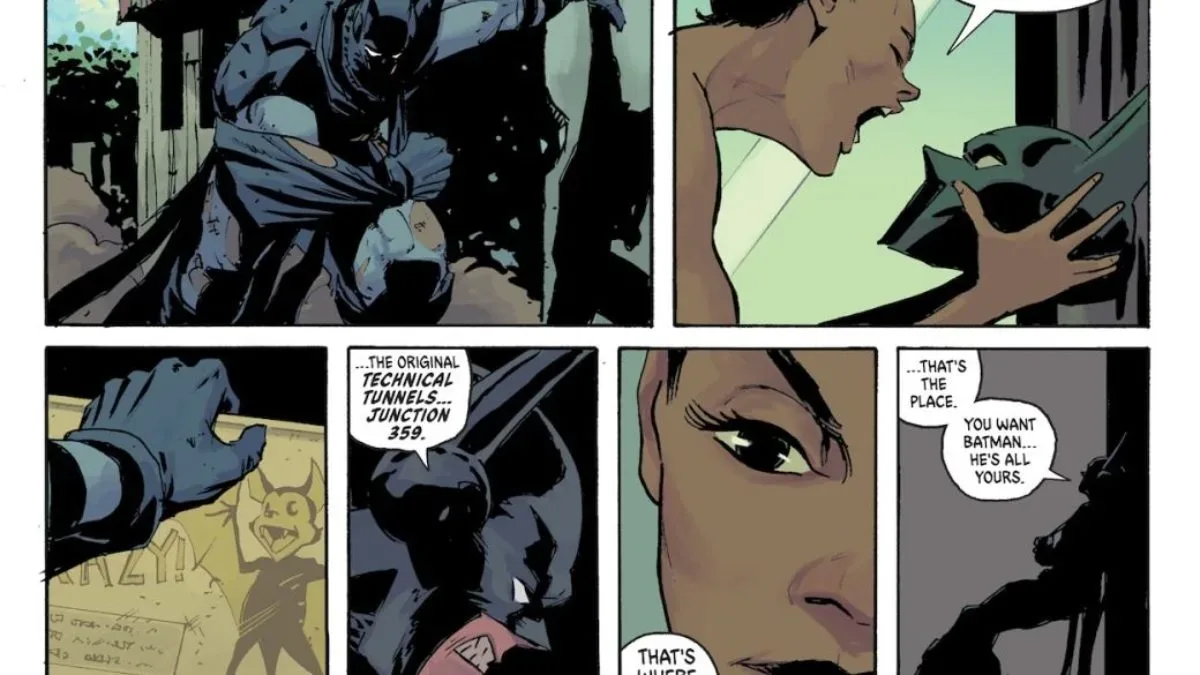
There is also a compact but meaningful historical nod embedded in the issue: Junction 359. For Batman readers, that number carries an immediate association with Detective Comics #359, the 1966 comic in which Barbara Gordon first appeared as Batgirl. The reference connects a major new direction for an alternate Barbara to the number attached to her foundational debut.
That is the kind of Easter egg comics can use especially well. It does not require this Barbara to repeat the original character’s exact history, costume, or role. Instead, it acknowledges that—even in a continuity built to remix familiar ideas—Barbara Gordon’s connection to the larger Bat-family has a long legacy behind it.
Why the number 359 matters
Detective Comics #359 introduced Barbara Gordon in 1966. Her creation is credited to writer Gardner Fox, artist Carmine Infantino, and editor Julius Schwartz, with the character based on a concept from Batman television producer William Dozier.
Barbara entered the comic as the daughter of Gotham City Police Commissioner James Gordon. A librarian and martial artist, she made a costume for a masquerade ball and became involved in a crime centered on Killer Moth. That intervention set her on the path to becoming Batgirl, a vigilante who would go on to work alongside Batman and Robin.
Her comic-book introduction was timed alongside her arrival in the 1960s live-action Batman television series, where Yvonne Craig portrayed the character. The coordination matters because it places Batgirl’s earliest comic identity at the intersection of page and screen rather than treating one medium as an afterthought. Barbara was built to become part of the Batman world in more than one form from the outset.
So, “Junction 359” is more than a random-looking Gotham location label. It functions as a continuity reference: a purposeful detail that recalls an earlier publication or story without necessarily making that earlier event literal history inside the current fictional universe. Readers who recognize the number can read it as a salute to Batgirl’s first appearance; readers who do not can still take it as part of the setting.
An Absolute Barbara Gordon with a different starting point
The Barbara Gordon of Absolute Batman begins from a substantially different position than the one in Detective Comics #359. She is a police officer, and she is the daughter of former Gotham mayor Jim Gordon. She has also been working with Batman in the series.
Her move toward becoming The Bat follows the death of her father. Jim Gordon’s death has been pinned by the Joker and the Scarecrow on Batman, leaving Barbara to form an identity amid grief, blame, and a Gotham conflict that has become deeply personal. The premise gives the transformation an emotional and practical dimension: she is not simply adopting an established hero title, but constructing something of her own after a devastating rupture.
That distinction is central to the significance of the debut. The Bat is not presented as a straightforward replication of Batgirl. The provided setup instead frames Barbara’s new persona as something she creates using pieces left behind by Bruce Wayne. Those materials tie her to Batman’s legacy, but the act of assembling and redefining them makes the identity hers.
In superhero comics, names and equipment often operate as symbols as much as tools. A character adopting gear associated with another hero can signal inheritance, alliance, rivalry, mourning, or a challenge to what that hero represents. Here, the available description suggests an intentionally complicated inheritance. Barbara’s path emerges after her father’s death and in a situation where Batman is blamed for it. The equipment may come from Bruce, but her reason for acting is distinctly her own.
What “The Bat” signals
The wording is important. The Bat sounds close enough to Batman to establish an immediate connection, while remaining separate from both “Batman” and “Batgirl.” It marks Barbara as part of Gotham’s vigilante tradition without reducing her to a duplicate or a junior version of Bruce Wayne.
That choice also makes the Junction 359 reference more pointed. The original Barbara Gordon’s debut is being acknowledged at the exact moment this version receives a different name and different origin framework. Rather than asking readers to forget Batgirl history, the issue appears to use that history as a backdrop for a reinvention.
This approach is familiar to alternate-universe storytelling at its best: retain the emotional and symbolic material readers recognize, then change the circumstances enough that the character’s choices mean something new. In this case, the shared elements are Barbara Gordon, Gotham, the Gordons’ connection to civic authority, Batman’s world, and the broader bat imagery. The altered elements include Barbara’s job, Jim Gordon’s position, the loss that defines her transition, and the specific persona she adopts.
It is also worth separating a character debut from a simple costume change. A debut under a new heroic name generally carries a promise of a new role in the story, even when the person beneath the mask is already known to readers. Absolute Barbara has already been present and active with Batman; #24 is notable because it formalizes a new identity and places her more directly inside the book’s central conflict.
Bruce Wayne versus Batman, with Gotham caught in the middle
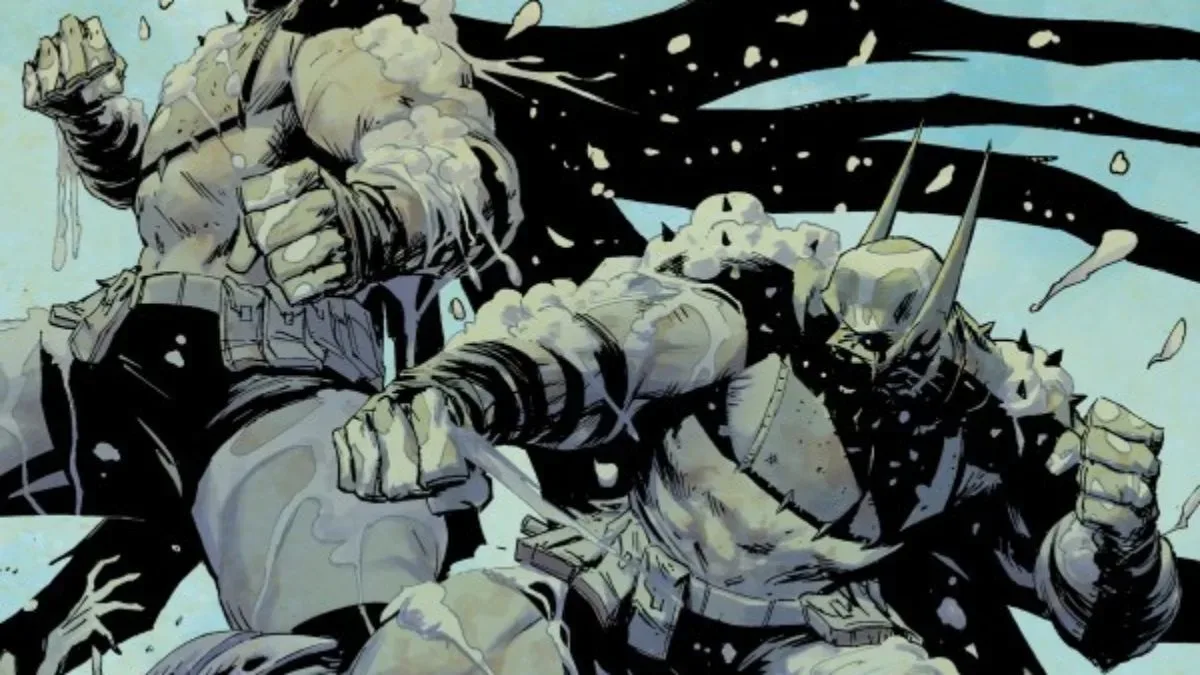
The issue’s supplied solicitation describes a “battle of self” between Batman and Batman, saying there can be only one and that everyone Bruce has known, cared about, or loved will confront ultimate inner demons. That language places Barbara’s debut in a story concerned with identity, not merely escalation.
“Battle of self” is a useful phrase in this context because it suggests that the conflict is not only between physical opponents. Batman is a symbol, a method, and an idea as well as an individual. If the narrative is pitting Batman against Batman, then characters around Bruce Wayne—including Barbara—are likely to be forced to decide what, if anything, they will preserve from the Batman identity.
Barbara becoming The Bat fits that question neatly. She is using what Bruce left behind, yet she is also moving forward after a loss for which Batman has been blamed. The character’s new name may therefore represent neither uncomplicated loyalty nor uncomplicated rejection. It can be read as an attempt to claim agency within a legacy that has brought both protection and pain to Gotham.
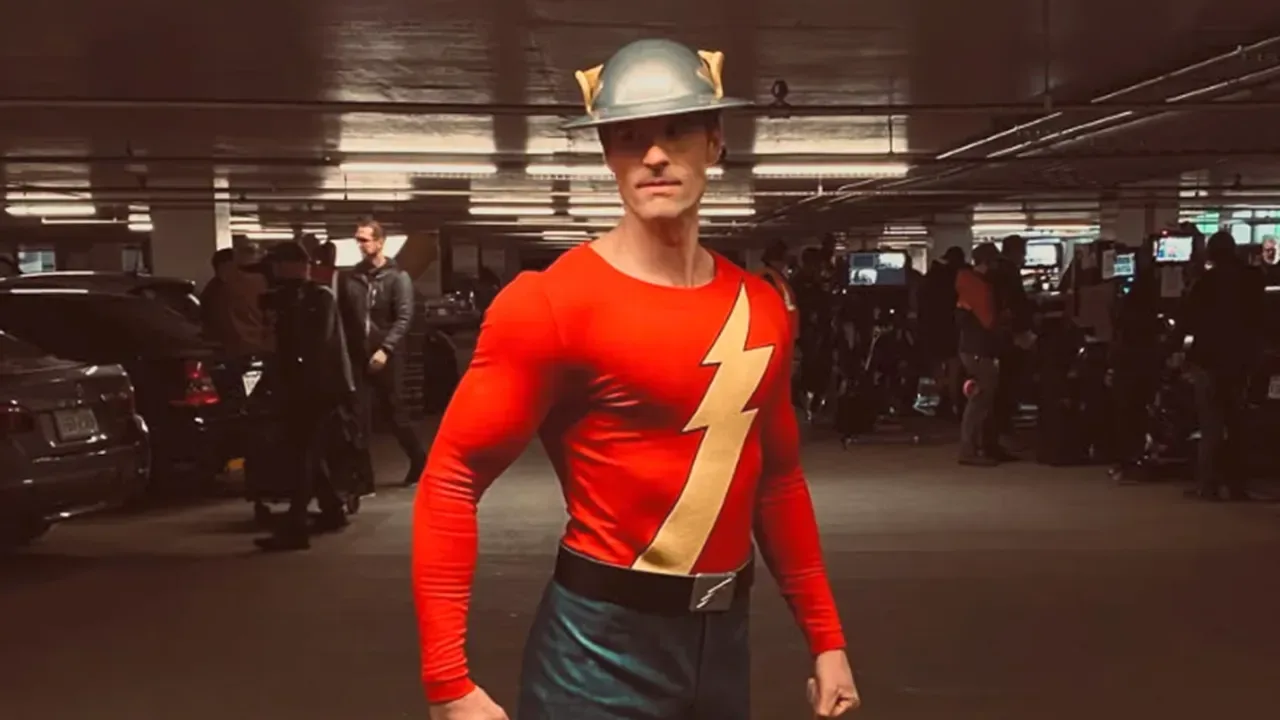
Readers following other DC screen-adjacent oddities may also be interested in a recent live-action DC detour involving Jay Garrick’s Flash and Mr. Freeze. The common thread is not continuity, but the flexibility of DC’s character library: familiar names and symbols can take on different roles when a story changes its frame.
The value of a small, precise Easter egg
For collectors and long-running readers, Junction 359 may be the sort of detail that encourages a second look at a page. Its importance is not monetary or mechanical; it is historical. The number links the issue to a specific landmark comic, Detective Comics #359, and to a character whose place in Batman mythology has endured through multiple forms.
It is also a relatively clean example of an Easter egg. The detail does not appear to demand prior knowledge in order to understand the plot. But for readers who know Barbara’s publication history, it adds an additional layer to her becoming The Bat. That is generally the most welcoming use of a reference: it rewards familiarity without making unfamiliar readers feel as if they have missed the actual story.
There is a practical reading order takeaway as well. Someone approaching #24 because of The Bat’s debut can treat the issue as the arrival point for this particular Barbara’s new role. Someone curious about the allusion can look to Detective Comics #359 for the original Batgirl milestone—but should not expect it to function as required backstory for the Absolute version. The connection is thematic and commemorative, not evidence that the two continuities share the same events.
Publication details and what is confirmed
Absolute Batman #24 is scheduled for September 23, 2026, with a listed price of $4.99. Snyder and Dragotta are credited on the issue. The confirmed story points are Barbara Gordon’s first appearance as The Bat, the role of the Junction 359 reference, and the identity-focused conflict surrounding Bruce Wayne and Batman.
The issue is also reported to have orders just shy of 500,000 copies. That figure speaks to retailer ordering rather than a measure of individual reader sell-through, and it is best understood as an indication of substantial anticipated demand. The same reporting raised a possible concern around printing or shipping damage, but did not provide sufficient evidence to establish the extent of any such issue. Until firmer information is available, that remains uncertainty rather than a confirmed condition concern.
The stronger certainty is on the page: Barbara Gordon’s history is being invoked as she takes on a distinctly new mantle. Junction 359 gives longtime Batgirl readers a signpost toward 1966. The Bat gives Absolute Batman a Barbara Gordon built for its own Gotham.
Shop the products
Check current price, model and availability at the retailer.