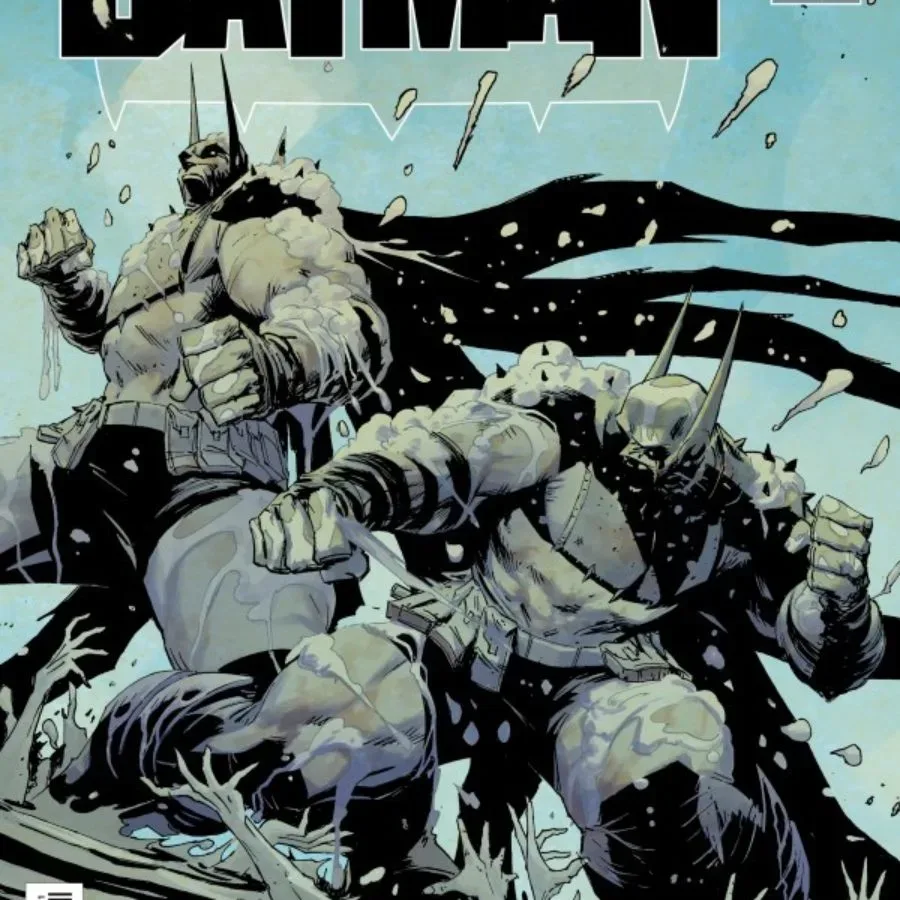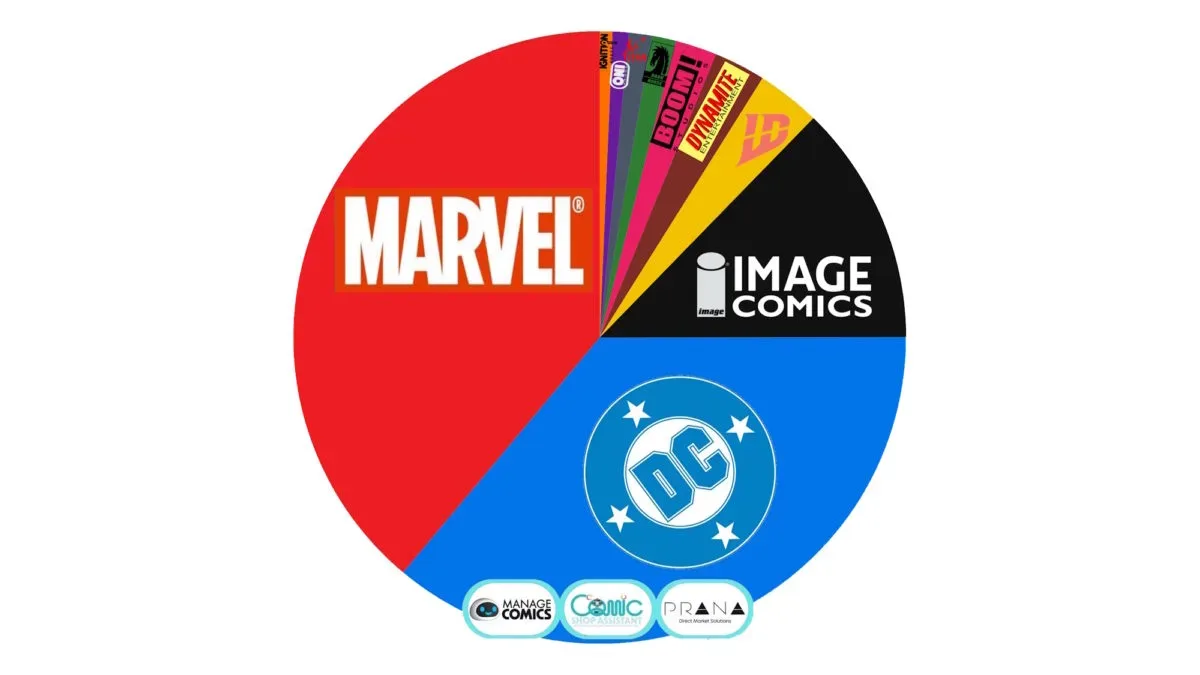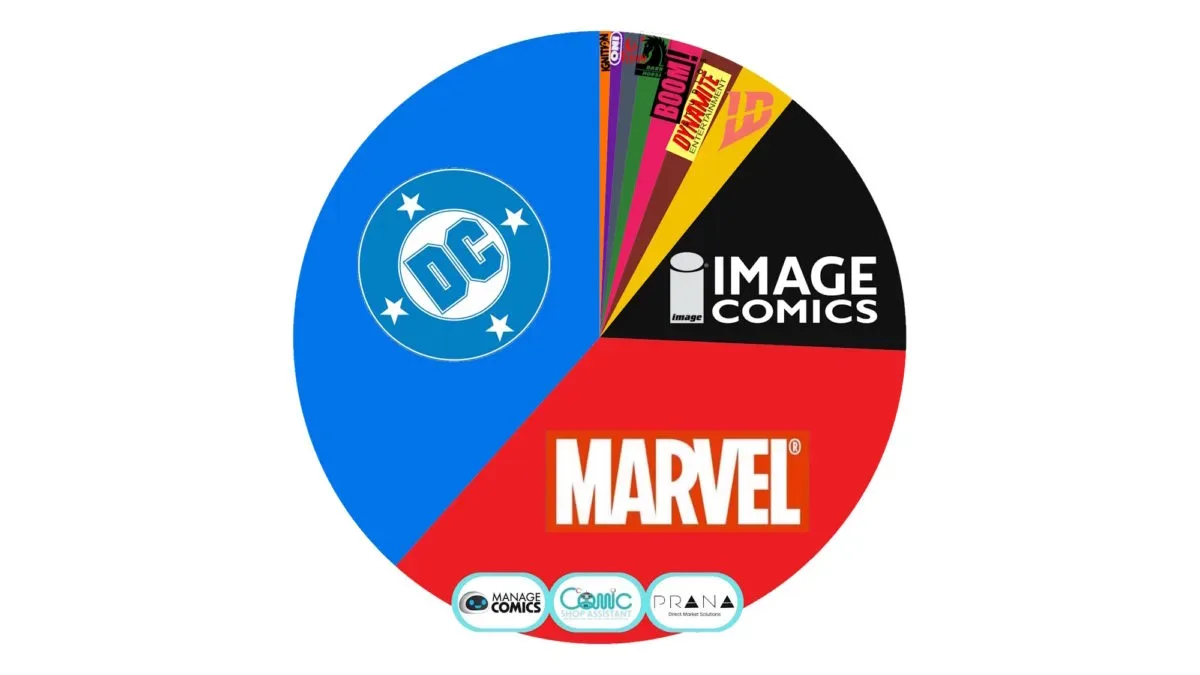
Absolute Batman #23 was the best-selling single comic book in direct-market comic stores during August 2026. The result comes from a Top 400 sales chart compiled with point-of-sale data from more than 600 stores using the Manage Comics and Comic Shop Assistant systems.
It is a clean headline for the Batman title: issue #23 finished ahead of every other comic tracked in the monthly ranking. It is also a useful reminder of what this kind of chart measures—and what it does not. The ranking reflects recorded sales at participating shops, rather than a publisher’s print run, a retailer’s initial order, or a complete census of every comic sale everywhere.
What the August result establishes
The central finding is straightforward: Absolute Batman #23 ranked No. 1 among the 400 bestselling comics tracked for August 2026. That places it at the top of a broad direct-market snapshot spanning comics stores represented in the two reporting systems.
For a periodical comic, a monthly chart is especially relevant because individual issues are sold through a mix of ongoing reader pull lists, walk-in purchases, back-issue interest and retailer ordering decisions. A first-place finish indicates that, across the reporting sample, this particular issue generated the highest recorded unit-sales total in its release month.
That is a notable distinction from saying a comic was simply popular in the abstract. Sales charts turn popularity into a specific, bounded measure: copies sold through participating direct-market retailers during a stated period. It is a sturdier claim than social-media visibility, but it should still be read within the scope of the underlying data.
Point-of-sale data versus distributor orders
Point-of-sale data, often shortened to POS data, is information recorded when a customer purchase is rung up in a shop’s sales system. In this case, the August chart uses data from stores operating Manage Comics and Comic Shop Assistant.
That matters because POS reporting follows a different question from an order-based chart. An order figure is centered on what retailers acquired from distribution. POS reporting instead seeks to capture what sold to customers in the participating shops. Both can be informative, but they are not interchangeable.
- Retailer orders can show anticipated demand and stock commitments before consumers buy an issue.
- POS sales show transactions recorded after the product reaches the sales floor.
- A monthly bestseller position is a ranking, not by itself a disclosed total number of copies sold.
There is another important limitation: the available August summary identifies the number of participating stores as 600-plus, but it does not provide the individual sales totals for Absolute Batman #23 or the other 399 books. It also does not establish results for shops outside that reporting pool, digital comic sales, subscriptions outside the direct market, or later sales after August. None of those caveats weaken the No. 1 placement within the chart; they define its boundaries.
Why direct-market reporting still matters
The direct market remains a meaningful venue for serialized comics because specialist stores can support regular issues, creator-focused series and the long-tail back-issue business in the same retail environment. A POS-based list drawn from hundreds of those stores offers a concrete view of what readers were buying there in a given month.
For shops, a chart can be a conversation starter rather than a replacement for local knowledge. A comic that leads a large multi-store sample may perform very differently in a particular town, where customer habits, subscriptions, shelf space and event programming shape demand. Conversely, a series that does not dominate a national-style ranking can be a dependable seller for a retailer with a loyal customer base.
For readers and collectors, the practical takeaway is similarly measured. A chart-topping issue may be easier to spot on shelves because stores anticipated interest, or it may sell through quickly in locations where demand outpaced supply. The August ranking alone cannot tell buyers how many copies were printed, how many remain at retail, whether an issue will become scarce, or whether it will gain value later. Sales leadership and collectible value are separate questions.
What not to infer from a No. 1 issue
It is tempting to turn a monthly win into sweeping conclusions about the entire comics market, a publisher’s full line, or the long-term prospects of a particular book. The reported data does not support that kind of leap on its own.
A single month can reflect timing, the cadence of releases, accumulated interest in an ongoing story, retailer stock decisions and many other factors not detailed in the reported chart summary. Without issue-by-issue sales figures, comparative rankings, pricing information or longer-term trend data, it is not possible to quantify the margin by which Absolute Batman #23 led August or to determine whether the result marks growth, stability or a one-month spike.
Likewise, the chart’s Top 400 framing should not be misread as a complete map of all comics publishing. It is a list of the bestselling books captured in this particular direct-market POS dataset. That makes it valuable as retail evidence while leaving plenty of categories and sales channels outside its view.
A useful retail signal in a changing comics landscape
The August result arrives in a comic-shop ecosystem where supply, distribution and inventory questions remain important to publishers and retailers alike. For a related look at how comics held amid Diamond’s bankruptcy fallout may be retrieved or sold, see this report on Pop-King’s proposed route for affected publisher inventory.
That broader context does not explain Absolute Batman #23’s first-place finish, and the August chart does not attempt to do so. But it underscores why transparent sales signals matter. Retailers need evidence to guide ordering and replenishment. Publishers benefit from knowing what is actually moving through stores. Readers get a clearer picture of which issues are landing strongly at the point of purchase.
For August 2026, the clearest signal is at the very top of the list: Absolute Batman #23 was the leading comic in the participating direct-market POS data. The more nuanced reading is just as important. It is a monthly retail achievement based on a sizable reporting sample—not a universal total, not a print-run disclosure and not a prediction of future scarcity. That precision is what gives the result its value.