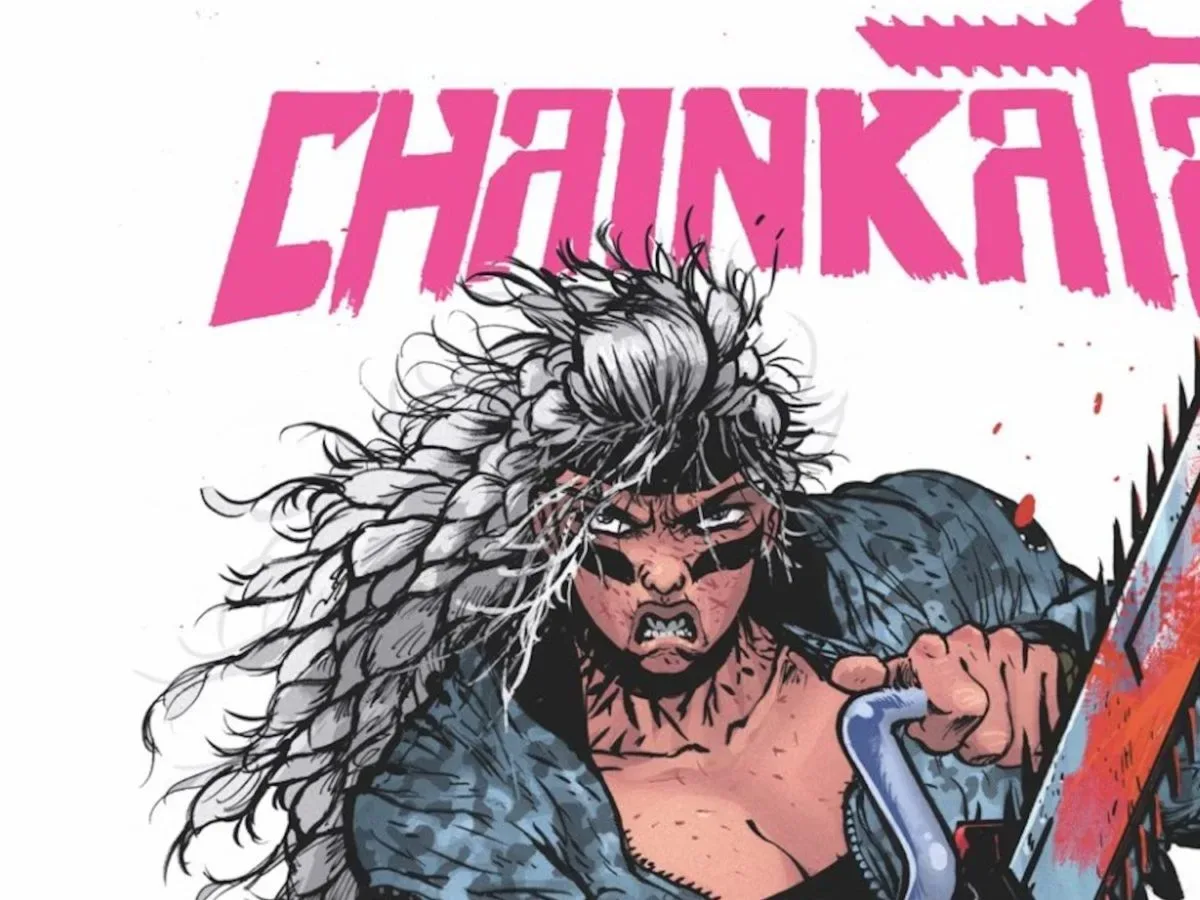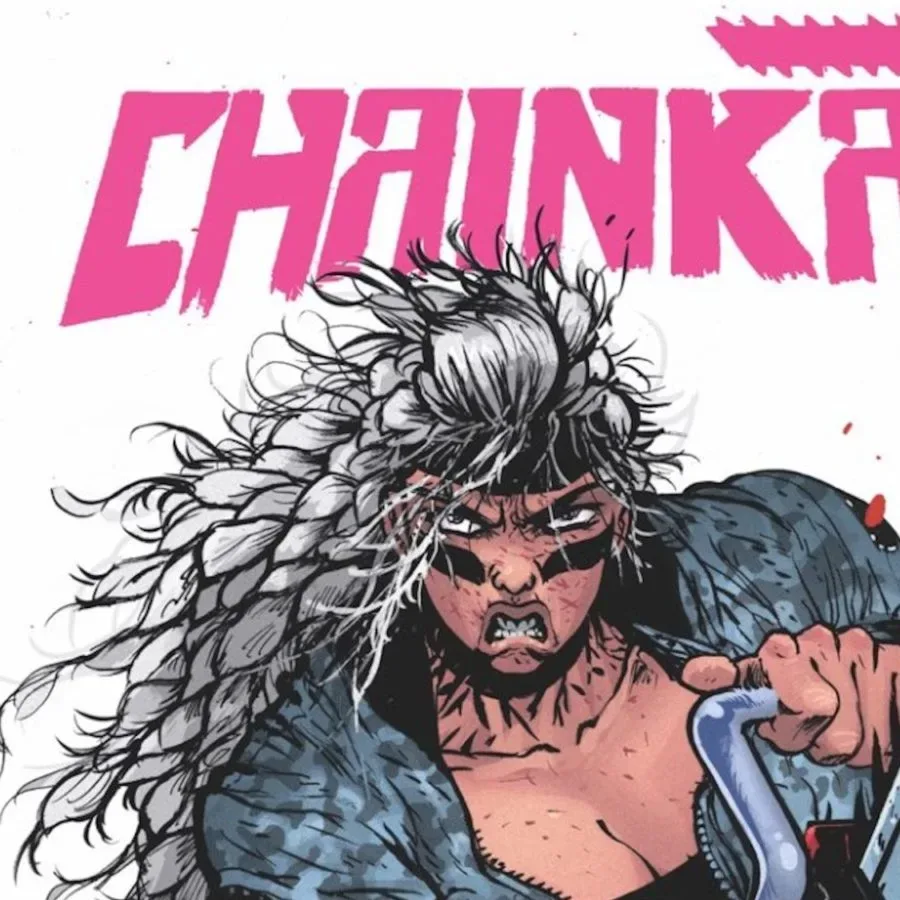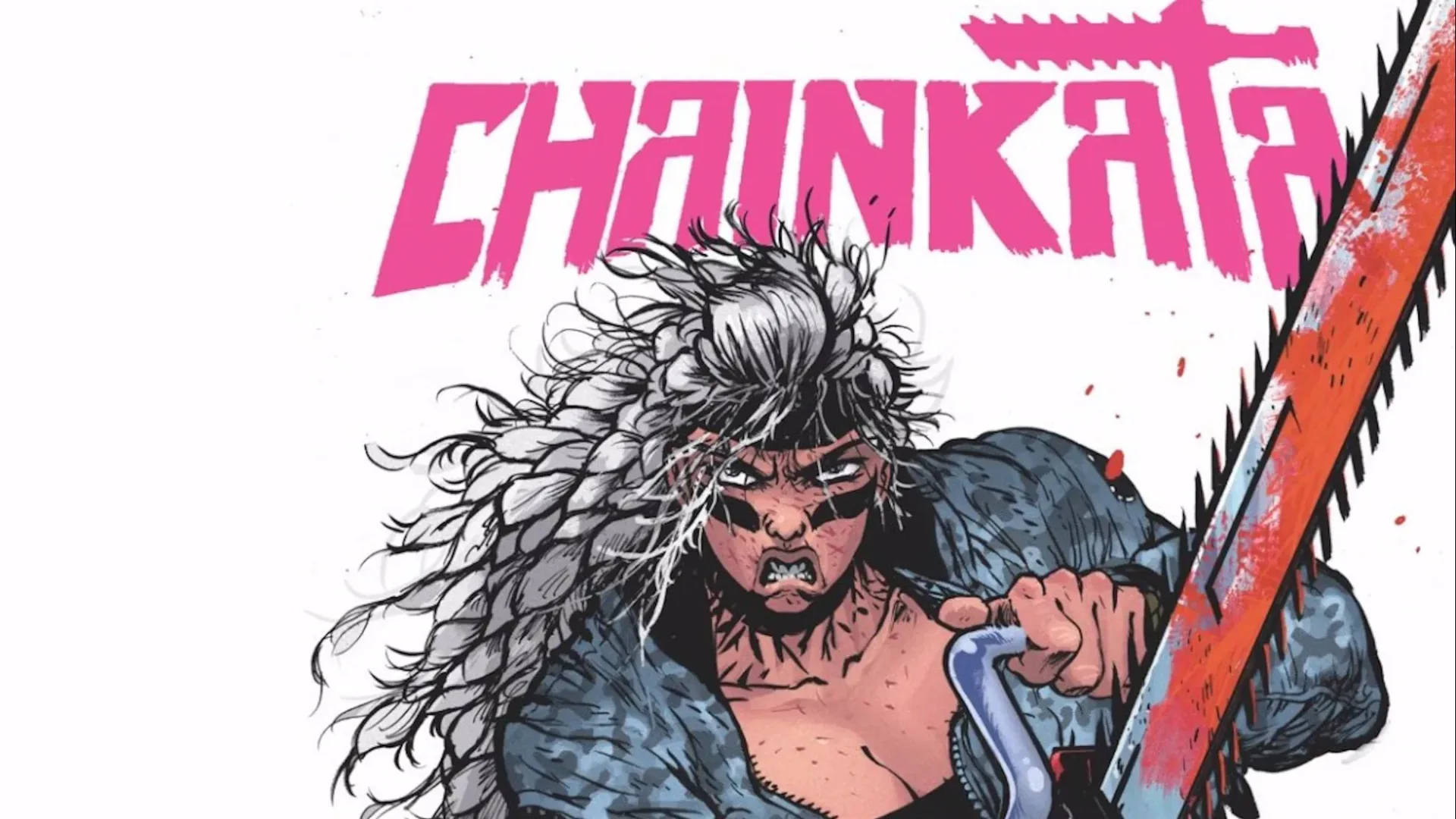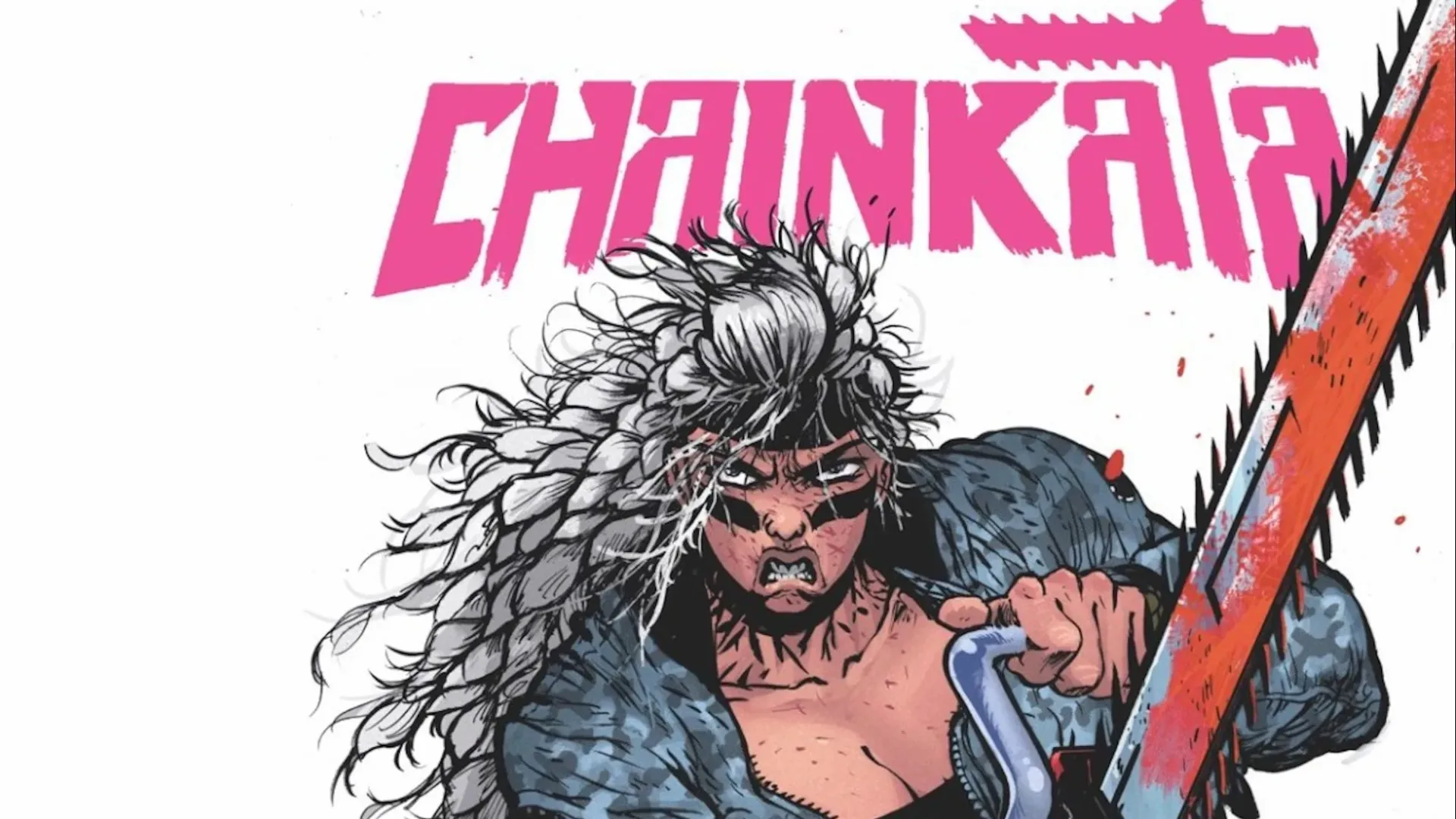
Daniel Warren Johnson’s Chainkata has made an unusually loud entrance into comic shops. The creator-owned Image Comics series is projected to move beyond 500,000 combined orders across its first two issues, based on the reported initial orders and reprint for issue #1 alongside current and projected orders for issue #2.
That is an important distinction: these are comic-shop orders, not a count of individual copies already bought and read by consumers. Still, retailer orders are the key early measure of demand in the direct market, where stores generally commit to inventory before an issue arrives. By that measure, Chainkata is off to a remarkable start.
How the projected total adds up
Chainkata #1 reportedly received approximately 300,000 first-print orders. Image Comics then scheduled a second printing of 60,000 copies, putting the debut issue at roughly 360,000 ordered copies across those two printings.
Orders for Chainkata #2 have already surpassed 100,000 copies and are expected to reach about 150,000 by its final order cutoff. If that estimate holds, the simple combined total is around 510,000 copies for the opening two issues.
- Chainkata #1: about 300,000 first-print orders, plus 60,000 copies in a second printing
- Chainkata #2: more than 100,000 orders so far, with roughly 150,000 projected by final order cutoff
- Projected two-issue total: approximately 510,000 orders
The second issue’s number remains a projection, so the final figure is not locked. But the reported trajectory places the series beyond the half-million threshold even before considering any later reprints, if they occur.
Why retailer orders matter—and what they do not prove
In comics, an initial order is the number of copies retailers elect to bring into their stores through the normal distribution chain. It reflects their confidence that readers, subscribers, and collectors will want the book. Big orders can lead to prominent shelf placement, expanded local promotion, and reorder activity, while conservative orders can make an issue harder to find even when reader interest is real.
They are not, however, the same thing as confirmed sell-through. A retailer can sell out quickly, sell steadily over months, or be left with extra stock. Likewise, a second printing signals that additional copies are being produced after the first print run, but it should not be treated as a complete account of demand at every individual shop.
The useful takeaway is more specific: comic retailers appear to have placed an exceptionally large early bet on Johnson’s new series. The reported #2 orders also matter because a first issue can benefit from launch curiosity, whereas a strong second issue suggests shops expect interest to continue beyond a single debut.
A creator-owned launch after Transformers
Johnson is writing and drawing Chainkata, and the series arrives after his work on Image’s Transformers comics. The comparison is notable because Transformers comes with decades of brand recognition, while Chainkata is a new property centered on an original character and setting.
Reported orders for Chainkata #1 and the projected total for #2 are said to be ahead of the respective numbers for Johnson’s Transformers issues. That does not make the two projects interchangeable: one is work with a familiar licensed property and the other is a new creator-owned series. But it does show retailers responding strongly to Johnson’s name and to the premise of his new book, not only to an established franchise.
“Creator-owned” is more than a marketing label in this context. It generally means the creator retains ownership of the underlying concept and characters rather than producing a story for a pre-existing corporate property. That can make a successful launch especially consequential: if the audience continues to grow, the original series becomes a long-term piece of the creator’s own catalog.
What Chainkata is about
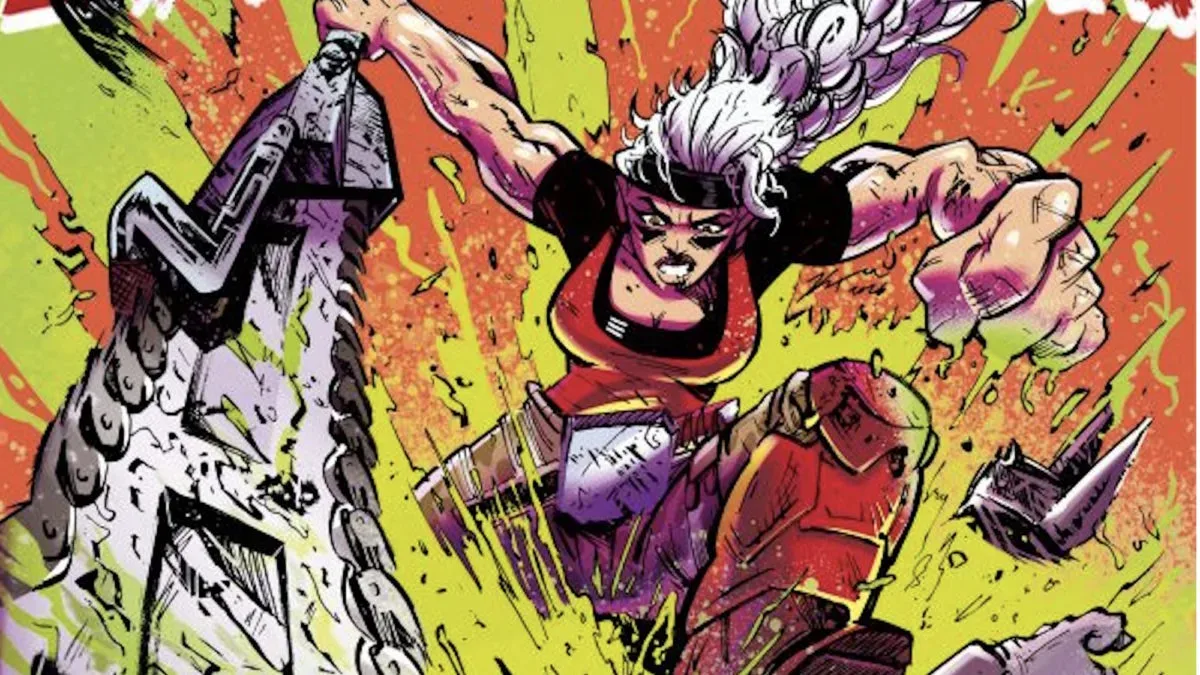
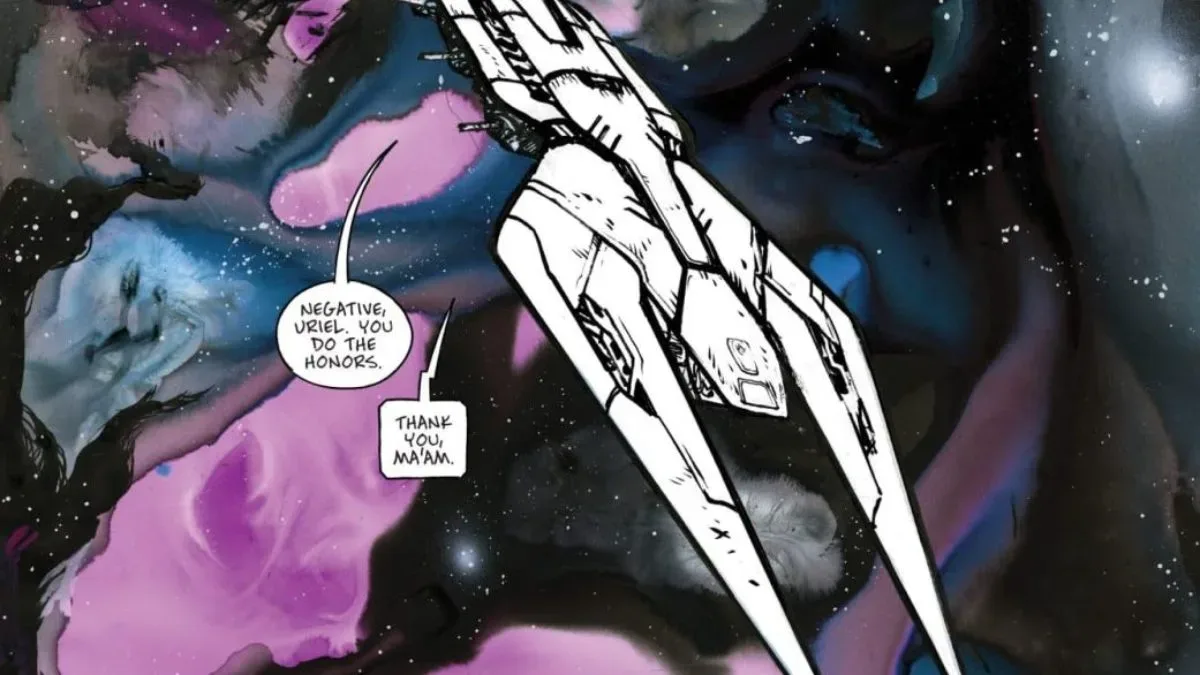
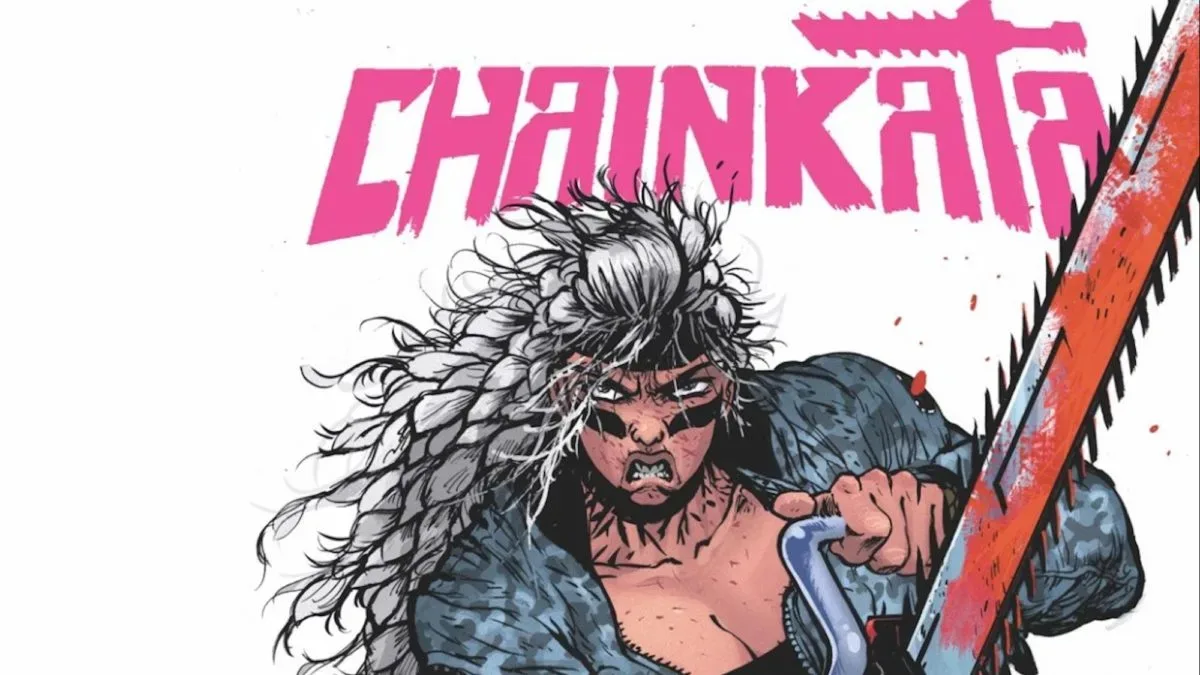
Chainkata follows Luma Sela-Ver, described as a lone Chainqueen warrior wielding a chainsaw-like family weapon. In the first issue, Luma searches the vastness of space for an unknown power while violence continues to pursue her. The premise combines science-fiction scale with a close focus on a warrior and the weapon tied to her family.
Issue #2 moves the conflict forward when a rival queendom approaches Luma with a proposal: find the evil connected to the threat facing her and those close to her. The announced solicitations for subsequent issues point toward a high-stakes mission in #3 and an isolated Luma facing overwhelming pressure in #4.
The currently listed schedule is:
- Chainkata #1: released November 18, 2026; 40 story pages with no ads; $3.99
- Chainkata #2: due December 23, 2026; $3.99
- Chainkata #3: due January 20, 2027; $3.99
- Chainkata #4: due February 17, 2027; $3.99
The monthly cadence through the first four issues gives readers and retailers a clear near-term runway. For a new ongoing-style comic launch, keeping later installments moving is practical as well as creative: it allows the audience built by a large #1 order to return while the series is still fresh in customers’ minds.
Variant covers are part of the launch story
The size of the #1 order is closely tied to the number of retailer-exclusive covers attached to the debut. More than 100 variants were available through participating retailers, giving shops ways to market distinct editions to their own customers and giving cover collectors many versions to pursue.
A retailer-exclusive cover is a version of a comic that is made available through a particular retailer or retailer group rather than the standard broadly distributed edition. The interior story is generally the same; the collectibility comes from the cover art, the limited distribution channel, or both. These editions can prompt customers to seek a specific image or complete a set, but they also mean a high total order can encompass many cover configurations rather than one universally stocked edition.
That nuance matters when interpreting a launch this large. Variant activity is plainly part of the equation for Chainkata #1. Yet the reported #2 number is still substantial despite having only five retailer-exclusive covers, compared with the debut’s much broader variant field. If the projected 150,000 total is reached, that would indicate retailers see demand for the series extending beyond the initial rush to obtain an array of covers.
For collectors, the practical implication is simple: decide whether the goal is reading the story, owning a favorite cover, or attempting a broader cover set. Those are different pursuits with very different costs and levels of difficulty. A standard edition can be the most direct route to the comic itself, while a retailer-exclusive chase may require checking individual shop offerings and paying attention to edition details.
What to watch next
The most revealing milestones will arrive after the headline opening. First is the final order level for issue #2, which will determine whether the approximate 510,000 two-issue projection becomes reality. Next is whether issue #3 sustains enough retailer confidence to demonstrate that Chainkata has formed a continuing readership rather than merely a huge launch audience.
Reprints are also worth watching, but they should be read carefully. A new printing can make a book easier for later readers to obtain, while a shop may also be drawing from its existing stock. Neither possibility alone supplies a complete picture of consumer demand.
For now, the facts are substantial enough without turning a projection into a coronation. Chainkata #1 has reportedly drawn around 360,000 orders across its first and second printings, and #2 is on course for approximately 150,000. That would put Johnson’s original sci-fi series above half a million ordered copies in two issues—a standout commercial opening for a new comic property and a strong vote of confidence from the shops that will put it in readers’ hands.
Readers who prefer digital comics may also find a compact tablet useful for keeping a library of issues accessible; this look at the 11-inch A16 iPad covers one current option with App Store access.