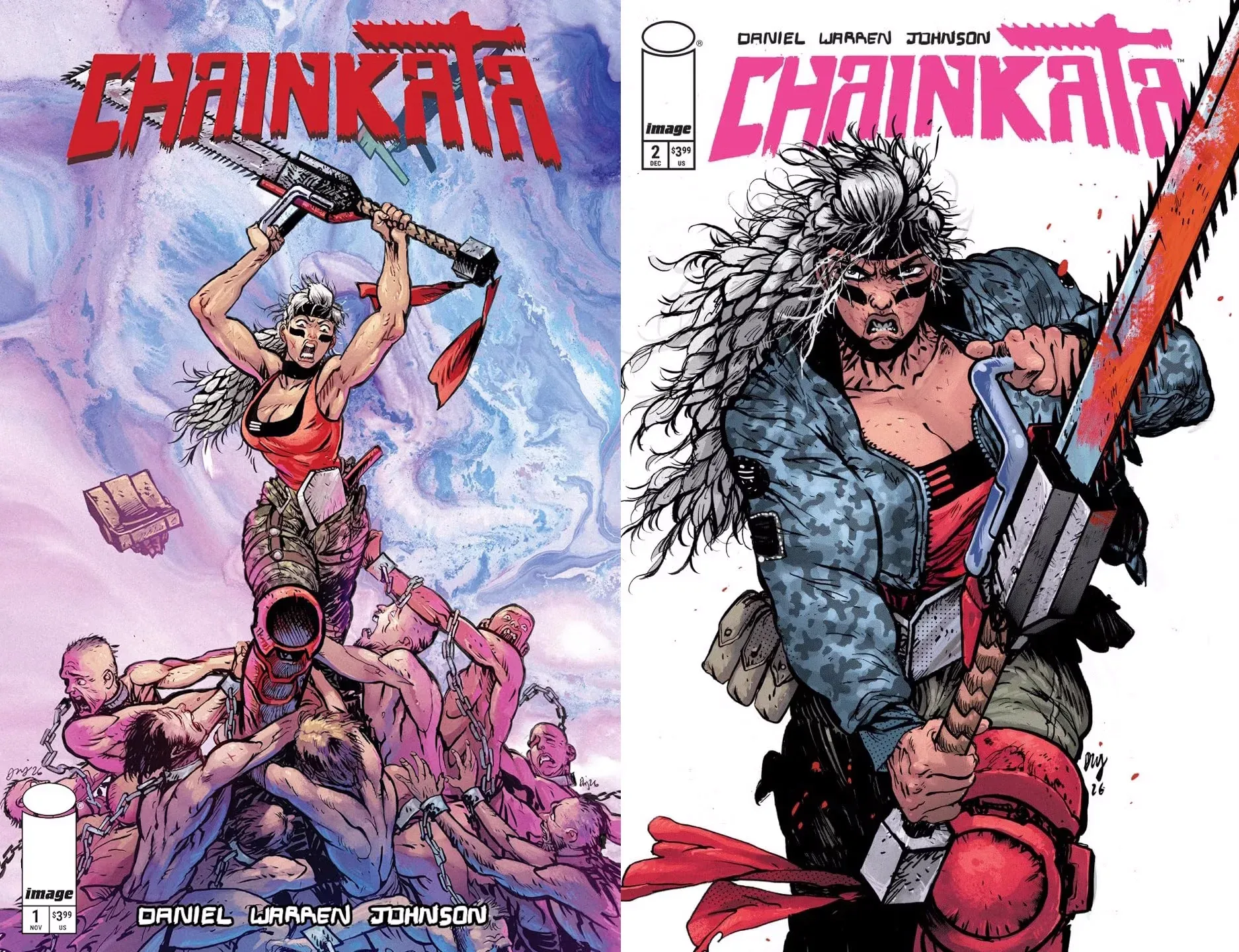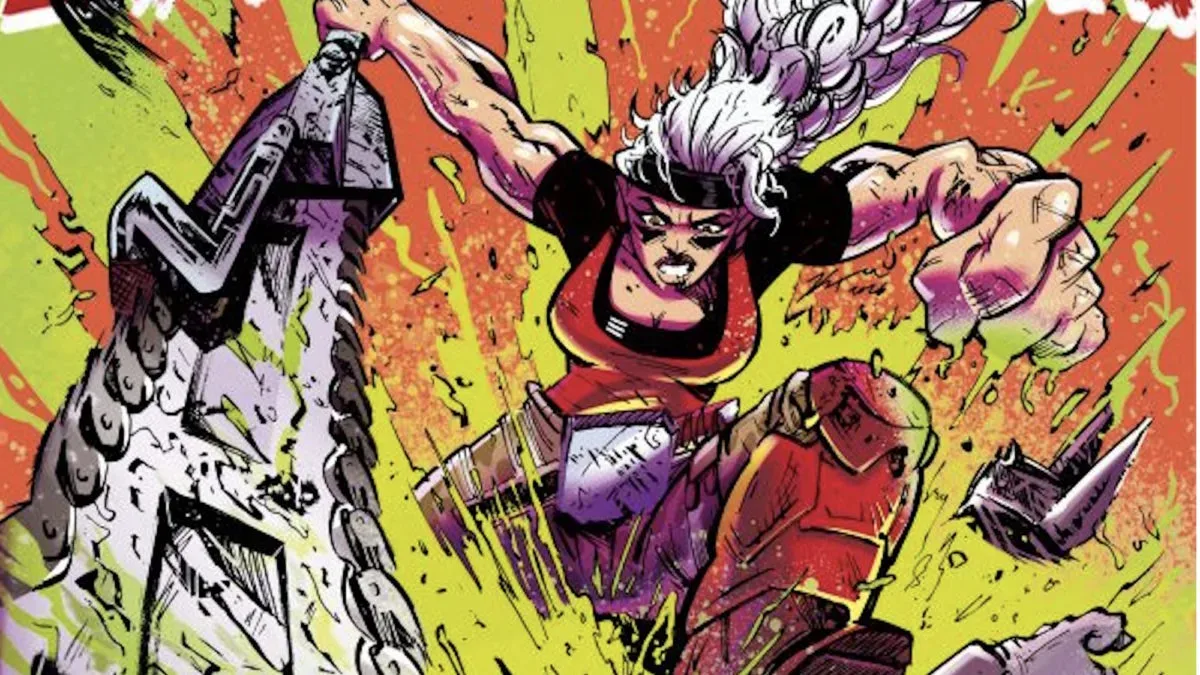
Daniel Warren Johnson’s forthcoming Chainkata #1 has reportedly crossed 250,000 orders from comic shops at Final Order Cut-Off, an unusually large opening figure for a new series. The Image Comics launch is scheduled to reach shops on November 18, 2026, and the reported order level matters for more than one reason: it is not being presented as a number driven entirely by retailer-exclusive covers or by a bulk-order promotion.
That distinction is worth making because comic-book order headlines can be easy to misread. A high order total is significant, but it is not the same measurement as copies sold through to readers. Shops place orders before release, using those copies to serve subscribers, walk-in customers, online buyers and collectors. An opening order number therefore shows retailer confidence and anticipated demand; it does not settle how quickly every copy will leave a shelf after release.
Even with that important caveat, the reported figure points to an enormous amount of confidence in Johnson’s next creator-led project. And while more than 100 retailer-exclusive covers are part of the picture, the available breakdown suggests they are not the whole story.
What the reported 250,000-copy figure means
Final Order Cut-Off, commonly shortened to FOC, is the point near release when retailers finalize orders through comic distribution channels. It is a particularly useful moment for judging the initial scale of a launch because stores have committed their money and shelf space. They are deciding how many copies they believe they can sell, not merely signaling casual interest.
The reported total for Chainkata #1 is more than 250,000 copies. That is an order figure, and it should be treated as reported rather than as a final audited sales total. Still, it places a spotlight on a new, original sci-fi comic arriving without the immediate shorthand of an established long-running superhero line.
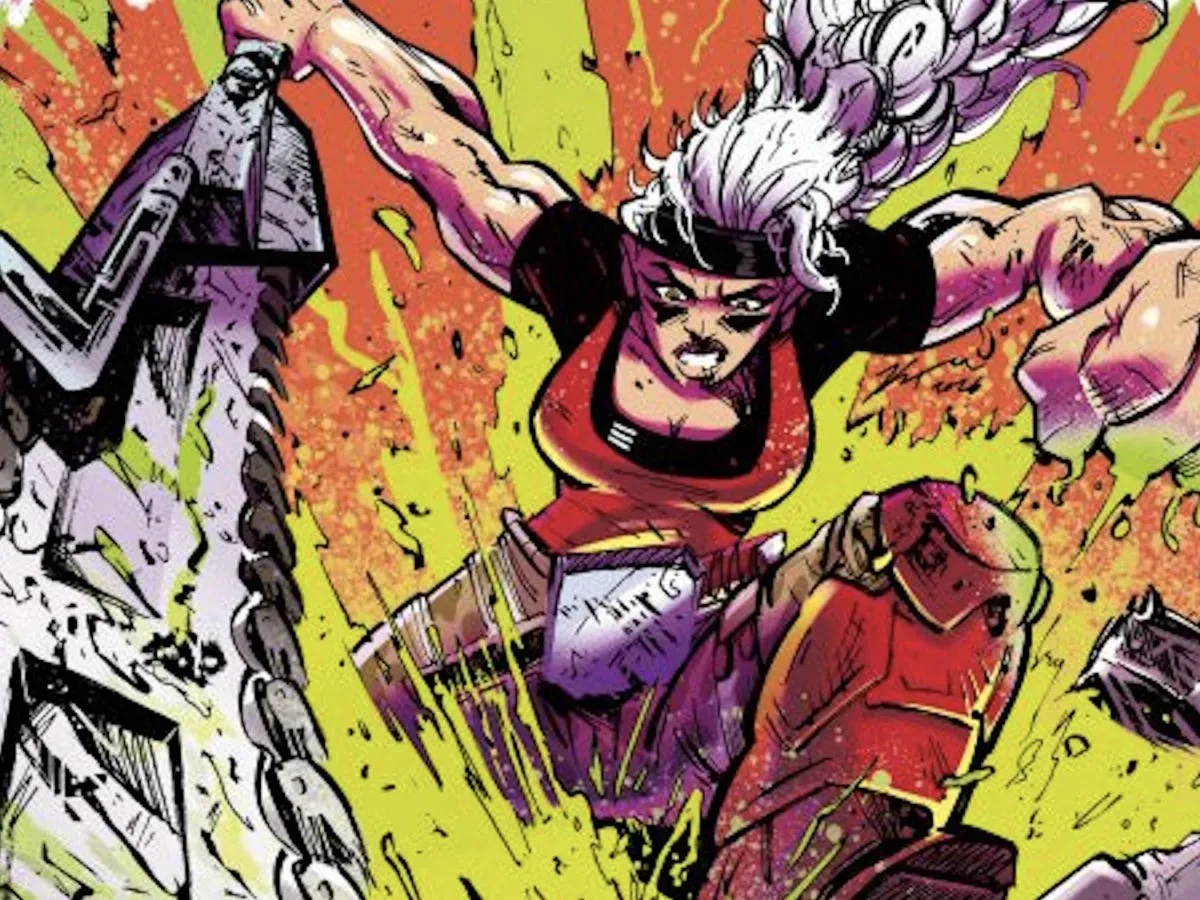
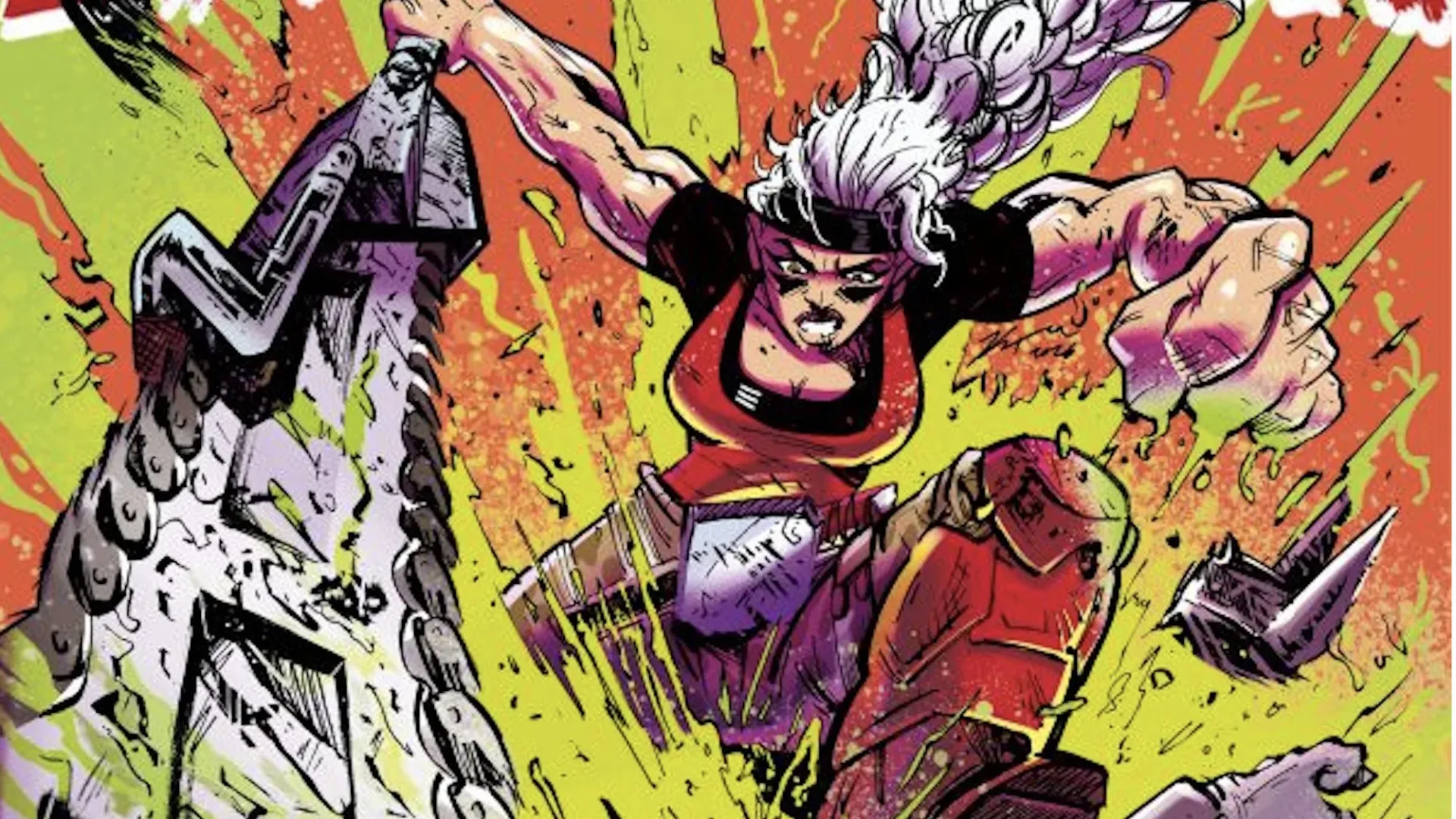
The series centers on Luma SelaVer, a Chainqueen warrior seeking an unknown power in space while violence and terror remain close behind. The first issue is listed as a 40-page, ad-free story for $3.99. Issue #2 is scheduled for December 23, 2026 and sees Luma approached by a rival queendom with a proposition involving the evil threatening her and those around her.
That setup gives the book a direct, high-concept hook: a chainsaw-wielding warrior queen moving through a hostile cosmic setting. But an arresting premise alone does not explain why stores would make such a large advance commitment. The other major variable is Johnson himself, whose prior work includes Space Mullet, Extremity, Murder Falcon, Do a Powerbomb, Beta Ray Bill, Wonder Woman and Transformers.
Exclusive variants are sizable, but not the entire explanation
Retailer-exclusive covers are editions made for particular shops or retail groups. They are a familiar part of the direct market: a store commissions or secures a distinctive cover and orders a required minimum number of copies. The shop can use that edition to give collectors something specific to seek out, create a release-day event, serve an online audience, or build a product tied to its own brand.
Chainkata #1 has more than 100 of these retailer-exclusive covers. On its face, that is a substantial promotional footprint and an obvious place to look when weighing the 250,000-plus total. However, the reported estimate is that those exclusives account for around 60,000 copies.
That remains a meaningful number. Retailers buying exclusive variants are putting capital into inventory they intend to sell, and those copies are part of the launch’s commercial reality. But the split changes the interpretation of the headline. If roughly 60,000 copies are tied to retailer exclusives, then nearly 200,000 orders remain outside that group. In other words, the regular and non-exclusive ordering appears to make up the much larger portion of the reported total.
That is why reducing the story to “there were a lot of variant covers” would miss the more revealing point. A broad exclusive-cover program may help the book reach more shops and more collector communities, but it does not, on this account, explain away the scale of the debut.
Why Image’s minimum matters
The report describes Image’s retailer-exclusive minimum order quantity, or MOQ, as 500 copies. MOQ simply means the smallest number of books a retailer must order to qualify for an exclusive edition. A 500-copy threshold is described as lower than the requirements used in comparable programs at larger publishers, where minimums can range into the thousands.
Lowering the barrier can change who gets to participate. A shop that cannot responsibly gamble on an especially large exclusive order may be able to consider a 500-copy commitment. That can lead to a wider variety of stores offering special covers, rather than concentrating the program among the biggest retailers.
There is a commercial trade-off. A lower MOQ can mean the publisher receives smaller individual commitments than it might with a higher threshold. On the other hand, it can make the program more accessible, give more stores a reason to actively promote the issue, and potentially preserve retailer budget for the standard edition. For a launch trying to establish a long-term readership, broad retailer participation may be as valuable as extracting the maximum possible commitment from a smaller number of shops.
There is also a practical difference between an exclusive-cover count and an order count. “More than 100 covers” sounds enormous because it is a count of designs or retailer programs. The 60,000 estimate, by contrast, is a count of copies. Both figures are useful, but they answer different questions: one illustrates the breadth of the marketing and retailer network; the other shows how much of the total volume is associated with that network.
No reported bundle incentive complicates the usual skepticism
Retail ordering can also be shaped by incentives that make buying a larger bundle cheaper per copy than ordering a store’s exact expected sell-through. Such offers can be attractive from a retailer’s short-term cost perspective, but they also make raw initial-order totals harder to interpret. Stores may order past their organic demand forecast because the economics of the offer reward doing so.
No comparable bundle incentive has been reported for Chainkata #1. Nor is the launch described as using overship, where a publisher sends copies beyond a retailer’s paid order. That does not turn preorders into verified reader purchases, and it should not be used to promise that every ordered copy will sell immediately. What it does mean is that the usual question—whether a large headline is chiefly the result of a mechanically advantageous ordering program—has a less obvious answer here.
Absent such a program, the reported total looks more like a distributed set of individual retailer bets. Stores can still misjudge demand; that is an unavoidable part of ordering physical comics in advance. Yet the number suggests a large portion of the market expects Johnson’s name, the book’s premise and the release campaign to bring people in.
Daniel Warren Johnson is the key commercial context
Johnson’s career offers the most grounded explanation for the anticipation around Chainkata. He has moved between creator-owned work and established characters while maintaining a recognizable creative identity. Readers who followed books such as Extremity, Murder Falcon and Do a Powerbomb have seen him build stories under his own concepts; readers of Beta Ray Bill, Wonder Woman and Transformers have also encountered his work through major existing properties.
That combination matters at the retailer level. Licensed and legacy characters can introduce a creator to a much wider pool of readers. Creator-owned work, meanwhile, gives those readers a reason to follow the creator rather than only the character. Chainkata appears to benefit from both sides of that path: it is a new world and new lead character, but it comes from someone with an established audience.
The book also arrives amid discussion of Johnson’s consistency and selectivity. Reliability has a practical business value in serialized comics. Retailers and readers can be wary of a new series if they fear delays, creative changes or an uncertain release rhythm. A creator’s history of delivering work can make it easier for shops to take a larger initial position and easier for readers to start a story with confidence that it will continue.
There is a wider ownership implication, too. At Image, a creator-led title operates under a different economic arrangement from work-for-hire books at Marvel or DC. The exact financial terms of any individual project are not established here, so sweeping claims would be inappropriate. Still, the basic appeal of creator-owned publishing is clear: the success of an original property can carry greater importance for its creator than a comparably successful assignment on a publisher-controlled franchise. That makes the reported scale of Chainkata notable beyond a one-week sales conversation.
What readers and retailers should take from the launch
For readers, the immediate practical point is simple: a big preorder number does not make the comic inaccessible, nor does it guarantee that a particular retailer-exclusive cover will be easy to locate. Standard copies and exclusive editions are different purchasing decisions. Anyone interested in the story itself can ask a local comic shop about the regular edition ahead of November 18. Collectors seeking a specific store’s cover should pay attention to that retailer’s own ordering window and policies instead of assuming that a broad headline means unlimited supply.
For retailers, the debut will be watched closely as a test of how far an individual creator’s audience can carry an original Image series at launch. The early order total may be the headline, but continued interest in issue #2 will be at least as meaningful. A first issue can draw attention through premise, promotion and collectible covers. Sustained readership is what turns attention into a healthy series.
And for the wider pop-culture space, the story is a reminder that comics are still a place where a creator’s reputation can become a major release event. New intellectual property is often treated as a risk beside brands with decades of recognition. Chainkata is not entering without context—Johnson’s body of work is powerful context—but its reported order scale nevertheless suggests a market willing to put real weight behind an unfamiliar universe.
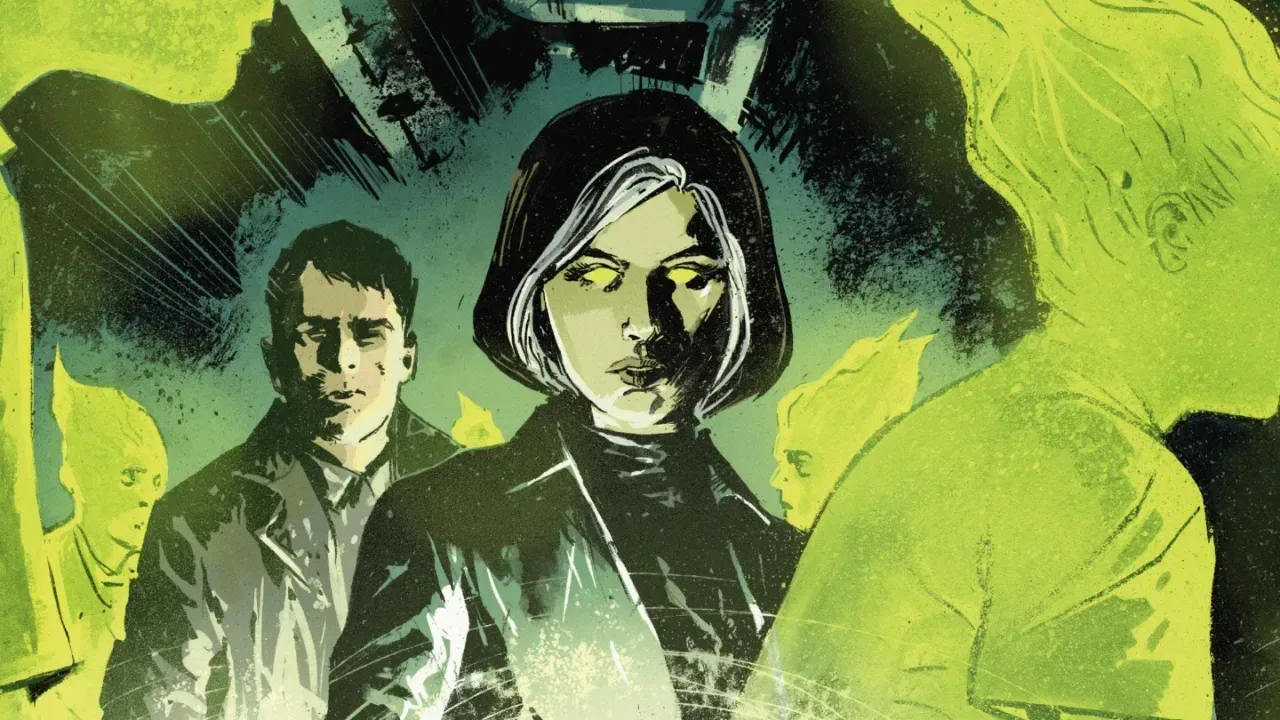
Comic readers tracking other upcoming genre stories can also keep an eye on B.P.R.D.: Declassified, another new comic project built around a distinctive genre premise. For Chainkata, though, the central question will remain straightforward after the variants, preorder chatter and huge order estimate: whether Luma SelaVer’s first adventure converts that attention into readers who return when the chain goes on in December.
Shop the products
Check current price, model and availability at the retailer.