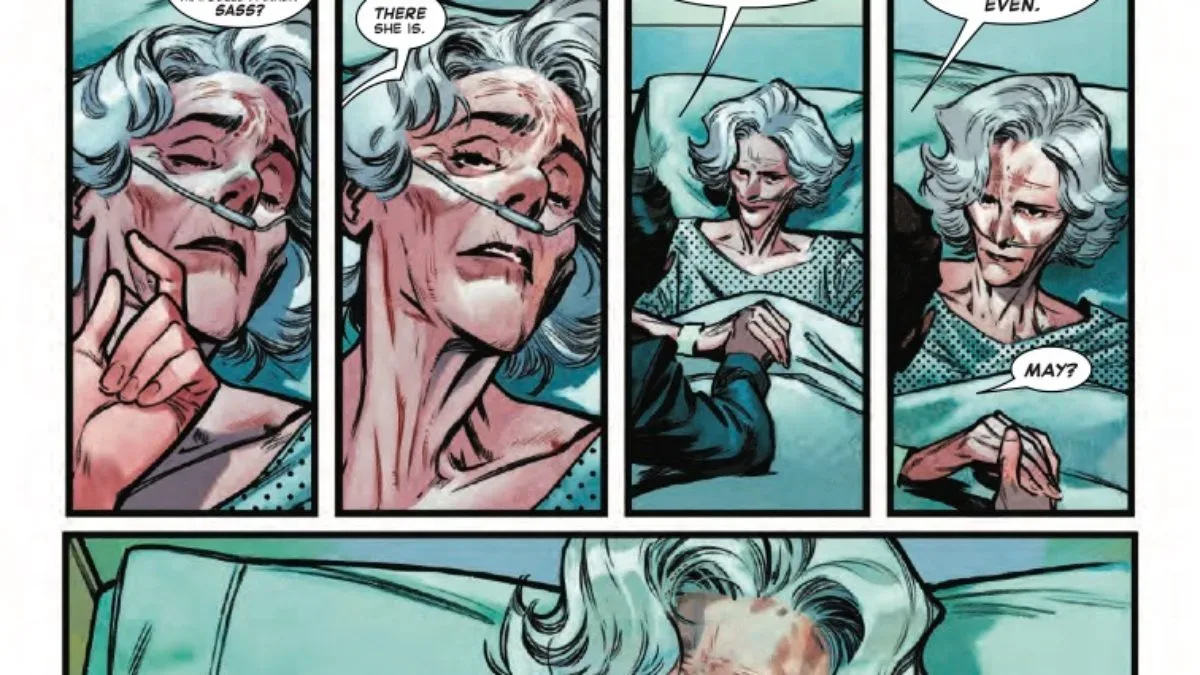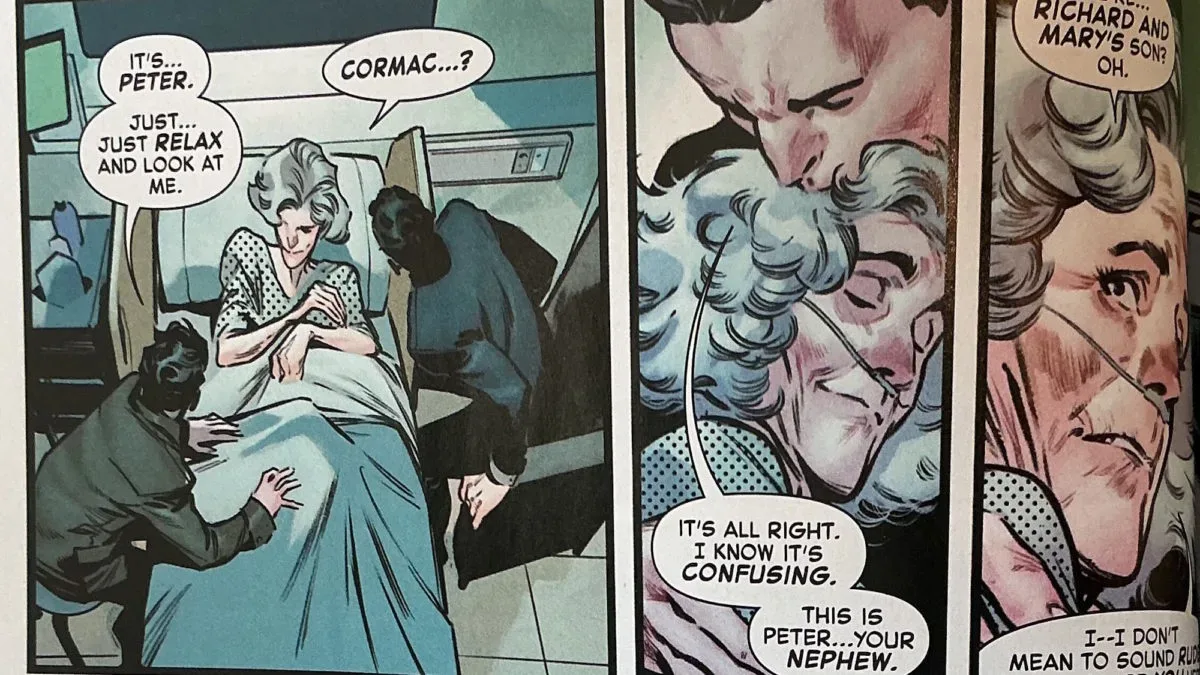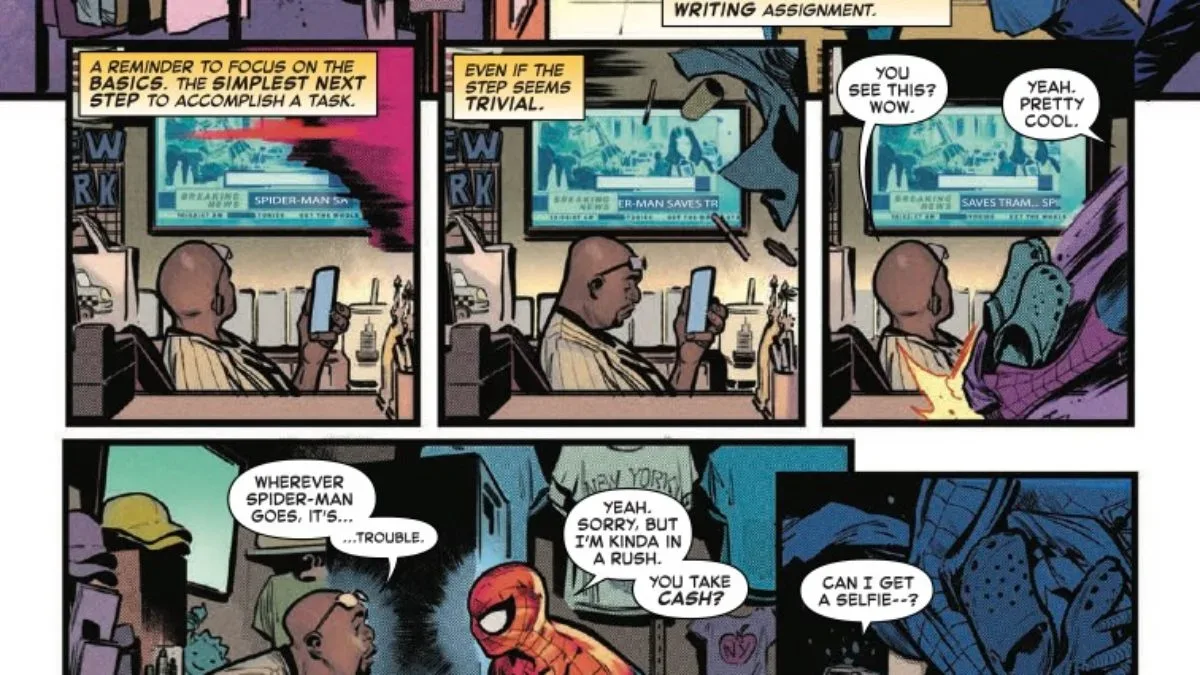
Amazing Spider-Man #1001 is scheduled to arrive on October 14, 2026, picking up in the immediate aftermath of the series’ landmark 1,000th issue. The central setup is pointedly personal: Spider-Man goes up against Ravage, while Aunt May is caught in the middle of the conflict. The solicitation’s biggest question is also its most ominous one: has Spidey already lost the war?
That wording makes this sound less like a clean, self-contained superhero brawl and more like a crisis whose damage may have started before the issue’s main fight. Spider-Man stories frequently find tension in the gap between Peter Parker’s heroic responsibilities and the people who matter to him outside the costume. Putting Aunt May at the center of the premise makes the threat intimate as well as physical.
Joe Kelly writes the issue, with art and a cover by Pepe Larraz. It is a 32-page, Rated T Marvel release with a listed US price of $4.99.
A direct continuation after issue #1000
The official setup identifies #1001 as fallout from Amazing Spider-Man #1000, so readers seeking the full context should treat the new issue as a continuation rather than a fresh starting point. “Aftermath” is an important term in comic-book solicitations: it usually signals that the consequences of the preceding event are the story’s engine, whether that means unresolved danger, a changed relationship, or a villain’s move still playing out.
Here, Ravage is the immediate antagonist named in the solicitation, and Spider-Man’s battle with him is framed against Aunt May’s jeopardy. That does not establish exactly how the confrontation develops or whether the title’s question has a literal answer. It does establish the intended dramatic shape: Peter is not merely trying to win a fight; he is trying to protect someone while dealing with the repercussions of the previous issue.
For regular readers, that makes #1001 a potentially consequential bridge between a milestone installment and whatever the current arc becomes next. Milestone issues can operate as celebrations, turning points, or launchpads. By branding this chapter as an aftermath, the series is emphasizing the third option: #1000’s events are meant to continue carrying weight.
Why Aunt May changes the stakes
Aunt May’s presence gives the Ravage conflict a different dimension from a standard street-level clash. In a Spider-Man story, she is one of Peter Parker’s foundational personal connections. When a solicitation says she is “caught in the middle,” it can mean the conflict is built around divided priorities rather than straightforward hero-versus-villain escalation.
That phrasing is deliberately broad. It does not confirm the nature of her involvement, nor does it reveal whether Peter can keep her safe. But it tells readers where the emotional pressure will land. Spider-Man may be able to meet a powerful enemy with agility, improvisation, and persistence; protecting a loved one amid an unfolding crisis is usually the harder problem.
The question of whether Spider-Man has already lost the war reinforces that sense of disadvantage. A “war” is broader than a single confrontation. In genre terms, it suggests that winning the immediate encounter may not be enough to undo the harm or regain control of the situation. The distinction matters: a fight asks who walks away victorious, while a war asks whether victory still has meaning once the wider damage is done.
What is confirmed, and what remains under wraps
Marvel’s published details firmly establish a handful of essentials: Ravage is the opponent, Aunt May is implicated in the danger, and the issue follows #1000. The rest is still purposefully guarded. Readers should be wary of treating a short promotional premise as confirmation of precise plot mechanics, character outcomes, or long-term status-quo changes.
That restraint is normal for a serialized superhero title. A solicitation has to communicate enough to give an issue an identity without giving away the turn that makes it worth reading. The line about Spider-Man possibly having lost already works as a hook because it describes a situation without defining its resolution.
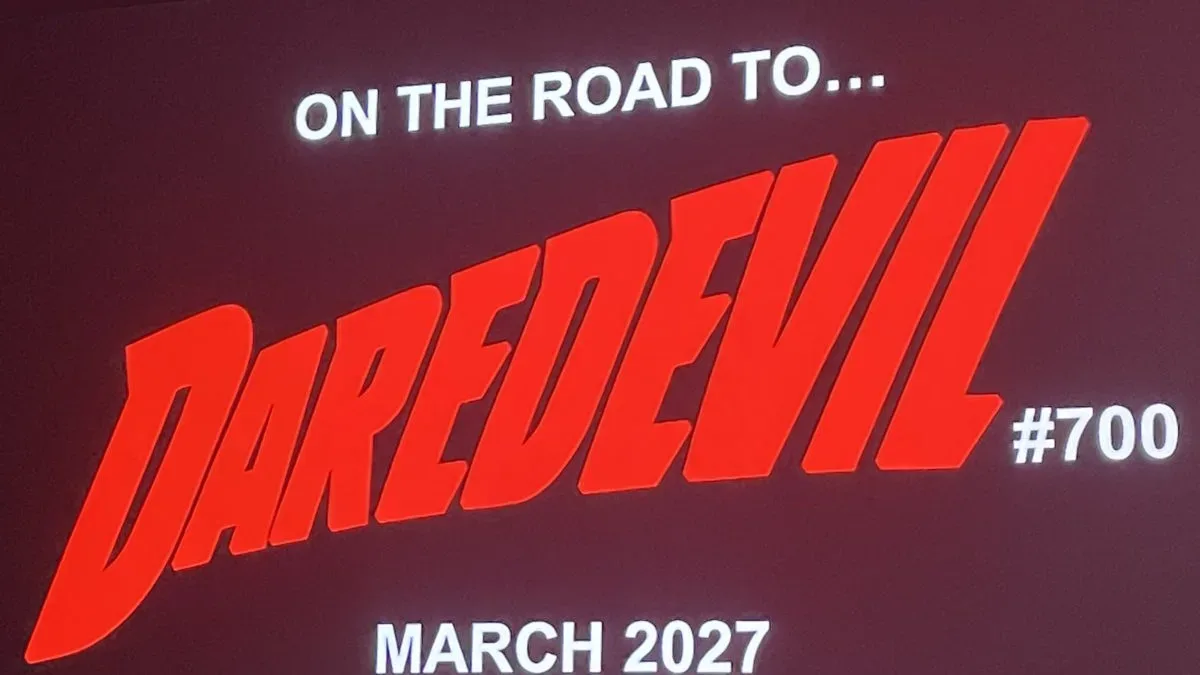
It also makes the issue approachable in two distinct ways. Ongoing readers have a clear reason to continue immediately after #1000. Readers returning for the milestone’s repercussions have an easy point of entry into the next phase of the story, provided they are comfortable beginning in the middle of a conflict. Anyone wanting a broader Marvel reading detour can also see how another series is positioning a major upcoming issue in the lead-in to Daredevil #700.
Kelly and Larraz lead the issue
Kelly and Larraz are the credited creative team for Amazing Spider-Man #1001, with Larraz also supplying the main cover. In practical terms, having the interior artist on the primary cover can give an issue a particularly unified visual identity, though a cover should not be taken as a guarantee that every featured image or detail carries the same story weight inside.
The issue will also have three listed variant covers: a Simone Bianchi variant, a Todd Nauck four-part connecting Legacy variant, and a Mark Bagley variant. A variant is an alternate cover edition of the same comic issue. It generally does not change the interior story, script, or page count. The “connecting” label specifically means the design is intended to join visually with other covers in a planned set.
For someone buying solely to read the chapter, the standard edition supplies the story. For fans choosing by artwork, the variants offer different cover presentations while keeping the contents consistent. The listed US price is $4.99 for the regular issue and each of the named variants; the listed Canadian price for the variants is $6.25.
Release details
- Title: Amazing Spider-Man #1001
- On sale: October 14, 2026
- Publisher: Marvel
- Writer: Joe Kelly
- Artist: Pepe Larraz
- Main cover artist: Pepe Larraz
- Format: 32 pages, Rated T
- US price: $4.99
- Premise: Spider-Man battles Ravage as Aunt May is caught in the middle of the post-#1000 conflict.
The available details paint #1001 as a pressure-cooker continuation: a known villain, a vulnerable personal connection, and a hero who may be discovering that the decisive loss happened before he could even throw a punch. Exactly what that means for Peter, Aunt May, and Ravage will remain the issue’s key mystery until the comic reaches shelves.