Spoilers for Amazing Spider-Man #1000 follow.
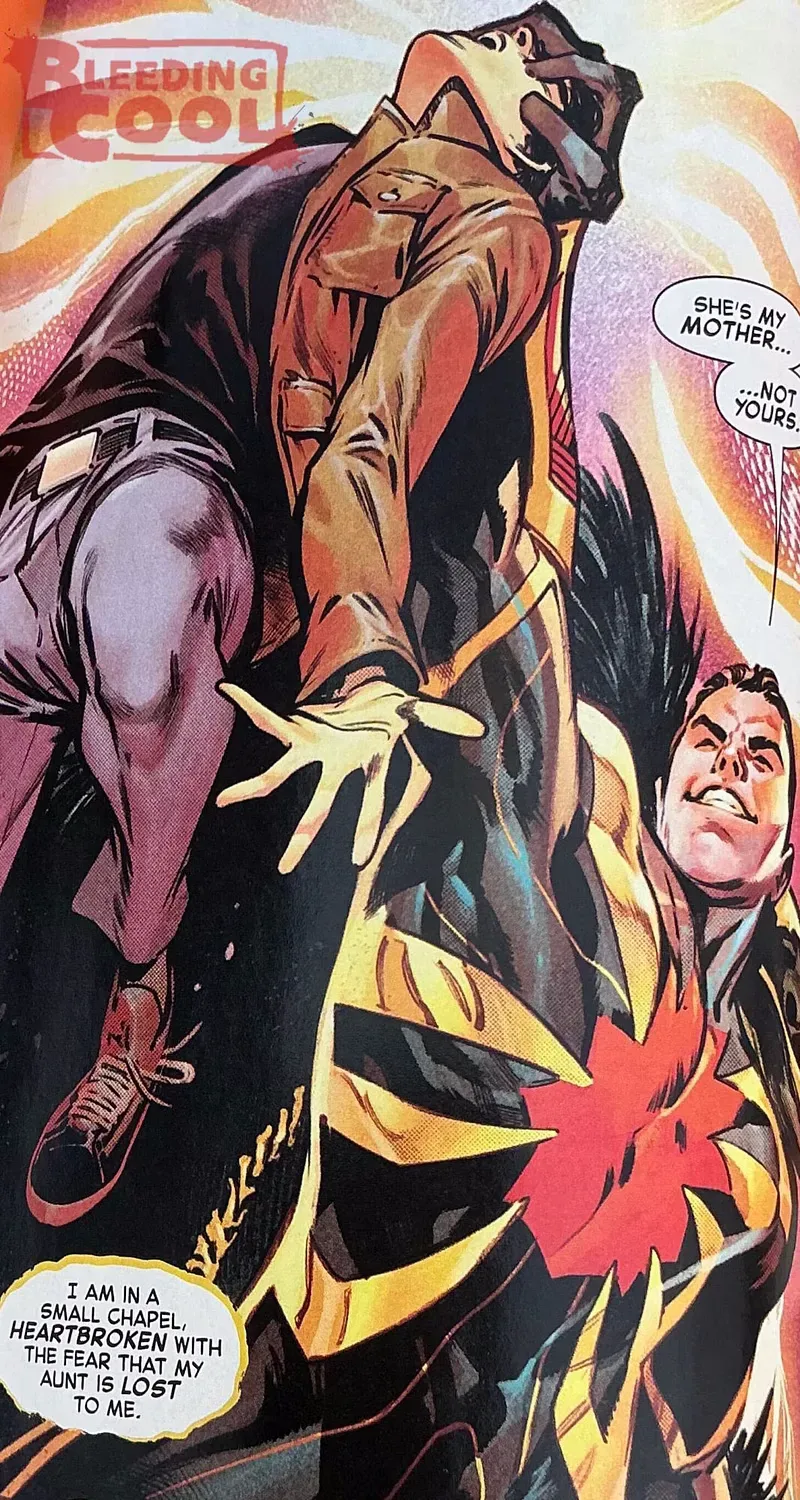
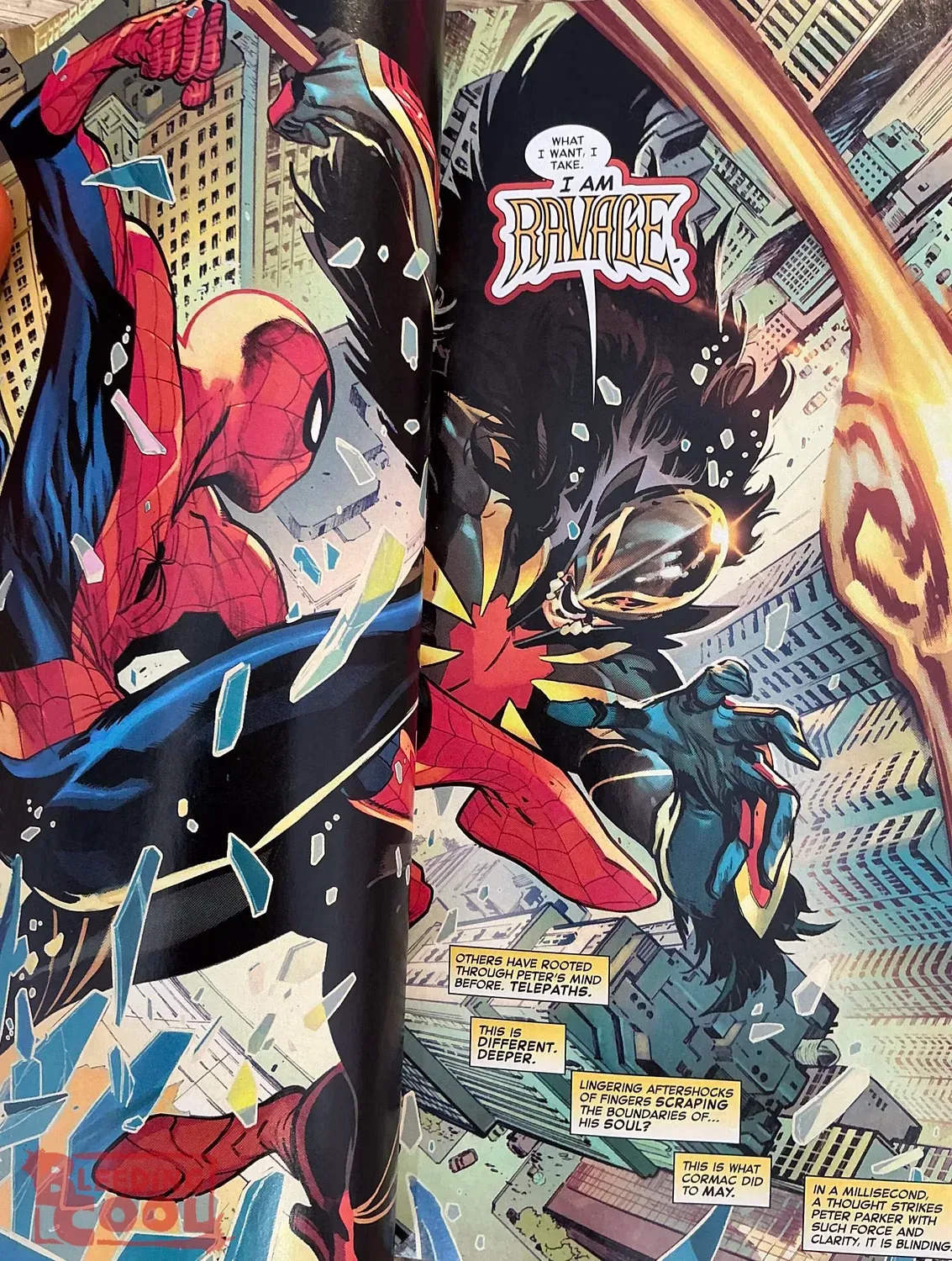
Amazing Spider-Man #1000 turns its new mystery around Peter Parker’s family into a direct assault on his past. The oversized issue identifies Cormac Crane—the newly revealed cousin of Peter Parker and biological son of Uncle Ben and Aunt May—as Ravage, the feather-clad antagonist positioned as the next major threat in Joe Kelly and Pepe Larraz’s Spider-Man storyline.
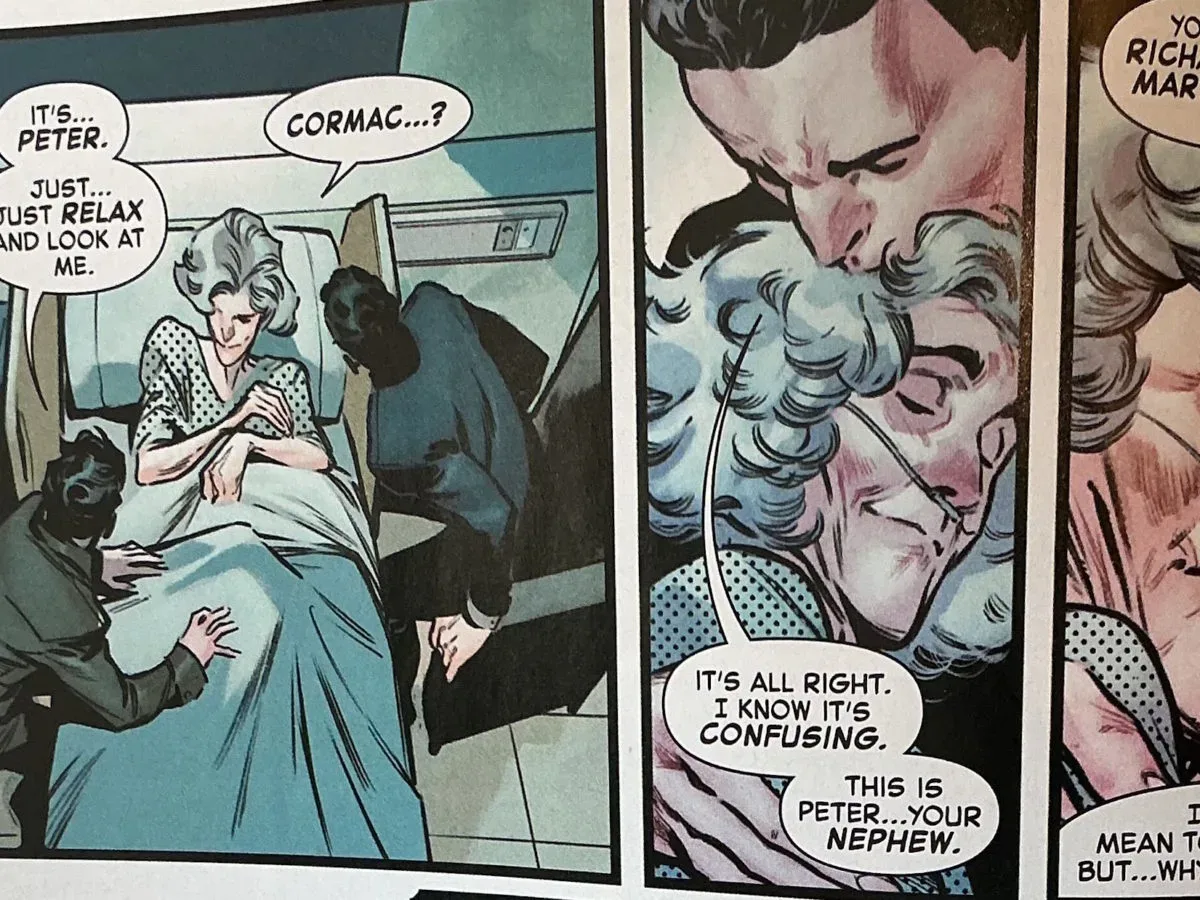
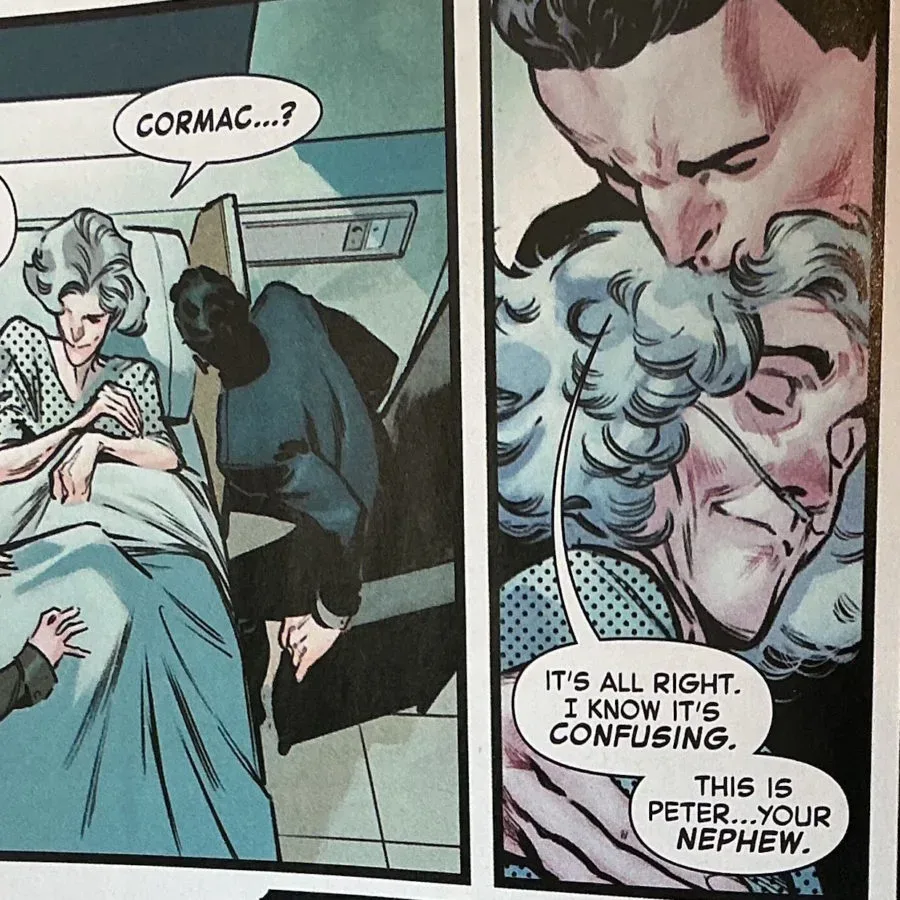
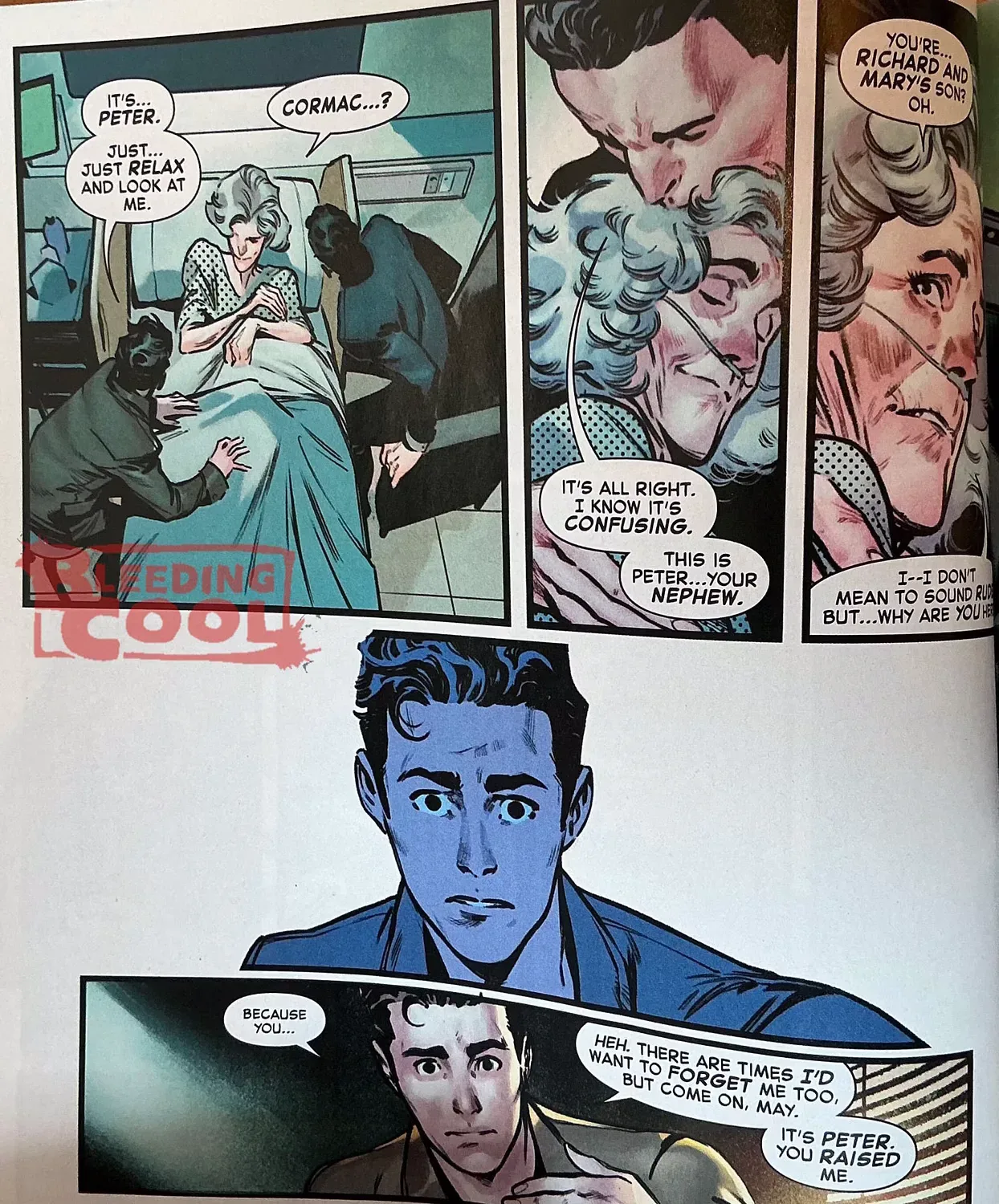
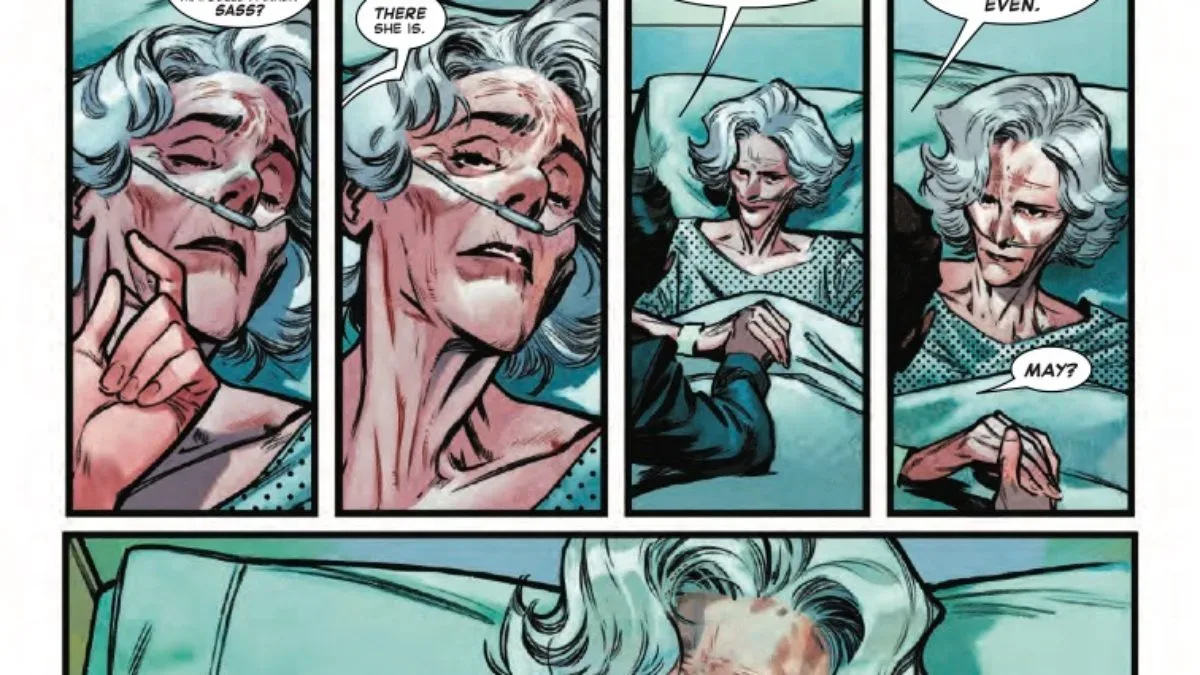
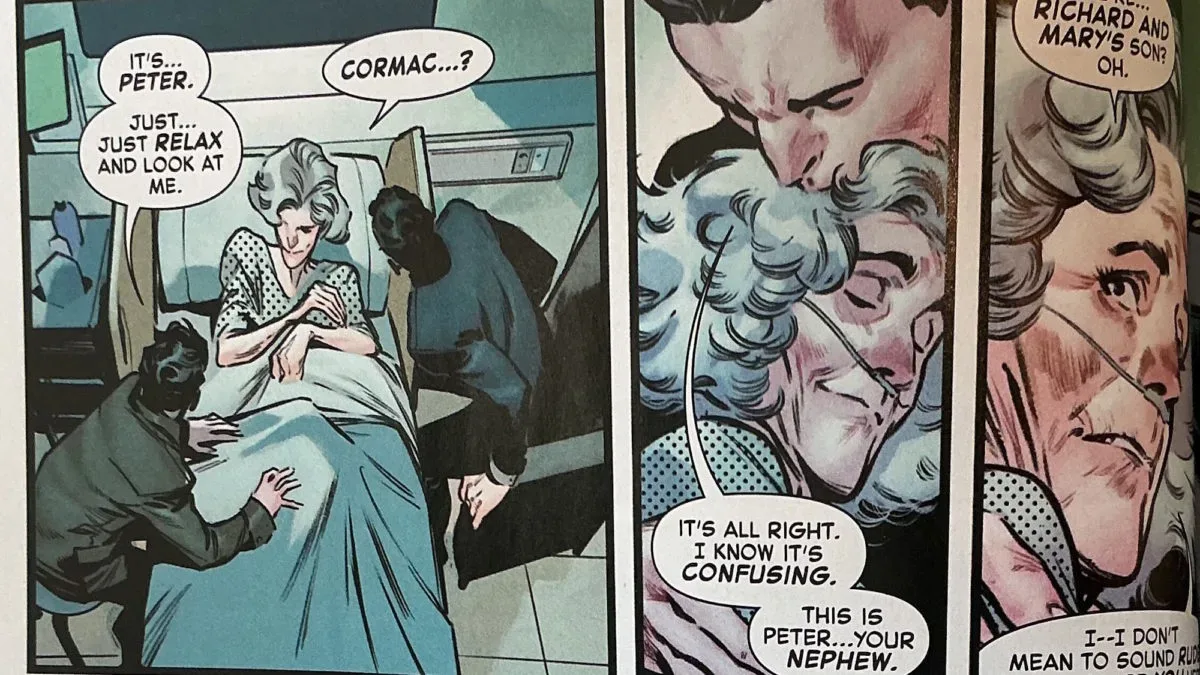
The reveal comes amid a frightening crisis for May. She is hospitalized after what initially appears to be a stroke, and Cormac reaches her bedside before Peter does. But the situation is not presented as an ordinary medical emergency. May no longer recognizes Peter, yet she remembers Cormac. The issue ties that selective loss of memory to Ravage and establishes that Cormac’s abilities extend beyond his considerable inherited wealth.
Cormac Crane is Ravage
Ravage has been teased as an imposing new foe with a raven-like visual identity, and Amazing Spider-Man #1000 connects the mask to Cormac Crane. The bird imagery is deliberate: Cormac’s name is described as meaning “son of a raven,” while Ravage is dressed in feathered, raven-inspired gear. It is a fittingly theatrical comic-book reveal, but its purpose is more than visual. It reframes a seemingly unexpected member of Peter’s extended family as the person orchestrating an attack on the memories that define Peter’s life.
There is no confirmation here that this Ravage is connected to the character associated with Ravage 2099. The issue instead presents Cormac as a threat rooted in Spider-Man’s present-day personal continuity: Ben, May, Peter’s childhood and the emotional artifacts of decades of stories.
That distinction matters. A legacy connection would make Ravage a reference to another corner of Marvel history. Cormac’s reveal makes him something potentially more disruptive for Spider-Man: a villain with intimate access to Peter’s family, alongside powers that can interfere with the way people understand their own experiences.
Memory loss is the issue’s real weapon
Ravage’s power is described as taking memories away and weaponizing them. In simple terms, he can apparently remove crucial parts of a person’s lived history, then use those stolen recollections against Peter. The immediate example is devastating because it does not merely put Aunt May in physical danger. It removes Peter from her recognition while leaving Cormac in place.
Memory manipulation is especially potent in a long-running superhero series because continuity is itself a kind of shared memory. Readers know Peter through the accumulation of formative losses, relationships, objects and decisions. When Ravage can target memories, he threatens both Peter’s connections to other people and the narrative foundations that tell Peter who he is.
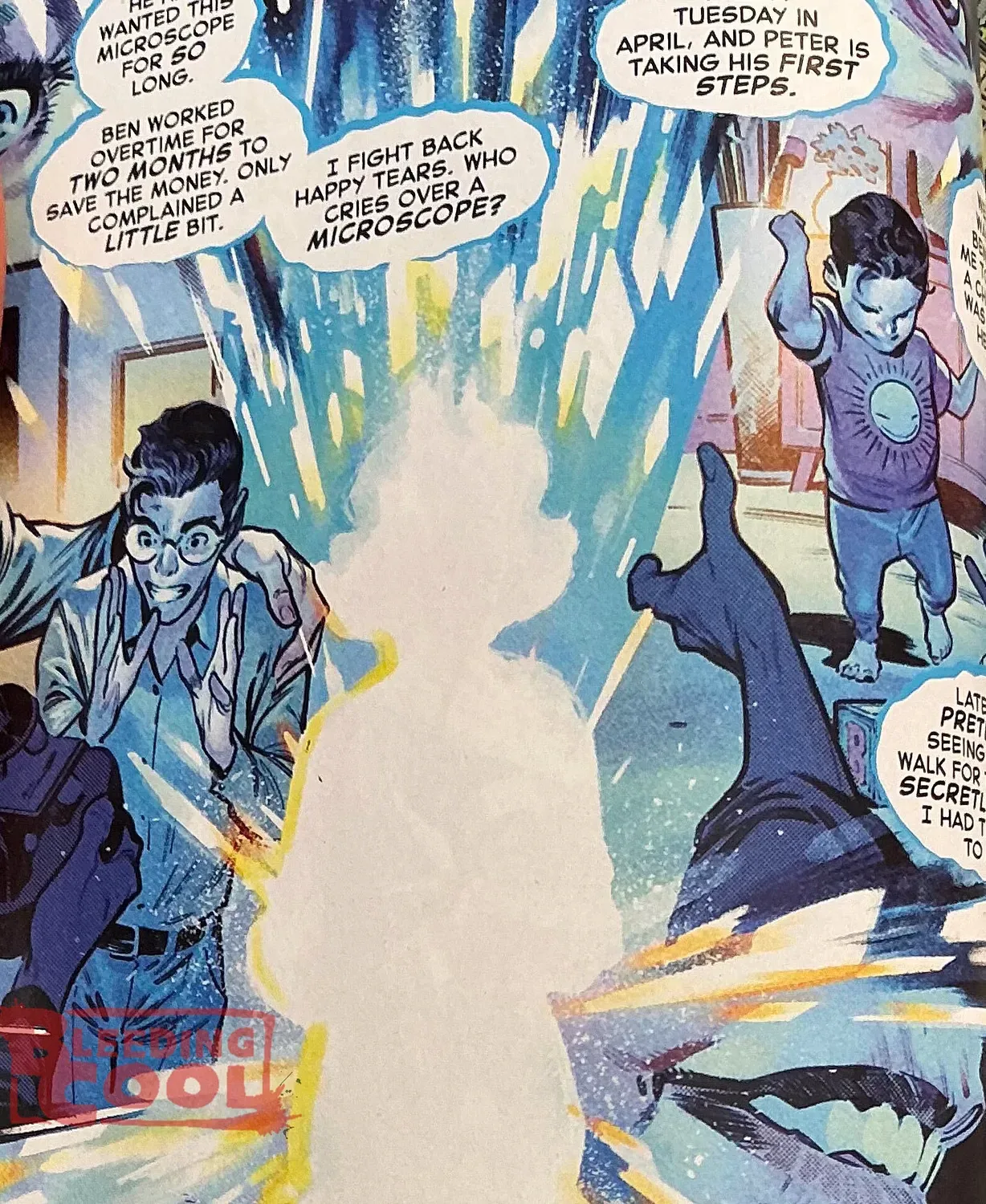
The issue uses that premise to revisit material from Spider-Man’s long publication history. References include Peter getting his microscope back, while Ravage’s attack is framed as stripping away things Peter has lost and hurling them back at him. The point is not simply nostalgic sightseeing. Those details make the villain’s ability concrete: he is attacking Peter through the pieces of continuity that carry emotional meaning.
That makes Ravage’s assault more personal than a typical contest over territory, technology or world-ending destruction. Peter has repeatedly had to carry the consequences of events he cannot undo. A foe who can remove or distort memories attacks the evidence that those consequences mattered to anyone besides Peter himself.
Why Aunt May’s condition changes the stakes
May and Ben are central to Peter’s origin, even when Spider-Man stories are not explicitly retelling it. Ben’s death and the responsibility Peter attaches to it remain defining elements of the character. May, meanwhile, is one of Peter’s deepest remaining links to the life he had before Spider-Man became the all-consuming identity readers recognize.
By establishing Cormac as Ben and May’s biological son, the story introduces a new family relationship with immediate emotional leverage. Cormac is not merely an enemy who has found a way into Peter’s home life. He has been positioned inside the family structure itself. His arrival at May’s bedside before Peter, coupled with her ability to recognize him but not Peter, gives the revelation an unnerving imbalance.
It is not yet clear from the issue’s disclosed events precisely how Cormac acquired his wealth, how extensively his powers have affected his rise, or the full rules and limits of his memory manipulation. Those unanswered questions are likely important. If his power can selectively remove memories, the story can ask whether the family’s understanding of Cormac—and Peter’s understanding of his own history—has already been shaped by interference.
That uncertainty is the engine for the next phase of the story. Peter is confronting a villain whose defining power could make witnesses unreliable, alter emotional bonds, and turn remembered history into hostile material. For a hero whose life has been documented across generations of comics, that is an unusually broad kind of danger.
A giant anniversary issue with a central launch point
Kelly writes the lead story with art by Larraz, and that story functions as both a culmination of their work on the title so far and the launchpad for the Spider-Man-versus-Ravage conflict. The issue’s scale also reflects its #1000 milestone: it includes additional anniversary stories from a broad group of creators, rather than being limited to the Ravage chapter.
Among the announced material, Noah Hawley and Patrick Gleason’s “Still Standing” features an older Peter Parker preparing for one final adventure. J.M. DeMatteis and Humberto Ramos revisit the aftermath of Harry Osborn’s death in “Requiem for a Goblin.” Frank Miller and Peach Momoko pair Spider-Man with the Hand’s deadly ninjas in “Tears of the Spider-Queen.”
The anniversary lineup also includes “The Big Night” by Paul “Triple H” Levesque and Ed McGuinness; Brian Michael Bendis and Stuart Immonen’s Avengers team-up “The Gesture”; Larry Lieber and Giuseppe Camuncoli’s Western-style “Of Webs and Six-Guns”; and Dan Slott and Marcos Martin’s “I Can Never Rest,” which returns to the night of Uncle Ben’s death.
That last story is particularly resonant beside the Cormac Crane reveal. Ben’s death is a foundational event for Peter, while the main story introduces Ben’s biological son as a villain who can seize and repurpose memory. The issue therefore returns to Spider-Man’s history in two different ways: through anniversary stories that revisit pivotal corners of the mythos, and through a new antagonist who can transform the past into a weapon.
Memory loss has also been a useful pressure point for other Marvel characters and teams. In the recently announced Fantastic Four #17 setup, Marvel’s First Family faces a setting where memories are absent. Ravage’s power changes the angle for Spider-Man: it is not merely the absence of recollection, but the possibility that memory can be stolen, controlled and used with intent.
What readers should watch for next
- The limits of Ravage’s powers: The issue establishes memory theft and weaponization, but leaves room for the series to define how he chooses targets and how lasting the effects are.
- May’s recovery and recognition: Her inability to remember Peter is the most immediate personal consequence of Cormac’s attack, and resolving it is likely central to Peter’s response.
- Cormac’s family history: As Ben and May’s biological son and Peter’s cousin, Cormac’s place in the Parker family is now inseparable from the conflict.
- The meaning of the recovered and stolen artifacts: Peter’s microscope and other continuity-spanning references suggest Ravage will keep drawing on tangible symbols of Peter’s past.
- Whether the past can be trusted: If memories can be altered or taken, Peter may have to determine which parts of his own history remain secure.
Amazing Spider-Man #1000 is available first through Local Comic Shop Day stores, before its September 30, 2026 wider comic-shop and digital release. Its $9.99 format delivers a major anniversary package, but the most consequential development is clear: Ravage is Cormac Crane, and his battle with Spider-Man begins by making Peter’s family—and Peter’s memory of what family means—the battlefield.
Shop the products
Check current price, model and availability at the retailer.