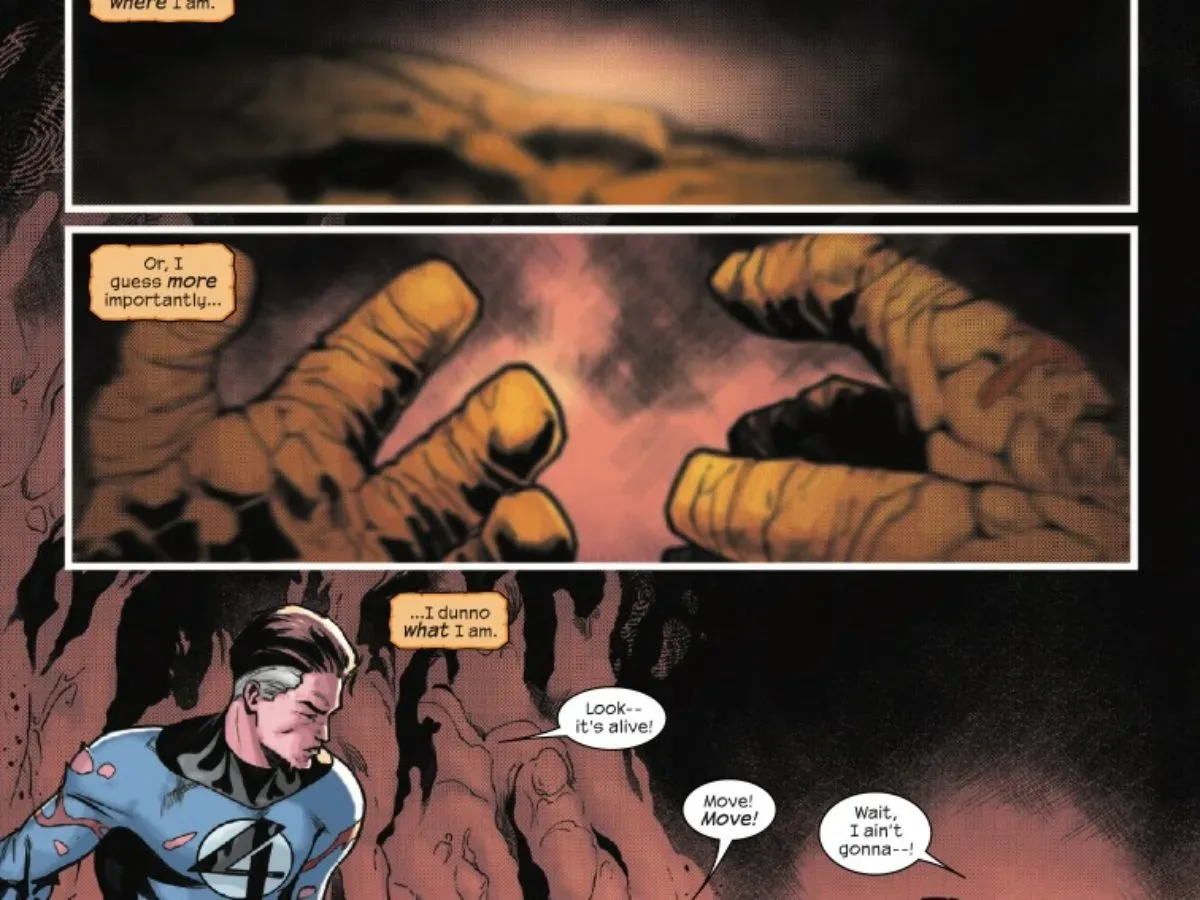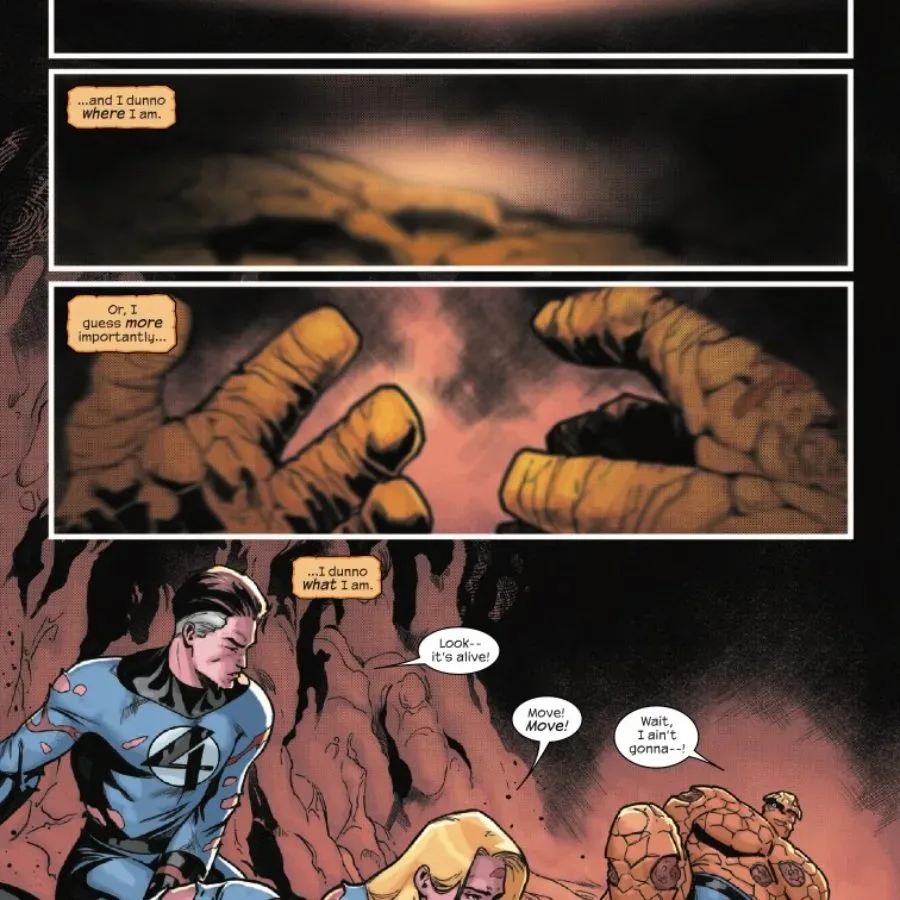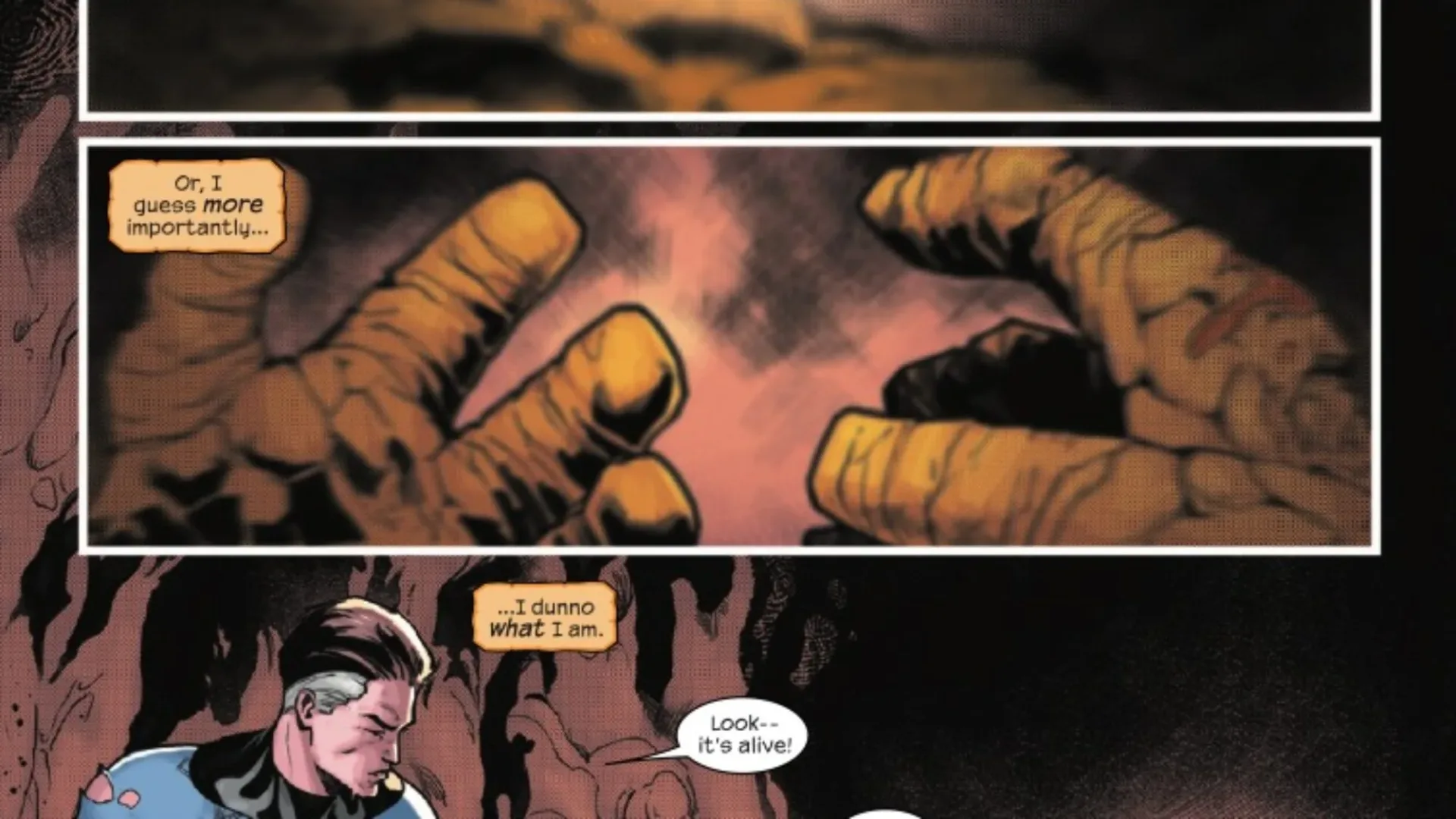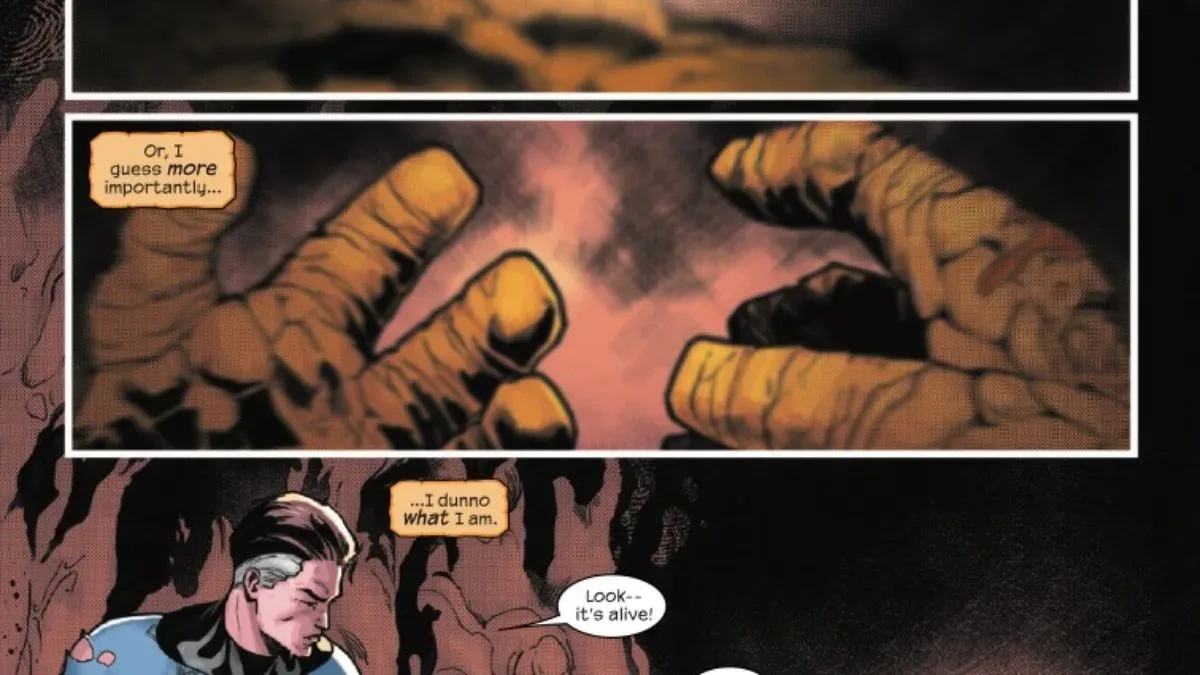
Fantastic Four #17 is set to turn one of Marvel’s most recognizable teams into a group of strangers. The issue, a tie-in to the DNX crossover, begins with the four heroes injured in a strange cavern, unable to remember how they arrived and, more troublingly, unable to remember their own identities.
That setup gives the issue a sharply different starting point from a conventional super-team story. The characters retain unusual physical abilities, but the knowledge that would let them interpret those abilities—and one another—is missing. A rock-skinned man, an elastic older man, and the team’s matching emblems are clues rather than familiar facts. Their powers are not immediate advantages when the people using them do not understand who they are, what their limits might be, or whether the others beside them can be trusted.
Marvel lists the 32-page issue for release on September 30, 2026, at $4.99 in the US. It is rated T. Ryan North is credited as writer, Vincenzo Carratu as artist, and Humberto Ramos as cover artist.
The mystery begins with injuries and a warning
The core question is not simply why the Fantastic Four have lost their memories. Each member has suffered serious injuries, and burns among those wounds appear to point toward the team’s youngest member. In ordinary circumstances, readers would have a ready explanation for fire-related damage around Johnny Storm. Here, however, even the characters cannot confidently identify him, his abilities, or his relationship to the others.
That uncertainty makes the burns more than a visual detail. They create suspicion inside a team whose defining feature is usually its family dynamic. If the person who caused the burns is among them, was it an accident, an attack, or a necessary act of survival? The premise does not answer that question in advance, and the amnesia means the group cannot lean on personal history to settle it.
Reed Richards appears to carry the most direct warning: the word “SURVIVE” has been written in blood on his arm. The message is both simple and unsettling. It suggests that whatever happened before the team woke up remains an active danger. It also establishes a survival-horror edge without identifying the threat, its rules, or whether it is still inside the cavern with them.
What amnesia changes for a superpowered team
Amnesia is a familiar fiction device, but its use with the Fantastic Four has a specific practical effect. The team’s powers are conspicuous. A body made of rock and limbs that stretch beyond normal human limits are difficult to dismiss, even without names or memories. Yet visible powers do not supply context. The characters must work out what they can do, who they were to one another, and whether the strange environment is connected to their condition.
The solicitation frames the team’s identities as a puzzle built from physical evidence. Their shared uniforms and symbols indicate a connection, but not necessarily the nature of that connection. The four are not entering the story as experienced heroes with a plan; they are gathering clues from wounds, clothes, bodies, and a single bloody instruction.
That distinction matters for the suspense. A conventional crisis allows a seasoned group to divide jobs based on established trust and expertise. In this scenario, every observation must be tested. One character’s power could be helpful, dangerous, or evidence against them. The source material’s focus on the youngest member’s possible involvement means that even a recognizable power associated with fire becomes a reason to worry.
The cavern is more than a backdrop
The unknown cavern places the characters in a confined setting with limited information. That is useful for a mystery because the group cannot easily step away from one another or consult outside allies. It also keeps attention on their immediate condition: injuries, incomplete memories, and the possibility that the danger originates within the group.
The premise offers a compact set of story questions:
- What caused the Fantastic Four to lose their memories?
- How did they reach the cavern?
- Who inflicted the injuries, including the burns?
- Why was “SURVIVE” written on Reed’s arm?
- What does the DNX connection add to the situation?
Only the issue can resolve those questions. The available setup identifies DNX as the crossover context, but does not explain the event’s mechanics or reveal the force responsible for the team’s predicament. Readers should treat the cavern, the burns, and the blood-written message as hooks rather than confirmed answers.
A DNX tie-in built around disorientation
A crossover tie-in is an issue connected to a broader event storyline. That can mean the main plot is influenced by the event, its setting, or its consequences. In this case, the DNX label is explicitly attached to Fantastic Four #17, while the preview material deliberately withholds the nature of the threat. The result is a tie-in premise that is immediately understandable at the character level: four injured people have no memories and need to survive long enough to determine what happened.
That accessibility may be especially useful for readers approaching the issue from the event side rather than from an ongoing Fantastic Four run. The central circumstances do not require a lengthy explanation to establish stakes. The heroes’ lack of knowledge becomes the story’s viewpoint, allowing discoveries to arrive as the group reconstructs the basics of their own situation.
At the same time, the concept puts pressure on character interaction. The Fantastic Four’s familiar identities are temporarily unavailable to them, so the issue’s tension must come from the pieces they can still show under stress: instincts, judgment, humor, caution, fear, and the ways they respond to someone they may have reason to suspect.
Preview material indicates that the group tries to reason from what is in front of them, including their distinctive bodies and matching costumes. That can create moments of levity amid the ominous premise, but it also underlines the seriousness of their condition. Recognizing that they are connected is not the same as knowing whether they are safe together.
Creative team, format and variant covers
North and Carratu lead the issue’s credited interior creative team, with Ramos on the main cover. Marvel’s listed format is a standard 32-page comic book. The announced variant options are:
- Alex Ross Timeless Virgin Sketch Variant
- Olivier Vatine Variant
- Alex Ross Timeless Virgin Variant
- Giuseppe Camuncoli Muppets Variant
All listed variants carry the same $4.99 US price. Variant covers provide alternate cover art for the same issue; they do not, based on the supplied listing, indicate separate story editions or additional pages. Readers interested primarily in the narrative can choose the cover they prefer, while collectors may want to check with their preferred comic shop about ordering and availability.
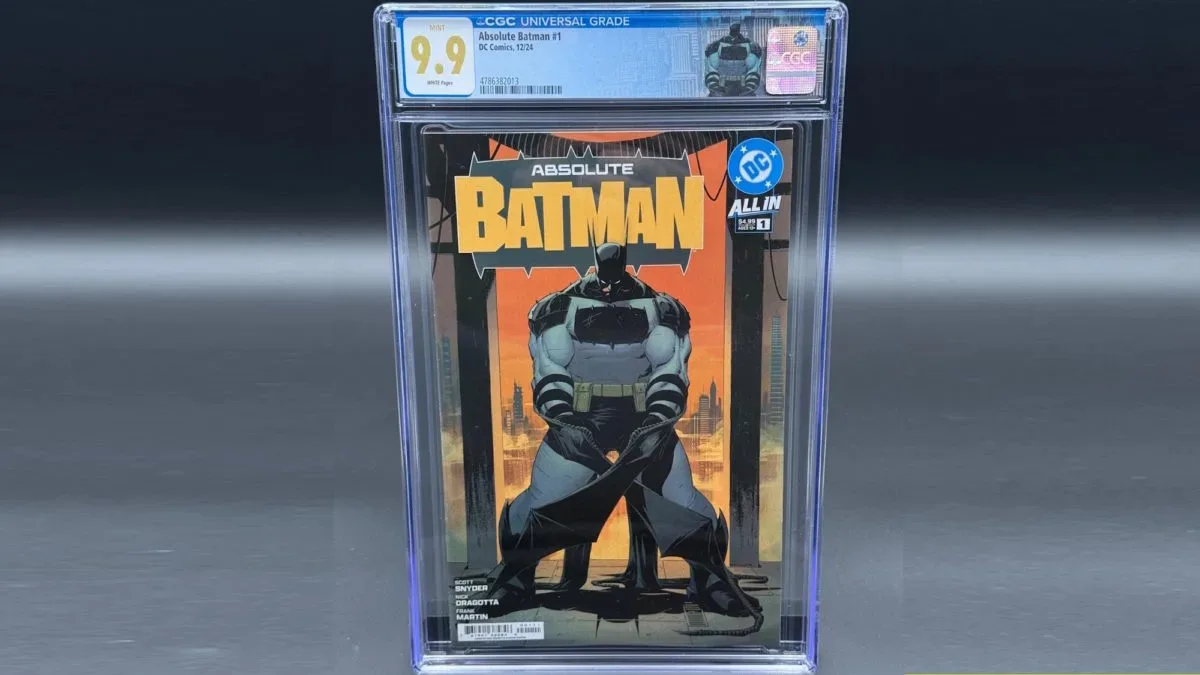
For a broader example of how condition and demand can shape attention around a modern superhero issue, see this report on an Absolute Batman #1 CGC 9.9 sale. That is a separate comic and market situation, not an indication of future value for Fantastic Four #17.
What readers can reasonably expect
Fantastic Four #17 promises an identity mystery first: a team with unmistakable powers but no understanding of the people behind them. The injuries establish urgency, the burns introduce the possibility of betrayal or an uncontrolled incident, and the message on Reed’s arm makes clear that staying alive is the immediate priority.
The promotional material also emphasizes surprise, so the responsible party and the larger DNX implications remain intentionally unrevealed. What is known is straightforward: the Fantastic Four are together, hurt, trapped in an unfamiliar environment, and unable to rely on the memories that normally make them a family. For a team often defined by mutual history, that is a potent place to begin.