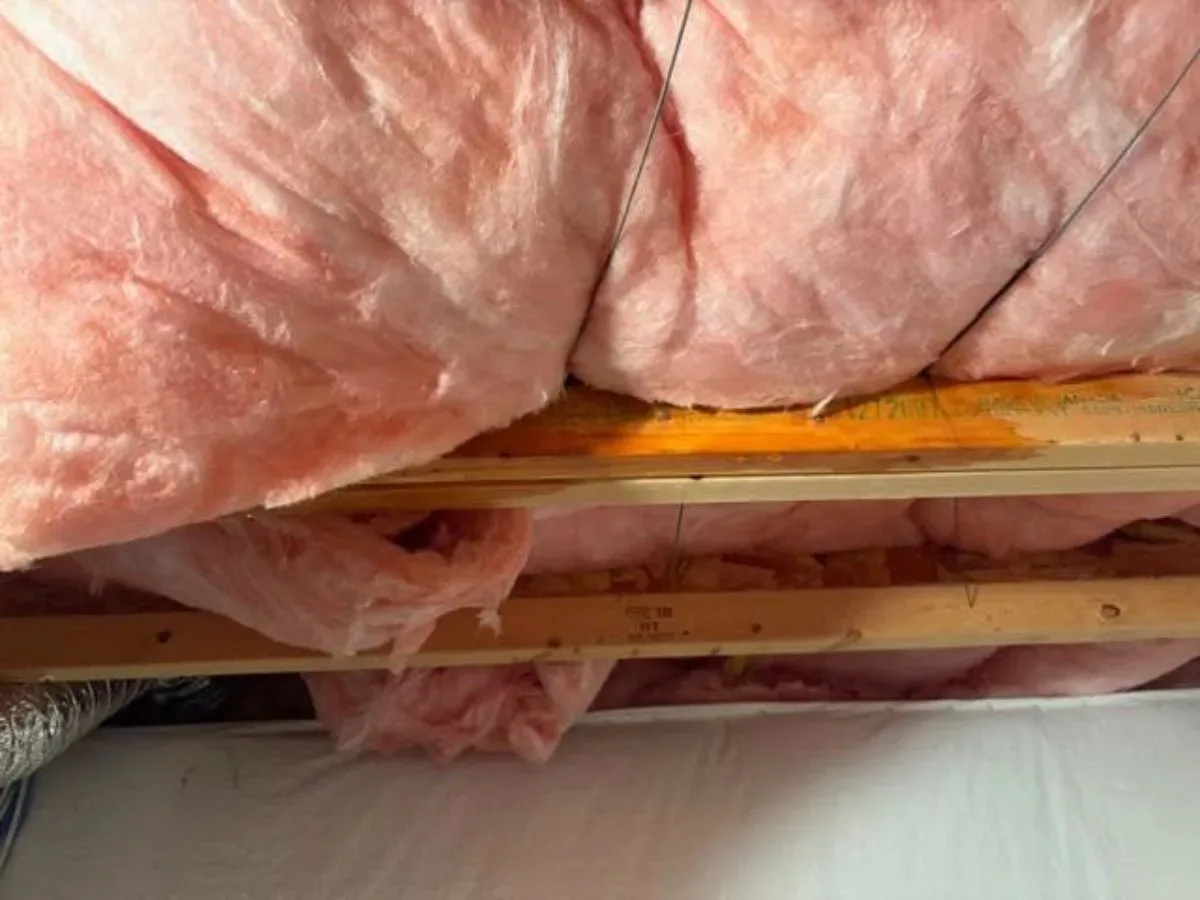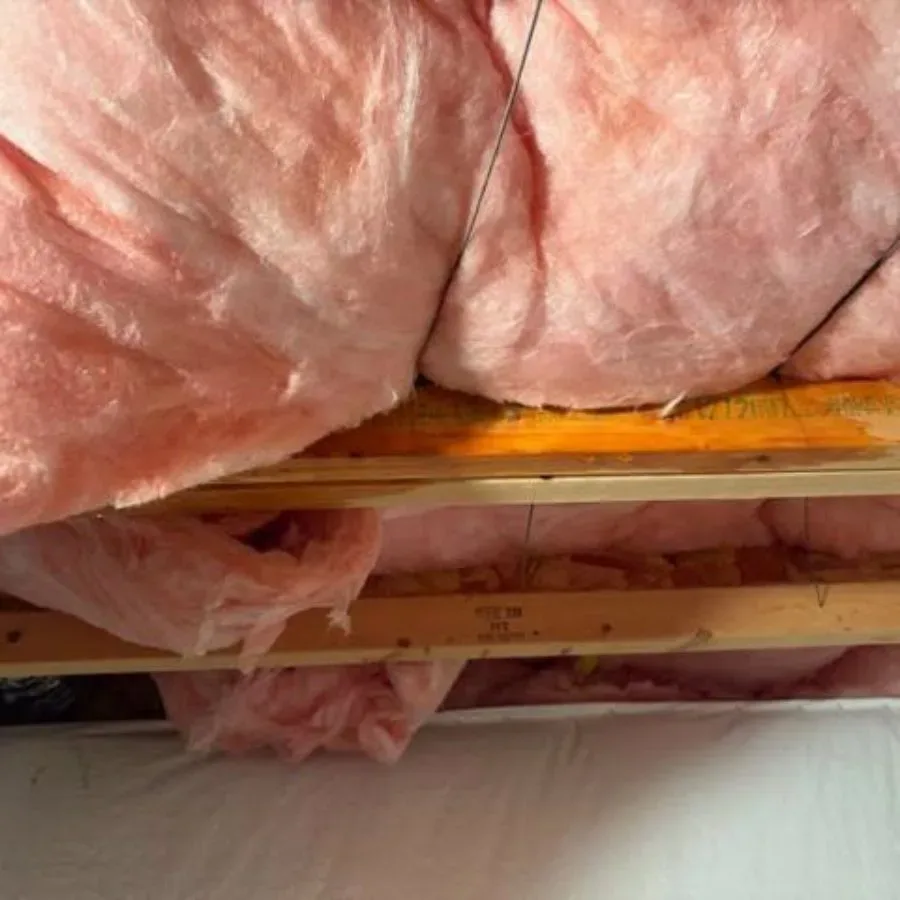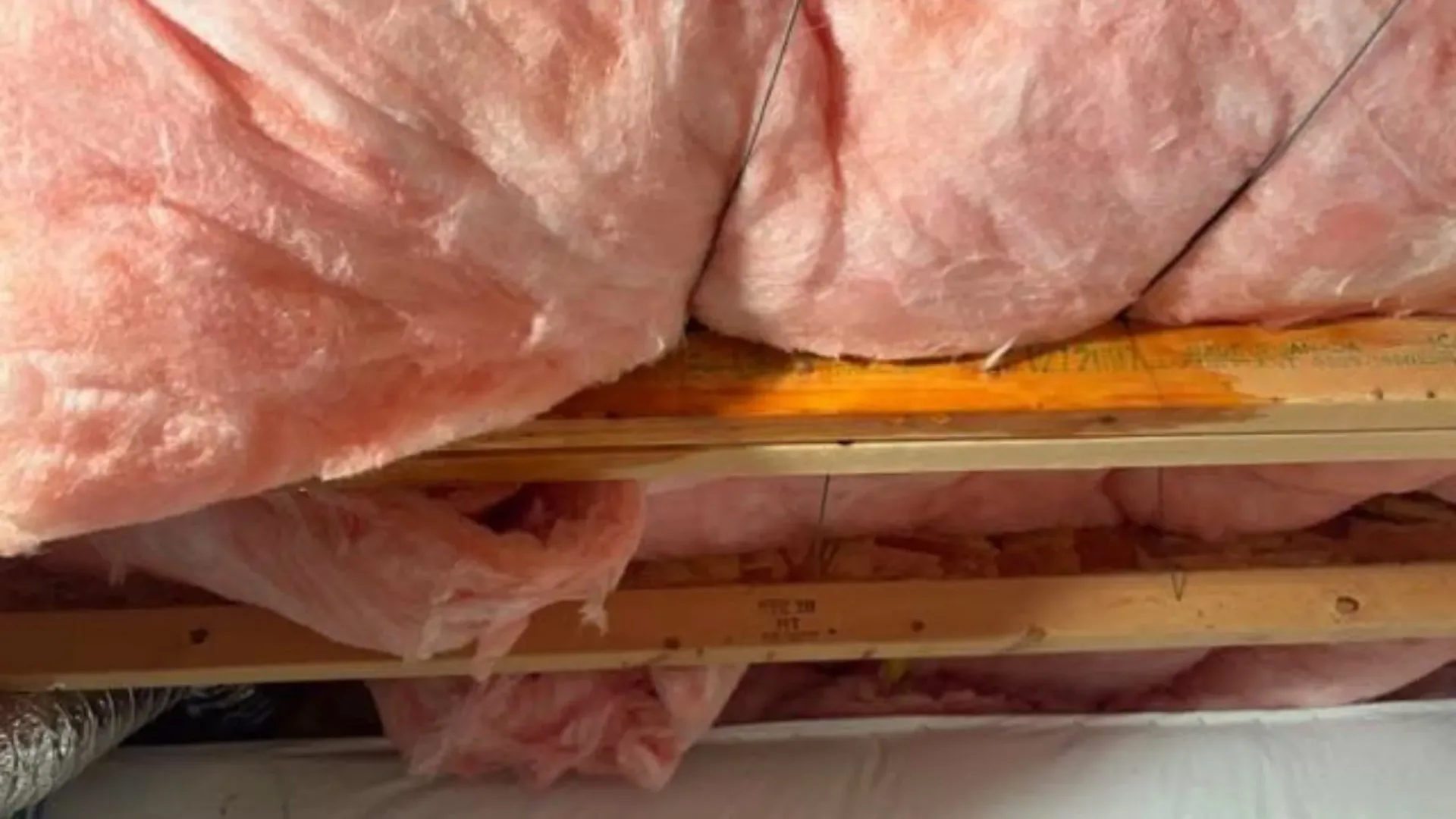
A comic store basement leak became a costly warning about the vulnerable side of physical collecting after water reached stored Magic: The Gathering singles, comic boxes and packaged figures. The immediate loss was measured in soaked cards and damaged packaging; the eventual plumbing bill was reported at more than $900. The unexpected cause, identified after a plumber inspected the line, was a mouse that had chewed through plastic piping.
It is the kind of calamity collectors can picture instantly: cardboard tipped onto a wet floor, cards adhering to one another, and water appearing nowhere near the actual break. Yet the details matter. This was not simply a pipe dripping visibly over a single box. Water reportedly traveled along wood and insulation after escaping from a line that passed through a drilled opening, then dripped at multiple points in the room. That made the origin difficult to see and turned a storage area into a much wider damage zone.
A late-night discovery, then a race against saturation
The leak was discovered at about 1 a.m., after a previously puzzling water mark on a comic had already raised concerns. In the basement furnace room, boxes had fallen onto their sides and water was underfoot. Comic boxes belonging to the owner and boxes used for Magic: The Gathering singles were at floor level.
The first response was to look for an obvious overhead source, including the bathroom, before shutting off the main water valve. From there, the work became triage: separating material that was plainly ruined from items that might still dry, moving what could be moved, and bagging sodden material. In the account, some Magic cards were stuck to the floor while others had turned into wet clumps. Waterlogged bags became extremely heavy, illustrating an unglamorous but important part of any flood response: moving damaged inventory can itself become physically difficult and risky.
That effort happened on new-comic day, with little sleep and the normal demands of running a store still waiting. The disruption was bigger than the inventory in one room. With the home water shut off, routine preparation had to shift to the store. The owner also warned customers via the store’s Facebook page that the day’s operation had been affected.
Why the leak was so hard to trace
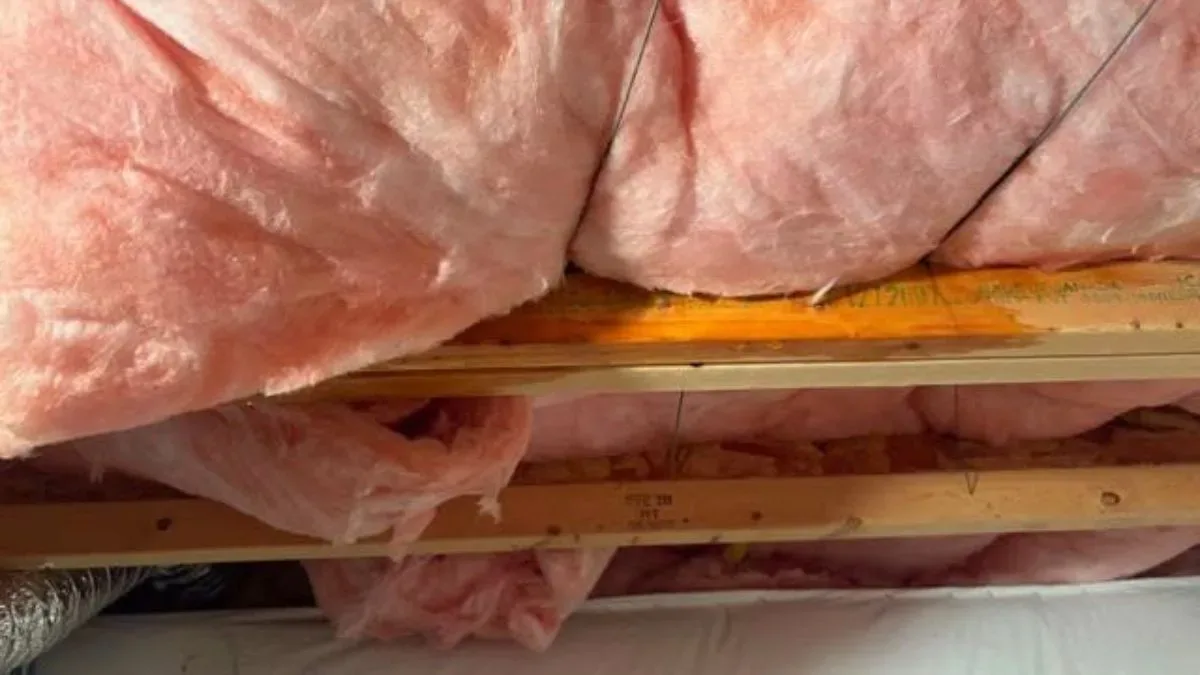
A key detail is that the water was not necessarily emerging directly beneath the damaged pipe. The leaking plastic line ran through wood, and the hole’s placement prevented a clear view of the breach. Water then followed the wood across the room before dripping at different locations.
That is an especially nasty setup for people storing paper goods. A collector or retailer may see a drip and reasonably assume the source is directly above it; this incident shows why that assumption can fail. The first visible sign may instead be a damp item some distance away, followed by water that has already spread across the floor or into boxes.
An attempt to locate and tape the leak while standing on a step stool did not solve the problem, and the owner slipped and fell during the effort. The episode is a useful boundary between urgent salvage and repair work. Shutting off the water and moving material were immediate necessities in this case; accessing an obstructed, concealed pipe was a different job. Once the plumbing was evaluated, the repair could proceed with a clear diagnosis.
The damage that matters beyond the cards
Magic cards took the most direct hit in the account, with many described as ruined. But trading cards were not the only concern. Packaged action figures were also affected: moisture caused the cardboard backing to begin curling. Weight was placed on the backing cards in an attempt to limit the warping.
For physical collectibles, “the item” is often not the whole object. A figure may remain intact while the cardback that identifies it as sealed, displayable or complete becomes visibly compromised. Likewise, a trading card’s surface, corners, stock and separation from adjacent cards all matter. When water makes cards adhere to one another, the result is more than a cosmetic problem: trying to pull them apart can create further damage. The account does not put a dollar total on the inventory loss, so it is important not to invent one. It does establish, however, that a substantial number of Magic cards were lost.
Comic books, cards and figure packaging share a basic vulnerability: paper-based materials absorb moisture. In this case, ordinary storage boxes did not protect contents once they were in contact with the basement floor. The warning is not that collectors should assume every basement will flood, but that a storage plan is only as secure as its exposure to water, plumbing and pests.
The mouse revelation—and the Superman connection
When a plumber arrived the following day, the root cause was identified as a mouse-chewed plastic pipe. The owner had not known there was a mouse issue, and the plumber was reportedly surprised by it as well. The next planned purchase was mouse traps.
The visit also contained an almost absurdly on-brand comic-shop coincidence. The plumber noticed a Superman Christmas ornament among the items displaced from the furnace room and said he was related to Brandon Routh, the actor who played Superman in Superman Returns. For a cleanup story involving a comic store, a mouse and a damaged pipe, that brief Superman detour is the sort of strange connective tissue that only makes the wider mess feel more surreal.
It does not change the practical problem, of course. The line needed repair, water needed to be turned back on to carry out the work, and that meant more water on the basement floor after attempts had already been made to dry the area by increasing the heat.
Insurance is part of the calculation, not an automatic answer
The plumbing repair cost was more than $900. The owner expressed reluctance to make an insurance claim for the inventory, citing concern that a claim could lead to coverage being dropped. That is a concern voiced in this particular account, not evidence that a policy cancellation will happen or that all insurers treat claims alike. No policy terms, coverage decision or inventory valuation were provided.
Still, the hesitation highlights a real practical complication for small retailers and collectors: deciding whether damage meets a policy’s threshold for a claim can be separate from the question of whether the damaged items matter personally or commercially. The incident did not end with the discovery of the leak; it moved into cleanup, repairs, pest prevention and an uncertain inventory reckoning.
What collectors can take from this incident
This account does not supply a universal flood-prevention formula, but it does offer several grounded lessons about the points at which the loss escalated.
- Floor-level cardboard is exposed first. The Magic singles boxes and comic boxes were touching the floor when the leak was found. The incident demonstrates why the bottom of a storage room deserves just as much attention as shelves and display cases.
- Unexplained water marks deserve attention. A water-damaged comic noticed the day before became a clue that something was wrong, even though an earlier inspection had not revealed water in the furnace room.
- Water can travel before it drips. Wood and insulation carried water away from the concealed leak, so the visible wet areas were not a reliable map to the broken section of pipe.
- Packaging needs its own rescue assessment. The curling action-figure backings show that a collectible can suffer a meaningful condition loss even when the figure itself is not submerged.
- Pest issues can overlap with collection protection. The reported mouse-chewed pipe makes pest prevention relevant to more than cards, paper and boxes; it can affect the infrastructure surrounding them.
There is an unavoidable irony in a story where carefully sorted singles and collectible packaging were put at risk by something as mundane as a hidden pipe breach. Physical collections are full of rare art, game history and personal memories, but their safety can hinge on cardboard placement, a concealed water line and a pest no one knew was present.
For readers who primarily keep comics in digital form, display and reading trade-offs are very different from the storage problem here; our guide to the best Kindle options for manga and comics covers that separate question. This basement incident, though, is a reminder of why physical cards, comics and sealed figures remain uniquely demanding to keep: once water enters the equation, condition can change in a matter of hours.