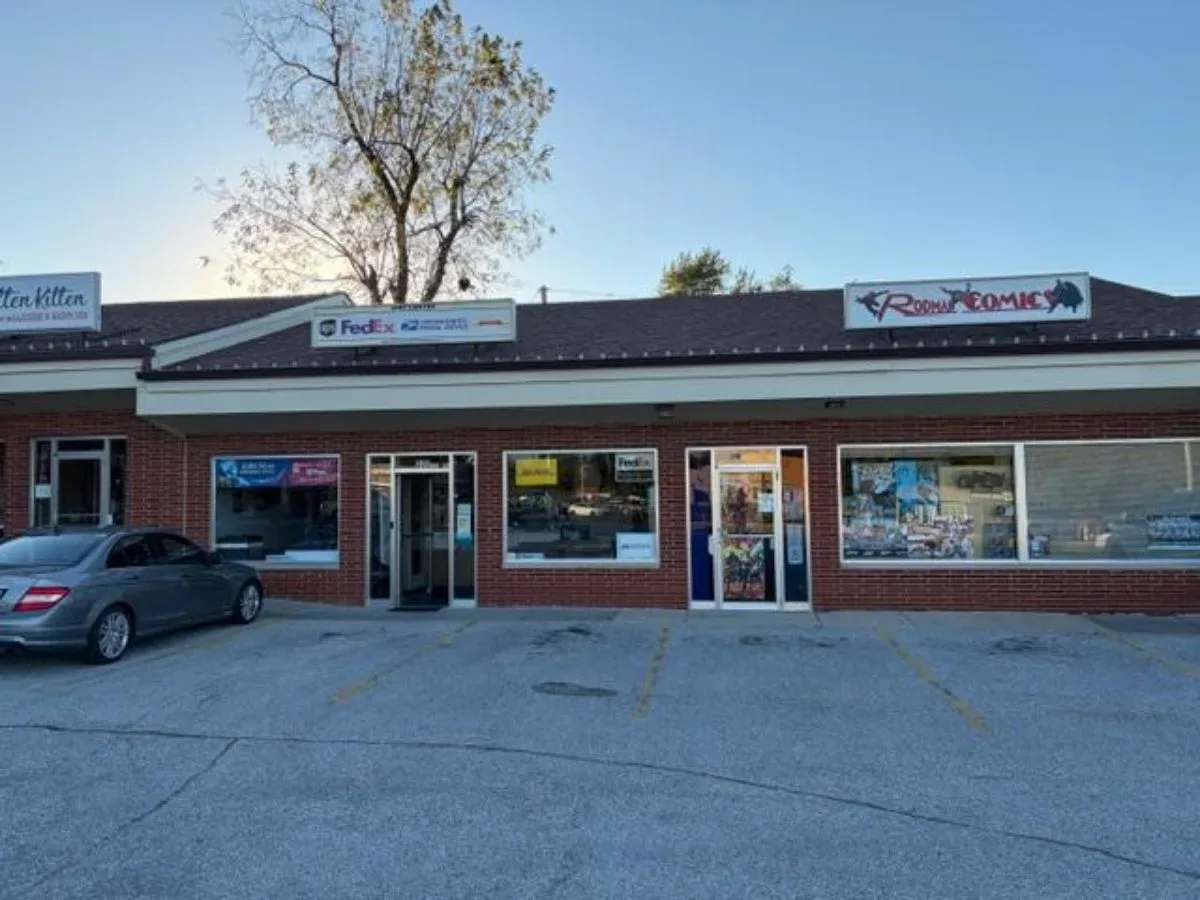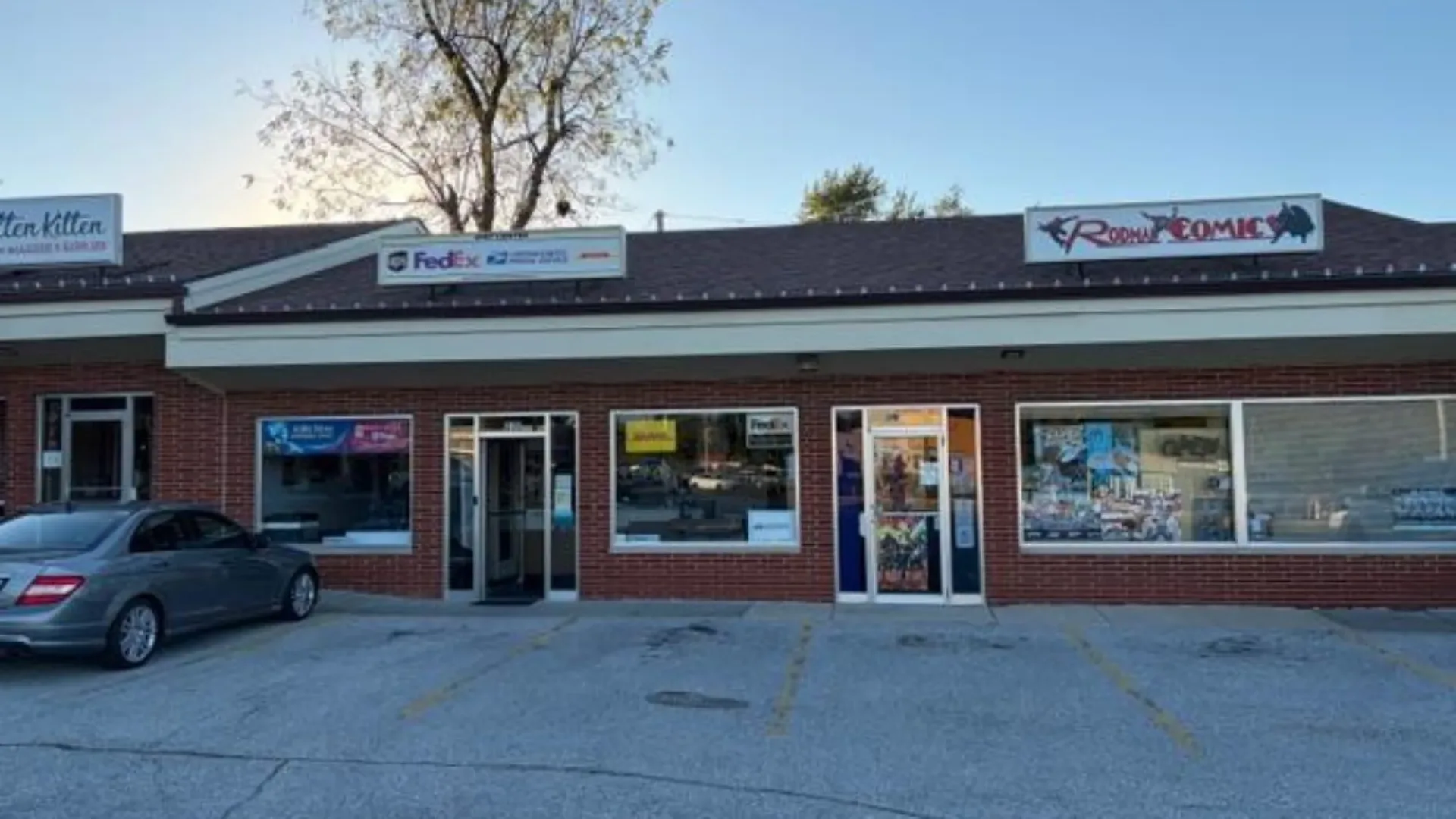
Opening a comic shop can look deceptively straightforward from the customer side: shelves of new issues, a wall of back issues, card games, familiar faces and a register ready for the weekly pull-list crowd. The operational reality is considerably less romantic. A phone line can go dead during a provider change. Internet access can disappear alongside card processing. A power outage can turn a normal business day into a day where the doors may be open but sales are effectively impossible.
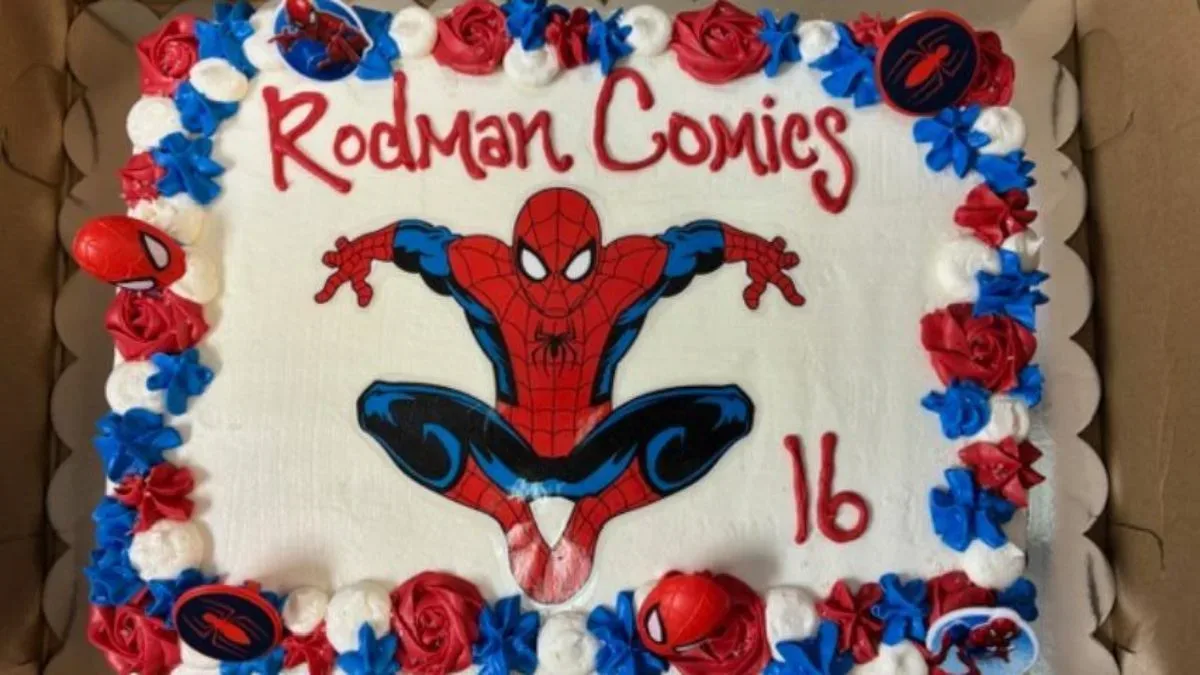
Those are the kinds of problems that make a useful corrective to the idea that retail success is simply a matter of stocking popular books and waiting for fans to arrive. One veteran Iowa shop owner, whose store has operated for 16 years, frames the business as a collection of choices made under uncertainty. Some challenges are controllable; plenty are not. The key lesson is not that a shop can prevent every setback. It is that it needs a clear reason to exist when things are working, and enough discipline to survive when they are not.
The unglamorous threat: a store cannot transact when its systems fail
In the examples shared, a switch in service providers resulted in the prior provider cutting off internet and landline service after 6 p.m. on a Wednesday—the same time its customer-service line closed. Customers who rang the number heard a message suggesting it was no longer in service, quickly producing rumors that the shop had closed.
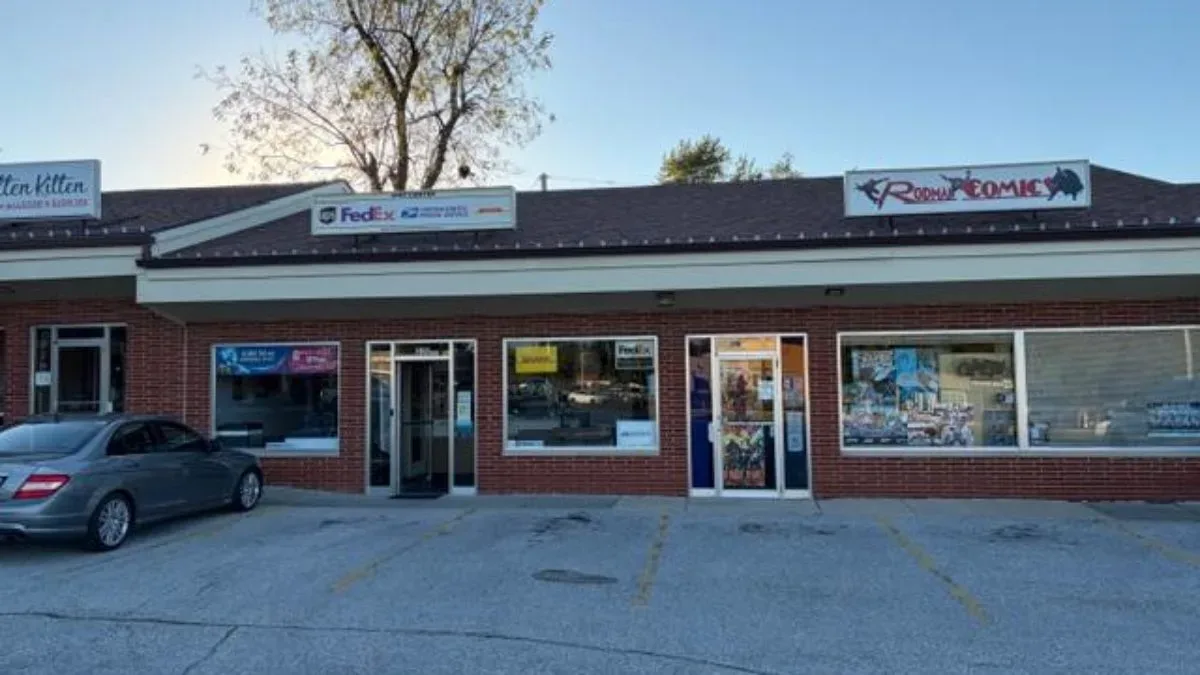
That is a sharp illustration of how a technical interruption becomes a reputational problem. To customers, an unavailable number is rarely interpreted as a billing or migration glitch. It can look like a vanished business. Meanwhile, a later power outage affecting 1,228 people, including businesses in the same strip mall, created a zero-sales day because the store could not operate its registers or card readers.
Card reader is the everyday term for the payment terminal that accepts debit and credit cards. It is a small piece of hardware with an outsized role in modern specialty retail: if it cannot connect and the register cannot operate, a shop may have inventory and interested buyers but no practical way to complete the sale. The problem is not a lack of demand. It is that the route between demand and revenue has broken.
There is no miracle business lesson hidden in a blackout. The more meaningful point is that a store’s performance should not be judged as though every lost sale reflects a bad buying decision, a disliked product line or an indifferent staff. Provider failures, utility outages and similar disruptions can erase a day of sales without saying much about the underlying health of the business.
Do not build a clone next door
The clearest strategic advice is geographic: avoid opening immediately beside an established comic shop simply because that location already has genre-minded shoppers. The concern is cannibalization, a retail term for a new business taking sales that otherwise would have gone to a close competitor—or, in the case of multiple locations under one owner, to an existing branch. Either way, the neighborhood may not gain enough new demand to support both stores well.
That does not mean nearby rivals can never coexist. A newer shop might outlast a prior business. But outlasting a competitor is not the same as proving that the market supported the expense and risk of a direct fight. The owner’s account notes that a shop can sometimes “win” locally at a cost that makes the victory look wasteful, while another might survive mainly because the earlier owner leaves the business.
A better starting question is: What audience is underserved, and what will this shop offer that nearby retailers do not? Waukee, Iowa, is described as a potential expansion area because it has no comic or gaming store, despite being near West Des Moines and resembling Ankeny in relevant ways. Yet even a seemingly promising gap does not automatically justify a second site. Staffing remains the limiting factor.
That is an important distinction. A map can reveal an unserved area, but it cannot provide trustworthy employees, cover scheduling gaps or protect a business from an expensive bad hire. The retailer’s blunt assessment is that poor employees can cost more than great employees add. Expansion, then, is not merely a question of whether there are potential customers. It is also a question of whether the operation can be run well.
Customers are also more mobile than a simplistic territory map suggests. People travel from Des Moines to shop in Ankeny, while Ankeny customers go to Des Moines for comics. Stores do not need to sit across the street from one another to compete for the same readers. Proximity matters, but a store’s product mix, service, reputation and atmosphere can pull people across municipal lines.
Differentiation can be wonderfully mundane
The most memorable reason to choose one comic shop over another does not have to be an elaborate event program or a rare collectible behind glass. Sometimes it is a small service that removes a chore. In this case, the model is free bags and boards with each new comic purchase.
Bags and boards are protective supplies used for individual comic books. A bag encloses the issue, while a rigid board supports it and helps limit bending. For readers and collectors who routinely protect new purchases, receiving both at the register eliminates an extra purchase and the task of bagging and boarding books later at home.
That practice originally turned the shop owner into a regular customer at Dragonfire Comics, and it has become part of the service proposition at Rodman Comics. It will not appeal to everyone. Some shoppers may not want the materials; others may become impatient with any additional time involved in handling comics at checkout. But the point is not universal approval. The point is that the offer makes the store meaningfully distinct to people who value it.
This is a useful test for a prospective shop: if a customer visits two stores in sequence, can they readily explain why they would return to one rather than the other? “We also sell new comics” is not an answer. A store needs to identify the practical convenience, niche inventory, buying policy or customer experience it intends to make its own.
That identity should be chosen deliberately, not redesigned around every complaint. The retailer’s view is unapologetic: some people will appreciate a decision, some will dislike it, and some will complain regardless. A business that tries to satisfy every preference risks becoming indistinguishable and operationally incoherent. Customer feedback matters, but it is not a command to discard every policy that irritates someone.
Buying collections is opportunity with real risk attached
Buying comics and cards directly from the public can be a strong part of a specialty store’s business. It brings in inventory, can produce profitable resale opportunities and encourages sellers to think of the shop as the place to take material when they want to liquidate a collection. A reputation for actively purchasing material can create its own supply pipeline.
It also creates a serious risk: stolen goods are easy to move when they are portable, desirable and difficult to identify at a glance. Comics and trading cards fit that description. The retailer recounts an incident in which another shop purchased Magic: The Gathering cards stolen from his own store. A customer who visited both shops recognized them and informed the buyer after the seller left.
There were warning signs. The seller was unfamiliar to the shop, and the cards included prize support, meaning items intended to be distributed at gaming events rather than normally sold as ordinary stock. The owner of the other store offered to sell the material back to the business it came from. Police guidance later made clear why that would have been the wrong move: a theft victim should not have to buy back their own property.
The anecdote does not support an easy rule that unfamiliar sellers are criminals; it specifically acknowledges that even known customers can bring in stolen material, and that a person may not know an item was stolen before receiving it. Nor does it say stores should stop buying from the public. Instead, it captures a difficult trade-off: direct purchasing can make money and broaden inventory, but it demands judgment, caution and a willingness to notice red flags.
For collectors, that is a reminder that the local store is not merely a place to browse new releases. It is also an intermediary trying to balance access to secondhand material against responsibility for where that material may have come from. For prospective owners, it is an argument against treating used buying as an effortless route to margin.
Hype, dismissal and the difference between talk and sales
Specialty shops live with volatile enthusiasm. The account describes Pokémon as a roller coaster: a hobby that can seem to be fading before returning forcefully. One telling recent detail is a Best Buy sign stating that the retailer was out of Pokémon. That does not establish a universal forecast for the market, but it does underline the danger of reading a category’s future from a quiet spell alone.
The same gap appears between pre-release conversation and actual buyer behavior. Comic-shop sales charts can show how quickly attention shifts among new releases, but the broader retail lesson here is that disdain is not a sales report. Absolute Batman drew mockery from some readers and nevertheless became a major success for DC. Similarly, Magic players may dismiss a set before launch, then embrace it once the wider community has done so.
That is not an argument for ignoring customers or stocking every controversial product. It is an argument for separating opinion from behavior. A comment thread, a counter conversation or a pile-on before release may be useful market color. It is not the same thing as evidence that people will or will not spend money.
The retailer reduces the ultimate business measurement to a hard, unsentimental standard: if something makes money, it is working. That does not mean profit is the only human value in a comic shop. Community, trust and enthusiasm plainly matter in a hobby business. But rent, invoices and payroll cannot be settled by online approval. The people owed money care whether payment arrives, not whether a store has accumulated praise.
There is no single right store model
The practical value of this advice is its refusal to pretend there is one foolproof blueprint. A shop can make sensible choices and still face closure. It can experience a day with no sales because the lights, internet and card processing are unavailable. It can find an apparently vacant local market but lack the staff required to serve it. It can build goodwill through free comic protection, then encounter customers who object to the very process someone else finds valuable.
What an owner can do is make the controllable choices visible: select a market rather than merely chasing a rival; articulate a service difference; be careful buying used stock; accept that personnel decisions carry real financial stakes; and avoid mistaking noise for demand. That is not a cheat code for comic retail. It is more demanding than that—an insistence on paying attention, adapting as hobbies ebb and return, and giving customers a concrete reason to walk through one particular door.