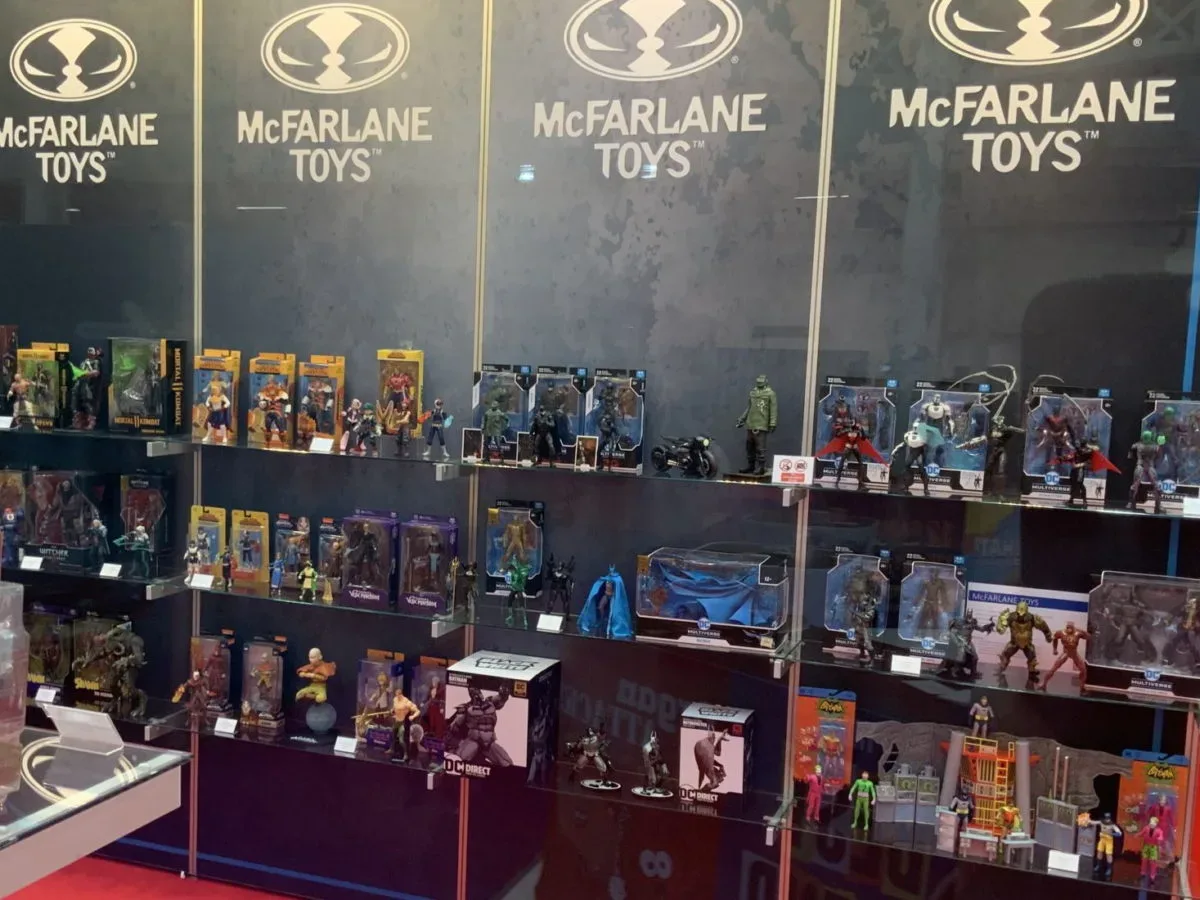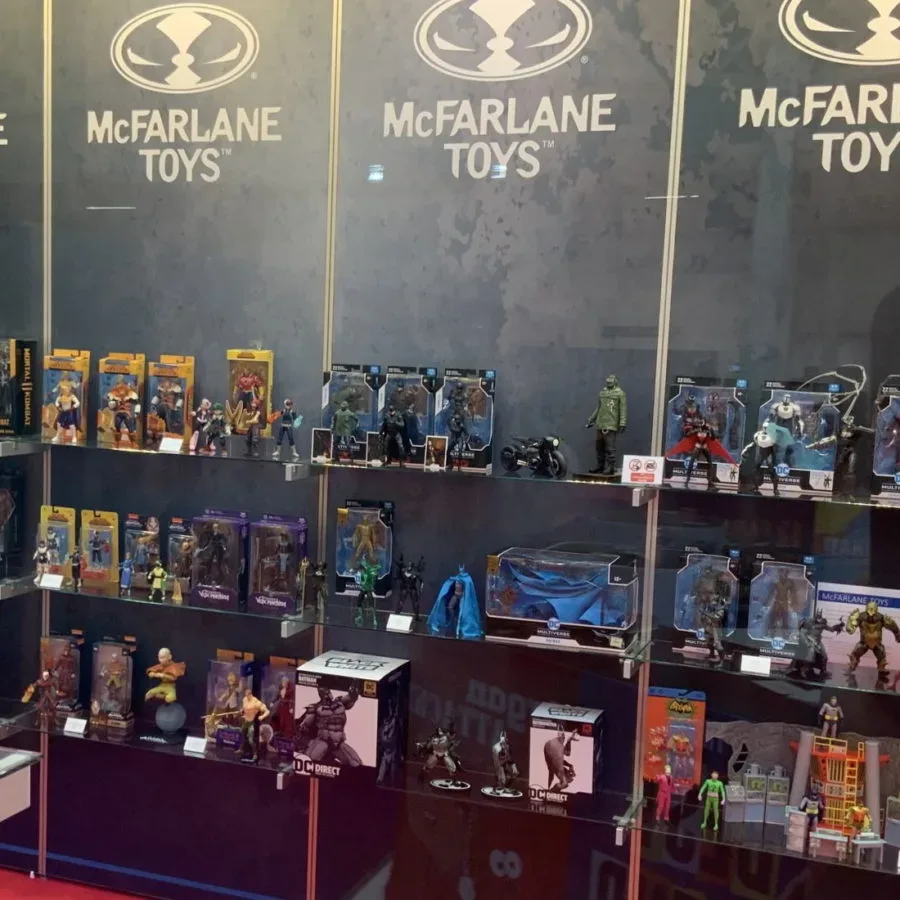
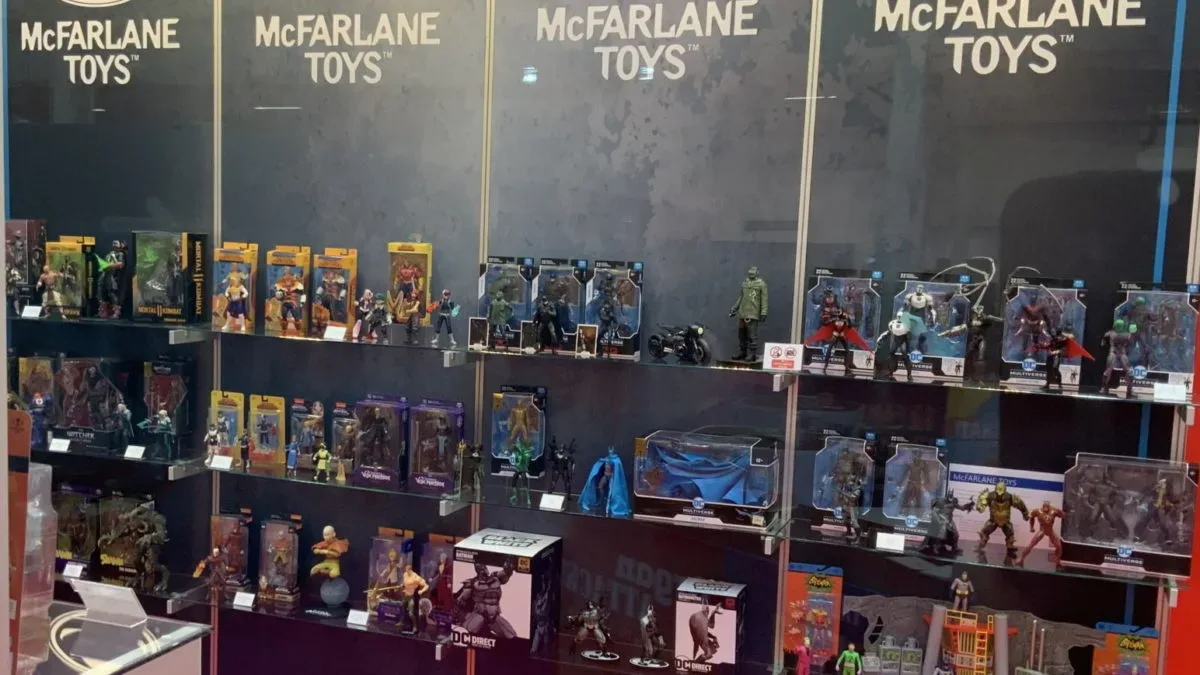
McFarlane Toys is entering a consequential new chapter. Gladstone Investment has acquired a majority stake in the action-figure company founded by Todd McFarlane, while McFarlane retains an equity position alongside chief executive Stephan Tetrault. For collectors, the important immediate point is restraint: a majority investment is not evidence that the company is shutting down, nor does it tell us which lines will be expanded, reduced or redesigned. It does, however, put the company’s business pressures—and its opportunity to adapt—into much sharper focus.
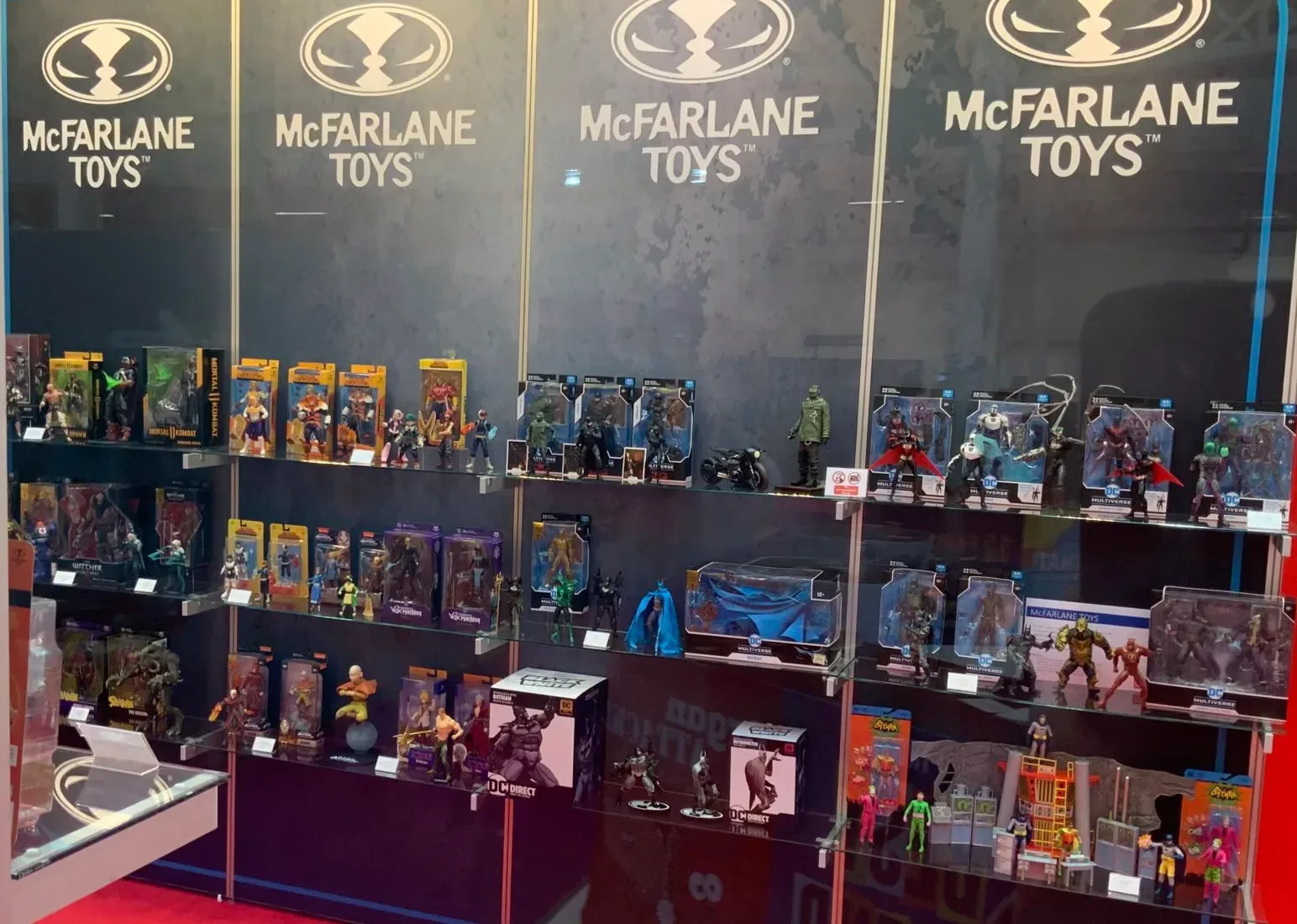
The transaction combines a $41.8 million loan with $14.3 million in preferred equity. It arrives as McFarlane Toys contends with higher costs connected to tariffs and prepares for the loss of its DC license to Mattel at the end of the year. DC has been a prominent part of McFarlane Toys’ catalog, so the transition is not a minor licensing adjustment. It is a strategic challenge for a company whose detailed, collector-oriented figures have been especially visible through the DC Multiverse range.
What changed—and what did not
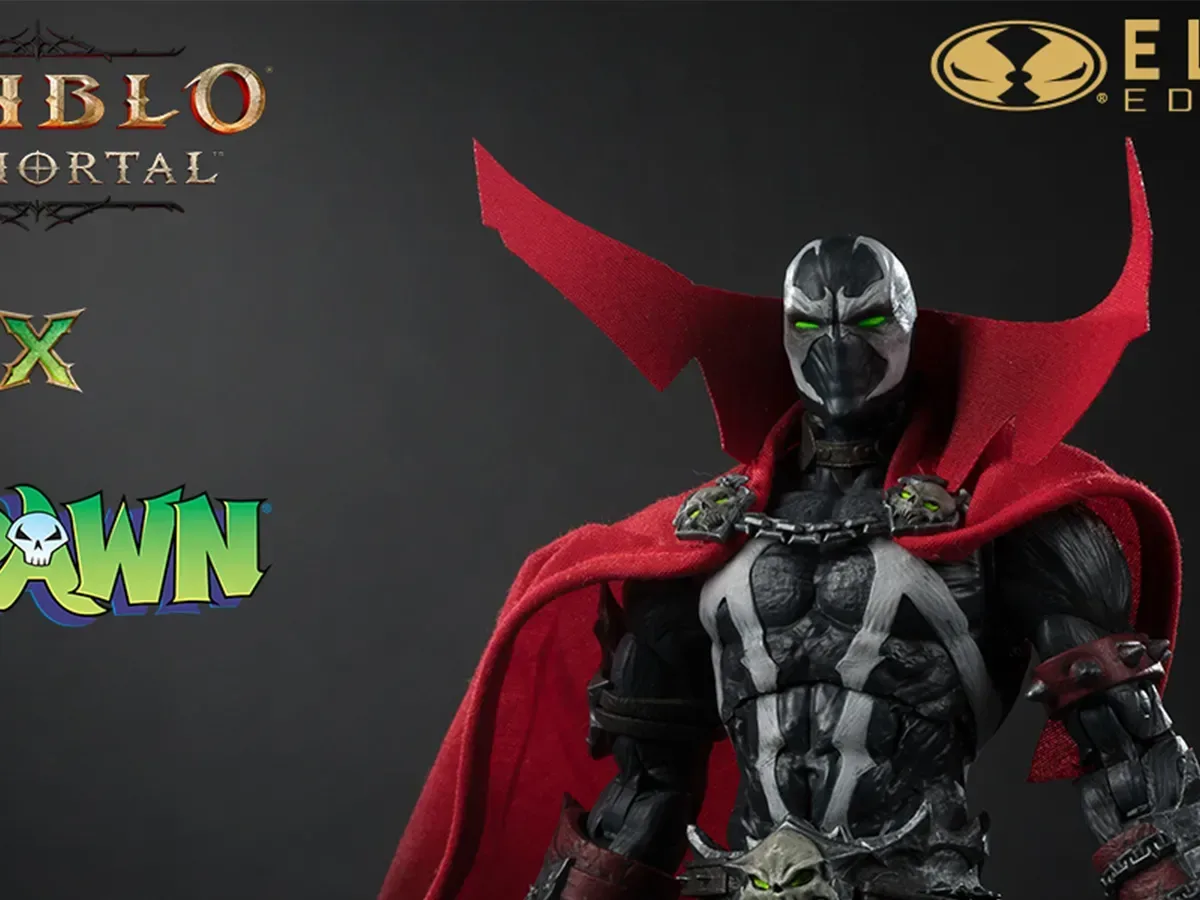
Todd McFarlane established McFarlane Toys in 1994 after dissatisfaction with the proposed designs for a Spawn toy line handled by Mattel. After taking the rights back, he built a business that became known for highly detailed figures. Over time, the company worked across a wide selection of licenses, including DC, Marvel, KISS, major American sports leagues, The Simpsons, Game of Thrones, and other film and television properties.
That history matters because it shows McFarlane Toys is not synonymous with one brand, even if DC has been central to its recent collector presence. The company already has a Marvel license and retains licenses spanning other media properties. Still, the scale of DC sales has not been publicly disclosed, which makes it impossible to calculate precisely how much revenue must be replaced after the license moves. The sensible reading is not that replacement is impossible; it is that there is no publicly identified equivalent license waiting in the wings.
The ownership structure also deserves plain language. A majority stake means Gladstone has obtained controlling ownership. It does not mean Todd McFarlane has exited the business. Both McFarlane and Tetrault still have equity, meaning they retain a financial ownership interest. That alignment can matter: owners who remain invested may still share in the upside if a business grows, while also bearing some risk if it struggles.
Collectors should avoid treating social-media shorthand such as “sold” or “dead” as a full explanation of the situation. The disclosed arrangement describes a recapitalization and change in majority ownership with continuing equity for existing leadership—not a declaration that McFarlane Toys is ceasing operations. New DC releases are still due this year, even as the company approaches the end of that license.
Why tariffs and the DC transition create real pressure
McFarlane Toys said in 2025 that it was raising the price of its DC Multiverse line to $24.99 because of 20% tariffs on products made in China. Newer seven-inch DC Multiverse figures in the company’s online store now range from $24.99 to $34.99. A price rise is easy to observe from a buyer’s perspective; the harder business question is how much of a higher production cost customers will accept before buying fewer items or becoming more selective.
Tariffs are charges applied to imported goods. In practical terms, they can increase a company’s landed cost—the total cost of bringing a product into the market after manufacturing, shipping-related expenses and import duties. A brand can attempt to absorb that added cost, cut costs elsewhere, raise retail prices, or use some combination of all three. None is frictionless. Absorbing it can compress profit; cutting costs can affect operations or product choices; and raising prices can test demand.
That environment makes the DC license change more significant. A major licensed range can supply predictable recognition at retail and a constant stream of character options. Losing it means McFarlane Toys will need to navigate a new portfolio mix while its pricing is already under pressure. Existing licenses and new releases may help, but the available information does not establish a specific replacement strategy or identify a similarly large incoming property.
This is also why a new capital partner may be useful. A licensing transition is not just about putting different characters in packages. It can involve planning future releases, managing inventory, funding tooling and production, building distribution plans, and determining which collector segments to prioritize. Capital cannot guarantee a winning assortment, but it can give a company more room to manage a difficult pivot than a business operating without additional financial backing.
Gladstone is not simply “venture capital”
It is understandable that fandom can react nervously when an investment firm takes control of a beloved collector brand. But the labels matter. Gladstone is described as a Business Development Company, or BDC, rather than a venture-capital firm. In broad terms, a BDC is structured to provide capital to smaller and mid-sized companies. That can include lending money and holding equity stakes, which is exactly the combination visible in the McFarlane Toys arrangement.
McFarlane Toys is expected to represent about 3.9% of Gladstone’s holdings and rank as its 10th-largest holding. The firm’s wider portfolio includes companies in very different industries, such as perimeter-security products, oil-and-gas pressure-management systems and bowling-center equipment. It also has investments in toy-adjacent businesses, including Schylling, associated with products such as lava lamps, squishy toys and Big Wheel, and Old World Christmas, an ornament maker.
That portfolio does not demonstrate how McFarlane Toys will be run day to day. It does show that Gladstone is accustomed to businesses outside a single consumer category and already has exposure to toy and gift-oriented companies. For fans, the takeaway is neither automatic reassurance nor automatic alarm. It is a reminder that this is a financial partnership with a commercial objective: Gladstone expects its debt and ownership position to generate a return.
For a wider look at how corporate decisions can reshape entertainment-facing businesses, Joking Joystick’s report on Bandai Namco’s planned closure of Reflector Entertainment illustrates why ownership and investment news is worth following beyond the initial headline.
The debt portion, explained without the panic
Gladstone’s $41.8 million loan is first-lien debt. A lien is a legal claim connected to assets used as security for a loan. “First lien” means the lender has priority over other creditors with respect to the specified collateral if a borrower defaults. The particular assets securing this debt have not been disclosed in the available information.
That priority is a protection for the lender, not a prediction that a default will happen. There is no stated reason to conclude that McFarlane Toys is currently facing bankruptcy. Debt is a normal financing tool, but it does create an ongoing obligation: the borrower has to make interest payments and eventually address the principal according to the deal’s terms.
The exact interest rate for McFarlane Toys has not been disclosed. An estimate based on rates at several other Gladstone portfolio companies suggests a potential cost around SOFR plus 9%, or roughly 13% at the referenced time. SOFR, the Secured Overnight Financing Rate, is a benchmark based on overnight borrowing secured by U.S. Treasury securities. If McFarlane Toys borrowed at about that estimated rate, annual interest on $41.8 million would be approximately $5.4 million. That remains an inference, not a confirmed term of the deal, and readers should keep the distinction clear.
The $14.3 million preferred-equity component works differently from a loan. Preferred equity is an ownership interest that typically has priority over common equity for certain financial claims, depending on the agreement. It can offer an investor a higher place in the payout order than ordinary shareholders, while still allowing it to participate in the company’s potential upside. The coexistence of debt and preferred equity means Gladstone has more than one route to a return: interest from lending and potential value from ownership.
Why Funko is relevant, but not a forecast
Gladstone has prior experience with a recognizable collectibles company: Funko. In 2013, affiliated Gladstone funds provided Funko with $17.5 million in debt and equity financing. Funko subsequently moved to a new ownership group, Fundamental Capital, before ACON Investments acquired it in 2015. Gladstone sold its Funko stake at a significant profit. ACON later backed Funko’s 2017 initial public offering.
That story is relevant because it demonstrates that Gladstone has previously backed a collectibles business through a transitional ownership period. It is not proof that McFarlane Toys will follow the same path. Funko’s own public-market story was uneven: its 2017 IPO had a notably poor first day, its shares later reached $31.05 in 2018, and they were trading at just over $7 at the time referenced in the available material. Even a successful investment exit for one financial partner does not mean every later phase of the same company’s life is smooth.
The most responsible use of the Funko comparison is therefore narrow. It suggests Gladstone is familiar with financing and eventually exiting a consumer collectibles investment. It does not establish a timetable, an IPO plan, a product strategy or a guaranteed turnaround for McFarlane Toys.
What collectors can realistically watch next
The next signals will come from products and execution rather than the ownership headline alone. Collectors can watch how McFarlane Toys handles its remaining DC releases during the final year of the license, whether pricing continues to shift, and which existing or future licenses gain a more prominent role. Announcements around scale, articulation, distribution, character selection and release cadence would all help reveal how the company intends to compete after DC moves on.
It is equally important not to infer unannounced moves. Nothing in the disclosed financing establishes that a particular line will be cancelled, that prices will go up again, that a new major license has been secured, or that the company will copy its past approach with Spawn, sports figures, film properties or Marvel. Those remain open questions.
What is known is substantial enough: McFarlane Toys has new backing, a controlling investor, continuing equity involvement from its founder and CEO, tariff-related cost pressure, and a looming loss of a significant license. Gladstone’s investment gives the company capital and a partner with previous collectibles-sector experience. Whether that combination produces a stronger post-DC identity will depend on choices that have yet to be publicly detailed.