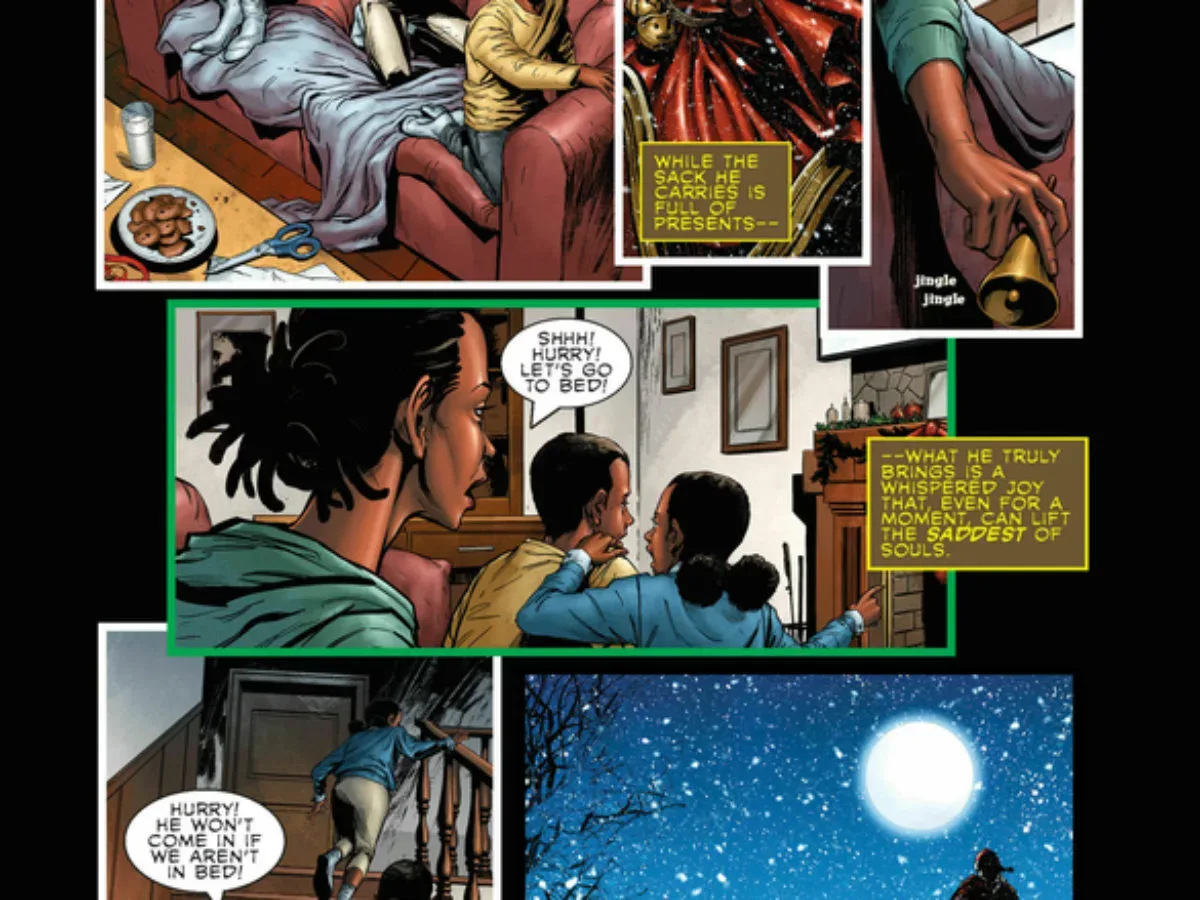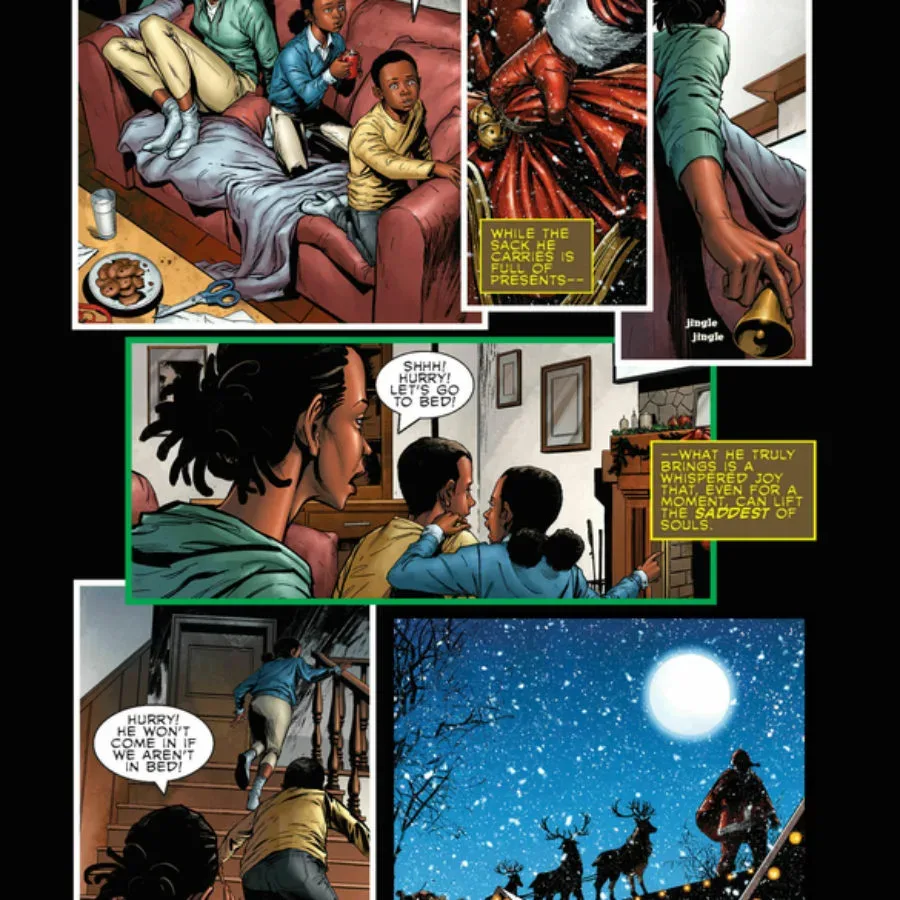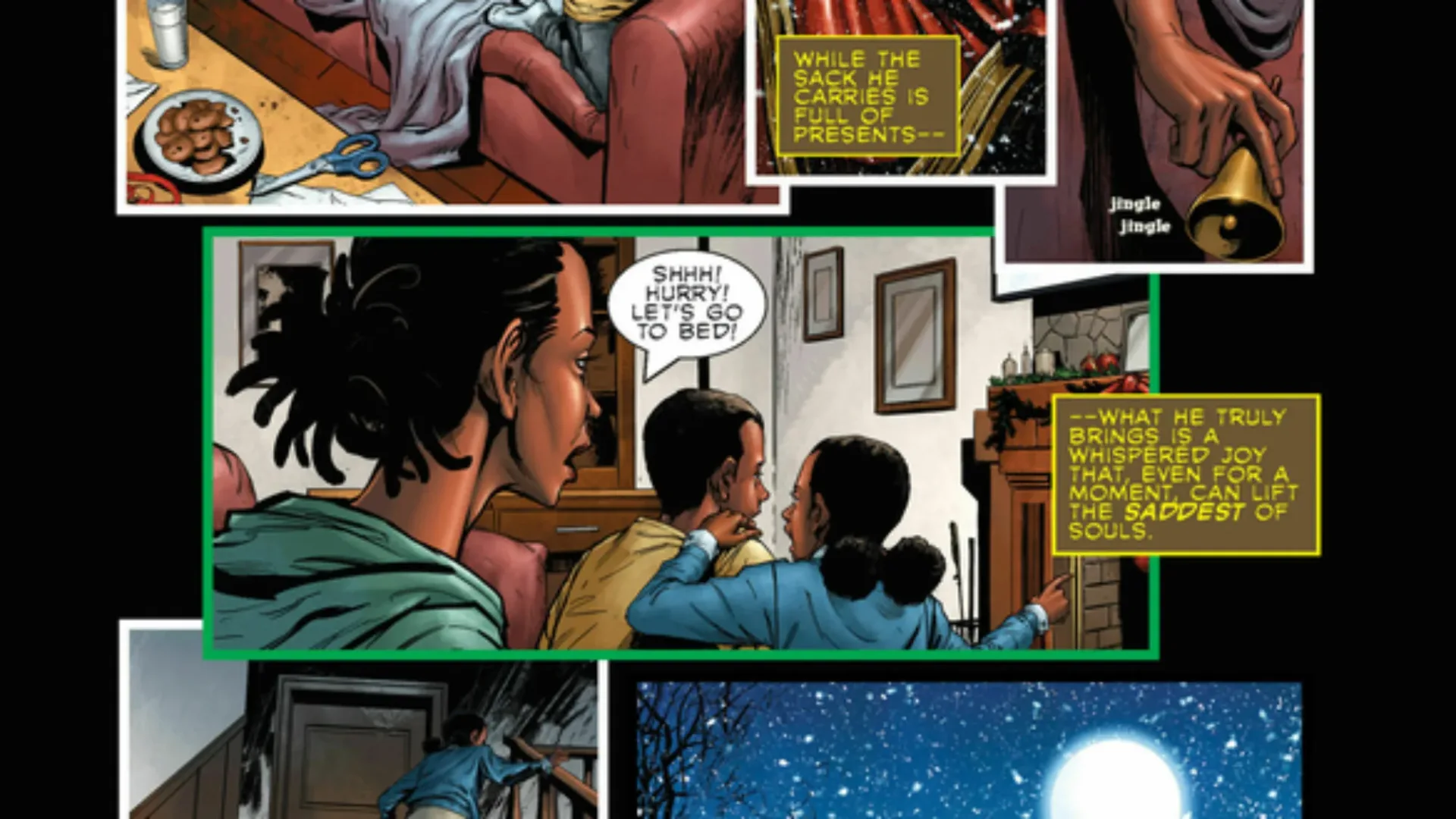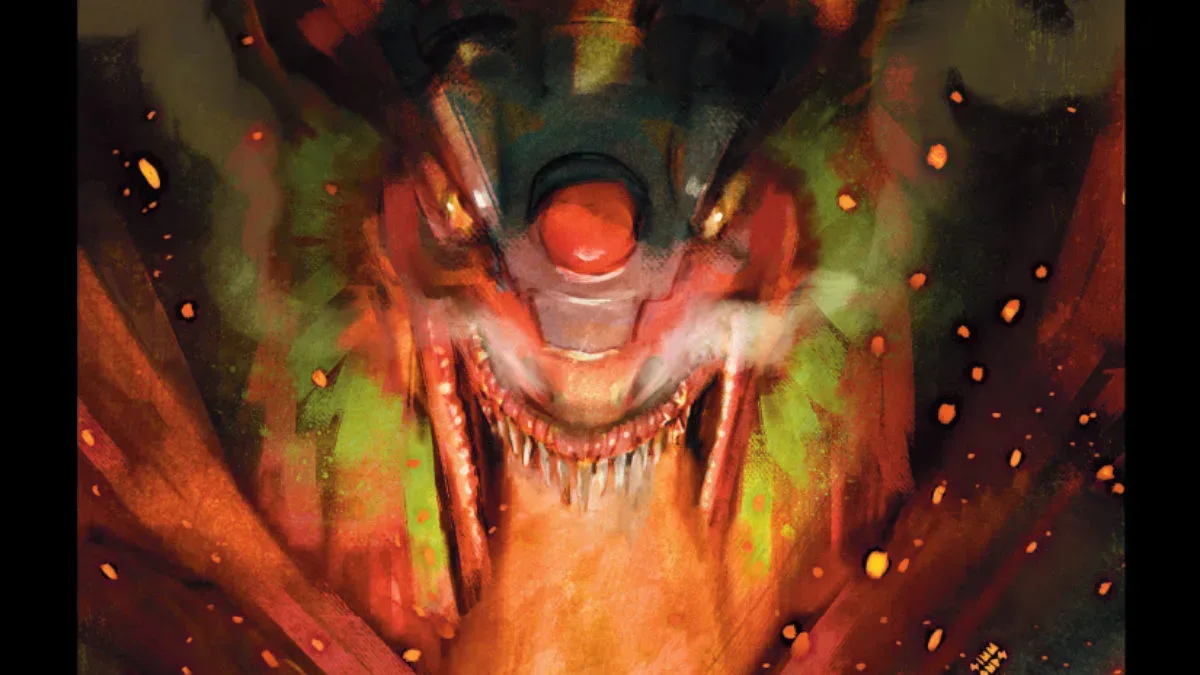
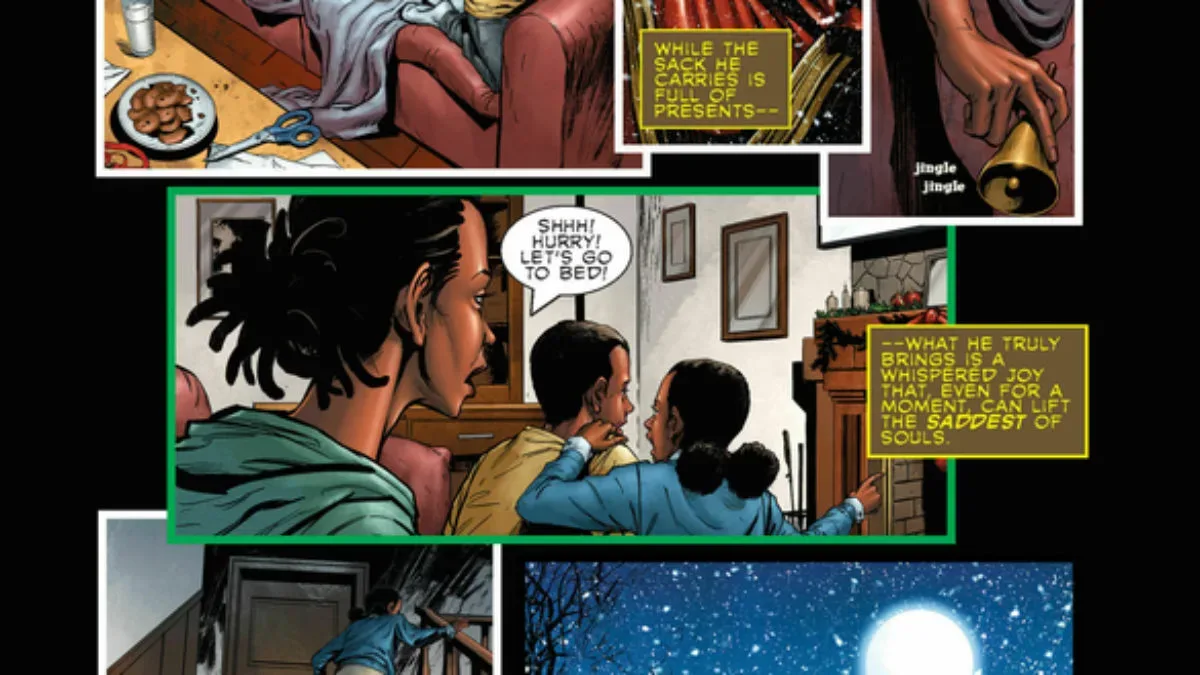
Spawn is heading somewhere considerably colder than the usual haunted alleys and infernal battlegrounds. I Saw Spawn: A Twisted Christmas Tale #1, a new holiday-horror comic from Image Comics, is scheduled to reach comic shops on November 11, 2026. The one-shot follows a massacre at the North Pole whose marks point to serial killer Charlie Kohl, putting Santa Claus on an investigation that leads toward a growing darkness inside his own workshop.
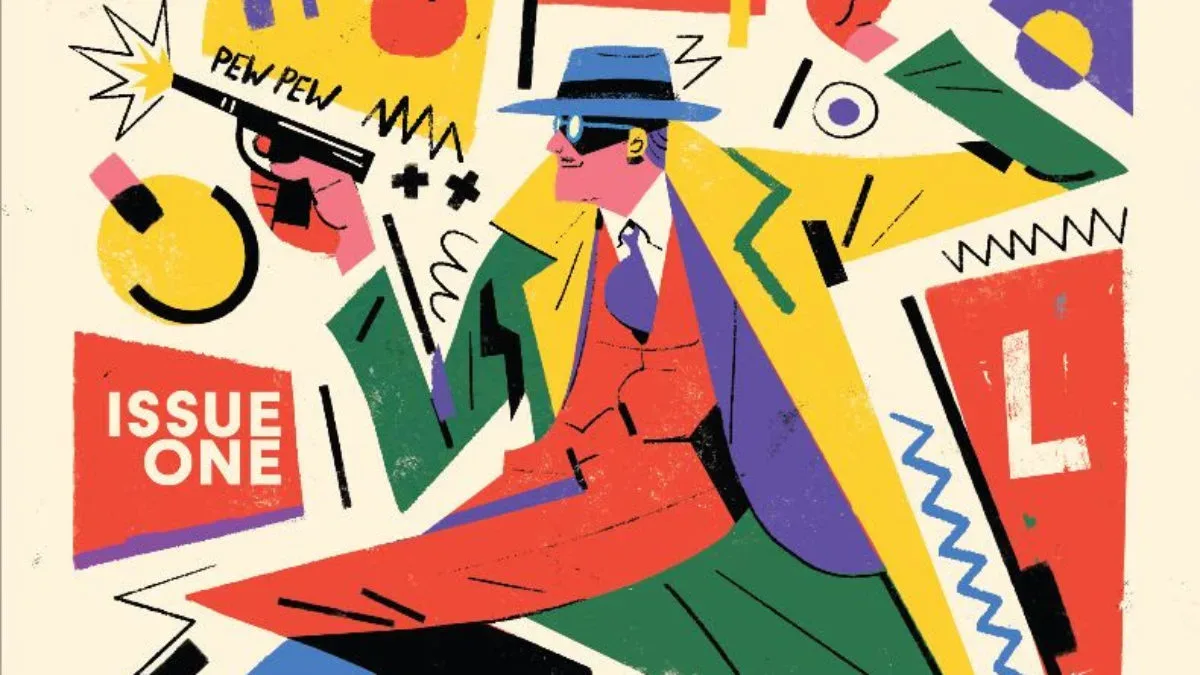
The book reunites writers Chris Killian and Andrew Sanders with artist Todor Hristov. It is presented as a follow-up to the previous holiday horror story I Saw Santa!, once again merging the iconography of Christmas with Spawn’s supernatural world. The listed cover artist is Rob “Sketchcraft” Duenas, while Daniel Henriques and the team of Todd McFarlane and Robert Nugent are listed for additional cover editions.
A Christmas mystery with a Hellspawn at its center
The available premise is direct but leaves several important questions open. A gruesome North Pole killing scene bears Charlie Kohl’s recognizable signature. Santa investigates, while an internal corruption takes root in the workshop. Spawn is framed as the figure who may be able to stop the threat.
That structure makes this more than a simple “Spawn meets Christmas” novelty. The story’s central pressure point is the breach of a supposedly secure and benevolent place. Santa’s workshop is traditionally depicted as the most orderly version of holiday fantasy: a production center devoted to gifts, managed by trusted workers, and hidden from the ordinary world. Putting a killer’s signature there turns that familiar setting into a crime scene. Adding corruption from within shifts the threat from an external attack to a question of trust.
In horror terms, corruption from within means the danger is not merely trying to get through the gates. It is already embedded in the setting, systems, or people meant to be safe. That can create a different kind of suspense than a straightforward monster assault. Santa’s investigation is not simply about identifying a culprit; it is also about recognizing how far the rot has spread and whether the workshop can still function as the place it is supposed to be.
Spawn’s role also matters because the character’s supernatural identity naturally changes the scale of a mystery. The synopsis does not establish exactly what kind of dark force is corrupting the workshop, nor how Charlie Kohl connects to it. But describing Spawn as the only one who might stop the situation suggests a problem beyond the reach of an ordinary investigation. Readers should still treat that as the setup rather than a promise of any particular villain, confrontation, or resolution.
Returning to the world of I Saw Santa!
I Saw Spawn: A Twisted Christmas Tale #1 is a sequel to I Saw Santa!, and the returning creative team gives the follow-up a clear throughline. Killian and Sanders are back as co-writers, while Hristov again handles interior art. Continuity in a short seasonal horror project can be valuable even when a new issue appears designed to deliver a self-contained event: it lets the premise develop beyond its first joke, image, or shock.
The title also signals an intentional escalation. I Saw Santa! centers the unsettling proposition of encountering a warped version of Santa. I Saw Spawn places the Hellspawn in the same framing, making Spawn an acknowledged part of the holiday-horror hook rather than a late surprise. The result is a crossover-style concept built around tone: Christmas imagery, a murder mystery, supernatural contamination, and a character whose presence is closely associated with darkness and violence.
That blend is not automatically comic relief. Holiday horror works because the season carries strong visual and emotional expectations: cheer, generosity, safety, bright decoration, ritual and childhood memory. A story can generate unease by making those elements unreliable. A workshop is no longer a place of creation; it may be compromised. A signature normally used to identify a killer appears in a realm where it should never exist. Santa is not simply delivering gifts; he is investigating a massacre.
Whether the comic leans more toward detective fiction, supernatural action, slasher horror, or grotesque seasonal satire remains unknown from the listed premise. The solicitation does establish that all four ingredients are available to the creative team. For readers deciding whether it matches their tastes, the key expectations are horror imagery and murder-mystery stakes, not a conventional all-ages Christmas adventure.
What the credited creators bring to the premise
Killian and Sanders share writing credit, with Hristov credited for the art. For a premise combining Santa, a serial killer, Spawn, and an endangered North Pole, that division of labor is significant. The writing needs to make a heightened mash-up readable as a story with stakes rather than merely a set of provocative ingredients. The art has the equally important job of selling a difficult tonal collision: recognizable holiday objects and spaces have to coexist with a gruesome crime scene and Spawn’s supernatural presence.
No page-by-page story details or plot outcome are established in the available information, so it would be premature to infer the book’s visual approach or how much of the cast will appear. Still, Hristov’s return means the sequel retains an artistic connection to its predecessor. In a holiday special, that kind of continuity can help turn a single seasonal experiment into a recurring corner of a larger comics universe.
Rob “Sketchcraft” Duenas is listed as the cover artist for the principal edition. Two additional cover listings are also provided: one credited to Daniel Henriques and another credited to Todd McFarlane and Robert Nugent. Multiple covers give readers a choice of presentation, but the information provided does not describe print quantities, incentives, retailer variants, or any other scarcity details. A cover choice should therefore be approached as an art preference unless further publisher information specifies otherwise.
Collectors tracking comic-market conversations may also want to separate confirmed publication details from speculation around variants. Our look at a speculation-heavy week in comic aftermarket sales offers a useful reminder that aftermarket attention and long-term significance are not the same thing. For this issue, the confirmed facts are the release date, creative credits, cover listings, publisher, and suggested price—not projected scarcity or resale performance.
Release details and what is confirmed
I Saw Spawn: A Twisted Christmas Tale #1 is listed at a suggested retail price of $5.99 and is due in shops on Wednesday, November 11, 2026. Image Comics is the publisher. The issue’s primary listing carries order code 0926IM0280. The Daniel Henriques cover is listed under 0926IM0281, and the Todd McFarlane and Robert Nugent cover is listed under 0926IM8194.
Those codes can be useful for readers talking with a comic-shop retailer, particularly when there are several cover options with closely similar titles. The listings do not state whether each cover will be stocked at every store, so availability can depend on what an individual retailer orders. The same caution applies to whether the issue will remain easy to find after release; no print-run or restock information is included here.
Confirmed credits and solicitation details
- Title: I Saw Spawn: A Twisted Christmas Tale #1
- Publisher: Image Comics
- On-sale date: November 11, 2026
- Writers: Chris Killian and Andrew Sanders
- Artist: Todor Hristov
- Primary cover artist: Rob “Sketchcraft” Duenas
- Additional listed covers: Daniel Henriques; Todd McFarlane and Robert Nugent
- Suggested retail price: $5.99
Why the premise stands out
Christmas specials are often treated as detached diversions, but this one uses the season as the engine of its threat. The North Pole is not decoration around a standard Spawn plot. It is where the killing occurs, where Santa’s investigation begins, and where the unseen corruption is taking hold. That gives the holiday setting narrative weight.
It also creates a striking set of contrasts. Spawn is a Hellspawn entering a mythical home associated with generosity and wonder. Santa is investigating a murder rather than preparing gifts. The workshop, normally a symbol of dependable coordinated labor, becomes a possible source of danger. Charlie Kohl’s signature functions as the concrete clue tying the violence to a known human menace, while the “dark forces” language suggests that the case may not remain limited to one killer.
Those are the established stakes heading into the issue. The unanswered details—Kohl’s precise involvement, the nature of the corrupting force, Santa’s relationship to the wider conflict, and exactly what Spawn must do—are where the comic’s mystery resides. For readers who enjoy seasonal comics that take familiar festive imagery somewhere macabre, this is positioned as a compact Spawn story with a deliberately twisted holiday premise.