The Wii is usually remembered for motion-controlled sports, family party games and Nintendo’s platforming catalogue. Its strategy library is less visible, but it is more varied than that reputation suggests. The system hosted a substantial traditional tactics game, two pointer-controlled Pikmin reissues, a real-time military hybrid, a city builder, an economic simulation, a side-scrolling real-time strategy game and two unusually focused WiiWare management experiments.
This list uses strategy in a coherent but broad sense: every selection asks the player to plan deployments, manage resources, position units, organize a settlement, choose a route through danger or build a defensive response. Games are ranked by four criteria: the depth of their meaningful decisions, the variety of challenges, the incentive to replay or experiment, and the quality of their Wii-specific presentation or control design. The list includes retail games, New Play Control reissues and WiiWare titles, but those categories are identified clearly so readers do not mistake a digital release for a disc-based Wii game.
10. Final Fantasy Crystal Chronicles: My Life as a Darklord
Final Fantasy Crystal Chronicles: My Life as a Darklord turns the usual heroic fantasy structure upside down. Instead of guiding adventurers through a dungeon, the player protects a tower from invading heroes by arranging monsters, traps and defensive layers. The interesting question is not which character the player should swing a sword with, but how the tower’s rooms and inhabitants can be combined to create a hostile route for the attackers.
That premise gives Darklord a clear strategic identity. Different enemies create different pressures, and the player must think about placement, timing and the order in which threats enter the tower. A strong creature placed in isolation may be less useful than several defenses that work together. The game therefore rewards construction of a system rather than simple selection of the most powerful unit.
Darklord ranks tenth because its scope is narrower than the larger campaigns here. It is a compact strategy experiment rather than a broad war game, city simulator or party-building role-playing game. That limitation is also its appeal. Players who enjoy tower defense and defensive puzzles get a distinctive Crystal Chronicles spin-off, while players looking for large maps or extensive army management may find the format too focused. It was released as a WiiWare title, not as a conventional retail Final Fantasy game.
- Best for: players who enjoy tower defense, trap placement and defensive puzzles.
- Key tradeoff: an unusual premise and clear strategic identity in a more compact format.
- Edition note: this is a WiiWare strategy game rather than a standard Final Fantasy role-playing game.
9. SimCity Creator
SimCity Creator is the Wii’s most obvious city-management entry, and its strongest idea is the attempt to make urban planning comfortable with a Wii Remote. Pointing, selecting and drawing roads gives construction a more direct feel than a conventional controller usually provides. Curved road layouts are particularly useful because they encourage players to think about the shape and flow of a city instead of treating every settlement as a rigid grid.
The city itself becomes a collection of competing priorities. Roads need to connect useful areas, transport decisions influence how the settlement develops, landmarks can shape its identity and disasters can expose weaknesses that were easy to ignore during peaceful growth. Players can pursue different goals, from efficient expansion to more visually distinctive urban layouts, so the game supports experimentation even when it lacks the battlefield pressure of a tactics game.
SimCity Creator ranks below the more demanding entries because its strategy unfolds at a gentler pace. The satisfaction comes from balancing long-term development rather than making a series of urgent tactical responses. It is best suited to players who want to build, revise and watch a city change over time. It should also be understood as a console adaptation with its own scope and interface, not as a complete substitute for every feature associated with the Windows SimCity series.
- Best for: players who prefer roads, landmarks, disasters and long-term city growth.
- Key tradeoff: urban planning and experimentation matter more than unit matchups or combat pressure.
- Edition note: the Wii release is a console-focused adaptation.
8. Dawn of Discovery
Dawn of Discovery, known in other regions as Anno: Create a New World, is the Wii’s strongest choice for players who define strategy through economics rather than combat. Its central problems involve settlement growth, production chains, diplomacy and the movement of resources between communities. A new farm or workshop is valuable only if it supports the wider economy, so expanding too quickly can create shortages instead of prosperity.
The game’s slower rhythm is part of its appeal. A settlement may need more food, which requires additional workers, which may require housing and services, which in turn can create new demands for materials. Each step is understandable on its own, but the interconnected systems become more challenging as the player expands. The best decisions are often preventative: build enough support before a shortage interrupts the entire chain.
Dawn of Discovery ranks eighth because its Wii form is more approachable than the largest computer strategy simulations, but also less expansive. This is not simply the Windows Anno 1404 experience transferred unchanged to a console. The Wii edition was adapted for the system and presented as a focused strategy adventure involving exploration, colonies, resources and political complications. Players who prefer supply chains and settlement growth may value its calm structure more than a faster tactical game.
- Best for: players who enjoy production chains, settlement growth and diplomacy.
- Key tradeoff: careful economic planning replaces quick battlefield reactions.
- Edition note: North America used the title Dawn of Discovery; other regions used Anno: Create a New World.
7. Battalion Wars 2
Battalion Wars 2 occupies an unusual position because it is both a real-time strategy game and a third-person action game. The player takes direct control of a battlefield soldier while issuing commands and switching between military roles. That mixture makes each encounter more immediate than a traditional grid-based tactics game, but it also means the player’s own movement and combat decisions remain part of the tactical problem.
Unit matchups provide the main strategic structure. Infantry, tanks, aircraft and naval forces have different strengths, so advancing with one favorite unit is rarely a reliable answer. A tank may break through a defensive position, while another unit is better suited to threats the tank cannot reach or attack effectively. Switching between soldiers and vehicles changes the player’s viewpoint as well as the available options.
The game’s action focus is both its advantage and its limitation. Battalion Wars 2 does not offer the granular army management of Fire Emblem, and hectic encounters can leave less time for deliberate planning. What it does offer is a distinctive command fantasy: the player is inside the battle, not hovering above it. The campaign is the most important reason to play today, while the original online modes are best treated as historical context because Nintendo Wi-Fi Connection service for Wii software was discontinued.
- Best for: players who want to fight within a battle while directing combined forces.
- Key tradeoff: immediacy and spectacle over detailed map-level management.
- Common mistake: describing it as a pure strategy game without acknowledging its action structure and historically online multiplayer focus.
6. New Play Control! Pikmin
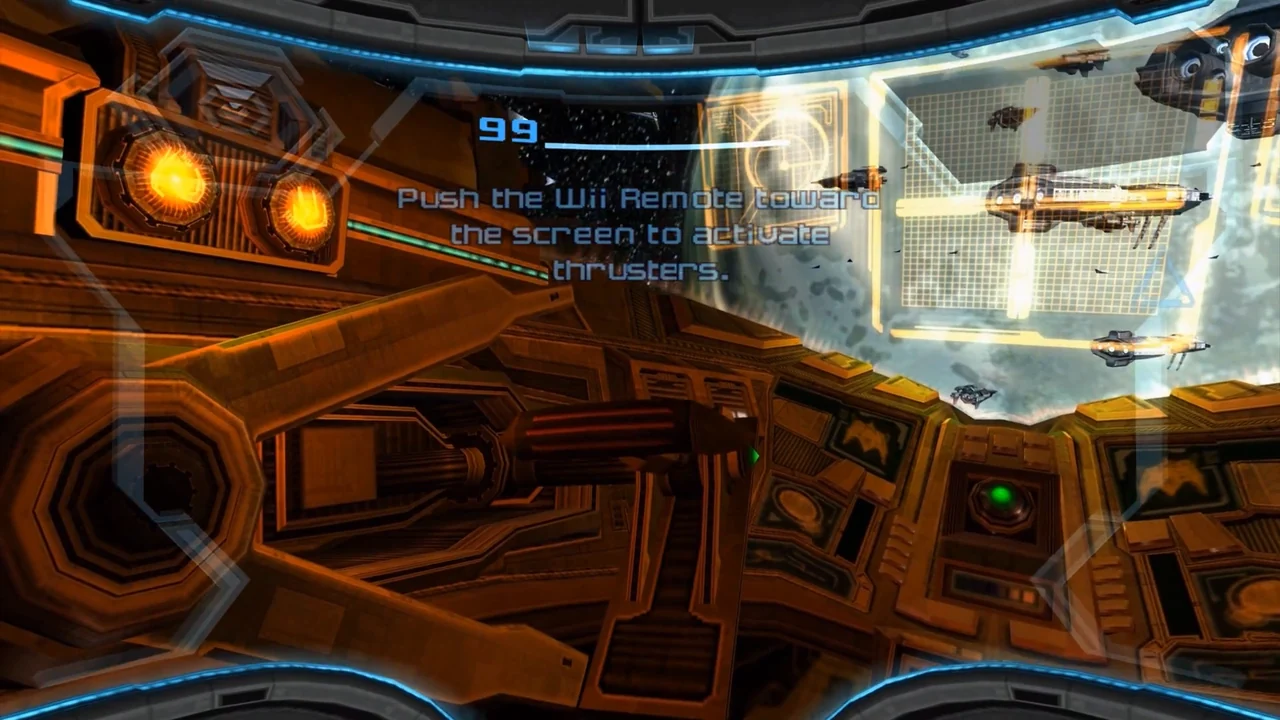
New Play Control! Pikmin is a Wii reissue of the original GameCube game, not a game designed originally as a native Wii release. Its importance comes from how naturally the revised pointer controls fit the underlying strategy. The player directs a small workforce through an alien environment, divides responsibilities and recovers ship parts before the day ends. Pointing at a destination and assigning Pikmin makes the connection between cursor, leader and squad easy to understand.
The strategic pressure comes from several systems arriving at once. Pikmin must be grown and assigned according to their abilities, environmental obstacles determine which group can proceed, and the daily time limit forces the player to decide what is worth attempting before sunset. A poor plan does not merely cost health. It can waste an entire expedition and leave the next day’s schedule less flexible.
The Wii edition also added a more forgiving approach to recovery by allowing players to restart from an earlier day. That feature makes the deadlines less intimidating without removing their importance. The game ranks above the slower management entries because every expedition combines route planning, workforce allocation and risk assessment in a tightly connected environment. It is an excellent introduction to real-time strategy for players who prefer clear goals over an enormous battlefield.
- Best for: newcomers who want real-time planning and readable pointer controls.
- Key tradeoff: daily time pressure creates memorable decisions but punishes inefficient routes.
- Edition note: this is a Wii reissue of the GameCube original with revised controls and save features.
5. Final Fantasy Crystal Chronicles: My Life as a King
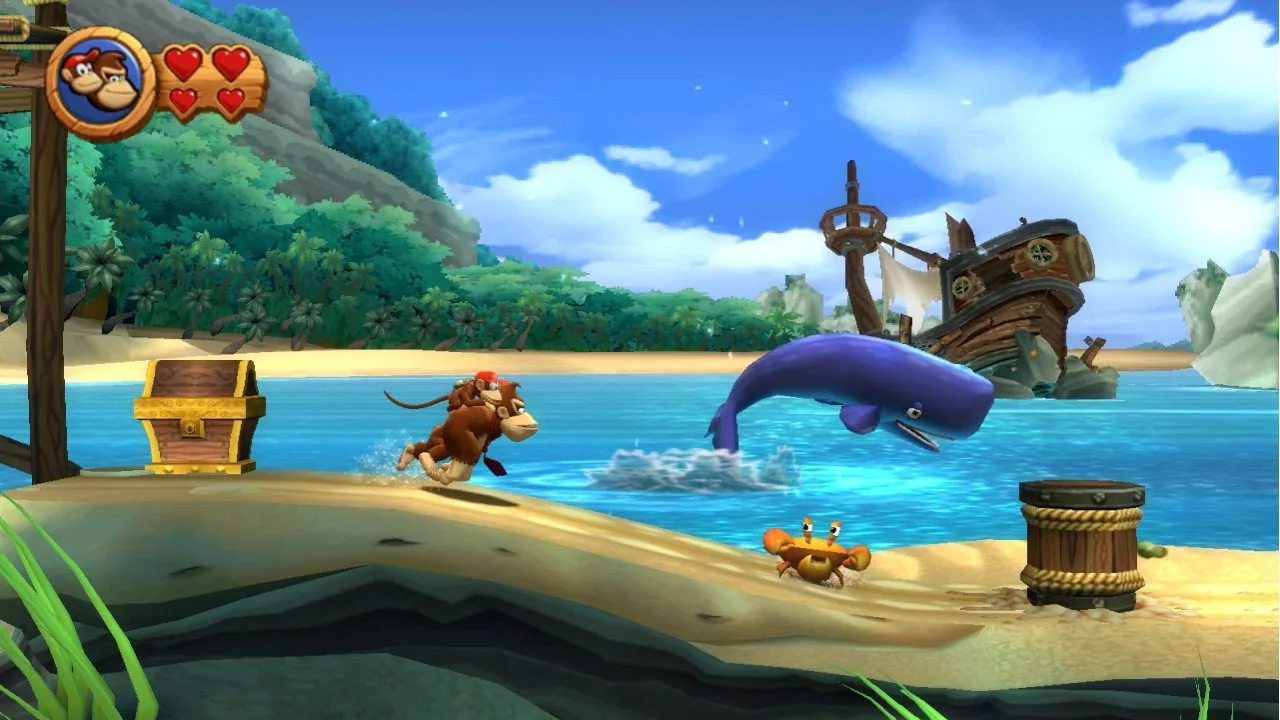
My Life as a King turns the usual role-playing structure inside out. The player does not lead an adventurer through every dungeon. Instead, the young king rebuilds a kingdom, places facilities, recruits heroes and sends them on missions. Adventurers become part of a management system: their abilities, equipment and assignments determine which problems the kingdom can safely attempt.
That distance creates an unusual kind of strategy. The important question is often not whether the player can personally win a fight, but whether the right people were prepared and dispatched. Constructing one facility may open a useful class or service, while spending resources elsewhere may delay a more important improvement. The result is a game about building the conditions for success rather than directly performing every successful action.
The game’s strongest appeal is its focused premise. Players who enjoy watching a settlement develop and making decisions for characters they do not directly control will find something distinct. Those expecting a traditional Final Fantasy party, exploration loop or turn-based combat system may be disappointed. As a WiiWare release, it belongs to the console’s digital distribution history rather than its retail role-playing catalogue.
- Best for: players who enjoy recruiting, building and dispatching adventurers.
- Key tradeoff: long-term planning replaces direct control of battles.
- Common mistake: treating it as a conventional Final Fantasy role-playing game.
4. Swords & Soldiers
Swords & Soldiers compresses real-time strategy into a side-scrolling battlefield that is easy to read and quick to understand. Players create units, use magic and attack an opposing castle while the horizontal map keeps the action focused. Instead of surveying a huge battlefield, the player constantly weighs whether to strengthen an existing push, defend a vulnerable lane or save resources for a stronger response.
Three playable factions give the campaign meaningful variety because each one approaches the basic castle assault differently. Their units and spells create distinct tactical rhythms, while the campaign provides ten missions for each faction. Local split-screen multiplayer adds another reason to revisit the system: the same readable battlefield becomes a contest of timing, unit composition and resource spending. Challenge modes further separate the game from a straightforward campaign-only structure.
Swords & Soldiers ranks highly because its WiiWare format and Wii Remote controls work together rather than feeling like compromises. It does not try to imitate a mouse-heavy computer strategy game. Its compact lanes, visible objectives and bold unit roles keep the important information legible on a television. The result is less expansive than Dawn of Discovery, but more immediately replayable and easier to recommend for short sessions.
- Best for: players who want quick real-time strategy and local competition.
- Key tradeoff: excellent clarity and pacing, but a smaller battlefield than traditional RTS games.
- Format note: it was released through WiiWare rather than as a standard retail disc.
3. Little King's Story
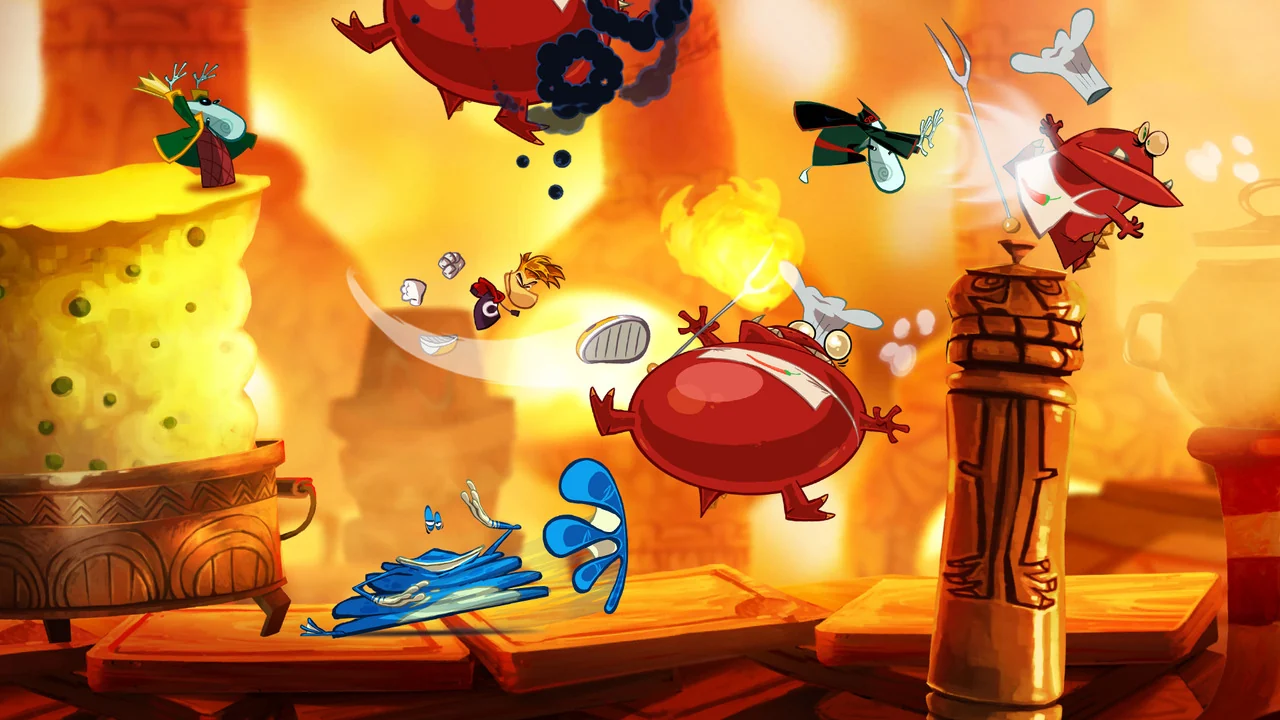
Little King's Story blends kingdom expansion, resource gathering, squad composition and real-time command into one unusually lively package. The king explores directly, but the citizens following him determine which obstacles can be overcome. Recruiting and assigning people creates a practical question before every expedition: which combination of workers, fighters and specialists is most useful for the next problem?
The cheerful presentation can disguise how often the game asks the player to manage competing priorities. Expanding the kingdom opens new possibilities, but a larger realm also creates more responsibilities. Battles reward selecting suitable followers and keeping the group together, while exploration encourages players to notice routes and opportunities rather than simply moving toward the next objective.
Little King’s Story ranks third because it turns strategy into a personal, characterful adventure without reducing the strategic systems to decoration. The player remains close to the action, yet the best results come from preparation and squad composition. It is less rigid than Fire Emblem and less systems-heavy than a city builder, making it a strong recommendation for players who want tactical decisions wrapped in an accessible world.
- Best for: players who want squad command mixed with exploration and kingdom growth.
- Key tradeoff: personality and flexibility over the strict grid-based clarity of a tactics game.
- Strategic focus: citizen roles, squad composition and deciding when to expand.
2. New Play Control! Pikmin 2
New Play Control! Pikmin 2 takes the expedition formula further by broadening the objectives and giving the player more ways to divide responsibilities. Like its predecessor, it is a Wii edition of a GameCube game, with pointer-based controls that make selecting, directing and separating Pikmin immediate. The addition of Louie means the player can switch between two captains and manage separate groups, creating more opportunities for multitasking.
The game’s appeal comes from the relationship between preparation and improvisation. A carefully chosen group can make an objective efficient, but unexpected hazards can force a quick change of plan. Deciding which Pikmin to risk, when to regroup and how to divide responsibilities gives the game more tactical texture than a simple collection challenge. Underground areas add further pressure because the player must preserve a limited workforce while adapting to hazards and enemies.
Its multiplayer options are also distinct from the first game. The Wii edition includes two-player competitive and cooperative modes, but not online multiplayer. Regional release details matter as well: the Wii version appeared in Japan and Europe in 2009, while North America received its Wii release later. Those differences do not change the core strategy, but they are important when identifying which edition a player owns or remembers.
- Best for: players who want deeper real-time squad planning than the first Pikmin offers.
- Key tradeoff: broader systems and tougher decisions can feel less relaxed.
- Edition note: it is a revised GameCube game for Wii, with regional release differences and local multiplayer modes.
1. Fire Emblem: Radiant Dawn
Fire Emblem: Radiant Dawn is the Wii’s strongest traditional tactics package because it combines a substantial campaign with decisions that remain meaningful from one map to the next. Unit positioning, weapon types, support relationships and permanent character loss all influence how a player approaches a battle. Victory is not merely about reducing enemy numbers. It is about protecting valuable units, controlling terrain and deciding which characters deserve scarce opportunities to grow.
Its structure creates variety through changing groups and perspectives. The player cannot rely on one unchanging squad for every challenge, so different maps encourage different priorities. A strong frontline, a useful support pairing or a carefully timed retreat can matter more than simply choosing the most powerful attack. The consequences of losing a character make careless play costly, while the broad cast gives experimentation a reason to continue.
Radiant Dawn also shows that a Wii strategy game does not need to force motion controls into every system. The game supports the Wii Remote held sideways, the Classic Controller and the GameCube controller, giving players several traditional ways to manage its grid-based battles. That is a strength rather than a failure of Wii identity: the console accommodates a serious, old-school tactics experience without bending the genre around gestures. It earns the top position through depth, campaign variety and the lasting effect of its decisions.
- Best for: players seeking traditional turn-based tactics with permanent consequences.
- Key tradeoff: deep systems and character stakes demand more patience than the other entries.
- Control note: Wii Remote, Classic Controller and GameCube controller options are supported.
The Wii’s strategy strengths are spread across several forms rather than concentrated in one flagship series. Radiant Dawn is the choice for structured turn-based tactics; Pikmin 1 and 2 suit players who prefer real-time workforce planning; Little King’s Story mixes command with exploration; and Swords & Soldiers delivers a compact real-time strategy format. Dawn of Discovery and SimCity Creator cover economic and urban management, while the two Crystal Chronicles games show how WiiWare supported unusual strategy premises.
Edition details are important when revisiting this catalogue. New Play Control! Pikmin and Pikmin 2 are revised Wii editions of GameCube games, Dawn of Discovery has regional naming differences and a console-specific design, and WiiWare titles belong to a digital distribution history distinct from ordinary disc ownership. Battalion Wars 2 also deserves a historical multiplayer qualification because its original Nintendo Wi-Fi Connection features are no longer part of ordinary official Wii online service. Taken together, these ten games show that the Wii’s pointer, motion and traditional-controller options supported far more strategic variety than its party-game reputation suggests.