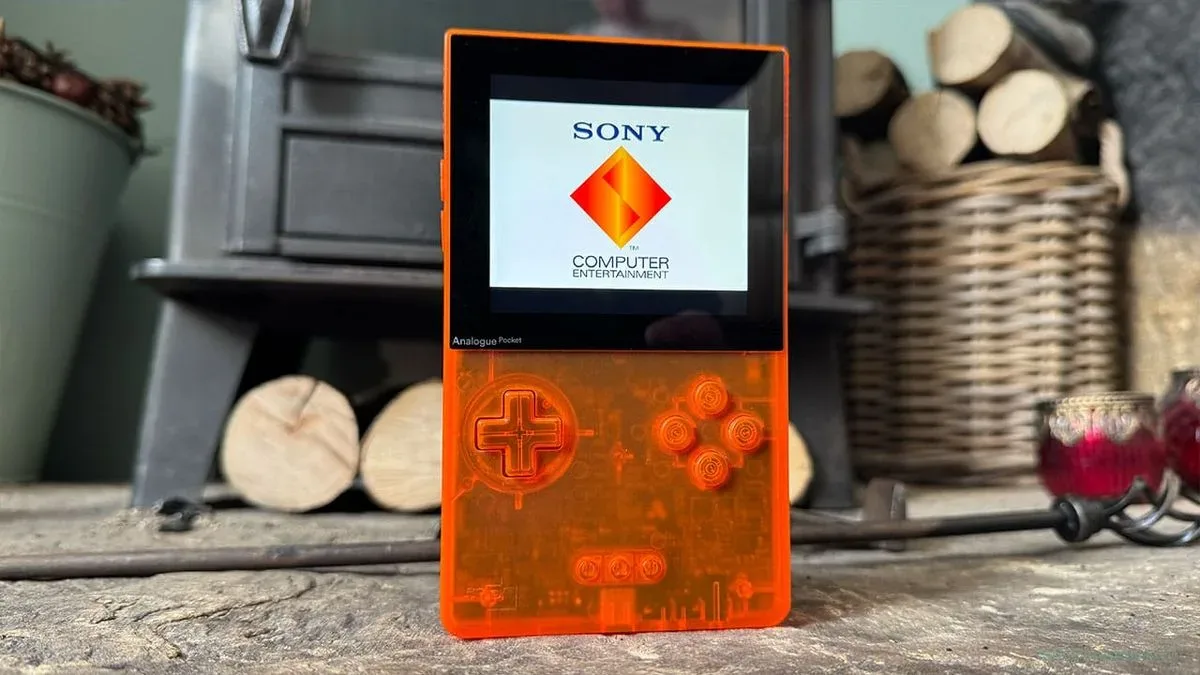
The Analogue Pocket’s open FPGA ecosystem has gained a new and particularly ambitious option: GuardianSoul, a PlayStation core designed for the handheld. The project matters because PlayStation support had been a conspicuous gap for Pocket owners looking to consolidate older games on one portable device, and because GuardianSoul’s development has been described as AI-assisted rather than following a conventional, entirely human-written path.
That combination makes this more than a routine compatibility update. It is a technical milestone with practical appeal for retro players, but it also prompts legitimate questions about how community hardware projects are made, maintained, audited and trusted.
What GuardianSoul is
GuardianSoul is a core for the Analogue Pocket that targets the original PlayStation. In FPGA terms, a core is the hardware-logic implementation that allows a device to reproduce the behavior of a particular system. Rather than being a game itself, it is the layer intended to make PlayStation software run on the Pocket.
The project is built on the MiSTer PSX core and also draws on PS-FPGA GTE work and other projects. That lineage is important context: GuardianSoul is not presented as a PlayStation implementation created in isolation. It is a Pocket-focused project that builds upon existing technical efforts.
FPGA stands for field-programmable gate array. In plain terms, it is programmable hardware that can be configured to behave like the circuitry of another system. That differs from conventional software emulation, where a program running on general-purpose hardware simulates a console. Both approaches can be useful; the key point here is that the Pocket’s FPGA setup is intended to support hardware-style implementations through downloadable cores.
For players, the appeal is easy to understand. A Pocket owner can already use the handheld with a range of older platforms, and a functioning PlayStation option potentially puts a far broader slice of the era’s library within the same portable setup. The prospect of moving from Game Boy and Game Boy Advance titles to PlayStation games without changing devices is a meaningful convenience, especially for people who prefer a single handheld and a consistent interface.
Reported compatibility is encouraging, but still narrow
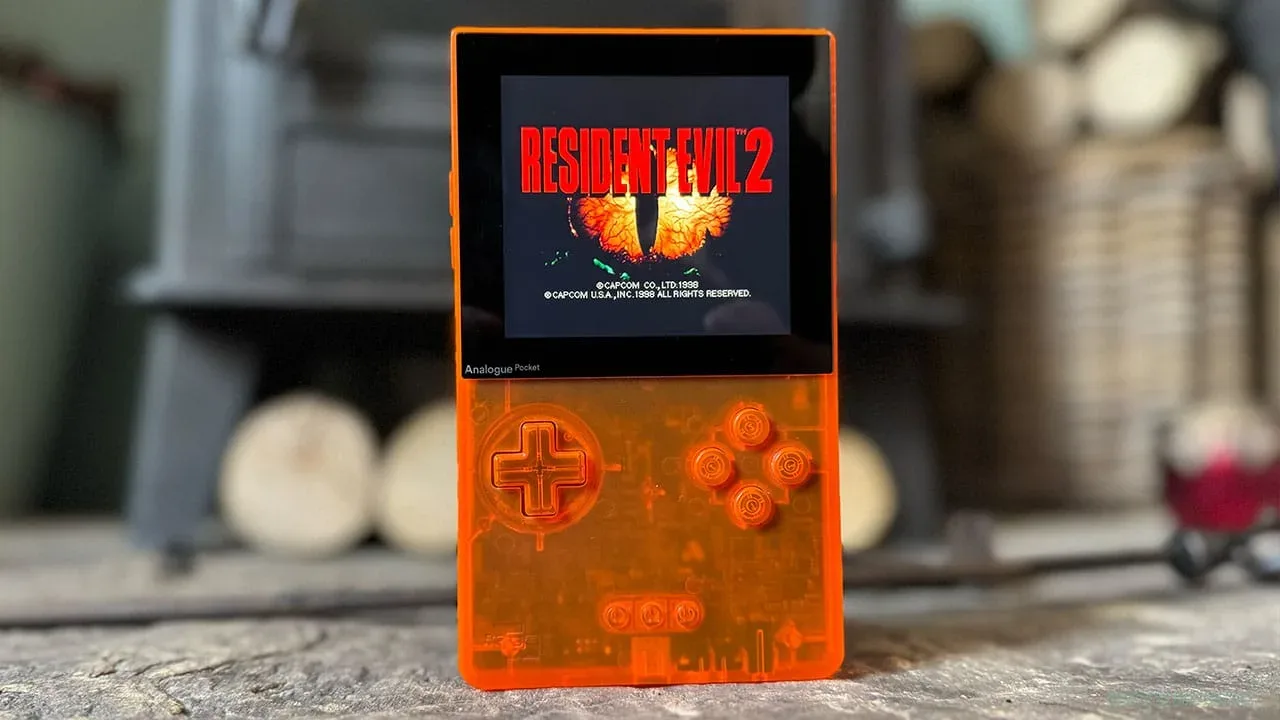
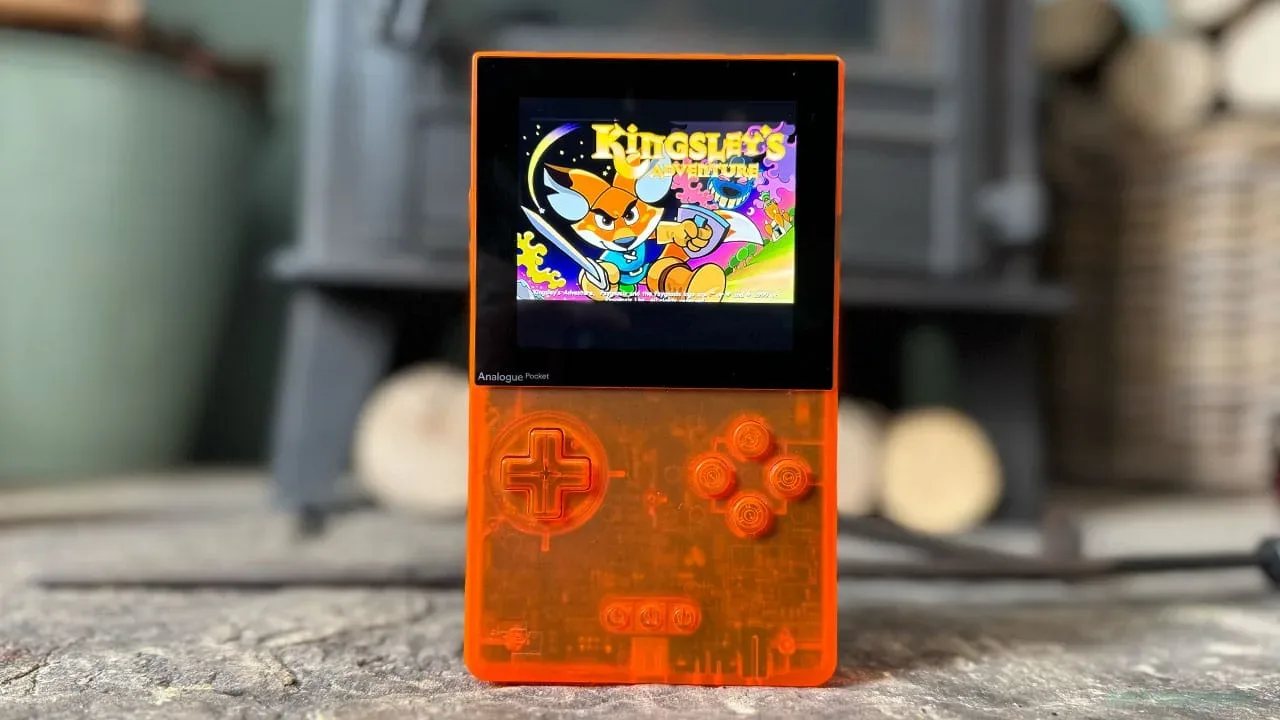
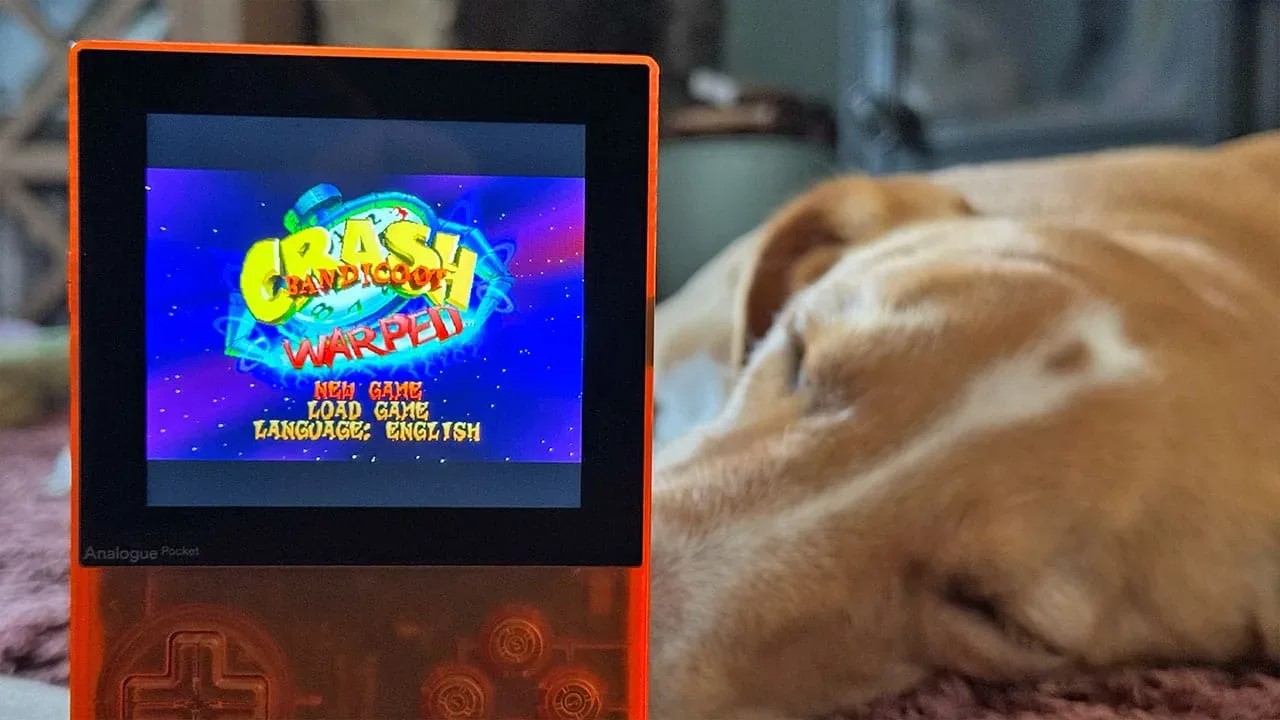
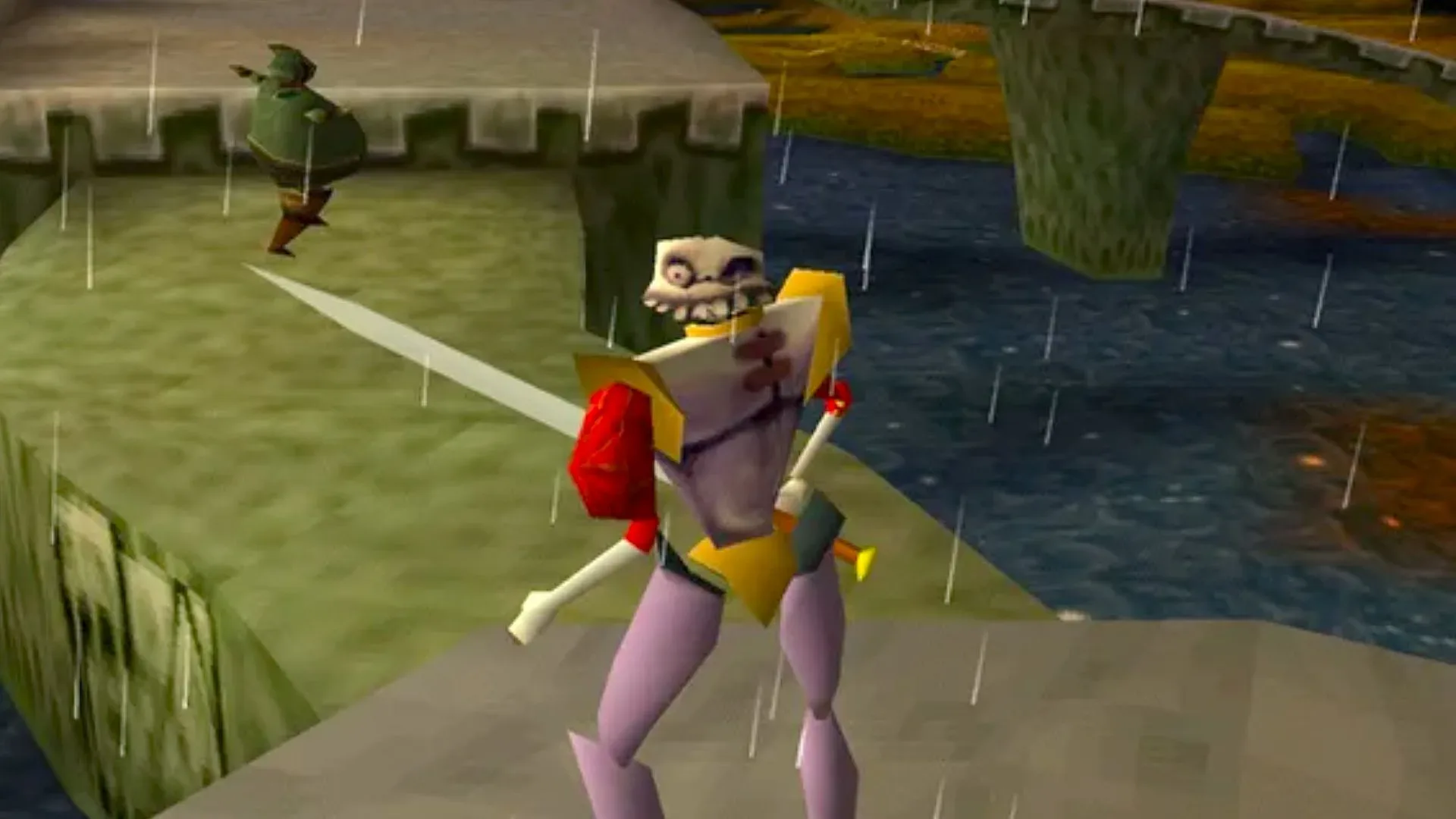
Early use has been positive. GuardianSoul reportedly loaded and ran Kingsley’s Adventure, Resident Evil 2, Crash Bandicoot: Warped and Crash Team Racing without the reported user encountering problems. Load times were also described as good.
Those are useful examples because they are not all exactly alike. They suggest the core can handle at least a selection of 3D PlayStation software and familiar marquee releases. But they should not be treated as a full compatibility verdict. Four games running well is encouraging evidence, not proof that every game, region, disc configuration, peripheral or edge case will behave identically.
Related coverage includes GuardianSoul Adds a PlayStation Core to Analogue Pocket.
That distinction is especially important for any new core. Compatibility can include far more than reaching a title screen: graphical accuracy, audio behavior, controls, memory-card handling, stability over longer sessions and behavior in game-specific scenes can all matter. Until there is broader testing, the sensible reading is that GuardianSoul shows real promise rather than that it has settled every question about PlayStation support on the Pocket.
The reported battery result is similarly positive but limited. No unusually fast battery drain was noticed while using PlayStation software compared with less demanding Game Boy Advance and Game Boy Color games. That is good news for portable use, yet it remains an observation rather than a standardized battery benchmark. Battery life will still depend on factors outside the core itself, including settings and individual use.
The unusual development story: AI assistance
GuardianSoul’s development is likely to be as widely discussed as its technical result. The project has been characterized as “vibe-coded,” using OpenAI Codex and Anthropic Claude. A human programmer made design choices and directed the work, while the AI tools used code from the MiSTer PSX core, PS-FPGA GTE and other projects in creating GuardianSoul.
“Vibe coding” is an informal label generally used for development workflows in which a person guides AI coding tools using natural-language instructions, evaluates their output and iterates on it. It does not necessarily mean a person had no role in the code. In this case, the stated role of the human developer includes selecting a direction and making design decisions.
Still, the label should not be treated as a technical quality guarantee in either direction. AI assistance does not automatically make a project unreliable, and a working demonstration does not answer every maintenance or provenance question. With a low-level FPGA project, the questions that matter most are practical: Can the implementation be understood? Can problems be isolated and fixed? Are dependencies and prior projects acknowledged appropriately? Can future contributors work with the code?
Those are not abstract concerns. A core may be useful today yet still need continuing work as users discover compatibility gaps. Long-term confidence generally comes from clear documentation, repeatable installation, visible issue tracking and a path for maintainers or contributors to understand what the project is doing. The supplied information establishes that GuardianSoul works in reported testing; it does not establish how every one of those longer-term questions will be handled.
Installation and file organization
GuardianSoul can be obtained through Pocket Sync or GitHub. Pocket Sync was reported to locate the required files and BIOS needed for setup, making the installation process relatively straightforward in that instance.
A BIOS is firmware associated with a system’s basic startup and low-level functions. In retro-game setups, BIOS files are often required for a core to operate as intended. Their legal status and permitted use can vary by jurisdiction and source, so users should take care to use files they are entitled to use and follow applicable law.
For game files, the reported configuration places legally acquired ROMs in separate folders within the Common directory under the Pocket SD card’s Assets folder. A ROM, in this context, is a digital copy of game data. Organization matters more than it might initially seem: a clear folder structure makes a growing library easier to navigate and reduces the chance of confusing files intended for different systems.
Anyone setting up a new core should be deliberate rather than simply copying a random collection of files onto an SD card. Keep BIOS files and game files organized, preserve backups of working configurations, and make a note of which core version is installed. Those basic habits make it easier to troubleshoot later if a game fails to boot or a later update changes behavior.
What this means for Pocket owners
GuardianSoul’s practical value is portability and consolidation. The Pocket can now potentially occupy a new role for people with legally acquired PlayStation game files: not merely a machine for cartridge-era favorites, but a handheld destination for at least some early 3D console games as well.
It also makes the Pocket’s open-core side more compelling. Analogue Pocket hardware is often discussed through its cartridge support and screen, but cores substantially change what a device can become over time. The addition of PlayStation support, even at an early stage, illustrates why community work around FPGA platforms attracts attention: software and hardware history can be made accessible in new forms without requiring a separate legacy console for every platform.
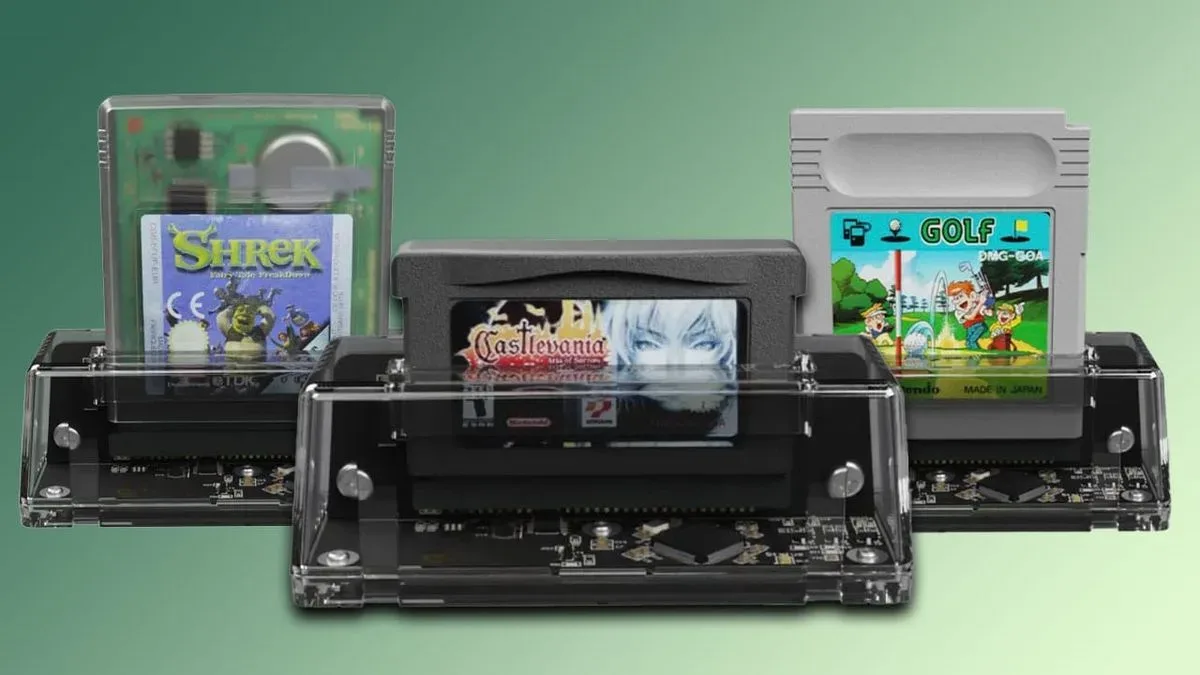
There is a useful parallel in the wider retro-hardware space. Tools that bridge original games and modern devices are valuable not just because they are novel, but because they can make careful library management more practical. The GB Operator’s role connecting Game Boy cartridges with modern PCs is one example of that broader interest in keeping older game ecosystems usable with contemporary hardware.
Reasons to be excited—and measured
The exciting case for GuardianSoul is straightforward. Reported testing points to a usable PlayStation core on a handheld that had lacked one, with several well-known games loading successfully and no reported battery penalty. For Pocket owners who have wanted PlayStation functionality, that is a significant development.
The measured case is just as straightforward. It is a project with an unusual AI-assisted development story, built from existing work, and the available evidence is early and selective. Users should expect that a new core may evolve, that individual games may have different results, and that documentation and project stewardship will matter as much as the initial excitement.
For now, GuardianSoul appears to be a notable expansion of what the Analogue Pocket can do. Its strongest claim is not that it has conclusively solved portable PlayStation compatibility for every player and every game. It is that a credible, reportedly smooth first step now exists—and that is enough to make this one of the more interesting Pocket developments to watch.